REVIEW · MATSUMOTO
Matsumoto Castle Tour & Samurai Experience
Book on GetYourGuide →Operated by Matsumoto Experience · Bookable on GetYourGuide
Samurai moves start with a castle gate. In Matsumoto, you get Matsumoto Castle first, then a hands-on samurai sword (katana) session right after, all wrapped into a 3-hour morning. It’s a neat pairing: the castle gives you the context, and the training gives you the muscle memory of what the samurai lifestyle felt like.
Two things I really like: you’re not only looking at history, you’re learning how it shaped daily life inside the castle town, and then you’re practicing basic stances with a real sword. The English guiding is also a plus, with past groups praising guides like Naomi, Shin, and Tim for clear explanations and good pacing.
One consideration: the castle climb is steep and narrow, so this tour is not suitable for wheelchair users or people with mobility impairments. Also, the pace can vary on busy days, so build in extra time to reach the meeting point calmly.
In This Review
- Key Points That Make This Tour Worth Your Time
- Why Matsumoto Castle Is the Right Stage for Samurai Training
- Getting There: Matsumoto Station Meeting Point and How Early to Arrive
- Matsumoto Castle in 2 Hours: What the Guide Helps You Notice
- The Katana Class: Dressing Up and Learning Stances the Safe Way
- What You Really Learn (Not Just What You Pose)
- Price and Value: Why $88 Makes Sense Here
- Who Should Book This Tour (and Who Might Skip It)
- Practical Tips for a Smoother Katana Day
- Should You Book This Matsumoto Castle & Samurai Experience Tour?
- FAQ
- How long is the Matsumoto Castle Tour & Samurai Experience?
- Where is the meeting point?
- Is the tour in English?
- What is included in the price?
- Is the samurai experience hands-on?
- What should I know about physical requirements?
Key Points That Make This Tour Worth Your Time
- National Treasure castle tour at Matsumoto Castle, built in 1593–1594 with an ancient five-tier tower still standing
- Hands-on katana lesson that starts with dressing up and selecting your sword
- Defensive strategy and samurai town layout storytelling, not just photo stops
- Patient instruction even when English is limited, with instructors described as very encouraging
- Great photo-friendly moment, with some guides taking pictures and videos for your group
- Tight, efficient format: 2 hours castle + 1 hour training, so you don’t lose the day
Why Matsumoto Castle Is the Right Stage for Samurai Training
Matsumoto Castle is the star here, and it earns the attention. It’s one of Japan’s National Treasure castles, with construction dating to 1593–1594. The tower matters too: the castle keeps the oldest original five-tiered, six-story tower still existing in Japan.
This is a big deal for your experience because it changes how you read what you see. When you walk through a place that’s still shaped by feudal design, the “samurai stuff” stops feeling like a costume theme. You start noticing the layout and the purpose behind it. During the guided castle portion, you’ll hear about Matsumoto’s samurai lords, how the city grew, and how different classes and residential areas fit into the castle town. You’ll also learn about defensive strategies—practical details that connect the stone walls to the world that produced samurai fighters.
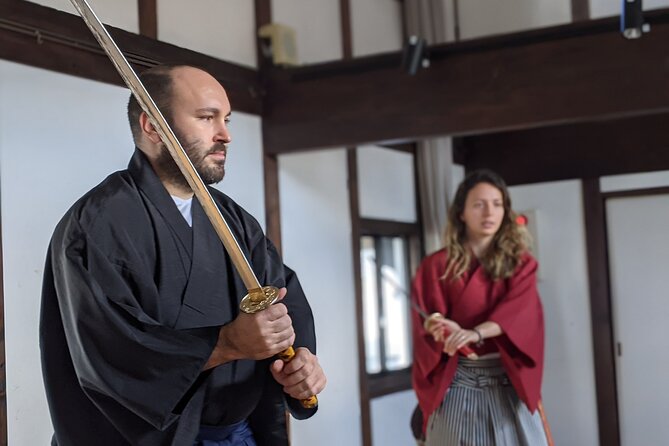
And then you switch gears. The sword session works best when it follows the context. In this tour, it does. You go from stories and architecture to real movement: stances, basic attacks and defenses, and how to hold and use a sword safely and confidently.
If you only do one “samurai experience” in the Nagano area, this is the one that makes the most sense. You get the setting and the skill practice, not just one or the other.
You can also read our reviews of more tours and experiences in Matsumoto.

Getting There: Matsumoto Station Meeting Point and How Early to Arrive
The meeting point is easy to miss if you show up at the last second: Matsumoto Station, at the front of the JR Line ticket office, near Starbucks inside the station on 2F.
Arrive early for one simple reason. Matsumoto is a smaller city, and timing can get squeezed when crowds form around the castle. The tour itself is about 3 hours, with castle time estimated at 2 hours and the samurai activity at 1 hour. On busy weekends and holidays, the schedule can run a little earlier or later, so I’d rather you be sitting with a buffer than power-walking in from the wrong entrance.
This is also one of those tours where small things matter. Being a few minutes early helps you:
- get oriented fast inside the station
- avoid stress if you need the restroom before the stairs
- start the experience ready to move and learn
If you’re pairing this with other Matsumoto plans, you’ll be happiest when you treat it like your main morning anchor, not a random add-on.
Matsumoto Castle in 2 Hours: What the Guide Helps You Notice
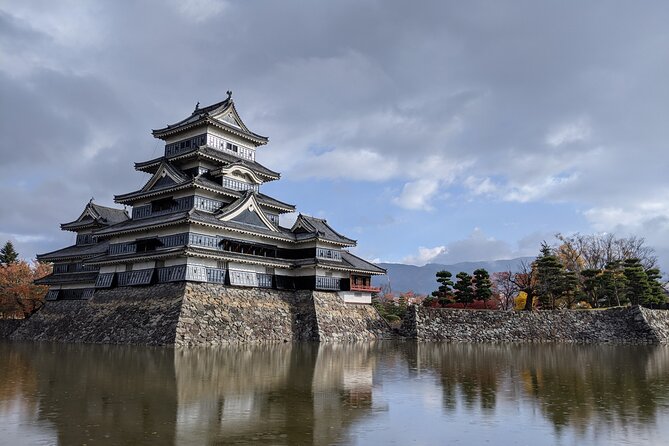
The castle tour is built around understanding what you’re looking at—especially the kind of details most people skip. It’s not a quick “look and go.” You’ll get a guided walk that focuses on how Matsumoto became what it is, plus the structure and logic of feudal life.
Here’s what the guided portion centers on:
- Matsumoto Samurai lords and how their power shaped the town
- Matsumoto City history, explained in a way that connects street life to the castle
- classes and residential areas, so the castle doesn’t feel disconnected from real people
- defensive strategies, which turns architecture into a story about survival
You’ll also climb. The instructions are clear that the stairs to the tower are steep and narrow. I recommend treating that climb like part of the experience, not just a hurdle. Move slowly, grip railings when available, and don’t rush your breathing.
One practical note from real-world experiences: some visitors reported walking without shoes inside parts of the castle, which can get cold (especially if you’re with kids). If you run cold easily, bring extra socks. It’s one of those small items that can save your day.
Also, compared with some bigger castles, Matsumoto can feel more like an original stronghold you’re studying than a theme-park museum. That’s a plus. You’ll probably see fewer modern-style exhibit stops and more of the bones of the castle itself—meaning you’ll benefit from the guide’s narration more than you might on a purely museum-style tour.
The Katana Class: Dressing Up and Learning Stances the Safe Way
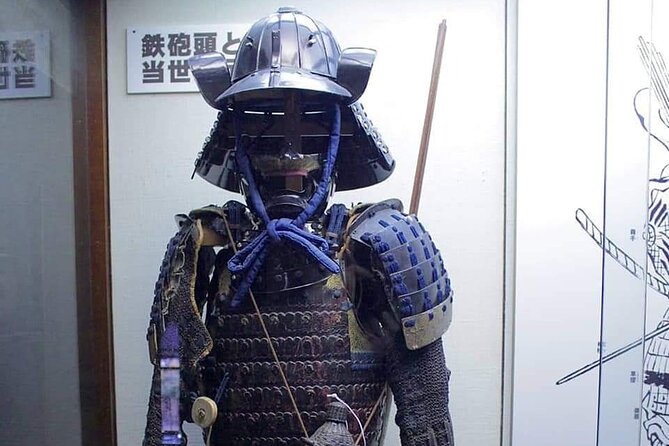
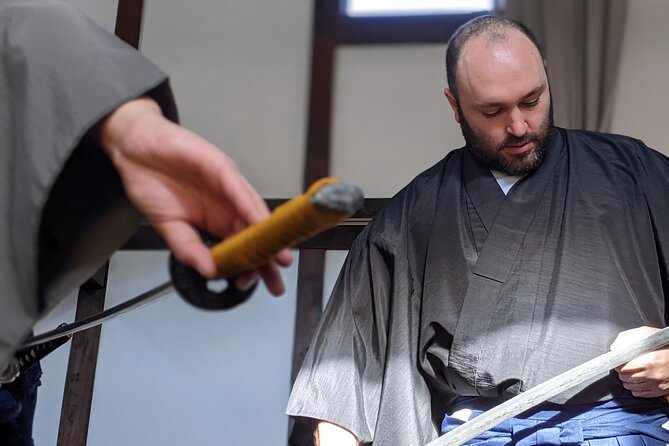
After the castle, you shift into the samurai experience. This is where the tour earns its “do not miss” reputation, because you’re not just watching demonstrations—you’re doing the basics yourself.
The session starts with simple, important steps:
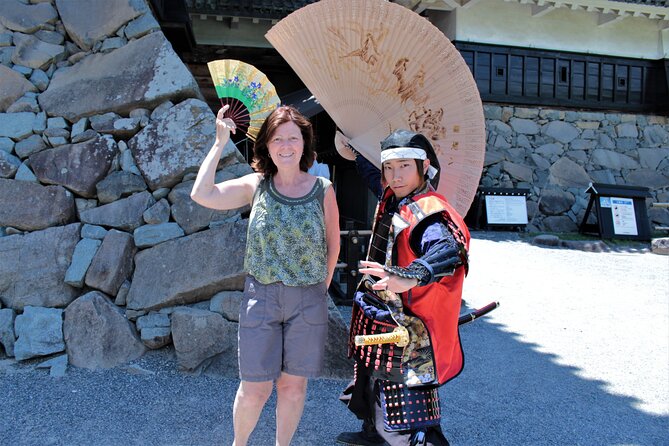
1) You dress in samurai outfit
2) You select your sword (rental gear is included)
3) A master/instructor teaches basic attacking and defensive stances and how to use the sword safely
The tone matters here. Multiple instructors are described as patient and encouraging, with guidance that works even when language gets complicated. Some groups mentioned translation support during the class, so you’re not left feeling lost if English isn’t perfect.
You’ll also likely get plenty of pictures and videos. At least a few experiences highlighted a guide who played the role of photographer, making it easier to leave with more than just blurry action shots.
What you should expect from the sword practice:
- short, repeated instruction so you can actually correct your form
- clear safety focus (because you’re handling a sword, even if it’s staged for training)
- a fun, confidence-building feel rather than a drill-sergeant vibe
And here’s the best part: when you’re clunky at first, that’s normal. In several accounts, the moment trainees realize how trained movement looks is when the experience clicks. You walk away with a real appreciation for technique—not just a souvenir.
If you love hands-on learning, this is the section you’ll replay in your head later.
What You Really Learn (Not Just What You Pose)
I’ll be honest with you about what this tour is and isn’t. It’s not a multi-year martial arts program. It’s a 1-hour introduction that teaches fundamentals you can understand fast and feel in your body.
The learning goals are practical:
- how to hold the sword correctly for basic practice
- how to assume basic attacking and defensive stances
- how movement and posture change when you’re trying to look controlled, not chaotic
You also learn culture through training. The “why” shows up in small ways. In strong versions of the class, instructors don’t just teach movement—they explain enough of the samurai approach to combat and discipline that you understand why the stances matter.
That cultural thread pairs perfectly with what you hear in the castle portion—lords, classes, defensive strategy. Together, you get a fuller picture:
- castle walls explain the world
- stances explain the body language of that world
You’re leaving with both. That’s why the combination is so satisfying.
Price and Value: Why $88 Makes Sense Here
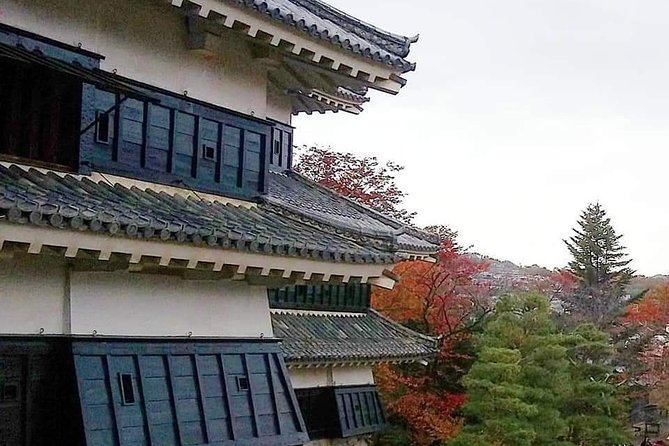
At $88 per person for about 3 hours, the price is easiest to justify when you look at what’s included.
Included:
- English-speaking guide
- entry/admission to Matsumoto Castle
- entry/admission to the samurai experience activity
- samurai outfits and sword rental during training
For many people, the biggest value is that you don’t have to organize anything between the castle and the sword training. You show up, you get guided context, and you’re handed equipment for the active part.
A second value point: the guide quality. Several past bookings specifically praised guides for clear explanations and adapting to the group. Names that came up include Naomi, Shin, Tim, Colin, and others, along with samurai instructors like Kei, Kei-san, Kai, Kae, and Sensai Kai. It’s not guaranteed you’ll get those exact people, but it tells you what the experience is designed to deliver: instruction that stays patient even when groups are mixed.
The only “cost” you pay is time and effort—the steps, the cold possibility inside, and your energy level for the practice. If you’re physically up for that, $88 can feel like a fair deal rather than a tourist markup.
Who Should Book This Tour (and Who Might Skip It)
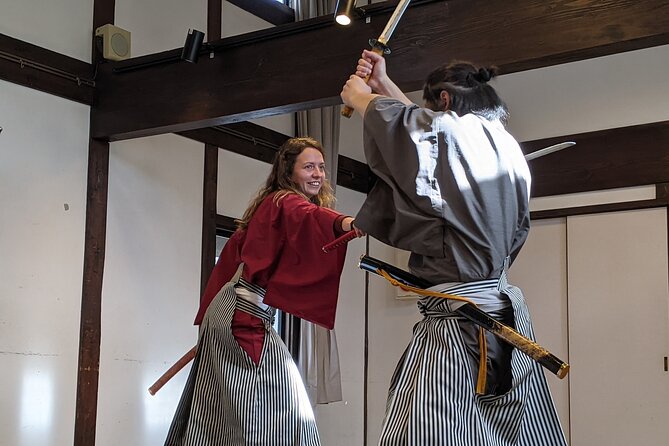
This tour fits best if you:
- want a real castle plus a hands-on samurai activity, not separate add-ons
- enjoy learning by doing—especially if you like structured practice
- want an English-guided experience that explains the feudal context behind what you see
- travel with kids who enjoy dressing up and taking part (some groups mentioned kids had a great time)
You might want to skip or choose something else if you:
- have mobility limitations. The steep, narrow stairs are a deal-breaker for wheelchair users and people who can’t handle stairs.
- want a long, museum-style exhibit tour. This is a focused 2-hour castle visit, then movement practice.
If you’re the type who thinks, I’d love samurai, but I hate paying for something fake—this one is built to deliver more than a quick photo and a costume.
Practical Tips for a Smoother Katana Day
A few simple things will make this experience much more comfortable:
- Wear grippy shoes you’re willing to walk in for stairs and stone surfaces. The castle climb is steep.
- Bring extra socks if you get cold easily. Some experiences included walking without shoes inside parts of the castle.
- Keep your phone charged. You’ll likely want photos during the outfit and training moments.
- Go in with a mindset of learning basics. Expect to feel awkward at first. That’s normal, and it helps you appreciate how good technique looks.
If you’re planning food after, don’t schedule anything too tight immediately after the 3-hour window. You’ll be more tired than you expect—castle stairs plus sword practice is a combo that wakes up your legs.
Should You Book This Matsumoto Castle & Samurai Experience Tour?
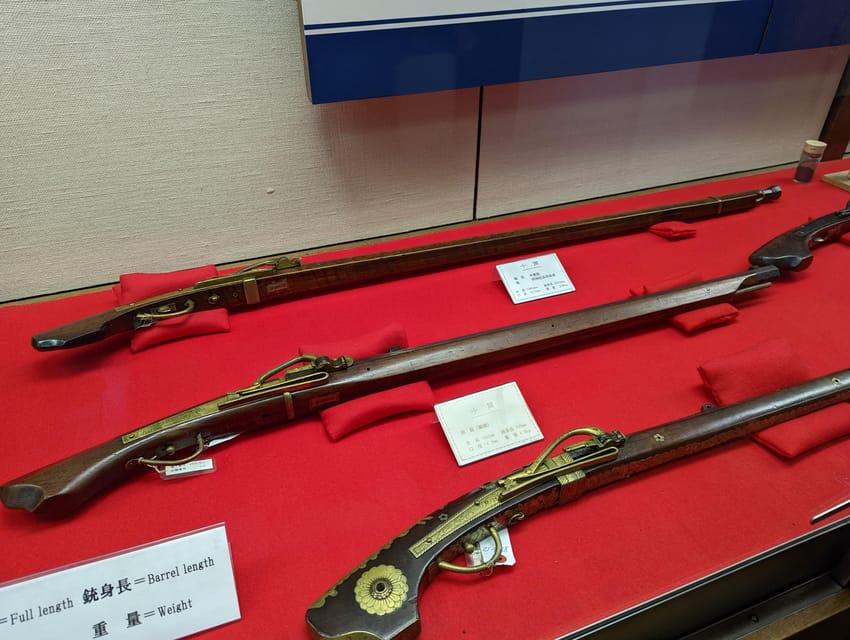
If you want one ticket that combines Matsumoto Castle’s feudal-era architecture with a katana practice session you can actually do, I’d say book it. The format is efficient, the included gear removes hassle, and the best part is you don’t end the day only knowing facts—you end with muscle memory of basic stances.
If stairs or mobility could be an issue, skip it or choose a different experience in Matsumoto. The castle climb is real, and the tour isn’t designed for wheelchairs.
For the rest of you, this is a strong value choice. It’s history you can see, then skill you can try.
FAQ
How long is the Matsumoto Castle Tour & Samurai Experience?
It lasts about 3 hours total, with approximately 2 hours at Matsumoto Castle and 1 hour for the samurai sword experience. The exact end time can vary depending on crowds.
Where is the meeting point?
Meet at Matsumoto Station, at the front of the JR Line ticket office near Starbucks Coffee inside the station on 2F.
Is the tour in English?
Yes. The guide is English speaking.
What is included in the price?
Included are the English-speaking guide, admission to Matsumoto Castle, admission to the samurai experience activity, and samurai outfit and sword rental during the activity.
Is the samurai experience hands-on?
Yes. You dress in a samurai outfit, select a sword, and learn basic attacking and defensive stances and how to use the katana during the practice session.
What should I know about physical requirements?
The stairs to reach the top of Matsumoto Castle’s tower are steep and narrow. The tour is not suitable for people with mobility impairments or wheelchair users.