REVIEW · MATSUMOTO
Matsumoto Castle Tour & Samurai Experience
Book on Viator →Operated by Welcome Matsumoto · Bookable on Viator
Crow Castle plus samurai lessons. This Matsumoto Castle tour pairs a National Treasure climb with hands-on sword kata and samurai outfits.
I love how the English-speaking guide turns castle walls into clear explanations, with names like Tim, Tom, and Naomi popping up in the stories people share. I also like the hands-on samurai session, where you choose a sword, wear traditional clothing, and practice basic movements such as kamae.
The big thing to consider is the climb: steep, narrow stairs can be a workout. And if you’re expecting real sharp-blade cutting, plan for no cutting with real blades, since the setup uses safe theatrical-style weapons.
In This Review
- Key takeaways before you go
- Why Matsumoto Castle and Samurai Training Works as One Plan
- From Matsumoto Station to a 3-Hour Rhythm You Can Actually Manage
- Crow Castle Tower Climb: Steep Steps, Dark Wood, and Defensive Design
- Inside the Castle Like a Samurai: What the Guide Helps You Notice
- Nakamachi Kurassic-kan Samurai Session: Sword Handling and Kamae Basics
- The Sword Reality Check: Theatrical Weapons, No Cutting, and Safe Kata
- Value Check for $88.53: What You Actually Get in 3 Hours
- Practical Tips That Make This Tour Feel Easier
- Who This Matsumoto Castle + Samurai Experience Is Best For
- Should You Book This Matsumoto Castle Tour and Samurai Experience?
- FAQ
- How long is the Matsumoto Castle and Samurai Experience?
- Where does the tour start and end?
- What’s included in the price?
- Are the swords real, and do you cut anything?
- What happens during the samurai experience?
- Is this suitable for kids?
- Can I cancel and get a full refund?
Key takeaways before you go
- Matsumoto Castle is a National Treasure with a dramatic black-and-white look, often called Crow Castle.
- Tower stairs are steep and narrow, so bring the right mindset (and the right footwear).
- The samurai session lasts about an hour at Nakamachi Kurassic-kan.
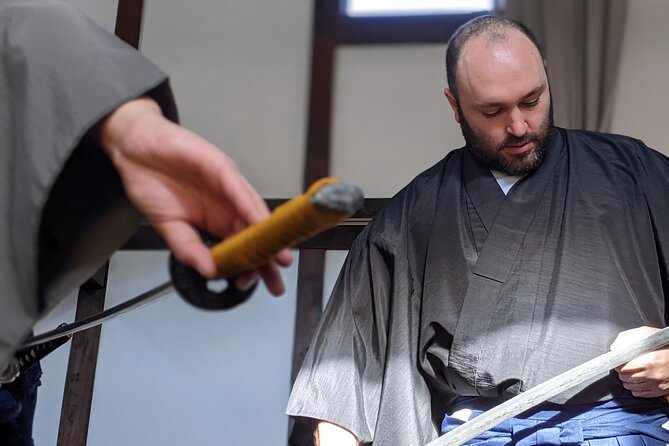
- You’ll dress in a samurai outfit and pick a sword to use during the lesson.
- You practice kata and stances like kamae with no slicing or cutting of objects.
- Small group size (max 15) keeps the pacing friendly and the coaching easier.
Why Matsumoto Castle and Samurai Training Works as One Plan
Matsumoto Castle is the kind of place where you can see history without needing special effects. The black walls give it a serious, watchful mood, and the castle’s preserved structure helps you understand why this town mattered.
What I like about pairing it with a samurai experience is simple: you don’t just learn words. You see how stance, timing, and control fit together in practice, then you return to the castle with a better mental picture of the era.
This combo also fits real-life trip pacing. Three hours is long enough to feel like an experience, not so long that you lose the rest of your day in Matsumoto.
You can also read our reviews of more tours and experiences in Matsumoto.

From Matsumoto Station to a 3-Hour Rhythm You Can Actually Manage
The tour starts and ends at Matsumoto Station, which makes it easy to build around without complicated transfers. It’s designed to run around public transportation, and the flow is straightforward: castle first, then the samurai training.
The total time is about 3 hours, with the castle taking roughly 1 hour 30 minutes and the samurai activity taking about 1 hour. That pacing matters, because the castle climb takes energy, and the sword practice needs you to be present, not wiped out.
One more practical detail: the tour uses a mobile ticket, which saves you from last-minute paper hunting.
Crow Castle Tower Climb: Steep Steps, Dark Wood, and Defensive Design
Matsumoto Castle is one of Japan’s National Treasures, and it’s also known for having the oldest donjon remaining in Japan. Construction began in 1592, and the castle’s look is famous for its black walls and distinctive three-turret silhouette.
Inside, you’ll get more than photo stops. The guide explains the lives and history of samurai lords tied to the castle, plus how the building’s design supported defense. In a place like this, the layout isn’t just architecture. It’s strategy you can feel.
The main drawback is physical. The stairs to reach the top are steep and narrow, and you may also find spots that feel low-ceilinged, since it’s an older structure. Plan for careful steps. If you’re the type who likes to move slowly and take photos without rushing, this tour rewards that style.
Inside the Castle Like a Samurai: What the Guide Helps You Notice
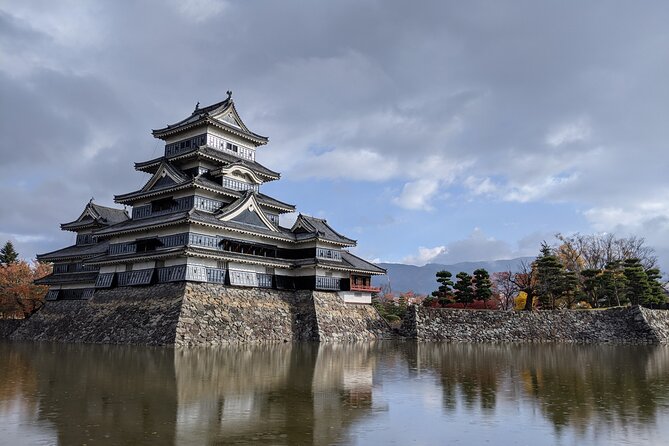
A great guide can turn a beautiful castle into something you remember, and the people guiding this tour are repeatedly praised for clarity and a good sense of humor. You’ll likely get tips that help you read what you’re seeing, from how people moved through spaces to why certain shapes and levels mattered.
Many participants highlight that the tour isn’t rushed. That matters here, because the castle’s interior is multi-level and stair-heavy. If you only had time to “pop in,” you’d miss how the defenses and daily life connected.
One small but real comfort detail shows up in the stories: some guides bring slippers for indoor castle walking, which helps on cold days and smooth floors. Even if your guide doesn’t, you’ll want to think about comfort early.
Nakamachi Kurassic-kan Samurai Session: Sword Handling and Kamae Basics
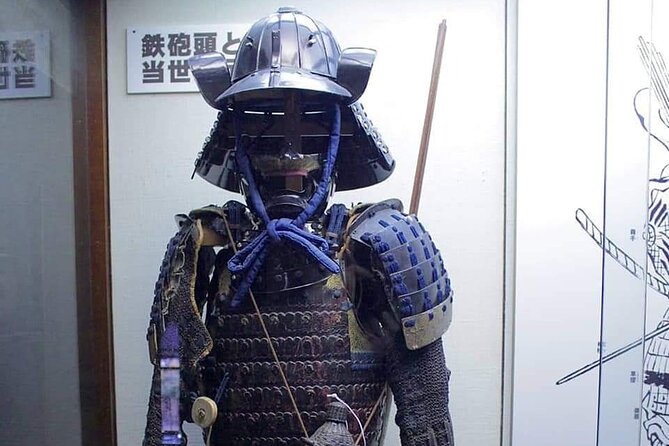
After the castle, you head to the samurai experience at Nakamachi Kurassic-kan for about an hour. This is where the tour shifts gears from history talk to physical practice.
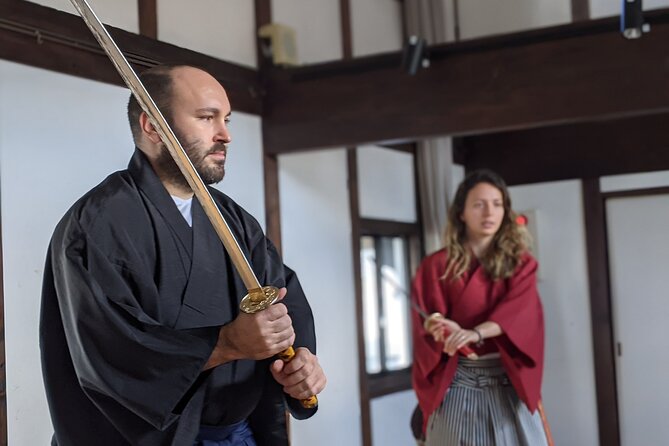
You learn katana handling basics and basic samurai movement (including kamae, the stance work). The lesson is structured to be accessible, not intimidating. You’re also able to pick out your own sword to use and wear a samurai outfit during the training, which turns the session into a real transformation, not a quick demo.
The format is hands-on, with demonstrations followed by instruction. People also describe instructors as patient, especially with kids, which is a big deal for this kind of activity where attention spans vary.
The Sword Reality Check: Theatrical Weapons, No Cutting, and Safe Kata
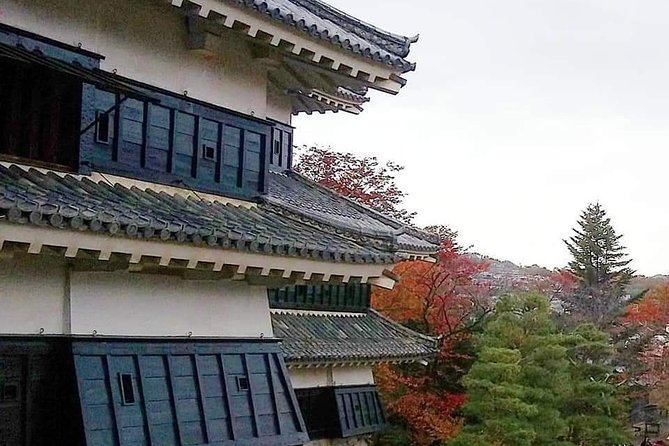
This is worth stating clearly before you book: the experience doesn’t involve cutting anything. You won’t swing a sharp blade through objects, and the session is designed around kata and proper technique you can learn safely.
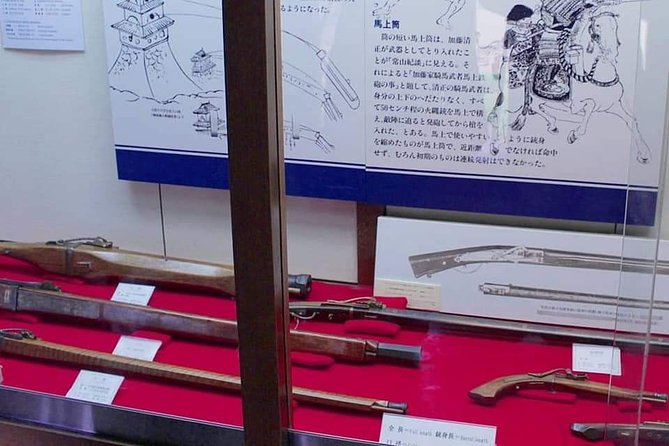
Why? In Japan, authentic katanas are tightly controlled under licensing rules. Tourists can usually see real swords in museums or specialty shops, but this experience uses theatrical-style swords for the training.
So if your dream version of this day is pulling off a dramatic test cut, you may feel disappointed. But if you want a safe, family-friendly way to understand stance and movement, this format is exactly what it promises.
A helpful nuance from the experience design: it’s built to be accessible for all including families, including children. That only works if the activity focuses on movement, control, and instruction instead of impact.
Value Check for $88.53: What You Actually Get in 3 Hours
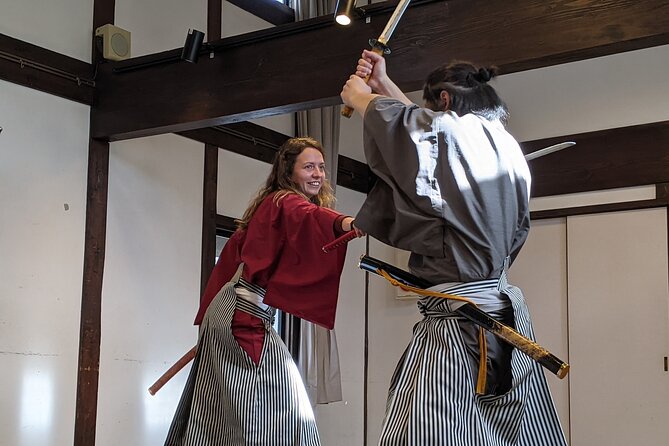
At $88.53 per person, you’re paying for two paid components packaged together: admission to Matsumoto Castle plus a separate samurai activity session. You also get an English-speaking guide and the outfit + sword rental during the samurai part.
For many people, the value isn’t just the tickets. It’s the guidance that helps you understand the castle while you’re standing inside it, then the coaching that helps you do something physical instead of just watching.
Also, the group size cap (maximum 15) can improve the feel of the instruction. You’re less likely to get lost in the back of a big crowd. In a stair-climbing castle and a movement-based lesson, that attention makes a difference.
What isn’t included is also part of the value picture: meals, snacks, souvenirs, and insurance are on you.
Practical Tips That Make This Tour Feel Easier
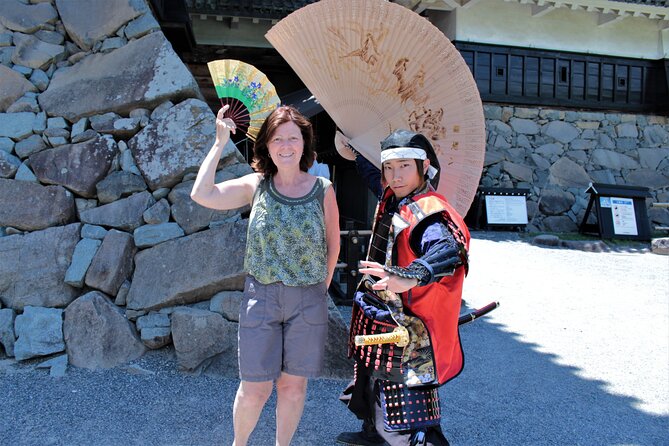
This tour includes a castle climb, an interior walking portion, and a sword-stancing lesson afterward. That combination calls for practical prep.
- Bring socks or footwear you trust on older floors. Some people specifically call out the feeling of cold and slippery surfaces in the castle.
- Expect to climb. The tower stairs are steep and narrow, so don’t treat this like a casual stroll.
- Dress for movement. Even though it’s not a full workout, you’ll do stance and movement practice in your lesson time.
- If you’re taking photos, slow down a bit during the castle portion. The best shots usually need careful positioning on stairs and at levels that are easier to reach without rushing.
One nice bonus that can happen depending on timing: some dates include a Matsumoto Castle winter illumination show around 6pm, which can add a memorable nighttime angle if your schedule lines up.
Who This Matsumoto Castle + Samurai Experience Is Best For
This is a strong fit if you want Japan that’s hands-on but still grounded in real place. The castle gives you the “where” and the samurai session gives you the “how it feels.”
It also fits families well. There’s no minimum age requirement, and children under 6 can participate for free with kids’ outfits and foam swords included. That makes it easier for mixed-age groups to all do something together.
If you’re traveling solo and want structure, this is also a good choice because the guide handles the pacing and the lesson gives you a clear activity endpoint.
If you’re mainly chasing cinematic sword fantasies or heavy action, you may find the “kata, stances, and no cutting” approach less exciting than you hoped. But for a safe, educational, and genuinely fun introduction to samurai movement, this format is hard to beat.
Should You Book This Matsumoto Castle Tour and Samurai Experience?
Book it if you want a short, high-impact day: a National Treasure castle visit plus a real instruction-based samurai session in one convenient loop. The small group size, outfit-and-sword participation, and stances like kamae are the kind of details that make this more than a sightseeing checklist.
Skip it or adjust expectations if stairs and slippery floors are a dealbreaker for you, or if you’re specifically looking to cut with sharp blades. This experience is designed for safety and broad participation, so it keeps the sword work controlled and kata-focused.
If you want a day that feels like stepping from architecture into action, this one is a solid bet in Matsumoto.
FAQ
How long is the Matsumoto Castle and Samurai Experience?
It runs for about 3 hours. Matsumoto Castle is roughly 1 hour 30 minutes, and the samurai experience activity is about 1 hour.
Where does the tour start and end?
The tour starts at Matsumoto Station (1 Chome-1 Fukashi, Matsumoto, Nagano 390-0815) and ends back at the meeting point.
What’s included in the price?
The price includes an English-speaking guide, entry to Matsumoto Castle, entry to the samurai experience activity, plus samurai outfits and swords rental during the activity.
Are the swords real, and do you cut anything?
Authentic katanas are illegal weapons under strict licensing rules, so the experience uses theatrical swords for training. It also focuses on kata and proper techniques and does not involve any slicing or cutting of objects.
What happens during the samurai experience?
You’ll learn how to handle the katana and practice basic samurai movement such as kamae. You also get the chance to wear a samurai outfit and pick your own sword to use during the session.
Is this suitable for kids?
There’s no minimum age requirement. Children under 6 can participate for free, and kid’s outfits and foam swords are included with no additional fees.
Can I cancel and get a full refund?
Yes. Free cancellation is available up to 24 hours in advance for a full refund. If you cancel less than 24 hours before the start time, the amount paid is not refunded.