REVIEW · PARIS
Paris: Loire Valley Chambord Castle, Wine Tasting & Lunch
Book on GetYourGuide →Operated by My Winedays · Bookable on GetYourGuide
This is a Loire day trip built around two things Paris does well: artful architecture and serious food. You get Château de Chambord plus two wine stops, with lunch paired to match what you’re tasting. The whole plan runs on a comfortable air-conditioned van, so you spend more energy enjoying and less energy commuting.
I especially like the way the day teaches the region while you’re moving. On the drive, your guide talks Loire winemaking heritage and you even get croissants along the way. Then you hit Chambord with an audio-guided tour that helps you make sense of the building, not just walk through it.
One thing to keep in mind: parts of the castle and wineries involve stairs and cool cellars. If you hate heights or you run cold easily, plan for that and wear supportive shoes.
In This Review
- Key highlights at a glance
- A Loire day trip that actually feels structured
- Morning pickup from Paris: croissants and context before the castle
- Château de Chambord: where the audio tour helps you see the details
- What makes your visit special
- A practical heads-up on stairs
- The Loire drive: vineyards, castles in the distance, and grape names you’ll recognize
- Lunch with wine pairing: when the meal helps you taste the region
- Winery stop #1 after the castle: guided tasting with caves and cellars
- What to do with the cold factor
- Winery stop #2: family-run feel and red-and-white variety
- How the guides shape the day (and why it matters)
- Price and value: what $345 buys you in the real world
- Who should book this Loire day trip
- Should you book this tour?
- FAQ
- How long is the Paris to Loire Valley Chambord and wine tour?
- What’s included in the tour price?
- Do you visit more than one winery?
- How long do you spend at Château de Chambord?
- What wines will I likely taste on this tour?
- What languages are available for the tour?
- What should I bring for the day?
Key highlights at a glance
- Château de Chambord audio tour that brings Francis I’s Renaissance design to life on your own pace
- Two winery visits with tastings, including a family-run stop after lunch
- Lunch paired with Loire wines, served as a regional gourmet meal
- Real regional focus on Chenin Blanc, Sauvignon Blanc, and Cabernet Franc
- Guide-led orientation from Paris, with croissants and context for what you’ll see
A Loire day trip that actually feels structured
This tour works because it’s not just one big sightseeing hit. You start with the reason people come to the Loire—Chambord’s dramatic Renaissance look—then you turn the day toward what the Loire is famous for on the plate and in the glass.
The pacing is also smart for a day trip. You’re not crammed into nonstop stops with a constant rush. You get time at the castle, time to eat, then two separate tasting experiences so it doesn’t all blur together.
At $345 per person for an 11-hour day, the value comes from stacking the right inclusions: round-trip transport from central Paris, castle audio-guide entrance, lunch with wine pairing, and two winery visits with tastings. In plain terms, you’re paying for convenience and a curated plan, not just a bus ride.
You can also read our reviews of more tours and experiences in Paris.

Morning pickup from Paris: croissants and context before the castle
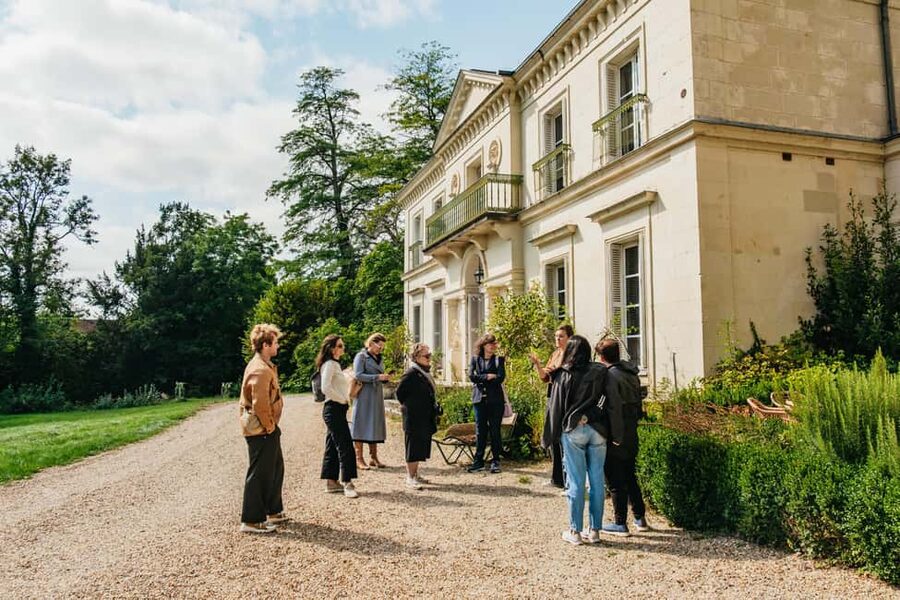
Your day begins early, with pickup in central Paris. Depending on your option, you may meet at or near 4 Pl. de l’Hôtel de Ville, or be picked up directly by hotel. Either way, the goal is the same: get you out of the city before the day crowds build.
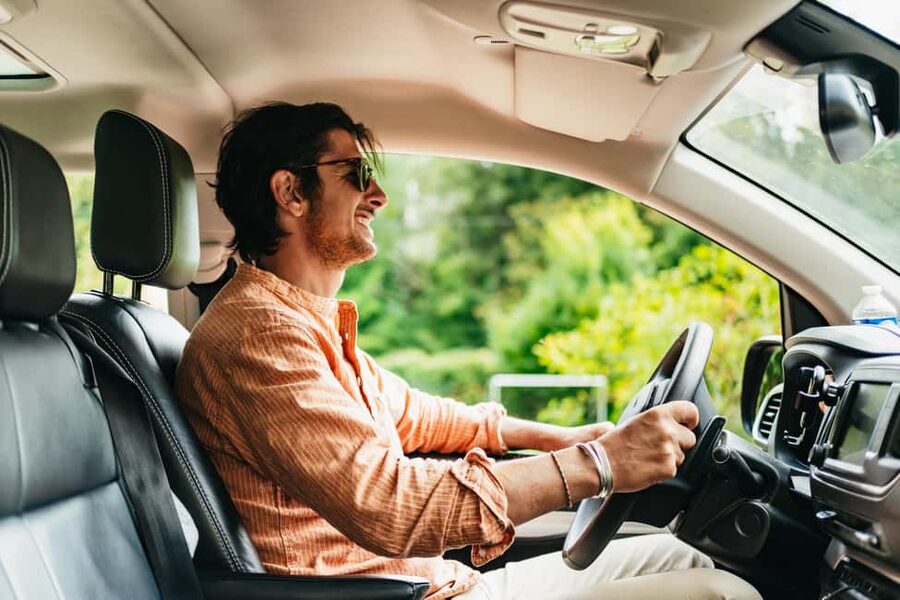
Once you’re settled in the air-conditioned minivan, you’re not stuck in silence. The guide shares what matters about the Loire wine region and its background. And yes, you get croissants on the way—simple, flaky, and exactly the kind of snack that makes a long day feel manageable.
Why I think this start is worth it: Loire wine tasting feels more meaningful when you understand what you’re looking for. By the time you’re sipping later, you’ve already heard how the region’s identity connects to the grapes.
Château de Chambord: where the audio tour helps you see the details
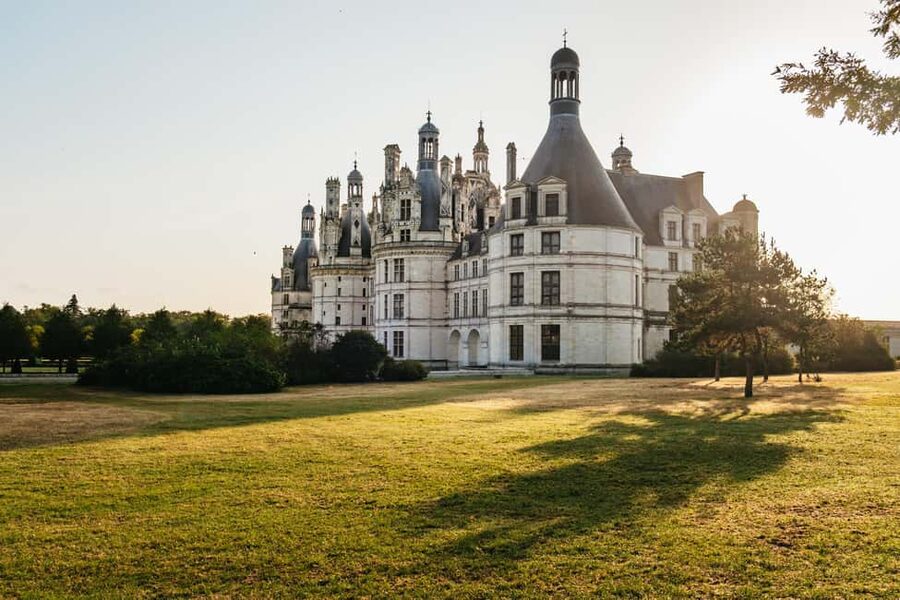
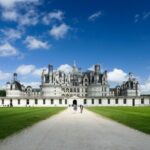
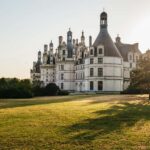
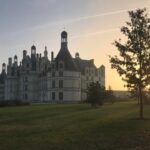
Château de Chambord is the headline for a reason. Even if you’ve seen photos, walking up to it still lands like a “wow” moment. The castle’s scale and symmetry make it feel almost theatrical.
You visit with a self-guided audio tour, and the experience is designed so you don’t need to read a textbook to enjoy it. One guest specifically mentioned the audio guidance using an iPad-style format, which matches the hands-on feel of getting directions and explanations as you move through rooms.
What makes your visit special
You get about 1.5 hours at Chambord. That’s a sweet spot for exploring the key areas without feeling like you’re sprinting. It’s also enough time to look up at the architecture—Chambord is full of towers, chimneys, and decorative geometry that reward slow glances.
The castle was built by King Francis I in the early 1500s, and the audio tour helps connect the design to that Renaissance ambition. If you like architecture, this is the part of the day that will stick with you.
A practical heads-up on stairs
There’s a catch. The tour experience involves a lot of walking, including stairs to reach underground galleries. The experience is not wheelchair accessible, and even for able walkers, it can feel like a “don’t wear flip-flops” moment. Bring comfortable shoes, and keep your pace steady.



The Loire drive: vineyards, castles in the distance, and grape names you’ll recognize
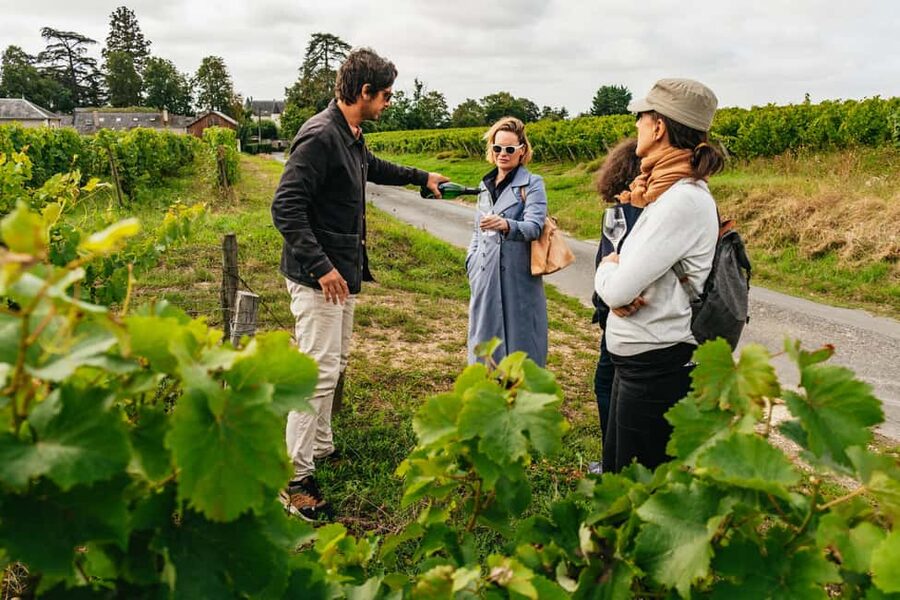
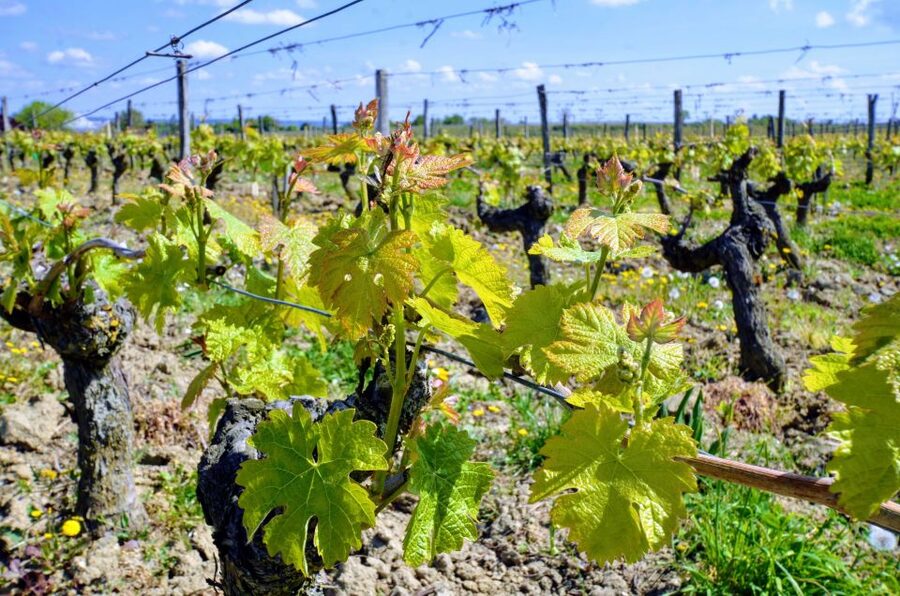
Between stops, the van travels through key wine areas including Touraine, Vouvray, and Montlouis-sur-Loire. This is where the day turns from landmarks into context.
As you ride, your guide points out the landscapes and how grapes fit into the region. You’ll hear about Chenin Blanc, Sauvignon Blanc, and Cabernet Franc—three names that matter because they show how the Loire can be both crisp and complex, depending on the style.
Even if you’re not out taking photos every minute, the drive gives you something important: a mental map of where wine comes from. It’s the difference between tasting and understanding.
A bonus from the way the route is described: you’re also told you’ll enjoy panoramas of various Loire castles. Even when you can’t stop at every viewpoint, these glimpses help the day feel connected instead of random.
Lunch with wine pairing: when the meal helps you taste the region
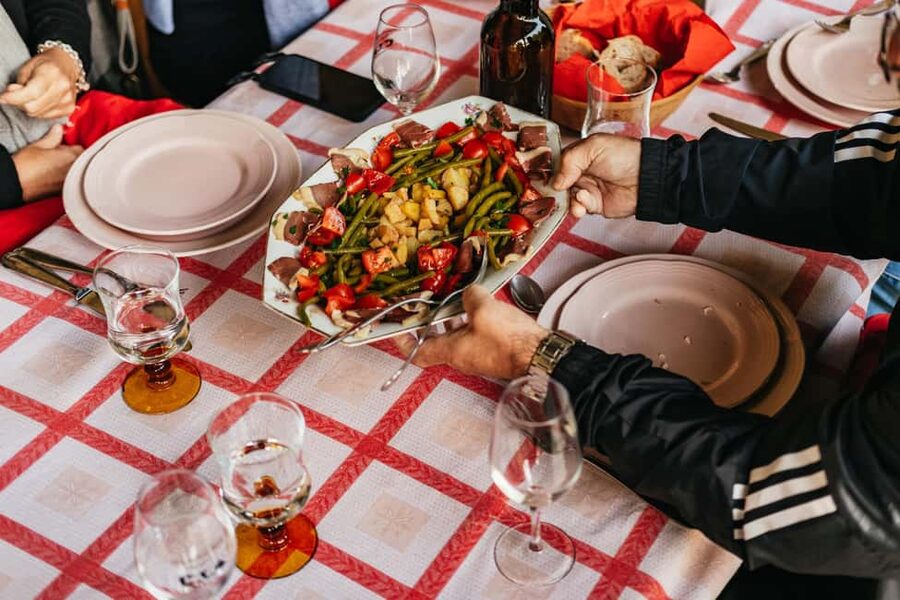
Lunch is served at a local restaurant or winery setting, and it comes with wine pairing. Expect a traditional gourmet meal style, geared toward regional flavors rather than generic tourist food.
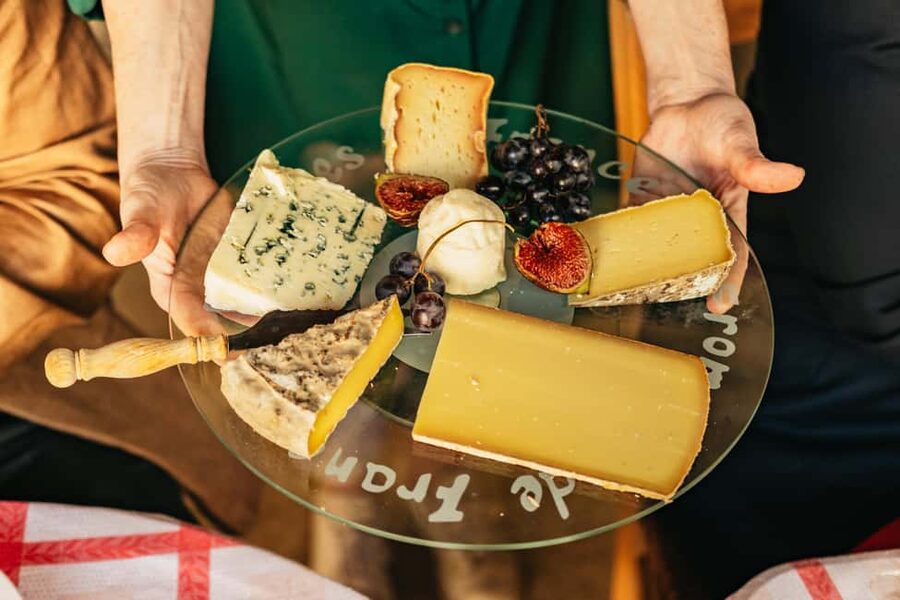
One review note I found helpful: lunch can be presented as a cheese board/charcuterie spread, with at least some guests wishing for something hot given the long day. The upside is that this kind of meal often pairs naturally with the wine styles you’re about to taste—salt, fat, fruit, and acidity all get a chance to “talk” to the glass.
Another practical detail: if you have dietary needs, you should flag them at booking. One guest reported their dietary request didn’t carry through perfectly, though the situation was resolved on the spot. It’s not a reason to avoid the tour, just a reminder to communicate clearly and early.
Winery stop #1 after the castle: guided tasting with caves and cellars
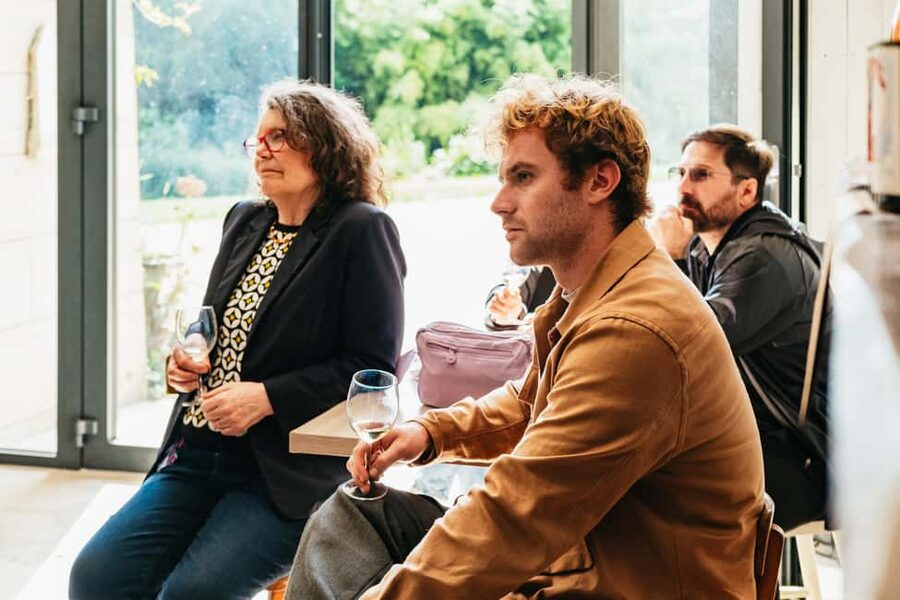
After lunch, you head to a winery for a guided visit and tasting. This is where the day starts to feel like it’s turning into a real wine day, not just sightseeing plus drinks.
You’ll get a tour, and you’ll taste wines as part of it. One guest described walking through limestone cave storage, which is exactly the kind of detail that makes Loire winemaking feel tangible. Cold, damp cellars aren’t glamorous, but they’re part of how wine is kept in shape.
What to do with the cold factor
Caves and wine cellars are usually around 45 °F / 10 °C. Bring something warm enough to layer. It’s easy to underestimate this because your body might feel fine on the surface, then suddenly you’re standing still underground.
Also remember: you’ll be doing walking and stairs in these spaces, so comfortable shoes matter even more than you’d think.
Winery stop #2: family-run feel and red-and-white variety
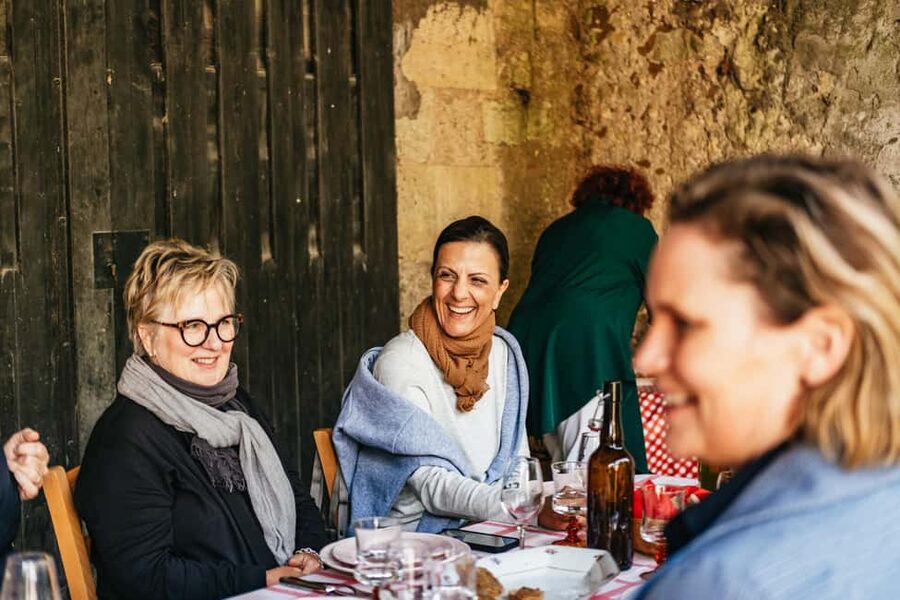
This tour’s second tasting is at a family-run winery. After you’ve already had one tasting, this stop is valuable because it broadens the picture. You’re not only tasting more wine—you’re comparing styles and learning how the region can show up differently.
The plan here is to taste a range of red and white wines. That variety matters, especially for the Loire, where white grapes like Chenin Blanc and Sauvignon Blanc can have major differences in texture and flavor, while reds like Cabernet Franc can bring a different kind of charm.
If you’re the type who likes to ask questions, this is where you’ll probably get the most out of it. Many guests praised their guides for being helpful and energetic during the winery portion, and that energy tends to make the tasting feel less like a scripted routine.
One review also mentioned the possibility of wine being shipped home. Shipping isn’t confirmed as a standard service in the tour details you provided, but it’s a good sign that at least some winery partners handle it.
How the guides shape the day (and why it matters)
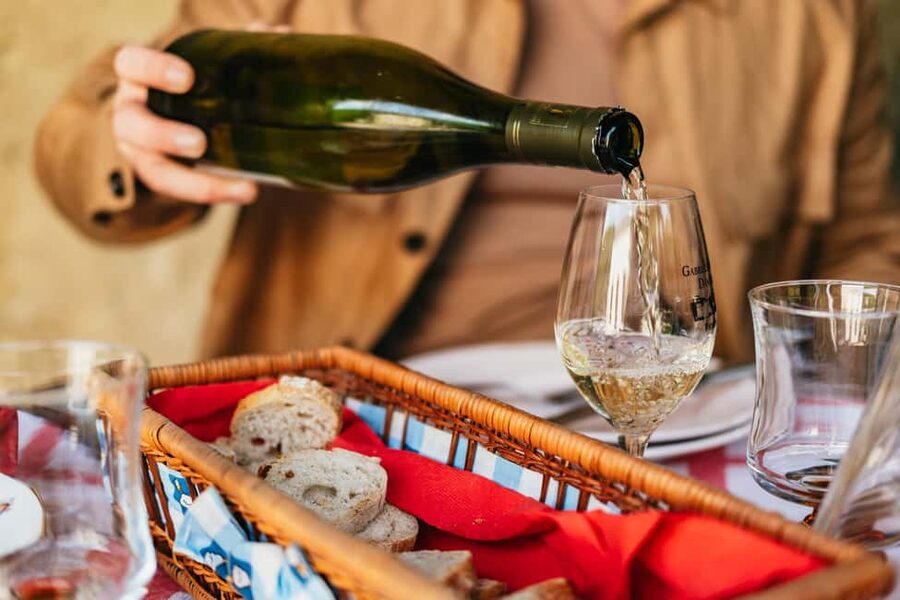
This is one of those tours where the guide really affects the experience. Many standout comments praised specific drivers/guide names like Lionel, Thomas, Nicholas, Clément, Bastien, and Victor. Common themes were clear explanations, extra patience in transit, and help when guests needed something beyond the tour flow.
If you care about making the day feel personal, that guide quality is a big part of the value. A great guide can explain why Chambord looks the way it does, then tie that back to the region’s identity so you understand the wine you’re tasting instead of just ordering your favorite glass.
Even if you only catch bits here and there, the guidance makes the whole day run smoother.
Price and value: what $345 buys you in the real world
At $345 per person, you’re paying for three main things:
First, the transportation from Paris in an air-conditioned van for an 11-hour day. Loire day trips add up fast when you factor in time and the need to get out early.
Second, the included experiences. You’re getting Chambord with an audio-guided tour entrance fee, plus two winery visits with tastings, plus lunch with wine pairing.
Third, the reduction in decision-making. You don’t have to plan which winery, which lunch spot, or how to fit it around Chambord timing. The itinerary is built so the day makes sense in sequence: monument first, then wine context, then tasting and comparison.
What you might not love is that it’s still a long day. If you want a slow, unstructured pace, this may feel like “lots of stops, lots of walking.” But if you want a full, guided Loire sampler with real tastings, it’s a strong value.
Who should book this Loire day trip
Book it if you want:
- A clear, structured day with Chambord + two tastings + lunch
- Wine time that includes explanations, not just pouring and walking out
- A comfortable van day that still feels authentic and regional
You might skip it if:
- You have limited mobility or you want a fully wheelchair-accessible experience (stairs are part of the castle and cellars)
- You dislike cold indoor stops (cellars run around 45 °F / 10 °C)
- You want a flexible lunch plan with no pairing structure
Language-wise, the live guide is offered in Spanish, English, or French, and availability can vary for Spanish. The wine stops may not offer tours in every language, so if language is critical, double-check what’s available.
Should you book this tour?
I’d book this if you’re aiming for a “great greatest hits” day without the headache of planning logistics on your own. The combination of Chambord’s audio-guided exploration and two winery tastings—with lunch paired to match—makes the day feel like more than a checklist.
If you’re sensitive to cold or stairs, plan ahead with layers and supportive shoes. And if you have dietary needs, tell the operator at booking so the lunch can match you properly.
For many people, this is the Loire day trip that delivers the classic monument moment and the wine learning moment in one go.
FAQ
How long is the Paris to Loire Valley Chambord and wine tour?
The tour lasts 11 hours.
What’s included in the tour price?
It includes transport in an air-conditioned minivan, hotel pickup and drop-off (with private option where selected), a visit to Château de Chambord with an audio-guided tour entrance, visits to two wineries with wine tastings, and lunch with wine pairing.
Do you visit more than one winery?
Yes. You visit two wineries and enjoy wine tastings at each stop.
How long do you spend at Château de Chambord?
You have about 1.5 hours at Château de Chambord for a self-guided audio tour.
What wines will I likely taste on this tour?
The day focuses on Loire grapes, including Chenin Blanc, Sauvignon Blanc, and Cabernet Franc, and you’ll taste a range of red and white wines during the winery visits.
What languages are available for the tour?
The live guide is offered in Spanish, English, and French, depending on availability. Note that not all winery tours or guides may be available in Spanish or French.
What should I bring for the day?
Wear comfortable shoes. You may also want a warm layer for wine cellars and caves, which are usually cold and damp (about 45 °F / 10 °C).