REVIEW · SEOUL
Seoul: Gyeongbokgung Palace Half Day Tour
Book on GetYourGuide →Operated by Korea Guide Tour · Bookable on GetYourGuide
Palaces feel personal with the right guide. This half-day Gyeongbokgung Palace tour turns Seoul’s biggest Joseon-era landmarks into a clear story you can actually follow, with live English commentary as you walk. I especially like the way the guide keeps you moving to the most meaningful spots without making you feel rushed.
You’ll get a second big win from the tour’s timing and photo planning: you stop where kings and queens once stood, then you’re done soon enough to explore more at your own pace. One consideration: the meeting point is specific—outside Gyeongbokgung Station Exit 5, by the stairs—so double-check the WhatsApp/email message so your maps don’t steer you wrong.
In This Review
- Key highlights
- Gyeongbokgung Palace in 2 hours: what you’ll actually see
- Starting at Gyeongbokgung Station Exit 5: getting your bearings fast
- From the main gate to the palace core: the Joseon story you can follow
- Architecture walk-through: where you’ll spend your time on purpose
- Photo stops where kings and queens once stood
- Ending at Gyeonghoiru pavilion: the event-hall finale
- Timing and the Change of Guards ceremony
- Value check: what $38 buys you (and why it adds up)
- Who should book this half-day tour
- Should you book this Gyeongbokgung Palace half-day tour?
- FAQ
- How long is the Seoul: Gyeongbokgung Palace Half Day Tour?
- Where do I meet the guide?
- What does the tour include?
- What language is the tour guide speaking?
- Is the tour wheelchair accessible?
- What should I bring?
- What if the tour is canceled due to low participants?
Key highlights
- Meet by Gyeongbokgung Station Exit 5 at the stairs in front of the National Palace Museum of Korea
- Tickets included so you skip the hassle and spend your time on-site
- English live guide with strong pacing and lots of real palace context
- Stops built around photo moments and the palace areas tied to Joseon court life
- Ends at Gyeonghoiru pavilion, then you’re free to wander nearby on your own
Gyeongbokgung Palace in 2 hours: what you’ll actually see
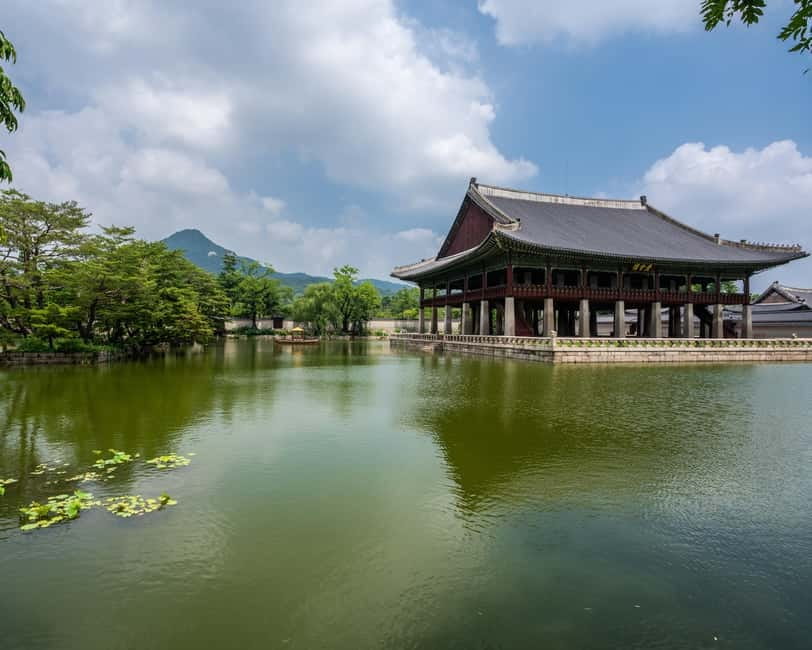
Gyeongbokgung Palace is the Joseon Dynasty’s first main royal palace in Seoul, established in 1395. Even if you’ve seen palace buildings in photos, the real experience hits differently when you walk the same grounds that shaped court life for centuries.
This tour is designed for people who want the essentials without burning half a day. In about 2 hours, you’ll move from the main gate into key palace areas, get the Joseon story in plain language, then finish at Gyeonghoiru, the palace’s best-known elevated pavilion by a man-made lake.
The practical advantage here is focus. Instead of trying to self-tour and guessing what matters most, you’re led along the parts most people come for—architecture, royal layout, and what those spaces were used for.
You can also read our reviews of more tours and experiences in Seoul.


Starting at Gyeongbokgung Station Exit 5: getting your bearings fast
Your tour begins outside Gyeongbokgung Station (Exit 5), at the stairs in front of the National Palace Museum of Korea. That’s great if you’re using public transit—you can find your way quickly, and you don’t have to figure out a complicated pickup.
Still, this is the one spot where things can go sideways if your phone is confident but wrong. Guides in the feedback (like Sally) were praised for helping when maps sent people to the wrong meeting corner. So do this one thing: look closely at the message you receive by email/WhatsApp and match it to the exact stairs and museum frontage.
If you’re coming with mobility needs, it’s also worth noting the tour is wheelchair accessible, which makes the pacing more manageable than some palace-heavy group formats.
From the main gate to the palace core: the Joseon story you can follow
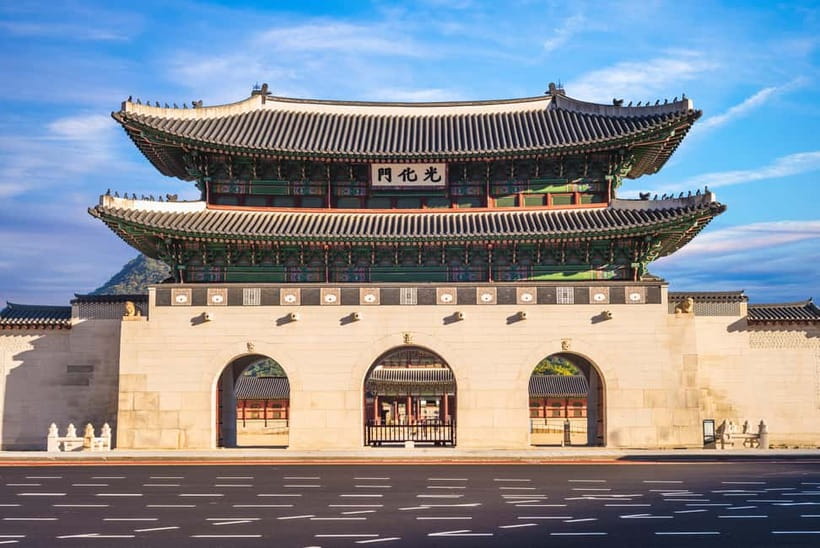
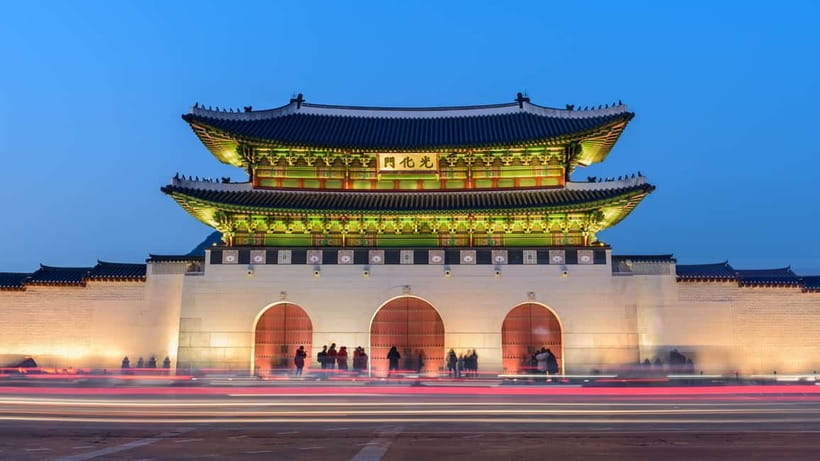
Once you meet your guide, the next step is straightforward: you head to Gyeongbokgung Palace’s main gate and take time to look around. This matters. The gate isn’t just a photo moment—it’s your first clue to how the palace was meant to function as a formal royal space.
As you move deeper, your guide connects what you’re seeing to the Joseon Dynasty. The tour is built around the idea that the palace isn’t random architecture; it’s a political and cultural machine. You’ll hear how Gyeongbokgung grew into the dynasty’s largest palace and how that influence shaped Korean society over the dynasty’s long reign.
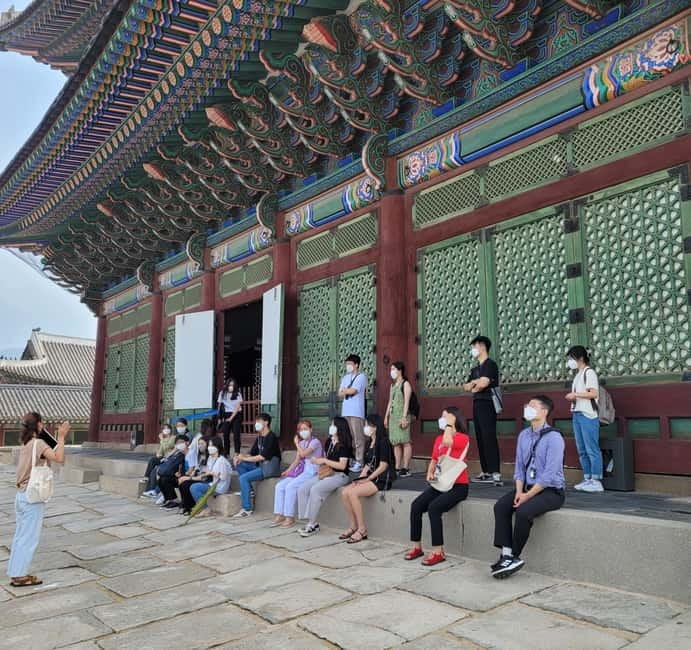
In the strongest moments of the tour, the guide doesn’t only list dates. Guides such as Alan and Joy are specifically praised for translating palace design into daily meaning—how the spaces worked and what the court would have done there. That’s why the guide component is the value engine of this experience: in 2 hours, you’re not just looking at buildings—you’re learning how they fit together.
Architecture walk-through: where you’ll spend your time on purpose
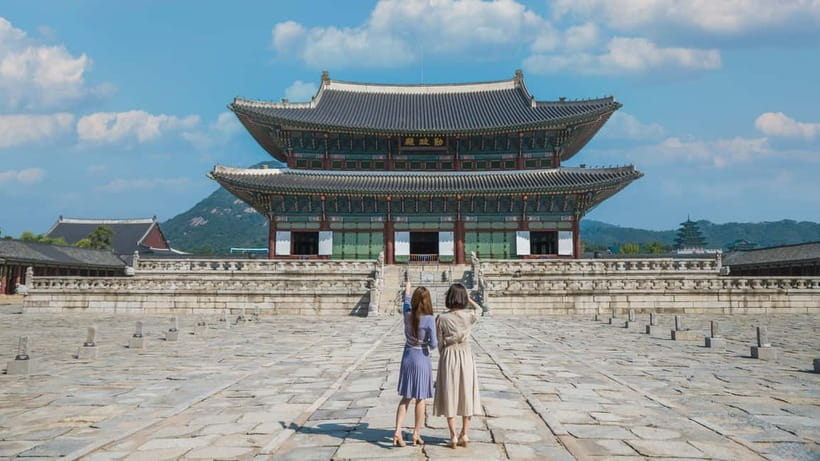
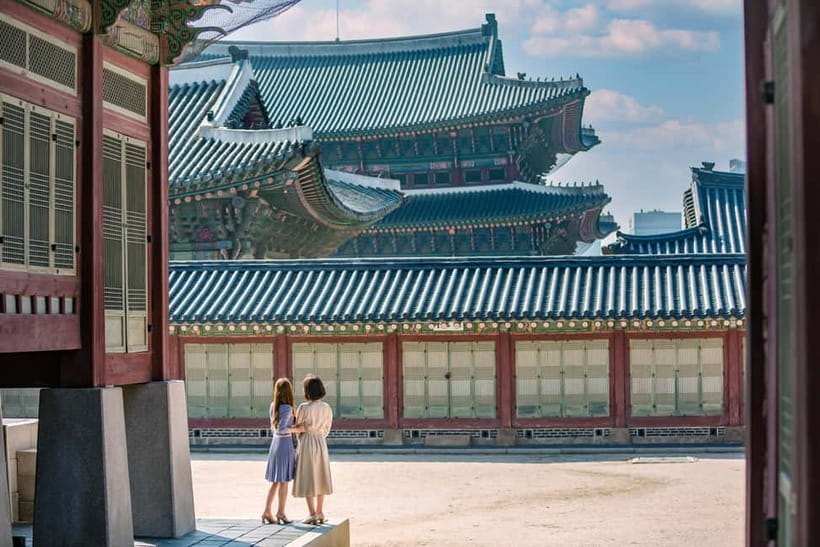
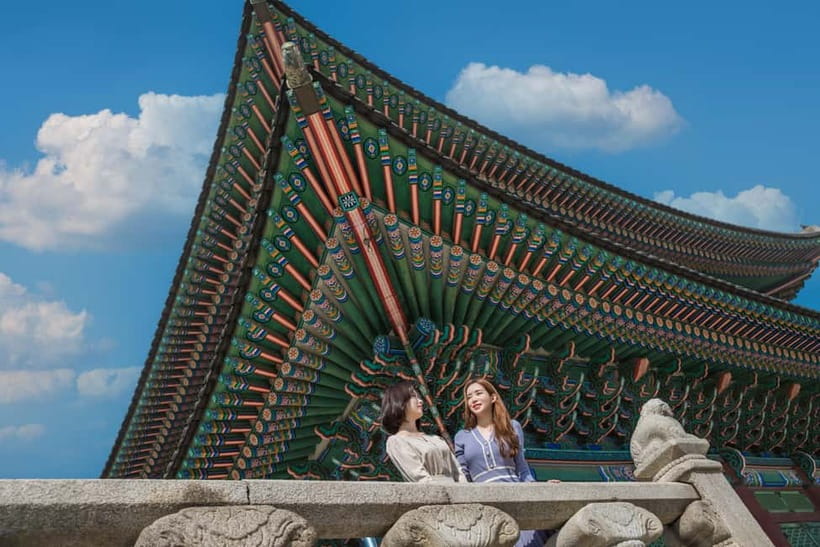
After the main gate, you’ll stroll around the estate and get a real sense of the palace layout. Gyeongbokgung’s architecture can look uniform from far away, but up close you start noticing the hierarchy of spaces and the careful planning behind the walkways and courtyards.
This is where comfortable shoes earn their keep. You’ll want to stay on your feet for the full circuit, and you’ll want your mind free too. The guide’s job is to keep the experience from becoming one long loop of scenery by focusing attention on the sections tied to Joseon royal life.
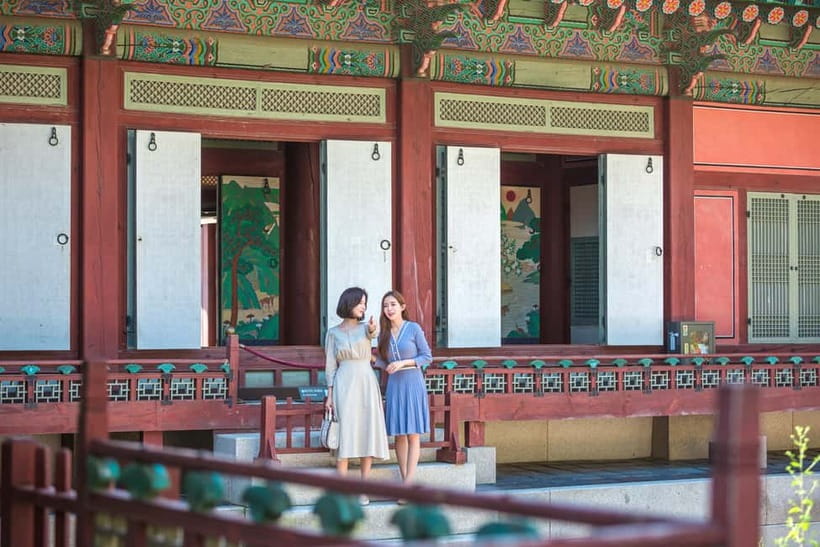
Also, guides in the feedback talk about practical photo planning—taking you to the best spots inside the palace so you’re not wandering around hoping for angles. If you care about pictures, this tour gives you a structure for them.
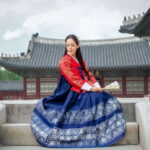
One extra tip from the experience feedback: consider renting a hanbok before your visit. People wished they’d done it earlier, which suggests timing is key if you want photos without feeling rushed.
Photo stops where kings and queens once stood
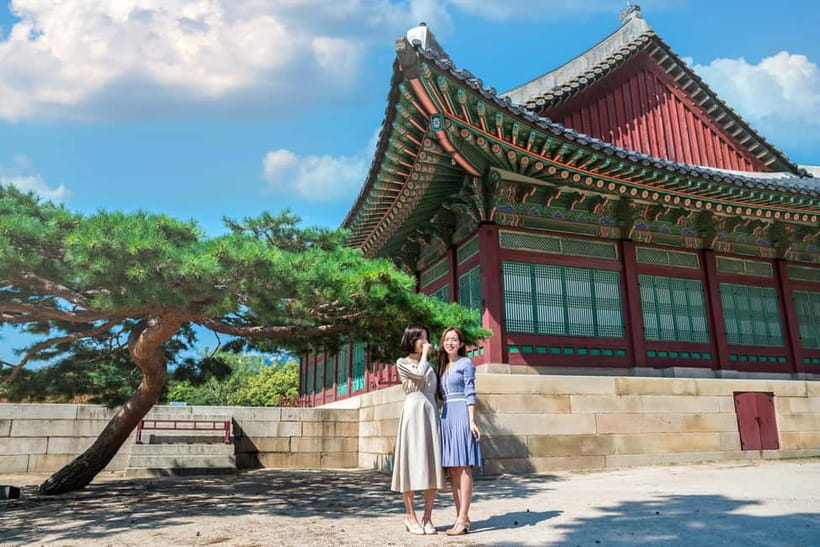
A big part of the tour is built around places connected to royal presence—ideal for photos, but more importantly, ideal for context. You’ll be taken to locations where kings and queens once stood, and your guide ties those spots to the palace’s roles.
This is more useful than it sounds. When you know what you’re looking at, the images get a second life. A courtyard isn’t just pretty; it’s tied to ceremony and power. A pavilion area isn’t just scenic; it’s tied to how events played out.
The guides also tend to create time for group photos and individual shots. Joy, for example, was praised for making nice pictures for families and for ensuring everyone got photo opportunities. So if you’re traveling as a couple or solo, you’re not stuck waiting your turn for a quick snap.
Ending at Gyeonghoiru pavilion: the event-hall finale
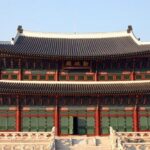
The tour ends at Gyeonghoiru, described as the palace’s largest elevated pavilion with a man-made lake. This is a strong ending because it’s visually memorable and conceptually important: it’s the kind of space designed for events and gatherings, not just viewing.
Finishing here is also a smart pacing choice. You’re not ending your tour halfway through the grounds with energy left but no plan. You reach the major pavilion area, then you get time to keep exploring on your own.
That “on your own pace” window matters. You might want to linger where your guide pointed out details, or you might want to step away for calmer photos after the group finishes. Either way, you get control back after the structured portion.
Timing and the Change of Guards ceremony
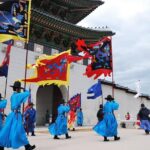
Gyeongbokgung is famous for ceremonial moments, including the Change of Guards. The tour isn’t marketed here as a guaranteed ceremony pickup, but the feedback includes examples of guides timing the walk so people could watch it.
So treat this as a real possibility, not a promise. If you see the guards ceremony advertised at the palace during your visit window, this tour’s short format can be an efficient way to be in the right area instead of playing schedule roulette.
The best move: if your session lines up, lean into it. Wait at the spot your guide recommends and enjoy the whole moment instead of trying to film while walking.
Value check: what $38 buys you (and why it adds up)
At $38 per person for 2 hours, the standout value point is that the tour includes both a local English guide and the entrance ticket. That changes the math compared with “guide only” options where you still pay separately to enter.
You’re paying for more than narration. You’re paying for:
- a curated route that hits major palace areas quickly
- context so the architecture makes sense
- photo stops planned into the walk
- a live guide who can answer questions as you go
When a tour includes the entry ticket, you reduce decision fatigue and time waste. For a short half-day, that’s exactly what you want.
Also, the ratings are exceptionally high (4.9 across 103 reviews), with repeated praise for guides such as Sally, Alan, Joy, and Steven Lee. The common thread isn’t just facts—it’s pacing, clarity, and helping people get the photos and context they came for.
Who should book this half-day tour
This is a great match if you:
- want a structured introduction to Gyeongbokgung without planning your own route
- care about learning Joseon court context, not just taking pictures
- prefer a small-group feel where questions actually get answered (feedback notes groups that weren’t too large)
- have limited time and want a clean end point at Gyeonghoiru
It’s also a good option for first-timers to Korean history. Several guides are praised for explaining palace culture in a way that works even if your background starts at zero.
If you already know a lot and crave a longer, deeper palace circuit, you might want a longer tour type instead. But if your goal is clear: see the palace’s best-known areas with a guide who keeps things moving—this format fits.
Should you book this Gyeongbokgung Palace half-day tour?
Yes, I’d book it if your priority is high-value time. You get an English guide, entrance ticket included, and a focused route that ends at Gyeonghoiru—then you still have time left to wander.
I’d hold off only if you’re the type who wants zero structure and endless free roaming, because this tour is intentionally tight. And if your visit falls on a weekend or holiday, remember that confirmation can be affected and the group may be canceled if too few people sign up.
For most people, though, it’s a strong, efficient way to experience Seoul’s most iconic palace without getting lost in your own schedule.
FAQ
How long is the Seoul: Gyeongbokgung Palace Half Day Tour?
The tour duration is about 2 hours.
Where do I meet the guide?
Meet your guide outside Gyeongbokgung Station’s Exit 5, at the stairs in front of the National Palace Museum of Korea.
What does the tour include?
It includes a local tour guide and an entrance ticket.
What language is the tour guide speaking?
The live tour guide is English.
Is the tour wheelchair accessible?
Yes, the activity is wheelchair accessible.
What should I bring?
Wear comfortable shoes.
What if the tour is canceled due to low participants?
If the number of participants is under 4, the tour will be canceled, and you’ll be sent a notice by WhatsApp.