REVIEW · BANGKOK
Bangkok: Grand Palace and Emerald Buddha Half-Day Tour
Book on GetYourGuide →Operated by One Asia Corporation · Bookable on GetYourGuide
Bangkok’s royal heart shows up fast when you visit the Grand Palace and Wat Phra Kaew on a tight, guided route. I love how the tour makes you move through the palace courts with purpose, not wandering. You’ll also get a clear story from the guide, and names like Rose, Sammy, Num, Som, and Pond have all come up as leading this experience well.
My second favorite part is the way the group pacing works: you cover major landmarks inside a short window and still get time for photos. You’ll likely appreciate the photo help, crowd-weaving, and sometimes even small comfort moves on hot days, like cold water mentioned by multiple guides. A real consideration is that the meeting point can feel confusing because there are multiple Gate 2 spots and you enter through the Maharaj Tunnel Gate 2 area.
In This Review
- What makes this short tour worth it
- Key highlights to notice before you go
- Grand Palace + Emerald Buddha in just 2 hours: why this setup works
- Meeting at Maharaj Tunnel Gate 2: the one logistics moment that can trip you up
- The palace route: outer, middle, inner courts without getting lost in gold
- Middle Court buildings and Siwalai Gardens: where the palace starts to make sense
- The Inner Court and the female-only zone: culture rules you’ll feel right away
- Wat Phra Kaew: the Emerald Buddha and why this temple feels different
- Pavilions, regalia, and coin displays: the details that reward your attention
- Price and value: $18 for 2 hours, plus the palace entry fee question
- Dress code and what to bring (this is not optional)
- Pacing, photos, and guides who keep you moving
- Who this tour suits best (and who should rethink it)
- Should you book Bangkok: Grand Palace and Emerald Buddha Half-Day Tour?
- FAQ
- How long is the Bangkok Grand Palace and Emerald Buddha tour?
- Where do I meet the guide?
- Does the tour include skip-the-line access?
- What are the dress code requirements?
- Is the palace entry fee included?
- Is this tour suitable for wheelchair users or mobility impairments?
What makes this short tour worth it
This is a compact way to see two of Bangkok’s most important spiritual and royal sites: the palace complex (former home of the king and royal court) and Wat Phra Kaew (home of the Emerald Buddha). It’s especially valuable if it’s your first time in Bangkok and you want the big-picture context without losing the whole day.
The tradeoff: it’s not a slow stroll, and some areas may feel off-limits depending on daily operations. You should also plan for strict dress rules and a lot of walking over uneven surfaces.
Key highlights to notice before you go
- Skip-the-line access via a separate entrance, which matters in peak visiting hours
- Outer, Middle, and Inner Courts route that follows the palace layout instead of random hopping
- Wat Phra Kaew and the Emerald Buddha in the spiritual center of Thai Buddhism and monarchy
- Female-only inner area in the southern zone where men (other than the king) can’t enter
- Photo-focused guidance where guides help you find better angles and calmer spots
- Regalia and coin displays that turn decoration into history you can actually see
You can also read our reviews of more tours and experiences in Bangkok.
Grand Palace + Emerald Buddha in just 2 hours: why this setup works
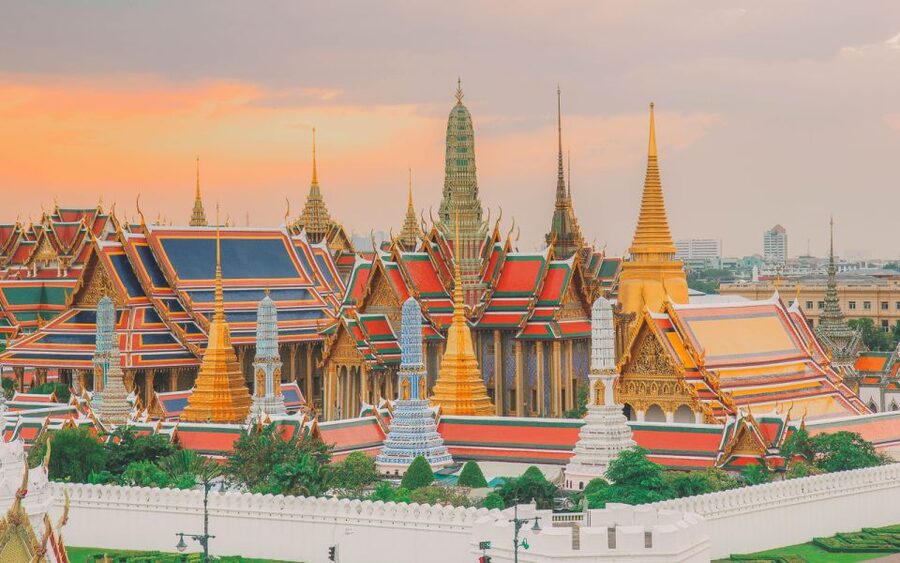
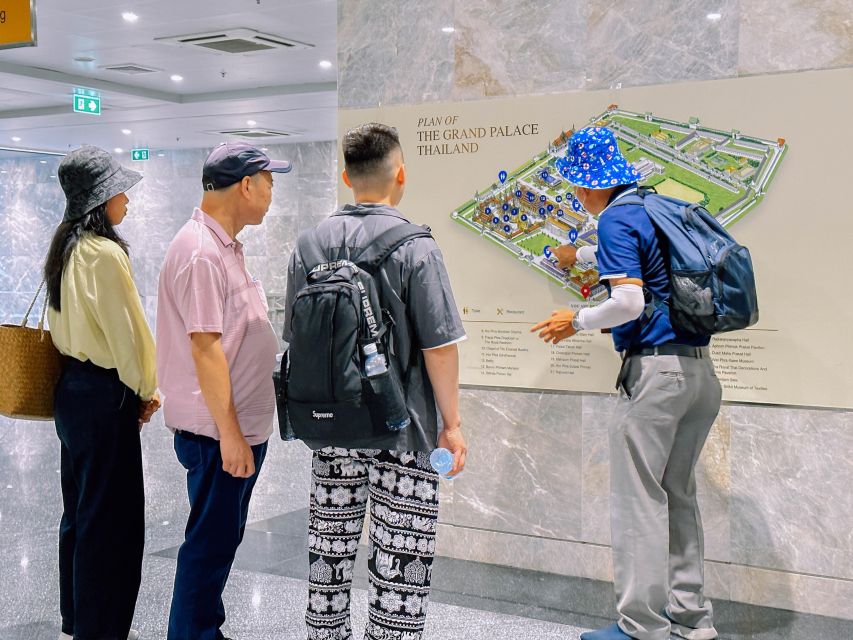
The Grand Palace is massive. If you try it alone, you can burn hours just figuring out where you’re allowed to go and what you’re looking at. This tour is built to solve that problem with a guided path through the outer, middle, and inner courts, so you hit the big landmarks without getting lost.
In a 2-hour window, you also get a useful rhythm. You’ll start with orientation and palace context, then shift into Wat Phra Kaew, then wrap up with key display stops inside the complex. It’s the kind of plan that fits a Bangkok day when you still want time for markets, riverside walking, or a second temple later.
The other reason this short format shines is focus. Instead of treating every wall as equally important, your guide points out what matters—temple symbolism, royal architecture, and how the palace connects to Bangkok’s founding under King Rama I.
Meeting at Maharaj Tunnel Gate 2: the one logistics moment that can trip you up
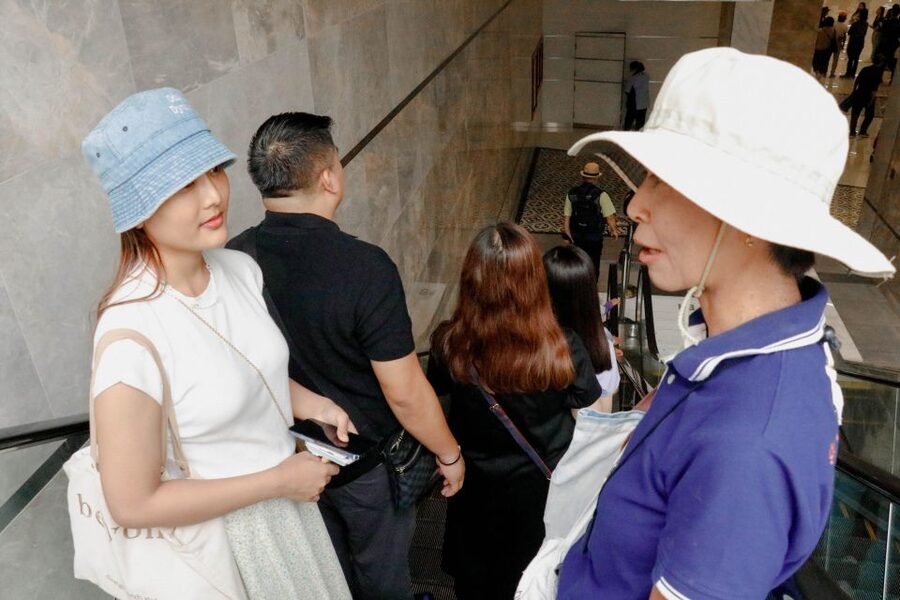
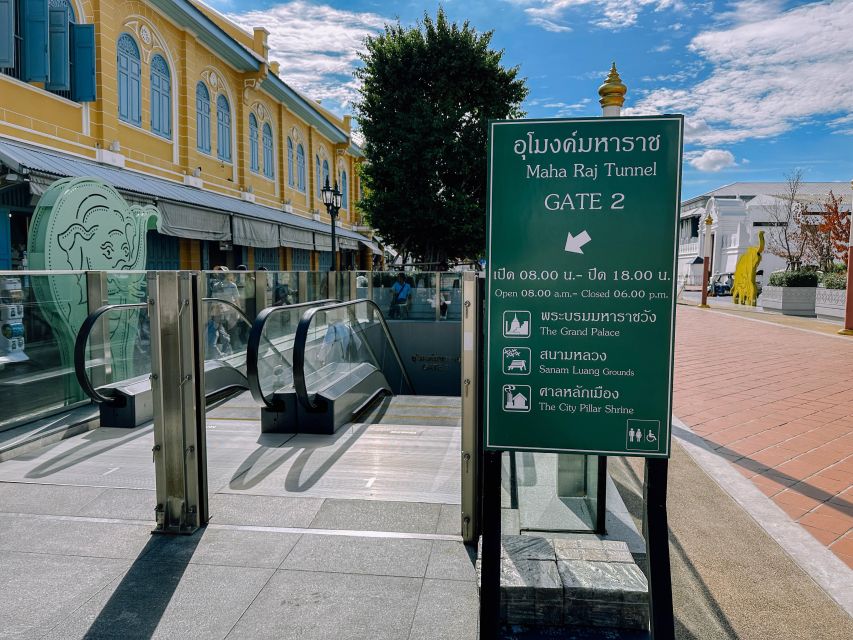
Your meeting point is Maharaj Tunnel Gate 2, and you need to arrive about 15 minutes early. The guide is holding a GetYourGuide sign, and you’ll show your voucher to get going.
Here’s the practical caution: multiple people have flagged that Gate 2 can be confusing. The common fix is simple—don’t wait until the last minute. If you’re unsure, give yourself extra time to walk over, look for the sign, and confirm you’re in the right tunnel area.
Also note a detail that matters when you’re standing there with nowhere to sit: the tunnel entrance is not always where your brain expects it to be if you’re looking at the palace first. One tip I like is treating it like a two-step arrival—first find the right intersection area, then locate the tunnel entry for Gate 2.
The palace route: outer, middle, inner courts without getting lost in gold
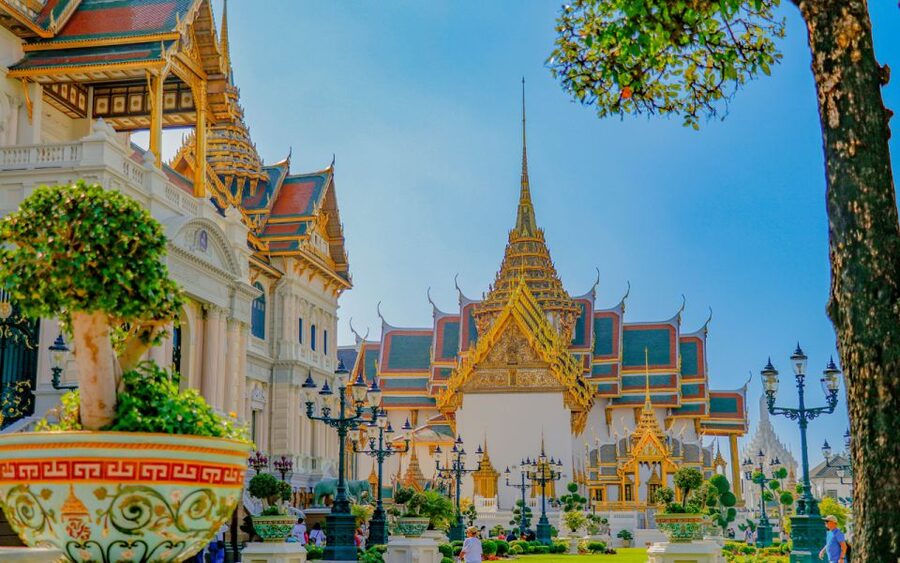
Once you’re inside the flow, the tour follows the palace layout in a way that actually helps. You’ll start by passing state offices tied to the royal household and related institutions. Then your guide moves you through the courtyards in sequence, using gates as checkpoints—Phiman Chai Si Gate moving toward Sanam Ratchakit Gate in the Middle Court portion.
This matters because the Grand Palace isn’t just a pretty place. It was the royal home, the administrative seat of government, and a major architectural symbol for the Thai Royal Family since Bangkok became the capital under King Rama I. When you understand the palace as a working political space, the buildings stop feeling like generic “temple scenery.”
You’ll also be guided through key sections including:
- Outer, Middle, and Inner Courts for a structured walk
- State-office areas you pass by as you move between zones
- Gates that act like navigation anchors when crowds are thick
If you’re the type who likes to look at a map later, this route gives you a mental structure you can keep.
Middle Court buildings and Siwalai Gardens: where the palace starts to make sense
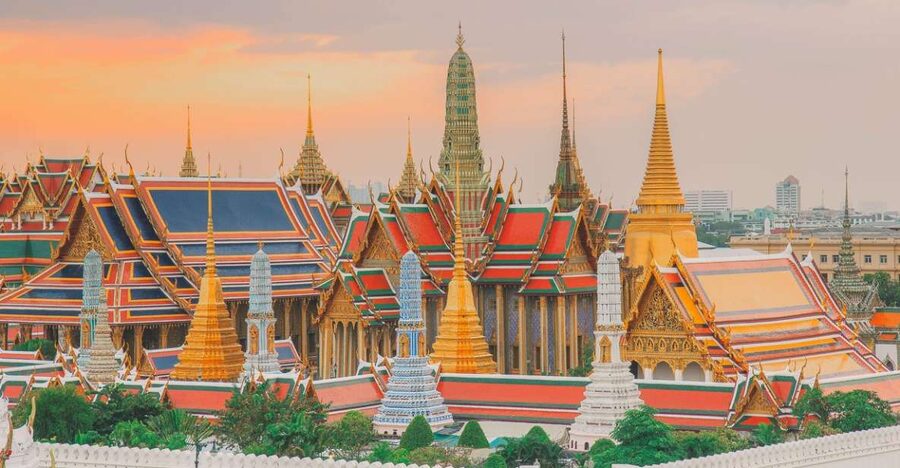
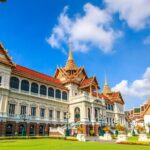
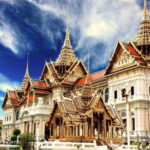
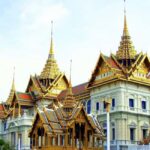
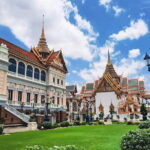
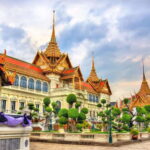
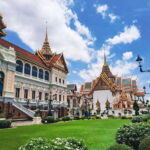
The Middle Court portion is where the story turns from overview into real landmarks. Starting from Phiman Chai Si Gate to Sanam Ratchakit Gate, you’ll see named palace buildings and garden quarters, including the Phra Maha Monthien Buildings, Chakri Maha Prasat Buildings, and the Siwalai Gardens Quarter.
What you should take from this part: it’s the palace’s “show and function” zone. You’re seeing how royal architecture mixes power, ceremony, and aesthetics in one place. Even if you’re not into details, the named buildings give you something to hang your attention on instead of just scanning for gold.
And yes, it’s hot. Multiple guides have been described as considerate about shading and pacing, which is exactly what you want in Bangkok. If the day is sunny, plan for it: water in your day bag (when allowed), long sleeves, and patience.

The Inner Court and the female-only zone: culture rules you’ll feel right away
Next comes the Inner Court section, from Sanam Ratchakit Gate to Thaew Teng. This part is described as formerly serving as palace walls during the reign of King Rama I, so you’re walking along boundaries that once had real defensive and ceremonial meaning.
Then there’s a cultural highlight that’s worth understanding before you arrive: you’ll enter a female-only zone in the southern area of the Inner Court. In that section, men (except for the king) were not allowed to enter, while the queens, consorts, consort mothers, daughters, and ladies-in-waiting and servants lived there.
For your visit, the practical takeaway is respect and awareness. You’ll see how royal life was organized—and how the palace still carries those rules in its present-day layout. If you’re a woman, you may appreciate having a zone that centers women’s roles in royal court life. If you’re a man, just be ready for the fact that you won’t be allowed into that specific interior space.
Wat Phra Kaew: the Emerald Buddha and why this temple feels different
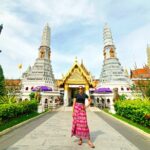
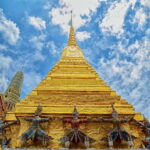
Wat Phra Kaew is the sacred core of the experience. It enshrines Phra Kaew Morakot, the Emerald Buddha—an image carved from a single block of jade. Even if you’ve seen temple sites around the country, this one hits differently because of its status as the most sacred temple for Buddhism tied to the monarchy.
The atmosphere tends to feel more controlled than the surrounding palace areas. You’ll be guided to the temple’s key viewpoints and shown how it fits into royal ceremony and reception of state guests. It’s one of those places where your guide’s explanations change the visit from sightseeing into understanding.
Also, expect strict behavior and dress code enforcement. Wat Phra Kaew isn’t a casual photo stop. When you keep your clothing and posture respectful, the whole visit becomes smoother.
Pavilions, regalia, and coin displays: the details that reward your attention
Inside the Grand Palace complex, you’ll find the Pavilion of Regalia, Royal Decorations and Coins. This is a smart stop because it turns Thai royal history into tangible objects you can see: decorations and coin-related displays.
If you’ve ever visited a palace and thought, I’m seeing the outside, where’s the real story?—this kind of museum-like corner helps. Even on a short tour, it gives you a “museum effect,” not just temple architecture.
It’s also a great place to pause. Courts can be sun-heavy and crowded. When you hit indoor-ish display areas, it becomes easier to slow down and actually absorb what you’re looking at.
Price and value: $18 for 2 hours, plus the palace entry fee question
The tour price is listed at $18 per person for a duration of 2 hours. That’s a strong deal when you factor in a live guide, skip-the-line access, and the structured route through multiple courts.
But don’t ignore the entry fee detail: the Grand Palace entry fee for foreigners is THB 500. Your final cost depends on your selected option because the included ticket information says entry ticket is included for private options. In plain terms: check whether your purchase already covers palace admission or if you’ll pay at the gate.
Even if you do have to add THB 500, this kind of guided format often still feels worth it. A good guide prevents time-wasting confusion, helps you avoid dead ends, and gives context fast—exactly what you need in a place that’s strict and busy.
Dress code and what to bring (this is not optional)
This tour has strict dress rules at the Grand Palace and Wat Phra Kaew. If you don’t follow them, you can get turned back.
What to bring:
- Long-sleeved shirt
- Long pants
- A hat
- Camera
- Cash
- A sarong (useful for covering if needed)
What not to wear:
- Shorts
- Short skirts
- Tight leggings or see-through clothes
- Torn pants
- And keep shoulders covered
No need to guess about the rules while you’re already sweating in Bangkok. Pack correctly before you leave your hotel, and you’ll save time.
Also be aware of what’s not allowed:
- Luggage or large bags
- Drones
- Alcohol and drugs
Pacing, photos, and guides who keep you moving
A recurring theme with this tour is how much the guide helps with photos and movement through crowds. Names like Sammy, Som, Num, and La La show up with descriptions of guiding people to good photo spots and keeping the group organized.
In a place like this, “best photo spot” is not just aesthetics. It means not standing in the exact place where you block other visitors, not getting herded into glare, and getting your shot before the crowd thickens again. That’s what you want from a short 2-hour tour.
You should also know the tour includes a live guide in Chinese, English, or Thai depending on the language selected. If you’re not comfortable with basic Thai temple vocabulary, using an English-speaking guide (when available) makes the whole experience easier.
Who this tour suits best (and who should rethink it)
This is a good fit if you:
- Want the major sights without committing to a full day
- Like having historical context as you walk
- Prefer skip-the-line convenience
- Appreciate photo help and organized pacing
It may be a poor fit if you:
- Have mobility impairments or use a wheelchair, because the experience is listed as not suitable for mobility issues
- Have hearing impairment needs that require accommodations not mentioned in the tour details
Should you book Bangkok: Grand Palace and Emerald Buddha Half-Day Tour?
Book it if you want a smart, time-efficient way to see two top Bangkok icons with a guide who helps you understand what you’re looking at. The value is strongest when you factor in skip-the-line access, a structured courts route, and the fact that you won’t waste your short Bangkok day playing navigation roulette.
I’d reconsider if you’re hoping for a slow, lingering museum day or if you struggle with strict dress rules. Also, if Gate 2 locations confuse you easily, give yourself extra time to arrive early and confirm you’re at Maharaj Tunnel Gate 2.
If your goal is to get oriented fast, learn the palace story, and see the Emerald Buddha with less stress, this 2-hour tour is one of the more practical ways to do it.
FAQ
How long is the Bangkok Grand Palace and Emerald Buddha tour?
It lasts 2 hours.
Where do I meet the guide?
Meet at Maharaj Tunnel Gate 2. You should arrive 15 minutes early and show your voucher. The guide will hold a GetYourGuide sign.
Does the tour include skip-the-line access?
Yes. The tour includes skip-the-line access via a separate entrance.
What are the dress code requirements?
You must wear long pants and a long-sleeved shirt for men, and long skirts or long pants that cover the knees for women, with shoulders covered. Shorts, short skirts, see-through clothes, tight leggings, and torn pants are not allowed.
Is the palace entry fee included?
The Grand Palace entry fee for foreigners is THB 500. The entry ticket is included for private options, so check your selected option to confirm whether you’ll pay separately.
Is this tour suitable for wheelchair users or mobility impairments?
No. It is not suitable for people with mobility impairments or wheelchair users.