REVIEW · MEXICO CITY
Mexico City: Chapultepec Castle and Anthropology Museum Tour
Book on GetYourGuide →Operated by Amigo Tours LATAM · Bookable on GetYourGuide
Two museums, one hill, nonstop Mexico City context. I love the way the tour links Chapultepec Castle and the Mexican past—from Emperor Maximilian I’s residence to the older sacred ground beneath it. I also like that your bilingual guide turns museum labels into real context, so you’re not just reading plaques. The main trade-off: it’s a long day with lots of walking, and you’ll only see a slice of the huge Anthropology Museum.
If you’re lucky (and many people are), you’ll get a guide with stand-out energy, like Leonardo or Alex, who can keep the pace moving while still answering questions. I also appreciated how guides help when key information is only in Spanish, since not every sign is translated. One more thing to watch: the schedule is tight, so late arrivals can cut into time for extras like gardens.
Expect a structured route through Chapultepec Park, a coffee pause on Avenida Grutas, and then the uphill trek to the castle. I think you’ll feel the difference between just touring on your own and walking in with a plan, especially at the castle where stairways and rooms can blur together fast.
In This Review
- Key things to love about this Chapultepec Castle and Anthropology Museum combo
- Why this tour works as a first serious history day in Mexico City
- National Museum of Anthropology: you’ll see the big rooms fast, not everything
- The real value: context when English signs are limited
- A heads-up on time and room coverage
- Avenida Grutas coffee break and the Chapultepec Park reset
- A practical food tip from what you’ll likely find nearby
- Why this break matters for the whole day
- Chapultepec Castle: Maximilian I, European-style rooms, and real viewpoints
- What you’re walking through inside
- The castle viewpoint makes the walking worth it
- Your bilingual guide: the difference between seeing objects and understanding them
- How that shows up during the museum visit
- How much history you get in 5 hours (and how to plan around it)
- Who this suits best
- Who might find it too tight
- Practical tips for a smoother Chapultepec day
- Keep the group timing in mind
- Should you book the Chapultepec Castle and Anthropology Museum tour?
- FAQ
- What’s the duration of the tour?
- Where does the tour start?
- What languages are available with the guide?
- Is Chapultepec Castle guaranteed to be open?
- How much of the Anthropology Museum will we see?
- Is there a private group option?
Key things to love about this Chapultepec Castle and Anthropology Museum combo
- Emperor Maximilian I in the castle: European-style rooms with a very specific Mexican political story behind them
- National Museum of Anthropology highlights: you get the big pre-Hispanic thread without wandering aimlessly
- Bilingual guidance for Spanish-only signage: your guide helps connect the dots when labels aren’t fully translated
- Chapultepec Hill views and park time: you’re not stuck indoors all day
- A realistic “best-of” pace in 5 hours: enough time to learn, not enough time to burn out
Why this tour works as a first serious history day in Mexico City

This is one of those tours where the geography does part of the teaching. Chapultepec Hill is both a viewpoint over the city and a symbolic stage for different eras—Aztec sacred space, then imperial and colonial power, then modern national identity.
I like that you’re not forced to choose between art and history. You walk from pre-Hispanic cultures at the National Museum of Anthropology to a castle tied to European influence, and you end with a clearer sense of how Mexico’s story keeps reshaping itself.
You can also read our reviews of more tours and experiences in Mexico City.


National Museum of Anthropology: you’ll see the big rooms fast, not everything
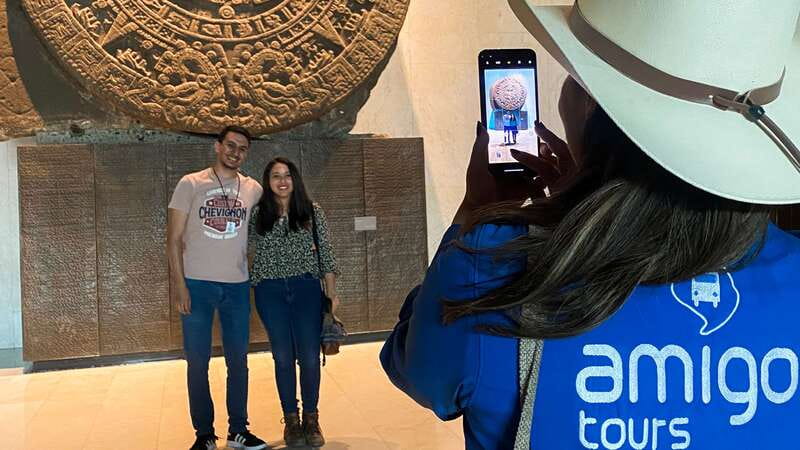
The National Museum of Anthropology is enormous. That sounds obvious, but it matters, because with only one guided block you have to prioritize, and the tour does that for you.
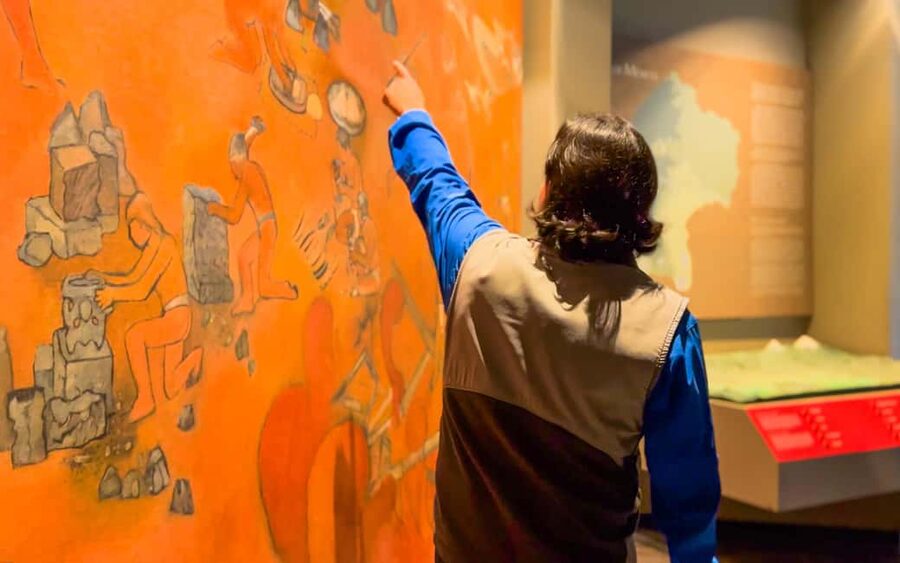
In the guided visit, you focus on major pre-Hispanic cultures across time, including groups like the Maya and Toltec (and other related peoples). Your guide gives you the human connections behind the artifacts—what these objects meant, what changed over centuries, and why the museum organizes things the way it does.
The real value: context when English signs are limited
One practical reason the guide helps: not all museum plaques and info are in English. People end up staring at displays without knowing what to look for, unless someone explains the background.
If you get a guide like Alex, the tour usually feels smoother because he can point out what matters most and answer questions on the spot. That’s also why many people call this a great first-anchoring museum day for Mexico City.
A heads-up on time and room coverage
You will not see the whole museum in 100 minutes. Some routes cover about 3 highlight rooms; others cover around 5; either way, you’re getting an orientation and a strong set of examples, not a full day of deep galleries.
If your goal is to read everything and take your time, this combo tour won’t satisfy that. If your goal is to leave with a solid framework and know what you want to revisit later, it’s a smart use of time.
Avenida Grutas coffee break and the Chapultepec Park reset
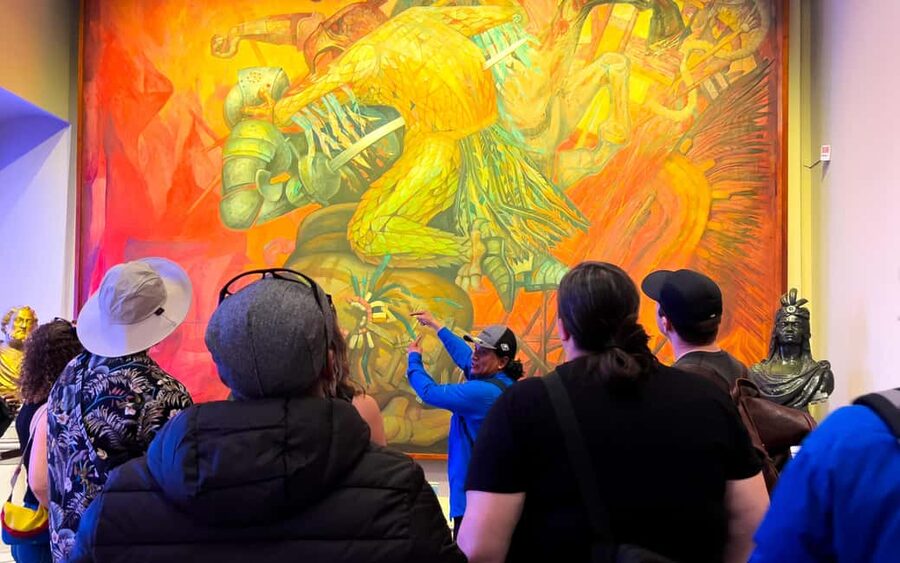
Between museums, the tour builds in a pause, and I’m glad it does. A coffee stop on Avenida Grutas gives your legs a breather and helps you regroup before the hill climb.
You also get time in Chapultepec Park. That walk is more than a gap between stops—it’s part of the experience because you’re moving through the same hill landscape that frames the castle.



A practical food tip from what you’ll likely find nearby
One useful detail: you can often grab snacks and local treats from vendors around the area (things like mango, churros, and elote came up as favorites). I’d treat this as your chance to top up before the castle, especially if you skipped breakfast.
Why this break matters for the whole day
Chapultepec is not flat. If you go straight through both museums without a pause, you’ll feel the fatigue in the castle rooms where you’re doing extra looking, climbing, and standing for photos.
Chapultepec Castle: Maximilian I, European-style rooms, and real viewpoints

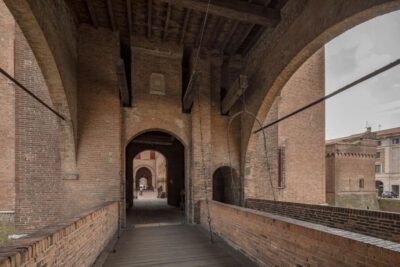
Chapultepec Castle sits on the hill, and entering it feels like stepping into a different mood. It’s also identified as the National Museum of History, so the story isn’t just decorative—it’s political and cultural.
The castle visit focuses on the life and presence of Emperor Maximilian I of Habsburg. That’s a key angle because it explains why the building carries strong European ornamentation while the setting remains unmistakably Mexican.
What you’re walking through inside
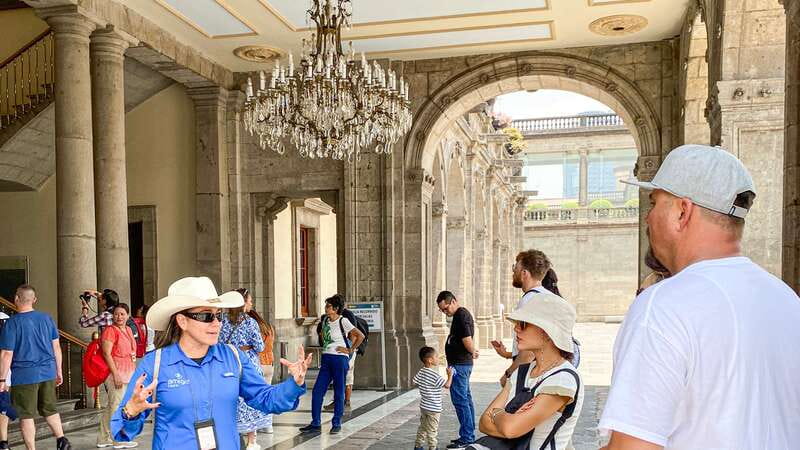
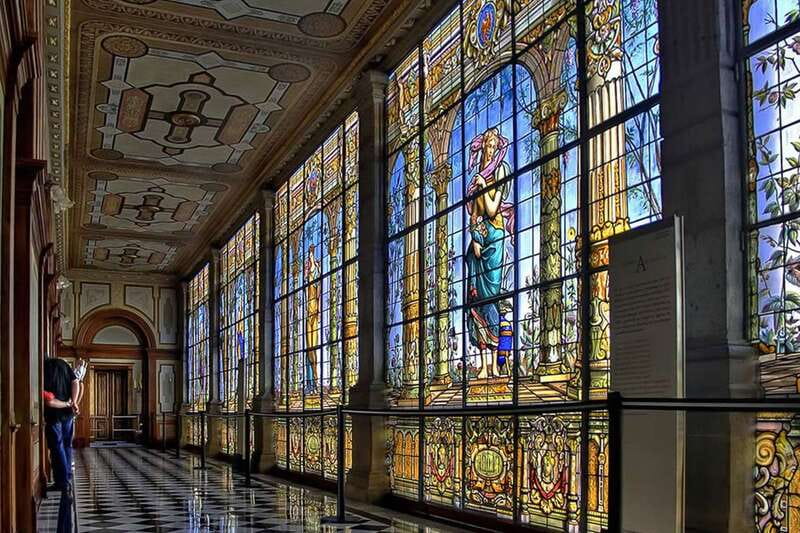
You move through impressive, light-filled rooms with classical European ornamentation and marble stairways. You’ll also see sculptures and busts of major historical figures—names that usually land for visitors include Emperor Cuauhtémoc and the Spanish conquistador Hernán Cortés.
Even if you already know the basics, the guide’s job is to connect who these people were and how their legacies show up in the way the castle tells history. That context is what turns a pretty interior into a meaningful visit.
The castle viewpoint makes the walking worth it
The hill setting pays off. You get views from the Chapultepec area, and the walk-in sequence gives you multiple chances to look over the city rather than just reaching one final overlook.
Your bilingual guide: the difference between seeing objects and understanding them
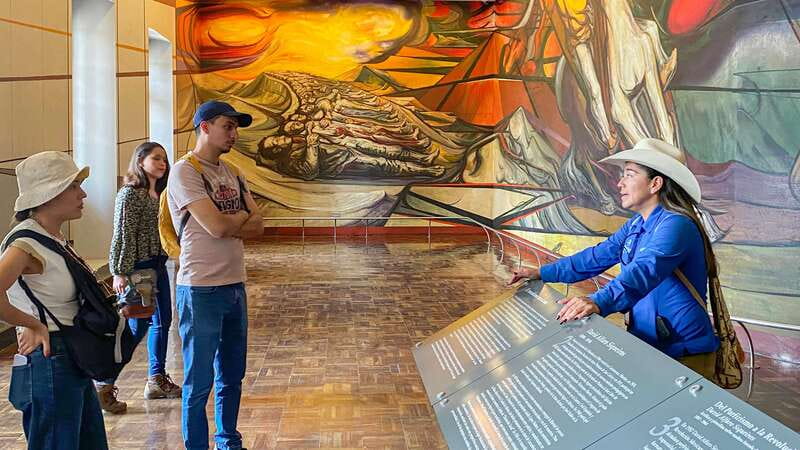
This tour lives or dies by the guide. And in this case, the guides are consistently described as energetic, organized, and able to answer questions without getting stuck.
People highlight guides like Leonardo for information and passion, and others like Lili, Gio, Antonio, Alan, and Hector for explaining what you’re looking at with clear context. Even when different guides have different styles, the outcome is similar: the museum feels less like a maze and more like a story.
How that shows up during the museum visit
At the Anthropology Museum, you get help picking out what matters instead of trying to read everything yourself. Since not every label is translated, the guide becomes your live decoder ring.
At Chapultepec Castle, the explanation helps you understand why the building looks the way it does and why the figures on display are relevant. You’re not just walking through rooms—you’re following a timeline and a theme.
How much history you get in 5 hours (and how to plan around it)
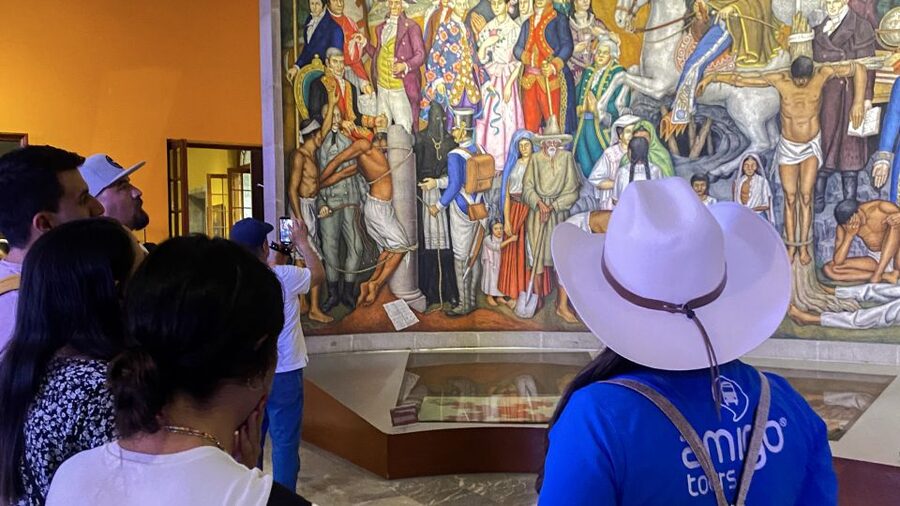
Five hours is a workable length for a “high points” combo day. It’s also a reminder that you’re making choices. The Anthropology Museum is massive, and the castle is still a walk-heavy site.
So I treat this tour as a foundation, not a finish line. You’ll leave with a better sense of where to spend more time later, especially if you’re the type who likes to go back and read more carefully.
Who this suits best
- If you’re short on time in Mexico City but want real cultural context, this fits well.
- If you prefer structure and a guide to help with Spanish-only signage, you’ll feel the value quickly.
- If you love history but get overwhelmed in huge museums, this is the kind of route that prevents you from losing your focus.
Who might find it too tight
- If you want to linger in galleries and read every detail, you’ll likely feel rushed.
- If you hate uphill walking, know that the castle approach is a physical part of the day.
Practical tips for a smoother Chapultepec day
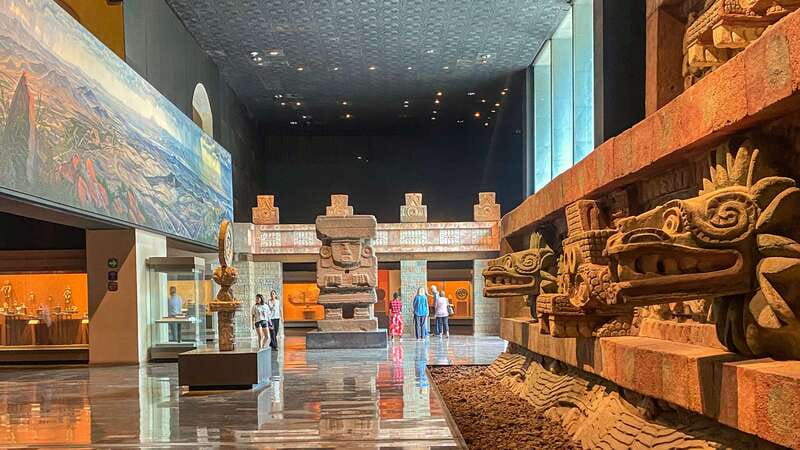
Wear comfortable shoes. This tour mixes museum floors with park paths and an uphill trek, and your feet will notice if you’re in the wrong pair.
Plan for water rules and weather. One practical note that came up: museums may not allow water inside. Also, on rainy days Chapultepec Castle may close without prior notice, and a partial refund would be provided if that happens.
For photos, timing helps. The tour keeps moving, but guides often help with well-timed photo stops at both sites (and some guides even took photos for individuals who asked).
Keep the group timing in mind
The schedule has tight handoffs between museum time blocks and walking. If someone in the group arrives late, it can steal minutes from later areas like garden time at Chapultepec.
Should you book the Chapultepec Castle and Anthropology Museum tour?
Yes, if you want a smart first history day with built-in guidance. This is good value for $47 because you get two major sites with a live bilingual guide and you avoid the main frustration of the Anthropology Museum: getting lost in scale and missing the “so what” behind artifacts.
I’d book it especially if you’re the kind of visitor who reads slowly, asks questions, or wants the story stitched together across eras. If you’re expecting a full, unhurried museum marathon and zero walking, pick a different plan. But for a focused, memorable overview with real context, this combo is one of the better ways to spend your limited time in CDMX.
FAQ
What’s the duration of the tour?
The tour runs for about 5 hours.
Where does the tour start?
The meeting point can vary by option, but the starting location is associated with the Museo Nacional de Antropología.
What languages are available with the guide?
The live guide is available in Spanish and English.
Is Chapultepec Castle guaranteed to be open?
On rainy days, Chapultepec Castle may close without previous notice. If it closes, a partial refund is provided.
How much of the Anthropology Museum will we see?
The museum is very large, and this guided portion is designed to cover key highlights rather than the entire museum.
Is there a private group option?
Yes, private group options are available.