REVIEW · ODAWARA
Odawara: Guided Ninja & Samurai Tour of Odawara Castle
Book on GetYourGuide →Operated by Odawara Tourism Association · Bookable on GetYourGuide
Shurikens, samurai armor, and a real ninja lesson. This guided tour strings together Odawara’s castle-park atmosphere, samurai collections, and an interactive training session at the Ninja Museum in just 150 minutes. You start at the Odawara Castle Ninja Centre, walk the castle grounds, visit the Samurai Museum, then finish with an exclusive ninja workshop after regular hours.
Hands-on training is the big draw here, and you also get stories tied to the Hojo clan—the people who ruled the area for generations.
One thing to consider: this isn’t a sit-and-watch tour. You’ll do movement and weapon drills, so plan to be active, even if you just want the history.
I especially like the balance: you get authentic-looking armor and artifacts alongside practical ninja skills like breathing, meditation-style focus, and basic movement. And the tone stays friendly and approachable, with guides such as Jeff and Naoya (seen in English-language feedback) and ninja instructors like Shidou/Shudo who are praised for patience—handy if your group includes kids or first-timers. The only real drawback is that no food is included, so you’ll want to handle snacks and water on your own before or after the tour.
In This Review
- Key things I’d circle on your plan
- Where the tour starts: 小田原城NINJA館 and the first walking minutes
- Odawara Castle Park + Samurai Museum: armor, artifacts, and seasonal atmosphere
- Tokiwa Kimon Samurai Center: more context between weapons and buildings
- The main keep area and Hojo clan stories: why this castle mattered
- Odawara Castle Ninja Centre training workshop: breathing, meditation focus, shuriken, and gestures
- How the guides shape the experience (and why it matters)
- Price and value: $116 for two museums plus real instruction
- Timing and getting here from Tokyo: why Odawara works
- Who should book this (and who might not)
- Quick advice for your best session
- Should you book the Odawara Guided Ninja & Samurai Tour?
- FAQ
- How long is the Odawara Guided Ninja & Samurai Tour of Odawara Castle?
- Where do I meet my guide?
- What is included in the tour price?
- Is the tour available in English?
- Do I get to skip the ticket line?
- What do you do during the ninja training workshop?
- Are food and drinks included?
- Is Odawara Castle Park part of the tour?
- Is the Ninja Museum visit included after regular hours?
- Can I cancel for a full refund?
- Is pay later available?
Key things I’d circle on your plan
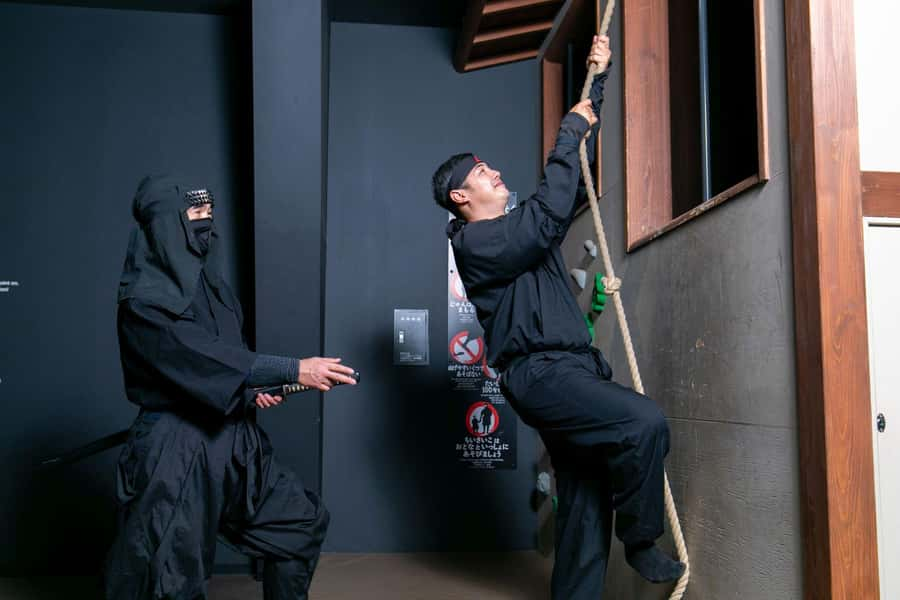
- After-hours Ninja Museum training: workshop time inside the Ninja Museum once regular visiting is over
- Real samurai armor close-up: helmets, swords, and period artifacts at the Samurai Museum
- Ninja skills you actually try: breathing, meditation-style focus, movement, shuriken practice, and hand gestures
- Family-friendly pacing: drills and options that work even if your group includes younger kids
- Hojo clan stories tied to the castle: Sengoku-era context around the main keep area
- Seasonal feel at Castle Park: blossoms and outdoor atmosphere that make the walk nicer than a museum-only outing
Where the tour starts: 小田原城NINJA館 and the first walking minutes
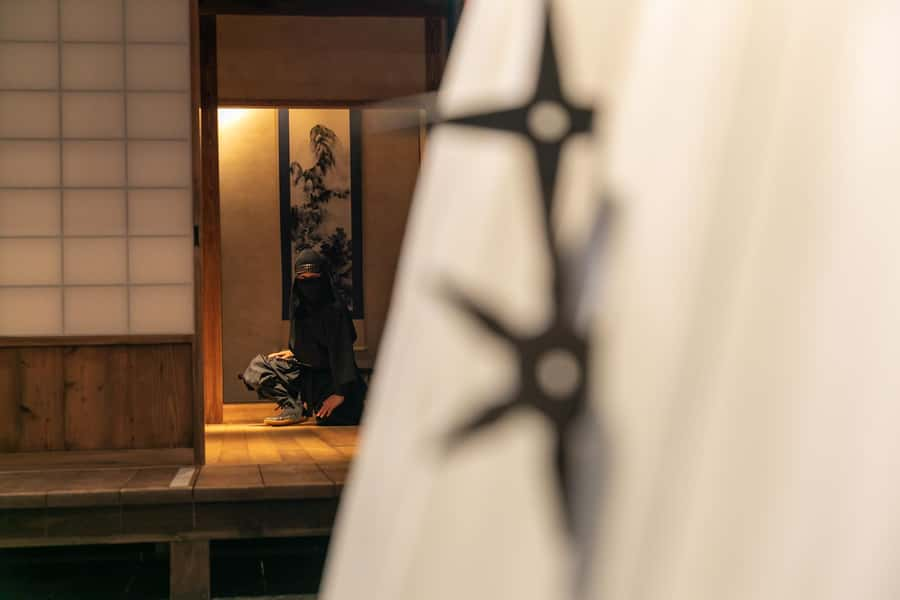
Your experience kicks off at the entrance of the Odawara Castle Ninja Centre, the 小田原城NINJA館 area. It’s an easy start point because it’s clearly branded for the theme, and it helps you get into the right mindset before you even step into the castle park.
From there, the tour moves quickly but not rushed: you head into the sightseeing portion right away. I like this structure. You’re not stuck waiting around for the “main event.” The walk gives you a sense of place—castle grounds, museum stops, then training at the end.
Tip: if you’re bringing kids, this start matters. Early momentum helps keep attention. By the time you’re practicing ninja basics later, everyone is already warmed up to the idea of doing things, not just looking.
You can also read our reviews of more tours and experiences in Odawara.


Odawara Castle Park + Samurai Museum: armor, artifacts, and seasonal atmosphere

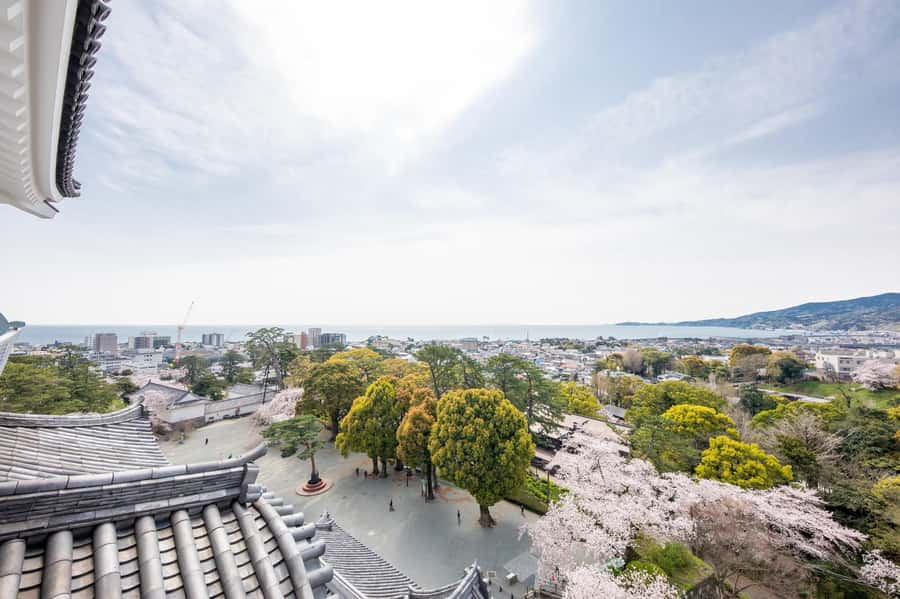
The outdoor part starts with a guided walk through Odawara Castle Park. This is where the setting does some of the work for you. Even if you’re not a big castle person, the park layout and the seasonal blossom atmosphere can make the stroll feel like more than a transfer between stops.
After that, you visit the Samurai Museum. This is one of the strongest value pieces of the tour because you’re seeing authentic items rather than generic “ninja vs. samurai” props. The museum stop includes authentic samurai armor, helmets, and swords—things you can look at closely while your guide puts them into context.
What you’re really buying with this museum portion is contrast. Ninja training can turn into a cartoon if you treat it like a theme park. The Samurai Museum grounds it for you. You start to understand why armor, weapon types, and status mattered in feudal Japan—especially in the kind of era where castle power and family clans shaped everything.
Tokiwa Kimon Samurai Center: more context between weapons and buildings
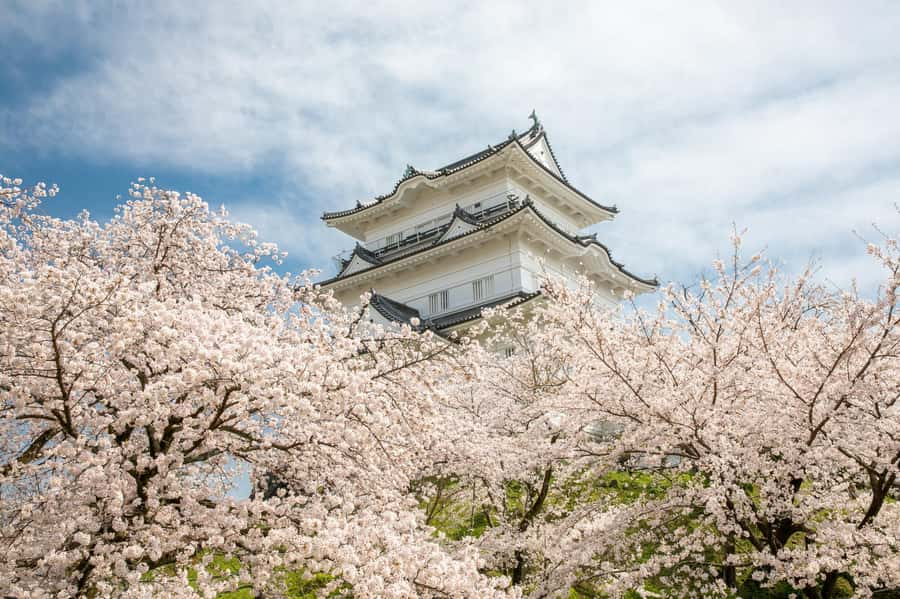
Next comes the Tokiwa Kimon Samurai Center stop. Think of it as the bridge between the castle setting and the training finale. You’re still in guided mode, and you’re still focused on samurai-era life, but this section helps connect the dots: what you’re seeing on the armor-and-weapons side of things isn’t random—it links to how castles functioned and how clans lived and fought.
The practical payoff for you: by the time you reach the ninja workshop, you’re not just learning “cool tricks.” You have a wider frame for what warriors trained for, what discipline meant, and why gestures and movement mattered.
Also, this keeps the tour varied. You’re alternating between outdoor walking, artifact viewing, and story-driven stops. If you’re traveling from Tokyo, that variety helps a day run smoother.
The main keep area and Hojo clan stories: why this castle mattered
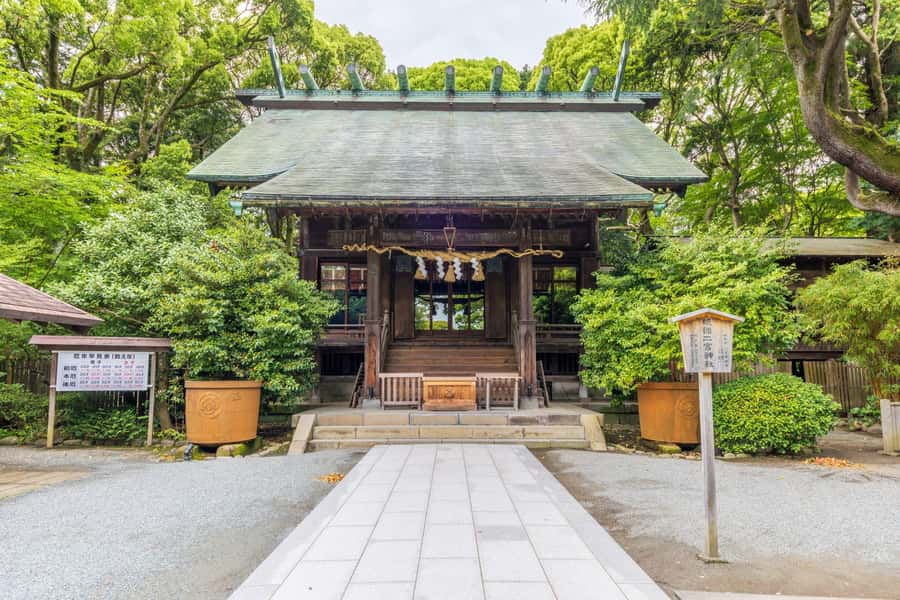
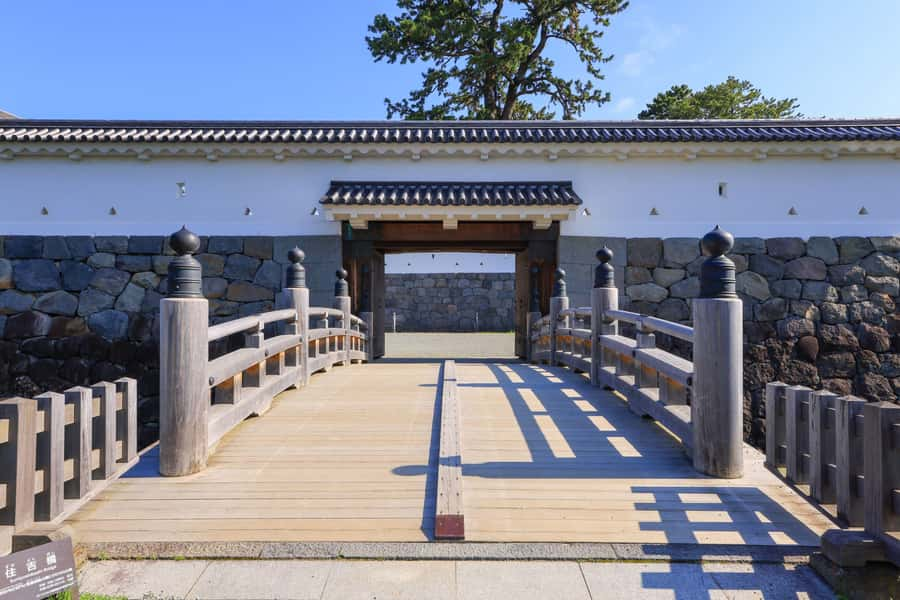
Then you spend time walking around the castle grounds near the Castle Main Keep, with stories tied to the Hojo clan. The Hojo ruled the area for five generations during the Sengoku period, and the guide’s job here is to make that sound less like trivia and more like “this place was real power.”
This is where I’d pay attention even if you’re not usually into Japanese feudal history. The castle isn’t just a backdrop. It’s the physical reason those clans mattered: fortification, control, and strategy all connect back to the architecture and the location.
One small detail you’ll feel in this portion is pacing. It’s enough time to soak in the setting while you hear the stories, but it doesn’t drag. The tour keeps moving because the training is coming next—and by the time you reach it, you’ll be ready to do something with your brain, not only your feet.
Odawara Castle Ninja Centre training workshop: breathing, meditation focus, shuriken, and gestures
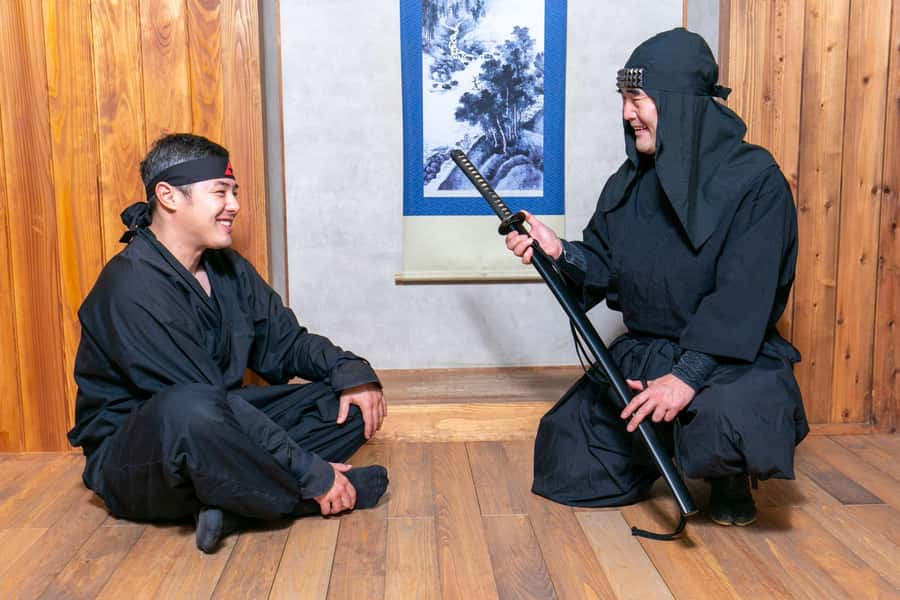
Now we get to the part you’ll probably remember most: the interactive ninja training workshop inside the Ninja Museum after regular hours. This is a key distinction. You’re not just visiting a themed room during open hours—you’re doing a guided practice session where the space becomes your training ground.
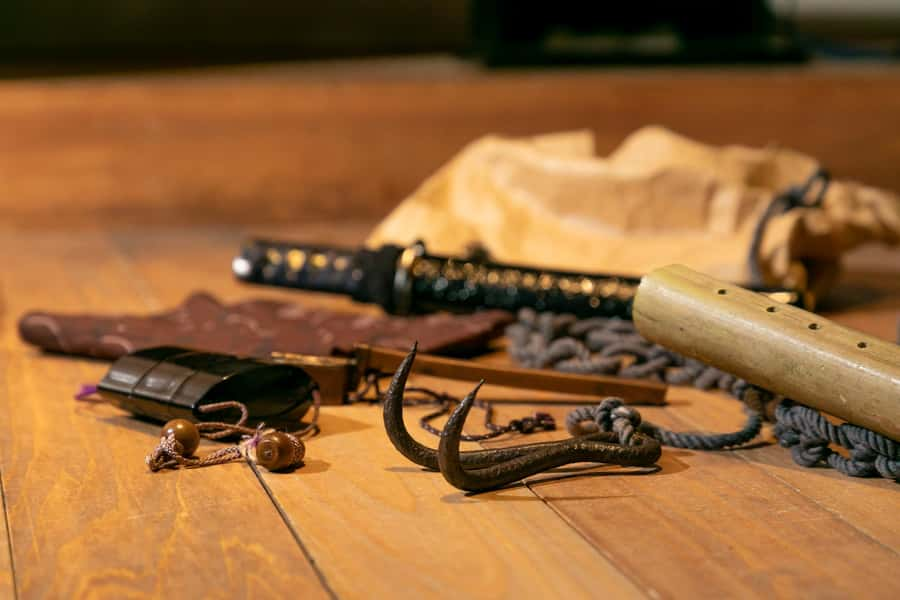
You’ll be given ninja attire for the workshop, which sounds like a small detail but changes the vibe. It turns the experience from a lecture into participation. You’ll start with the fundamentals, including breathing and a meditation-style focus, plus movement drills. It’s not about turning you into a martial arts movie extra. It’s about getting your body and attention synced for the rest of the exercises.
Then the practical skills begin:
- You practice with ninja tools and weapons like shuriken
- You do sword practice basics
- You learn and perform iconic ninja hand gestures
Some groups also get hands-on with other weapon-style activities like blow darts at targets, which shows up in English-language feedback as part of the fun for kids and adults alike.
One more thing I like: the instruction tone is described as encouraging and patient—exactly what you want when you’re learning physical skills for the first time. If you overshoot a target or your aim is wobbly, you’re unlikely to feel shamed. This matters more than it sounds. It’s the difference between being nervous and having fun.
And yes, there’s an element of performance and ritual in how the session is framed—people describe it as including ninja rituals, meditation, warrior skills, and etiquette. Even if you only catch the basics, it gives the class a coherent story, not just a set of random drills.
How the guides shape the experience (and why it matters)
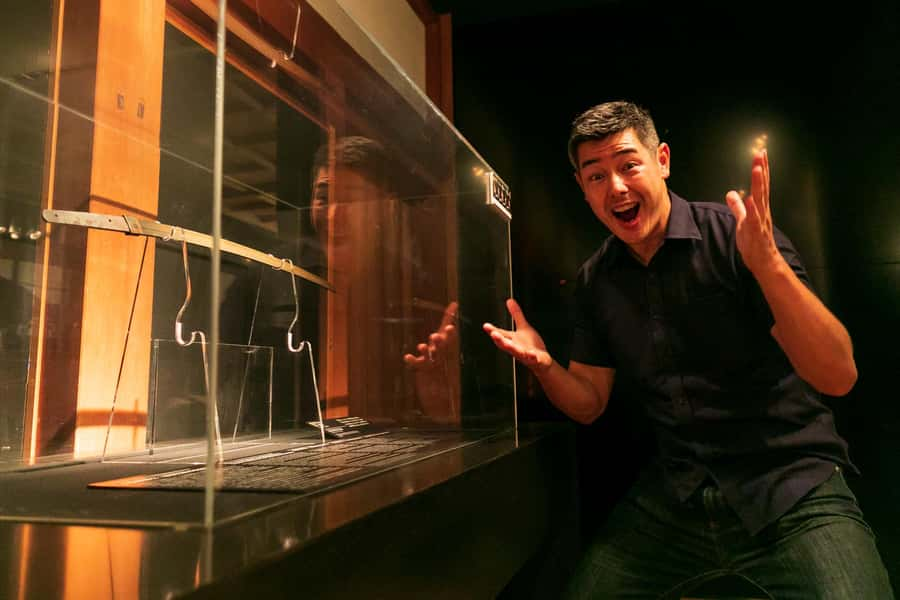
In a tour like this, the guide is not an accessory. The guide is the translation layer between:
- castle history and what you should look at
- the artifacts you’re seeing
- the ninja training you’re doing
The names mentioned in feedback—Jeff, Naoya, and a ninja instructor such as Shidou (also referenced as Shudo)—point to the same theme: friendly, helpful instruction and an upbeat approach. Several comments praise how guides handle questions and how the ninja trainer keeps people engaged.
I’d call out something practical here: if you want your experience tailored, this seems set up for that. Feedback notes that the tour can be adjusted around what your group cares about, and that’s the difference between a generic tour and a memorable one.
It also helps if your group has different energy levels. One person might be history-first, another might be weapon-first, and another is just excited to try on ninja gear. The structure seems flexible enough to handle that mix.
Price and value: $116 for two museums plus real instruction
At $116 per person for 150 minutes, you’re paying for more than a walk-through. You’re getting:
- A live English guide
- Entry tickets to the Samurai Museum and the Ninja Museum
- Ninja attire for the workshop
- Skip-the-line support (so you’re not losing time waiting)
Value-wise, the math makes sense because the most expensive part of this kind of experience isn’t the museums—it’s the instructor-led training and the after-hours access. If you tried to replicate this on your own, you’d likely spend time figuring out timing, entry, and finding instruction that includes hands-on weapon practice and structured breathing/gesture drills.
Also, this is a good use of limited time. If you’re doing Japan as a first trip, your calendar probably isn’t infinite. A 150-minute block that combines stories, artifacts, and practice can be a better use of a day than piecing together multiple unrelated activities.
Timing and getting here from Tokyo: why Odawara works
Odawara is just south of Tokyo and sits between the Pacific coast and the Hakone mountains. That location makes it one of those day-trip options that feels like a change of scenery without the full commitment of an overnight move.
So if you’re basing yourself in Tokyo, this tour can be a smart way to break up the city routine. You trade Tokyo’s pace for castle grounds and a focused training session. And because the tour is only 150 minutes long, you aren’t sacrificing half a day just to get somewhere.
If it’s rainy, don’t panic. Feedback includes a case where the experience was accommodated on a rainy day, which suggests the team is used to working around real weather.
Who should book this (and who might not)
This tour is a strong match if you want:
- an active, hands-on experience rather than a passive walkthrough
- real samurai artifacts paired with practical ninja training
- something that works for families, including kids who want to participate
If your group includes first-timers who aren’t into “tour voice” history, the workshop component can carry the day. Kids can get the movement and target practice, while adults can lean into the Hojo clan context and museum details.
The only group I’d think twice about is people who want a totally calm day. You’ll be practicing, moving, and focusing. You can still have a great time, but you should expect energy, not just photos.
Quick advice for your best session
You’ll get more out of this if you treat it like a class. Ask questions when your guide pauses. If you’re aiming for photos, consider that some guide-instruction teams include photo help—feedback specifically notes a guide acting as a photographer.
And plan your day around the fact that food and drinks aren’t included. I’d rather you arrive hydrated and slightly fed than thinking about hunger mid-session.
Should you book the Odawara Guided Ninja & Samurai Tour?
Yes, I’d book it if you want a day-trip-worthy mix of castle atmosphere, authentic samurai visuals, and an after-hours ninja workshop where you try the skills yourself.
Skip it only if you’re seeking a quiet, purely sightseeing experience with zero movement. The value here is in participation: breathing and focus drills, shuriken and sword practice, and those ninja hand gestures in a real guided setting.
If your trip is short and you’re trying to find one activity that delivers both storytelling and action, this is the kind of tour you’ll feel good about afterward.
FAQ
How long is the Odawara Guided Ninja & Samurai Tour of Odawara Castle?
The tour lasts 150 minutes.
Where do I meet my guide?
Meet your guide at the entrance of the Odawara Castle Ninja Centre (Ninja Museum).
What is included in the tour price?
You get a guide, entry tickets to the Samurai Museum, entry tickets to the Ninja Museum, and ninja attire for the training workshop.
Is the tour available in English?
Yes. The live tour guide is English.
Do I get to skip the ticket line?
Yes, the tour includes skip-the-ticket-line entry.
What do you do during the ninja training workshop?
The workshop focuses on breathing, meditation, and movement, then practice with ninja tools and weapons such as shuriken and sword, ending with ninja hand gestures.
Are food and drinks included?
No. Food and drinks are not included.
Is Odawara Castle Park part of the tour?
Yes. You walk around Odawara Castle Park as part of the guided experience.
Is the Ninja Museum visit included after regular hours?
Yes. The tour includes an exclusive ninja workshop at the Ninja Museum after regular hours.
Can I cancel for a full refund?
Yes. You can cancel up to 24 hours in advance for a full refund.
Is pay later available?
Yes. You can reserve now and pay later.