REVIEW · COIMBRA
Schist Villages and Medieval Castles Tour
Book on Viator →Operated by Epicocentro · Bookable on Viator
Medieval towers and schist villages in one day. This Coimbra-area tour mixes Castelo de Arouce, a set of schist villages (including Candal), and Castelo de Penela, with stops timed for a relaxed pace and real local texture.
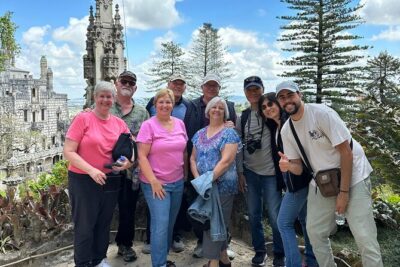
What I like most is the small, private setup and how much it depends on your guide’s choices, not a one-size-fits-all script. The other big win is that you’re not just parked at viewpoints: you get history, plus a human feel for the villages—Mónica even picks up conversations with local people she knows.
One drawback to plan around: there’s walking on village paths, and there’s no lunch included, so you’ll want to eat before or budget for a meal on your own after the tour.
In This Review
- Key highlights to know before you go
- Schist villages and medieval castles in one Coimbra-area loop
- Getting there and back: the private transport advantage
- Castelo de Arouce (Lousã): legends, setting, and why it feels mysterious
- Aldeias do Xisto: entering the schist village world
- Candal: what “emblematic” usually means in practice
- The middle hour: multiple villages, different personalities
- Castelo de Penela: the final stop that ties Coimbra to the Mondego network
- Price and value: is $120.14 worth it?
- Who this tour fits best (and who might skip it)
- Small logistics that affect your comfort
- Should you book Schist Villages and Medieval Castles?
- FAQ
- FAQ
- Where does the tour start?
- Is pickup available?
- How long is the tour?
- What language is the tour offered in?
- What’s included in the price?
- Are admission tickets included for the stops?
- Is lunch included?
- Is this a private tour?
- What is the cancellation policy?
Key highlights to know before you go
- Castelo de Arouce + village focus: a castle intro that sets up the rest of the day’s stories
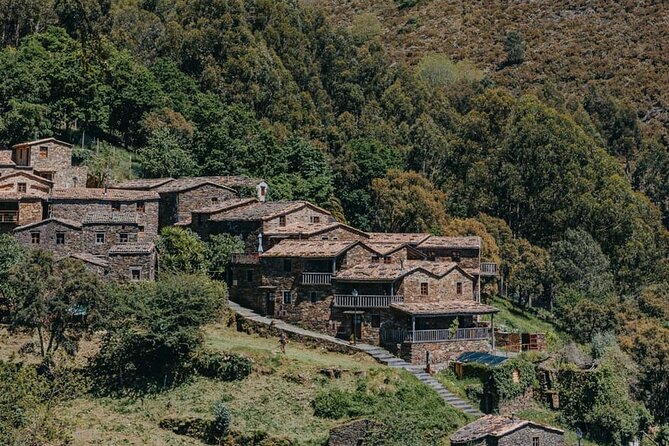
- Aldeias do Xisto villages with real variety: some spots feel quieter, others more touristy, so you get contrast
- Candal as the anchor village: one of the most iconic schist villages is part of the first village stop
- Castelo de Penela and the Mondego network: you’ll connect the castle to how Coimbra once relied on fortifications
- Mónica’s adaptability in the field: if conditions change (fires were mentioned), the plan can shift to keep the day memorable
Schist villages and medieval castles in one Coimbra-area loop
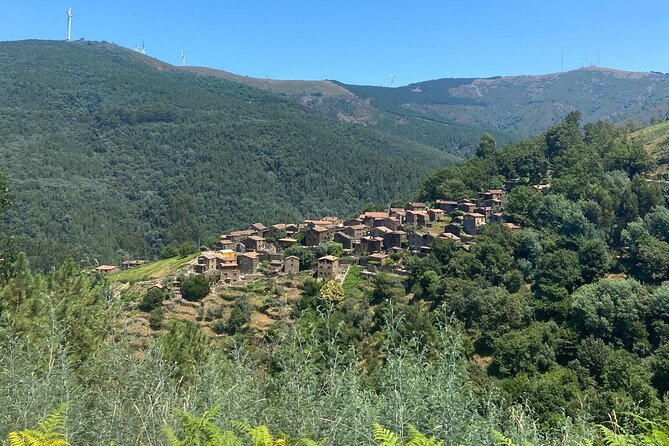
This isn’t the kind of tour where you race from one famous photo spot to another. It’s built around a simple idea: schist villages and the medieval castles that watched over them belong together. Once you notice that connection, the day starts clicking.
You’ll spend about 4 hours 30 minutes total, mostly traveling by private vehicle and then breaking out for short visits. The rhythm is easy to follow: castle first, then villages, then a final castle that ties the whole region together. If you’re already feeling “Coimbra-burnout” from churches and university buildings, this is a nice change of pace.
And at $120.14 per person, it’s not a bargain deal. But when a tour includes private transportation and a guide for the whole loop (and many stop admissions are listed as free), you’re really paying for time, context, and convenience more than tickets.
You can also read our reviews of more tours and experiences in Coimbra.
Getting there and back: the private transport advantage
Your day starts at Estação Coimbra B3020 Coimbra, Portugal**. The tour ends back at the same meeting point, so you’re not scrambling for a second ride home.
Pickup is offered (the provider says they’ll contact you with details after booking). That matters because the schist villages and castles aren’t the easiest “public transit plus walking” combo. Having a private driver means you’re not spending your energy figuring out routes, transfers, and timing.
One practical note: the itinerary suggests that most of the remaining time is in transportation. That’s a good thing if you want to see a lot without turning it into a footrace.
Castelo de Arouce (Lousã): legends, setting, and why it feels mysterious
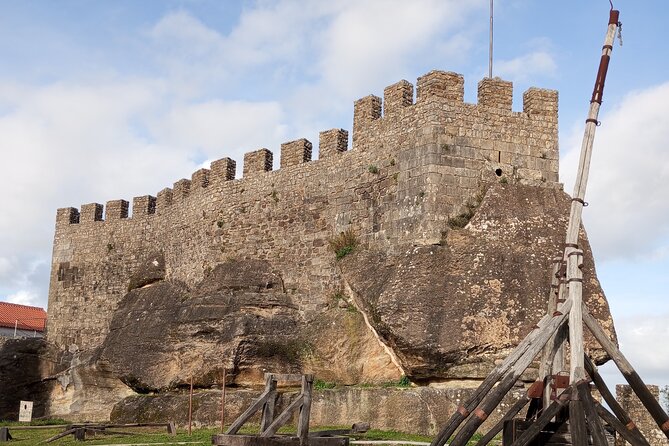
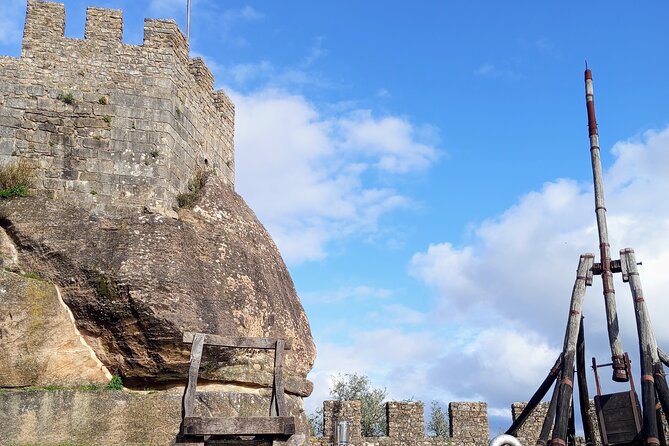
Your first stop is Castelo de Arouce in the Lousã area. The tone here is almost cinematic: it’s described as enigmatic because of where it sits, and that location effect is part of the experience.
You’ll have about 30 minutes for the castle visit. Even in that shorter slot, the guide’s job is to give you the “why should I care?” answer. You’ll hear about the castle’s importance over the centuries, and you’ll also get legends that still stick in local imagination. The best part of a castle stop like this is not memorizing dates—it’s understanding what kind of world these walls were built for.
What to watch for: approach the visit with a question in mind, like What problem did this castle solve? Once you’re thinking that way, the stories make more sense and the views make more sense too.
Potential drawback: 30 minutes is tight for people who want to wander slowly and read every sign. If you’re the type who takes forever at ruins, think of this stop as a strong starter course rather than the whole meal.
Aldeias do Xisto: entering the schist village world
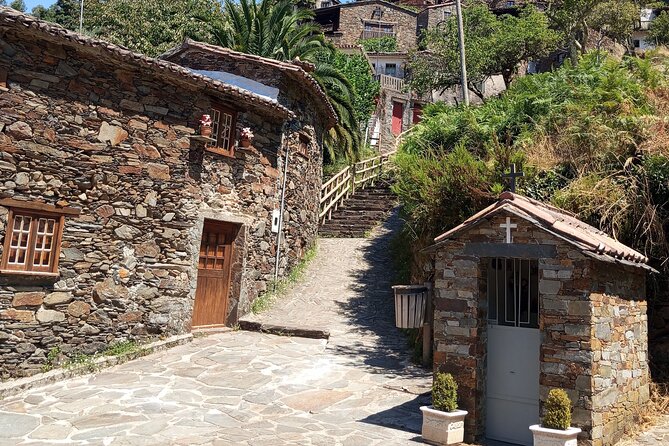
After the castle, the tour shifts into schist village mode with Aldeias do Xisto—a central Portugal region known for these distinctive stone villages and their walking trails. The idea is simple: you get stunning surroundings, village life, and cultural heritage without needing to plan a self-drive day.
Your first village stop is Candal, described as one of the most emblematic and picturesque villages. You get about 30 minutes there.
Then you’ll make additional stops during the next section (about 1 hour) across other schist villages. The plan is intentionally flexible: you’ll visit some that are more touristy and some that feel less so, which helps you notice how each village has its own identity.
Candal: what “emblematic” usually means in practice
Candal is the kind of place where schist stone isn’t just a building material—it’s part of the village personality. In a short visit, you’ll want to focus on two things:
- Architecture and layout: look at how the stone structures fit the slope and street bends
- Small details: doors, terraces, and how the village edges the surrounding hills
Since your guide is with you, you’ll also get context for what you’re seeing. This is where having someone like Mónica can really pay off: she’s described as attentive, and she’s good at connecting what you see to how people live and worked there.
The middle hour: multiple villages, different personalities
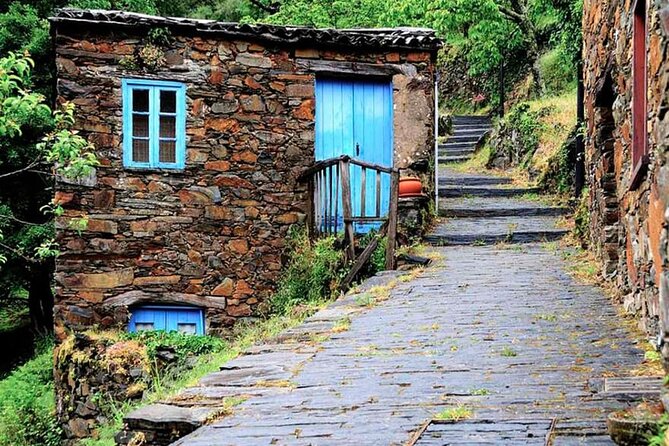
The itinerary’s middle chunk is about variety. You’re scheduled for three more village stops (within that 1-hour window). That’s a lot of change in a short time, but it’s also the point.
If you only visit one schist village, you can accidentally turn it into a theme park version of “Portugal stone houses.” By contrast, hopping through a few villages lets you see differences in tone and character. Some places feel busier; others feel calmer. The cultural identity shifts from stop to stop.
How you’ll experience it: you’ll likely do short walks and quick look-arounds, with your guide pointing out what matters so you don’t waste time wondering what you’re looking at. The tour is also described as attentive to your schedule and comfort, which is especially helpful if you’re traveling with an older relative or anyone who moves more slowly.
What to bring: comfortable shoes. Village paths can be uneven, and you don’t want your day to be a battle with your feet. Also bring water, since you’re outside for stretches and there’s no lunch included.
Castelo de Penela: the final stop that ties Coimbra to the Mondego network
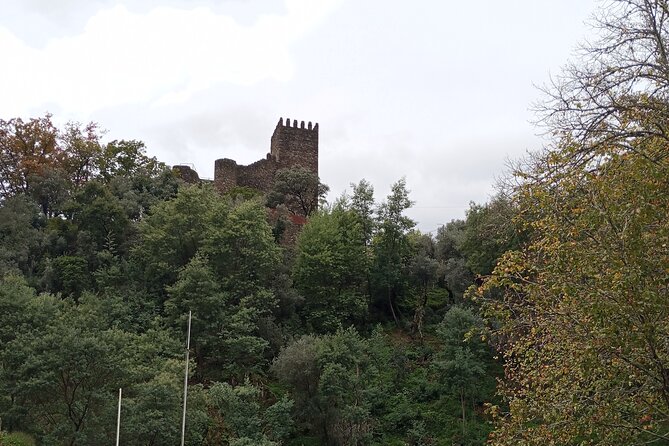
Your last stop is Castelo de Penela, described as a centenary castle and part of the network of castles and walls of the Mondego.
This is one of those endings that makes the earlier parts feel smarter. Instead of leaving the day as a list of scenic stops, you’ll connect the castle to strategy: the Mondego fortifications were once important for Coimbra’s subsistence—meaning protection and control weren’t abstract. They shaped daily life, supply, and safety.
You’ll have about 30 minutes here as well. That’s enough time to understand the broad historical role and get oriented around the site. The guide will help you see it as part of a connected system, not a lone monument.
Why it’s a good capstone: when the day ends with a “how it all fits” explanation, you take home a stronger mental map. You remember the villages, but you also remember what they were connected to.
Price and value: is $120.14 worth it?
Let’s talk value in real terms.
For $120.14 per person, you’re getting:
- Private transportation
- An inclusive tourism guide
- Free admission tickets are listed for the main stops (castle and village visits)
You’re also getting a day that’s structured to keep your energy focused. You don’t need to coordinate drivers, tickets, and timing across multiple sites in rural areas. For many people, that’s the hidden cost in DIY plans.
Would this be cheaper if you drove yourself? Sure. But DIY rarely gives you the “why it matters” context in the short time you have. The key value here is interpretation—especially with Mónica, who’s described as warm, flexible, and responsive to different needs.
My practical advice: if you’re short on time in Coimbra and you want a different slice of Portugal beyond the city core, this is a strong use of your day. If you have unlimited time and love independent driving, you could replicate parts of it. But you’d still miss the guided storytelling that turns stone and streets into something you understand.
Who this tour fits best (and who might skip it)
This tour tends to suit people who want:
- A small, private outing rather than a crowd tour
- A change of pace from typical Coimbra sightseeing
- Village-and-castle pairing in a single half-day
- A guide who pays attention to how guests are doing
If you’re traveling with someone who needs extra care with walking paths, this setup is a plus because the guide is described as accommodating. Still, you should expect some walking on village routes. It’s not purely a drive-by photo stop.
If you’re the type who hates any itinerary at all and wants full control down to the minute, you might feel constrained. But the structure still leaves room for your guide to adjust when needed.
Small logistics that affect your comfort
A few details can help you have a smoother day:
- No lunch is included. Plan ahead so you’re not hungry during the final castle stop.
- You start and end at the same train station meeting point at Coimbra B3020, which makes your schedule easier.
- The day is listed in English, and your tour confirmation comes at booking time.
Also keep in mind that the tour can be adjusted if conditions change. One example mentioned is that the guide shifted plans due to fires in some villages to keep the experience memorable. That’s reassuring, but it also means you should expect the exact village mix could vary.
Should you book Schist Villages and Medieval Castles?
Book it if you want a day that feels like Portugal outside the usual checklist. You’ll get Castelo de Arouce, a schist village highlight in Candal, several other Aldeias do Xisto stops, and a final historical anchor at Castelo de Penela. The best part is the guide’s human touch—especially Mónica—which turns stone, streets, and viewpoints into stories you can actually use.
I’d skip or rethink it if you need a totally food-included tour or if you want lots of time to wander slowly on your own. This is a guided half-day with walking paths, and the schedule moves at a comfortable but definite pace.
FAQ
FAQ
Where does the tour start?
The tour starts at Estação Coimbra B3020, Coimbra, Portugal.
Is pickup available?
Pickup is offered. The provider says they will contact you with pickup details after booking.
How long is the tour?
The tour duration is approximately 4 hours 30 minutes.
What language is the tour offered in?
The tour is offered in English.
What’s included in the price?
The price includes private transportation and an inclusive tourism guide.
Are admission tickets included for the stops?
Admission tickets are listed as free for Castelo de Arouce, the schist village visits, and Castelo de Penela.
Is lunch included?
No, lunch is not included.
Is this a private tour?
Yes. It’s a private tour/activity, and only your group participates.
What is the cancellation policy?
You can cancel for a full refund up to 24 hours before the experience starts. Canceling within 24 hours doesn’t receive a refund.