REVIEW · BUCHAREST
Spanish & Italian guided tour – Palace of Parliament
Book on GetYourGuide →Operated by Transylvanian Wonders SRL · Bookable on GetYourGuide
Stepping into the Palace of Parliament feels like entering a different era. This one-hour guided visit takes you through Bucharest’s communist-era mega-building that has housed the Romanian Parliament since the early 2000s, with a clear route and plenty to look at. I like that the tour points you to the building’s most talked-about rooms—like the Pink Room and the big ceremonial spaces—without wasting your time.
Two things I’d bet you’ll enjoy: first, the Honor Hallway with torso portraits of major Romanian figures (including Vlad Dracula, Ștefan cel Mare, and Alexandru Ioan Cuza); second, the way the guide connects art, politics, and spectacle as you move from hall to hall and room to room. You get a guided story, not just standing in a hallway waiting to be impressed.
One possible drawback to plan around: it’s short, and you won’t see even a fraction of the building. One visitor noted you may only cover about 5% of the complex, and depending on the guide, Spanish quality can be a little uneven—so if language clarity is crucial, choose your session carefully.
In This Review
- Quick highlights
- The Palace of Parliament: why this 1980s building still matters
- Price and value for a one-hour guided look
- Getting there and passing security at Bulevardul Națiunile Unite 4
- The Honor Hallway: torsos of Romanian rulers and leaders
- Grand hallways and named rooms for artists, poets, and writers
- The Pink Room and the ONU connection
- Music Hall: where major artists performed
- Europe’s biggest ballroom: understanding the scale of the finale
- Language matters: Spanish and Italian guides in real life
- Who should book this Palace tour (and who might want another option)
- Should you book this tour?
- FAQ
- How long is the guided tour?
- What language is the tour available in?
- Where is the meeting point?
- When should I arrive before the tour starts?
- What documents do I need for security?
- Does the price include entry tickets?
- Is this tour wheelchair accessible?
- What will I see during the tour?
- Can I cancel and get a refund?
Quick highlights
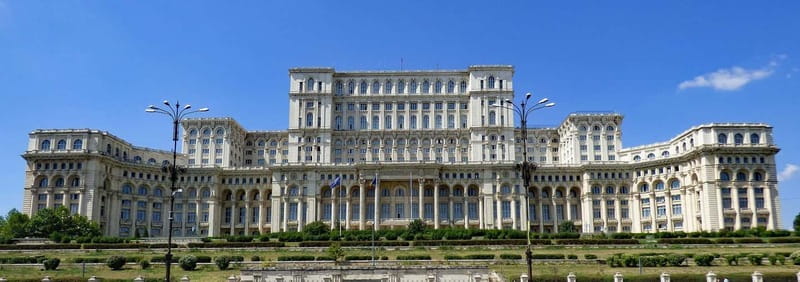
- Honor Hallway torsos: see major Romanian rulers and leaders up close, including figures like Vlad Dracula and Ștefan cel Mare.
- Names in the corridors: rooms and spaces connected to Romanian artists, poets, and writers such as N. Bălcescu and M. Kogălniceanu.
- The Pink Room (ONU meetings): a standout interior linked to United Nations meetings.
- Music Hall performances: a grand space associated with major international artists.
- Europe-scale ballroom: a final ceremonial space described as comparable to four football fields joined together.
The Palace of Parliament: why this 1980s building still matters
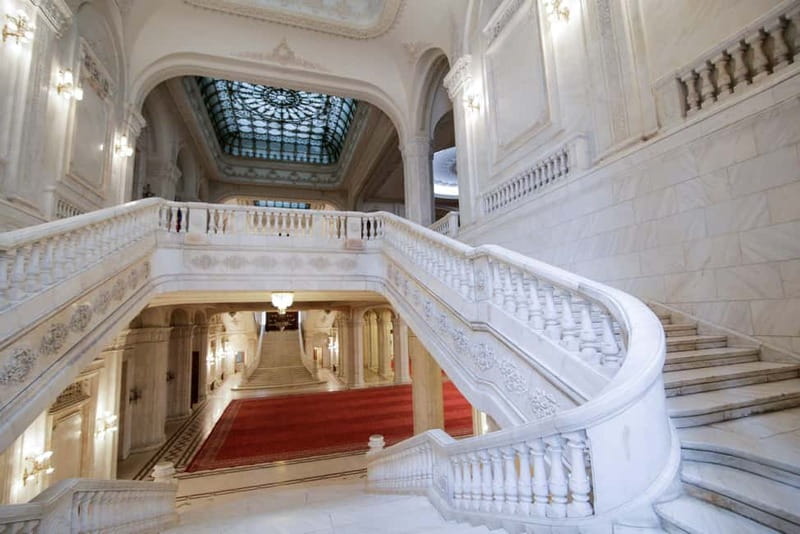
The Palace of Parliament in Bucharest is one of those places where you can feel the weight of a political system—even if you know little Romanian history going in. Built in the 1980s, it’s a communist-era construction that later became the seat of Romania’s Parliament in the early 2000s. That switch—from regime symbol to functioning national institution—is part of what makes a guided tour worth it.
This kind of building can be overwhelming on your own. You might see impressive rooms, but you can miss why they’re arranged the way they are. With a live guide, you’re nudged toward the details that make the Palace readable: the portrait program in the Honor Hallway, the naming of rooms after writers and artists, and the sense that these spaces were designed to impress.
Also, it’s a good reality check for visitors who assume “museum” the moment they hear Palace. This is a working political building, and your route can shift due to security actions, assemblies inside, or changes to admissions. That’s not a deal-breaker—it’s simply the nature of visiting an active Parliament site.
You can also read our reviews of more tours and experiences in Bucharest.
Price and value for a one-hour guided look
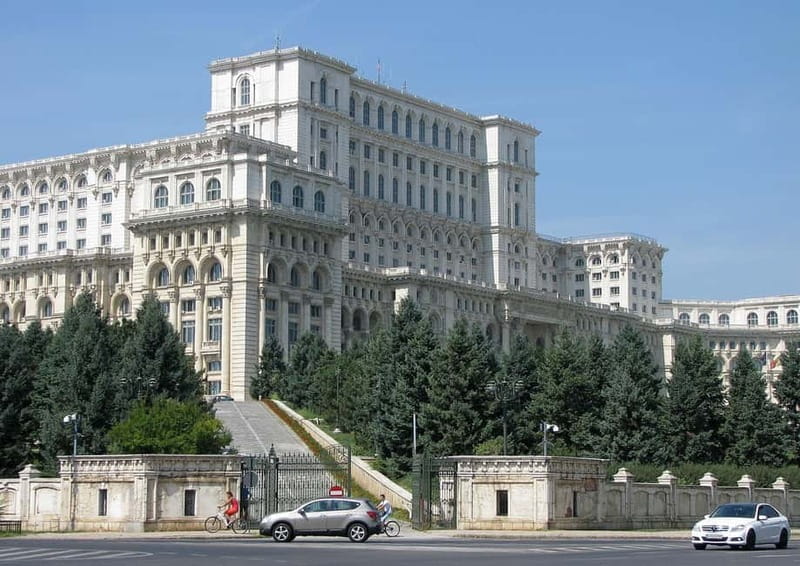
At $43 per person for a 1-hour guided tour, you’re paying for access plus a structured walkthrough of the most notable rooms. It’s not cheap in the way a free self-guided street walk is cheap, but it’s fairly priced if you compare it to timed guided access at major state sites.
The value comes from focus. You’re guided through several distinct interiors rather than wandering one wing and giving up. The downside is the math: it’s only an hour. Even with the best route, you’ll see a small slice of a huge complex—so if you want to linger in rooms for photos and slow reading, you may leave wishing you had more time.
If you’re also balancing a busy Bucharest itinerary, this timing can actually be perfect. The Palace is heavy on scale and visual impact. A short, well-paced tour can make the experience feel sharp instead of exhausting.
Getting there and passing security at Bulevardul Națiunile Unite 4
You’ll meet at Bulevardul Națiunile Unite 4. Plan to arrive 30 minutes before the starting time. That early buffer matters here because entry involves a security screening process, including metal detectors.
Bring the right document, because security is strict. EU citizens should show an EU passport or ID in original. Non-EU visitors also need their original passport. A driver’s license won’t work, and copies won’t be accepted.
There’s a practical lesson from past experiences: forgetting your passport can turn into a major headache at the check-in stage. You don’t want that stress on day one. If you’re traveling with teens, double-check their documents too.
One more thing to keep in mind: because this is the House of Romanian Parliament, security checks and internal activities can change what you see. The guide will adapt when needed, and your best move is to stay flexible.
The Honor Hallway: torsos of Romanian rulers and leaders
Your first real stop after meeting and screening is the Honor Hallway, where you’ll encounter a lineup of torso sculptures representing significant Romanian kings and figures across time. Among the names you can expect to hear are Vlad Dracula, Ștefan cel Mare, and Alexandru Ioan Cuza.
Why does this matter? Because it sets the tone for the whole visit. The Palace isn’t just showing architecture; it’s performing identity. The portrait choices signal continuity and power—then the tour moves you into spaces where art and literature get their moment.
It also gives you something useful for photos and orientation. Instead of random corridors, you get identifiable faces and names. That’s where a guide earns their keep: they help you connect a visual detail to a story you can actually remember later.
If you’re the type who likes lists, you’ll probably appreciate how the guide runs through the key figures and what each represents. If you prefer a slower pace, just remember: this tour is designed to cover highlights efficiently.
Grand hallways and named rooms for artists, poets, and writers
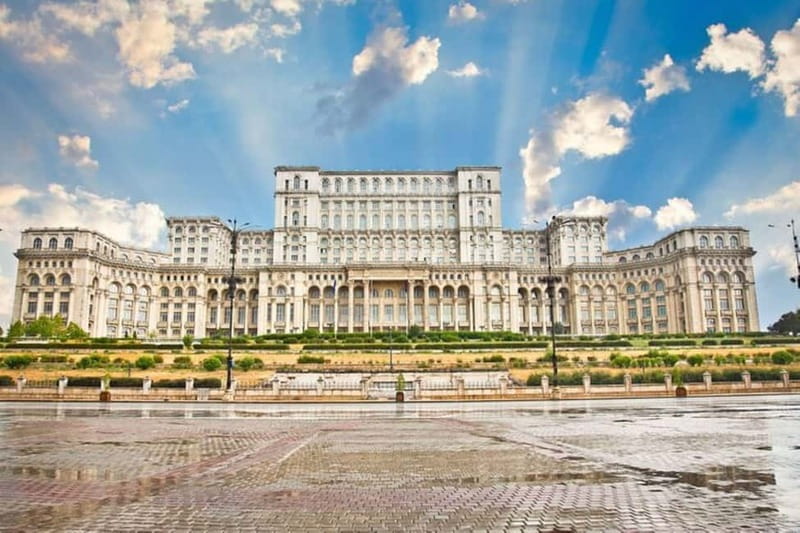
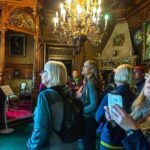
After the Honor Hallway, you’ll move through enormous hallways and into rooms named after major Romanian cultural figures. The tour route highlights names like N. Bălcescu and M. Kogălniceanu, connecting the building’s scale to the country’s intellectual life.
This section is a good moment to pay attention to atmosphere. These corridors aren’t meant for casual wandering. They’re designed for ceremony—long sightlines, monumental spaces, and an intentional sense of movement. Even when the tour is only an hour, this part helps you understand how the Palace “works” as a stage.
One practical tip: keep your phone charged. Bright hall lighting and dramatic angles make for strong photos, but you don’t want to be stuck at 12% battery mid-tour.


The Pink Room and the ONU connection
One of the standout interiors is the Pink Room, associated with ONU meetings (United Nations meetings). The color itself is memorable, but the real point is what the room represents in context: a space inside a symbol of one era used for international diplomacy.
This kind of detail is exactly why guided tours beat solo visits here. Without context, you might see a beautiful or unusual room and move on. With guidance, you understand it as part of the Palace’s shifting identity—from domestic political spectacle to international stage.
I’d suggest treating the Pink Room as a pause point. Even in a fast one-hour route, take 30 seconds to really look around: the design choices tend to reflect formal hosting rather than everyday use.
Music Hall: where major artists performed
Another highlighted stop is the Music Hall, described as a venue where some of the world’s biggest artists performed. Whether you’re a music fan or not, the value here is the sense of versatility. The Palace can feel like pure government architecture until you see how performances and cultural events fit into the same dramatic setting.
This also adds variety to the tour. A building this large can otherwise blur together. Music Hall gives you a different mood: still grand, still formal, but linked to entertainment and public attention.
If you like architecture with a “human use” angle, this is likely one of your favorite stops. The idea that international artists appeared there makes the Palace feel less frozen in history.
Europe’s biggest ballroom: understanding the scale of the finale
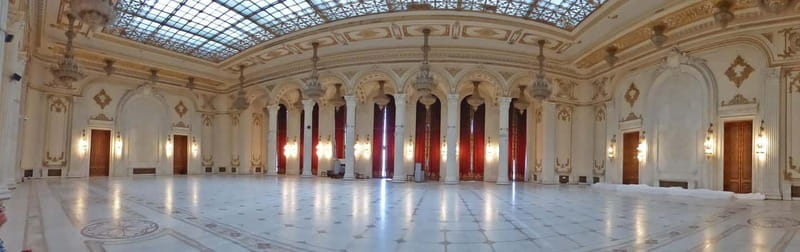
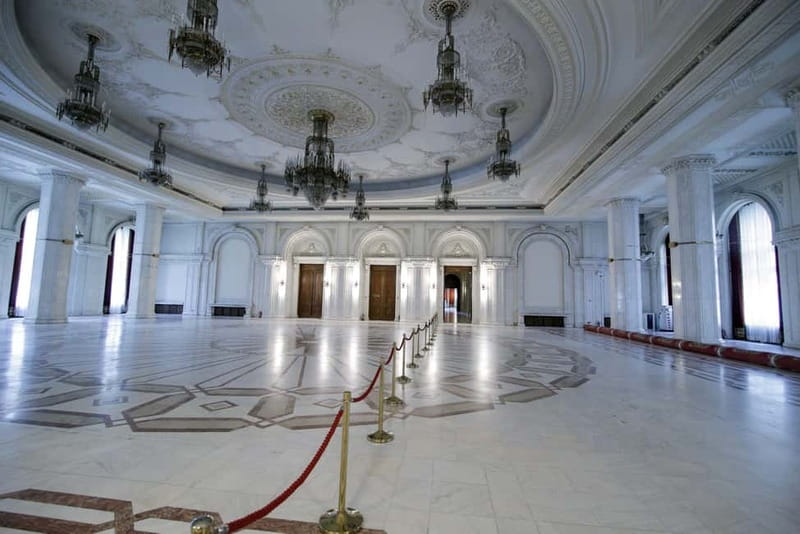
The tour ends at a huge ceremonial space believed to be Europe’s biggest ballroom, described as comparable to the size of four football fields attached together. That’s not subtle. This is your final impact moment—the place you remember even when details blur.
Here’s how to make the most of it: give yourself a minute to look outward, not just upward. When you’re inside a room that large, your brain tries to measure scale. A guide’s walkthrough helps, but you’ll also feel it physically as you take in the open space.
Even if you’re not a ballroom person, the room tells you something important about the Palace: it was built to host major gatherings and impress at maximum distance. Ending here is smart because it caps the tour with a clear climax.
Language matters: Spanish and Italian guides in real life
This experience runs with Italian and Spanish live guides. Language is part of the product here, not just a convenience.
One guide named Carmen received strong praise for explaining corners clearly and being friendly. That matters because this building can be confusing without someone to tell you what to notice.
At the same time, Spanish clarity can vary by guide. If you’re booking Spanish and you’re picky about comprehension, it’s wise to think about your comfort level with the language before you go. The route is short enough that you’ll still understand the big moments, but the nuance is what makes the tour feel satisfying.
Who should book this Palace tour (and who might want another option)
This tour is a good match if you want:
- A fast, guided highlight route in a time-limited Bucharest plan
- A structured look at major interiors like the Honor Hallway, Pink Room, Music Hall, and the big ballroom
- Clear names and context, especially if you like history but don’t want to research every room
It’s not a great fit if you:
- Have mobility impairments or use a wheelchair, because it’s not suitable for wheelchair users or people with mobility impairments
- Prefer slow sightseeing where you can linger for long photo sessions and detailed explanations
- Are expecting a full building walkthrough. You’re there for highlights, not the entire complex.
Should you book this tour?
Yes—if you want an hour of guided clarity in one of Bucharest’s most dramatic buildings, this is a strong choice. The Honor Hallway, the Pink Room (ONU meetings), and the final ballroom-scale room are the kind of “only-here” stops that make the Palace feel specific instead of generic.
I’d say book it especially if you’re the type who enjoys learning names and themes while you walk. If you’re chasing maximum time inside the Palace or you’re sensitive to language quality, plan to be selective and set expectations for what one hour can cover.
If you do book: bring your original ID or passport, arrive early for security, and go in ready for a highlights-focused experience. That approach matches the building, and you’ll likely leave feeling you saw the Palace the way it’s meant to be seen.
FAQ
How long is the guided tour?
The tour duration is 1 hour.
What language is the tour available in?
The live tour guide speaks Italian or Spanish.
Where is the meeting point?
The meeting point is at Bulevardul Națiunile Unite 4 (the listing shows this as the starting location option).
When should I arrive before the tour starts?
You should be there 30 minutes prior to the starting time.
What documents do I need for security?
EU members should bring an EU passport or ID in original. Non-EU passports must be brought in original. Driver’s license or photocopies are not accepted.
Does the price include entry tickets?
Yes, entry tickets are included.
Is this tour wheelchair accessible?
No. It is listed as not suitable for people with mobility impairments and wheelchair users.
What will I see during the tour?
You’ll pass through the security screening area, then visit highlights like the Honor Hallway with torso portraits, grand hallways and rooms named after important cultural figures, the Pink Room connected to UN meetings, the Music Hall, and the large ballroom at the end.
Can I cancel and get a refund?
Yes. Free cancellation is available up to 24 hours in advance for a full refund.