REVIEW · BUCHAREST
Transylvania Castles 4-day tour from Bucharest
Book on Viator →Operated by Rolandia · Bookable on Viator
Medieval towers, then mountains and churches.
This Transylvania castles 4-day tour strings together Romania’s big-name sites—Peleș, Bran, and Corvin—plus real fortress country that feels lived-in, not staged. You travel in a small group (up to eight), with pickup from your Bucharest hotel and an English-speaking guide to keep the legends grounded in history.
I especially like that the tour gives you entrance fees and breakfast handled, not as an afterthought. The guiding style comes up again and again in reviews I read—people name guides like George, Emil, Laurentiu, and Traian as calm, friendly, and very good at connecting the sites to the larger story. You’ll also get a meal built around local products, which is a nice break from the usual grab-and-go tourist routine.
One thing to plan around: this is a packed, long-driving set of days, so if you hate car time, you’ll feel it. Also, check how your departure is handled—these trips can require a minimum of two confirmed people, and single-room travelers usually pay a single supplement.
In This Review
- Key highlights to notice before you go
- Why this Transylvania route works from Bucharest
- Price and value: what $1,154.55 really buys
- Day 1: Peleș first, then Bran’s Dracula fame
- Rasnov Citadel and Brasov at night: quick views, real atmosphere
- Day 2: Făgăraș Fortress and Rupea Citadel (strong defense vibes)
- Sighișoara UNESCO citadel: cobblestones and a Vlad-related house
- Biertan fortified church, Alba Iulia star fortress, Corvin Castle
- Sibiu walking tour and the Bridge of Lies moment
- Curtea de Argeș monastery and a return to Bucharest
- Who should book this castles tour
- Should you book it
- FAQ
- What is the tour duration?
- Where does the tour start in Bucharest?
- How big is the group?
- What’s included in the price?
- Are entrance fees covered?
- Is the tour offered in English?
- What is not included?
- Does it run if only one person books?
- What is the cancellation window?
Key highlights to notice before you go
- Up to eight people: easier questions, better pacing, fewer “herd herding” moments.
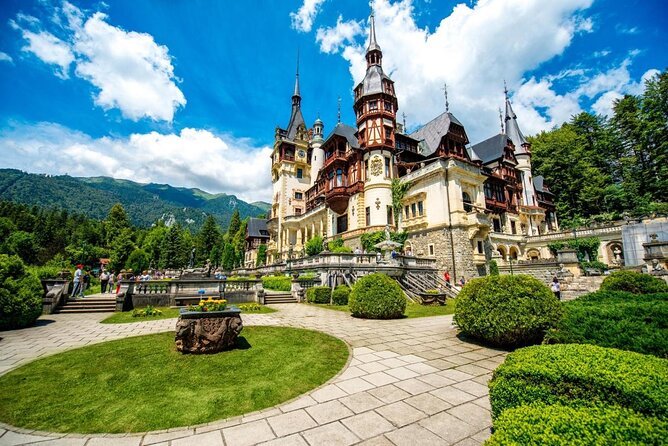
- Peleș + Bran in one day: the classic contrast—royal elegance then Gothic Dracula vibes.
- Fortified churches, not just castles: Biertan and the surrounding stops show Transylvania’s defensive mindset.
- UNESCO Sighișoara: cobblestones, colorful houses, and the Vlad Tepes-related house in town.
- Three hotel nights with breakfasts: you start each day fed and not scrambling for lodging.
- Hotel pickup and drop-off in Bucharest: saves hassle at the start and end of the trip.
Why this Transylvania route works from Bucharest
What makes this tour practical is the “start big, then diversify” flow. You begin in the Bucharest-to-Sinaia corridor (perfect for getting to Peleș early), then you pivot into the medieval spine of Transylvania: hilltop defenses, Saxon towns, and fortified churches.
You’ll also get a guide for the entire ride, which is more than comfort. It changes how you experience the places. Castles stop being isolated photo stops and start feeling like a system—why towns were where they were, what walls protected, and how different powers (Romanian, Saxon, Teutonic, Ottoman pressure) influenced architecture.
The pacing is busy, but it’s not chaotic. The group size stays small, and the stops are grouped logically by region so you’re not hopping across the map every hour.
You can also read our reviews of more tours and experiences in Bucharest.
Price and value: what $1,154.55 really buys
The headline price is high at $1,154.55 per person, but you’re not paying only for sightseeing. Your money covers: hotel stays for three nights, breakfasts (3), entrance fees, transportation in a modern vehicle, and pickup/drop-off in Bucharest. You also get a professional English-speaking guide and one lunch with traditional local products.
That matters because Transylvania costs add up fast once you price them separately—castle ticket lines, guide time, and lodging in the towns you’ll actually want to sleep in (Brasov/Sighișoara/Sibiu area). If you’re trying to build this trip on your own, you’ll likely spend the same money once you factor in driving, tickets, and the “missing day” you lose hunting for tickets and timing.
Where you can lose value is if you’re the type who wants slow travel and long, empty afternoons. This tour is built for covering ground efficiently. If that fits your style, the included parts do a lot of the heavy lifting.
Day 1: Peleș first, then Bran’s Dracula fame
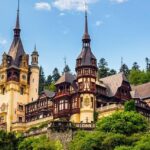
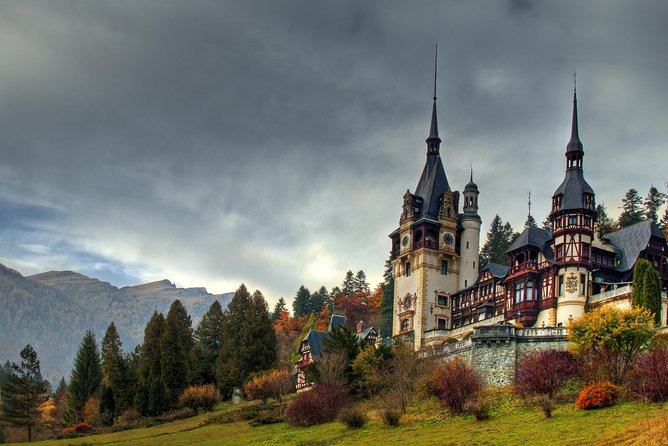
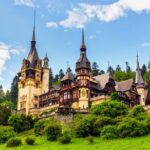
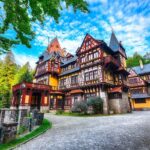
Day one has a smart opener: Peleș Castle from Sinaia. It’s famous for its royal-era polish—think ornate architecture and a setting that makes you understand why the Romanian Royal Family used it as a summer residence. You’ll also get the communist-era shift in context: what changed when the old system ended.
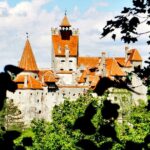
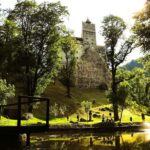
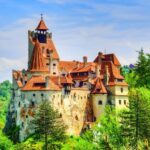
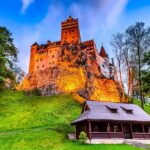
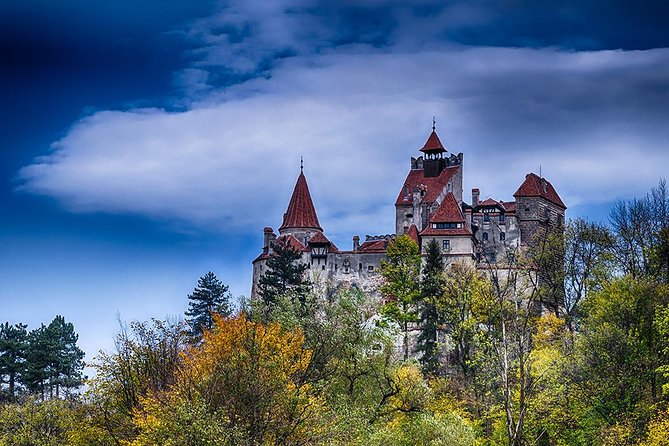
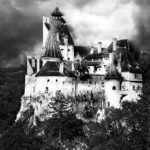
Then comes Bran Castle, the one people come for by name. Bran is tied to the Dracula story in popular culture, and the tour gives you the legend-thread: how Vlad the Impaler became associated with Dracula and why Bran’s “gothic” look fuels Halloween-era attention today. You’ll also hear about Saxon and Teutonic influences—built in the 13th century on older fortifications—so it doesn’t stay a Hollywood set.
A possible downside? Bran is famous for a reason, so don’t expect it to feel secret or quiet. The guide helps you see past the spooky marketing and read the place as a strategic medieval site perched and built for defense.
Rasnov Citadel and Brasov at night: quick views, real atmosphere
After the castles, you shift to Rasnov Citadel, perched above the landscape. This is one of the best “reset” stops on the day because the focus becomes views and vantage. Rasnov has a medieval origin dating back to the 14th century and a hilltop feel that makes the defensive purpose obvious.
From there, you head back to Brasov for the night. If time allows, you can do a walk around Council Square. That’s not just free time—it’s how you catch the rhythm of a Transylvanian town beyond its fortress points. You’ll get your bearings fast for the next day, especially if you’re traveling with jet lag or you’re new to the area.
If you’re traveling with kids or you hate late nights, plan to keep the evening light. This kind of day starts early and ends with “soft landing” time, not a big nightlife plan.
Day 2: Făgăraș Fortress and Rupea Citadel (strong defense vibes)
Day two is where the trip turns from castle icons to fortification logic.
First up is Făgăraș Fortress, a huge feudal citadel with a defensive system designed to make sieges difficult. The moat and the two rows of walls are the kind of details that make you understand why some places survived conflict while others fell quickly. If you like history you can see in stone, this is a highlight.
Next is Cetatea Rupea. This stop feels layered: human presence goes back to Paleolithic and early Neolithic times, and the recorded history you’ll hear starts in the 14th century. Rupea also had refurbishment work in 2013, so you’ll likely experience it in a more visitor-friendly state than ruins that have been left to time.
You’ll notice the tour’s pattern here: it keeps giving you “what you’re looking at and why it mattered,” instead of only telling stories about famous rulers.

Sighișoara UNESCO citadel: cobblestones and a Vlad-related house
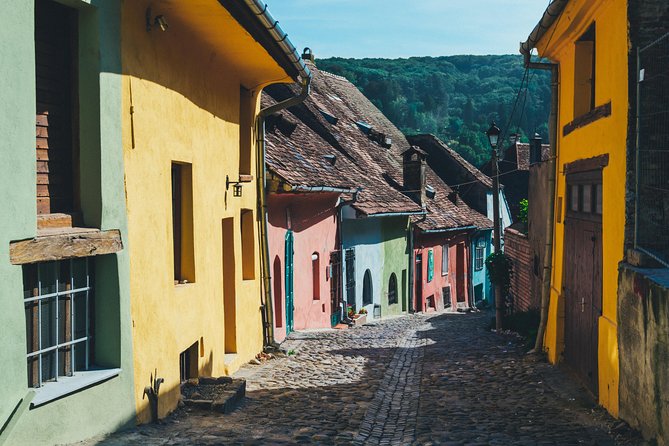
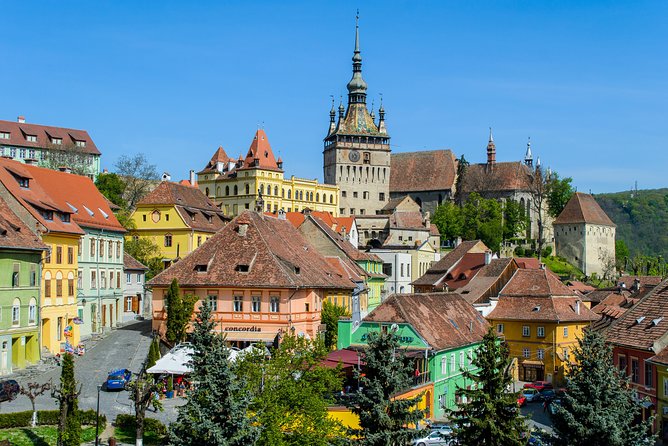
Then you arrive at Sighișoara, a UNESCO World Heritage Site since 1999. The key experience here is the medieval town layout—narrow cobblestoned paths, colorful houses, and a citadel area that feels coherent rather than scattered.
This is also where the Dracula thread gets more local. In Citadel Square, you’ll see the house associated with Vlad Tepes (often linked as the Count Dracula connection in the local story). The tour points out the timeline of where Vlad Tepes lived with his father up until 1435, and that the building today includes a museum component and a restaurant on the lower level.
If you enjoy walking at your own pace, Sighișoara is the place for it. Your day ends with a check-in for the night in Sighișoara, which gives you time to enjoy the town after the day’s main sites.
Biertan fortified church, Alba Iulia star fortress, Corvin Castle
Day three is all about fortified faith, major military planning, and then Gothic drama.
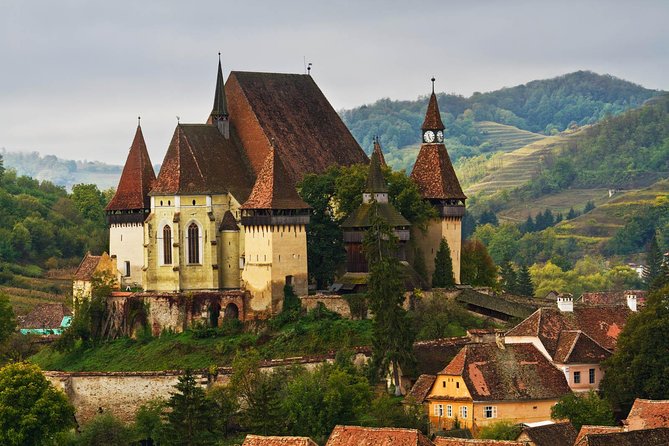
You start with Biertan Fortified Church, a gothic fortified church with more than 500 years of history. The standout detail is scale and defense: Biertan has the largest fortified church in Romania, and it’s surrounded by three rows of walls with towers and bastions. This is Transylvania’s “ordinary people needed protection” story, shown in architecture rather than lectures.
Next, you move to Cetatea Alba Iulia, where the story stretches across Roman, medieval, and later military planning eras. What you’ll focus on is the stellar-shaped fortress with bastions in a Vauban style—Romania’s version of a sophisticated European defensive concept.
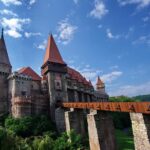
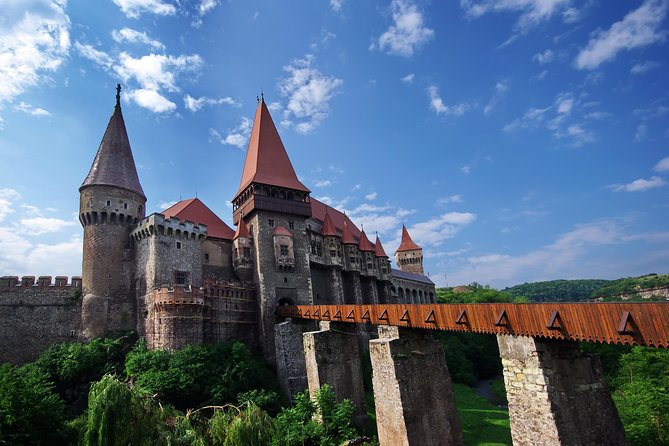
Then the tour lands on Castelul Corvinilor (Corvin Castle). This one is pure visual impact: Gothic styling, tall towers, and stone dragon carvings that make it feel like a movie set—only now you can connect it to the story of John Hunyadi, a figure associated with resisting Ottoman advances.
By this point, the day is a lot. If you’re tired, remember: the guide’s value is helping you choose what to pay attention to so you don’t feel lost in details.
Sibiu walking tour and the Bridge of Lies moment
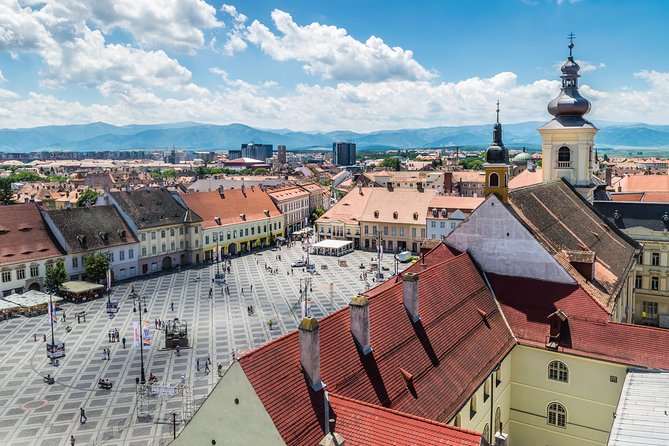
On the final full day you wake up in Sibiu, then do a walking tour that fits the town’s German-medieval character. Sibiu is known for a main square surrounded by representative buildings, and the walk includes a stop over the Bridge of Lies, one of Romania’s famous bridges tied to local folklore.
This is a good shift in tone. After fortress-heavy days, you get a calmer urban feel: architecture you can read at walking speed, plus an easy way to appreciate how Transylvania’s Saxon influence shaped city layouts.
A nice practical point: the tour doesn’t only dump you at monuments and send you away. It turns the city into a guided route you can follow without needing map skills.
Curtea de Argeș monastery and a return to Bucharest
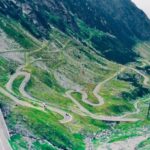
Your last leg is the scenic, winding road aspect of Romania. You drive through the Carpathian Mountains area along the Olt River bank. You’ll see the kinds of views that are hard to replace once you’ve left, especially if you haven’t driven in mountain country before.
Then you finish at Curtea de Argeș, for an Orthodox church and the Necropolis of the kings of Romania. This is a fitting end because earlier days focused on defense and legends, and here you get a spiritual and royal thread that connects different eras of Romanian storylines.
Finally, you reach Bucharest at night, and the tour ends. That timing is helpful if you prefer not to rush a same-day travel scramble from the countryside back to the city.
Who should book this castles tour
Book this tour if you want a guided “greatest hits plus real fortifications” version of Transylvania. It suits people who:
- like castles, citadels, and fortified churches (not just one famous name)
- want a small group and pickup/drop-off convenience
- would rather pay for included tickets than plan every stop
It’s also a good fit if you’re traveling solo and want help with English guidance and logistics. Just keep in mind the guaranteed departure detail: these trips operate with at least two confirmed people on the selected date.
If you’re the kind of traveler who hates structured days, you may find the drive-heavy schedule too much. But if you enjoy seeing a lot of variety in a short time, this route is built for that.
Should you book it
For many first-timers, I’d say yes—with one condition: go in knowing you’ll trade some freedom for a lot of coverage. The included breakfasts, hotel nights, entrance fees, and guide time make it easier to compare value versus DIY. The small group size is the secret sauce that keeps the day from feeling like a theme park.
If you want quiet, slow mornings and a light schedule, choose something less packed. But if your travel brain lights up at Peleș, Corvin, fortified churches, and UNESCO cobblestones in a single week, this tour is a strong match.
FAQ
What is the tour duration?
It runs for about 4 days.
Where does the tour start in Bucharest?
The tour starts at 9:00 am, with pickup from any hotel in Bucharest.
How big is the group?
The maximum group size is 8 travelers.
What’s included in the price?
The tour includes hotel pickup and drop-off in Bucharest, accommodation for 3 nights in centrally located hotels, an English-speaking guide, one lunch with traditional local products, transportation in a modern vehicle, entrance fees, and 3 breakfasts.
Are entrance fees covered?
Yes, entrance fees are included.
Is the tour offered in English?
Yes, it is offered in English.
What is not included?
Airline tickets, travel insurance, meals and alcoholic beverages other than the ones mentioned, photography fees, tips for the guide/driver, and personal expenses like room service and souvenirs.
Does it run if only one person books?
Guaranteed departures operate with a minimum of two confirmed people on the selected date.
What is the cancellation window?
Free cancellation is available if you cancel up to 24 hours in advance for a full refund.