REVIEW · LISBON
Alfama and the Castle of Saint George – Small Group Tour
Book on GetYourGuide →Operated by My Lisbon Tours · Bookable on GetYourGuide
Lisbon’s past feels close in Alfama. This small-group tour (up to 6 people) starts in Alfama, slows down for the siege of Lisbon in 1147, then brings you into St George’s Castle for serious views over Lisbon and the Tagus. I also like that you get practical context as you walk, including how the story of Portugal connects to today, plus some food and culture talk along the way.
One thing to consider: the 3 hours are packed, and the time you spend with the guide inside the castle can feel shorter than you expect if you’re hoping for lots of guided time on specific rooms and daily life details.
In This Review
- Key things to know before you go
- Why Alfama First Makes the Castle Click
- Alfama Walking: The 1147 Siege and the Street-Level Story
- Inside St George’s Castle: Towers, Battlements, and Lisbon Over the Tagus
- A realistic note on timing
- Lisbon Cathedral Stop: Architecture With a Purpose
- Church of Saint Anthony: Meeting Point and a Meaningful Pause
- Portas do Sol Viewpoint: Alfama From Above
- Small Group Logistics: Why Up to 6 People Works
- Price and Value: What $35 Really Buys You
- Who Should Book This Tour (and Who Might Skip It)
- Should You Book Alfama and the Castle of Saint George?
- FAQ
- How long is the Alfama and St George’s Castle small group tour?
- Where do I meet the guide?
- Is the St George’s Castle entry ticket included?
- What’s included in the tour price?
- What group size is this tour?
- Is the tour suitable for everyone?
Key things to know before you go
- Skip-the-line support saves time, but you’ll still need to handle the castle entry ticket
- Alfama first sets the stage, so the castle makes more sense once you’re inside the walls
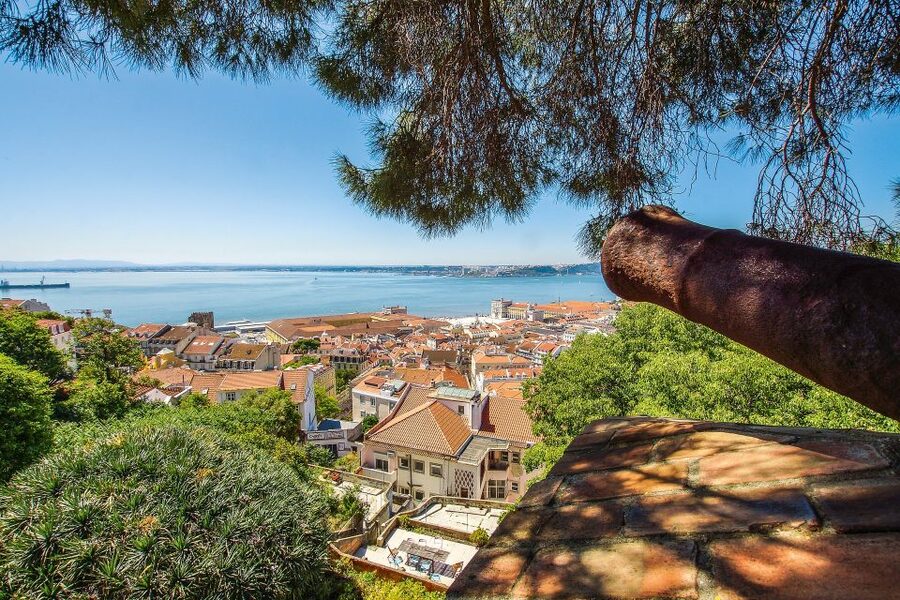
- St George’s Castle views include Lisbon, plus standout angles toward the Tagus River
- Cathedral + Saint Anthony Church turn your walk into a mini history of faith and architecture
- Portas do Sol viewpoint gives you the classic Alfama overview from above
- Small group energy makes it easier to ask questions (and keep moving at a good pace)
Why Alfama First Makes the Castle Click
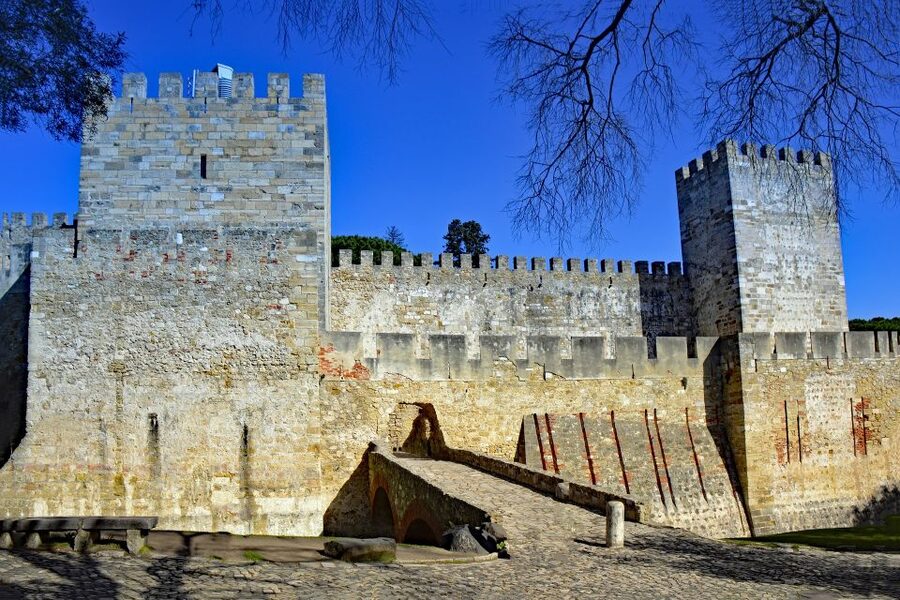
Alfama is Lisbon in its older clothes: tight lanes, steep grades, and buildings that look like they’ve absorbed every century. Starting here matters because you get the big storyline before you reach the castle. You’ll hear about the siege of Lisbon in 1147, and the guide ties it to the area’s deeper roots and changing rulers over time.
I love this approach because it turns the castle from a pile of walls into a strategic place. The guide also shares what’s going on in Portugal now, along with culinary traditions—so you’re not stuck in a history-only mode. It’s the kind of context that makes the walk feel alive rather than just informational.
Practical note: Alfama walks are not flat. Plan on comfortable shoes and expect cobblestones and slopes. This tour isn’t a great fit if you have low fitness, and it isn’t recommended for people over 95.
You can also read our reviews of more tours and experiences in Lisbon.


Alfama Walking: The 1147 Siege and the Street-Level Story

Your tour begins at the Church of Saint Anthony of Lisbon, with the meeting point marked by a statue in front. From there, you move into Alfama with your guide, using the streets as your timeline. The big focus is the siege of Lisbon in 1147, but it’s not delivered like a lecture. The guide keeps shifting between past events and how life in Portugal works today, including food culture.
That mix is actually useful. When you understand why the area mattered during conflict—defense, control, and routes—you start reading the neighborhood differently. Even the way people move through the streets feels connected to the castle’s position above.
Also, because this is a live guide in English and the group is capped at 6, the walking pace stays human. You should be able to ask questions instead of just following a crowd.
Inside St George’s Castle: Towers, Battlements, and Lisbon Over the Tagus
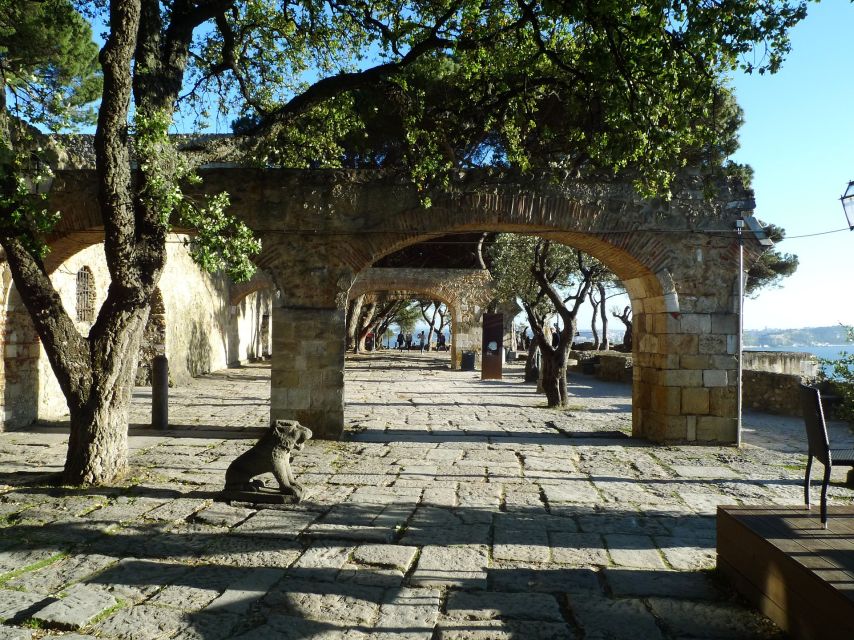
Then comes the main event: St George’s Castle. This fortress is all about scale and survival. You’ll see imposing towers and battlements, and you’ll get that classic castle feeling where every turn opens into wider territory. The best part is the views—Lisbon stretches out below, and the Tagus River shows up when you find the right angles.
What I’d call the sweet spot here is that the tour is designed to help you understand what you’re looking at. You won’t just walk around for photos. You get a guided circuit that also includes the castle’s archaeological museum and its historical archive. That’s valuable because it gives the ruins context—so you’re not left wondering what you’re seeing beyond the walls.
A realistic note on timing
The castle experience is sometimes shorter than castle obsessives want. One guest described limited time inside the castle walls and a period at the end for independent exploring, with the guide moving on due to liability concerns. The lesson for you: if you want a lot of guided discussion of specific areas inside the fortress, don’t assume the entire 3 hours will be spent fully inside with your guide hovering beside you.
Still, the combination of guided structure plus museum/archive time is a strong way to make the castle feel meaningful.
Lisbon Cathedral Stop: Architecture With a Purpose
After the castle circuit, the tour shifts to nearby landmarks that round out the picture of old Lisbon. The first major one is Lisbon’s Cathedral. This is where you swap fortress mindset for a religious and civic one. Even if you’re not a church-history fanatic, the cathedral is worth stopping for because it’s another anchor of Lisbon’s identity across eras.
The guided approach matters here too. Your guide helps you connect details you might otherwise skip—like how older buildings reflect the priorities of different time periods. It also gives your legs a bit of a change in rhythm: outside views and climbs give way to a more interior, architectural appreciation.
If you like photography, this stop can be a good chance to reset. If you don’t, it’s still a practical break from steep walking.





Church of Saint Anthony: Meeting Point and a Meaningful Pause
The Church of Saint Anthony of Lisbon is both where you meet and where you return during the loop. As a meeting point, it’s easy to find in the neighborhood, and as a site, it gives the tour a consistent emotional tone. You’re not bouncing between random stops; you’re following a route that keeps the story anchored.
This is also a good place to slow down briefly and look up. Lisbon churches often reward a little attention to design and details, not just the main façade.
Portas do Sol Viewpoint: Alfama From Above
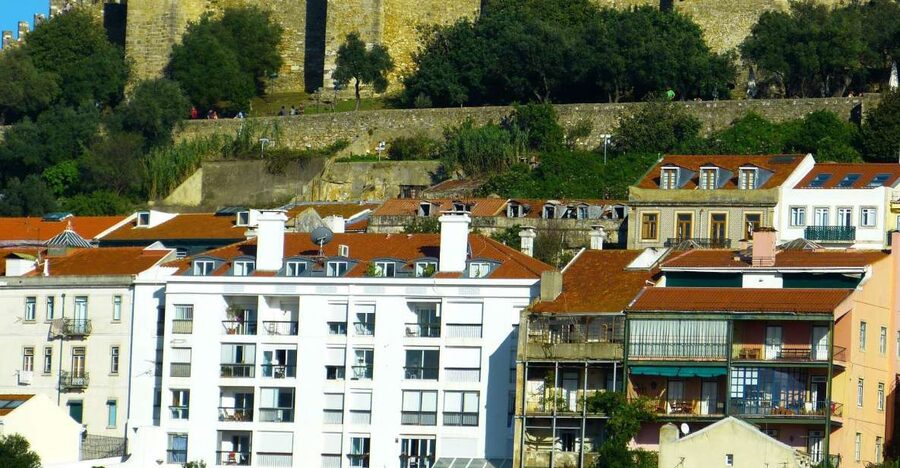
Then you head to Portas do Sol, the viewpoint that gives you the “okay, now I get it” feeling. Alfama is famously photogenic, but the view is more than pretty. From Portas do Sol, the neighborhood’s layout starts to make sense relative to the castle’s position.
This viewpoint is a great moment to take stock. You’ll have already learned about the 1147 siege and the castle’s strategic role. Now you’re seeing how that geography shapes what people built—and how they still live today.
Tip from how these routes usually feel: arrive ready to take photos, but don’t spend the whole time holding your camera. I like to pause, look around, and locate the big blocks of Alfama I walked through earlier. That mental map is what makes the day stick.
Small Group Logistics: Why Up to 6 People Works
A group of up to 6 changes the whole experience. In a crowded city, large groups can turn every question into a ten-minute waiting game. Here, you’re more likely to keep momentum while still getting answers.
The guide also matters. On this tour, guides you may encounter include Andriy and Rui, and both are described as strong on Lisbon history and answering questions. That’s not just nice to hear; it’s the core value of a guided walk in old cities. You’re paying for interpretation, not just motion.
And since the tour is 3 hours, the planning is tight. The best way to enjoy a tight schedule is to accept that you’re getting highlights, context, and key viewpoints—not a leisurely all-day wandering festival.
Price and Value: What $35 Really Buys You
At $35 per person, this isn’t a luxury spend—it’s a focused, guided experience. The value comes from two things: you get a live guide for the full walking time, and you get skip-the-line service support for the castle entry. Skipping lines is one of those benefits that feels small until you’re standing in one.
One important catch: the St George’s Castle entry ticket isn’t included. That means the real total cost is whatever the ticket costs on top of the tour price. If you were already planning to visit the castle anyway, the guided portion can still be worth it because it saves you from guessing what matters inside the walls and it bundles in extra stops like the cathedral and the Saint Anthony area.
If you already know Alfama well and just want photos, you might not get enough out of a guided format. But if you want the story plus the viewpoints, you’re in the sweet spot.
Who Should Book This Tour (and Who Might Skip It)
I’d recommend this tour if you:
- Want a guided explanation of Alfama and St George’s Castle rather than a self-guided wander
- Like history that connects to today—especially through local culture and food talk
- Appreciate viewpoints and want them slotted into a smart route
- Prefer a small group setting where questions actually get time
I’d be cautious if you:
- Have low fitness or mobility limits (the neighborhood involves uphill and uneven surfaces)
- Expect the full 3 hours to be inside the castle with a guide the whole time
- Need a fully seated or fully accessible experience (this tour isn’t marketed as such)
Should You Book Alfama and the Castle of Saint George?
If you’re looking for one smart way to cover Alfama plus St George’s Castle in a 3-hour small-group format, I think booking makes sense. The combination of castle viewpoints, guided historical context (including the 1147 siege), and added stops like Lisbon’s Cathedral and Portas do Sol is exactly the kind of itinerary that helps you understand Lisbon instead of just passing through it.
But go in with the right expectation: the tour is a highlight-and-context plan, not a slow, room-by-room deep guided study of every corner inside the fortress. If that trade-off sounds good to you, you’ll likely love how quickly the day clicks into place.
FAQ
How long is the Alfama and St George’s Castle small group tour?
The tour duration is 3 hours.
Where do I meet the guide?
Meet your guide by the statue in front of the Church of Saint Anthony of Lisbon.
Is the St George’s Castle entry ticket included?
No. Skip-the-line service is included, but the castle entry ticket is not included.
What’s included in the tour price?
The included items are skip-the-line service and a live tour guide.
What group size is this tour?
It is a small group limited to 6 participants.
Is the tour suitable for everyone?
It is not suitable for people with low level of fitness, and it is not suitable for people over 95 years. Comfortable shoes are recommended. Pets are not allowed (assistance dogs are allowed).