REVIEW · ARANJUEZ
Aranjuez: Royal Palace Guided Tour
Book on GetYourGuide →Operated by VisitAranjuez · Bookable on GetYourGuide
Courts had their own backstage rooms. In 75 minutes, this Royal Palace of Aranjuez tour mixes private chambers with big set-piece spaces like the Royal Chapel, explained by a live guide. I love that you get access beyond the showpieces, including the Queen’s office and bedroom, plus standout decorative rooms like the porcelain and Moorish spaces. One consideration: the tour is in Spanish, so you’ll want at least basic listening comfort.
This is also a smart-value way to see a lot without wandering. The guide time costs $14 per person, but palace entrance fees are separate, so plan for that extra line item. If you like architecture, court rituals, and interiors with stories behind them, this one fits well.
In This Review
- Key highlights you’ll care about
- A 75-minute palace fix: what the guide actually covers
- Meeting at Cafe de Damas and lining up your timing
- Queen’s Guard Room and Music Room: ceremony as a storyline
- Throne Room and Ball Room: power and performance
- Private rooms: Queen’s office and bedroom
- Porcelain Room: white-on-white with Rococo energy
- Moorish Room: neo-Nasrid style inside a royal palace
- Reception Hall and Royal Chapel: closing with weight
- Price and value: $14 for the guide, entrance fees on top
- Practical tips so you don’t lose the best parts
- Who should book this Aranjuez palace tour
- Should you book this Royal Palace of Aranjuez guided tour?
- FAQ
- How long is the Royal Palace of Aranjuez guided tour?
- Where is the meeting point?
- Are palace entrance tickets included?
- How much are the entrance fees?
- What rooms and areas do you visit inside the palace?
- Is the tour guided in Spanish?
- Is this tour suitable for wheelchair users?
- What should I bring with me?
- Is free cancellation available?
- Can I reserve now and pay later?
Key highlights you’ll care about
- 75 minutes of focused palace time that keeps moving through the best rooms
- Private access to spaces like the Queen’s office and bedroom
- Porcelain Room + Moorish Room on one route, including a striking bronze-and-crystal chandelier
- Throne-level rooms and audience spaces, including the Throne Room and Royal Chapel
- Humor and clear explaining show up repeatedly in feedback, including a guide named Gloria
A 75-minute palace fix: what the guide actually covers
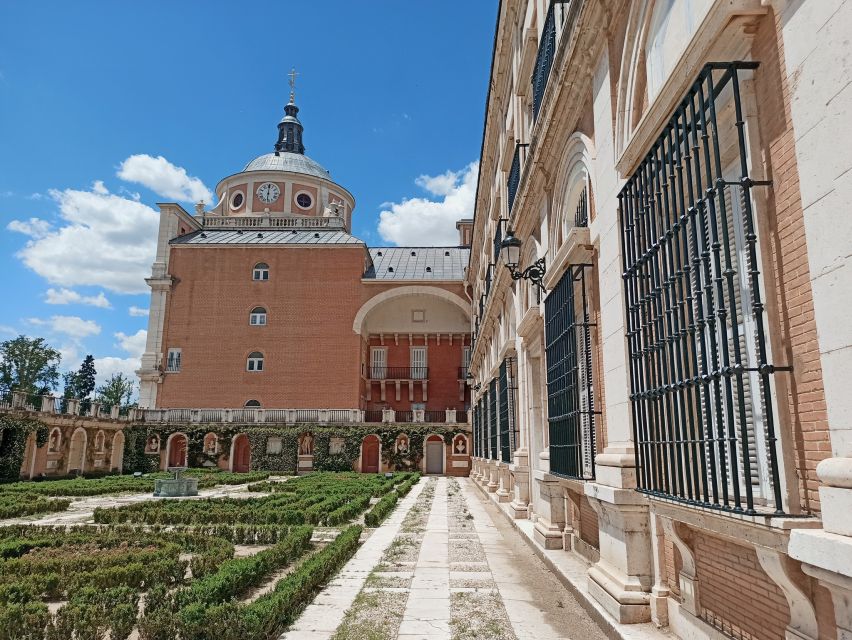
This tour is built for people who want the meaning behind the rooms, not just a checklist of furniture. You’re inside the 16th-century Royal Palace of Aranjuez with a professional guide for about 75 minutes, moving from ceremonial spaces into private quarters and then through highly themed rooms.
I like that the route doesn’t stop at the obvious. You’ll pass through areas tied to court routine and protocol—like the Queen’s Guard Room and Music Room—then you’ll get to the rooms where the royal family interacted directly with visitors, including the Throne Room.
The flip side is time. If you want to linger with your camera for long stretches in every corner, this format may feel quick. The payoff is you see a lot, guided and explained, without burning half a day.
You can also read our reviews of more tours and experiences in Aranjuez.

Meeting at Cafe de Damas and lining up your timing

You meet your guide outside Cafe de Damas, on the corner where the square connects with Avenida de Palacio. It’s the kind of meeting point that helps you get your bearings fast, since you’re already near the palace area.
Plan on comfortable shoes. The tour includes multiple rooms and corridors, and you’ll be standing while the guide explains details. Also bring a camera if you want to capture the porcelain and Moorish décor—those rooms are exactly the sort where photos help you remember shapes and materials later.
Queen’s Guard Room and Music Room: ceremony as a storyline
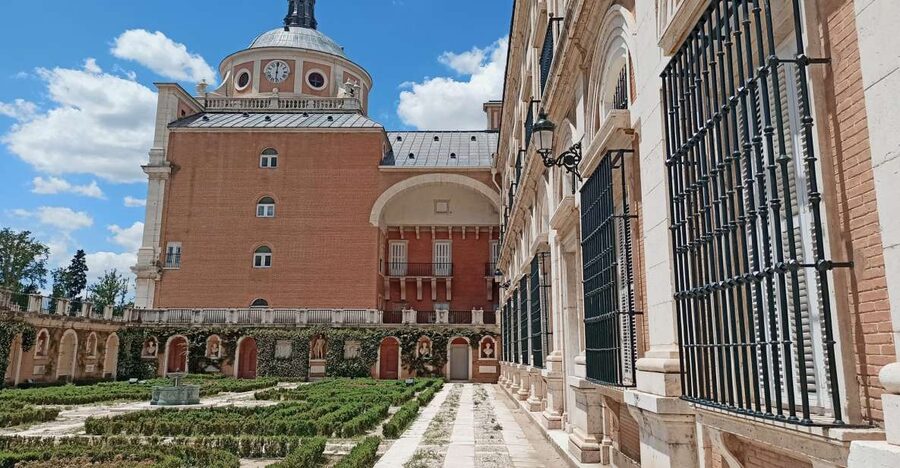
The tour starts you off with rooms that set the mood of court life. The Queen’s Guard Room is a good first stop because it frames the palace as a working stage for authority, not just a decorative building.
Then you move into the Music Room, where the vibe shifts from strict protocol to something more cultural and intimate. Even if you don’t know a lot of court terminology, you’ll get context for how spaces like these supported daily life—hosting, music, and the social rhythm of the palace.
One practical note: when a guide is explaining symbolism and use, you’ll get the most if you stay close. If your instinct is to drift toward the best photo angle, try not to wander too far during the explanation. Stick with the group and you’ll catch more of the story.
Throne Room and Ball Room: power and performance
The route reaches the Throne Room, a key area where royals received private audiences. This is one of those rooms where the architecture and placement of spaces matter, and the guide’s job is to connect those physical choices to how power was shown.
The highlights also mention the Ball Room, and that makes sense as part of the arc. You’ll see how the palace could shift from formal decision-making into social display. That contrast is part of what makes palaces like this feel believable: power didn’t only happen in one mood.
If you’re the type who loves seeing how people used space to control mood—bright, dramatic, or ceremonial—this is where the tour starts to click.
Private rooms: Queen’s office and bedroom
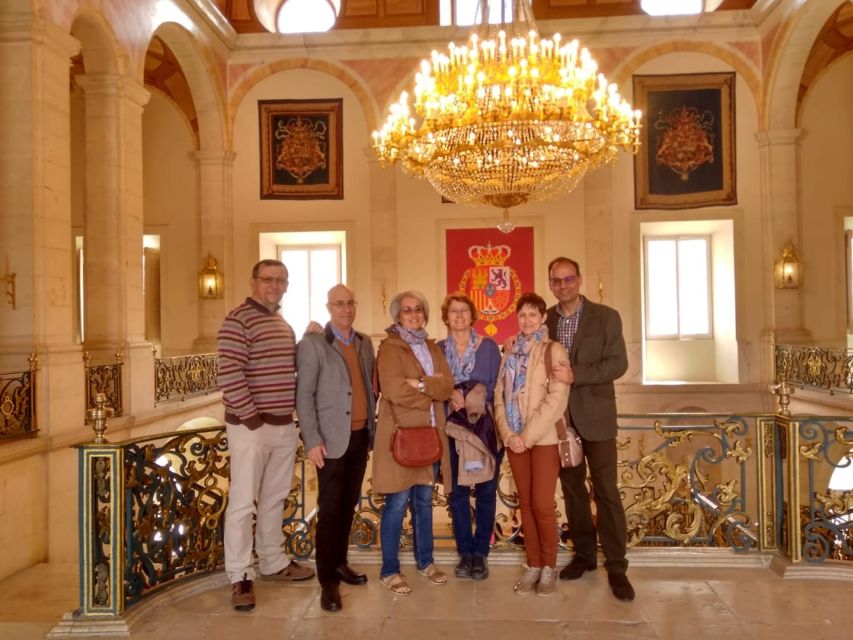
This is one of the biggest reasons the tour feels worth it. You don’t just look at rooms from the doorway. You enter spaces tied to daily and personal use—specifically the Queen’s office and bedroom.
That access changes how you read the building. A palace becomes less like a museum set and more like a home that also happened to run a court. You’ll learn about how these spaces worked and how they were customary to the people who lived there.
I especially like that the tour doesn’t treat private rooms as an afterthought. It places them right in the flow, so you can compare them to the ceremonial rooms you saw earlier.
Porcelain Room: white-on-white with Rococo energy
Next comes one of the most visually memorable stops: the Porcelain Room. This chamber is lined with white porcelain and decorated with Rococo style. Even if you don’t know Rococo by name, you’ll feel the design logic quickly—ornament as texture, light as atmosphere.
This room is the kind where the guide’s explanation helps. Without context, porcelain-lined rooms can feel like they’re just meant to impress. With context, they start to feel like deliberate statements: refined taste, status, and a very specific idea of elegance.
Bring your camera for this one. Just don’t do it at the expense of the story. Take a couple of smart shots and stay tuned for what the guide points out about materials and decoration.
Moorish Room: neo-Nasrid style inside a royal palace
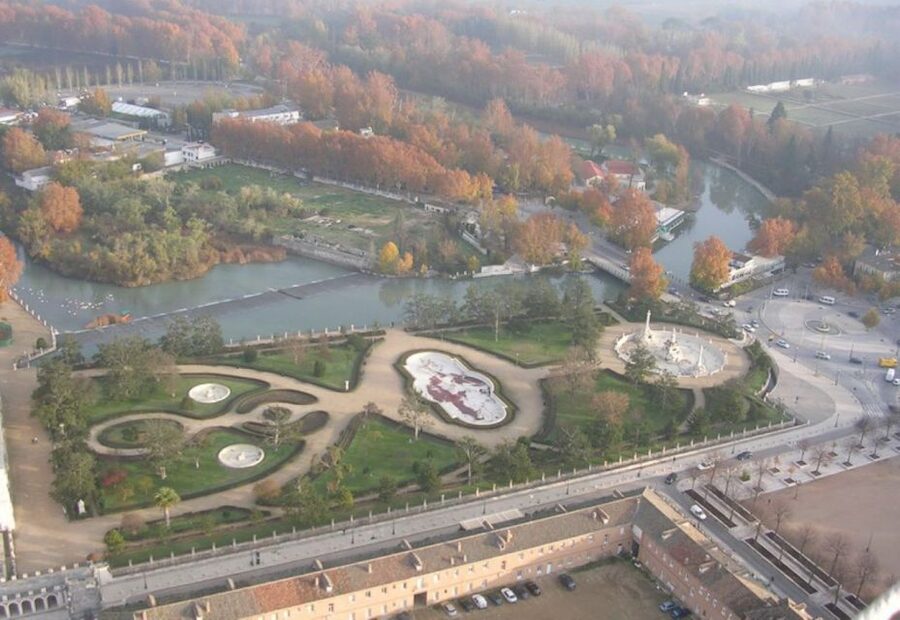
Then you step into something that feels like a dramatic change of world: the Moorish Room. The description includes a bronze and crystal chandelier and neo-Nasrid decoration, which gives the space its distinct identity.
I like contrast rooms in palace tours. They prevent the experience from becoming one long wall of pretty. Here, the Moorish-inspired styling highlights how palaces could blend influences to create court taste that was both political and aesthetic.
This stop is also a great reminder that “royal palace” doesn’t always mean a single uniform style. It can be a collection of choices—made for effect, conversation, and the image the court wanted to project.
Reception Hall and Royal Chapel: closing with weight

The tour ends its run through some of the most significant spaces: the Reception Hall and the Royal Chapel.
The Reception Hall brings you back to the public face of court life—where meetings, formal gatherings, and the show of status would matter. It’s a good capstone after seeing private rooms, because you can feel how the palace shifted from personal to public.
Finally, the Royal Chapel lands the whole visit with seriousness. Chapels in palaces aren’t only for religion; they’re also about legitimacy and tradition. You’ll get the feeling of why the court treated sacred space as part of governance and daily rhythm.
If you’re short on time in Madrid-area sightseeing, the palace tour’s structure works: it starts with court routine, moves through private access, then finishes in the rooms that carry the heaviest symbolism.
Price and value: $14 for the guide, entrance fees on top
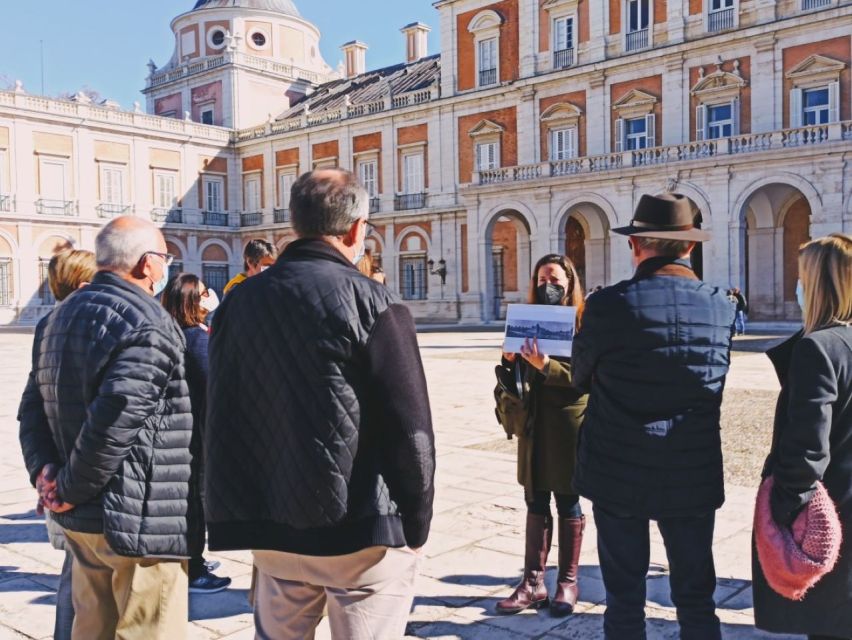
The tour price is listed at $14 per person, but the included part is the tour guide inside the palace—the entrance fees are not included.
That matters for value. You’ll likely pay something like 7€ for standard entrance and 4€ for certain age/student categories, with free entry for some groups like teachers, unemployed people, large families, or people with disabilities (with proper crediting). So your real total depends on your entry eligibility.
What you’re paying for with this specific tour is the guided access to a lot of interior spaces within a tight window: private quarters, porcelain décor, Moorish-inspired design, and ceremonial rooms like the Throne Room and Royal Chapel. If you’re the type who wants interpretation—what the rooms meant and how they were used—the guide time often makes the extra entrance fee feel justified.
If you prefer wandering on your own without a set route, you might find a self-guided visit cheaper. But if you want the story threaded through the rooms, this format is the better deal.
Practical tips so you don’t lose the best parts
- Wear comfortable shoes. You’ll be on your feet through multiple rooms.
- Bring a camera, especially for the Porcelain Room and the Moorish Room chandelier.
- Dress comfortably. You’ll likely be indoors in varied spaces, so go with breathable layers if you’re visiting in warm or changing weather.
- Listen for the humor and detail. Feedback mentions guides giving correct explanations with humor, so lean into it and stay close when the guide is pointing out specific décor.
- Expect Spanish narration. The tour runs in Spanish, and one common request is more language options, so plan accordingly.
Also note: this tour isn’t suitable for wheelchair users. If mobility is a concern, you’ll need to look at alternatives.
Who should book this Aranjuez palace tour
Book this tour if you:
- want a short, guided way to see a lot inside the Royal Palace of Aranjuez
- love interior design—especially the jump from Rococo porcelain to neo-Nasrid styling
- appreciate context on how royalty used rooms for audiences and day-to-day living
- like guides who explain clearly, sometimes with humor (a guide named Gloria appears in feedback for detailed explanation)
Skip it or reconsider if:
- you don’t understand Spanish well
- you hate structured routes and prefer long, quiet time in a single room
Should you book this Royal Palace of Aranjuez guided tour?
Yes—if you want the palace to make sense quickly. For $14, the guided format is a practical way to get inside multiple key spaces, including private rooms, and to understand why places like the Throne Room, Reception Hall, and Royal Chapel matter.
I’d book it when you’re doing Aranjuez as a day trip and you want a tight schedule that still feels meaningful. If you need language support beyond Spanish, or you want a slow, self-paced museum experience, you’ll probably enjoy a different approach more.
FAQ
How long is the Royal Palace of Aranjuez guided tour?
The tour lasts about 75 minutes.
Where is the meeting point?
Meet your guide outside Cafe de Damas, on the corner of the square where Avenida de Palacio begins.
Are palace entrance tickets included?
No. Entrance fees are not included in the tour price.
How much are the entrance fees?
The entrance fee is listed as 7€ per person. Reduced pricing includes 4€ for +65 or students under 25. Children or students 25 have different terms, and some groups can enter for free with the right crediting.
What rooms and areas do you visit inside the palace?
You pass through rooms including the Queen’s Guard Room, the Music Room, the Throne Room, the Queen’s office and bedroom, the Porcelain Room, the Moorish Room, the Reception Hall, and the Royal Chapel. The Ball Room is also highlighted.
Is the tour guided in Spanish?
Yes. The live tour guide speaks Spanish.
Is this tour suitable for wheelchair users?
No, it is not suitable for wheelchair users.
What should I bring with me?
Bring comfortable shoes, comfortable clothes, and a camera if you want photos.
Is free cancellation available?
Yes. You can cancel up to 24 hours in advance for a full refund.
Can I reserve now and pay later?
Yes. You can reserve now and pay later.