REVIEW · VIENNA
Esterhazy Palace Entrance Ticket
Book on Viator →Operated by Esterhazy Betriebe GmbH · Bookable on Viator
Gold rooms meet Haydn tunes. This ticket gets you into Esterházy Palace with an audio guide that follows you room by room, pairing grand interiors with the life of Joseph Haydn.
I like how the tour spotlights showpiece details that you can actually notice as you walk. The Chinese salons with hand-painted Chinese wallpaper are a standout, and the palace chapel’s reliquary of Saint Constantine adds a real sense of drama and devotion.
One thing to plan around: Haydn hall access can be restricted at times due to ongoing events, and the tour is self-paced, so you’ll want to manage your time once you’re inside.
In This Review
- Key highlights at a glance
- Esterházy Palace by audio: why it works well in Vienna
- Bel étage interiors and the palace’s storytelling layout
- Empiresaal and the banquet-hall vibe you can feel
- Chinese salons: hand-painted wallpaper with a clear payoff
- The palace chapel and the reliquary of Saint Constantine
- Haydn’s story: from Esterházy service to the Haydnsaal
- If the Haydn hall is restricted
- Wine museum in the cellars: the surprising second star
- Timing, tickets, and how to make 1 to 2 hours feel long
- Price and value: what $22.83 buys you (and why it feels fair)
- Who should book this Esterházy Palace audio tour?
- What rose gardens and hedge mazes add around the visit
- Should you book this ticket?
- FAQ
- How long does the Esterházy Palace entrance ticket take?
- What do I get with the ticket?
- Is the experience suitable for families and kids?
- What parts of the palace and exhibits are included?
- Are food and drinks included?
- When is the palace open for this experience?
- Can I always visit the Haydn hall?
Key highlights at a glance
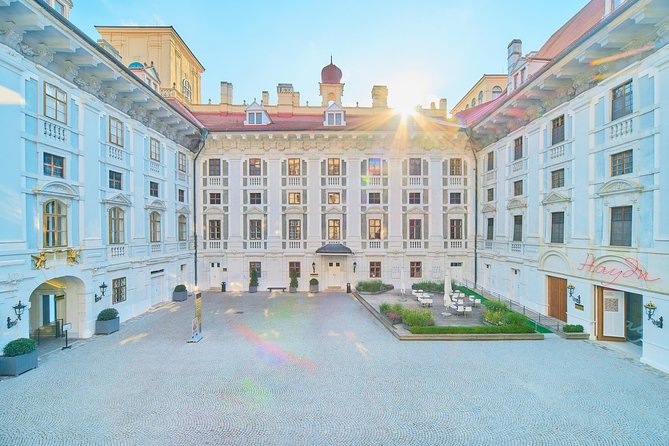
- Audio guide, hands-free touring that guides you through rooms and exhibits without a live group guide
- Empire-style Empiresaal with a former palace banquet hall feel and elegant chandeliers
- Chinese salons and the palace chapel featuring hand-painted Chinese wallpaper and the reliquary of Saint Constantine
- Haydn-focused storytelling tied to the Esterházy princes, with interactive displays and the Haydnsaal
- Wine Museum in old cellars with over 700 objects, including Burgenland’s oldest Baumpresse
- Family-friendly pace with materials suited for kids when an adult stays close
Esterházy Palace by audio: why it works well in Vienna
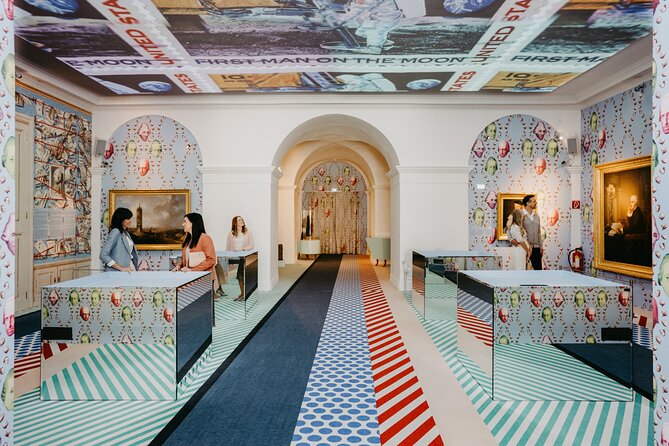
Esterházy Palace is the kind of place where a live guide is helpful, but an audio guide is what makes it click. I like that you can set your own tempo: linger in a room that grabs you, speed through a bit that doesn’t, and rejoin the storyline when you’re ready.
You’ll make your own way to the palace and present your voucher for admission plus the audio guide for the interior. That makes the visit feel flexible. Vienna can be busy, and this format lets you avoid feeling rushed by a tight group schedule.
The palace ticket is also value-friendly. At about $22.83 per person and roughly 1 to 2 hours, you’re not just paying to walk through a single hall. You’re getting a guided path through interiors, music-themed exhibits, and even a wine-and-cellars museum component. All fees and taxes are included in that price, which matters.
You can also read our reviews of more tours and experiences in Vienna.



Bel étage interiors and the palace’s storytelling layout
Your visit starts in the main interior levels on the bel étage. This is where you get the palace atmosphere at full volume: big rooms, decorative finishes, and art-historical treasures from the collection. The audio guide is built around that idea—each stop is meant to give you a reason to look, not just a place to pass through.
A nice touch is how the tour splits the story by floor and theme. On one level, you’ll hear about a strong personality tied to the Esterházy family: Melinda Esterházy. On another, the emphasis shifts toward how the palace functioned when Joseph Haydn worked there as director of music and composer for more than 40 years.
The practical upside of this storytelling layout is that it gives you a clear mental map. Instead of thinking, I’m in a palace, you start thinking, I’m in a palace that used music, art, and ceremony as power.
A small drawback: if you’re the type who likes to read lots of text, you might want extra time. The full arc—interiors, Haydn, and the wine museum—can still fit into 1 to 2 hours, but you’ll have to choose where to spend extra attention.
Empiresaal and the banquet-hall vibe you can feel

The Empiresaal is the kind of room that makes you slow down without trying. The palace audio tour guides you to the gilded interior of this 19th-century Empire-style hall, and it’s presented like a centerpiece rather than an afterthought.
You’ll also get the banquet-hall angle, lit by elegant chandeliers. That detail matters because it tells you how spaces like this were meant to function—less like a museum room and more like a place for hosting, display, and status.
What I like most here is how the audio narration turns decoration into context. Gold and chandeliers can be impressive on their own, but the tour encourages you to connect them to the palace’s role in ceremony. That’s usually where palace visits feel rewarding instead of just pretty.
Chinese salons: hand-painted wallpaper with a clear payoff
The small and large Chinese salons are where this visit becomes especially memorable. These rooms aren’t just labeled as Chinese-themed; the tour explains why they matter and what you’re meant to look for as you walk along the walls.
Hand-painted Chinese wallpaper is called out in the experience description, and that’s exactly the kind of detail you’ll appreciate in person. Up close, wallpaper design has a different feel than prints in a book. You notice brushwork, patterns, and how the artwork wraps the room.
Even if you’re not a “decorations person,” these salons give you a break from the big-gilded rooms and chapel tones. They’re also a great stop for families because the visuals do a lot of the work for you.
The palace chapel and the reliquary of Saint Constantine
The audio route then moves into the palace chapel, where the focus turns from design flair to something more solemn. You’ll hear about multiple styles of the palace chapel and—most importantly—the chapel contains the reliquary of Saint Constantine.
This is one of those museum details that changes your perception of the whole building. Palaces can look like they exist purely for spectacle, but a reliquary makes it clear that religious objects and ceremony were part of daily identity and authority.
If you like art history, take a moment here and slow your pace. Even without long reading, the audio cue plus the object itself gives you a strong anchor for the visit’s meaning.





Haydn’s story: from Esterházy service to the Haydnsaal
The second part of the experience shifts gears, and it does it in a way that feels logical. Joseph Haydn served the Esterházy princes for more than 40 years, so the story isn’t a random music detour. It’s framed as work that happened inside this palace world.
Inside, you’ll find interactive exhibits and displays that highlight Haydn’s early life and how he emerged as a musical genius. There are also multimedia stations and project installations that support the narrative, plus exhibits with the composer’s personal artifacts, documents, and instruments.
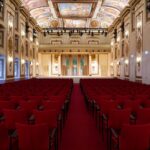
Then comes the Haydnsaal, an elegant salon where many of Haydn’s pieces were first heard. That last phrase is key: it turns the room into a place with a timeline attached, not just a decorative setting.
If the Haydn hall is restricted
The experience notes that there may be occasional restrictions on visiting the Haydn hall due to ongoing events. If that happens when you arrive, don’t assume you’re completely out of luck. You’ll still have the palace interior portion plus the other exhibit areas depending on what’s open that day. Still, it’s wise to plan for flexibility and not build your whole trip around one single room.
Wine museum in the cellars: the surprising second star
Here’s the twist that can make this ticket more fun than you expected: the visit includes a Wine Museum in over 300-year-old palace cellars.
You’ll be guided through more than 700 rare and unusual objects related to wine and viticulture. The tour description even mentions historic barrels and Burgenland’s oldest Baumpresse. That’s a very specific kind of detail—exactly the sort of thing that makes museum collections feel real rather than generic.
If you’re traveling with kids or just want a break from music and ornate rooms, the wine section is a smart reset. It’s also a different kind of curiosity: less about aesthetics, more about how people produced what they served.
The only consideration is pacing. If you rush here, you’ll miss what makes it interesting. If you slow down, you might run long on your 1 to 2 hour window. My advice: commit to one good circuit through the wine museum and save a quick second pass only if you’re enjoying it.
Timing, tickets, and how to make 1 to 2 hours feel long
This ticket is built for about 1 to 2 hours, which is a strong length for a palace stop in a Vienna day. Still, the experience covers multiple zones: palace interiors, Haydn-themed exhibits, and the cellars wine museum. That can add up fast if you’re not strategic.
A practical way to handle it:
- Start with the main highlights you care about most (for many people that’s Empiresaal, Chinese salons, and the Haydn section).
- Leave yourself enough time for the cellars. The wine museum is easy to underestimate because it’s not always the first thing people picture in a palace.
- If you’re traveling as a family, use the audio pacing to keep attention. Kids do better with short stops and clear look-for moments.
The ticket is a mobile ticket, so keep your phone charged. You’re presenting a voucher at entry, and a dead battery is the most annoying kind of logistics problem.
Opening hours provided are limited to weekends (Saturday and Sunday) from 10:00 AM to 4:00 PM during late February through March for the listed periods. If your dates don’t match those windows, you’ll need to adjust your plans.
Price and value: what $22.83 buys you (and why it feels fair)
At $22.83 per person, you’re paying for more than admission. You’re paying for a guided structure via audio that covers:
- palace rooms and decorative showpieces,
- Haydn-focused exhibits with interactive elements,
- and the Wine Museum inside very old cellars.
That mix is what makes the value feel solid. If the ticket only covered a single palace wing, you might wonder if it’s worth it. But here you’re getting multiple topic tracks—visual art, music history, and wine/viticulture collections—so different types of travelers find something to care about.
It also helps that the price includes all fees and taxes. Food and drinks are not included, so plan to treat the palace visit like a museum block inside your broader day, not a full meal stop.
Who should book this Esterházy Palace audio tour?
This experience fits best if you like your history with a clear route and a strong theme. I think it’s especially good for:
- music lovers interested in Joseph Haydn’s connection to the Esterházy princes,
- art and interior fans who enjoy decorative rooms with a story,
- families who want a family-friendly visit without heavy pacing demands,
- and curious travelers who like unexpected museum sections, like the Wine Museum.
If you prefer a live guide with lots of spontaneous answers, the audio format might feel a bit more scripted. But if you enjoy moving at your own pace, it’s a comfortable match.
What rose gardens and hedge mazes add around the visit
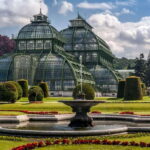
Some of the most enthusiastic praise around this palace experience mentions beautiful grounds, including a rose garden and a hedge maze. That’s not part of what the audio tour describes in detail, but it’s a strong reason to plan a little time for strolling outside too.
If your schedule allows, step out after the main interior route and take a calm lap through the gardens. It turns your visit from purely indoor museum mode into something that feels like a proper palace day in Vienna.
Should you book this ticket?
Yes—if you want a palace visit that mixes interiors, Haydn, and a very real wine-and-cellars museum in one pass, this ticket is a good bet.
I’d book it when:
- you’re doing Vienna as a multi-stop itinerary and need a 1 to 2 hour experience that still feels varied,
- you like audio-guided storytelling where you control your pace,
- you enjoy Haydn’s legacy and want it tied to the place where his work unfolded,
- or you’re traveling with kids who do well with visually clear stops.
Skip or rethink it if you’re only interested in one narrow theme, like purely music or purely interiors. In that case, you might get more satisfaction by choosing a different focused outing.
And one last practical note: the tour lists free cancellation up to 24 hours in advance for a full refund, so if your Vienna schedule is still shifting, you can book with less stress.
FAQ
How long does the Esterházy Palace entrance ticket take?
The visit is approximately 1 to 2 hours.
What do I get with the ticket?
You get admission to Esterházy Palace plus an audio guide and recorded commentary for rooms and exhibits.
Is the experience suitable for families and kids?
Yes, it’s family friendly, and children must be accompanied by an adult.
What parts of the palace and exhibits are included?
The audio tour covers major rooms and interiors, the Haydn-focused displays and exhibits, and the Wine Museum in the palace cellars.
Are food and drinks included?
No, food and drinks are not included.
When is the palace open for this experience?
For the dates listed, opening hours are Saturday and Sunday from 10:00 AM to 4:00 PM (02/21/2026–03/31/2026 and 02/21/2027–03/31/2027).
Can I always visit the Haydn hall?
There may be occasional restrictions on visiting the Haydn hall due to ongoing events.