REVIEW · NAGOYA
From Nagoya: Inuyama Castle, Ena Gorge, Magome, Tsumago Tour
Book on GetYourGuide →Operated by 株式会社KKT · Bookable on GetYourGuide
A hilltop castle, a dam-made canyon, and two preserved post towns in one day. That mix is what makes this tour fun: you get old Japan landmarks plus walking streets where life still feels close to the past. Inuyama Castle delivers serious “ancient tower” vibes, and Ena Gorge changes with the seasons in a way that feels almost unfair. One thing to consider: it’s a full 10-hour day with multiple walking segments, so you’ll want solid shoes and a flexible mindset about timing.
I especially like how the route is built around variety, not just checkboxes. You start with a hilltop castle by the Kiso River, switch to rock formations and a man-made lake, then slow down in Magome-juku and Tsumago-juku where the stone streets and preserved buildings are the whole point. The possible downside is simple: food is not included, so you’ll need a plan (and cash) for snacks and meals along the way.
In This Review
- Key points that make this tour worth your time
- Getting on the bus in Nagoya: fast, easy, and easy to miss
- Inuyama Castle: Muromachi-era stone with a surprising underground level
- Ena Gorge: a canyon with a dam story and rocks shaped by time
- Magome-juku: Nakasendo stone streets, snack breaks, and preserved daily life
- Tsumago-juku: a preserved post town and a rewarding walking finish
- Price and logistics: $60 feels fair for a full route day
- Who should book this tour (and who might want a different plan)
- Tips to make the day smoother (and help you enjoy every stop)
- Should you book this tour?
- FAQ
- How long is the tour from Nagoya?
- Where is the meeting point near Nagoya Station?
- What’s included in the price?
- Are meals included?
- What languages are supported?
- What should I bring, and should I use cash?
Key points that make this tour worth your time
- Inuyama Castle’s rare structure, including 2 underground floors (unusual for Japanese castles)
- Ena Gorge’s seasonal personality, from cherry blossoms in spring to ducks and starlings in winter
- Dam-made geography you can actually see, tied to the Kiso River and the Oi Dam
- Magome-juku + Tsumago-juku on the Nakasendo post road, with preserved stone streets and buildings
- Round-trip bus convenience from Nagoya Station, so you spend less time figuring out trains
Getting on the bus in Nagoya: fast, easy, and easy to miss
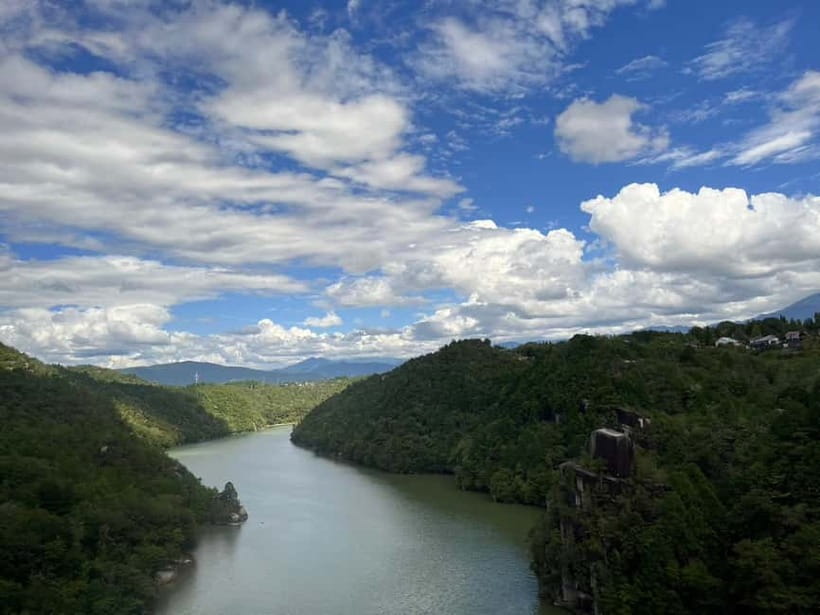
This tour is designed for travelers who want the “done for you” part of day trips. You depart from Nagoya Station and return there, and the main reason that matters is stress reduction. On a schedule like this, cutting friction is worth money.
Your meeting point is specific: there’s a BIC CAMERA at Nagoya Station West Exit. The Ministop is behind the BIC CAMERA, and that’s where you should go. Arrive about 10 minutes early so you’re not sprinting in your photo shoes.
Group dynamics are usually smooth on tours like this. Based on what I see emphasized in the feedback, punctuality and a clear handoff between stops are big parts of why the day feels manageable. Still, language support can vary by day, so keep your expectations realistic: you’ll be guided, but not every driver or guide will be fluent in English.
You can also read our reviews of more tours and experiences in Nagoya.

Inuyama Castle: Muromachi-era stone with a surprising underground level
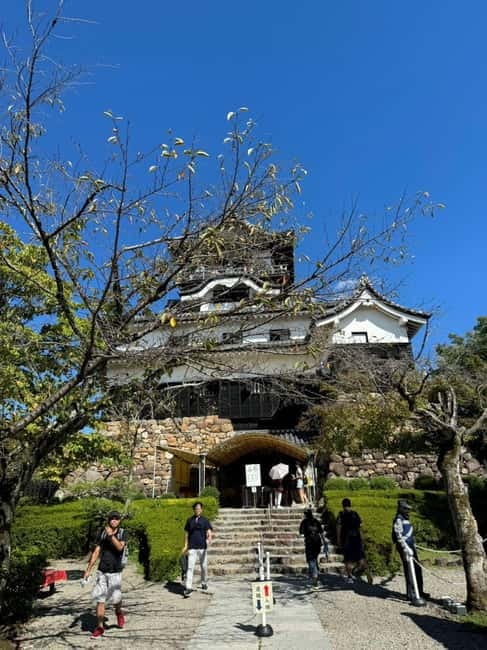
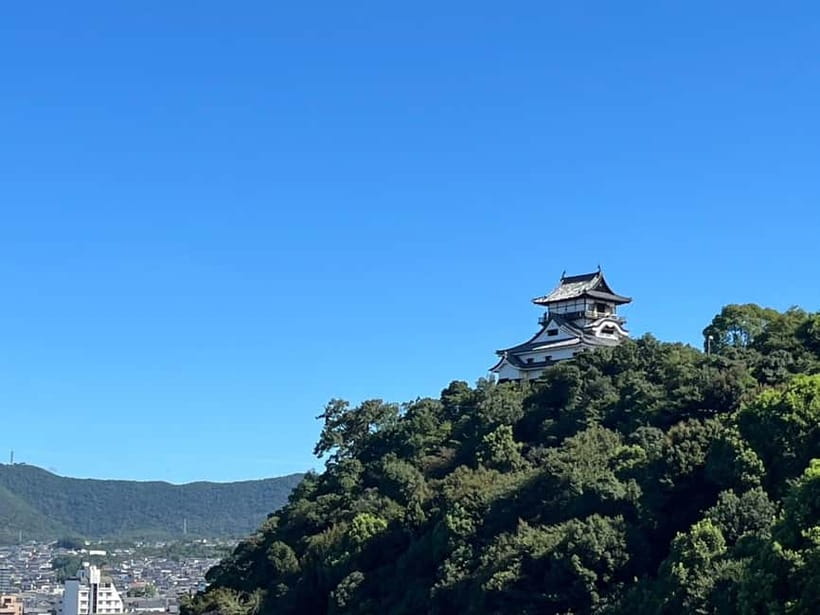
Inuyama Castle is the first big “wow” stop for most people, and for good reason. It was built during the Muromachi Shogunate period, sits on a hill next to the Kiso River, and is also known as Baidi Castle. The naming ties to a literary reference from the poem Early Departure from Baidi Castle by Li Bai, which gives you a fun mental hook while you’re looking out over the river.
What makes this castle feel different from the usual lineup is structure. It’s one of Japan’s twelve ancient castle towers, and it’s also grouped with Himeji Castle, Matsumoto Castle, and Hikone Castle as one of the “Four National Treasure Castles in Japan.” The tower’s levels are also unusually layered: 3 floors on the outside, 4 floors on the inside, and 2 floors underground. That underground element is rare among Japanese castles, so it’s the kind of detail you’ll remember long after the photos.
The tour includes Inuyama Castle First Avenue admission and a guided component, which helps you move faster through the most interesting viewpoints. If you’re the type who likes architecture and small details, you’ll get more out of the visit than if you only want big skyline shots.
Practical note: castles are vertical. Even if you don’t climb everything, expect stairs and uneven ground. Plan to take it slow, especially if it’s humid.
Ena Gorge: a canyon with a dam story and rocks shaped by time
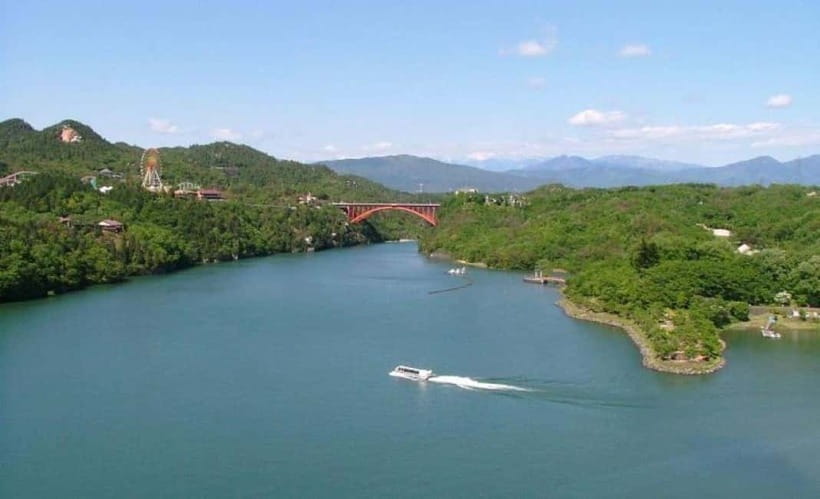
Then the scenery shifts from castle stone to canyon views, and that change is one of the best parts of the day. Ena Gorge is a man-made lake created when the Kiso River was intercepted to build the Oi Dam about 80 years ago. It also has a name with a timeline behind it: it was named Ena Gorge by geographer Shige Subaru in 1920.
The core experience here is seeing strange rock formations that were shaped by natural erosion. The description connects the “start point” to the dam-made lake and then continues upstream via the Nakatsu River. That’s helpful because it turns the gorge from a random pretty spot into a landscape with cause and effect.
A couple of named highlights make the gorge easier to appreciate:
- Umbrella Rock, described as a piercing into the ground and a protected natural area
- A red rock covered with brown moss, cited as a representative sight
The gorge’s appeal is also deeply seasonal, which matters on a day trip because you’ll want to match your expectations to when you’re going:
- Spring: about 200 cherry blossom trees in Ren Park, plus azaleas
- Summer: the red Einakyo Bridge framed by deep green trees
- Autumn: red leaves and maple leaves coloring the lake surface
- Winter: mandarin ducks and starlings for bird observation
If you’re traveling at a shoulder season, don’t worry. Ena Gorge still works because the rock shapes and bridges give you strong visuals even when blossoms aren’t the main event.
Also: photo angles are easier if you’re not rushing. Give yourself a couple of slow moments so you can compare the bridge view, the rock formations, and the water surface.
Magome-juku: Nakasendo stone streets, snack breaks, and preserved daily life
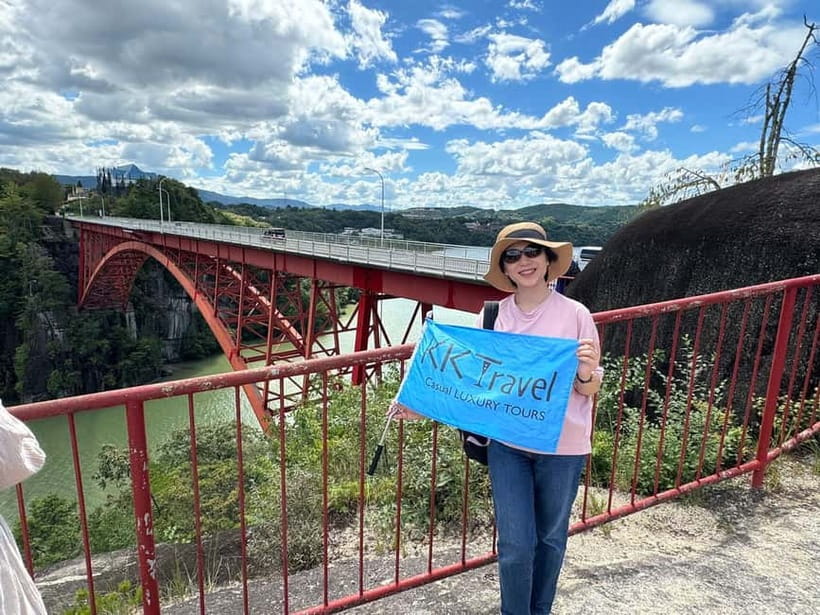
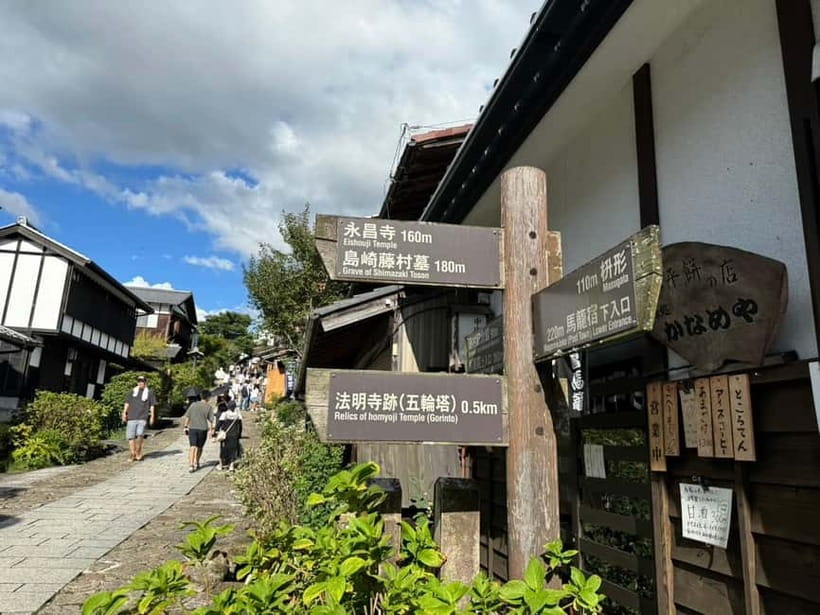
After Ena Gorge, you’ll hit the Nakasendo world, and this is where the tour slows down in a good way. Magome-juku is the 43rd of the 69 post stations on the Nakasendo Road. It’s about 332 kilometers from Edo Nihonbashi, the starting point of the Nakasendo.
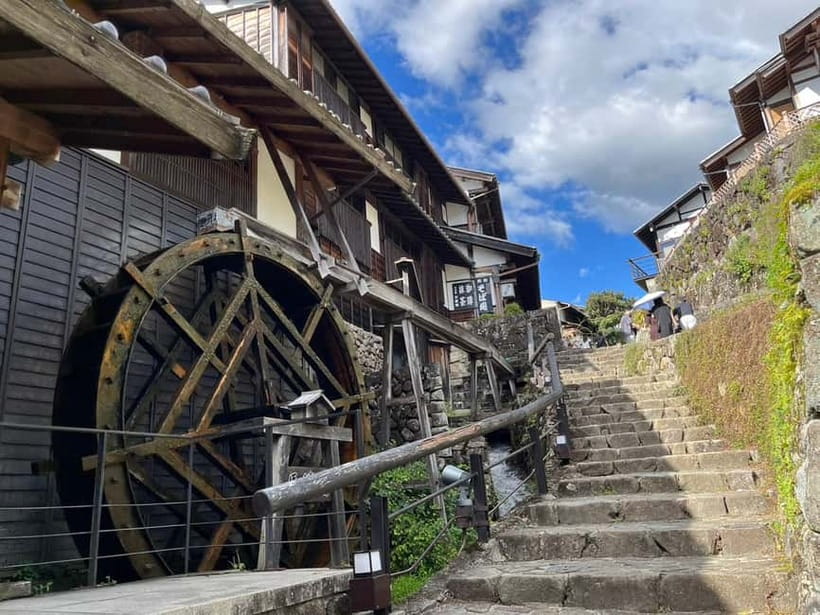
The setting is built on a steep mountain road with stones on both sides, and that detail matters because it explains the feel of the place. This wasn’t a flat promenade; it was a route for travelers and merchants. After Tokugawa Ieyasu unified the country, roads were repaired, and the 540-kilometer Nakasendo became the only merchant route to travel.
What you’ll enjoy here is less about “museum content” and more about atmosphere:
- Streets paved with stone pavements from earlier times
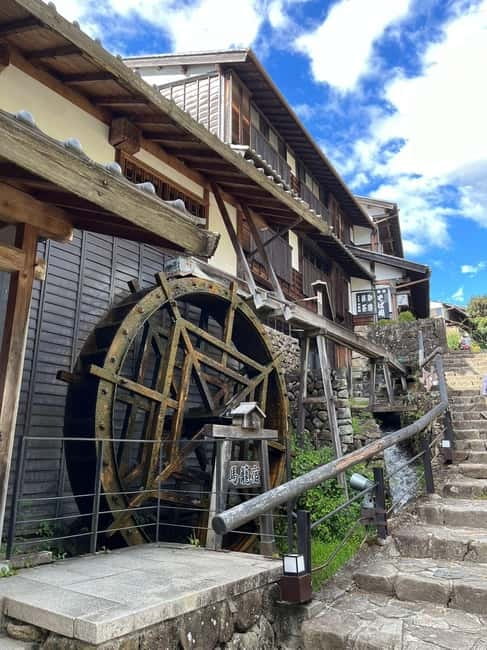
- Wooden houses lining the road, now home to shops and eateries
- Ancient tea shops, izakayas, art shops, and hotels
- Wells and waterwheels preserved to keep that older feel
- Colorful flowers planted in front of houses
Lunch time isn’t included in the overall price, but you’ll have a dedicated window to eat and browse. You can turn Magome-juku into a snack-and-stroll day, and it’s a smart move because it keeps you fueled for the final walking segment in Tsumago-juku.
One practical tip: because the streets are made for walking (and historically steep roads), you’ll want to plan your pace. If you rush, you’ll miss the small details like preserved wells and the texture of the stone pavement.
Tsumago-juku: a preserved post town and a rewarding walking finish
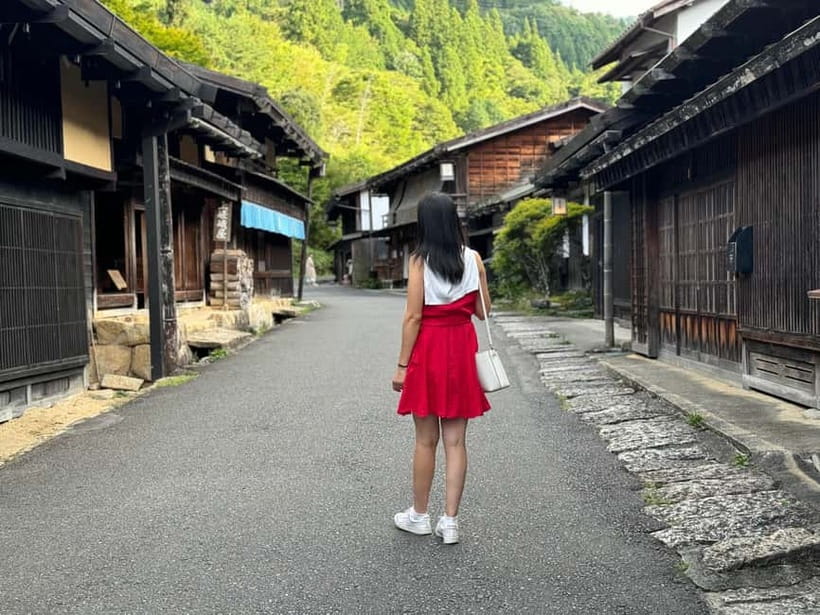
Tsumago-juku is the final “heritage town” stop, and it works best if you treat it like a place to wander rather than a place to conquer. It’s described as a charming post town with preserved buildings. The route between Magome-juku and Tsumago-juku has also become a popular hiking area and earned one star in the Michelin Green Guide.
That matters because it hints at what the walking is like: it’s scenic and designed for people who want foot-level views. In a day trip, that’s hard to fake, and here the value is in the continuity. You’re not hopping between unrelated attractions; you’re finishing the Nakasendo story.
You’ll have time for a guided tour plus free time. That is a good balance. The guide helps you understand what you’re looking at, then you get the freedom to slow down and photograph buildings, streets, and corners that catch your eye.
Expect more walking. Comfortable shoes aren’t a suggestion here—they’re part of enjoying the day. If you go in thinking you’ll do everything at full speed, you’ll probably feel it by late afternoon.
Price and logistics: $60 feels fair for a full route day
At around $60 per person for a 10-hour day, this tour competes well with the cost of doing two or three separate trips. You’re paying for the bus transportation, entry to Inuyama Castle, and a live tour guide.
Here’s the value logic:
- You avoid the time cost of figuring out intercity logistics on your own.
- The guide helps you connect the dots—especially at Inuyama Castle and Ena Gorge, where the details can feel abstract if you’re just scanning signs.
- You get built-in pacing across four different types of stops: castle, gorge, post town, and post town.
The part that can soften the value is personal spending. Dining expenses and snacks are not included, and it’s smart to budget for water and small purchases. Also, bring cash, since not all places may accept credit cards. That simple habit saves time when you want a quick treat mid-walk.
Who should book this tour (and who might want a different plan)
This is a strong fit if you want:
- A one-day sampler of central Honshu that includes both nature and preserved history
- Guided context so you’re not guessing what’s important at each stop
- Round-trip Nagoya convenience without multiple independent transfers
It may be less ideal if you:
- Hate walking and uneven terrain (there are several walking segments across the day)
- Want a fully flexible schedule where you can stay extra-long at one location
- Prefer off-the-beaten-path experiences with minimal crowd handling (this tour is a convenient “classic route” style day)
Language note: the driver is listed as Japanese/Chinese, and the languages supported include Japanese and Chinese. If you need English, you’ll still get guided help, but it can be more dependent on how the day’s translation support is handled.
Tips to make the day smoother (and help you enjoy every stop)
- Wear comfortable shoes. You’ll do a lot of walking across castle grounds and post-town streets.
- Bring water. You’ll be outdoors, and the gorge plus towns can add up fast in warmth.
- Bring cash for meals and small purchases. Not all spots take cards.
- Bring a camera because you’ll get multiple photo-friendly moments: castle structure, bridge views, rock formations, and old streets.
- Dress for weather. Ena Gorge especially changes character with the season, so plan like you might be outside more than you expect.
One more realistic note: if your language doesn’t match the day’s guide format, don’t panic. The tour is built around guided explanations, and you may find audio or support tools used to make directions and timing easier. Still, having your own simple photo “checklist” can keep you happy even if you’re not catching every word.
Should you book this tour?
I’d book it if you’re based in Nagoya and you want a single-day plan that combines a major castle with a nature stop that’s genuinely about geography, then ends with two post towns you can walk through without planning anything. The bus pickup from Nagoya Station is the kind of convenience that makes the whole day feel doable.
I’d think twice if you’re sensitive to walking time or you want a slow, unstructured day. This is a guided route with set stop times, so it’s best for travelers who like momentum.
FAQ
How long is the tour from Nagoya?
The tour duration is 10 hours.
Where is the meeting point near Nagoya Station?
Meet at the Ministop located behind the BIC CAMERA at Nagoya Station West Exit. Aim to arrive about 10 minutes before departure.
What’s included in the price?
Included are round-trip transportation by bus, Inuyama Castle First Avenue admission, and a live tour guide.
Are meals included?
No. Dining expenses are not included.
What languages are supported?
The listed languages are Japanese and Chinese.
What should I bring, and should I use cash?
Bring comfortable shoes, a camera, water, cash, and weather-appropriate clothing. It’s a good idea to carry cash because not all places accept credit cards.