REVIEW · PARIS
From Paris: Loire Valley Castles Tour with Hotel Transfers
Book on GetYourGuide →Operated by ParisCityVision · Bookable on GetYourGuide
One day. Three famous châteaux. It feels like cheating the distance. I like the hotel pickup that removes morning stress and the guided tours that help you read each château instead of just taking photos. The tradeoff is a long day with real walking, so you’ll want good shoes and a flexible attitude about breaks.
What makes this itinerary work is the pacing: a guided start at Chambord, a second château where you get both a guided walk and free time, then a final stop at Cheverny that brings you back to everyday French country life. Guides such as Claire, Martina, and Abel have a knack for answering questions clearly, and they keep things moving even when the timing gets a little messy. If you’re expecting a relaxed pace, this won’t match that mood.
In This Review
- Key highlights to pay attention to
- A 13-hour Loire day: what the schedule does to you
- Château de Chambord: French Renaissance grandeur at full scale
- Château de Chenonceau: fairy-tale setting with a complicated past
- Cheverny: the 17th-century French art of living
- Lunch, restroom reality, and the shoes you’ll thank yourself for
- Getting more from guided time: how the tour pays off
- Who this Loire Valley tour fits best
- Should you book this tour?
- FAQ
- FAQ
- How long is the Loire Valley Castles tour from Paris?
- Which châteaux are included in the tour?
- Is hotel pickup included, and where does the tour end?
- Do we get guided tours or just free time?
- Is lunch included?
- What languages is the live guide offered in?
- Does the tour help with ticket lines?
- Is this tour wheelchair accessible?
- What should I bring and what’s not allowed?
- Can I cancel and get a full refund?
Key highlights to pay attention to
- Skip-the-line access so you spend more time inside and less time waiting outside
- Chambord first: the day opens with one of the biggest Loire châteaux, built in the French Renaissance style
- Chenonceau has history with drama shaped by the women who lived there
- Free time for lunch on your schedule (lunch not included) at either Chenonceau or Chambord
- Cheverny adds a different flavor—17th-century châtel life plus striking gardens
- Hotel pickup is included, but the day ends at a specific Paris hotel, not back at yours
A 13-hour Loire day: what the schedule does to you
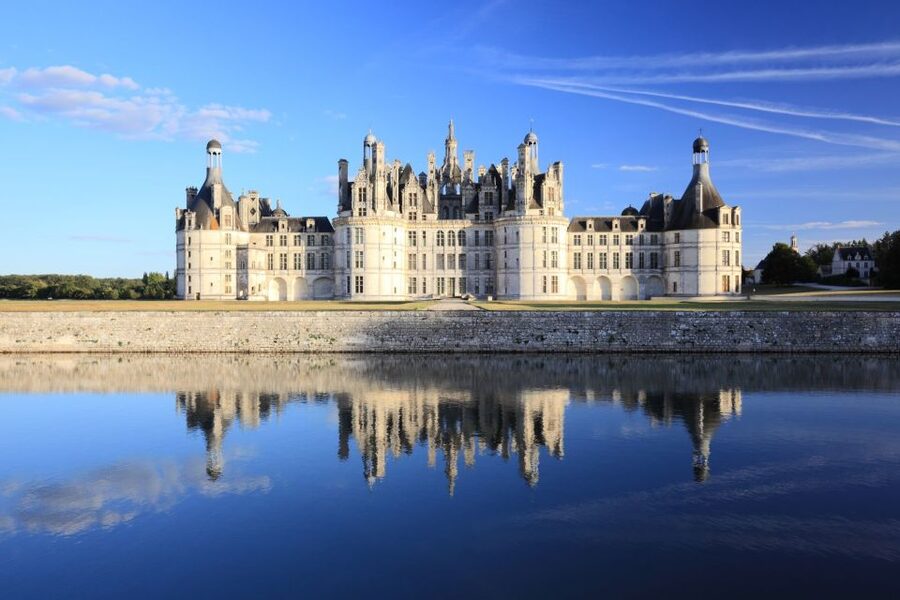
This is billed as a 13-hour outing, and you should treat it like a full-day mission rather than a casual stroll. You’ll leave Paris by air-conditioned luxury coach, with a ride that’s long enough to matter: plan for a comfortable seat, bring a layer, and expect to feel it in the afternoon.
The morning advantage is the hotel pickup (they ask for your hotel name and address when booking). The afternoon twist is where you end: the tour finishes at Pullman Paris Centre Bercy at 1 rue de Libourne, 75012 Paris. Hotel drop-off is not included, so you’ll handle your own way back from there.
Timing between castles also shapes the experience. You get guided time inside, then you’re back on the coach for the next transfer. That works if you want to see multiple châteaux in one day, but it does mean you’ll be making choices fast. Bring patience for transportation timing and a sense of humor about how quickly the day moves.
You can also read our reviews of more tours and experiences in Paris.



Château de Chambord: French Renaissance grandeur at full scale
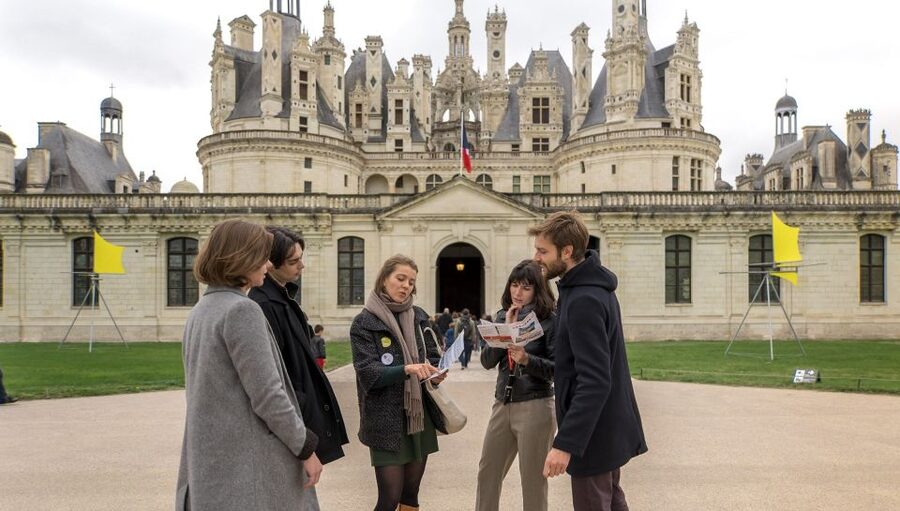
Your first château stop is Château de Chambord, built by King Francis I between 1519 and 1547. Even if you don’t know much about the Renaissance, you’ll understand it here: this is one of those places where the scale hits you before the details do. It’s also the largest château in the Loire Valley, which is exactly why it works as a morning anchor.
You’ll have a guided tour and then extra time for sightseeing. The guide is the difference-maker. Without that context, Chambord can blur into “big rooms and impressive angles.” With the commentary, you start noticing what the architecture is trying to do—how design choices create drama in the corridors, stairways, and viewpoints.
One fun detail that’s mentioned as part of the story: the question of who designed it remains debated, with names like Leonardo da Vinci showing up in the conversation. Even if you can’t settle the argument in one day, you’ll still appreciate why people get excited about the views and proportions.
Practical note: Chambord is not a place to show up in flimsy shoes. You’ll be walking from the bus area to entrances and through sites with uneven surfaces. Comfortable shoes aren’t a suggestion; they’re what keeps your feet from stealing your attention.
Château de Chenonceau: fairy-tale setting with a complicated past
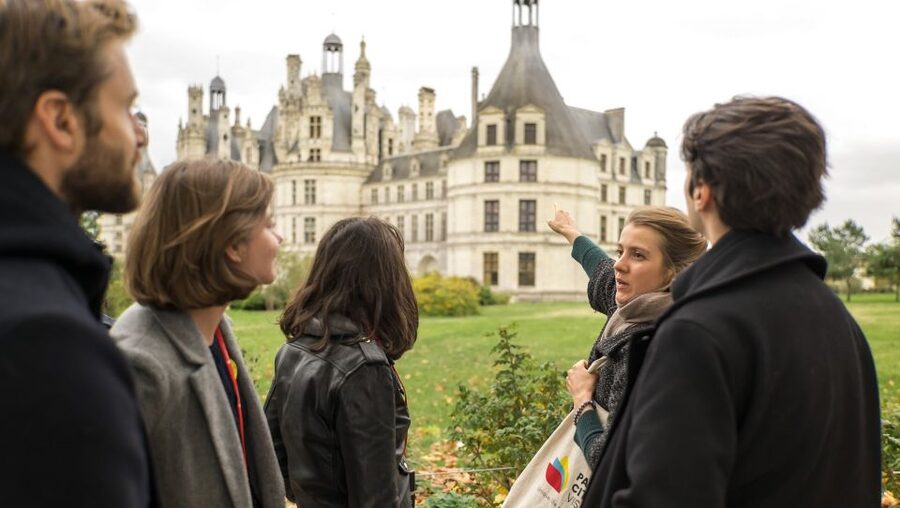
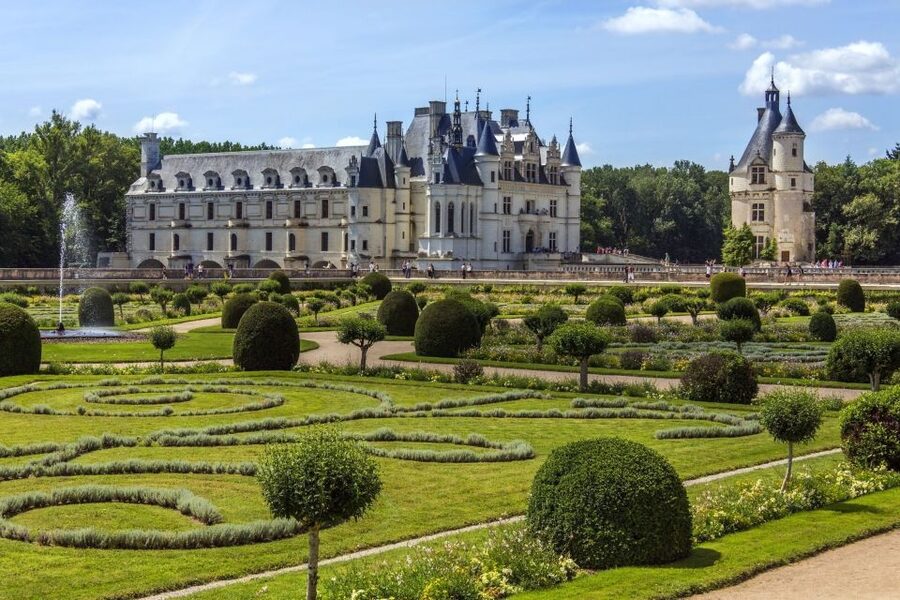
Next up is Château de Chenonceau, often described like a fairytale because it sits so beautifully along the Cher River. What you really remember, though, is that Chenonceau’s character is shaped by the women who lived there. The story here isn’t polite or simple; it includes love, power struggles, and the kind of political tension that can feel surprisingly human.
You’ll get a guided tour and then a chunk of free time. That free time matters because Chenonceau is one of those castles where you might want to slow down on your own terms—linger on river-side views, wander at your own pace, or just step back to take photos without hearing a constant explanation.
Two specific historical angles that come through in the framing:
- It’s described as the site of France’s first fireworks display
- The château’s identity is tied to the women who inhabited it, which turns the visit into more than a list of dates
Chenonceau also benefits from timing: if Chambord is about scale, Chenonceau is about atmosphere. You’ll feel that shift as you move from one to the other.
Cheverny: the 17th-century French art of living
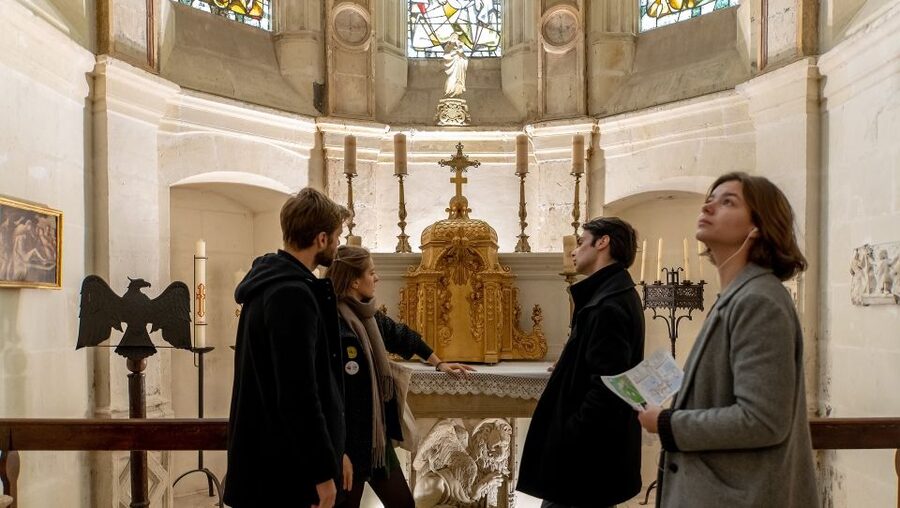
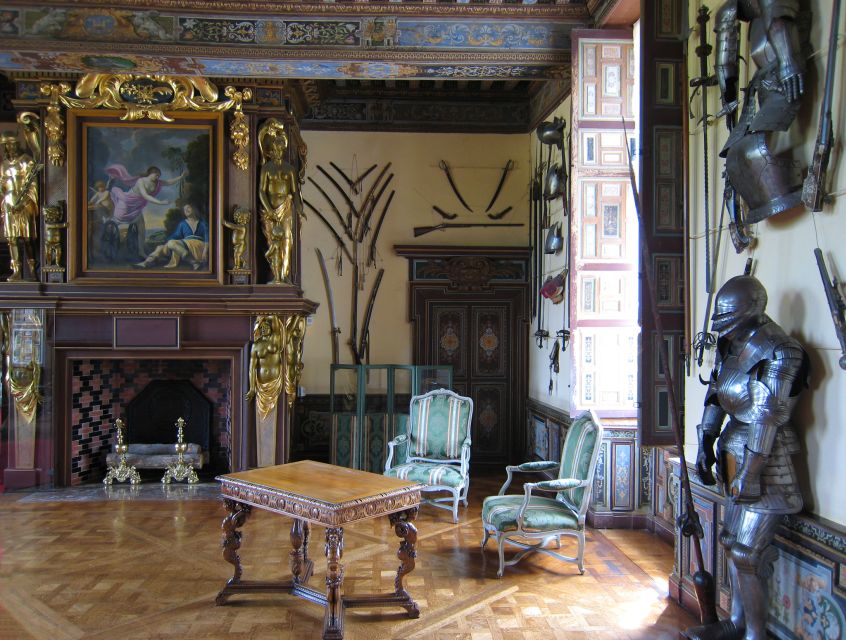
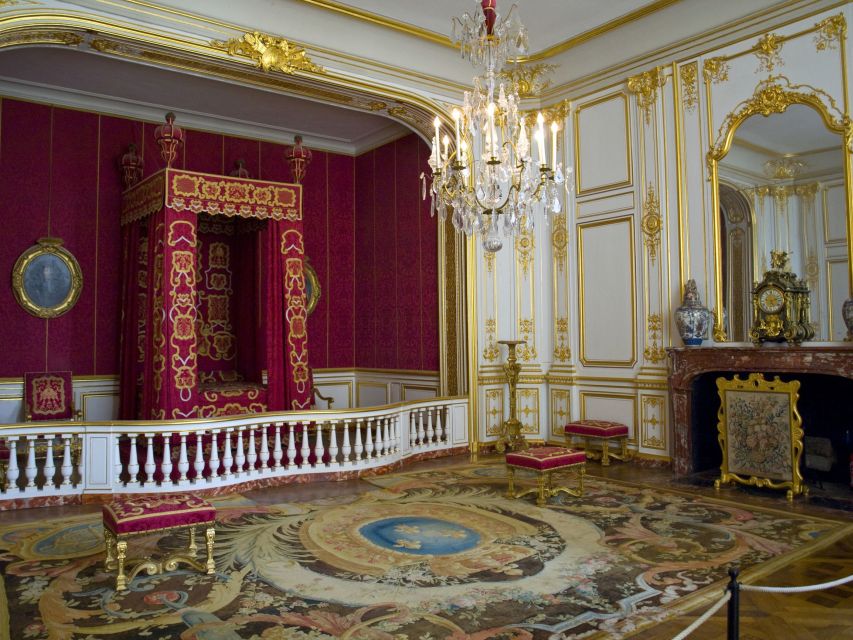
The final castle stop is Château de Cheverny, a 17th-century château known for being furnished with taste and complemented by excellent gardens. This stop changes the emotional tempo. Instead of maximum monumentality, Cheverny feels more like a lived-in world—still grand, but less overwhelming.
You’ll have a guided tour here as well. This is where you start connecting the dots between Loire châteaux as a whole: how families built power, displayed taste, and turned land into a kind of identity.
There’s also a specific nod to the “real-life” tradition of Cheverny: it’s mentioned alongside the famous hounds. That detail may not be the biggest headline on a first pass, but once you’re there, you’ll understand why it sticks in people’s minds. It’s the kind of piece of local color that makes a guided day trip feel more personal.
As with the other stops, plan for walking. Cheverny’s grounds and paths can involve uneven footing, so give your feet the best chance by sticking with supportive shoes.
Lunch, restroom reality, and the shoes you’ll thank yourself for
Lunch is handled in a very typical Loire-day-trip way: you get free time during the day at either Chenonceau or Chambord, but lunch is not included. That’s good and bad. Good, because you’re free to choose what you want. Bad, because you’re still responsible for food on a long day.
If you’re sensitive to timing, treat lunch like a mini logistics project:
- If you can, eat something filling during the free window so you don’t crash later.
- Keep a small snack for the late afternoon just in case your pace runs longer than expected.
Restrooms are another real-world factor. Some people want more breaks, and there have been complaints about bathroom availability during the longer stretches. The day is long enough that you should not wait until you’re desperate.
Also, remember the tour’s basic rules: comfortable shoes are strongly implied, and large luggage isn’t allowed. No pets, and no smoking. If you’re packing light, you’ll feel better about boarding, getting in and out quickly, and moving between sites.






Getting more from guided time: how the tour pays off
This tour earns its value by compressing three different châteaux into one day with a local guide and guided tours at each main stop. That’s not just a convenience. It’s what turns a “see it” day into a “understand it” day.
In particular, multiple guides have been singled out for clarity and for being able to answer questions. Named examples include Claire, Martina, and Abel. The practical takeaway: when the guide explains what you’re looking at, you spend less time trying to figure it out on your own and more time enjoying the place.
The other big value play is transportation by air-conditioned coach and hotel pickup. Even if you’ve taken public transit before, you’re still dealing with distance. The coach simplifies the whole day and keeps you focused on the châteaux rather than the route.
One more time-saver: the tour notes skip-the-ticket line. That matters in France, where the waiting can quietly eat hours if you’re not prepared.
Who this Loire Valley tour fits best
This is a strong choice if you:
- Want a first look at the Loire Valley châteaux without planning your own transport
- Like guided context and want a structured day
- Prefer a plan that maximizes major sights even if it’s not leisurely
It may not be ideal if you:
- Need a wheelchair-friendly itinerary (this tour is listed as not suitable for wheelchair users)
- Want a slow pace with lots of sitting and fewer walking segments
- Travel with large bags (they’re not allowed)
There’s also one timing caution to keep in mind. Cheverny is the planned final château, but there’s an indication that if your day falls on a Monday, the château visit might change (Cheverny could be replaced by Amboise in at least one instance). You can’t count on that happening every time, but it’s smart to be mentally flexible if you’re traveling on a Monday.
Should you book this tour?
If your goal is to see Chambord, Chenonceau, and Cheverny in one day from Paris, I think this tour makes sense. The combination of guided tours, skip-the-line access, and included hotel pickup is where the value sits, especially if you want your Loire day to feel smooth rather than stressful.
Just go in knowing what kind of day it is: long, guided, and walking-forward. If you’re choosing between doing just one château on your own and doing all three with structure, this tour wins for efficiency. If you prefer slow travel and long breaks, you may want a multi-day approach instead.
FAQ

FAQ
How long is the Loire Valley Castles tour from Paris?
The duration is listed as 13 hours.
Which châteaux are included in the tour?
You’ll visit Château de Chambord, Château de Chenonceau, and Château de Cheverny.
Is hotel pickup included, and where does the tour end?
Yes, hotel pickup is included for hotels in Paris. The tour ends at Pullman Paris Centre Bercy and the drop-off to your hotel is not included.
Do we get guided tours or just free time?
You’ll have guided tours at each château (Chambord, Chenonceau, and Cheverny), plus free time at Chenonceau for sightseeing.
Is lunch included?
No. You’ll have free time during the day for lunch, but lunch is not included.
What languages is the live guide offered in?
The live guide is available in English and Spanish.
Does the tour help with ticket lines?
Yes. The tour notes skip the ticket line.
Is this tour wheelchair accessible?
No. It is listed as not suitable for wheelchair users.
What should I bring and what’s not allowed?
Bring comfortable shoes. Pets are not allowed, and luggage or large bags are not allowed.
Can I cancel and get a full refund?
Yes. The tour offers free cancellation up to 24 hours in advance for a full refund.