REVIEW · TIRANA
From Tirana:(Private) UNESCO Berat City & Castle Guided Tour
Book on GetYourGuide →Operated by Family and Friends Tours · Bookable on GetYourGuide
Berat is where Albania’s past keeps breathing. This private 7-hour tour pairs the dramatic Berat Castle walk with the Onufri icon collection, and the views over Mangalem and Gorica feel like a postcard you can walk into. One thing to plan for: this is mostly cobbled streets and it is not suitable for people with mobility impairments.
After a morning pickup in Tirana, you ride to Berat, then spend the day moving through the old neighborhoods with an English-speaking driver/guide. I like that it’s a private group, with enough room to ask questions, plus small pauses like a coffee break and an optional traditional lunch.
In This Review
- Key things I’d circle before you go
- Why Berat’s castle neighborhoods feel instantly unforgettable
- The Tirana-to-Berat timing that makes the day feel relaxed
- Entering the Berat Castle area and reaching the Onufri icon museum
- The cobbled lanes, coffee pause, and the mix of churches and mosques
- The viewpoint moment: Mangalem, Gorica, the Osum River, and Mt Tomorri
- Old Mangalem, the riverside walk, and Gorica’s historic bridge
- Price and value: what $76 covers for a 7-hour UNESCO day
- Who this tour suits best (and who might feel it’s not for them)
- Practical stuff to know before you set out
- Should you book the Tirana to Berat private UNESCO tour?
- FAQ
- How long is the private UNESCO Berat City & Castle guided tour?
- What time does the tour start from Tirana?
- Is hotel pickup and drop-off included?
- What’s included in the tour price?
- What isn’t included?
- Does the tour run in bad weather?
- Is the tour suitable for people with mobility impairments?
- What language is the live guide?
Key things I’d circle before you go
- Berat Castle is UNESCO for a reason, and people still live inside the walls
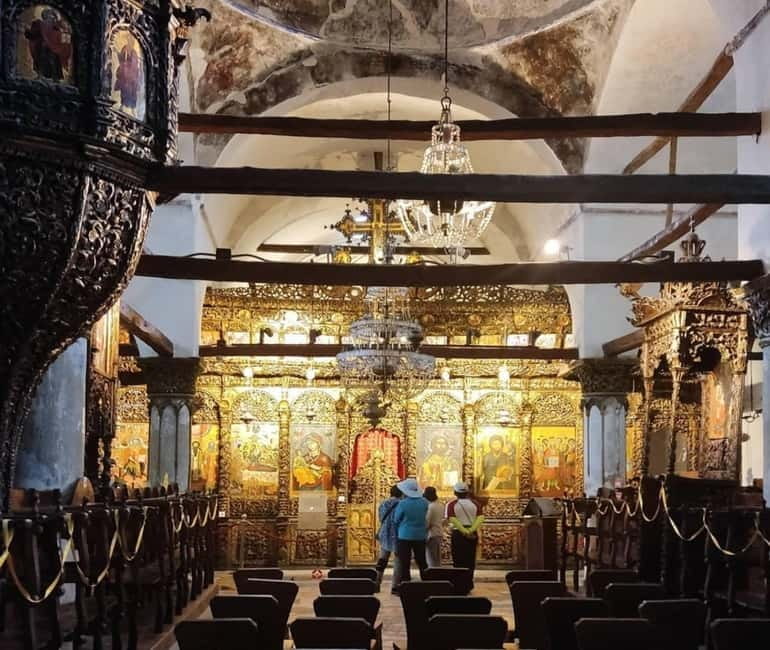
- The Onufri museum is inside the Cathedral of Shën Mëria, with 100+ icons by Onufri and Nikolla
- Mangalemi’s steep façades earn Berat its City of Floating Windows nickname
- Gorica Bridge is from 1780 and gives you a great river-and-neighborhood view
- The guides named Defrim and Klajdi are praised for patient, detailed explanations and good pacing
- You get fortress views first, then an easy-to-follow walk through Mangalem toward Gorica
Why Berat’s castle neighborhoods feel instantly unforgettable
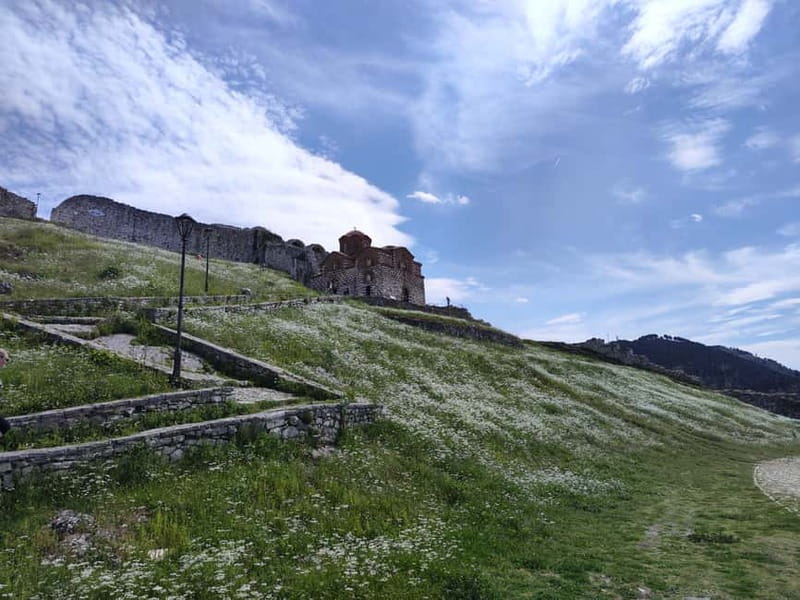
Berat’s old town doesn’t feel like a museum set. It feels like a place that never stopped being lived in. The UNESCO listing fits, because Berat is a 2400-year-old city where Byzantine and Ottoman influences still show up in the architecture, the traditions, and even how the neighborhoods face each other across the river.
What makes this tour work well is the order. You start around the fortress and castle area, so the day begins with the big “how is this built?” moments. Then you walk down into the older districts—Mangalemi, Gorica, and Kala (where the castle sits)—so you keep connecting what you see on the hill with what’s happening at street level. If you like towns where religious history and everyday life sit side by side, Berat is a strong choice.
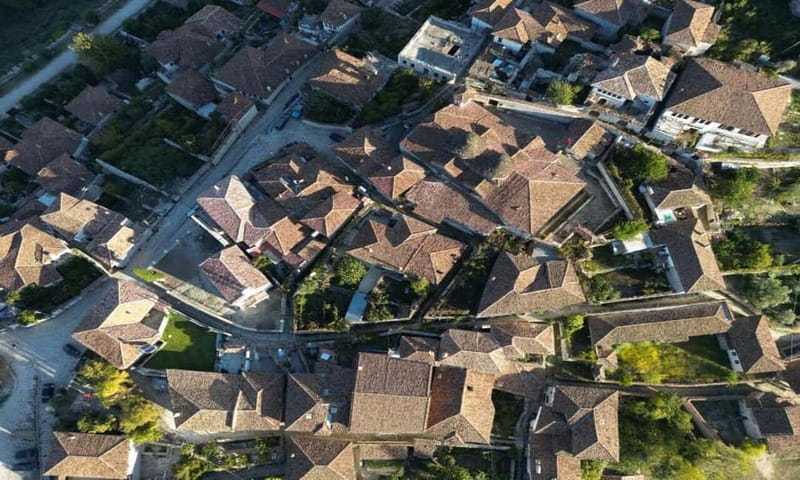
You’ll also hear why Berat is called the City of the Floating Windows. In Mangalemi, the houses rise along steep slopes, and the façades line up so the windows seem to stack above each other. It’s a visual trick created by the terrain—and once you see it from the right angles, it stays with you.
You can also read our reviews of more tours and experiences in Tirana.
The Tirana-to-Berat timing that makes the day feel relaxed
This is a full-day outing, but it doesn’t feel rushed because you start with a simple rhythm. Pickup happens at your hotel or accommodation, and the driver is waiting about 10 minutes before the 9:00 am departure. If you need to find them, you’ll get the guide’s personal contact details via WhatsApp.
The drive to Berat takes around 2 hours. That matters because it sets you up for a morning that’s focused, not frantic. You’re not trying to cram Berat into an afternoon sprint. Instead, you arrive early enough to tour the castle area and then continue through the old neighborhoods while daylight is still doing its best work.
Also, the tour is scheduled to run rain or shine. That’s important in Albania, where weather can shift quickly. The good news is that the core experience is walking and looking at architecture—so even if the skies change, you’re still doing the main event: castle views, old churches and mosques, and the iconic viewpoints over the Osum River.
Entering the Berat Castle area and reaching the Onufri icon museum
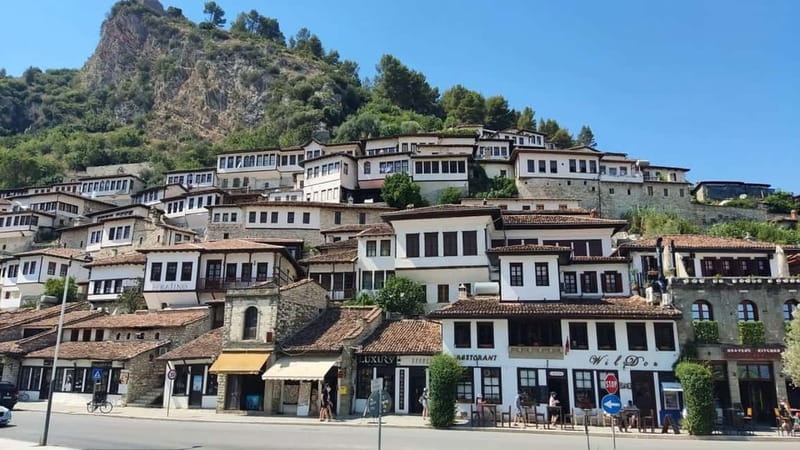
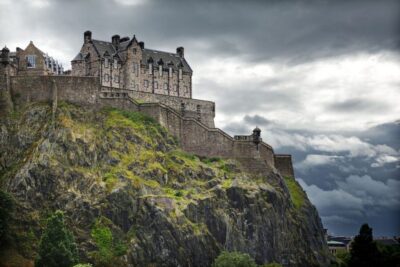
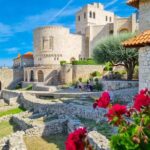
Your day starts in the castle zone, with a walk through old stone houses along cobbled paths. This portion is classic Berat: stonework, steep streets, and that feeling that the town has layered itself over centuries. Even better, residents still live inside the castle walls, so you’re not just looking at ruins—you’re moving through an active historic space.
From there, the tour heads to the Onufri iconographic museum, located inside the Cathedral of Shën Mëria. This is a major stop for anyone who likes religious art or wants a deeper sense of Albanian Orthodox iconography. The cathedral houses works by the famous 16th-century iconographers Onufri and his son Nikolla, with over 100 icons on display.
Here’s why this museum stop is valuable: it gives you cultural context before the scenery gets too overwhelming. Before you’re just taking photos of rooftops and minarets, you understand a key part of how people expressed faith and identity through art. The icons aren’t just decoration—they’re part of a tradition that connects the Byzantine world and local history.
If you’re worried about time inside a museum, you can take it at your own pace within the flow of the tour. The route includes walking segments with breaks, so it doesn’t feel like you’re trapped indoors for long stretches.
The cobbled lanes, coffee pause, and the mix of churches and mosques
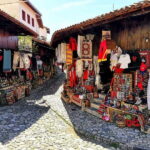
After the fortress area and museum time, the tour keeps you moving through narrow cobbled paths. You’ll also get a “spot the layers” lesson as you pass old churches and mosques. Berat’s history reflects influences from both Eastern and Western empires, and that mix shows up in these places of worship.
This is one of my favorite parts of a guided walking tour in a town like Berat: the guide helps you see what you’d otherwise miss. The architecture and the street alignments tell stories, but you need someone to point out the meaning. The tour format is designed for that. There’s time to look, then time to understand what you’re looking at.
A quick coffee stop is built into the day inside an old house. Since meals and drinks aren’t included, you’ll likely pay for your coffee. But even so, it’s a good break—short enough to keep momentum, but long enough to reset your legs and chat with locals during the pause. It also helps the day feel less like a checklist and more like being among real people in an old setting.
The viewpoint moment: Mangalem, Gorica, the Osum River, and Mt Tomorri
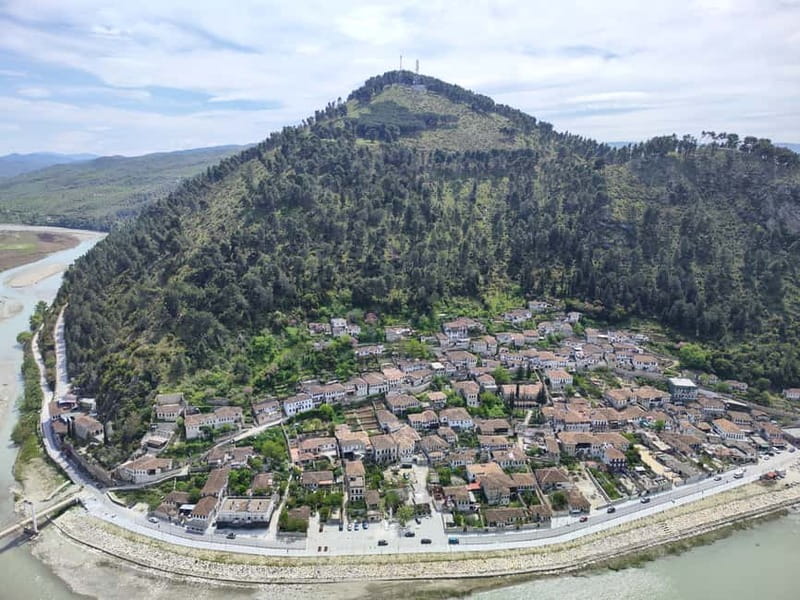
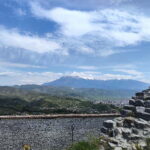
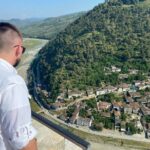
Then comes the panoramic payoff. After touring the fortress, you reach a viewpoint where you can clearly see the two other main neighborhoods—Mangalem and Gorica—above and across the city.
From this higher vantage, the Osum River becomes a visual thread connecting everything below it. It also helps you understand Berat’s layout: neighborhoods face each other across water, and the terrain shapes everything from sightlines to how communities built homes on steep hills.
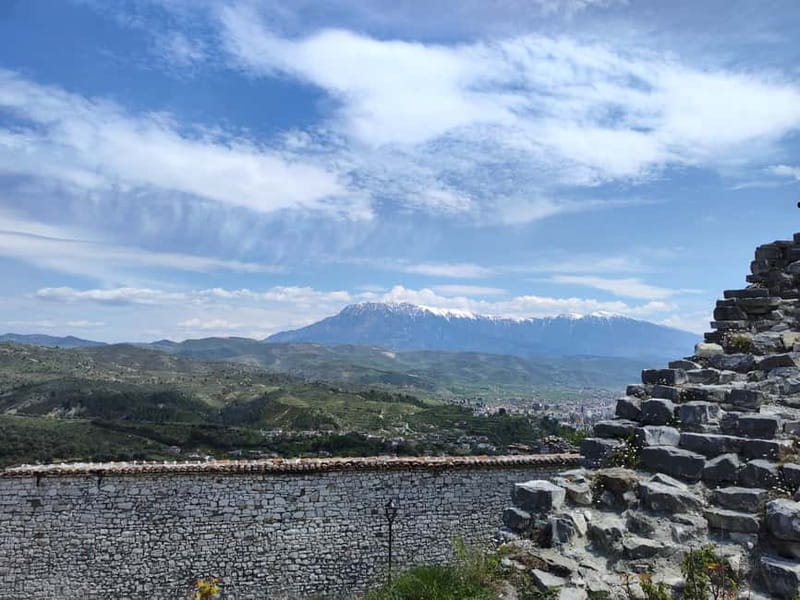
The viewpoint also frames the mountain setting, including a look toward Mt Tomorri when conditions allow. That’s not just scenery for scenery’s sake. The town’s rugged setting is part of why Berat’s skyline looks the way it does, especially when clouds swirl around minarets or break to show peaks.
If you like photography, this is where you’ll want to slow down. Don’t just shoot and move. Take a minute, then turn your body a few degrees at a time. Berat is the kind of place where each angle clarifies the “floating windows” effect and the relationships between neighborhoods.


Old Mangalem, the riverside walk, and Gorica’s historic bridge
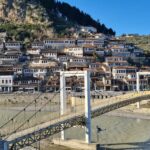
After the viewpoint time, the tour continues into old Mangalem. You’ll reach the old plaza and then start walking alongside the river toward the Gorica Bridge.
This part of the itinerary matters because it’s the transition from “castle views” to “daily town views.” At higher points, Berat reads like a defensive city with layers of religious and political influence. Along the river walk, it reads like a living town shaped by geography.
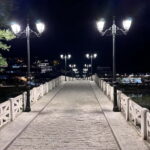
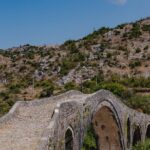
The highlight at the end is the Gorica Bridge, an arched bridge built in 1780. Standing near it, you get a strong view back over the Gorica neighborhood and the city’s relationship to the river corridor. It also gives you a satisfying conclusion: you started near the fortress, and you finish with a bridge that literally links neighborhoods across water.
This is also where the pace becomes more comfortable. By now you’ve seen the big landmarks. The final walk feels like a guided wandering finish rather than a frantic sprint to the last stop.
Price and value: what $76 covers for a 7-hour UNESCO day
At $76 per person for a 7-hour tour, the value comes from what’s actually included.
You get:
- A/C transport from Tirana and back
- Hotel pickup and drop-off
- A driver/guide
- Entrance fees to the Onufri museum and the Castle of Berat
That entrance-fee detail matters. In many tours, the museum visits are where costs quietly add up. Here, you’re paying a single listed price that covers the two main paid elements.
What’s not included is straightforward: meals and drinks, plus personal expenses. There’s an optional lunch in a traditional Albanian restaurant with traditional cuisine after the walking portion. If you want that lunch, plan on paying extra, and treat it as your chance to test Albanian comfort food after a big day of walking.
For me, the best “value signal” is how the day is structured. You’re not just transferred to Berat and left to wander. The guided route ties the museum, churches/mosques, viewpoints, and bridge together into one story. That’s what turns a UNESCO stop into an actual experience.
Who this tour suits best (and who might feel it’s not for them)
This tour is a great fit if you want:
- A guided walk through Berat’s old districts without planning every stop yourself
- History and architecture explained in an easy-to-follow way
- Scenic viewpoints that you can actually reach by foot
- A private-group feel so you can ask questions without crowd pressure
It’s also smart for people who like balance: you get indoor museum time, outdoor walking, and a few short breaks.
It may be less ideal if you have mobility limitations. The itinerary involves cobbled paths and walking through steep, old-town terrain, and it’s explicitly not suitable for people with mobility impairments.
If you’re traveling with an active pace and you enjoy compact walking days, you’ll likely find the day enjoyable and not exhausting for the wrong reasons. The stops are placed so you’re not just staring at walls—you’re also getting context and viewpoints.
Practical stuff to know before you set out
A few things will help you enjoy the day more.
Walking surfaces: Cobblestones and old stone paths are part of the experience, especially in the castle area and old lanes. Comfortable walking shoes are a must.
Weather: It runs rain or shine, so bring a rain layer even if the morning looks calm. If it’s wet, cobbles can get slick, so go slow on slopes.
Pacing: You’ll have a coffee stop and time for viewpoints, but this isn’t a sit-and-watch tour. It’s built around moving through neighborhoods.
Language: The live guide is English, which is good if you want the history explained without reading a pamphlet.
Guide personalities: People have specifically praised guides such as Defrim and Klajdi for being patient and ready to suggest what to do and eat. That’s a good sign if you like a guide who answers questions and helps you shape the day beyond the fixed stops.
Should you book the Tirana to Berat private UNESCO tour?
I’d book this tour if you want a guided, well-paced way to experience UNESCO Berat with the key pieces covered in one go: Berat Castle, the Onufri museum at Shën Mëria, the viewpoint over Mangalem and Gorica, and the finale at Gorica Bridge (1780).
Skip it—or choose a different option—if you need step-free access or have mobility constraints. Also, if you hate walking on cobbled streets, you might find the old-town sections uncomfortable.
If your goal is to understand why Berat looks the way it does and to see the classic views without doing logistics yourself, this private format is a strong match. It’s not just a drive to a pretty city. It’s a day that ties the art, the architecture, and the river geography into one storyline.
FAQ
How long is the private UNESCO Berat City & Castle guided tour?
It lasts 7 hours.
What time does the tour start from Tirana?
Departure from Tirana is at 9:00 am.
Is hotel pickup and drop-off included?
Yes. The driver picks you up at your hotel or accommodation about 10 minutes before the tour starts, and you’ll be able to contact the guide through WhatsApp if needed.
What’s included in the tour price?
The price includes A/C vehicle transport, the city tour of Berat, a driver/guide, hotel pickup/drop-off, and entrance fees to the Museum of Iconography Onufri and the Castle of Berat.
What isn’t included?
Meals and drinks are not included, along with any personal expenses and any optional activity costs not listed as included.
Does the tour run in bad weather?
Yes. The tour takes place rain or shine.
Is the tour suitable for people with mobility impairments?
No. It is not suitable for people with mobility impairments.
What language is the live guide?
The live tour guide speaks English.