REVIEW · TOURS FRANCE
From Tours: Chenonceau and Chambord Castles Guided Tour
Book on GetYourGuide →Operated by Ophorus · Bookable on GetYourGuide
Two châteaux, one smart day trip. It’s an easy way to focus on two Renaissance masterpieces—Château de Chambord and Château de Chenonceau—without renting a car or wrestling bus schedules.
What I like most is how the day blends guided tours with time on your own, so you get both the facts and the freedom to look around. And because the group stays small (up to 8), guides can actually connect with you—whether that’s Ilia’s name-remembering style or Charlene’s friendly explanations.
One heads-up before you book: the François I wing at Chambord has been closed since July 2025 for restoration, and the tour route has been modified, so you won’t see that portion.
In This Review
- Key highlights at a glance
- Why Chambord and Chenonceau click together
- Meeting in Tours and settling into the small-group van
- Château de Chambord: moat views and the double helix staircase
- How to make the most of your time at Chambord
- Lunch in a traditional village: recharge without losing the day
- Château de Chenonceau: a bridge over the Cher River
- Gardens, photos, and the pace of an 8-hour day
- Price and value: what you’re paying for (and what you’re not)
- Who this tour suits best (and who should reconsider)
- Should you book this Chambord and Chenonceau tour?
- FAQ
- How long is the tour?
- Where do I meet the guide?
- Is the tour guided in English?
- How many people are in the group?
- What’s included in the price?
- Is lunch included?
- What do I need to bring?
- Are pets allowed?
- Will I be able to see the François I wing at Chambord?
Key highlights at a glance
- Chambord’s double helix staircase: The famous stair design is a must-see once you’re inside.
- A castle that works like a bridge at Chenonceau: You’ll cross the Cher River on stone arches.
- You feel the architecture, not just read about it: Moat setting at Chambord, and water flowing under Chenonceau’s arches.
- Lush gardens in both châteaux: There’s time built in to enjoy the grounds beyond the rooms.
- Small group energy (up to 8): Questions aren’t stuck in the back of the bus.
- A practical lunch break: You get free time in a traditional village between the two sites.
Why Chambord and Chenonceau click together
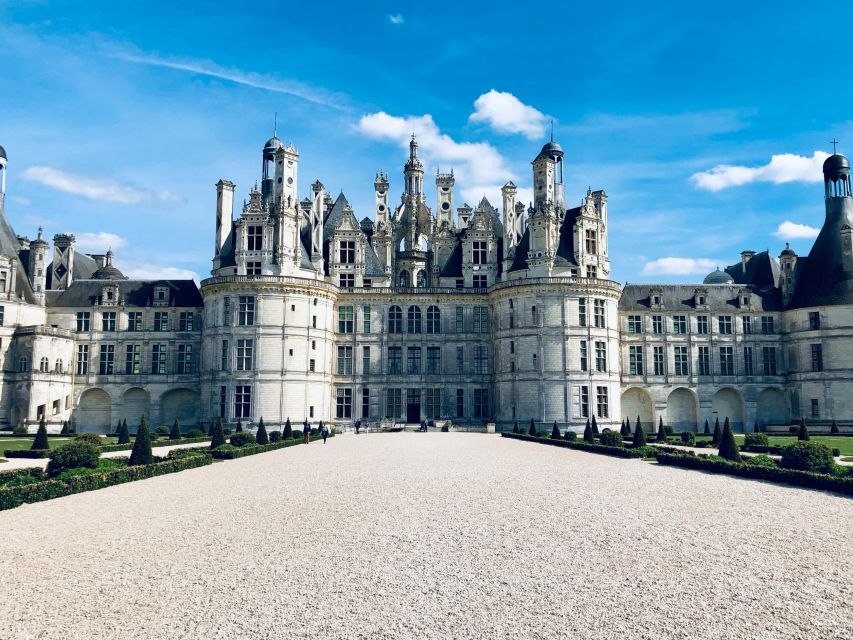
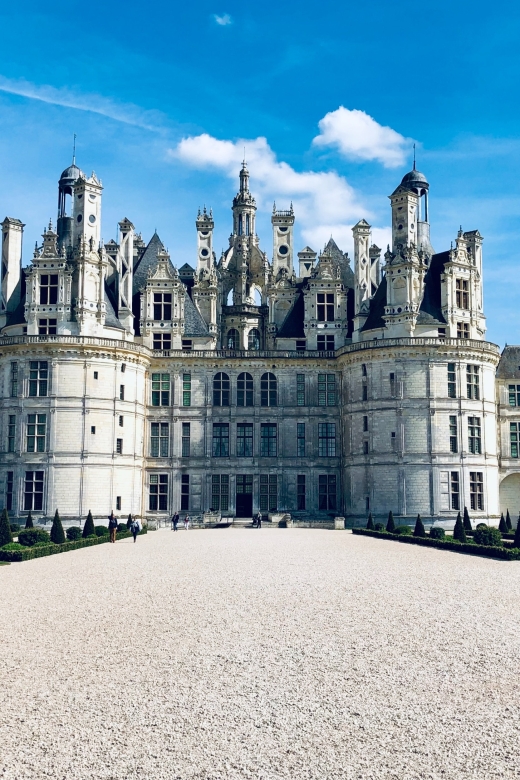
If you’re visiting the Loire Valley, this is one of the cleanest combinations: two standout Renaissance châteaux that show very different sides of the same ambition. Chambord is all power and design—scale, symmetry, and that wild rooftop imagination. Chenonceau is the opposite mood: elegant, intimate, and almost poetic because it literally spans a river.
I like that the day keeps your attention on the big visual ideas. You’re not hopping between five stops and losing time. You’re seeing the real heavy hitters—inside and out—and then you still have enough room to breathe.
And the best part for practical travelers is the rhythm: van ride, guided castle time, then a break for lunch, then more guided time. It’s structured enough to feel efficient, but not so tight that you’re sprinting the whole day.
Meeting in Tours and settling into the small-group van
Your day starts at the Tourist Office in Tours (meet your guide in front). From there, you board a van and head out through the countryside. The pace is calm—this isn’t a speed-tour with constant getting on and off.
The group stays limited to 8 participants, which changes everything. In a big tour, your guide talks at you. Here, you can ask something and have it land. Several guides mentioned in recent experiences—like Ilia and Charlene—lean into that personal feel, even remembering names.
You’ll also appreciate the simple reality: you don’t have to navigate parking or figure out local transit between two distant sites. You’re paying for convenience and guided flow, not just admission to two attractions.
Château de Chambord: moat views and the double helix staircase
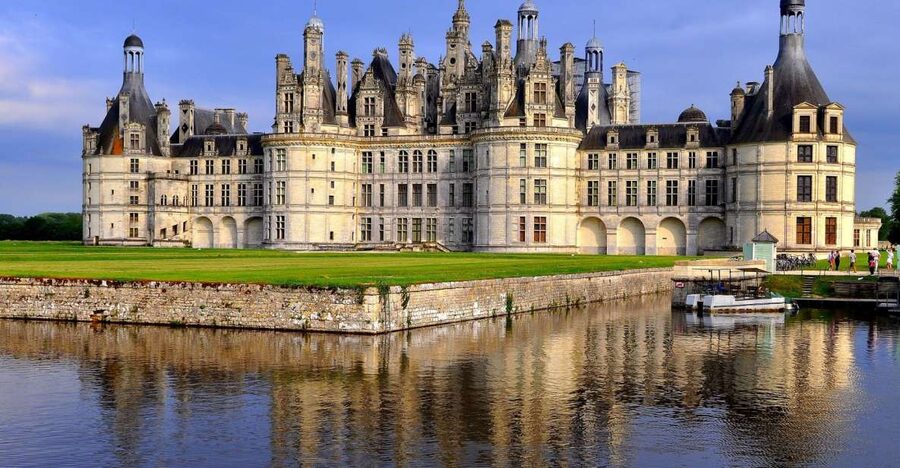
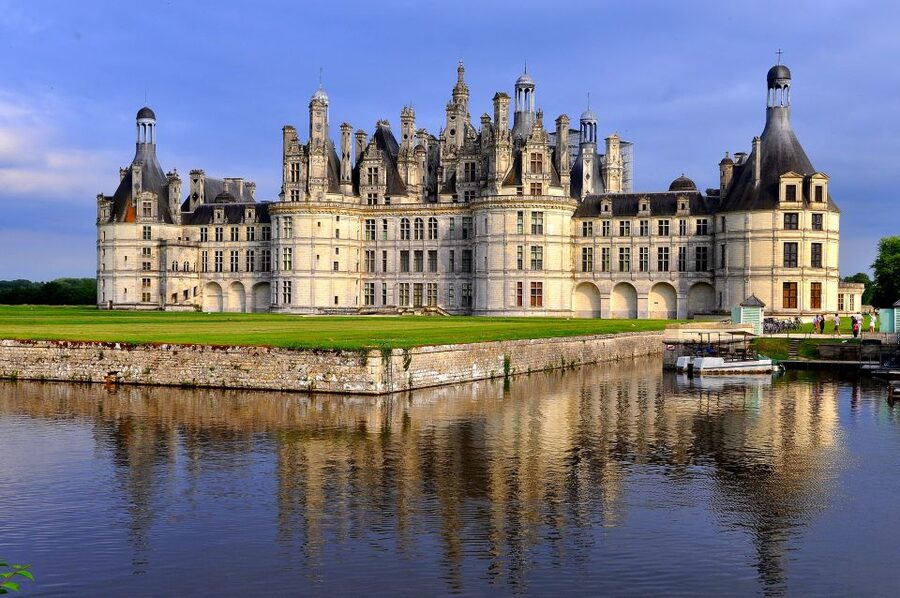
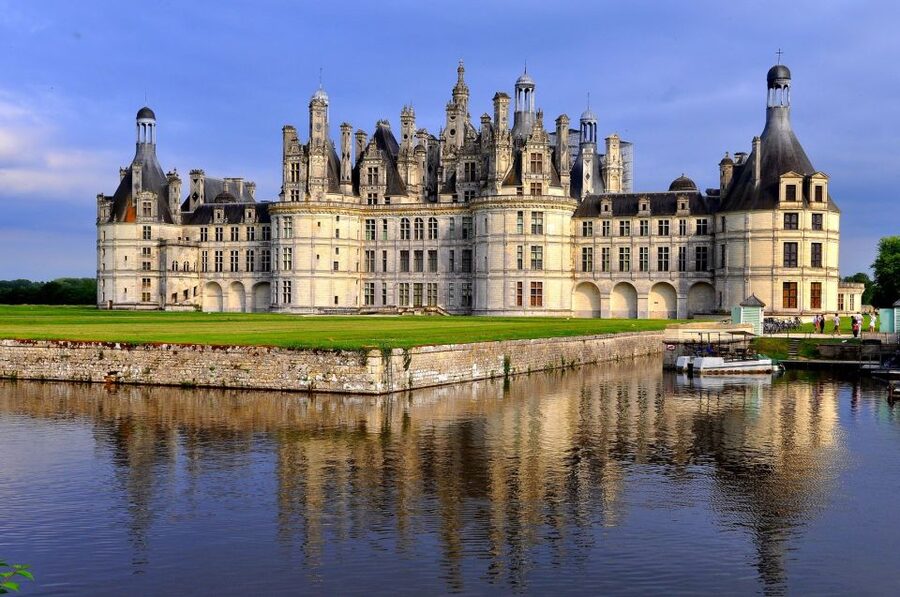
Chambord is the first big statement. This is the largest château in the Loire Valley, and even before you enter, you can see why it became a symbol of Renaissance ambition. The château sits with a dramatic moat around it, giving the whole place that fortress-meets-palace vibe.
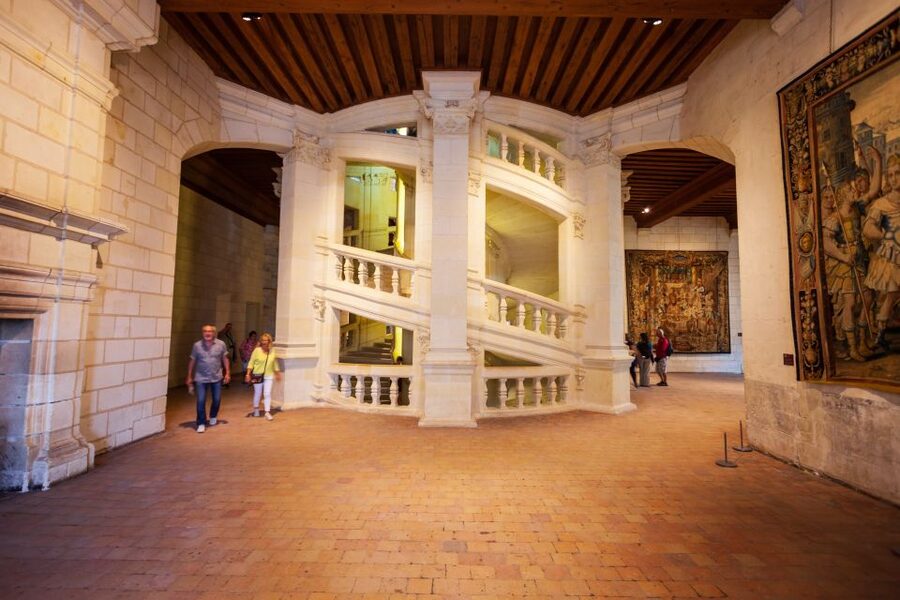
When you go inside, the highlight is the double helix staircase. It’s one of those architectural tricks you can admire best when you’re standing where it’s meant to be seen—close enough to notice how the design works. Your guide’s job is to help you connect the structure with the story of the people who used it.
You’ll also get time with the château’s ornate roof and lavish interior rooms. The tour doesn’t treat Chambord like a museum drawer. It frames the building as something designed to impress—visually, politically, and socially.
One practical detail matters right now: the François I wing is closed for restoration, and the tour route has been adjusted accordingly. That means you should go with a flexible mindset. You’ll still see a lot of the château’s signature character, just not that specific section.
How to make the most of your time at Chambord
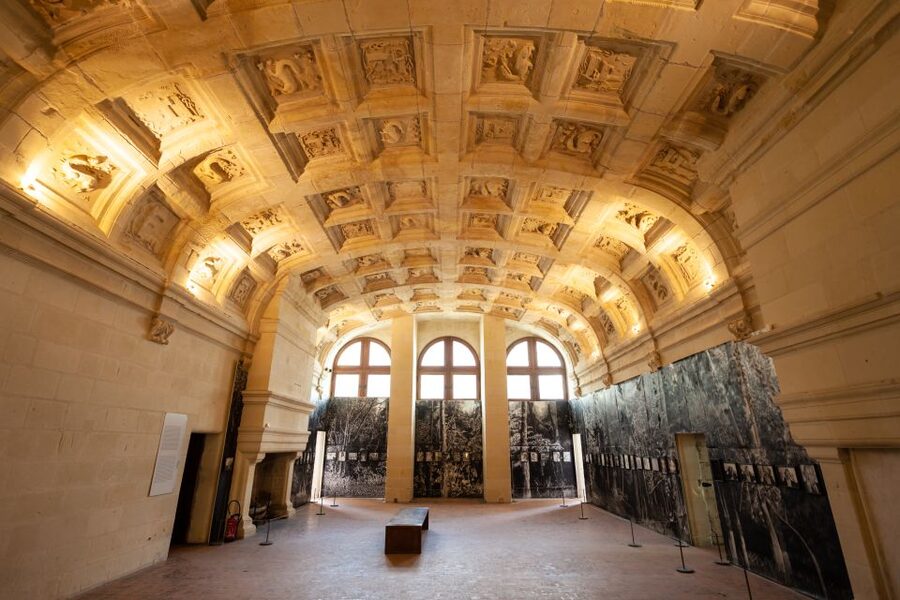
Two hours on-site can sound short, and Chambord is huge. But guided tours help you avoid the common mistake: wandering without a plan and missing the big architectural set pieces.
Here’s how I’d approach it once you’re there:
- Prioritize the things your guide points out, especially the staircase area.
- Take a few minutes to look back at the rooflines and angles. Chambord’s design reads differently from different viewpoints.
- Use your energy for interiors when you’re inside, and save photos for when you’re actually in the right spot.
If you’re the type who likes details, great—this château rewards it. If you’re more into the big picture, you’ll still get plenty. Either way, the guide’s job is to keep the story clear so the place doesn’t turn into a blur of rooms.
Lunch in a traditional village: recharge without losing the day
After Chambord, you head to a traditional village for lunch. The break includes about 1.5 hours of free time, which is exactly what you want mid-day. It’s long enough to eat without rushing, and short enough that you don’t lose the momentum of the tour.
Food and drinks aren’t included, so you’ll be making a choice when you arrive. That’s also a good thing—you can pick based on your tastes and dietary needs, rather than being stuck with one set menu.
In experiences like this, what often makes the lunch stop enjoyable is what the guide adds. Some guides have shared recommendations for local favorites, including places known for crepes. Even if the exact lunch spot varies, the structure stays the same: eat, stretch, and reset.
Then you’re off again, with a comfortable van ride to the second château.
Château de Chenonceau: a bridge over the Cher River
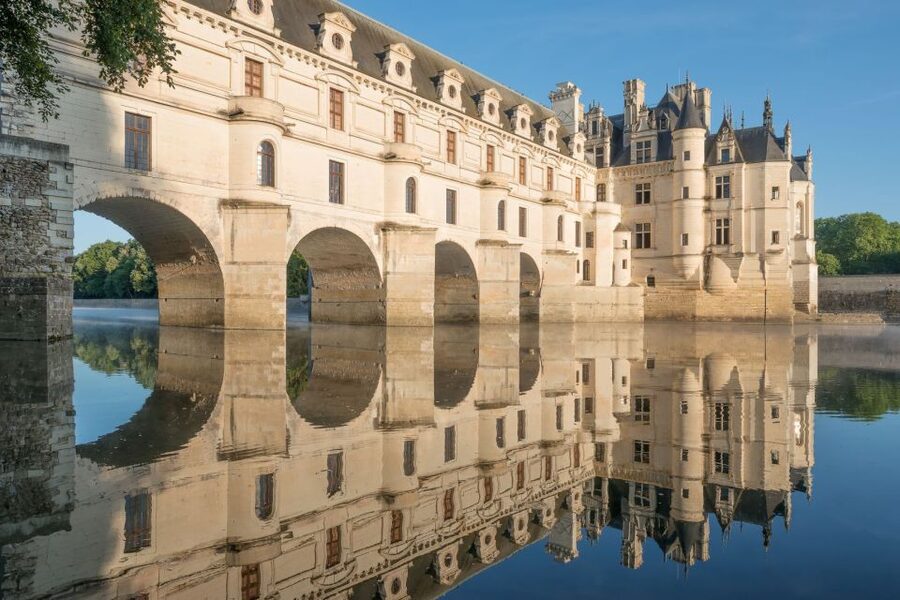
Chenonceau is where the day shifts mood. This château forms a unique bridge over the Cher River, and it works visually in a way that’s hard to grasp from photos. You’re walking through stone arches, and under them you can see water moving below.
The tour also explains that Chenonceau was built on an old mill site, which adds a useful layer to what you’re seeing. Instead of feeling like a pure fantasy palace floating above water, it feels connected to real geography and real function.
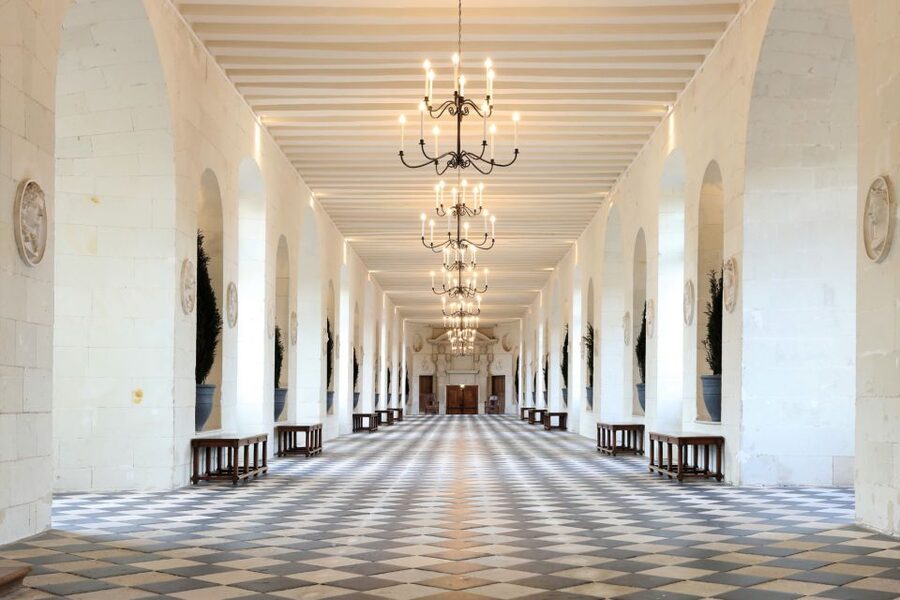
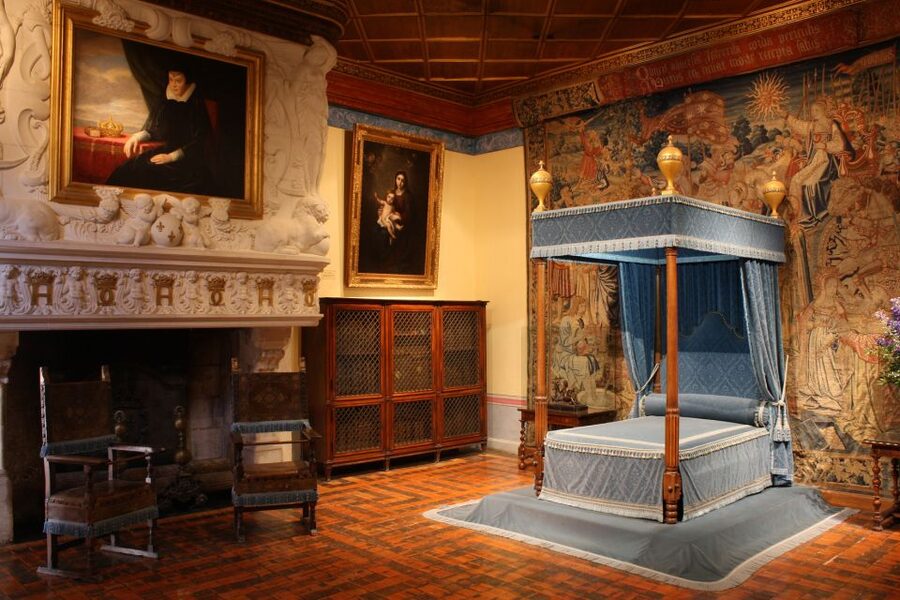
Inside, you’ll tour lavishly decorated chambers—the kind that make you understand why nobles cared about appearances. But don’t skip the outside. Chenonceau is famous for its lush gardens, and your guide brings the gardens into the story rather than treating them as an afterthought.
The setting in the village of Chenonceaux makes it feel less like an isolated monument and more like part of daily life. You still get grandeur, but it feels lighter than Chambord.
Gardens, photos, and the pace of an 8-hour day
You’ve got a total 8 hours from Tours to back again, and that includes van time and guided touring time at both sites. The best way to think about it: you’re getting a full day of highlights, not a slow linger.
This matters for your planning. If you show up tired, you’ll feel it. If you show up rested (and wear comfortable shoes), you’ll be able to enjoy both the big interiors and the outside grounds.
The guides in recent experiences also tend to be efficient about crowd flow. That helps you spend more time seeing and less time stuck in bottlenecks. Ilia, in particular, has been described as careful with pacing and photo moments for couples at each stop, which is a small detail—but it makes a day feel more personal.
My practical advice: wear shoes with grip, and bring a layer. Châteaux aren’t climate-controlled in the same way all day long, and weather can swing fast in the Loire.
Price and value: what you’re paying for (and what you’re not)
At $247 per person for an 8-hour day, this tour isn’t cheap—but it also isn’t trying to be bargain-basement. You’re paying for roundtrip transport from Tours, entry into both châteaux as part of a guided visit, and a live English guide who helps you read what you’re seeing.
You’re not paying for hotel pickup, and you’ll handle food and drinks on your own. That’s fairly standard for this style of outing. But you are getting the hard part solved: two major destinations, one day, with guiding.
If you were doing it on your own, you’d still need to figure out how to get from one site to the other efficiently and how to make sense of the architecture once you arrive. This tour bundles that into one plan, which is exactly the kind of value that matters when you only have a limited number of days in the Loire Valley.
Who this tour suits best (and who should reconsider)
This tour fits best if you:
- Want two iconic châteaux in one day from Tours.
- Prefer small-group guiding instead of standing shoulder-to-shoulder with strangers.
- Like having a clear plan, plus time to wander and look around.
It’s also a strong fit if you’re visiting the Loire Valley for the first time and want the biggest names without overthinking logistics.
It’s not a good match if you need wheelchair access, have pre-existing medical conditions that make longer walking or the day’s structure difficult, or you’re traveling with children under 4. And pets aren’t allowed.
If you already know you love architecture and want more time in one château, you might end up wishing the day were longer. But as a highlight-packed day trip, this is exactly the point.
Should you book this Chambord and Chenonceau tour?
I’d book it if you want an efficient, guided, high-impact day from Tours. You’ll see Chambord’s double helix staircase, experience the dramatic moat setting, then shift to Chenonceau’s bridge-over-the-Cher experience with gardens and decorated interiors. The small group size and guide quality—often praised in recent experiences—are a big part of why it feels easy to enjoy.
I’d think twice if the François I wing closure would bother you a lot. The tour route is modified, and you won’t see that specific Chambord section. If that wing is the main reason you picked this tour, you might want to compare options before committing.
If you want a balanced day—guided moments plus enough breathing room to enjoy the grounds—this is a solid choice.
FAQ
How long is the tour?
The tour runs for 8 hours total.
Where do I meet the guide?
Meet the guide in front of the Tourist Office in Tours Loire Valley.
Is the tour guided in English?
Yes, it includes a live tour guide in English.
How many people are in the group?
It’s limited to a small group of up to 8 participants.
What’s included in the price?
The price includes roundtrip transportation from Tours, visits to Château Chenonceau and Château Chambord, and a driver/guide.
Is lunch included?
No. Food and drinks are not included, but there is a lunch stop with free time.
What do I need to bring?
Bring a passport or ID card and wear comfortable shoes.
Are pets allowed?
No, pets are not allowed.
Will I be able to see the François I wing at Chambord?
No. The François I wing of Chambord is closed from July 2025 for restoration, and the tour route has been modified accordingly. A reopening date isn’t confirmed.