REVIEW · SINAIA
Palace of Parliament, Ceausescu House & Village Museum
Book on GetYourGuide →Operated by TRAVEL MAG AGENCY · Bookable on GetYourGuide
Three stops, one sharp story.
You’ll connect Romania’s rural traditions to its communist-era power by visiting three landmarks on one guided route, with skip-the-line entry handling the hardest parts. It’s a short, structured trip that helps you understand what you’re seeing, not just where it is.
I especially like the Dimitrie Gusti National Village Museum, because walking the open-air grounds turns “culture” into something you can read with your own eyes. I also like the Palace of Parliament visit, since the scale and details land better when you’re guided through the story and moved efficiently by coach between stops.
One thing to watch: access rules are strict. Bring your photo ID (passport or national identity card) because entry to both the Palace of Parliament and the Ceaușescu Mansion can be denied without it.
In This Review
- Key highlights to know before you go
- Three Bucharest stops in 6 hours: how the day really flows
- The ID rules: your ticket depends on having the right document
- Dimitrie Gusti National Village Museum: Romania’s traditional life in open air
- House of Ceaușescu: luxury, private rooms, and the uneasy contrast
- Palace of Parliament: why this building feels bigger than your expectations
- Timing, coach comfort, and how to get the most out of a short day
- Languages and guides: what you’ll understand during the tour
- Price and value: why this can be a bargain, and what’s not included
- Who should book this tour (and who should skip it)
- Should you book Palace of Parliament, Ceaușescu House & Village Museum?
- FAQ
- How long is the tour?
- Where does the tour pick up and drop off?
- Is transportation included?
- Are entrance tickets included in the tour price?
- Is skip-the-line access included?
- What ID do I need for the Palace and the Ceaușescu Mansion?
- Is the Ceaușescu Mansion open every day?
- What languages are available for the live guide?
- Can I use an audio guide?
- Are alcoholic drinks allowed on the vehicle?
Key highlights to know before you go
- Skip-the-line entry uses a separate entrance for the Palace and the mansion
- Live guide time across all three stops, with languages including English and Spanish
- Open-air Village Museum with traditional houses, churches, and windmills moved from different regions
- Ceaușescu Mansion interiors show the lavish private world behind a dictator’s regime
- Monumental Palace visit includes major halls, marble staircases, and ornate decoration
- Coach transfers keep the day comfortable and efficient in an air-conditioned vehicle
Three Bucharest stops in 6 hours: how the day really flows
This is the kind of tour that’s built for people who want the big headlines, but also want context. In one afternoon you’ll cover three very different sides of Romanian life: everyday rural tradition, the personal luxury of Nicolae Ceaușescu’s final years in power, and the jaw-dropping architecture of the communist state.
You’ll start at Bulevardul Regina Elisabeta (pick-up and drop-off point is listed as number 3). From there, it’s a coach ride between stops, roughly 20 minutes each way. That matters more than you’d think, because it keeps the day from turning into a logistics puzzle and gives your brain time to switch from countryside to dictatorship to monument.
The tour is listed as 6 hours total, with guided time at each site plus breaks for photos and a breather.
You can also read our reviews of more tours and experiences in Sinaia.
The ID rules: your ticket depends on having the right document
Here’s the practical rule that drives everything: entry to the Palace of Parliament and the Ceaușescu Mansion requires a valid photo ID (passport or a national identity card). If you don’t have it, access can be denied.
That means you should do two things before you even leave your hotel:
- Make sure your document is physically with you that day (not locked in a drawer you’ll remember later).
- If you’re traveling with children, pack their ID too—children also need a passport or ID card.
Also note the tour includes skip-the-line handling, but the ID rule is still an absolute gate. Skip-the-line helps with queues; it doesn’t replace document checks.
Dimitrie Gusti National Village Museum: Romania’s traditional life in open air
The day starts with the Dimitrie Gusti National Village Museum, an open-air ethnographic museum focused on traditional Romanian village life. This is where the tour gets grounded in reality, because instead of just reading about Romania, you’re walking through a setting built to feel lived-in.
You’ll see authentic village structures—traditional houses, churches, and windmills—that were brought from different regions. That “moved from around the country” detail is a big deal: it turns the museum into a sampler of Romanian regional life rather than one single local snapshot.
What I like about this stop is how it changes your perspective before the political sites. When you tour a palace later, it helps to understand what that power system was operating against: a country where village life and community structures were the foundation for everyday living.
A gentle downside: open-air museums mean you’re more affected by weather. Wear comfortable walking shoes and plan for the conditions that day, because you’ll spend real time moving through outdoor paths.
House of Ceaușescu: luxury, private rooms, and the uneasy contrast
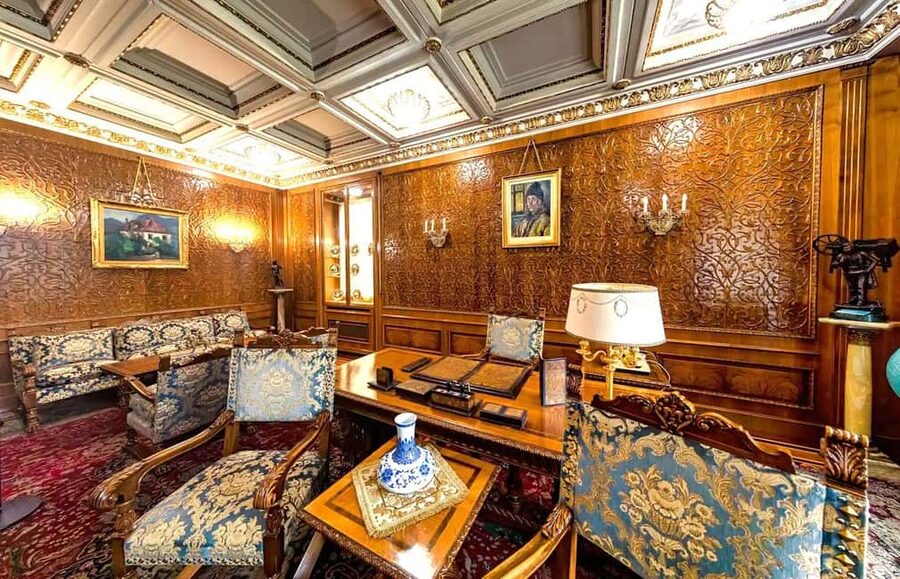
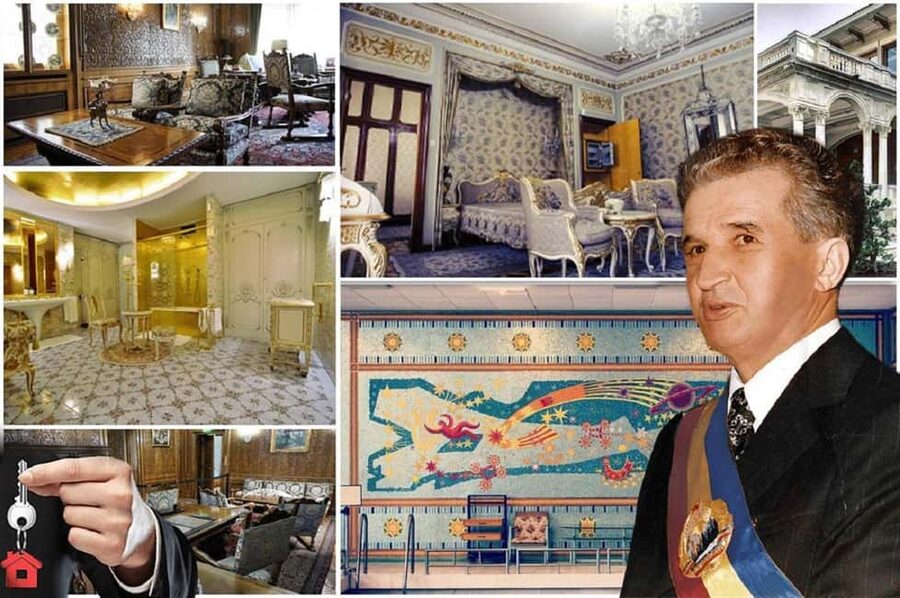
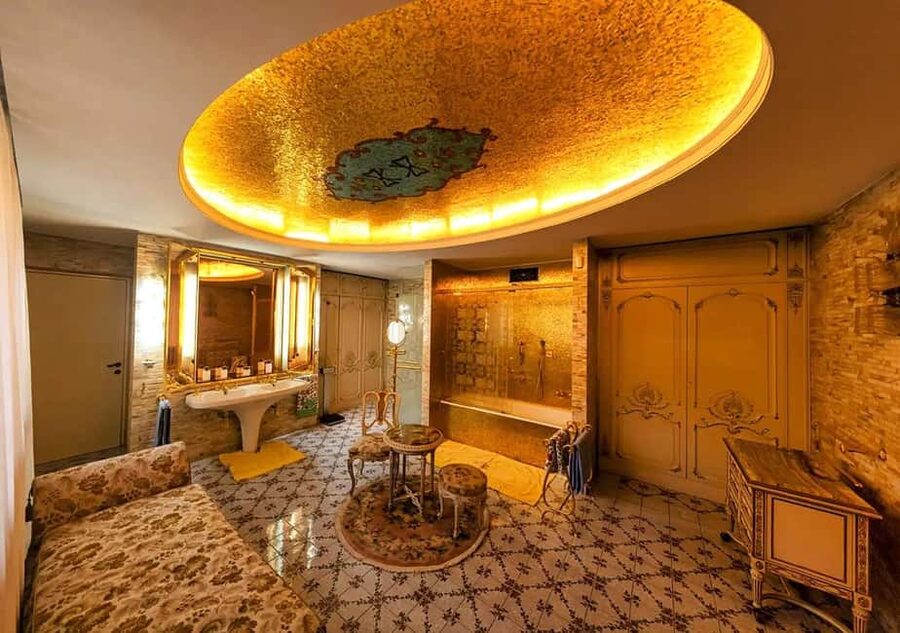
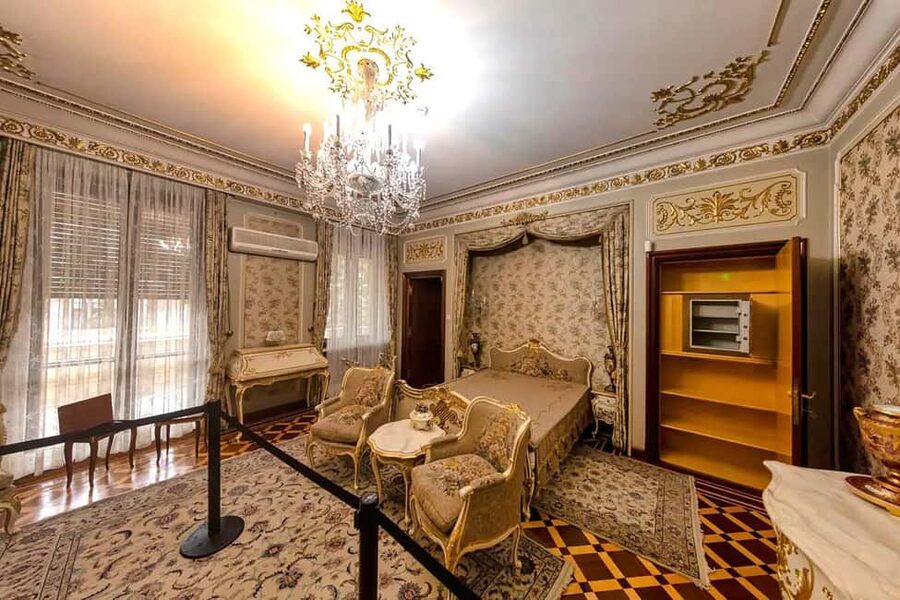
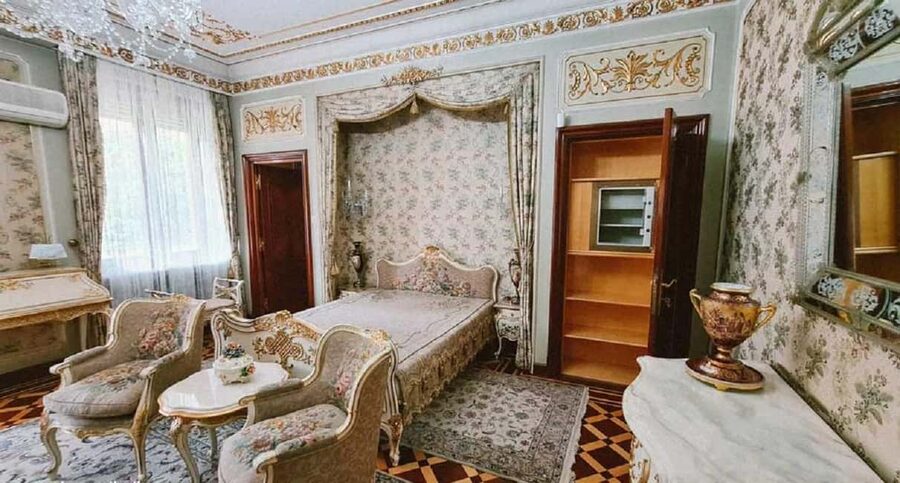
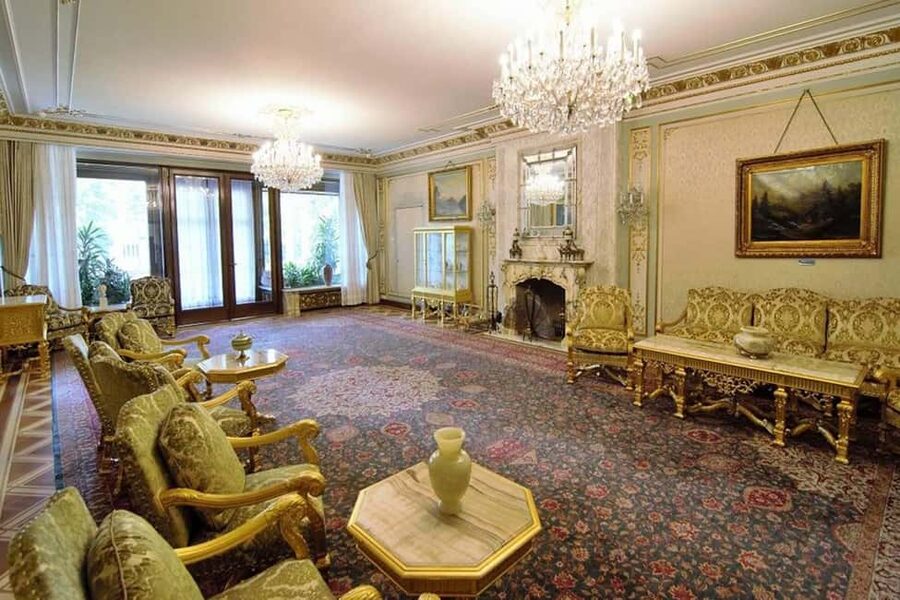
Next comes the Ceaușescu Mansion, described as the former lavish home of Nicolae Ceaușescu. This is the communist-era dictator’s private world, and the tour is designed to let you step inside and actually see the contrast between luxury and regime control.
Expect to tour the luxurious interiors and private rooms where Ceaușescu lived until 1989. This isn’t presented as a cozy “celebrity home” stop. The building works best when your guide gives you the context for why this kind of wealth sat next to state power and hardship.
One detail you should know: the mansion is closed on Mondays. On those days, the visit is replaced or adjusted depending on availability. If your travel dates include Monday, check your exact plan after booking so you’re not surprised when the schedule shifts.
In terms of guidance quality, the name Gabriel shows up in feedback as a stand-out guide for clear explanations and an upbeat, keep-it-moving vibe. That kind of energy matters here, because the subject can get heavy fast—and a guide who keeps the group engaged can make the history easier to process.
Palace of Parliament: why this building feels bigger than your expectations
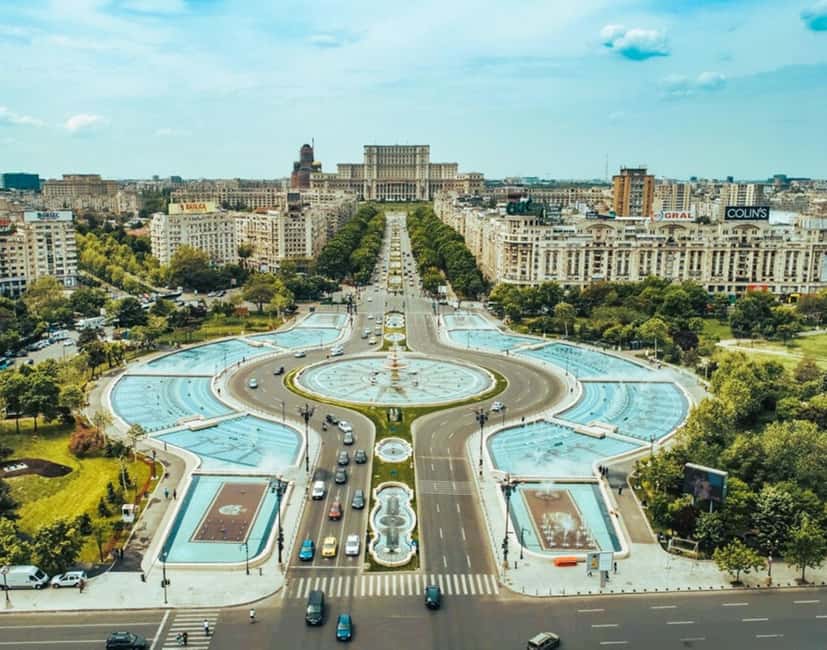
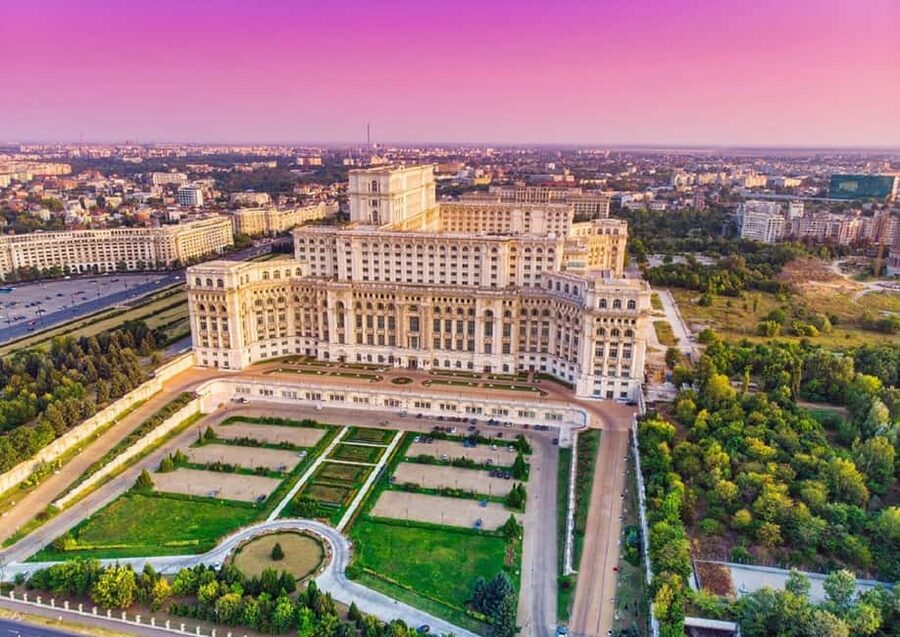
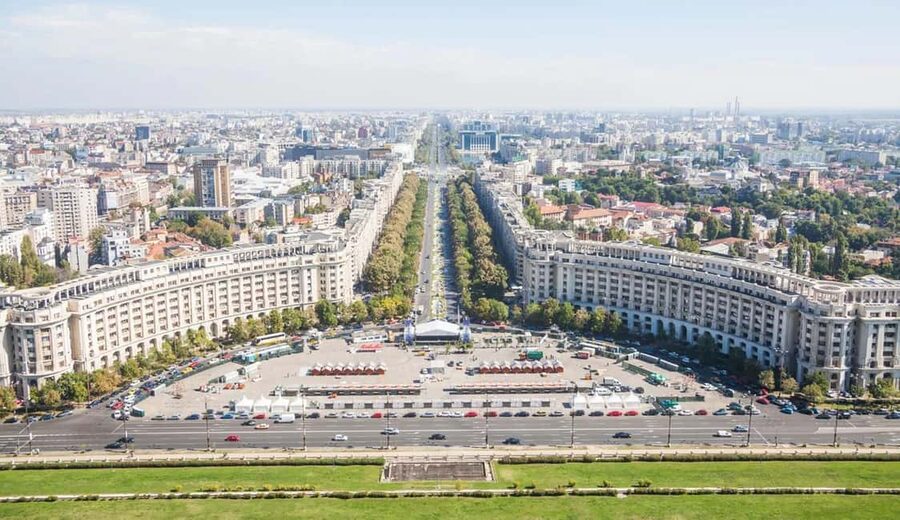
The tour ends at the Palace of Parliament, one of those places where photos never fully explain scale. It’s described as the second-largest administrative building in the world after the Pentagon, which gives you a sense of ambition before you even arrive.
Your guided visit includes the big-ticket features: grand halls, marble staircases, and ornate decoration. This stop is where the communist state’s physical presence is impossible to ignore. You don’t just learn about power; you walk through a structure designed to make power visible.
What makes this tour format useful is the order: you go from village life to private luxury to monumentality. By the time you’re standing inside the palace, you’ve already trained your eye to notice how each place reflects a different kind of control—community life, personal privilege, and state grandeur.
Practical note: like the mansion, Palace entry requires a valid photo ID. The tour includes skip-the-line access via a separate entrance, which helps you avoid wasting time in queues during the day.
Timing, coach comfort, and how to get the most out of a short day
This is a guided bus tour, meaning you trade some freedom for efficiency. The upside is clear: you’re not piecing together separate tickets, directions, and meeting points. You’re also getting a steady rhythm of movement—about 20 minutes by coach between sites—so the day doesn’t feel like a marathon.
The vehicle is listed as modern and air-conditioned, which is a relief if you’re touring in warm weather. The duration is set, so you can plan your evening without guessing how long each museum might take.
One small rule to remember: alcohol and drugs are not allowed, and alcoholic drinks in the vehicle are not allowed either. It’s a good reminder to keep things sensible so you can focus on the sights.
Group style is listed as private or small groups available. Even if you’re not in a fully private group, small-group energy tends to make the guide’s explanations easier to follow, especially in museums and interiors.
Languages and guides: what you’ll understand during the tour
The live guide is offered in English, plus other languages including Spanish, Italian, and Bulgarian. If you prefer extra listening support, there’s also an optional audio guide with a long list of languages (German, French, Chinese, Hebrew, Greek, Turkish, Polish, Portuguese, Russian, Croatian, Danish, Dutch, Norwegian, Swedish, Finnish, Serbian, Lithuanian, Latvian, Estonian).
You don’t need to know all of that to enjoy the tour, but it matters if you’re traveling with someone whose first language isn’t English. The structure makes it possible to follow along without losing the thread when the political subject gets specific.
Price and value: why this can be a bargain, and what’s not included
The tour price is listed as $1.27 per person, and it’s hard not to do a double-take at that number. The key is what the price covers versus what it doesn’t.
What you’re getting as part of the tour:
- Round-trip coach transportation (modern, air-conditioned)
- A live guide
- Skip-the-line entry via a separate entrance
- Pick-up and drop-off at Bulevardul Regina Elisabeta 3
What’s not included:
- Entrance tickets for the Village Museum, Ceaușescu Mansion, and the Palace of Parliament
- Food and drinks
- Personal expenses
So the value here is mostly the logistical glue: the guide plus transport plus skip-the-line help. If you’re the type who hates queue stress and wants context as you walk, the money goes further than it looks on the surface.
After booking, the operator says they can assist you with purchasing tickets to help secure skip-the-line access and avoid queues. That’s useful because it means you’re not left figuring out ticket timing on your own right before entry.
Who should book this tour (and who should skip it)
This tour fits best if you want:
- A structured 6-hour overview of Bucharest’s major themes: village life, dictatorship-era luxury, and communist monumental architecture
- Efficient transportation and guided context rather than self-planning
- An easier entry day thanks to skip-the-line handling (as long as you have your ID)
It’s less ideal if:
- You don’t travel with a valid passport or national identity card. Without the right ID, you can be denied entry to two of the three key sites.
- You need a super flexible schedule. This is timed and coach-based.
- You’re looking for a long, slow museum day. This route is built for multiple stops, not lingering for hours in one building.
One more constraint in the details: it’s not suitable for people over 95 years. If that affects your group, look for alternatives with less walking and fewer transfers.
Should you book Palace of Parliament, Ceaușescu House & Village Museum?
If you like your travel days organized and story-driven, book it. The format makes sense: it starts with everyday Romania, then moves toward the personal face of dictatorship, and finally lands on the state’s architectural megaphone.
Before you commit, do a quick checklist:
- You have your passport or national identity card ready for the Palace and the mansion.
- You’re okay paying entrance tickets separately.
- You don’t mind a packed 6-hour route with coach transfers and guided time at each stop.
If those boxes are checked, this is a strong way to understand Bucharest beyond viewpoints and photo ops. You’ll leave with clearer mental connections between rural life, political power, and monumental design—and you won’t have spent your afternoon wrestling logistics.
FAQ
How long is the tour?
The duration is listed as 6 hours.
Where does the tour pick up and drop off?
Pick-up and drop-off are listed at Bulevardul Regina Elisabeta 3.
Is transportation included?
Yes. The tour includes round-trip transportation by modern, air-conditioned vehicle.
Are entrance tickets included in the tour price?
No. Entrance tickets to the Village Museum, Ceaușescu Mansion, and the Palace of Parliament are not included.
Is skip-the-line access included?
Yes. The tour includes skip-the-line through a separate entrance.
What ID do I need for the Palace and the Ceaușescu Mansion?
You need a valid photo ID, either a passport or a national identity card. Entry can be denied without it.
Is the Ceaușescu Mansion open every day?
No. On Mondays, the Ceaușescu Mansion is closed, and the visit is replaced or adjusted depending on availability.
What languages are available for the live guide?
Live guide languages listed include English, Spanish, Italian, and Bulgarian.
Can I use an audio guide?
Yes. An optional audio guide is available in many languages, as listed by the tour provider.
Are alcoholic drinks allowed on the vehicle?
No. Alcoholic drinks in the vehicle are not allowed, and alcohol/drugs are also not allowed.