REVIEW · SPLIT
Grand Split Walking Tour with Diocletian’s Palace
Book on Viator →Operated by Redono d.o.o. · Bookable on Viator
Split’s stone maze makes sense with a guide. This Grand Split Walking Tour strings together the big-ticket sights in the old town, then explains what you’re actually looking at—especially inside Diocletian’s Palace. I love the way the tour keeps moving between iconic spots and quick photo stops, so you get bearings fast. I also like the value angle: you’re paying for a professional local guide, and the Diocletian’s Palace admission is listed as free, with taxes included.
One possible downside: it’s marketed as a small-group experience (15 or fewer), but there has been at least one real-world instance of a much larger crowd when groups were split into two.
In This Review
- Key Things I’d Watch For Before You Go
- The Big Idea: Why This Tour Works in Split
- Where You Start and How the Walk Is Set Up
- Stop by Stop: What You’ll See and Why It Matters
- Diocletian’s Palace: The 1,700-Year Center of Gravity
- City Clock at City Square: The 24-Hour Sun Clock Moment
- Riva Harbor: The Promenade Where Split Breathes
- Narodni Trg (Pjaca Square): Where Power and Public Life Intersect
- Other Must-See Areas You’ll Likely Pass With Explanations
- How Long It Actually Takes (And Why Timing Changes the Feel)
- Small-Group Size: What You Get for the Money
- The Guide Factor: Local Storytelling That Makes Stone Talk
- What You Should Bring (So You Don’t Hate the First 20 Minutes)
- Not Included: Food, Drink, and the Extra Steps
- Is It a Good Fit for You?
- Should You Book This Grand Split Walking Tour?
- FAQ
- FAQ
- What is the duration of the tour?
- Where do I meet the guide?
- Does the tour include Diocletian’s Palace admission?
- What sights are covered during the walk?
- Is it offered in English?
- What’s included in the price?
Key Things I’d Watch For Before You Go
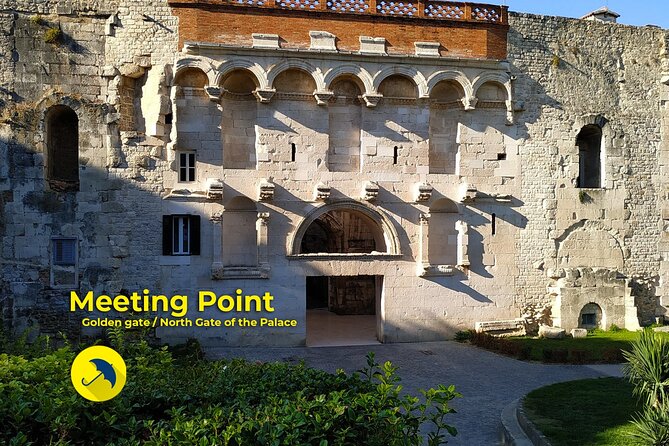
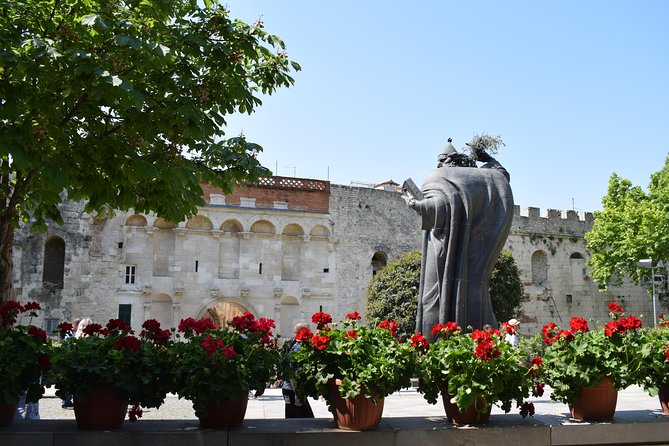
- Meet at Golden Gate by Gregory of Nin: easy landmark pickup near the statue, and you finish back there.
- Short, efficient route: an hour and a half to about two hours of walking that hits the major landmarks without dragging.
- Roman-meets-modern city plan: you’ll see how Diocletian’s Palace fits into today’s Split streets.
- Quick hits on standout squares and promenades: Riva, Pjaca (Narodni Trg), and the city clock.
- Local guide energy matters: guides like Mia, Ante, Jakov, Ivan, and Slavik show up in feedback for making the walk feel alive.
- Heat and crowd management: in busy months, tight lanes can feel crowded; one review flagged an overbooked situation.
The Big Idea: Why This Tour Works in Split
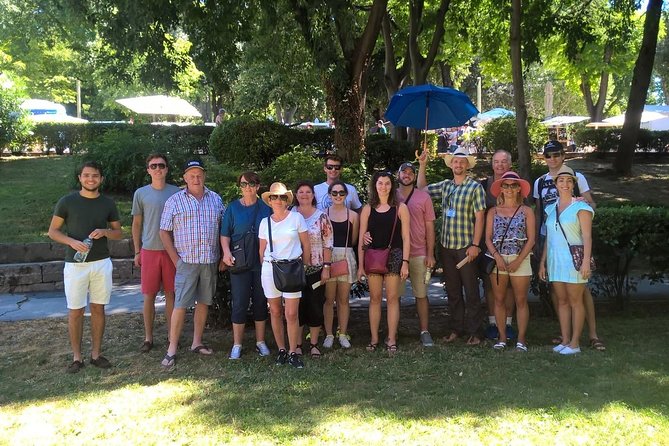
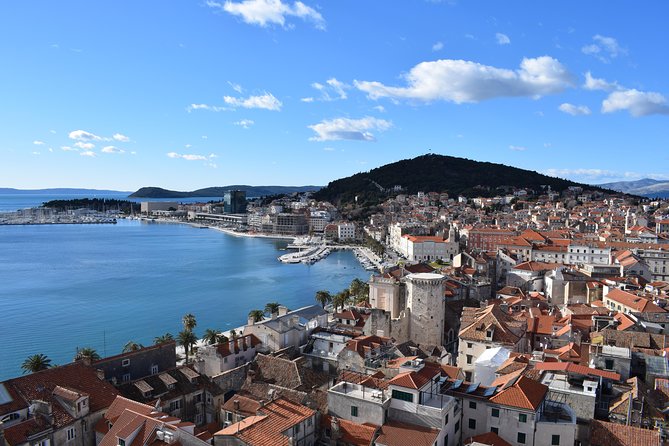
If you only do one guided walk in Split, this is the kind of tour that helps you understand the whole layout. Diocletian’s Palace is the core, but Split is what grew around it. With a guide, you’re not just walking through pretty stones—you’re learning how the spaces connect: palace corridors, public squares, churches, and the streets where people still live their daily lives.
The pace is also a smart match for a first day. You get a concentrated highlight reel—plus enough context to make it worth revisiting spots later on your own. And at about $21.78 per person, it’s not priced like a premium attraction ticket. You’re mainly buying time with a guide, not an expensive entry fee.
Still, keep expectations grounded. Even though the tour is designed for small groups, old towns can turn into bottlenecks. One account noted an oversized crowd situation where groups were separated into two, so your experience may depend on timing and how the day runs.
You can also read our reviews of more tours and experiences in Split.


Where You Start and How the Walk Is Set Up
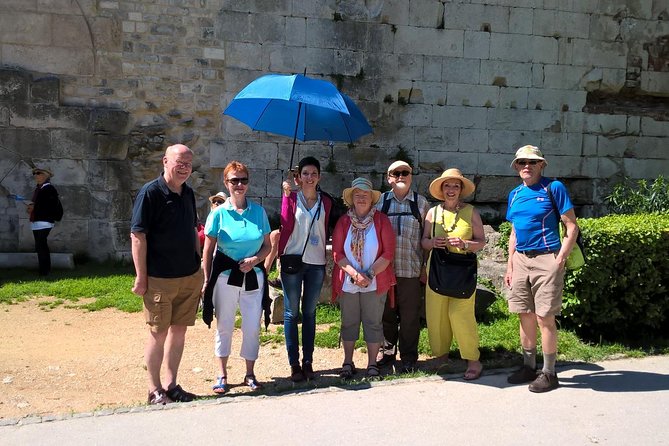
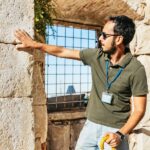
You’ll meet at Split’s Golden Gate, at Dioklecijanova 7. The meeting point is near the Statue of Gregory of Nin, which is handy because it’s visible and central. The tour ends back at the original meeting spot, so you’re not spending your evening trying to navigate back through confusing alleys.
Departure times vary, and you can pick a time that fits your day. Since the route is walking-focused, I’d choose a slot that avoids your worst heat window. Even if the tour says it runs in all weather, it’s still your feet on cobblestones—dress for the day you get.
Small group size is part of the pitch, with a limit of 15 or fewer in the concept. One detail to keep in mind: the activity also notes a maximum of 49 travelers, so in busier stretches you may see some crowd-control logistics that aren’t as calm as the ideal “small group” scenario.
Stop by Stop: What You’ll See and Why It Matters
Diocletian’s Palace: The 1,700-Year Center of Gravity
The main stop is Diocletian’s Palace itself, labeled as an admission ticket free visit. This is where Split’s story stops being abstract. The palace walls and passages show you the Roman logic of defense, power, and planning—then you watch that planning turn into a living neighborhood.
Even when you’ve seen photos, the scale hits differently in person. This is one of those places where a guide saves you from walking past details that would otherwise look like random doorways or old stone textures. You’ll get explanations about architecture, history, and art, plus a sense of how the palace became the foundation for the modern city.
Practical tip: wear shoes with traction. The old town is walkable, but it can be slippery or uneven when conditions shift. Also, if you want photos, don’t wait until the palace areas are packed—aim to shoot early in each cluster.
City Clock at City Square: The 24-Hour Sun Clock Moment
Next you’ll head to the City Square to see the famous 24-hour clock, often described as a sun clock. It’s a short stop, but it’s memorable because it’s functional history. This is the kind of object that makes you realize these streets weren’t built only for looks—they tracked time, routines, and daily rhythms.
The value here is context. With a guide’s explanation, a clock stops being a quirky photo object and becomes part of how the city lived.




Riva Harbor: The Promenade Where Split Breathes
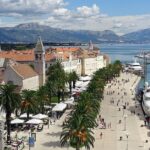
Then comes Riva, the busy waterfront promenade—Split’s “meet, stroll, and snack” spine. Even if you’ve heard of Riva already, a guided stop gives you something more useful than a casual walk: you understand why this area became such a social center and how it fits into the city’s layout.
This stop is quick (about 10 minutes), so it’s best as a snapshot stop. You’re not being asked to hang out for an hour. You’ll see it, get the context, and then you can decide if you want to come back later for a slower linger.
Narodni Trg (Pjaca Square): Where Power and Public Life Intersect
Narodni Trg is the spot where the old civic logic becomes visible again. You’ll see Pjaca square and learn about its importance in the past. In a city where layers stack—Roman foundations, later additions, and modern life—square history matters. It helps you understand how crowds gathered, how buildings were used, and how the city’s “public rooms” shaped everyday life.
This is another quick stop, but it sets you up for understanding the cathedral and palace-adjacent areas later in the walk.
Other Must-See Areas You’ll Likely Pass With Explanations
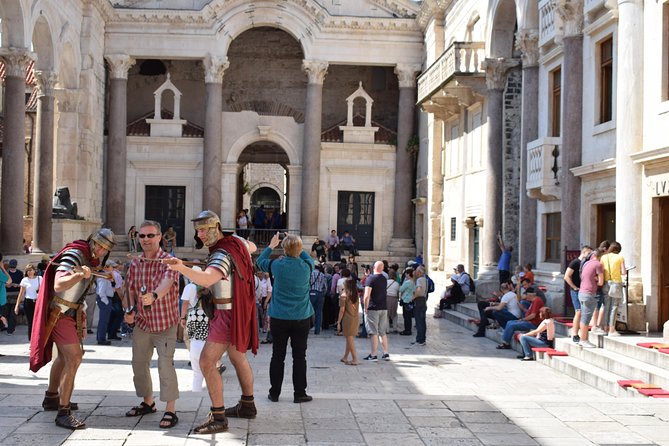
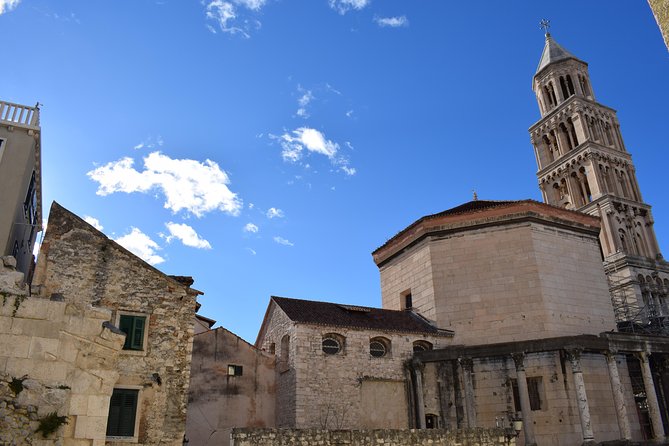
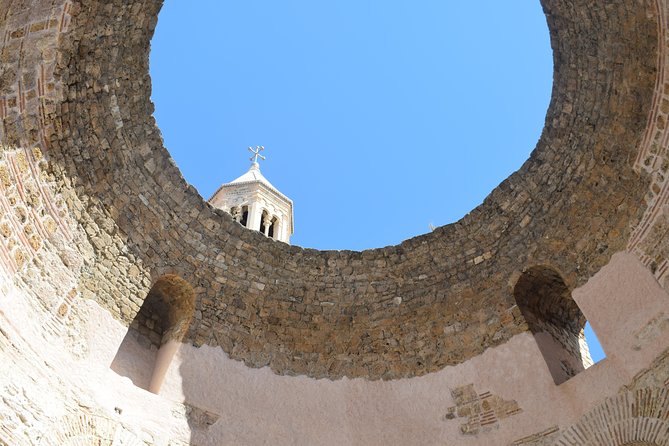
The tour’s overview also mentions that you’ll stop at several additional landmarks long enough for photos and commentary. The big ones include Peristil, St. Duje Cathedral, and Diocletian’s Palace supporting spaces like the Vestibul. There’s also time set aside to cover the overall Split architecture and art themes, not just one building.
Here’s why that matters: Diocletian’s Palace isn’t a single attraction. It’s a complex that connects to the city’s public spaces. A good guide ties these pieces together so you’re not left thinking you saw a palace and a church and a clock. Instead, you see a system: entrances, courtyards, transitions from palace to city, and what changed over time.
And yes—there’s often room for fun context, like the Game of Thrones trivia angle that showed up in feedback. It’s not the main point, but it helps the facts stick without turning the walk into a lecture.
How Long It Actually Takes (And Why Timing Changes the Feel)
The tour is listed as about 1 hour 30 minutes, but the walking description also references roughly two hours of pavement. In practice, expect something in that range depending on crowd flow, questions, and how much time your guide spends on the palace details.
This time window is ideal for first-timers. Long enough to get the “this is what you’re seeing” explanations, short enough that you still have energy to explore on your own afterward. It’s also a good fit if you’re juggling limited vacation time.
The other thing timing affects: crowding. Split’s old town can get tight, especially in high season. One review noted a large group situation due to overbooking, so if you want a calmer experience, consider picking a departure earlier in the day or a less obvious time.
Small-Group Size: What You Get for the Money
At $21.78, you’re not buying a luxury tour. You’re buying a guided walk that concentrates your time around the highest-value sights. The pricing also benefits from what’s included: the professional local guide, sightseeing of the palace, and taxes/fees.
The small-group limit of 15 or fewer is crucial here because you’ll hear explanations clearly and have a better chance to ask questions without shouting. That said, one account flagged that the group got larger than expected. So your best odds are with a departure that isn’t peak-saturation and a day when operations run smoothly.
In other words: this tour is built for value and focus, but you should still expect old-town conditions.
The Guide Factor: Local Storytelling That Makes Stone Talk
A walking tour lives or dies on the guide. In the feedback, the most praised guides were locals who could explain Split in plain language and keep it engaging. Names that show up include Mia, Ante, Jakov, Ivan, Slavik, Antonia, and Tino, among others.
What the best guides seem to do:
- Keep stops tight (so you see more, not less)
- Add human stories and clear architecture explanations
- Offer practical tips at the end (food and what to do next)
One useful detail: a guide named Tino in one account was praised for keeping comments short at each stop and staying organized in crowded areas. That’s exactly what you want—structure and momentum, especially when streets get busy.
What You Should Bring (So You Don’t Hate the First 20 Minutes)
The tour runs in all weather conditions, so plan for sun and rain. That doesn’t mean you’ll be out in a storm for hours—it means you should be ready to walk through whatever the day gives you.
I’d pack:
- Comfortable walking shoes for stone streets
- Water, especially in heat
- A hat or something to shade your face during Riva and open squares
- A light layer if evening air feels cooler
Also, if you’re planning church or museum visits beyond the tour stops, keep in mind that the tour may not include getting inside every site. For example, one review pointed out that getting inside churches and museums wasn’t included—so treat the walk as “see and understand,” not “fully ticketed admission to everything.”
Not Included: Food, Drink, and the Extra Steps
Food and drinks aren’t included, and hotel pickup/drop-off isn’t included. That’s normal for a walking tour, but it affects your day planning.
If you want a smooth schedule, you’ll probably eat before or after the tour. If you’re hungry mid-walk, you can pause, but you’ll lose time. The best way to keep the tour enjoyable is to treat it as a starter: do it early, then use your energy for lunch afterward.
Is It a Good Fit for You?
This is a strong choice if you:
- Want a first-day overview of Split’s key sights
- Prefer walking with context over wandering randomly
- Like Roman architecture and city planning
- Want a guide to connect palace spaces to modern streets
It’s also a good match for couples and families. One review mentioned that children ages 10 and 13 found it enjoyable, which suggests the guide can keep things moving without getting too technical.
If you dislike group settings or you’re very sensitive to crowds, consider picking a quieter departure time. And if you’re hoping for a super-fast, no-explanation route, this tour includes commentary and stops long enough to learn—so you’ll want to be in the mood for that.
Should You Book This Grand Split Walking Tour?
I think it’s a smart booking for most first-time Split visitors. For $21.78, you get a professional local guide and a structured loop through Diocletian’s Palace and the nearby “big names” like Riva, Pjaca square, and the city clock. The tour’s main strength is how it turns the old town from confusing stone into a map you understand.
If you’re the type who thrives on clarity and local context, book it. Do it early in your trip so the rest of Split makes sense. If you’re extremely crowd-sensitive, choose a less busy time and have a backup plan for photos when streets compress.
FAQ
FAQ
What is the duration of the tour?
The tour is listed at about 1 hour 30 minutes, with the walking description describing about two hours of walking time depending on pace and flow.
Where do I meet the guide?
You meet at Split’s Golden Gate at Dioklecijanova 7, near the Statue of Gregory of Nin.
Does the tour include Diocletian’s Palace admission?
The tour information lists Diocletian’s Palace as admission ticket free, and the tour includes sightseeing of the palace.
What sights are covered during the walk?
You’ll see Diocletian’s Palace, the City Clock at City Square, the Riva promenade, and Narodni Trg (Pjaca square). The tour overview also mentions Peristil, St. Duje Cathedral, and areas like the Vestibul.
Is it offered in English?
Yes, the tour operates in English.
What’s included in the price?
Included are a professional local guide, sightseeing of Diocletian’s Palace, and all taxes, fees, and handling charges. Food and drinks are not included.