REVIEW · HIROSHIMA
Hiroshima; Hiroshima Peace Memorial Museum and Castle Tour
Book on GetYourGuide →Operated by Fukuhara tours · Bookable on GetYourGuide
Hiroshima hits fast, and this tour explains why. In just 3 hours, you move from the Peace Memorial Museum to the Peace Memorial Park and the Atomic Bomb Dome, then wrap with a look at Hiroshima’s older samurai past at Hiroshima Castle. It’s heavy material, but the pacing and local guide turn it into something you can actually carry with you.
What I love most is the hands-on guidance: you’re not just walking—you’re learning. The tour also includes museum entry and even traditional Hiroshima snacks, so you’re not juggling tickets and hunger in the middle of a serious visit.
One consideration: some museum exhibits are graphic, and you’ll want comfortable shoes and a steady stomach for what you’ll see. Also, it’s not listed as suitable for wheelchair users and there’s an age limit of not for people over 95.
In This Review
- Key Takeaways on This Hiroshima Peace and Castle Tour
- Hiroshima in 3 Hours: A Lot of Meaning, Not a Lot of Wandering
- Meet at the Taxi Stand Near the Museum: Why the Start Matters
- Hiroshima Peace Memorial Museum: What the Guide Helps You Actually See
- Peace Memorial Park with a Specialist Guide: Meaning Beyond the Photos
- Atomic Bomb Dome and the Hypocenter Area: Where the Day Turns Real
- Beyond the Big Icons: Atomic-Bombed Buildings and Gokoku Shrine
- Hiroshima Castle: Samurai Swords, Helmets, and a Reset in Tone
- Price and Value: Is $67 Actually Fair for What You Get?
- Who This Tour Fits Best (and Who Might Skip It)
- Practical Tips for Comfort and Focus
- Should You Book This Hiroshima Peace and Castle Tour?
- FAQ
- How long is the Hiroshima Peace Memorial Museum and Castle tour?
- Where is the meeting point?
- What’s included in the price?
- What is not included?
- Does the tour help with ticket lines?
- Are there guided parts throughout the tour?
- Which sites does the tour cover?
- What languages are available for the live guide?
- Is the tour wheelchair accessible?
- Is there a cancellation policy?
Key Takeaways on This Hiroshima Peace and Castle Tour
- Skip-the-line museum entry keeps you focused on the stories, not queues
- Expert-style guidance at the park and hypocenter area helps the memorial make emotional sense
- Atomic Bomb Dome + hypocenter focus ties a single landmark to the broader tragedy
- Other atomic-bombed buildings and daily-life context add realism beyond the headlines
- Hiroshima Castle visit gives you a contrast chapter of local identity
- Small-route feel with guide tailoring shows up in guide comments like Maria, Ihsan, and Léo
Hiroshima in 3 Hours: A Lot of Meaning, Not a Lot of Wandering
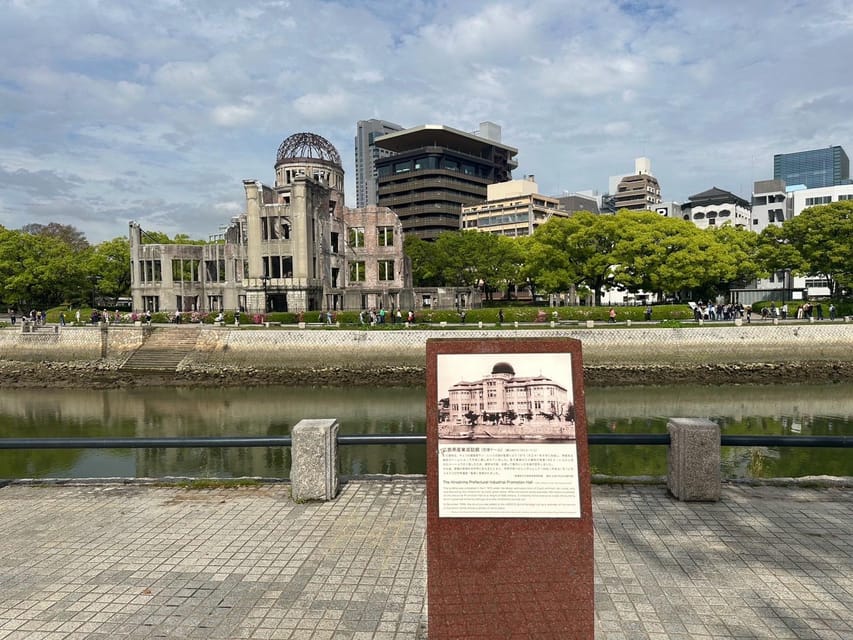
This is the kind of Hiroshima tour that makes sense on a time-crunched day. You get the big identifiers—Peace Memorial Museum, Peace Memorial Park, Atomic Bomb Dome—plus follow-through that many quick visits skip. And because it’s a walking tour with a guide, you’re not left decoding signage on your own.
The structure is also smart. You start with the museum (where the facts live), move into the park (where symbolism lives), then take you to the hypocenter area and the Dome (where it becomes physical). You end with Hiroshima Castle for a different time period, so your brain doesn’t stay stuck in one emotional gear.
You can also read our reviews of more tours and experiences in Hiroshima.

Meet at the Taxi Stand Near the Museum: Why the Start Matters
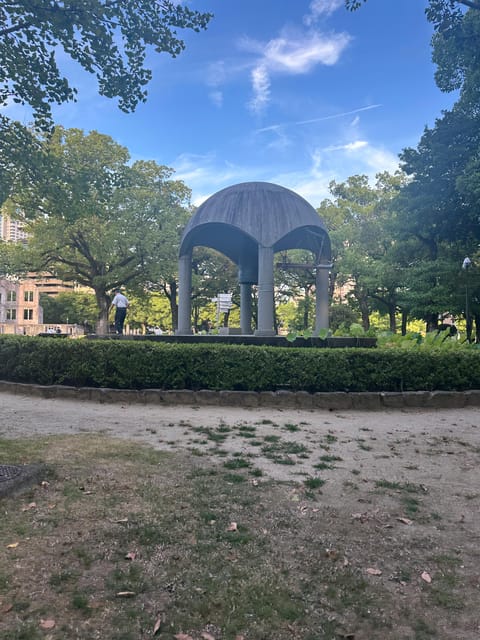
You’ll meet at the taxi stand near the Peace Memorial Museum area. That’s practical: you begin right where the day’s main theme starts, so the time pressure doesn’t steal your attention before you even enter.
The tour includes short photo stops along the way, which helps you balance remembrance with the reality of sightseeing. You’ll also do some on-foot walking between sites, so I’d plan to move at a relaxed pace. Even if you don’t consider yourself a long-distance walker, the day’s distances are built around short transitions, not marathon trekking.
Hiroshima Peace Memorial Museum: What the Guide Helps You Actually See
The Peace Memorial Museum visit is timed for about 1 hour. That’s a useful window because the museum is full of details—what you want is direction, not overwhelm.
I like that the tour is guided through the museum rather than treating it as free time. A guide helps you notice what the museum is doing: not just showing what happened, but showing what it changed. You’ll also see that the tour doesn’t try to rush you past your feelings; guide comments in the same spirit show patience with groups who want to read more slowly.
A note before you go: some exhibits depict the shocking horror of the atomic bomb. If you’re sensitive, ask beforehand so you can mentally prepare. Bringing that awareness into the visit is one of the best ways to get value without feeling blindsided.
Peace Memorial Park with a Specialist Guide: Meaning Beyond the Photos
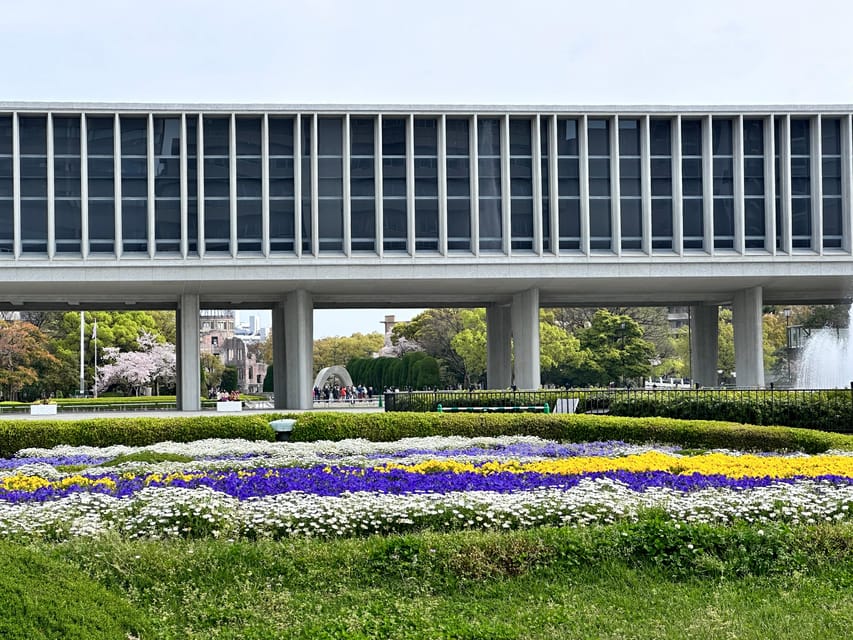
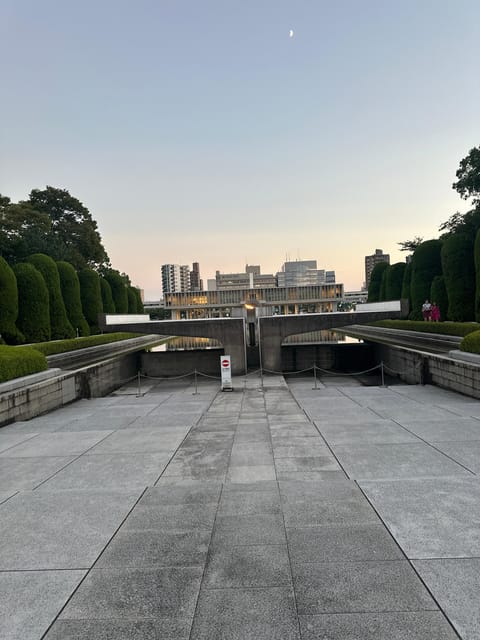
After the museum, you’ll move to Peace Memorial Park for another guided stretch of about 1 hour. This part matters because the park is where the memorial language turns from objects into ideas.
A good guide here can translate the intent behind key monuments—why certain elements are placed where they are, and what the memorial is asking you to carry forward. I’ve found that people often remember the museum’s shock, but it’s the park’s context that makes the experience stick in a practical way: you start understanding what people built afterward and what they wanted the world to learn.
You’ll have photo stops here too, but the goal isn’t just pictures. You’re walking through a designed space meant for reflection, and the guided commentary is what helps the symbols click rather than simply pass by.
Atomic Bomb Dome and the Hypocenter Area: Where the Day Turns Real
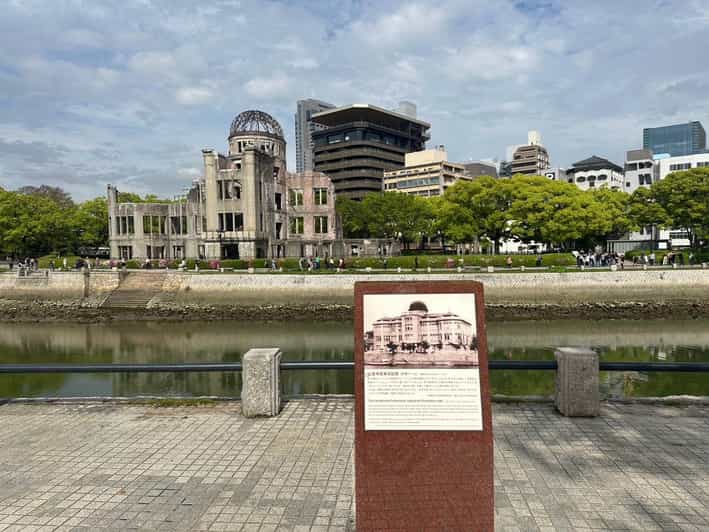
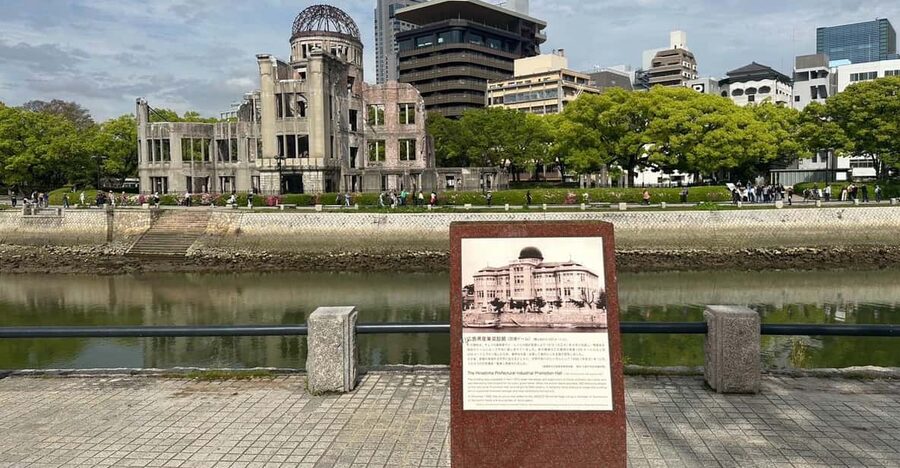
Next up is the Atomic Bomb Dome area with guided time of about 10 minutes plus a short on-foot segment afterward. Ten minutes sounds short—until you’re standing there and realize this isn’t about ticking off a site. It’s about connecting a specific location to a specific event.
The tour explicitly focuses on the hypocenter area with a guide. That matters because the Dome is an icon, but understanding the hypocenter concept helps you grasp scale and impact. It’s one thing to see a famous building; it’s another to understand how the event is framed in relation to the city.
This is also where the tour’s guided format earns its price. If you’re trying to understand the event on your own, you’ll rely on signs and background reading. With a guide, you can ask questions on the spot, and you’re not left guessing what to pay attention to.
Beyond the Big Icons: Atomic-Bombed Buildings and Gokoku Shrine
The experience includes more than just the headline landmarks. You’ll also visit remaining atomic-bombed buildings to learn about daily life in Hiroshima at that time and see the atomic bomb’s power up close.
That shift—from monument-level history to daily-life context—is the part I’d call the difference between a superficial visit and a meaningful one. Buildings that survived, and those that didn’t, become a map of lived experience. You start thinking in terms of neighborhoods, work, and ordinary routines, not only the moment of the blast.
The tour also includes a stop at Hiroshima Gokoku Shrine. That’s a thoughtful tonal pivot. After absorbing the memorial message, you’re given a place that reflects ongoing cultural continuity in Hiroshima, not just tragedy.
Hiroshima Castle: Samurai Swords, Helmets, and a Reset in Tone
About 40 minutes at Hiroshima Castle rounds out the tour. The castle stop is shorter than the Peace Memorial sites, and it works that way. You’re not replacing the memorial theme; you’re getting a contrast chapter—samurai-era life and the visual language of swords, helmets, and historical material culture.
I like that this isn’t a random add-on. Hiroshima isn’t a one-topic city, and the castle visit gives you a different lens for the same place. You’ll walk away with more than one story thread, which helps if you’re planning other stops later in town.
One practical detail: Hiroshima Castle tickets are not included. Plan for that extra cost if you want full entry rather than only outside views.
Price and Value: Is $67 Actually Fair for What You Get?
At $67 per person for a 3-hour guided walking tour, the value comes from three things that are hard to replicate solo.
First, you get museum entry included, plus traditional Hiroshima snacks. That reduces decision stress during a long emotional visit. Second, the tour includes skipping the ticket line, which sounds minor until you’re standing at a busy attraction with a limited time window. Third, you’re buying guided interpretation for sites where the details matter—museum exhibits, memorial symbolism, and the hypocenter focus.
What’s not included is also clear: food and drink on your own, optional museum audio guide, and castle tickets. So the tour price is more like a guided “framework day” than an all-in-one package. If you’re the type who likes to learn and ask questions while you walk, this price usually feels right. If you’re the type who prefers to wander independently with audio guides and reading at your own speed, you may decide you’d rather do it on your own.
Who This Tour Fits Best (and Who Might Skip It)
This tour is a strong match if you want a structured introduction to Hiroshima’s most important WWII memorial sites, with someone helping you connect the dots. It’s also a good choice for first-time visitors who don’t have time for multiple museum-only days.
It’s less suitable if you need step-free access beyond what’s listed, since it’s marked not suitable for wheelchair users even though there’s also wheelchair accessibility noted. If accessibility is a priority, I’d confirm the practical details with the provider before booking.
Age matters too: it’s not suitable for people over 95 years. If your group includes older adults, ask about pace and breaks upfront.
Practical Tips for Comfort and Focus
Wear comfortable clothes and shoes for walking. You’ll be out enough to need traction and comfort, especially when emotions and concentration are high.
Also plan for the emotional temperature of the day. Some parts of the museum are graphic, so it’s smart to check beforehand if you want extra context or reassurance. If you’re prone to getting overwhelmed, you can make your own plan: slow down in the museum, then let the park guidance do the heavy interpretive work.
Finally, bring your curiosity. Guides in this style tend to answer questions well and keep pace with the group. If you have a specific interest—memorial design, the event timeline, or how Hiroshima rebuilt—this kind of tour is built to respond.
Should You Book This Hiroshima Peace and Castle Tour?
I’d book it if you want a guided, efficient way to understand Hiroshima beyond the famous photo spots. The museum + park + hypocenter emphasis is the core value, and the castle stop gives you a balanced wrap that keeps the day from becoming one note only.
I’d hold off or adjust your plan if you already know you’ll struggle with graphic exhibits, or if you prefer fully independent exploring with your own pace and no group guiding. And if you’re planning castle entry, budget for tickets since they’re not included.
If your goal is to leave with a clear sense of Hiroshima’s past and a working understanding of the memorial message, this tour is one of the most straightforward ways to get there in 3 hours.
FAQ
How long is the Hiroshima Peace Memorial Museum and Castle tour?
The duration is 3 hours.
Where is the meeting point?
You’ll meet at the taxi stand near the Peace Memorial Museum.
What’s included in the price?
The tour includes a walking tour, the Peace Memorial Museum ticket, traditional Hiroshima snacks, and a tour guide.
What is not included?
Food and drink are not included. The Peace Memorial Museum optional audio guide is also not included, and Hiroshima Castle tickets are not included.
Does the tour help with ticket lines?
Yes, it says it includes skip the ticket line.
Are there guided parts throughout the tour?
Yes. The museum and park are guided, and the hypocenter and Atomic Bomb Dome area are guided as part of the route. The castle visit also includes guided time.
Which sites does the tour cover?
It covers the Peace Memorial Museum, Peace Memorial Park, the Atomic Bomb Dome and the hypocenter area, other atomic-bombed buildings, Hiroshima Gokoku Shrine, and Hiroshima Castle.
What languages are available for the live guide?
The live tour guide is available in English, Hindi, Malay, and Urdu.
Is the tour wheelchair accessible?
The activity is listed as wheelchair accessible, but it is also listed as not suitable for wheelchair users. You should confirm the practical details before booking.
Is there a cancellation policy?
Free cancellation is available up to 24 hours in advance for a full refund.