REVIEW · KYOTO
Kyoto: Imperial Palace & Nijo Castle Guided Walking Tour
Book on GetYourGuide →Operated by TripGuru Japan · Bookable on GetYourGuide
Kyoto in three hours beats a checklist. This guided walk strings together Nijo Castle and the Kyoto Imperial Palace so you see two sides of Japan’s power in one afternoon. I like the tight plan, the small group size, and the way a good guide helps you read the buildings instead of just taking photos.
What I really liked is how the tour is built for attention. You get a guided visit at both stops, plus entrance fees covered for Nijo Castle (including the Ninomaru-goten Palace and a Painting Gallery).
One possible drawback: it is still a walking tour. If you’re sensitive to walking time, uneven paths, or you need lots of breaks, you may find this 3-hour format a bit demanding.
In This Review
- Key things that make this tour work
- Why Nijo Castle and Kyoto Imperial Palace belong together
- Nijo Castle: where the shogun-era details show up fast
- The biggest plus at Nijo Castle
- A consideration
- Kyoto Imperial Palace grounds: emperor-world without the confusion
- The biggest plus at the Imperial Palace
- A consideration
- The walking pace: how this stays enjoyable instead of exhausting
- Heat and comfort tip
- Price and value: what $49 really buys you
- Included entrance focus: the trade-off you should understand
- The guide experience: why it can feel better than solo sightseeing
- Who should book this tour, and who should skip it
- Should you book this Kyoto Imperial Palace & Nijo Castle guided walking tour?
- FAQ
- Where does the tour start and where does it end?
- How long is the walking tour?
- What entrance fees are included?
- Which languages are available for the guide?
- How big is the group?
- What should I wear or bring?
- Is hotel pickup included?
Key things that make this tour work
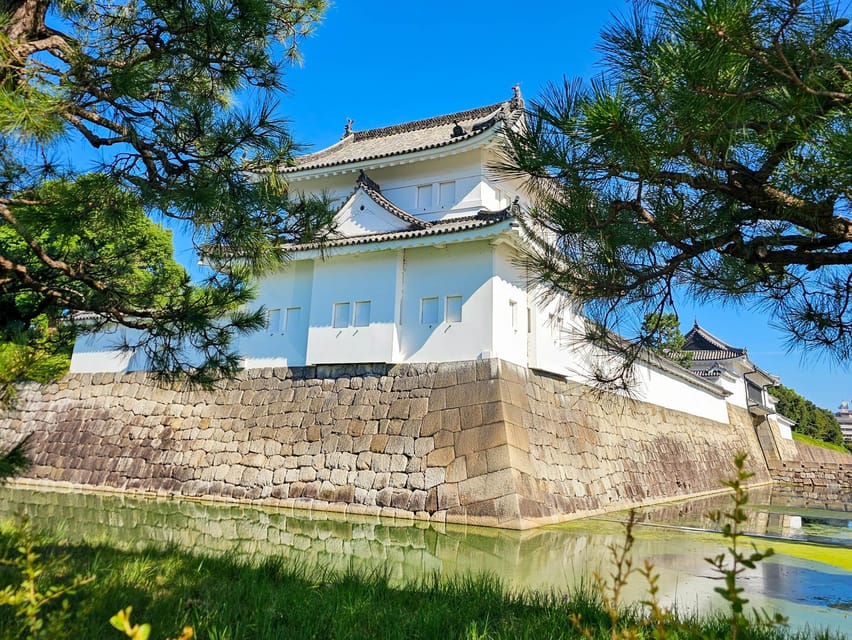
- Two power centers in one loop: Nijo Castle and the Imperial Palace show the shogun-vs-emperor contrast people talk about in Kyoto.
- Small group (up to 9): you’re less lost in a crowd, and questions actually get answered.
- Included entry where it counts: Nijo Castle includes the Ninomaru-goten Palace and Garden (plus a Painting Gallery).
- Guides focus on meaning, not just facts: expect explanations of how architecture, layout, and symbolism connect to Japan’s past.
- A practical finish point: the walk ends at Imadegawa Station, so you’re not stuck retracing steps.
Why Nijo Castle and Kyoto Imperial Palace belong together
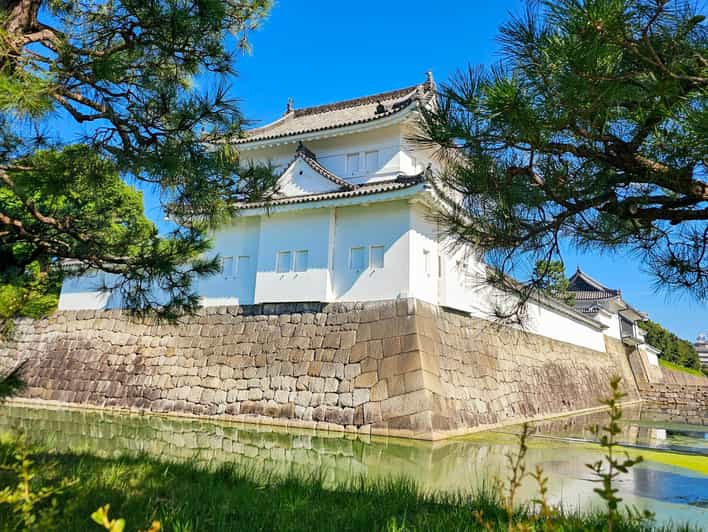
Kyoto is famous for temples, yet these two sites tell a different story: who held authority, how it was displayed, and how rules shaped daily life. The city was Japan’s capital for centuries, and the emperor’s residence was here for over a thousand years. Nijo Castle, tied to the shogunate era, gives you the counterpart of that imperial world.
Put them together and it clicks faster. Nijo Castle helps you understand the shogun system through built form: refined rooms, strict layout, and a sense of control. The Imperial Palace grounds shift your focus to court space—where ceremony and hierarchy mattered just as much. Even in just 3 hours, the comparison helps you stop thinking of Kyoto history as one long blur.
You can also read our reviews of more tours and experiences in Kyoto.
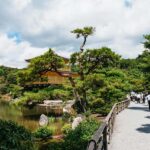
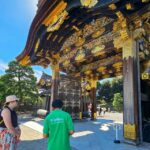
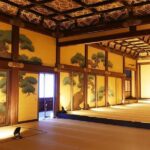
Nijo Castle: where the shogun-era details show up fast
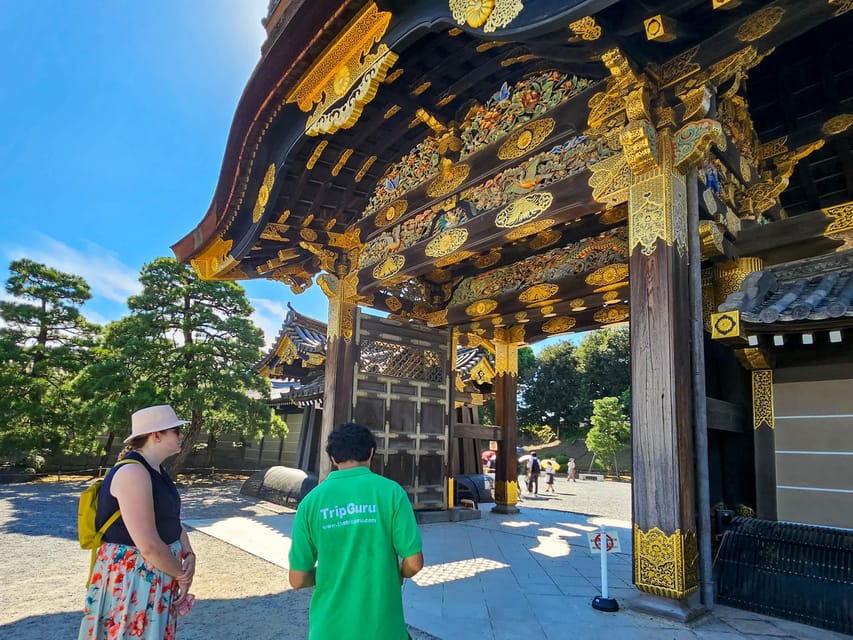
Your tour starts at Nijojo-mae Station (outside Exit 1). From there, you head into Nijo Castle for about an hour, guided the whole way.
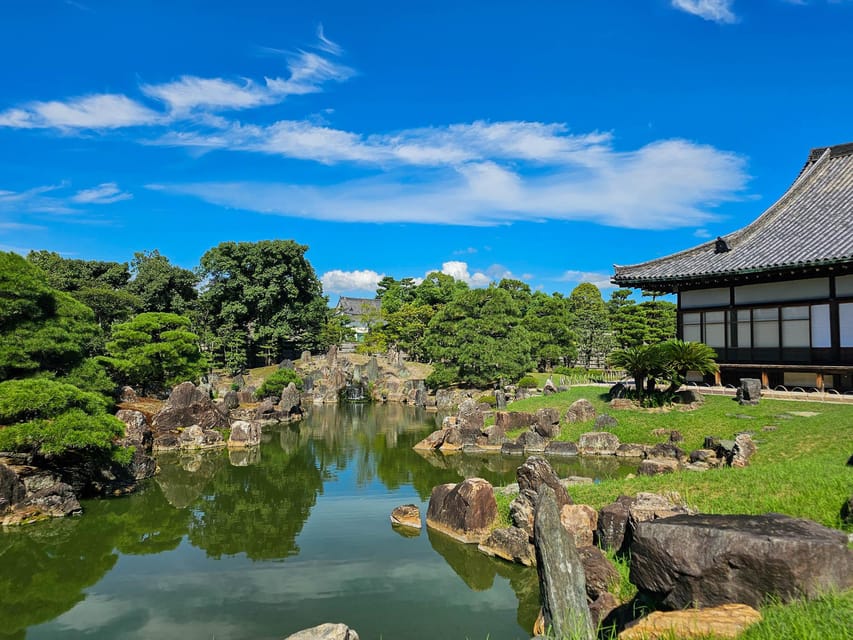
Here’s the key thing to know before you go: the guide brings you to specific areas—the Ninomaru-goten Palace and the Garden. That focus matters. A lot of people wander Nijo Castle on their own and miss how the spaces communicate status and rules. With a guide, you tend to notice the planned features: how rooms are arranged, how visitors are meant to move through the space, and how the design supports a controlled atmosphere.
Inside the covered areas, you’ll also find a Painting Gallery included in the tour. This is a smart add-on because it gives you visual context that matches the architecture. Instead of only reading wood and stone, you get cultural signals through art.
One more practical note: Nijo Castle is a place where cameras are worth it, but your best photos come when you know where to look. Guides on this tour are often praised for pointing out details you might walk past—small cues that explain why something is placed where it is. If you’re lucky enough to have a guide like Jasmine (or Vincent, or Alex), you’ll likely get clear explanations plus room for questions, which is where a lot of the value lives.
The biggest plus at Nijo Castle
You don’t just see a castle. You learn how the experience of being there was meant to feel—formal, staged, and carefully managed.
A consideration
Because the tour focuses on specific sections (Ninomaru-goten and Garden), you may not see every corner of the larger castle grounds in this short time. If your dream is a full self-paced Nijo Castle sweep, this guided format isn’t that. It is a guided highlight route.
Kyoto Imperial Palace grounds: emperor-world without the confusion
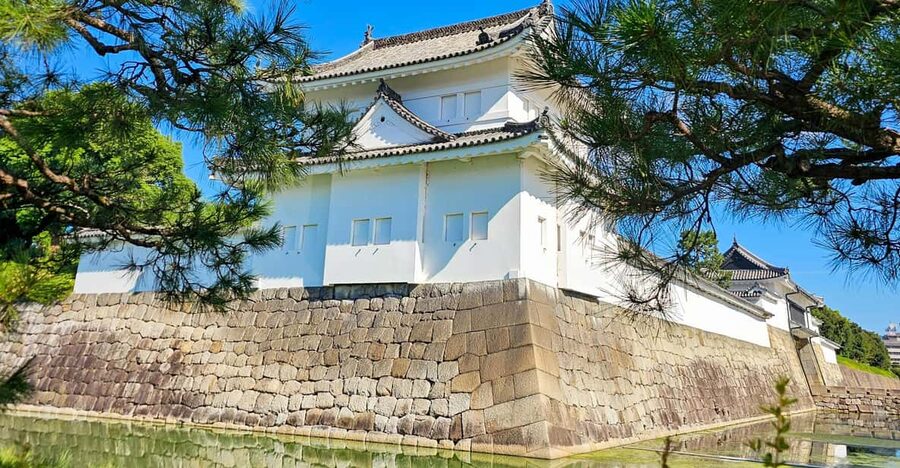
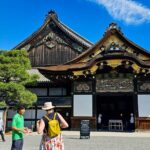
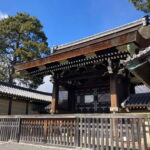
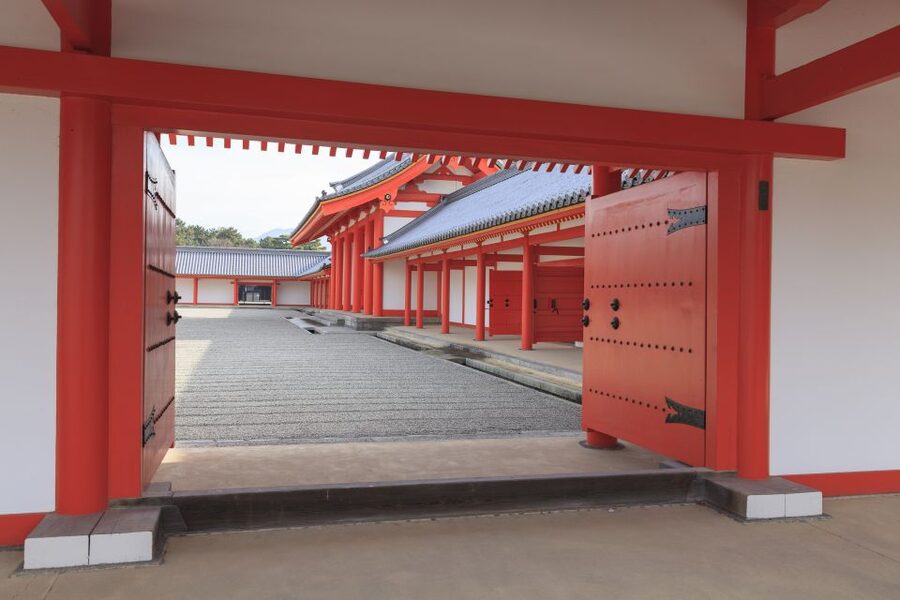
After Nijo Castle, you shift to the Kyoto Imperial Palace for another guided hour. Expect to spend your time understanding what you’re looking at—architecture, layout, and the role this residence played for Japan’s imperial family.
The grounds connect to that big timeline in an easy way. You’re not just hearing that the emperor lived here for generations; you’re walking through the space where that idea becomes tangible: the scale, the formality, and the feel of a residence built around ceremony.
One reason this stop works well in a short tour is that the guide can frame what makes a palace different from a fortress. Nijo Castle is about power displayed through feudal rule. The Imperial Palace grounds emphasize court life and governance through tradition and ritual. The contrast helps you understand why Kyoto feels so layered—temples and shrines are only one piece of the story.
In the Q&A, guides often link the buildings to modern culture and how people interpret the past today. You’ll also tend to get helpful photo guidance—where to stand, what angles show the structure best—without turning the whole experience into a photo shoot.
The biggest plus at the Imperial Palace
You leave with a clearer idea of how imperial authority was physically represented.
A consideration
The palace visit is on the grounds and through the guided experience. If your main goal is maximum interior access everywhere, keep expectations realistic for what can be covered in a 1-hour guided segment.
The walking pace: how this stays enjoyable instead of exhausting
This is a short day plan: about 3 hours total, built for a half-afternoon. You’ll walk between sites, and the route is designed around a guided rhythm rather than long free time.
The tour also runs in a small group limited to 9 participants. In practice, that usually means you’re not stuck at the back trying to hear over other people’s headphones. You can actually track what the guide is pointing out.
Two timing details matter:
- Be at the meeting point at least 10 minutes early. The guide waits up to 10 minutes before moving on.
- Morning traffic can be heavier than navigation apps suggest. If you’re traveling to Nijojo-mae Station, leave extra buffer.
What I’d do: if you’re planning a day with trains, try to keep this tour in the part of your schedule where delays won’t derail everything.
Heat and comfort tip
Reviews often mention summer conditions. If you’re going in warm months, bring water and consider a hat. Comfortable shoes are non-negotiable—your feet will do the work here.
Price and value: what $49 really buys you
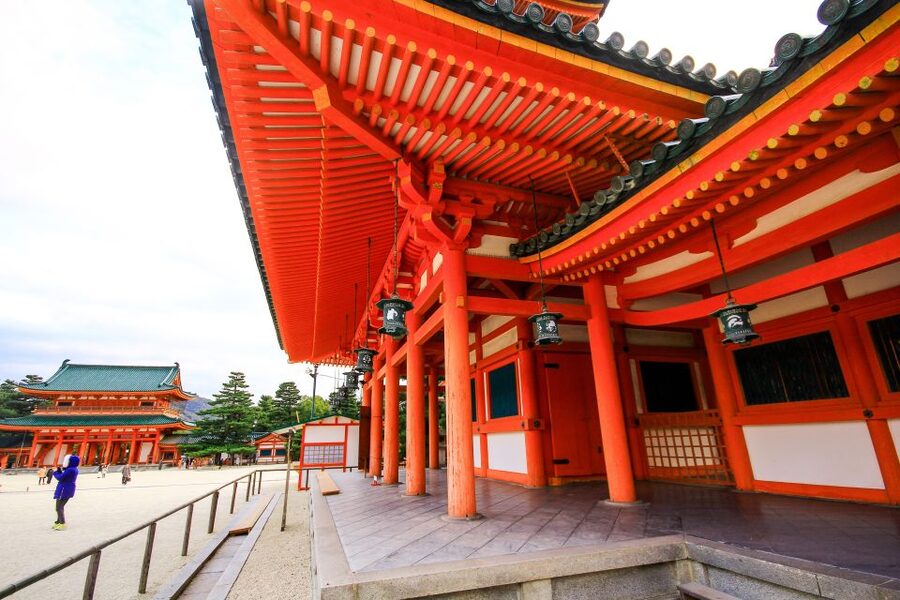
At $49 per person, this tour is priced for short, efficient sightseeing. The best part is what’s included:
- English-speaking tour guide
- Entrance fees for Nijo Castle, including the Ninomaru-goten Palace and Garden and a Painting Gallery
- Walking tour
What’s not included is also clear: meals and drinks, personal expenses, and no hotel pickup/drop-off.
So the value calculation is mostly about this: you’re paying for time saved and interpretation gained. Kyoto rewards planning, but too many tours in major cities turn into rushed checklists. This one uses the 3-hour window to cover two major historic sites with guided explanation—so you’re less likely to feel like you paid for access alone.
And if you’re the type who hates standing in lines without context, this structure helps. You go in knowing what to look for, and you can ask why specific details matter.
Included entrance focus: the trade-off you should understand
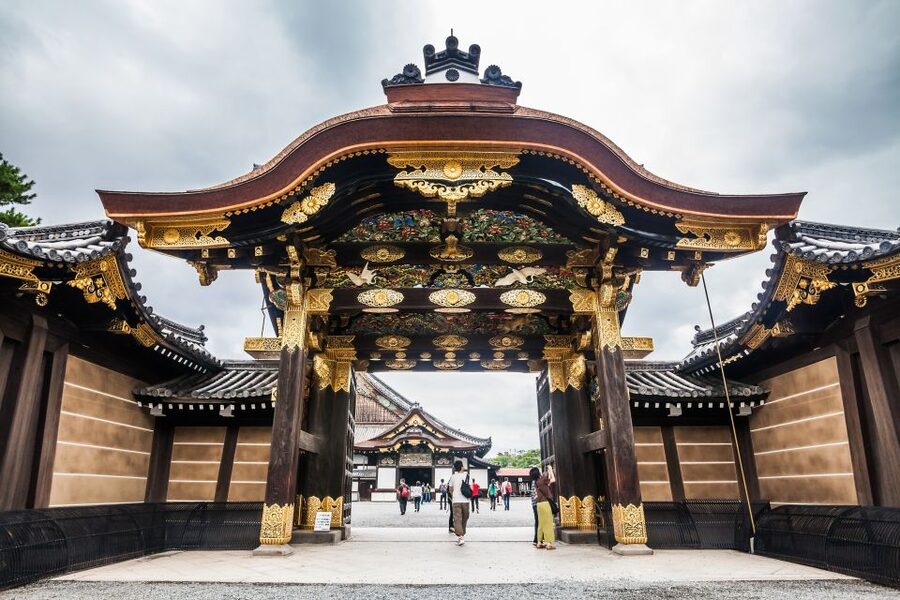
The tour’s Nijo Castle portion targets the Ninomaru-goten Palace and Garden. That means:
- You get a guided experience in the areas that connect strongest to the shogun-era story.
- You won’t treat it like a full grounds tour that covers every building and path.
This is a smart trade for most people doing Kyoto for the first time. But if you already have deep interest in Nijo’s entire property and you want maximum exploration, you might pair this with extra time on your own later—at least a small buffer.
The guide experience: why it can feel better than solo sightseeing
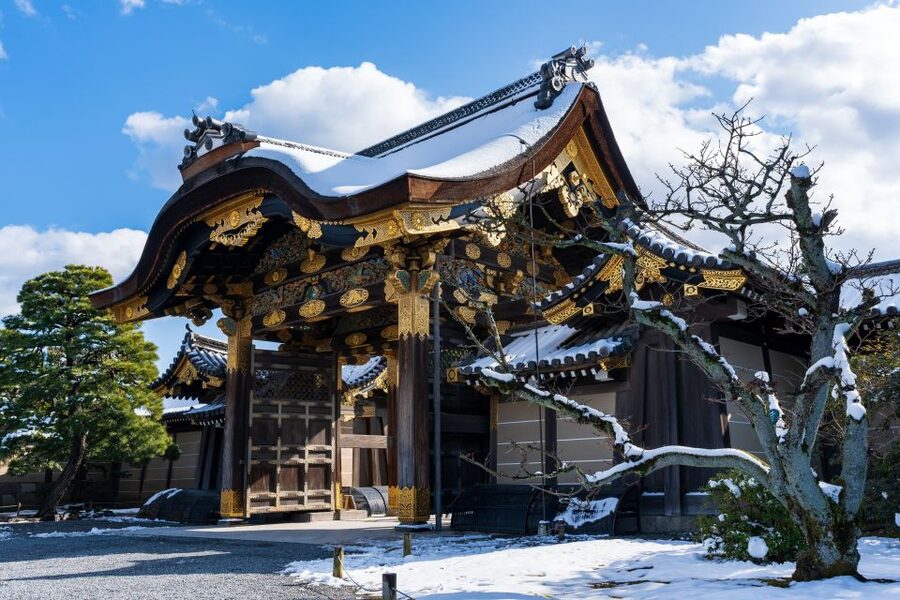
One of the most praised elements is how guides set context early, then keep answering questions as you go. People often mention that the guide gives an overview before starting. That simple step helps you get your bearings fast, and it makes later details feel connected instead of random.
You’ll also see a pattern in the kinds of guides who get high marks: they connect architecture to Japanese culture, and they explain the shogun vs emperor distinction without making it confusing. If you get a guide like Raphael Matsui, Cecilia, Jasmine Lau, Vincent, Kosuke, Taku, or Alex, you can reasonably expect clear explanations and a friendly approach that keeps the group moving.
Even if you don’t have one of those names assigned to your day, the tour format is set up so the guide is doing the work of making the sites legible.
Who should book this tour, and who should skip it
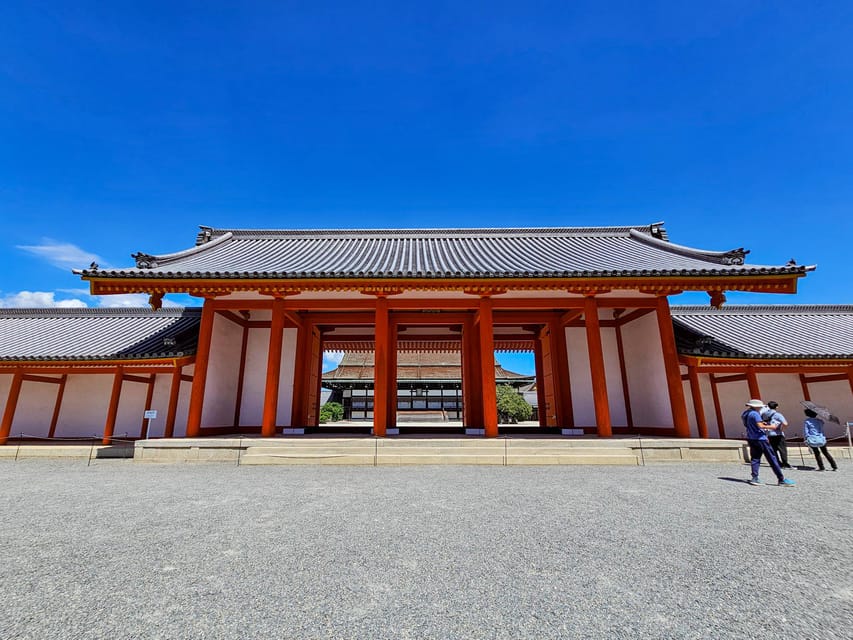
This tour makes a lot of sense if you:
- Want two major historic Kyoto sites without committing half a day
- Like explanations that turn architecture into meaning
- Prefer small group pacing over wandering alone
- Enjoy asking questions and getting answers in English (or French/Spanish)
It may not be the best fit if you:
- Have mobility concerns or need accommodations for walking demands
- Are pregnant (this activity lists it as not suitable)
- Have heart problems or respiratory issues (also listed as not suitable)
If any of those apply, it’s worth choosing a different Kyoto format that better matches your needs.
Should you book this Kyoto Imperial Palace & Nijo Castle guided walking tour?
I’d book it if you want a focused Kyoto history experience and you value guidance more than wandering. At $49 for about 3 hours, with entrance fees included for the most story-heavy parts of Nijo Castle, it’s a practical deal—especially for first-timers who want the shogun/emperor contrast made clear.
Skip it if you’re aiming for maximum independent exploration, need long rests, or want hotel pickup and a fully relaxed pace. This is a walking tour with a schedule that expects you to show up on time.
If your Kyoto plan includes temples and gardens already, this one is a nice balancing act. It shows you another side of the city—rule, ceremony, and control—without eating your whole day.
FAQ
Where does the tour start and where does it end?
The tour starts at Nijojo-mae Station outside Exit 1, and it finishes at Imadegawa Station.
How long is the walking tour?
The tour duration is about 3 hours.
What entrance fees are included?
Entrance fees are included for Nijo Castle, including the Ninomaru-goten Palace and Garden, plus the Painting Gallery.
Which languages are available for the guide?
The live tour guide is offered in English, French, and Spanish.
How big is the group?
The group is kept small, limited to 9 participants.
What should I wear or bring?
Wear comfortable shoes and dress modestly and respectfully at the palace grounds (avoid shorts or tank tops). Bring a camera and cash.
Is hotel pickup included?
No. Hotel pickup and drop-off are not included. You’ll meet at the station meeting point.