REVIEW · KYOTO
Kyoto: Nijo Castle and Kyoto Imperial Palace Guided Tour
Book on GetYourGuide →Operated by Trip with Goku · Bookable on GetYourGuide
Kyoto’s palace power story starts here. This 3-hour small-group walk links Nijo Castle (shogunal authority) with the Kyoto Imperial Palace (imperial tradition), then connects the dots with clear, human explanations. I like that you’re not just sightseeing buildings; you’re getting the political and architectural context that makes the details click fast.
What I like most is the way the tour builds meaning: Tokugawa Ieyasu’s legacy at Nijo Castle feels practical, not abstract, and the lavish interiors and fine craftsmanship make the idea of control feel real. I also love the Imperial Palace side of the visit, especially the seasonal garden focus, where Kyoto’s quiet “right place, right season” thinking shows up in the design.
One thing to consider: access can vary, and at least some visits may skew more toward exterior views at the Imperial Palace than full interior exploration. If you’re expecting everything behind every gate, keep your expectations flexible.
In This Review
- Key highlights to know before you go
- Kyoto in 3 hours: two power centers, one focused route
- Meeting at the Nakadachiuri Gate: how to start the day smoothly
- Kyoto Imperial Palace: architecture, politics, and those seasonal gardens
- Nijo Castle and Ninomaru Palace: Tokugawa Ieyasu’s power, up close
- The short walk between sites: Kyoto on foot, not just from inside gates
- Tour guides matter: Kayo, Nene, Taku, and Goku’s style of teaching
- Price and value: what $63 buys in a Kyoto 3-hour block
- Who should book this Kyoto tour (and who should skip it)
- When to go: seasonal gardens and cherry-blossom expectations
- Should you book this guided walk of Nijo Castle and the Imperial Palace?
- FAQ
- How long is the Kyoto Nijo Castle and Imperial Palace guided tour?
- Where do we meet for the tour?
- What is included in the price?
- How big is the group?
- What languages are offered?
- What should I bring?
- Are shorts allowed?
- Is this tour suitable for pregnant women?
- Can I cancel or pay later?
Key highlights to know before you go
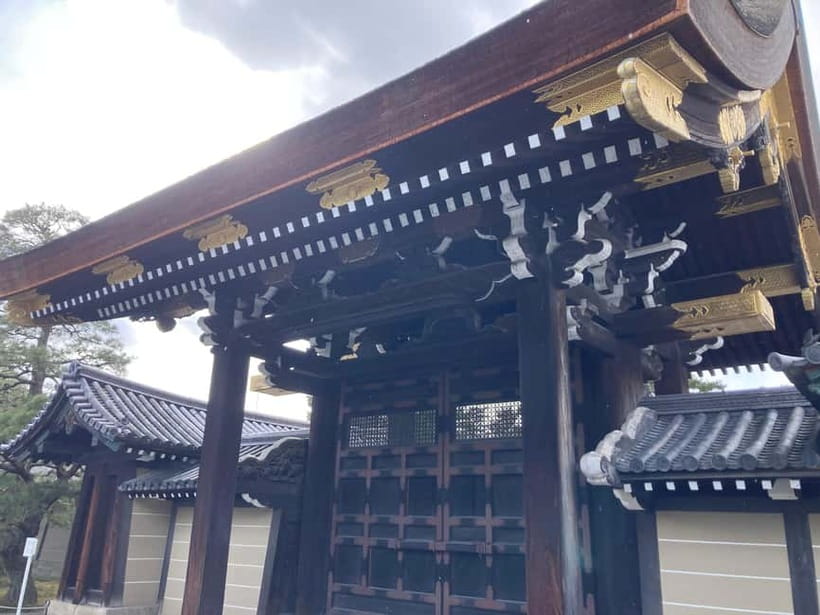
- Tokugawa Ieyasu’s authority made visible at Nijo Castle, with a guided look at power, design, and purpose
- Ninomaru Palace included, so you get more than a quick pass through the complex
- Kyoto Imperial Palace gardens by the seasons, where the layout is meant to be seen at the right time of year
- A paced walking route that helps you notice Kyoto details beyond the two big-ticket sights
- Guides with a knack for lively explanations, including styles associated with Kayo, Nene, Taku, and Goku
- Small group limits to 9, which keeps questions easy and the visit from feeling rushed
Kyoto in 3 hours: two power centers, one focused route
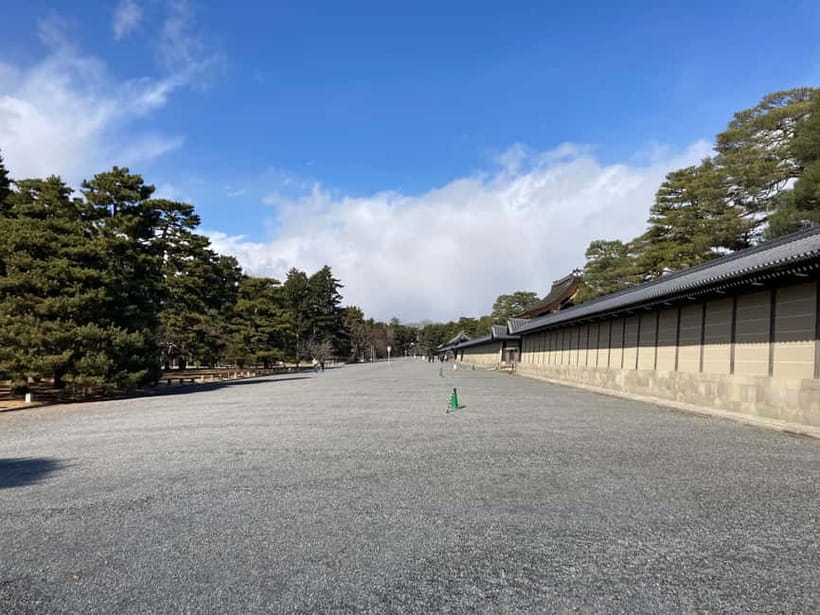
This tour is short on purpose. With just 3 hours and a small group (up to 9 people), you get a concentrated hit of Kyoto’s two biggest political symbols: the shogunate’s show of force at Nijo Castle, and the imperial line’s cultural gravity at the Kyoto Imperial Palace.
For you, the value is the guidance. Both sites can be overwhelming if you wander in solo—huge grounds, layered architecture, lots of gates and names. Here, the guide’s job is to help you sort what you’re seeing into a simple story: who held power, how that power was displayed, and why the buildings and gardens look the way they do.
And yes, you still get Kyoto. A walking component means you’re not trapped in a single photo spot. You’ll have a chance to pick up street-level impressions, including traditional townhouse atmosphere and a cherry-blossom-famed spot during the right season.
You can also read our reviews of more tours and experiences in Kyoto.
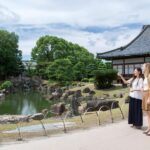
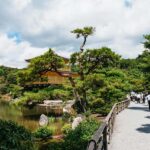
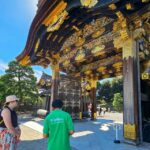
Meeting at the Nakadachiuri Gate: how to start the day smoothly
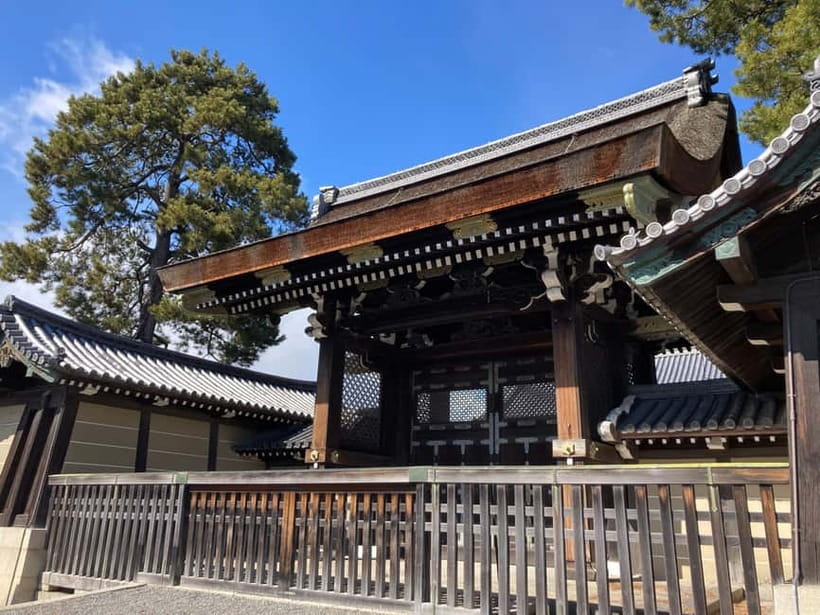
The tour meets at the Nakadachiuri Gate of the Kyoto Imperial Palace. That matters because it sets the tone: you begin with imperial context first, then you move into the shogunate story at Nijo Castle.
You’ll also get help finding your guide in advance—so you can get your bearings fast without playing gate-hunting roulette. Plan to arrive a few minutes early, since starting on time is the only way a 3-hour schedule stays calm.
Practical note for your comfort: the tour is a walking experience. You’ll want shoes that handle Kyoto sidewalks and temple-stone surfaces without drama, and you’ll want to keep your camera ready.
Kyoto Imperial Palace: architecture, politics, and those seasonal gardens
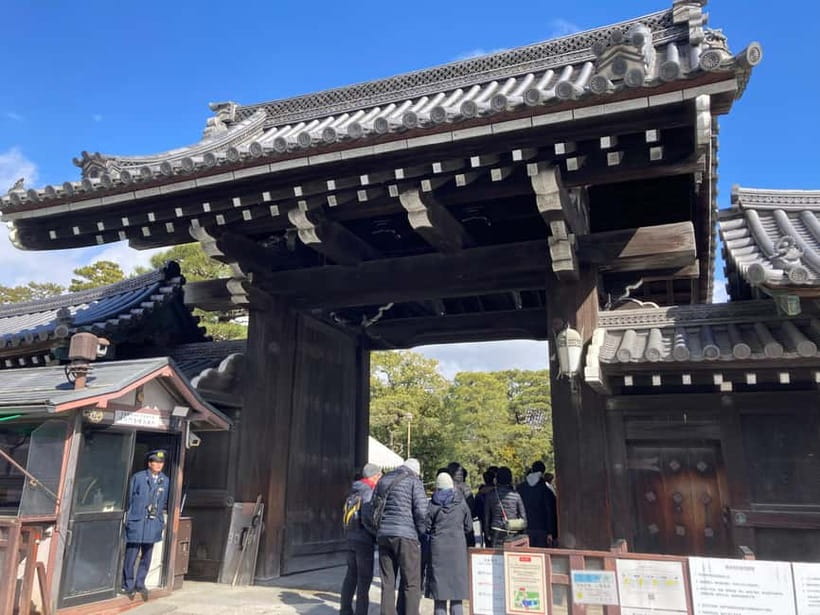
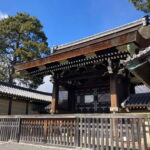
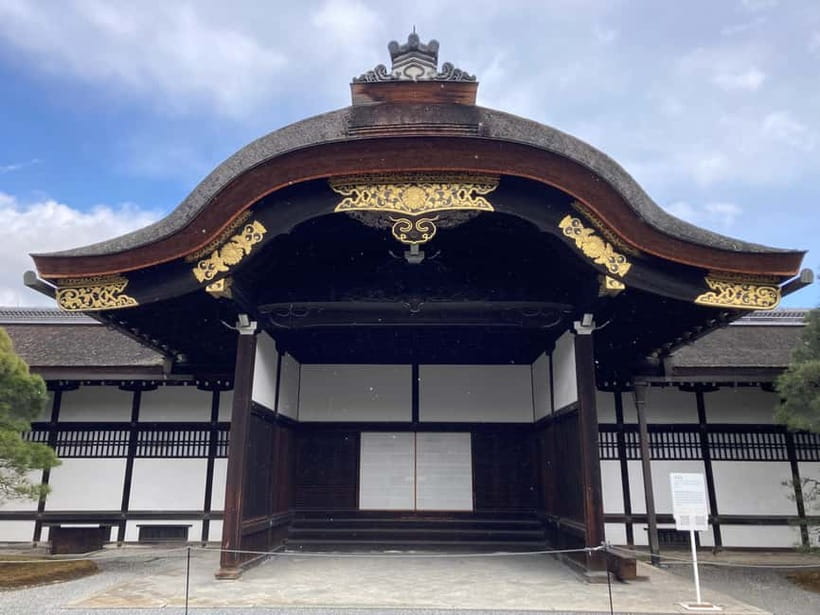
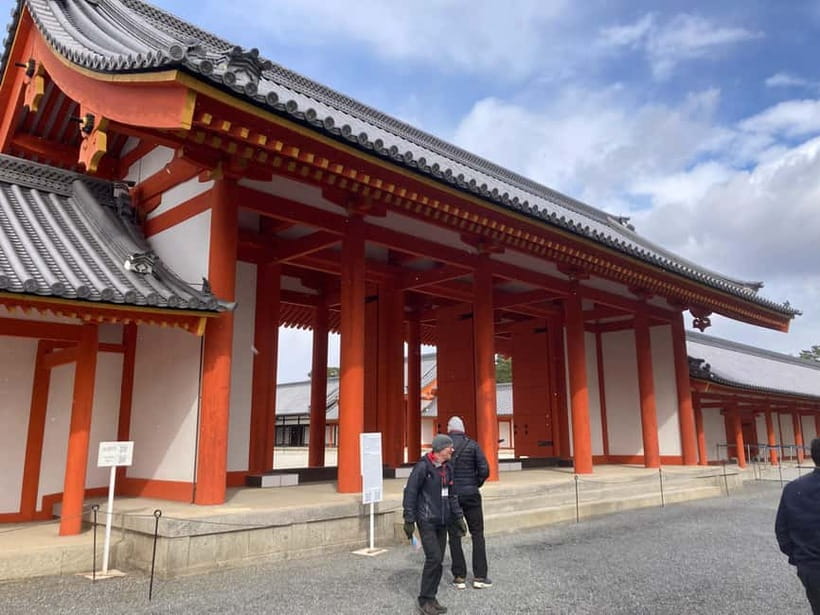
The Kyoto Imperial Palace is where Japan’s imperial tradition takes center stage. The tour frames it as more than scenery. You’ll learn how the palace functioned as the heart of Japanese culture and history, and you’ll connect that to the political climate of the time—because even beauty has a job to do.
What you can look for during your visit:
- The grand architectural style and how the overall plan signals formality and hierarchy
- The gardens and seasonal design, built so the scenery changes with the year rather than feeling frozen
- The way the guide explains the aesthetic logic—why certain areas feel open, why sightlines matter, and how the landscape works with the season
One detail I’d watch for is how the gardens are discussed as a kind of messaging. Kyoto does this a lot: nature isn’t just decoration. It’s part of the cultural language. If you time it well (or even if you don’t), you’ll leave understanding why the garden focus is such a big deal here.
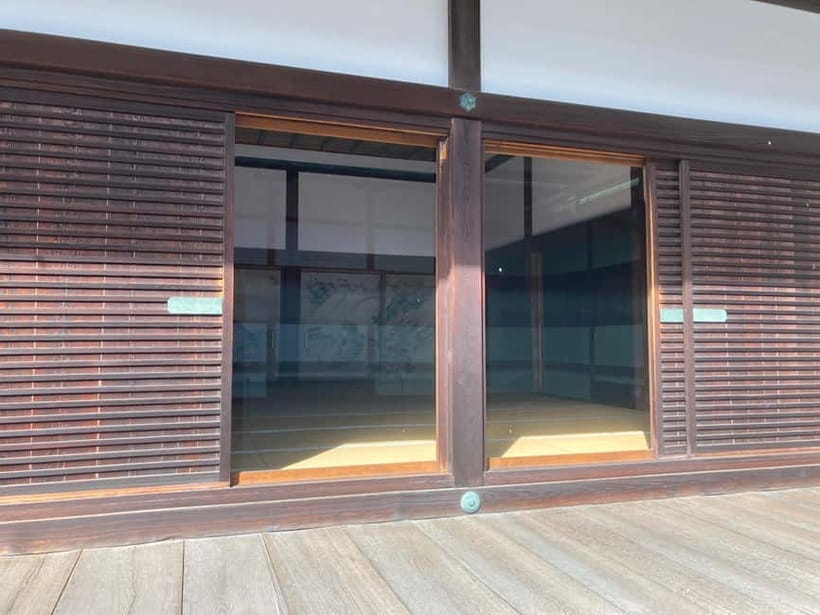
Also, keep in mind that Imperial Palace access can be variable. One experience in the available information notes that the visit ended up being limited to exterior views. So if you’re the kind of person who thinks a palace visit means maximum interior access, you should be mentally ready for an exterior-heavy day.
Nijo Castle and Ninomaru Palace: Tokugawa Ieyasu’s power, up close
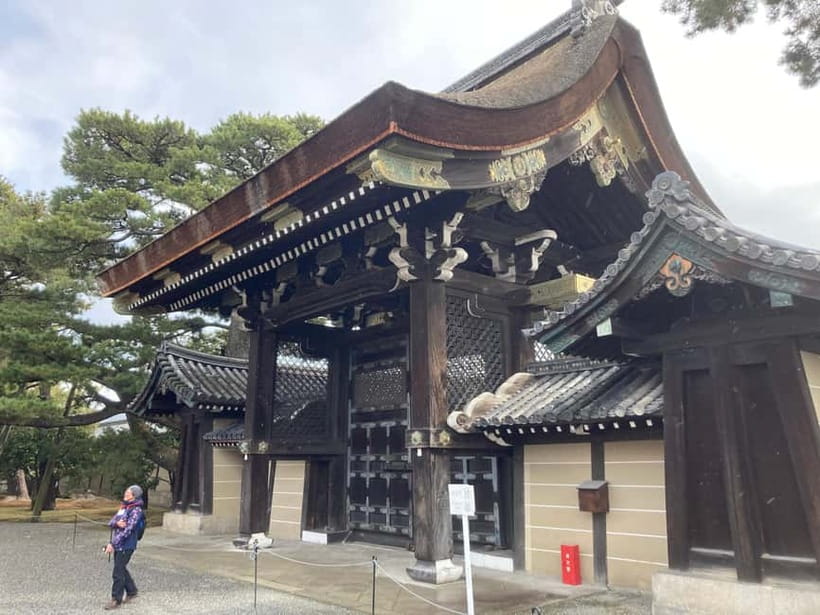
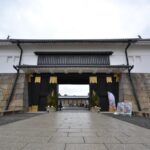
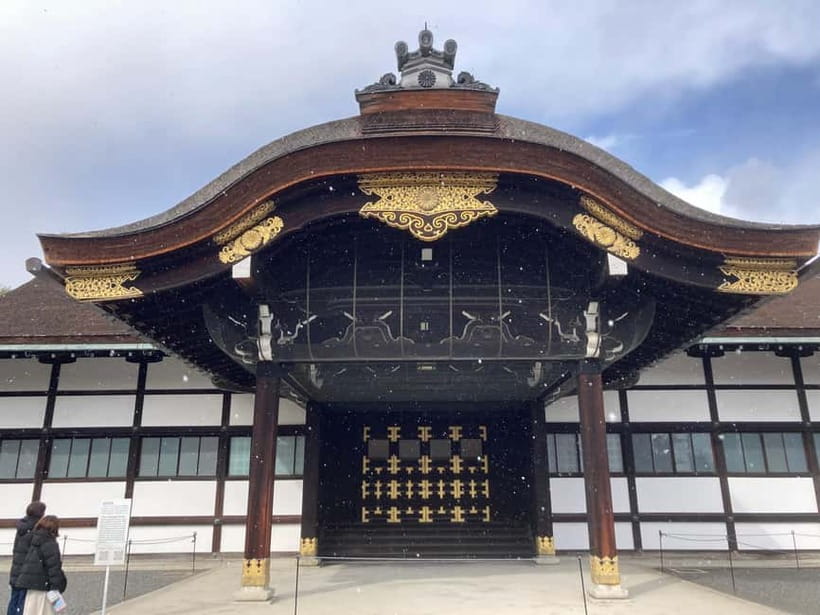
Then you shift gears to Nijo Castle, one of the clearest places in Kyoto to see authority expressed through architecture. The tour explains that the castle was built by Tokugawa Ieyasu, and that the complex stands as a symbol of power and authority in Japan.
Here’s what makes this part satisfying for you:
- You’re not only seeing ornate details; you’re learning what those details were meant to communicate.
- The guide helps you read the interiors and intricate craftsmanship as political theater, not just fancy decoration.
The tour also includes admission tickets to Ninomaru Palace. That’s important because Ninomaru isn’t just another room. It’s where the castle’s official, high-status character comes through strongest—so you’ll get a more complete sense of how the shogunate side of Kyoto operated.
As you walk through, pay attention to how the spaces feel. The whole point of a place like Nijo Castle is control: movement, sightlines, hierarchy of rooms. With a guide’s explanations, the experience becomes almost like watching a script unfold. That’s the magic trick—once you know what to look for, you stop seeing a museum-like maze and start seeing a system.
The short walk between sites: Kyoto on foot, not just from inside gates
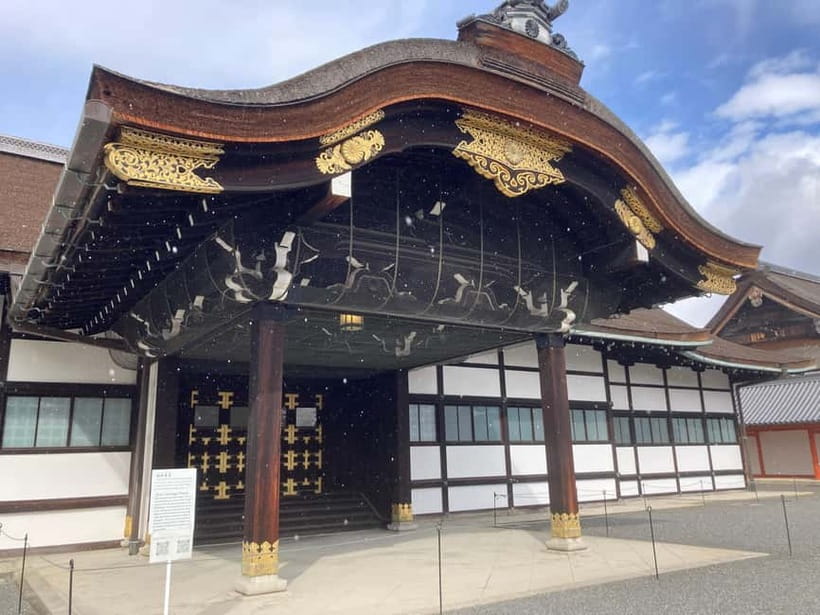
Because this is a walking tour, you get a little more than temple-and-castle photos. You’ll notice the in-between Kyoto reality: smaller streets, traditional townhouses, and the texture of everyday life that makes Kyoto feel like Kyoto rather than like an itinerary checklist.
The tour also mentions a cherry-blossom spot. Even if you’re not going in peak season, it’s helpful to know that certain areas are famous for that seasonal moment—because Kyoto’s beauty is often about timing, not only the destination.
This walking segment also gives the guide room to do something really useful: connect culture and politics. One of the most practical benefits of having your guide walking with you is the back-and-forth conversation. When you’re not stuck sitting in one place, you can ask questions and get answers tied to what you’re seeing right then.
Tour guides matter: Kayo, Nene, Taku, and Goku’s style of teaching
With a small group capped at 9, your guide’s teaching style becomes part of the experience. The available information strongly points to guides who mix structure with warmth—people like Kayo, Nene, Taku, and Goku show up in different bookings and are repeatedly praised for clear explanations and an easygoing vibe.
What that means for you in practical terms:
- You’re likely to get explanations that move from big-picture to detail without turning the tour into a lecture
- You can ask questions without feeling like you’re slowing everyone down
- The pace stays human—3 hours can feel quick when the guide keeps the story flowing
There’s also a nice bonus reported in the available experiences: guides helping with pictures, and giving useful local tips after the tour. That’s not a guarantee, but it’s a good sign you’ll get more than strict site facts.
Price and value: what $63 buys in a Kyoto 3-hour block
At $63 per person for about 3 hours, this isn’t a budget “just tickets” option—but it does look like good value for the combination you get.
You’re paying for three main things:
- A professional English-speaking guide (plus multiple other languages are available)
- Admission tickets tied to what you’ll actually see: Nijo Castle, Ninomaru Palace, and an art gallery
- A guided walking tour format that helps you understand the significance of what you’re viewing
If you try to do this alone, you’d spend time piecing together the story and figuring out what matters most at each site. You might also miss the political context that turns ornate rooms into meaningful evidence of how power worked.
So the value question is simple: if you enjoy architecture, political history, and learning how Kyoto’s spaces communicate, this price makes sense. If you only want quick photos and zero interpretation, you could spend less on admissions and do it yourself. But you’ll probably leave with less meaning.
Who should book this Kyoto tour (and who should skip it)
This tour fits best if you:
- Want a first-time Kyoto overview with real context, not just random facts
- Care about architecture and symbolism, especially around shogunate vs. imperial power
- Like small groups and don’t want your questions brushed off
- Enjoy conversational learning (the guide-led Q&A style seems to be a strong point)
It’s likely not the best fit if you:
- Are looking for a full-day itinerary that sweeps in lots more sites
- Need heavy interior access at the Imperial Palace every time (some experiences are exterior-focused)
- Are pregnant, since the activity notes it’s not suitable
Also note the simple dress rule: no shorts. Plan your outfit accordingly so you don’t get forced into awkward changes right before a castle-palace security check.
When to go: seasonal gardens and cherry-blossom expectations
This tour specifically calls out seasonal beauty in the Kyoto Imperial Palace gardens and a cherry-blossom-related spot. That tells you the experience is designed to “read” Kyoto with the seasons, not ignore them.
If you’re traveling in spring, expect the garden views and blossom references to feel extra relevant. If you’re going in another season, you’ll still get the architectural and political story—you just won’t get the same bloom-based moment.
Either way, the guide’s explanation of why the gardens are structured for seasonal viewing is a big part of the payoff.
Should you book this guided walk of Nijo Castle and the Imperial Palace?
If your goal is to understand Kyoto’s power map—shogunate authority at Nijo Castle and imperial culture at the Kyoto Imperial Palace—then yes, I’d book it. The combination of guided storytelling, included admissions (including Ninomaru Palace), and a manageable 3-hour format is a strong match for travelers who want meaning without spending all day on logistics.
Skip it only if you’re mainly photo-chasing, dislike guided tours, or you’re specifically counting on full interior access at every stop. Otherwise, this is the kind of focused experience that makes Kyoto feel less like a list and more like a story you can actually follow.
FAQ
How long is the Kyoto Nijo Castle and Imperial Palace guided tour?
The tour lasts 3 hours.
Where do we meet for the tour?
You meet at the Nakadachiuri Gate of the Kyoto Imperial Palace.
What is included in the price?
Admission tickets are included for Nijo Castle, Ninomaru Palace, and the Art Gallery, plus a professional English-speaking tour guide and the walking tour experience.
How big is the group?
This is a small group limited to 9 participants.
What languages are offered?
The live tour guide is available in English, French, Spanish, Japanese, Portuguese, and Russian.
What should I bring?
Bring a camera and cash.
Are shorts allowed?
No, shorts are not allowed.
Is this tour suitable for pregnant women?
No. The activity is listed as not suitable for pregnant women.
Can I cancel or pay later?
Yes. You can use reserve now & pay later, and there is free cancellation up to 24 hours in advance for a full refund.