REVIEW · INVERNESS
Inverness Tour-Cawdor Castle & Culloden Battlefield, ClavaCairns
Book on Viator →Operated by highland bucket list tours · Bookable on Viator
A single day in the Highlands, but it covers a lot. This is a small-group history loop from Inverness (max 8 people) that mixes Bronze Age remains, famous Jacobite battles, and a proper castle visit, all with a local guide who keeps the stories clear and human. I especially like the tight pacing with time built in to actually look, not just snap photos.
Two things I liked a lot: first, the tour stays small and you can ask questions as you go; second, the guide work is focused on what these places meant in their time, not just dates on a screen. The one drawback to think about is timing: Culloden has a chance to add more detail inside the exhibition area, and if you want lots of browsing, the scheduled stop may feel a bit short.
In This Review
- Key things to notice before you go
- Why this Inverness history day beats doing it piecemeal
- Clava Cairns: Bronze Age passage graves (and why Outlander changed the hype)
- Culloden Viaduct: a working rail giant you can spot without planning
- Culloden Battlefield: the 1746 fight that changed Britain’s story
- Cawdor Castle: turrets, moats, and collections spanning 3,500 years
- Price, what’s included, and what you should budget at the gates
- Group size, guide style, and the kind of day this is
- Should you book this Inverness tour?
- FAQ
- What is the duration of the Inverness Tour-Cawdor Castle & Culloden Battlefield, ClavaCairns?
- How much does the tour cost?
- What time does the tour start and where does it meet?
- What sights are included in the tour?
- What is included in the price?
- What entrance fees are not included?
- How big is the group?
- Are service animals allowed?
- What if weather is poor?
Key things to notice before you go
- A max-8 group means real conversation, not one long lecture you half-hear from the back
- Clava Cairns is free to enter, and it is a rare chance to see Bronze Age passage graves so close to Inverness
- Culloden Battlefield is the emotional centerpiece, with the day’s story explained as you walk the ground
- You’ll pass the Culloden Viaduct from outside, a working rail structure tied to the Highland Main Line
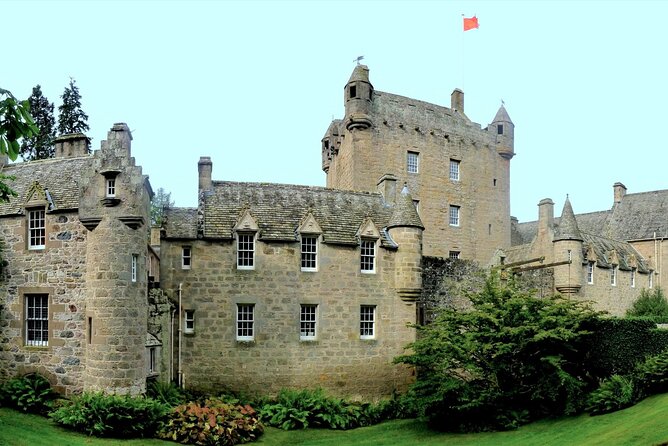
- Cawdor Castle is the big-ticket add-on, with 12 rooms and collections spanning thousands of years
- Mobile ticket + bottled water keeps the day feeling smooth and practical
Why this Inverness history day beats doing it piecemeal
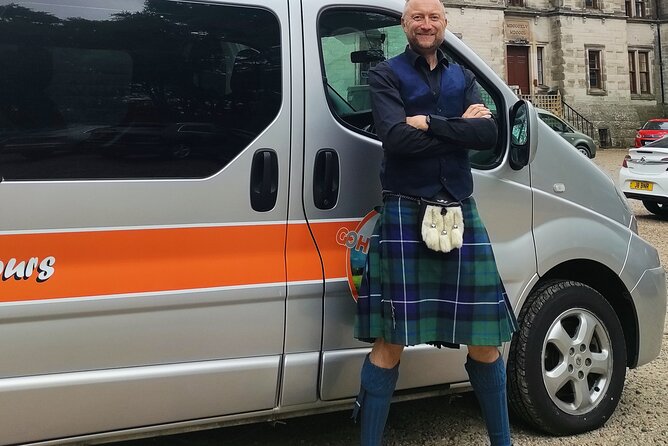
If you want Inverness to feel like more than a base town, this kind of half-day tour is a smart move. You get four major sights tied to Scottish history, without spending your time planning routes, parking, or rearranging your schedule around opening hours.
The day is about 6 hours, starting at 9:00 am and ending back at the meeting point. That timing matters because you still have your afternoon free, but you also get full use of the daylight for walking around the Cairns and the battlefield area.
I also like that the tour includes an air-conditioned vehicle and bottled water. When you are hopping between sites, the comfort is not just a luxury. It helps you arrive ready to look and listen, especially if the weather shifts (it does).
One more practical note: the tour is offered in English, and service animals are welcome, so it is easier to plan around real-world needs.
You can also read our reviews of more tours and experiences in Inverness.

Clava Cairns: Bronze Age passage graves (and why Outlander changed the hype)
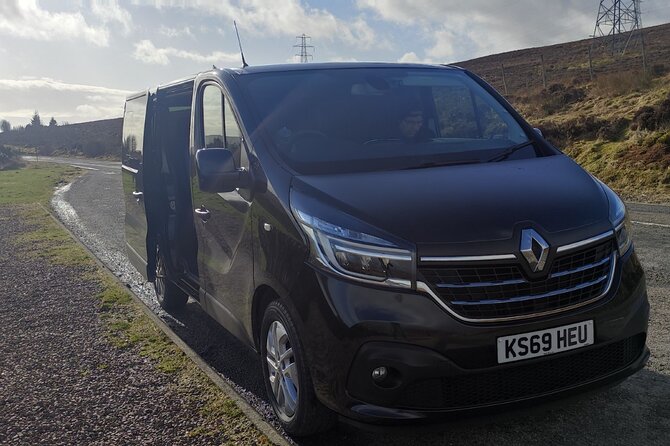
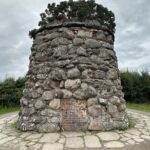
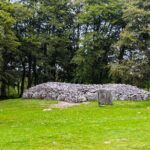
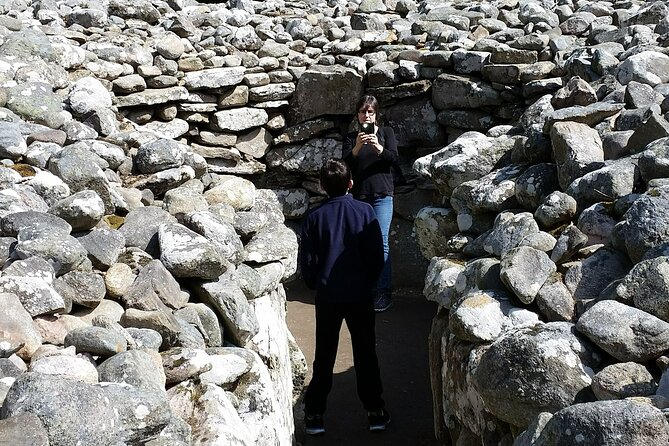
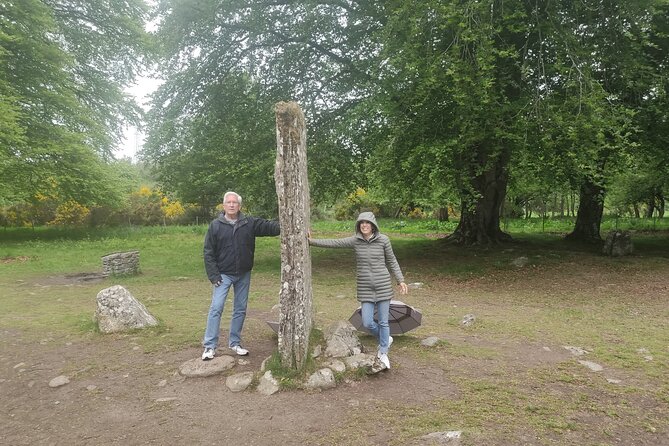
Clava Cairns are one of those places that feel calm, even when the story underneath them is dramatic. This is a Bronze Age cemetery complex of passage graves, ring cairns, kerb cairns, and standing stones, dating back about 4,000 years. You are not just looking at rocks—you are seeing a carefully built burial setting made for a long-ago community.
It also has a modern pop-culture connection that brought a lot of attention. Clava Cairns became a bucket list stop after 2014, when the TV adaptation of Diana Gabaldon’s Outlander boosted interest, with suggestions that a fictional stone circle was inspired by the site. Even if you are not an Outlander fan, that story is useful because it helps you understand why people today arrive expecting something cinematic—and then end up appreciating the real archaeology more.
What I recommend you do here is slow down and identify the different elements as you walk. The site is described as exceptionally well preserved, and you will get more from it if you mentally separate the ring cairns, kerb cairns, and standing stones instead of treating everything as one big photo stop.
Time-wise, this is a 45-minute stop, with admission listed as free. That is enough time to see the main features without making the rest of the day feel rushed.
Culloden Viaduct: a working rail giant you can spot without planning
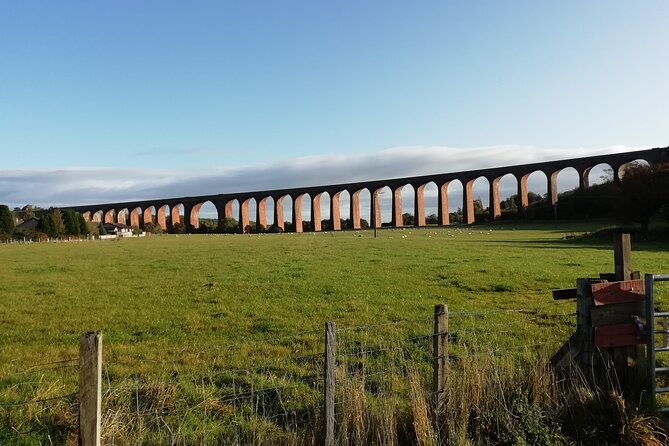
Between stops, you pass through a piece of engineering history. The Culloden Viaduct is a red sandstone masonry structure and the longest of its kind in Scotland, at about 1,800 ft. It opened to rail traffic in November 1898, built for the Highland Railway and engineered by Murdoch Paterson.
Today it is still in use, and it sits on the Highland Main Line route between Perth and Inverness. Even though you are not touring inside, this is a good reminder that the Highlands were shaped not only by battles and castles, but also by rail lines that changed how people moved.
If you want an easy win, take a moment to look at the scale. When something is that long and still doing its job, it stops being a trivia fact and turns into a real sense of place.
This stop is about 15 minutes, and the admission is listed as free. It is also a nice breather before you move into the heavier story of Culloden Battlefield.
Culloden Battlefield: the 1746 fight that changed Britain’s story
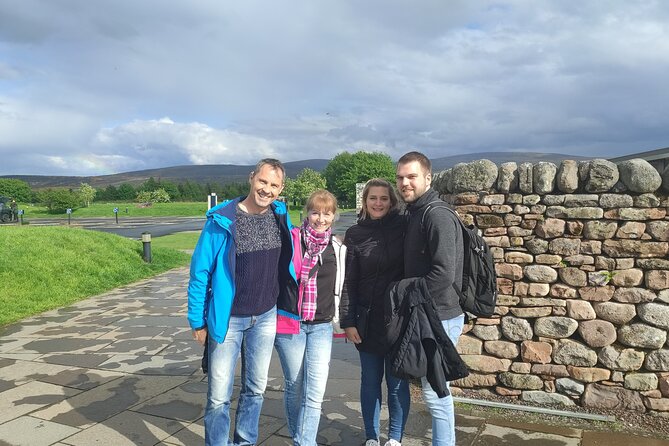
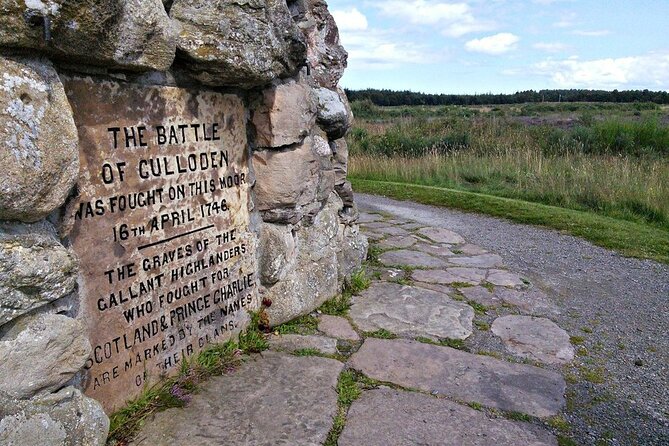
Culloden Battlefield is the emotional center of this tour. On 16 April 1746, the battle here shifted the course of British, European, and world history. The conflict was brutal and personal, splitting families and forcing clan loyalties into stark choices.
This is where the Jacobite army took what became its last stand to reclaim the thrones of Britain for a Stuart king. The tour story links key figures clearly: the Jacobites were led by Prince Charles Edward Stuart, while the government army was determined to stop them, led by the Duke of Cumberland, George II’s son.
Walking the grounds with context matters. Without explanation, you can end up seeing a field and a few markers. With a good guide, you start noticing how the terrain and the timeline connect to the human decisions being described.
Your scheduled time here is about 1 hour 30 minutes, and the Culloden Battlefield Exhibition admission fee is not included. Based on the way this tour is paced, I’d treat the exhibition area as an optional add-on you’ll only fully enjoy if you manage your time well. If you know you want to read every panel and linger, plan to spend less time walking and more time inside. If you want the battlefield experience first, you can decide there how much exhibition browsing you want.
Cawdor Castle: turrets, moats, and collections spanning 3,500 years
After the battlefield, Cawdor Castle feels like a palate cleanser—but not in a boring way. This is a romantic, medieval-leaning place with real history behind the fairy-tale vibe.
Cawdor Castle has been home to the Thanes of Cawdor since 1370, evolving over generations into a family mansion and one of Scotland’s outstanding stately homes. The description highlights dramatic medieval features: a medieval tower house, a moat and drawbridge, turrets and battlements, and turnpike stairs. You can picture the iron yet gate as part of that controlled, storybook entrance.
One reason I like Cawdor is that it does not only rely on buildings. It also has collections, with 12 principal rooms holding rare tapestries, fine art, furniture, ceramics, and sculpture spanning 3,500 years. That is a lot to take in, and 2 hours is a sensible window because it gives you time to move at your pace without turning it into a marathon.
Admission is not included (listed as £16.50 per person), so factor that into the real cost of the day. Still, if you want one castle stop that feels substantial rather than rushed, this is the one.





Price, what’s included, and what you should budget at the gates
The tour price is $163.40 per person for an approximately 6-hour day. You also get a local guide, an air-conditioned vehicle, bottled water, and a mobile ticket. Clava Cairns and Culloden Viaduct are listed with admission tickets free.
The two key extra costs are:
- Cawdor Castle entrance: £16.50 per person
- Culloden Battlefield Exhibition: £12.50 per person
So, the “at-the-gates” total is about £29 for the paid interiors you might want. Because the day already includes transport and a guide, paying for those specific sites usually feels fair. You are not paying entrance for everything, and the free stops help keep the overall value strong.
Also, this tour is described as requiring good weather. That is worth keeping in mind when you plan your dates—if your schedule is flexible, you’ll get more predictable sightseeing.
Group size, guide style, and the kind of day this is
This is capped at no more than eight tourists, and that small size shows in how the day feels. Instead of you racing to catch up with strangers, you can hear explanations and ask practical questions as you’re walking.
A big part of the positive energy comes from the guide—many people specifically mention Richie and the way he ties facts to real storylines. The pattern is consistent: clear history, organized pacing, and enough time at each stop to see what you came for.
The schedule is built like: Cairns first (lighter and scenic), then a quick viaduct break, then the heavier Culloden walk, then Cawdor Castle to finish with something visually rich. If you like your travel days with a mix of emotion and beauty, this shape works.
This also suits families. One of the notes I’d take seriously is that a 13-year-old enjoyed both the battlefield and the castle grounds, which suggests the pacing is not so academic that it loses younger people. If you have kids, this is the kind of structure that helps everyone stay engaged.
Should you book this Inverness tour?
I’d book it if you want a focused Highlands day that hits the big-name historic points near Inverness without you doing the driving or stitching together multiple tickets. The small-group size and the guide-led storytelling are the main reasons it feels worth paying for.
Skip it or think twice if you know you want lots of independent time—especially at Culloden’s exhibition area. Your time there is scheduled, so you will likely need to make quick choices about reading versus walking.
If you are visiting Inverness for a short stay and want your history time to feel organized, this is a strong pick. You’ll leave with a fuller sense of Scotland, from Bronze Age burial rituals to Jacobite conflict to the long-run story of a castle family home.
FAQ
What is the duration of the Inverness Tour-Cawdor Castle & Culloden Battlefield, ClavaCairns?
It runs for approximately 6 hours.
How much does the tour cost?
The price is $163.40 per person.
What time does the tour start and where does it meet?
It starts at 9:00 am and meets at the Royal Highland Hotel, 18 Station Square, Academy St, Inverness IV1 1LG.
What sights are included in the tour?
You visit Clava Cairns, Culloden Viaduct, Culloden Battlefield, and Cawdor Castle.
What is included in the price?
The tour includes a local guide, an air-conditioned vehicle, bottled water, and a mobile ticket.
What entrance fees are not included?
Cawdor Castle entrance is £16.50 per person, and the Culloden Battlefield Exhibition fee is £12.50 per person.
How big is the group?
The tour has a maximum of 8 travelers.
Are service animals allowed?
Yes, service animals are allowed.
What if weather is poor?
The tour requires good weather. If it’s canceled due to poor weather, you’ll be offered a different date or a full refund.