REVIEW · INVERNESS
Loch Ness,Culloden Battlefield,Cawdor Castle & Much More From Inverness City
Book on Viator →Operated by Historic and Scenic Tours Inverness · Bookable on Viator
Some days need structure. This one gives you a full Highland hit list. You get a private day in an air-conditioned vehicle with hotel pickup, live guide commentary, and a tight mix of myth, castles, and Jacobite history—without wasting time figuring out logistics. I love that it’s built around real stops you can walk through (not just photo pulls), and I also like how the guide can juggle the order to fit the day. One thing to consider: it’s a long 7–8 hour day, and two big-ticket entries (Urquhart Castle and Cawdor Castle) can add cost.
A smart part of the value is what you learn while driving. The day connects Inverness’s naming story (not just Loch Ness lore) to Loch Ness’s most famous ruins, then moves on to the 18th-century battle that changed the Highlands. If you want a relaxed “scenic only” trip with no history lessons, this may feel like a lot—fast pacing is part of the deal.
In This Review
- Key highlights
- A private loop through Inverness, Loch Ness, and Jacobite Scotland
- Pickup, vehicle comfort, and why timing matters
- Inverness Cathedral and the River Ness name story
- Loch Ness photo points and Urquhart Castle ruins up close
- Beauly Priory: calm ruins with a big backstory
- Glen Ord Distillery: a working break from ruins
- Cawdor Castle gardens and Macbeth timing (plus winter closures)
- Clava Cairns: ancient stones that connect to Outlander
- Culloden Battlefield Visitor Centre: where the story turns brutal
- Price and what you’re really paying for
- Which guide style you might get (and why it matters)
- Who should book this Inverness private tour
- Should you book this tour or plan it yourself?
- FAQ
- How long is the Inverness City tour?
- Is this tour private?
- Where does pickup happen?
- What language is the tour in?
- What’s included in the price?
- What admissions are not included?
- Is Cawdor Castle open year-round?
- Is there a suggested time benefit for avoiding crowds at Urquhart Castle?
- Can I cancel for a full refund?
- Is the tour suitable for people with mobility limits?
Key highlights
- Private for your party (up to 4), so your guide can actually tailor the timing and stops
- Inverness Cathedral + River Ness story, including the Gaelic meaning of Inverness and a Columba legend about a water monster
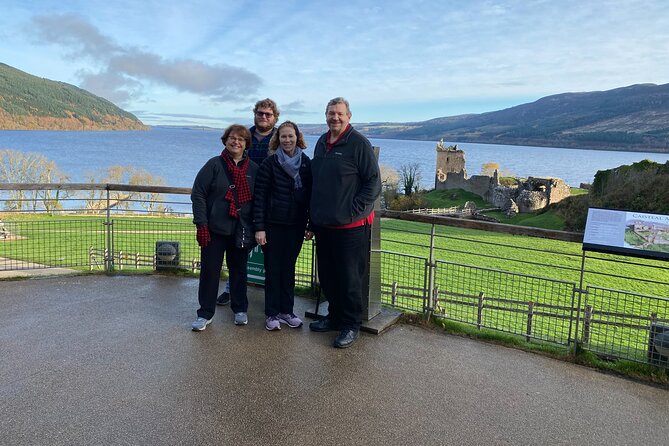
- Loch Ness viewpoints + Urquhart Castle ruins, with time to explore and take photos
- Beauly Priory and Glen Ord Distillery, a break from ruins and toward quiet, working Scotland
- Cawdor Castle gardens (when open) and the Macbeth connection
- Clava Cairns and Culloden Battlefield Visitor Centre, linking ancient sites to a turning point in Highland history
A private loop through Inverness, Loch Ness, and Jacobite Scotland
This tour works because it strings together different kinds of Highland experiences in one day. You start in Inverness—church architecture, river views, and the origin story of the place name—then you head for Loch Ness and its signature ruins. After that, you swing back toward quieter history in Beauly, a whisky distillery in the Muir of Ord area, and then the heavier emotions at Culloden.
The private format matters. In small groups, you don’t lose time waiting on strangers, and the guide can adjust if you need more photo time or want to move around crowds. That flexibility shows up in the day’s rhythm: some stops are short and scenic, others are longer so you can actually wander.
Expect a guide-led day, not a “set-and-forget” excursion. You’ll have narration in the car, and the best part is how the guide turns landmarks into stories—why something matters and what to look for when you’re standing in front of it.
You can also read our reviews of more tours and experiences in Inverness.
Pickup, vehicle comfort, and why timing matters
You get hassle-free hotel pickup and drop-off. That’s a real advantage here because Inverness is busy, and you don’t want to burn half your day fighting parking or finding the right bus.
The vehicle is air-conditioned, and the tour includes bottled water plus snacks. In practice, that means you’re less likely to spend your day hunting for food between stops. One family-style detail that comes through in guides’ approach: they keep it manageable for kids and older adults by staying patient with timing and giving options when needed.
Timing is also the silent driver of comfort. At Urquhart Castle, queues can be a thing, so one useful tip is to choose the earliest departure you can. You’ll have a better chance of arriving closer to opening time, when it’s easier to enjoy the ruins without feeling rushed.
Inverness Cathedral and the River Ness name story
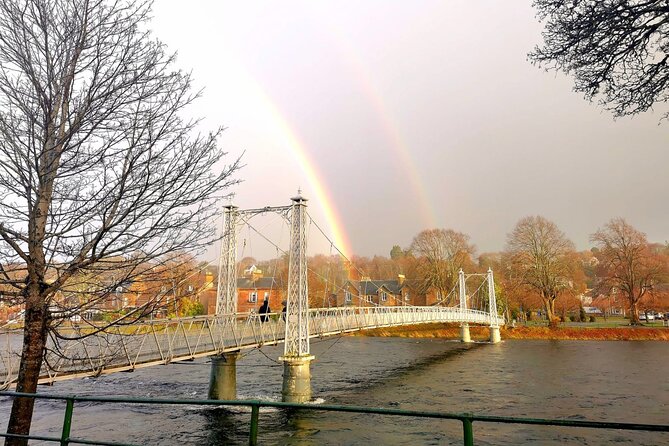
You’ll begin at St Andrew’s Cathedral (also called Inverness Cathedral). It dates back to 1869 and is the Anglican cathedral often described as the most northerly in the UK. If you like architecture, this is a good first stop: Gothic-style stonework, plus stained glass details that are easiest to appreciate when you’re not already tired from a long drive.
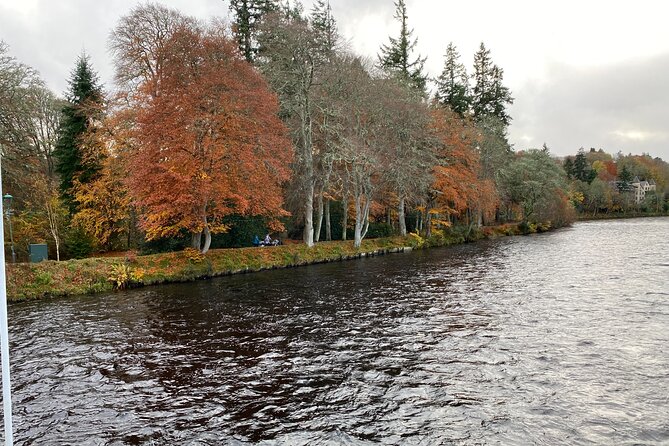
Then you shift to River Ness. This part is quietly brilliant because it fixes a common misconception fast. Inverness does not get its name from Loch Ness. The story is in Scottish Gaelic: Inbhir Nis means Mouth of the River Ness. That naming detail helps the whole day click, because it frames Inverness as a river town first, with Loch Ness as a nearby character—not the main source of the town’s identity.
There’s also a legend layer. The tour notes the idea that the first claimed sighting of the Loch Ness monster may have happened on the River Ness, tied to Saint Columba banishing a water monster back into the river after it tried to attack one of his disciples while swimming. Even if you treat the legends as folklore, it’s a fun way to listen differently while you’re standing by the water.
If nature is your thing, the river area is a good place to scan the edges for wildlife. The tour information points out common and grey seals, several bat species, and birds like dippers and goosanders, with an occasional osprey.
Loch Ness photo points and Urquhart Castle ruins up close
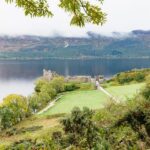
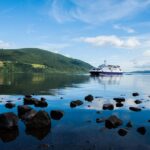
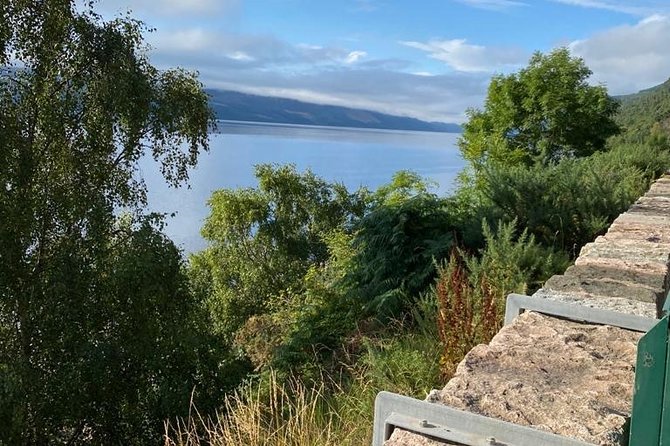
The drive toward Loch Ness includes multiple vantage points. This is where you get to do the “yes, that’s really the loch” moment. You’ll have chances for photos, but the key is that you’re not stuck in a single spot—you’re moving along viewpoints while your guide lines up the story and the best angles.
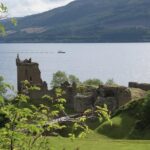
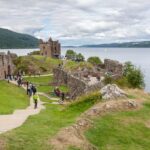
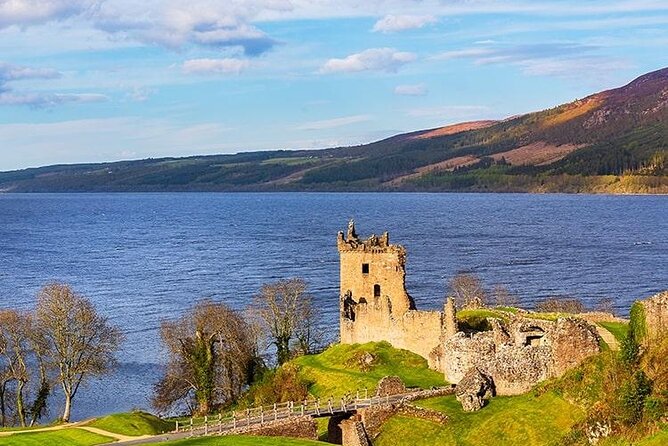
Urquhart Castle is the main event. It sits above deep water, and it’s famous for the “romantic ruin” feel: dramatic stonework, windswept edges, and the feeling you’re looking at something shaped by centuries of conflict and weather.
A few things to look for while you’re there:
- The site has ancient Pictish origins, linked to a fort in the 5th century.
- The Grants repaired and remodeled the castle in the 16th century.
- There’s a Jacobite-era story tied to 1690, when parts of the structure were blown up to prevent use by Jacobite forces—large masonry pieces can still be seen by what remains of the gatehouse.
- The ruins are made safe and visitor-friendly through preservation work, including replica medieval elements such as a giant wooden trebuchet.
This stop is worth budgeting for because it’s also the most obvious “you pay to go in” moment. If you love ruins and setting, plan to slow down. Don’t rush the ground-level details just to chase the perfect Ness Monster photo.
Beauly Priory: calm ruins with a big backstory
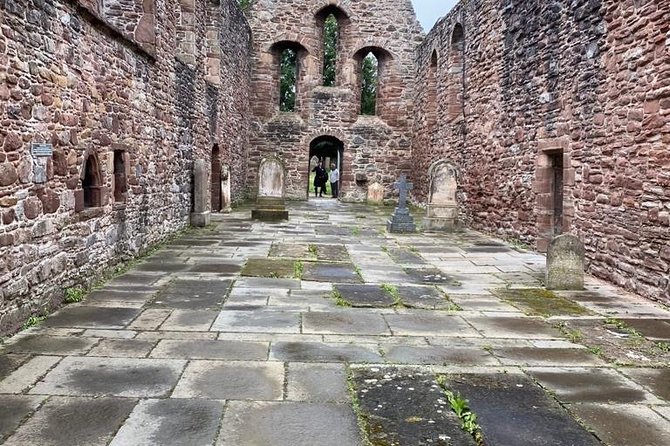
After Loch Ness, you’ll head toward Beauly and stop at Beauly Priory. This is a monastery ruin with real character, and the pace feels different from Loch Ness. Instead of dramatic cliff-edge views, you get an atmosphere of stillness and leftovers—stone, trees, and quiet grounds that make it easier to absorb the story.
The priory was founded by Valliscaulian monks from Burgundy in the years after 1230. There’s even a name clue: in Latin, it was referred to as Prioratus de Bello Loco, roughly meaning Priory of the Lovely Spot. That’s why the tour points to the idea that Beauly as a name comes from beau lieu, French for beautiful place.
If you like connection-chasing, this is also where the story links to Mary Queen of Scots. One popular belief ties Beauly’s name to her 1564 visit, though the origin likely goes farther back. Either way, it’s the kind of stop where your guide can give you a clear sense of how people renamed places and why.


Glen Ord Distillery: a working break from ruins
Next comes Glen Ord Distillery (in the Muir of Ord area). This is a short, easy break from castles and battlefields, and it’s one of the better add-ons for anyone who drinks whisky—or just likes seeing how something is made.
The tour notes that the distillery uses barley and water sourced from the local environment and includes its own maltings. That matters because it’s not just a retail visit; you’re learning the traditional process refined over hundreds of years.
You also get the origin of the legal distillery. Local folk made whisky here for hundreds of years, but Thomas Mackenzie of Ord founded the legal distillery in 1838 to create local jobs and provide a ready market for local grain. If you want your day to include Scotland’s modern economy in miniature, this is a strong stop.
The tour time here is about 30 minutes, so it won’t turn into a long museum detour. You’ll stay moving while still getting a real sense of place.
Cawdor Castle gardens and Macbeth timing (plus winter closures)
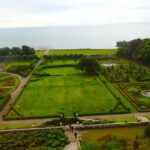
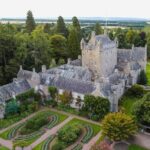
Cawdor Castle is one of those stops you can’t fake. Even in brief time, the walled gardens and surrounding woodlands make you feel like you’re stepping into a carefully kept landscape.
This castle is connected to Macbeth, which is why it shows up on so many Scotland lists. The tour information also gives a grounded timeline: history dating back to around 1180, with the castle built around a 15th-century tower house. It mentions the castle’s passage from Clan Cawdor to the Campbells in the 16th century. There’s even a legend about a thorn tree under the castle—identified as a holly dating from 1372 and still visible in the dungeon.
Spend about an hour here when the castle is open. For garden lovers, that hour can go fast in a good way.
One practical issue: Cawdor Castle is closed for the winter and reopens in mid April 2025. If you’re traveling outside the opening window, expect a change in what you do at that stop. In similar situations, guides have swapped in another nearby viewpoint rather than losing the whole day to closure.
Clava Cairns: ancient stones that connect to Outlander
Before you go to Culloden, you’ll likely stop at Clava Cairns—three Bronze Age burial cairns in a wooded setting near Inverness. The tour emphasizes how old the place feels: first usage thought to be over 4000 years ago, with evidence that people returned again and again across time. There are even ruins of a medieval chapel in the area.
This is also a pop-culture connection point. Clava Cairns is the inspiration for the fictional Craigh na Dun standing stones in Outlander, and the famous cleft stone tied to the show is described as being here. If you like that kind of connection, it’s fun to see how real geography becomes story.
The big value of Clava Cairns, though, is tone. It cools the emotional intensity before Culloden. You get a breath of forest and ancient structure before you hit the battlefield.
Culloden Battlefield Visitor Centre: where the story turns brutal
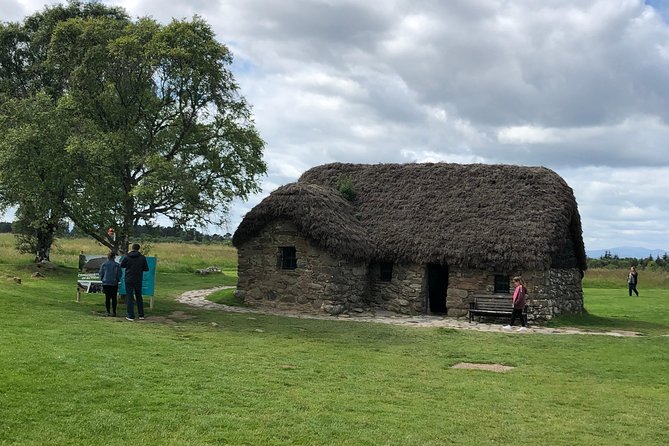
Culloden is the heavy stop, and the Visitor Centre is where you start to understand it properly. On 16 April 1746, it was the final Jacobite Rising brought to a brutal head. The tour notes that in less than an hour, around 1,500 men were slain, with more than 1,000 of them Jacobites.
The Visitor Centre sits beside the battlefield and includes artifacts from both sides, plus interactive displays that explain the background to the conflict. The tone is described as sensitive and guided by research, and the overall effect is that you’re not just walking a field—you’re learning what happened and why it mattered to the Highlands after.
This stop is emotional for a lot of people. If you’re the kind of traveler who wants context before you stand somewhere significant, plan to spend real time inside the Visitor Centre.
Price and what you’re really paying for
The tour price is $638.94 per group up to 4 for about 7–8 hours. That can look pricey on paper, but the structure helps the math.
Here’s the value angle:
- You’re booking a private vehicle with hotel pickup/drop-off.
- You get live commentary, plus bottled water and snacks.
- You’re covering several distinct regions in one day (Inverness → Loch Ness → Beauly/Muir of Ord → Culloden area).
What costs extra:
- Urquhart Castle admission is listed as not included (prices given in pounds/euros).
- Cawdor Castle admission is also not included (prices given in pounds/euros).
Most other listed stops are marked as free admissions on the tour notes, including Clava Cairns and Culloden, plus Glen Ord Distillery in the schedule. That helps keep the add-ons predictable compared to a tour where everything is ticketed.
If you’re traveling as a couple, you may still feel the hit. But if you’re a family of four, it often lands closer to the cost of doing two separate self-booked days plus taxis plus parking.
Which guide style you might get (and why it matters)
This is one of those tours where the guide can shape the day. The notes you shared include several guide names—Mike (often listed as Iqbal or with the nickname Mike), William, Jim, Stuart, Lewis, Susan, Tony, and Michelle—so you’ll want to remember that you’re not just buying a route. You’re buying a person who tells you what to notice.
A few consistent guide behaviors show up:
- They keep the day from feeling rushed by allowing ample time at key stops.
- They improvise when a stop closes, including switching to other nearby options.
- They help with photos, including making sure you get the angles you want.
- They tailor the order when crowds or weather are a factor.
That’s why this tour tends to work better than a fixed-bus day. You still see a lot, but you’re less likely to feel like you’re being herded.
Who should book this Inverness private tour
Book it if you want one efficient day that mixes:
- Loch Ness myth and Urquhart Castle ruins
- Inverness’s River Ness identity (and the name story)
- Whisky at Glen Ord Distillery
- Jacobite history at Culloden
- Ancient prehistoric context at Clava Cairns
- Gardens and Macbeth links at Cawdor Castle (when open)
It’s also a strong choice if you have limited time. One day in this region can feel like “too much driving,” but this itinerary is built to make the driving time useful.
Skip it if your ideal day is slow, with long hikes and minimal planned stops. This one is structured, and you’ll be switching locations through the day.
Should you book this tour or plan it yourself?
If you’re spending most of your time in Inverness and want a high-hit itinerary without the headache of tickets, driving decisions, and timing—this is a smart move. The private pickup alone saves you stress, and the guide commentary turns scattered places into a connected story.
Before you book, check one key thing: Cawdor Castle dates. If you’re traveling in winter, plan for changes at that stop and be ready for alternatives. Also look at the Urquhart Castle admission cost so you’re not surprised by the final total.
If you like your Scotland with context and your time protected, you’ll likely find this day trip worth the group price.
FAQ
How long is the Inverness City tour?
It runs about 7 to 8 hours.
Is this tour private?
Yes. It’s private for your group only, with a maximum of up to 4 people.
Where does pickup happen?
Pickup is offered from Inverness hotels, guesthouses, apartments, and Inverness Airport or Inverness Rail Station. Pickup is also offered from Invergordon port with a specific meeting point across the road from the port exit.
What language is the tour in?
The tour is offered in English.
What’s included in the price?
Included features are an air-conditioned vehicle, bottled water, snacks, and live commentary on board.
What admissions are not included?
Urquhart Castle admission is not included, and Cawdor Castle admission is not included. Admission fees for other listed stops are indicated as free on the tour notes.
Is Cawdor Castle open year-round?
No. Cawdor Castle is closed for the winter and reopens in mid April 2025.
Is there a suggested time benefit for avoiding crowds at Urquhart Castle?
One useful tip from the tour experience is that choosing an earlier start time can help you arrive closer to opening, which may mean fewer crowds.
Can I cancel for a full refund?
Yes. Free cancellation is available up to 24 hours in advance for a full refund.
Is the tour suitable for people with mobility limits?
The tour notes say most travelers can participate, and the guide approach includes being accommodating to different needs, including limited mobility mentioned in past experiences.