REVIEW · CRETE
Knossos Palace and Pottery experience. Excursion Safari
Book on GetYourGuide →Operated by Adventure-Crete · Bookable on GetYourGuide
Knossos plus pottery is a great mix. This day flows from Knossos’ big Minoan ideas to a hands-on craft stop, with scenic mountain roads and a small-group pace that feels more personal than a giant bus crush.
I especially like the way this tour couples culture with doing something yourself—after seeing the palaces, you’re guided through making Cretan pottery with a master potter. The main thing to weigh: the tour cost does not include Knossos entrance fees or the pottery materials (a separate clay fee), and the pottery session can be short or vary by day.
In This Review
- Key things to know before you go
- Knossos first, clay second: a satisfying Crete combo
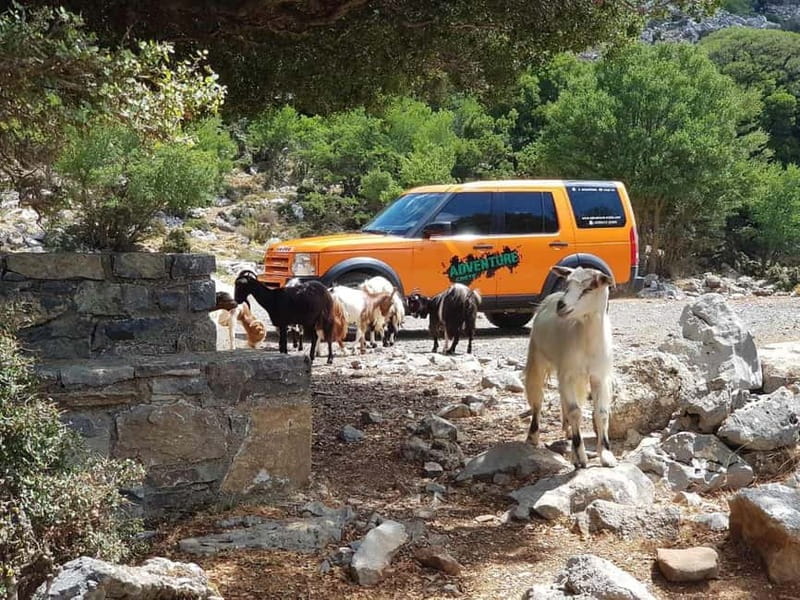
- Pickup and the Orange Land Rover Discovery
- Pacing at the Palace of Knossos (and what skip-the-line really means)
- What to watch for inside Knossos: palaces, villas, and excavated rooms
- Mountain drive to the pottery village: olive-tree roads and a real working day
- Pottery lesson: the 5 euro clay fee and what you can take home
- Lunch breaks: wine or water, plus a practical timing reality
- Price and value at $115 per person
- Service quality: how the guide can make or break your day
- Who this tour fits best
- Should you book this Knossos Palace and Pottery Safari with Adventure-Crete?
- FAQ
- How long is the Knossos Palace and Pottery experience?
- Is hotel pickup and drop-off included?
- Do I need to pay extra for Knossos entrance?
- What does lunch include?
- Is the pottery clay included in the tour price?
- How big is the group?
- What is the cancellation policy?
Key things to know before you go

- Small group (max 6) helps keep the day flexible and easier to manage at busy sites
- Knossos skip-the-line can save time when crowds are high
- Hotel pickup and drop-off uses an orange Land Rover Discovery
- Mountain roads with olive trees add a scenic change of pace from the ruins
- Pottery lesson includes guidance, but the clay is extra and what you make may be simple
- Lunch with wine or water keeps you fueled for the full 7-hour circuit
Knossos first, clay second: a satisfying Crete combo
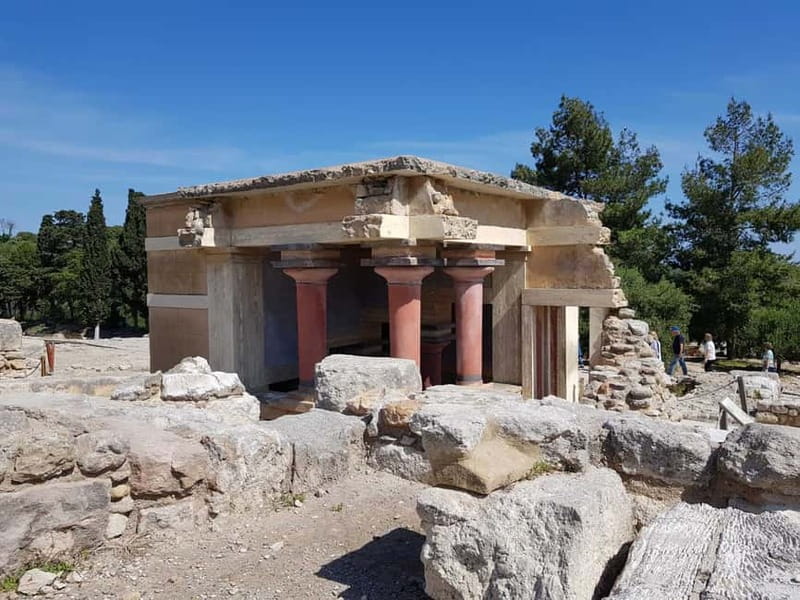
This is one of those tours that makes sense. You start with one of Crete’s most famous places—the Palace of Knossos—and then you shift gears to something grounded in daily life: pottery. It’s a smart pairing, because it helps you connect buildings and symbols to the materials people actually worked with for generations.
You’ll get a professional driver/guide and a group limited to 6, so you’re not stuck half-listening while buses squeeze around you. And the rhythm of the day matters here: you see the palace, then you drive into the mountains where the pace feels different, and you make something with your own hands.
One caution: the day is only 7 hours, so you won’t linger forever in any single spot. If you want slow museum pacing, plan to do a little independent exploring on a different day.
You can also read our reviews of more tours and experiences in Crete.
Pickup and the Orange Land Rover Discovery
Your day begins with hotel pickup and drop-off, which is honestly half the battle on Crete. Look out for the tour vehicle: an orange Land Rover Discovery. That detail matters because it makes meeting up fast and reduces the stress of hunting for a group you can’t see.
This is also a tour that runs with a live English-speaking guide and other languages if your group needs them (French, German, Russian, Dutch, Spanish, Romanian). That flexibility can make a big difference at Knossos, where it helps to have real-time explanations rather than trying to piece everything together from signage.
The practical upside of a small group: you’re less likely to feel like you’re constantly waiting on strangers. Still, keep in mind that road conditions can affect timing. One experience notes the rides felt a bit bumpy at times, so bring a ready-for-the-road mindset.
Pacing at the Palace of Knossos (and what skip-the-line really means)
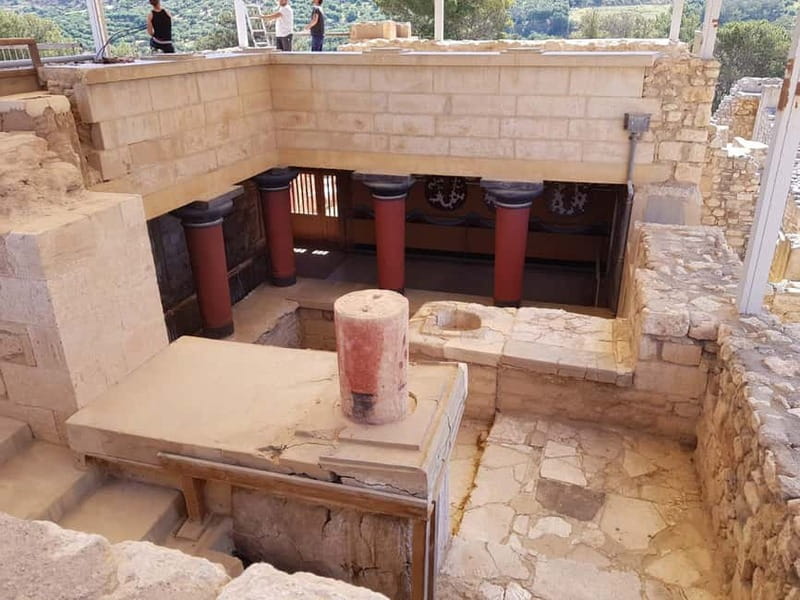
Knossos is popular, which means queues can eat up your energy. This tour includes skip-the-ticket-line, so you should spend more of your limited time inside and less time standing outside.
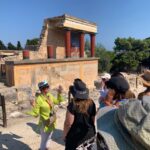
A good guide also helps you get the most out of a short visit. In one account, a guide named Panos made sure the group arrived early enough that there weren’t as many buses yet. That’s a simple tip you feel immediately: fewer crowds means you can actually look, not just shuffle.
Still, Knossos can be busy, even with early timing. One experience preferred skipping the palace focus because the site was very crowded, doing a quicker pass instead. That tells you something useful: go in with a plan for what you want to see, and don’t assume everyone in the group will want the same depth.
If you like audio, do note that Knossos offers audio tours on site. One guide-led day didn’t highlight that option, so if audio matters to your style, consider grabbing one yourself when you arrive.
What to watch for inside Knossos: palaces, villas, and excavated rooms
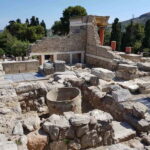
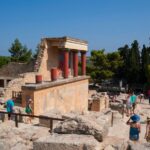
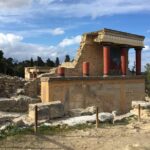
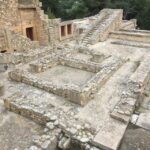
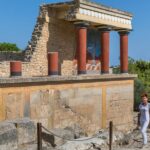
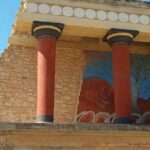
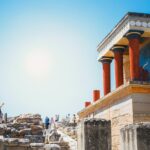
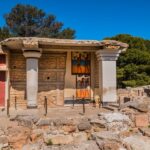
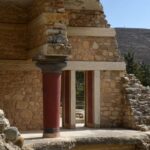
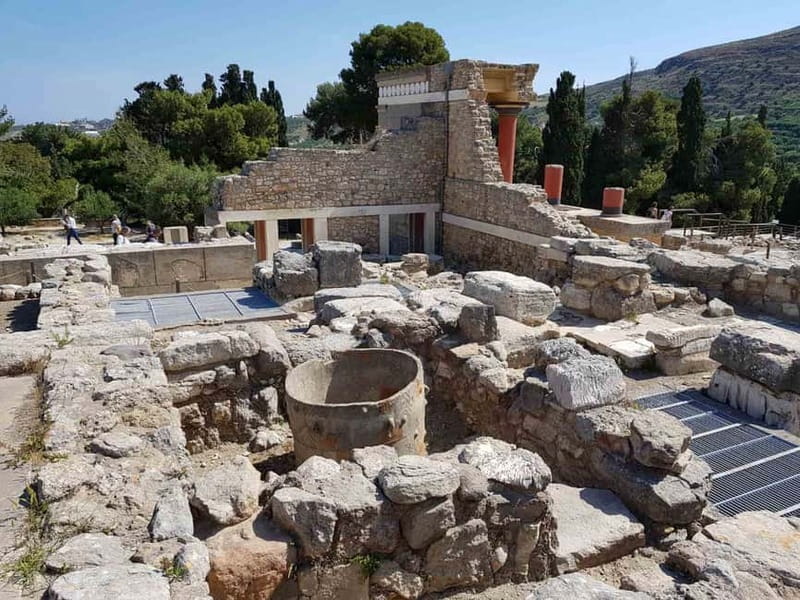
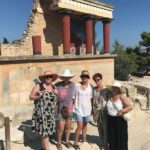
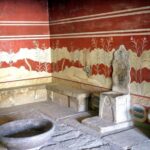
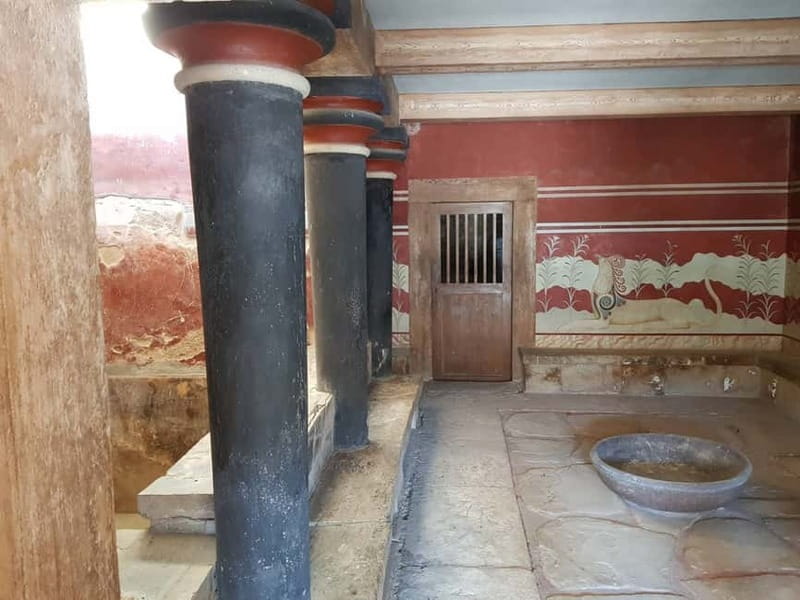
At Knossos, you’ll explore the palaces, villas, and other excavated buildings. That’s important language, because it signals the focus: you’re not touring a recreated “theme park” version. You’re looking at the remains of a Minoan center that still reads like a complicated city—courtyards, corridors, and the feeling that life happened here long ago.
This is exactly where having a guide can help. Some comments highlight guides who shared lots of context about Crete and even pointed out plants along the way. If your interest includes how people lived in the Mediterranean environment, that kind of added observation can make the ruins feel less abstract.
The size of Knossos also means you’ll want to be strategic. There’s a lot to look at, and in a short window you may not see everything equally. That’s not a flaw so much as reality: prioritize the areas that match your interest, and let the guide’s route guide the rest.
Also keep expectations balanced. This isn’t sold as a deep, hours-long Knossos study session. It’s a guided highlight format, designed to fit the palace plus a pottery workshop plus lunch plus driving.
Mountain drive to the pottery village: olive-tree roads and a real working day
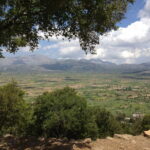
After Knossos, the tour moves into the mountains. The drive is part of the experience, with pretty mountain roads lined with olive trees. That change of scenery is more than decoration—it shifts you from “ruins and crowds” to “craft and countryside,” which helps the day feel like two different worlds.
You should expect a comfortable coach ride with a professional driver, since the tour includes a driver/guide throughout the day. But again, roads can feel bumpy for some passengers, so if you’re sensitive to motion, a little preparedness helps.
This mountain section also does a subtle job: it builds suspense for the craft part. By the time you reach the pottery village, you’re no longer just learning about a civilization—you’re moving toward the making side of it.


Pottery lesson: the 5 euro clay fee and what you can take home
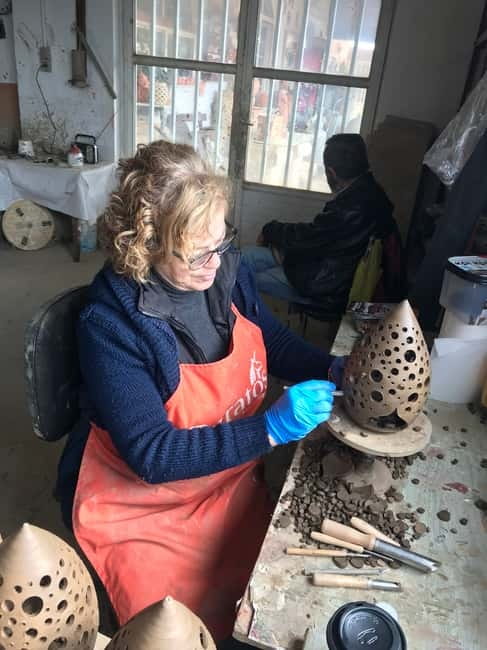
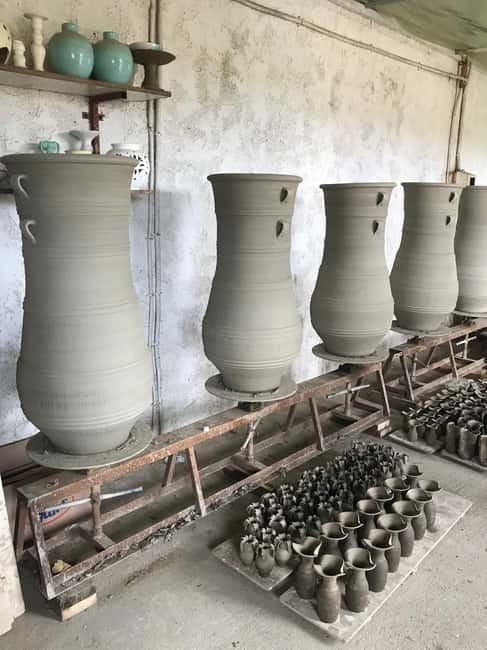
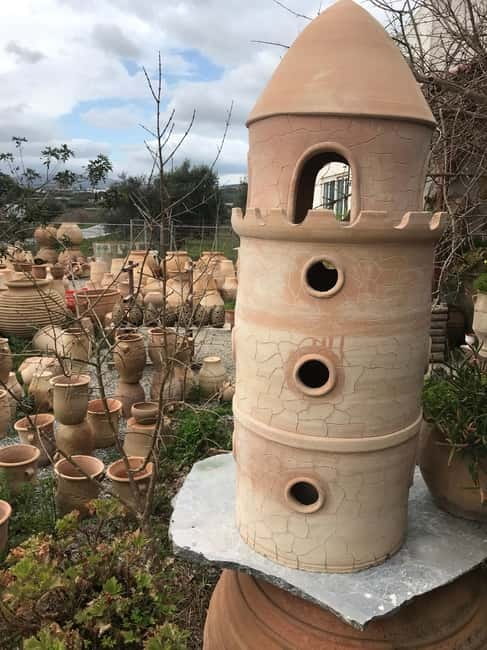
Here’s the heart of the second half: you’ll visit a traditional pottery village and learn how Cretans have produced pottery for thousands of years. The tour includes the chance to try your hand at pottery under guidance from a master potter.
One crucial detail: the cost of the lesson clay is not included. You’ll pay 5 euros on site, and you can take your self-made vase with you. That’s a fair setup—small extra fee, a tangible souvenir.
Now for the real-world expectations you should set:
- The pottery session can be brief. One negative account described an experience that felt extremely short, focused on making a tiny piece.
- What you make may be limited. That same account said it wasn’t easy to choose between options.
- Baking isn’t guaranteed. In at least one case, the clay was not baked, meaning you take home an unbaked piece rather than a finished ceramic item.
On the other hand, another experience enjoyed it as a stronger hands-on moment, with the group making a single pot with guidance. And one day included an issue: the pottery manufacturing setup was closed, and the guide still tried to make the best of it.
So how should you plan your mindset? Treat it as a try-it craft session, not a full kiln-and-finishing class. If you’re bringing home a working piece, ask on site what stage it will be in and whether you’re taking it fresh or finished.
If you’re comparing experiences, this matters most:
- Are you hoping to learn techniques you can keep practicing?
- Or are you happy with a short guided project and a souvenir?
This tour fits the second goal best.
Lunch breaks: wine or water, plus a practical timing reality
Lunch is included, and it comes with wine or water at a local restaurant. For a 7-hour day, that’s more than a perk—it prevents the classic “ruins hunger” problem, where everyone gets cranky and the tour experience suffers.
The lunch timing is also useful for pacing. You’re not rushing from Knossos into a long craft session on an empty stomach, and you have time to reset before you drive back.
One practical detail: because the pottery lesson can vary in length, the timing around lunch and then the final drive may shift. The goal is to keep you comfortable, but it’s smart to stay flexible if your group is sensitive to schedule changes.
If you’re picky about food, you’ll still likely find a standard Greek-style meal, but the exact menu isn’t specified here. The good news is that the tour provides a proper break rather than expecting you to snack your way through.
Price and value at $115 per person
At $115 per person, this day doesn’t look “cheap,” but it also doesn’t pretend to be a barebones bus tour. You’re paying for:
- Hotel pickup and drop-off
- A professional driver/guide
- Skip-the-line entry at Knossos
- Lunch with wine or water
- A small-group format (max 6)
Then there are two extras you must budget for: Knossos entrance fee and 5 euros clay for the pottery session. Add those in your head before you decide.
So is it good value? It usually is if you care about the guide’s explanations and you want a single-day cultural and craft mix without planning logistics. It may feel overpriced if you mainly want long time in Knossos or a deep pottery workshop, because the schedule is tight and the craft segment can be short.
My practical suggestion: if you book, go into the pottery portion expecting a small, guided souvenir, not a full artisan course. That mindset makes the day feel worth it.
Service quality: how the guide can make or break your day
This tour’s biggest variable is people power—specifically, the guide. Most feedback highlights guides who were attentive and informative, and who managed the group well.
For example, one positive experience praised George for being available, listening, and professional, with lots of Crete context. Another praised Panos for getting the group to Knossos early to avoid buses. There’s also a note about a guide working hard to bridge a language gap, which matters in a place like Knossos where details can fly fast.
At the same time, one low-rated account felt the guide didn’t properly lead the group at Knossos and that the pottery workshop experience didn’t match expectations. That’s a big mismatch, and it’s the kind of risk you accept with any guided day tour.
What can you do? Pick the right day, arrive on time for pickup, and ask direct questions about the pottery session on the spot. If something feels off—like you’re not getting time with the guide at Knossos—speak up immediately. Small groups move faster, so quick clarity helps.
Who this tour fits best
This day tour works best for you if you want:
- A short, guided Knossos experience without spending the whole day juggling tickets and routes
- A chance to do something hands-on with pottery
- A small group day with lunch included
- A scenic break thanks to the mountain drive
It’s also a good fit if you like seeing how a civilization connects to craft. Even at a high level, pottery helps you understand that these palaces were supported by real work: clay, tools, cooking vessels, storage, and everyday design.
Where it may not fit:
- You want a long, slow Knossos deep dive. This is time-managed.
- You expect the pottery workshop to produce a fully finished, baked ceramic item with lots of customization. Based on what’s described, it’s more likely to be a simpler, faster project.
Should you book this Knossos Palace and Pottery Safari with Adventure-Crete?
If you’re choosing between a plain Knossos visit and a combined cultural + craft day, I’d lean toward booking—because the pairing makes the day feel complete. The small group size, skip-the-line entry, and included lunch are real advantages, and the mountain drive adds a nice change of pace.
I would book with two conditions in your mind:
- Budget for the extras: Knossos entrance and the 5 euros clay fee.
- Treat the pottery as a guided try-at-it souvenir, not a long, detailed ceramics course—especially if you care about baking or finishing quality.
If your top priority is maximum time in Knossos or you’re a serious pottery student, you may be better served by a dedicated Knossos-focused visit plus a separate, longer pottery workshop. But for most people who want a balanced day—ruins plus making something—this one is a solid choice.
FAQ
How long is the Knossos Palace and Pottery experience?
The tour duration is 7 hours.
Is hotel pickup and drop-off included?
Yes. Pickup and drop-off are included, and you’ll be picked up directly at your hotel or villa.
Do I need to pay extra for Knossos entrance?
Yes. The Knossos entrance fee is not included.
What does lunch include?
Lunch is included, with wine or water provided.
Is the pottery clay included in the tour price?
No. Clay is an extra cost of 5 euros paid on site, and you can take your self-made vase with you.
How big is the group?
It’s a small group limited to 6 participants.
What is the cancellation policy?
You can cancel up to 24 hours in advance for a full refund.