REVIEW · LISBON
Lisbon: Sintra, Pena, Regaleira, Cabo da Roca & Cascais
Book on GetYourGuide →Operated by TOUR TUNER · Bookable on GetYourGuide
One day, a whole Portugal vibe. This private Sintra–Cascais route mixes storybook palaces with wild Atlantic cliffs in about 7 hours, and it keeps the pace realistic. What makes it work is the combination of guided history, time-slot entry planning, and a coastal finish that feels like a reward for the morning’s walking.
I especially love the way Pena Palace and Quinta da Regaleira hit different moods. Pena gives you that dramatic Romantic architecture on a rocky peak, while Regaleira’s gardens feel like a puzzle you can wander through slowly. You also get the fun payoff of Cabo da Roca’s edge-of-the-map cliff views, then the theatrical waves at Boca do Inferno.
One thing to consider: this is a timed-entry, moderate-walk day. Sintra’s weather can be unpredictable, and you’ll want comfortable shoes because you’ll move around a fair bit even with a van ride between stops.
In This Review
- Key highlights at a glance
- A private Sintra–Cascais day you can feel in your legs
- First stop: Sintra town breaks and quick photo stops
- Quinta da Regaleira: the gardens that feel like a coded adventure
- Castle of the Moors: views plus the Reconquista-era backstory
- Pena Palace and Park: Romantic architecture with a big panorama payoff
- Cabo da Roca: the westernmost cliffs where the sea starts talking
- Cascais and Boca do Inferno: wave drama with dramatic names
- Guide quality is the difference between seeing and remembering
- Price and value: where the $74 per person really goes
- Weather and backups: how the day adapts when Sintra misbehaves
- Who should book this Sintra–Cascais combo
- Should you book this tour?
- FAQ
- FAQ
- How long is the Lisbon Sintra, Pena, Regaleira, Cabo da Roca & Cascais tour?
- Where can the driver pick me up?
- Is transportation included?
- Is Wi‑Fi available during the tour?
- Are entry tickets included for Pena Palace, Regaleira, and the Moorish Castle?
- Does the tour help with timed entry?
- Is food included?
- How much walking is involved?
- What happens if Pena Palace and Regaleira close due to fire risk?
- Can I cancel for a full refund?
Key highlights at a glance

- Regaleira’s symbolic gardens with hidden tunnels and coded designs to explore at your own pace
- Castle of the Moors on a hilltop tied to Moorish rule and the Reconquista era
- Pena Palace and Park with panoramic viewpoints and Romantic-era architecture
- Cabo da Roca at the westernmost point of continental Europe, built for photography
- Boca do Inferno in Cascais where crashing waves meet a cliffside chasm
- Guide-led ticket coordination so you spend less time stuck in queues
A private Sintra–Cascais day you can feel in your legs
This is a private day tour (so it’s not a cattle-car vibe), designed to cover the best parts of Sintra and the coast without you having to figure out buses, parking, or timing. Pickup is flexible across multiple places in the Lisbon area, and the vehicle is air-conditioned with Wi‑Fi and a bottle of fresh water waiting for you.
The timeline is built for a 7 to 7.5 hour day, which is long enough to see the big-ticket sites, but short enough that you still feel like a human afterward. You’ll do a moderate amount of walking across multiple stops, though, and some days the weather in Sintra can add extra slippery footing.
If you want a single “greatest hits” day that still feels personal, this setup makes sense. And if you care about photos, the best guides on this route are the ones who help you plan where to stand and when to move.
You can also read our reviews of more tours and experiences in Lisbon.


First stop: Sintra town breaks and quick photo stops
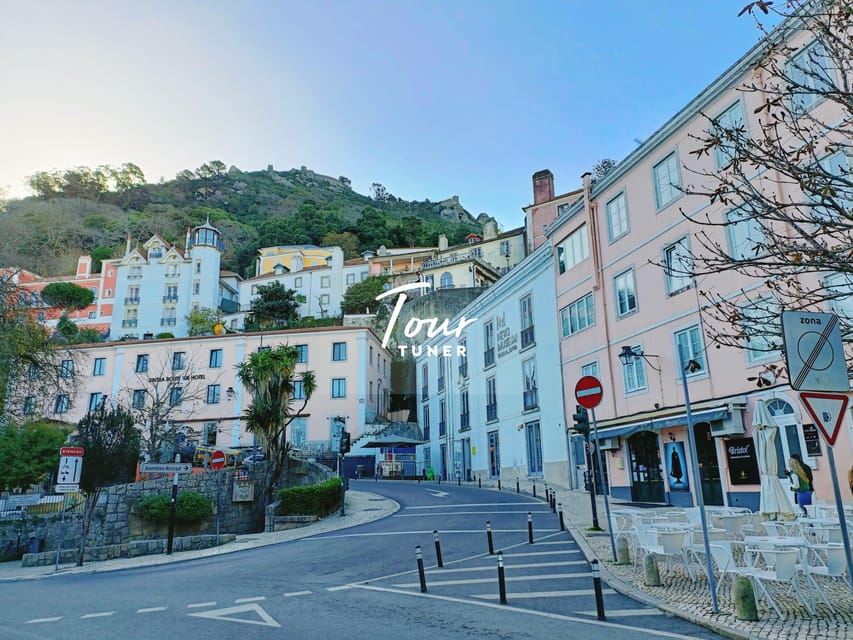
The day starts in Sintra with a mix of break time, photo stops, sightseeing, and walking. You’ll get scenic views along the way as you head into the historic zone, and there’s also time to settle in before the palace-and-gardens marathon begins.
Sintra itself is all about variety: colorful buildings, garden-like settings, and that layered mix of older structures and later European styles. Even if you’re not going deep into the town center, that brief introduction helps you understand why the palaces feel like they belong to the hills rather than being dropped there.
Practical note: this is the part of the day where you should keep your eyes on your guide for the next timing beats. Sintra places can get crowded, and the smartest approach is moving at the rhythm of your schedule rather than wandering in random time.
Quinta da Regaleira: the gardens that feel like a coded adventure
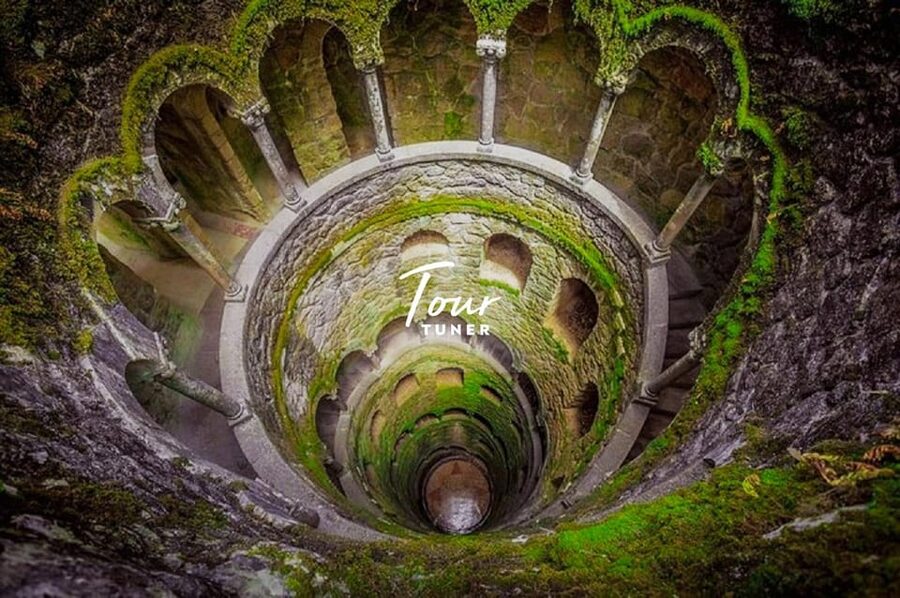
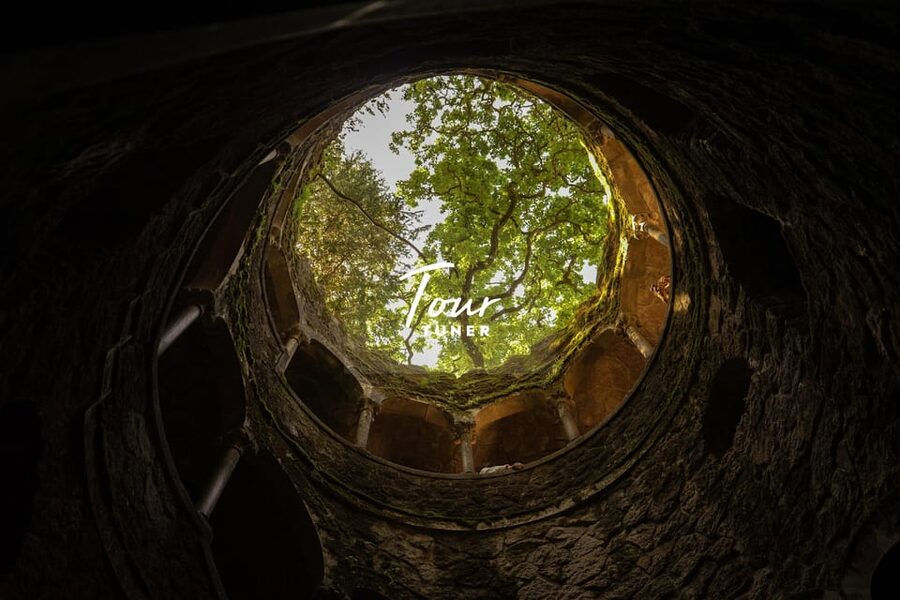
Quinta da Regaleira is a standout because it isn’t just pretty. It’s theatrical in a quiet way—built to make you slow down and look for meaning as you walk.
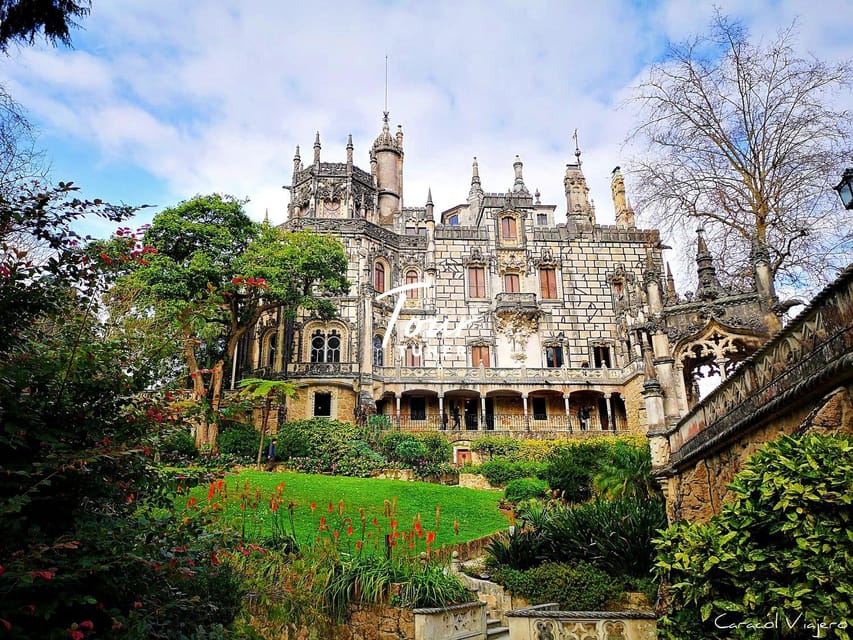
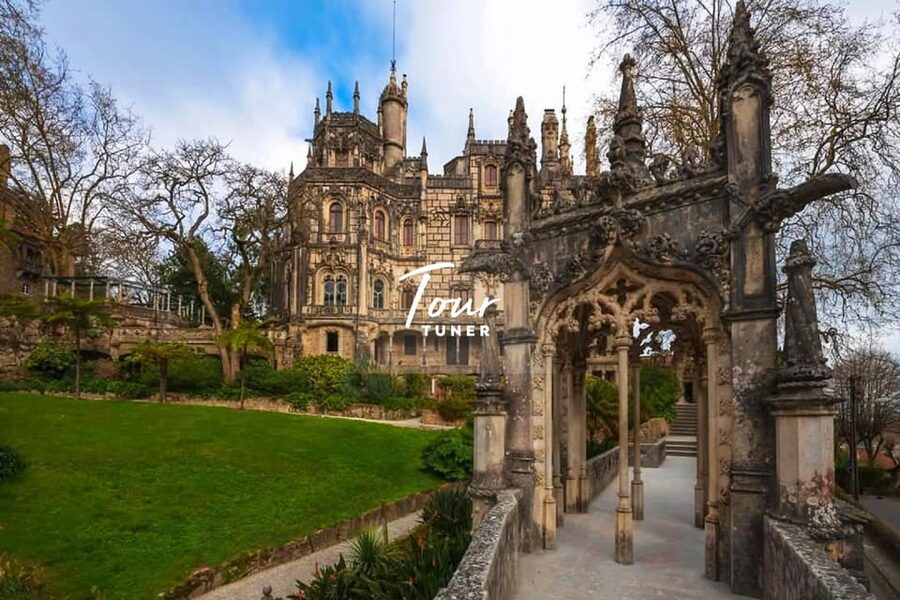
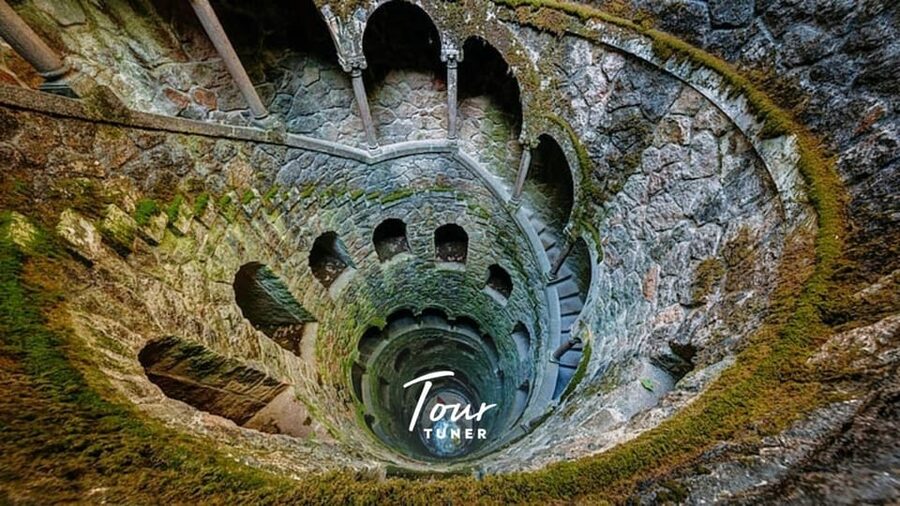
The estate is a 20th-century residence with an ornate Gothic façade, split over five floors. That’s the front door story. The real reason to go is what happens behind it: the gardens. They’re styled around ancient secret orders and symbolism, with hidden tunnels and concealed references that turn a stroll into a kind of scavenger hunt.
What I like about Regaleira is how it breaks the usual palace pattern. You’re not just viewing buildings; you’re moving through a designed world. If you enjoy gardens, design details, or anything with a “why did they build it like that?” feeling, you’ll get more out of this stop than the quick photo crowd.
Timed entry applies here too (access by time slots only), and the guide will help you manage that efficiently. You may have free time to explore, so you can adjust based on weather and your own pace.
Castle of the Moors: views plus the Reconquista-era backstory
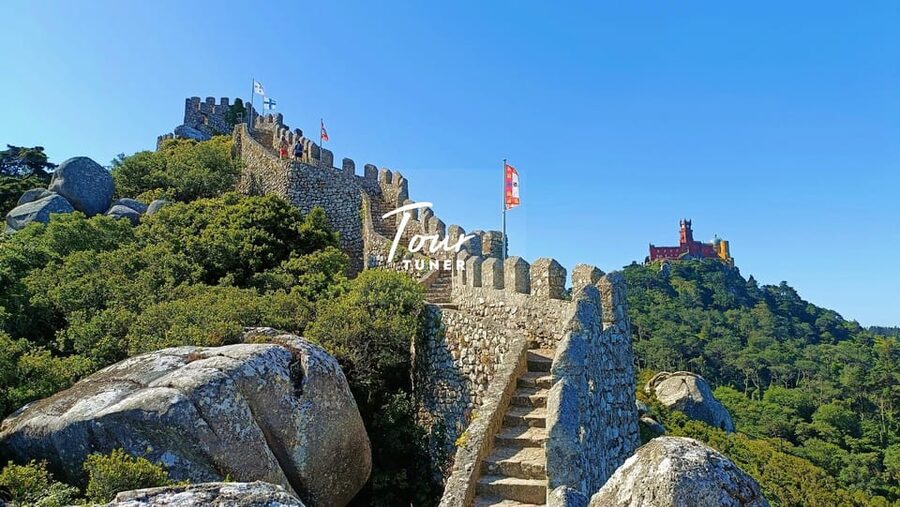
After Regaleira, you climb toward history with the Castle of the Moors. This is a hilltop medieval castle tied to the Moors, built in the 8th and 9th centuries. It mattered strategically during the Reconquista era, and it was taken by Christian forces after the fall of Lisbon in 1147.
This site is valuable for two reasons. First, you get that commanding elevation feeling that makes Sintra make sense geographically—hills, forests, and long views toward the Atlantic. Second, the story adds context to the stone. Even if you don’t read every sign, your guide’s explanation helps you connect the castle to the bigger timeline, not just the scenery.
You’ll get photo stops and time to explore. Wear shoes with grip because the terrain can vary, and the castle grounds involve walking on paths that may not be perfectly level.
Pena Palace and Park: Romantic architecture with a big panorama payoff
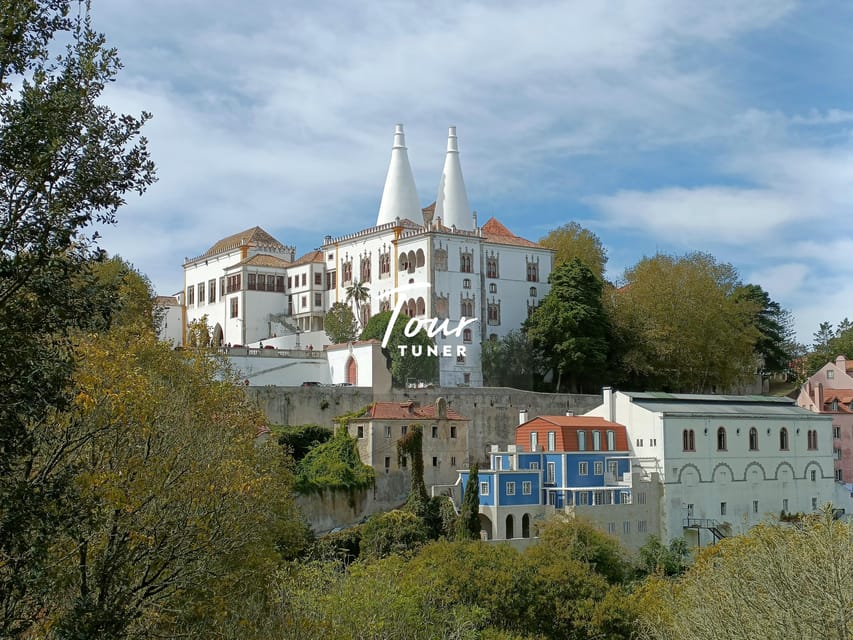
If you want the classic “Portugal postcard” moment, Pena Palace is it. The palace is one of the most recognizable sights in the country, perched on a rocky peak that’s the second highest point in the Sintra hills.
It’s a 19th-century Romantic-style masterpiece, and that style shows up in the visual mix: dramatic shapes, bold colors, and the feeling that the building belongs to the mountain it’s sitting on. The palace is designated a National Monument (since 1910) and it forms part of the Sintra Cultural Landscape, a UNESCO World Heritage site.
But don’t skip the park. The surrounding areas offer panoramic views of forests and gardens filled with exotic plants and flowers. That combination is why this stop works so well even on limited time: you get architecture, plus viewpoints, plus nature elements that don’t feel like an afterthought.
Timed entry is required for Pena Palace and Park (access by time slots only). The benefit of a guided private format is that your guide coordinates ticket access and helps you avoid common timing mistakes. Also, guides don’t enter individual rooms to avoid crowd friction, so your focus stays on the areas that make the most impact.
And if conditions are rough, the guide can help you choose what’s worth prioritizing so you don’t spend the day frustrated.






Cabo da Roca: the westernmost cliffs where the sea starts talking
Next comes the coast, and it’s a mood shift. Cabo da Roca is the westernmost point of continental Europe. It’s famous because Portuguese poet Luís de Camões referenced it as a place where the earth ends and the sea begins.
This is the kind of viewpoint that’s good even if you’ve seen cliffs before. The cliffs rise about 150 meters, and the ocean energy makes the whole area feel louder and sharper. It’s also a photographer’s paradise because the light and the rock shapes create contrast fast.
During the stop you’ll have time for coffee, dessert, or lunch, depending on timing and what your group prefers. It’s one of the easiest places to slow down briefly. Just remember that wind can be real out here, so bring weather-appropriate layers even if Lisbon feels mild earlier.
Cascais and Boca do Inferno: wave drama with dramatic names
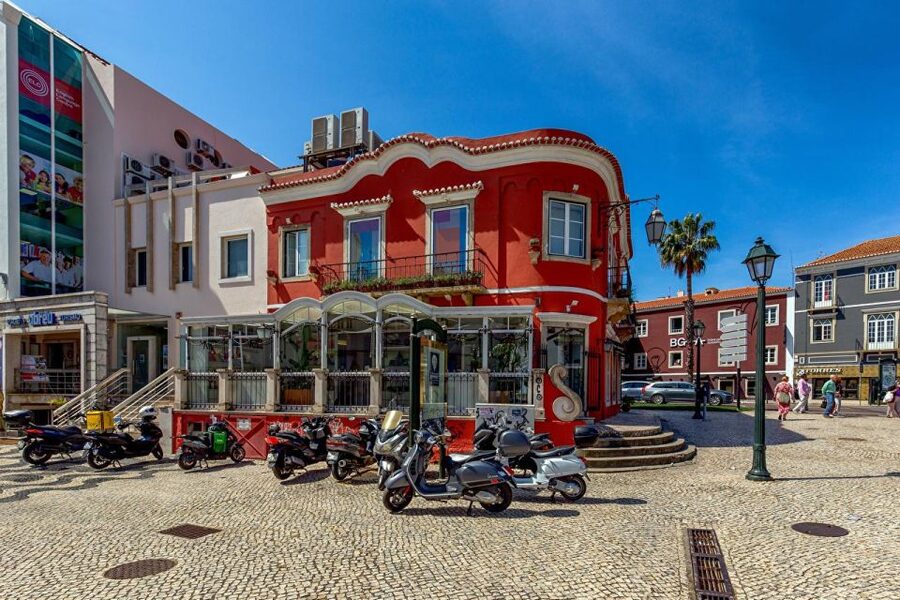
After the big cliff moment at Cabo da Roca, the tour continues into Cascais, a town that became a favorite summer destination for European aristocracy in the 19th century. You’ll get sightseeing time and a chance to enjoy the coastal atmosphere without turning the day into a beach vacation.
Then comes Boca do Inferno, the famous Mouth of Hell. This isn’t just a look-at-it-from-a-distance spot. It’s a cliffside chasm with an open cavity shaped by the sea over time. Waves crash in with real force, creating that theatrical scene the name hints at.
You’ll have free exploration time here, plus a guided orientation so you understand what you’re seeing. It’s believed the site used to be a cave that the sea gradually widened into the dramatic form it has today, with an arch-like entrance where seawater moves in and out.
The best tip I can give: treat Boca do Inferno like your final big “wow” moment, not a rushed stop. If your schedule allows, linger long enough for the waves to change. The motion is part of the experience.
Guide quality is the difference between seeing and remembering
This tour’s biggest strength isn’t just the famous stops. It’s the people guiding you through them.
In the standout examples of this route, guides like Saif and Nayem are praised for staying patient, explaining history with clarity, and offering practical help that makes your day easier. One frequent theme is photo guidance—spot suggestions and timing ideas to get better shots without fighting the busiest areas for long.
There’s also ticket-smart coordination. Since Pena Palace and Quinta da Regaleira use time-slot access, the guide helps you plan so you’re not guessing or losing your window. You’ll typically get guidance via WhatsApp or email, and the guide also adjusts based on what the group wants for each stop length.
You’ll also want to trust the vehicle and timing approach. A driver with solid local experience helps with smooth routing. Plus, the tour uses an air-conditioned vehicle for comfortable transfers between hill climbs and coastal viewpoints.
Small but meaningful comfort details matter: cold water, clean interior, and time discipline. The best days feel organized, not frantic.
Price and value: where the $74 per person really goes
At $74 per person for a 7 to 7.5 hour private tour, the value depends on what you’re comparing it to.
Here’s what you’re paying for that’s hard to replicate cheaply:
- Pickup and drop-off from several Lisbon-area locations, including the airport and certain suburbs
- Transportation by air-conditioned vehicle, which saves time and stress on a day like Sintra–Cascais
- Insurance for all passengers
- A driver and guided private experience, with English support
- Wi‑Fi inside the vehicle and a bottle of fresh water
- Skip-the-ticket-line handling and time-slot coordination support
- A flexible day so you can choose how long to stay at each place
What you’re not paying for: food and entry tickets for Pena Palace and Park, Castle of the Moors, and Quinta da Regaleira.
So for value, think like this: if you’d otherwise buy tickets on your own and burn time figuring out transport and entry timing, you’ll feel the benefit of paying for a guided, vehicle-based day. If you already have a very efficient self-planned plan and you like doing everything independently, you might feel less need for the guided format.
For many people, though, the price lands as reasonable because the tour handles the friction points that steal your energy: getting from place to place, hitting time-slot entry windows, and navigating the crowd flow.
Weather and backups: how the day adapts when Sintra misbehaves
Sintra’s climate can shift fast. Rain, fog, and sun can happen in weird combinations, and the tour runs in all conditions. That matters because you should plan with the assumption that you might need to adjust your expectations and clothing on the fly.
There’s also a contingency plan: if Pena Palace and Quinta da Regaleira close due to fire risk, the day pivots to Queluz National Palace, plus stops at Cabo da Roca and Cascais.
What I like about having a backup is that it protects your day. You won’t be left with an empty schedule. It also means your guide will keep moving toward the best workable version of this route.
Who should book this Sintra–Cascais combo
This tour is a strong match if you:
- Want a single-day greatest hits that covers Sintra palaces plus coastal cliffs
- Prefer private guidance with English support and real-world timing help
- Like photo stops and viewpoint planning
- Don’t want to wrestle with transport logistics on a busy route
It’s not a great fit if you need wheelchair access or if you’re pregnant (the tour states it’s not suitable). It also isn’t meant for people above 150 kg or over 95 years.
If you’re comfortable walking moderately and you have good shoes, it’s the kind of day that leaves you with photos and stories in the same package.
Should you book this tour?
If your goal is to see Sintra’s top architectural hits and then end with the Atlantic coastline drama, I think this tour is worth serious consideration. The biggest reason is the structure: private vehicle comfort, guided time-slot coordination for Pena and Regaleira, and a coastal finale that feels like a reward instead of an afterthought.
Book it if you want the stress removed and the day handled with care, especially for timed-entry sites. I’d only skip it if you love wandering at your own pace with zero schedule and you’re already an expert at sorting ticket timing and transport in Sintra.
FAQ
FAQ
How long is the Lisbon Sintra, Pena, Regaleira, Cabo da Roca & Cascais tour?
It runs about 7 to 7.5 hours.
Where can the driver pick me up?
Pickup options include Lisbon Portela Airport, Cascais, Oeiras, Estoril, Algés, Sintra, Moscavide, and Lisbon. Pickup from your listed location is included.
Is transportation included?
Yes. You travel by an air-conditioned vehicle, and pickup plus drop-off are included.
Is Wi‑Fi available during the tour?
Yes, Wi‑Fi is available inside the vehicle.
Are entry tickets included for Pena Palace, Regaleira, and the Moorish Castle?
No. Entry tickets are not included, and you’ll need to purchase them separately.
Does the tour help with timed entry?
Yes. Pena Palace and Park and Quinta da Regaleira use access by time slots only, and your guide helps coordinate the process.
Is food included?
Food is not included. The day includes a stop for coffee/dessert/lunch time at Cabo da Roca, but you’ll pay for what you choose.
How much walking is involved?
The tour includes a moderate amount of walking.
What happens if Pena Palace and Regaleira close due to fire risk?
If those sites close for fire risk, the plan can switch to Queluz National Palace, plus Cabo da Roca and Cascais.
Can I cancel for a full refund?
Yes. Free cancellation is available up to 24 hours in advance for a full refund.