REVIEW · PRAGUE
Prague Castle: Small-Group Tour with Visit to Interiors
Book on GetYourGuide →Operated by Inna Poljakova · Bookable on GetYourGuide
Prague Castle is history you can walk through. On this small-group tour with Inna Poljakova, I like how the stories turn the grounds into a living timeline, especially around St. Vitus Cathedral and the Golden Lane. The main drawback: it’s often windy on the hill, and the Cathedral and Basilica aren’t heated, so winter visits can feel brutally cold.
You’ll get a focused pace for a short window. The group is limited to 10, so you’re not shouting your questions into the void, and you can actually hear the legends and details your guide shares.
One more thing I like: the order of stops is smart. You start at the statue of Tomáš Garrigue Masaryk (TGM) and move through the big-name interiors, including the Old Royal Palace, where the third Defenestration of Prague gets explained in context.
In This Review
- Key Highlights You’ll Actually Feel
- Prague Castle on a Tight Schedule: 2.5 Hours, Real Interiors
- Finding Your Guide at Hradcany Square (The Pink Umbrella Trick)
- St. Vitus Cathedral: 50 Minutes That Makes the Crowds Worth It
- Old Royal Palace: Where the Third Defenestration Fits In
- St. George’s Basilica: The Oldest Surviving Piece of Prague Castle
- Golden Lane and Daliborka Tower: Tiny Houses, Big Atmosphere
- Skip-the-Ticket-Line: What It Really Means Here
- Price and Value: Why $52 Works for a Short, Ticketed Tour
- Who Should Book This Tour (and Who Might Not Love It)
- Quick Tour Tips That Actually Help
- Should You Book This Prague Castle Small-Group Interiors Tour?
Key Highlights You’ll Actually Feel
- Small group (max 10): easier questions, better storytelling, less shoulder-to-shoulder stress
- TGM meeting point + pink umbrella: you find your guide fast at Prague Castle’s main gate area
- St. Vitus Cathedral guided visit (50 minutes): coronation place of Bohemian kings, with attention to architecture and details
- Old Royal Palace stop (30 minutes): the third Defenestration of Prague ties the politics to the stones
- St. George’s Basilica (30 minutes): the oldest surviving building of Prague Castle
- Golden Lane with Daliborka Tower: picturesque houses and the tower area that rounds out the castle mood
Prague Castle on a Tight Schedule: 2.5 Hours, Real Interiors
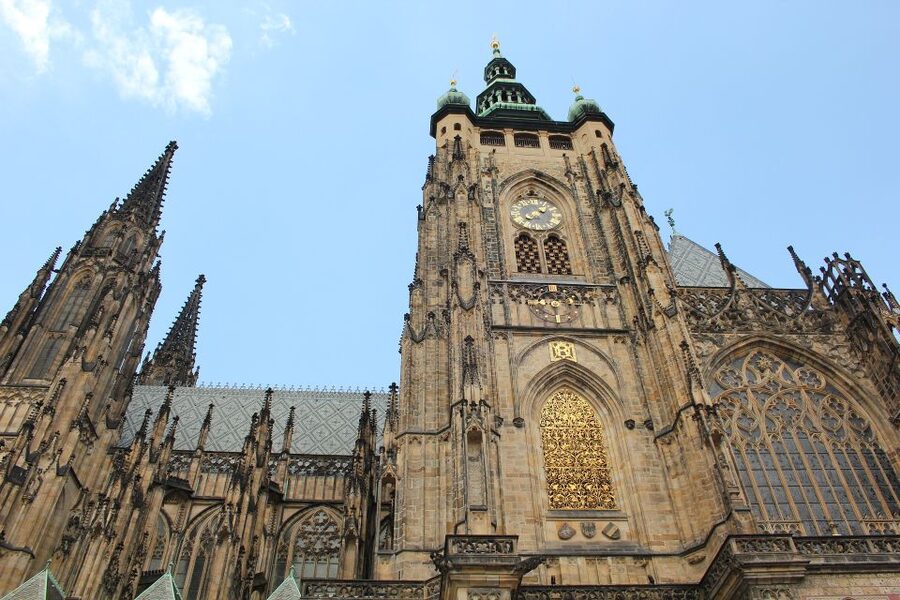
Prague Castle is massive. Even if you’re a confident walker, a self-guided visit can feel like you’re speed-scanning from one highlight to the next. This tour gives you a clear structure for about 2.5 hours, with guided time inside the main interiors that people usually rush past.
You get a walking tour feel, but the real value is what happens once you’re in those spaces. Your guide connects the sites into a single story: how this hill fort evolved over centuries into one of the largest castle complexes in the world.
And that’s the point for your visit. You don’t just see. You understand why the castle looks the way it does, and what specific events and eras people tried to “freeze in” through architecture and royal symbolism.
You can also read our reviews of more tours and experiences in Prague.


Finding Your Guide at Hradcany Square (The Pink Umbrella Trick)
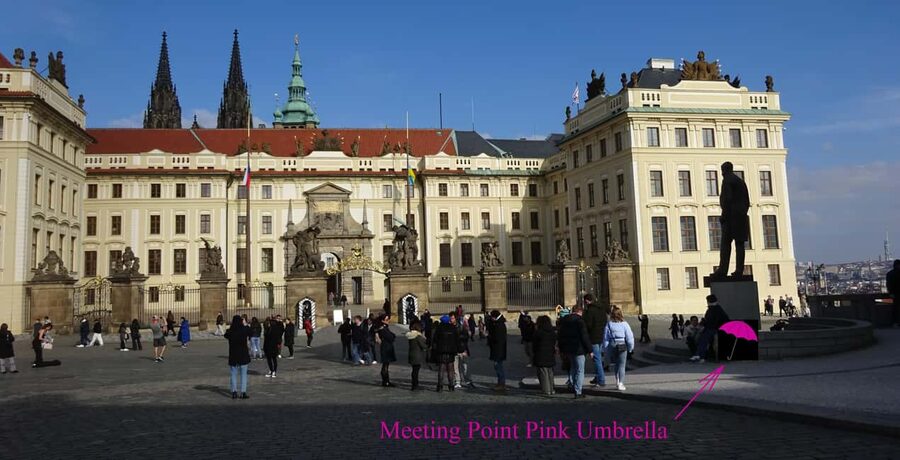
You start at the statue of Tomáš Garrigue Masaryk (TGM) on Hradcany square, in front of the main gate to Prague Castle. Your guide will be holding a pink umbrella, which is a small detail, but it matters because the entrance area can be confusing.
There’s no hotel pickup, so you’ll want to arrive with a bit of buffer. Once the tour starts, you’ll move as a unit, and the whole schedule depends on everyone showing up on time.
This start location also sets you up well. You’re already in the “right universe” before the tour even begins—castle hill energy, historic views, and the sense that you’re about to climb into a major chapter of Czech history.
St. Vitus Cathedral: 50 Minutes That Makes the Crowds Worth It
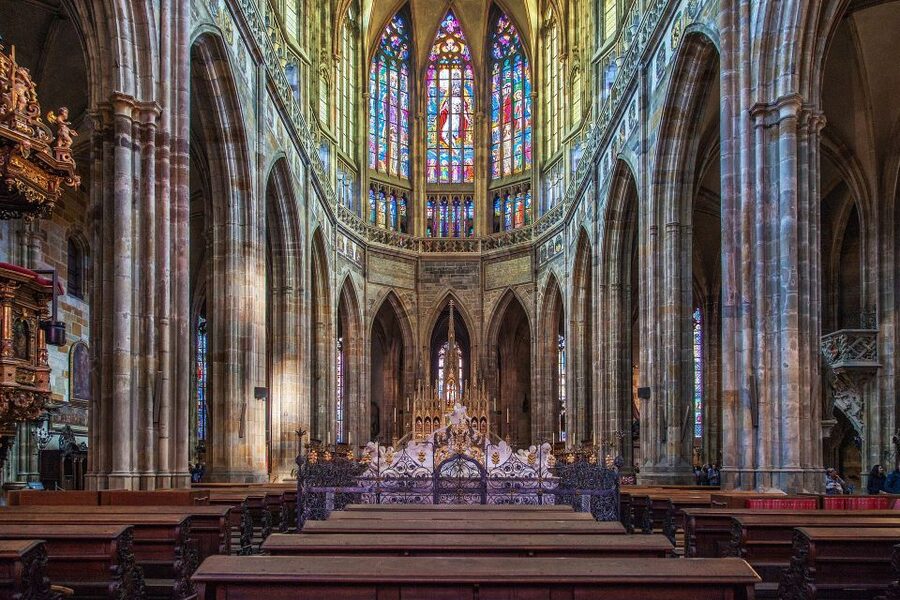
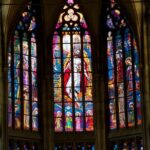
St. Vitus Cathedral is the big interior stop, and you’ll spend 50 minutes on a guided visit. It’s the coronation place of the Bohemian kings, so your guide doesn’t treat it like just another church. You’ll hear how the cathedral’s role shaped royal power and public image over time.
This is also where a guide earns their keep. Cathedral spaces are designed to pull your attention—height, light, ornament, the feel of ceremony. Without a guide, you’ll still notice the scale, but you might miss the “why” behind what you’re seeing.
Practical note: the Cathedral isn’t heated. So if you’re visiting in winter, wear layers you can move in. A scarf and gloves make a difference, especially if you’re standing still during explanations.
Old Royal Palace: Where the Third Defenestration Fits In
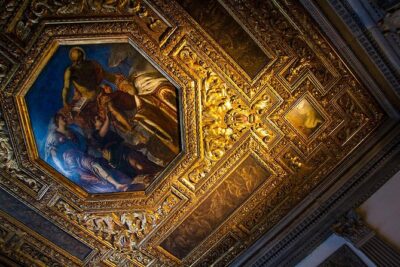
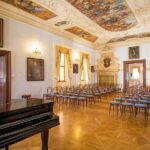
Next comes the Old Royal Palace for about 30 minutes. This is a highlight for people who like political drama with their architecture, because this stop includes the story of the third Defenestration of Prague.
Even if you’ve heard the word defenestration before, the tour gives you the connection that matters: the event becomes tied to the spaces where power played out. You’re not just getting dates—you’re getting a sense of how the palace functioned as a stage for conflict.
A small timing reality: 30 minutes is enough to learn the main threads and see the important visual cues, but it won’t satisfy someone who wants to linger for half an hour on every single detail. If you’re the type who wants to read every plaque and soak it all in, you may want a longer self-guided add-on afterward.
St. George’s Basilica: The Oldest Surviving Piece of Prague Castle
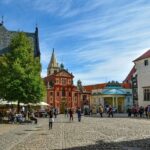
St. George’s Basilica is a 30-minute guided visit and one of my favorite “architecture-first” stops on the route. It’s noted as the oldest surviving building of Prague Castle, which means you’re standing in one of the earliest layers of what later became a huge, evolving complex.
This stop works especially well if you enjoy early craftsmanship and the way later rebuilds can’t fully erase older foundations. Your guide helps you see what makes this basilica different from the rest—so it doesn’t blur into the background.
Just remember: it’s also not heated. The basilica can be cold enough to make you walk a little faster. If you keep moving with the group, you’ll still get the full value of the stories and context.


Golden Lane and Daliborka Tower: Tiny Houses, Big Atmosphere
Golden Lane is where the castle shifts from royal grandeur to something more human. You’ll spend about 30 minutes here on guided time, with the focus on the picturesque houses and the Daliborka Tower area.
The vibe changes in a good way. Golden Lane feels like you’re moving from ceremony into atmosphere—small-scale living that helps you picture life inside the castle walls beyond crowns and cathedrals.
It’s also a practical crowd checkpoint. The castle complex can get tight, especially later in the morning. If you’re trying to avoid elbow-to-elbow conditions, choose the earliest time slot you can manage. That single choice can make the walk feel calmer and the stories easier to hear.
Skip-the-Ticket-Line: What It Really Means Here
You do get a skip-the-ticket-line approach, which usually helps you start faster. Tickets for the interiors are included for St. Vitus Cathedral, Old Royal Palace, St. George’s Basilica, and Golden Lane.
One important nuance: to enter the interiors, there’s still a shared line where guides and tourists stand together. The good news is that the line is managed well enough that you’re not stuck forever. Your guide fills the waiting time with facts, legends, and answers that keep it from feeling like dead time.
If you absolutely hate lines, this isn’t a “no waiting ever” tour. But compared to wandering in cold and clueless, it’s a far smoother way to get into the key spaces.
Price and Value: Why $52 Works for a Short, Ticketed Tour
At $52 per person for around 2.5 hours, the value is strongest if you want two things together:
1) guided storytelling in the main interiors
2) admission tickets handled for you
This tour includes the guide fee and the entry tickets to the four listed interior areas. It also runs as a small group capped at 10, which is a big deal in Prague Castle where crowd pressure can make self-guided visits exhausting.
What’s not included is mostly what you’d expect: hotel pickup/drop-off, food and drinks, and personal spending. You’ll also need comfortable shoes since you’ll be walking and standing at multiple points on the hill.
My practical take: if you’re spending time in Prague anyway and you care about getting meaning out of what you see, this price is reasonable. It’s not just paying for entry—it’s paying for context, pacing, and a guide who turns architecture into stories you can remember.
Who Should Book This Tour (and Who Might Not Love It)
This is a strong fit if you:
- want a structured castle visit without planning every interior stop yourself
- like history told through events and places, not just facts read silently
- prefer smaller groups, especially in a crowded complex
It may feel less ideal if you:
- want long, silent time inside each venue with no schedule pressure
- have very limited tolerance for cold interiors (both Cathedral and Basilica aren’t heated)
- want a totally line-free experience (there is still a common interior line)
Quick Tour Tips That Actually Help
Bring comfortable shoes. You’ll be on a hill and moving between areas that require steady footing.
Dress for cold that sneaks up on you. The tour notes that it’s almost always windy on Prague Castle hill, and inside the Cathedral and Basilica it’s especially chilly in winter.
If you’re sensitive to crowd noise, pick an early departure. Even in off-season, later in the morning can get crowded fast.
Should You Book This Prague Castle Small-Group Interiors Tour?
I’d book it if you want the best “payoff per hour” in Prague Castle. You’ll hit the essentials—St. Vitus Cathedral, Old Royal Palace, St. George’s Basilica, and Golden Lane—with admissions included and a small group pace that keeps the experience human.
If you’re coming mainly for atmosphere and photos, and you’re comfortable building your own plan, you could wander on your own. But if you want your visit to feel meaningful instead of just impressive, this tour does exactly that—guided, efficient, and built around the castle’s most important interiors.