REVIEW · MUNICH
Private Tour of Nymphenburg Palace and Gardens
Book on Viator →Operated by Tom's Tours · Bookable on Viator
Nymphenburg turns history into a walk. This private tour in Munich led by Tom makes the whole day easier: you meet at Hauptbahnhof and ride public transport with entry tickets handled, so you spend time looking instead of planning. I love the built-in free time inside the palace rooms, plus the chance to stop and ask questions as Tom explains court life.
I also love the garden-and-pavilion route, where fountains and statues lead you to the small “mini-palaces” around the grounds, not just the main building. One drawback to consider: several pavilions (and the Marstallmuseum) switch on/off based on season, so what you’ll see can depend on your visit dates.
In This Review
- Key highlights if you’re short on time
- Why Nymphenburg Palace and Gardens feels like a different side of Munich
- Meeting at Hauptbahnhof and riding out to the palace without stress
- Inside Nymphenburg Palace: baroque rooms plus real court-life context
- Nymphenburg Gardens: where fountains, statues, and pavilions steal the show
- Amalienburg: a hunting lodge and Rococo masterpiece (seasonal timing matters)
- Badenburg: Elector Max Emmanuel’s baroque swimming pool
- Pagodenburg: the Chinese-inspired pleasure palace pavilion
- Magdalenenklause: a hermitage retreat with shell grotto and a miracle spring
- Schloss Nymphenburg Marstallmuseum: carriages of the Wittelsbachs (when open)
- Pacing, questions, and a guide who doesn’t rush your day
- Price and value: what you’re paying for at $192.77 per person
- Who should book this Nymphenburg Palace and Gardens tour
- Should you book Tom’s private Nymphenburg tour?
- FAQ
- Where do we meet for the Nymphenburg Palace and Gardens tour?
- How long is the tour, and what time does it start?
- Is this a private tour or shared with other people?
- Are entrance tickets included for the palace and pavilion stops?
- Which stops are affected by seasonal closures?
- Can I cancel and get a full refund?
Key highlights if you’re short on time
- Private group, your pace: you can slow down, speed up, or linger where interest hits.
- Tickets and most entries included: palace and multiple pavilions come with admission in the tour price.
- Tom’s storytelling style: court intrigue, servants’ daily grind, and explanations you can actually follow.
- Palace plus gardens, not one or the other: the grounds get their own focus and time.
- Seasonal swap of pavilion stops: some structures close in winter, others open then.
- No need to wrangle transit: you go by public transport from the main station area.
Why Nymphenburg Palace and Gardens feels like a different side of Munich
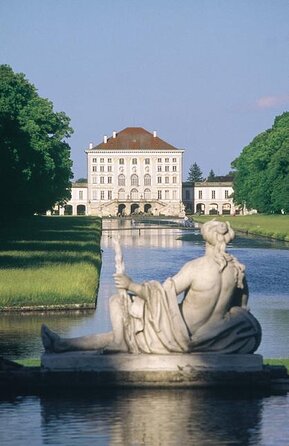
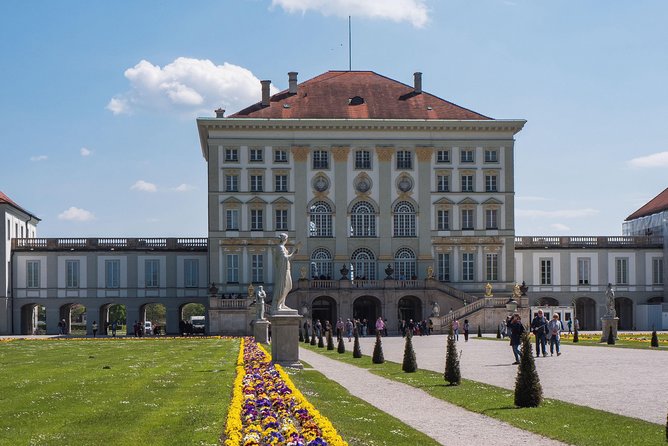
Nymphenburg is what happens when Bavarian rulers decided they wanted a royal playground outside the city. The palace is baroque and theatrical inside, and then the grounds shift into a garden world of fountains, statues, and small buildings that look like they belong in separate stories.
What makes this tour a smart choice is balance. You do get the “big wow” from the palace rooms, but you also get enough time to enjoy the gardens as a walk—not a rushed checklist. The pace matters here, because Nymphenburg is spread out and the full complex can feel like it’s made for people with patience.
And while the palace alone can impress, the surrounding pavilions are where the site becomes fun. Each little stop hints at a different side of court life: hunting, leisure, hermit-style escape, and even a Chinese-inspired pleasure palace vibe.
You can also read our reviews of more tours and experiences in Munich.


Meeting at Hauptbahnhof and riding out to the palace without stress
You start at Hauptbahnhof (Munich main station), where Tom meets your group at the transit hub. The tour runs for about 5 hours, and it begins in the morning window (the provided opening hours list 9:30 AM to 10:00 AM daily).
From there, you head to Nymphenburg by public transport. This is a big deal for two reasons:
1) You avoid the mental load of figuring out which tram or route fits your day.
2) You don’t burn vacation time standing in lines or hunting tickets right when you arrive.
One detail I appreciate: the guide makes the starting point practical. If you book normally, the meeting point is set up for the tram access near the station. If you request a different meeting spot (like a hotel lobby), you may end up walking a bit more—small, but worth factoring in if you have limited mobility or tight stamina.
Inside Nymphenburg Palace: baroque rooms plus real court-life context
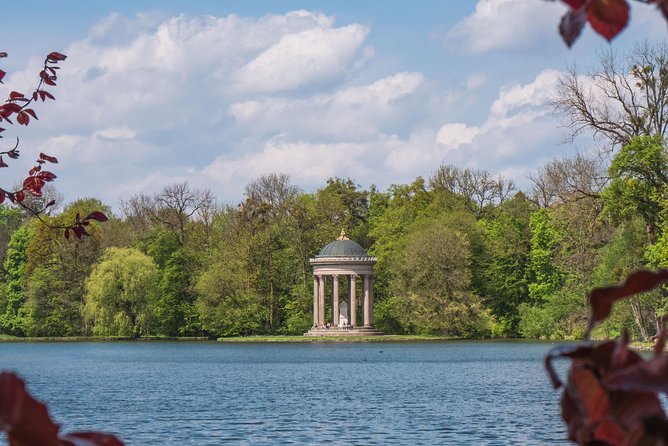
The palace is the heart of the day, and it takes roughly 4 hours. You’re guided through the baroque palace rooms, with Tom explaining the stories behind what you’re seeing.
This is where you get more than decoration. You’ll hear about the royal family and how court life worked—everything from aristocratic flirting to the daily grind of servants. That kind of human detail makes the rooms easier to understand. You’re not just looking at opulence; you’re learning why the space looked the way it did and what it was used for.
A practical bonus: you also get free time to explore palace rooms on your own. That means you can revisit the parts you liked, slow down for photos, or simply stand and take it in without feeling like every second is scheduled.
Keep one expectation in mind: Nymphenburg is a huge complex, and only a small handful of rooms are typically covered in a tour like this. The upside is quality of attention. The risk is that if you’re hoping to see every room, you may want a second visit or a longer tour later.
Nymphenburg Gardens: where fountains, statues, and pavilions steal the show
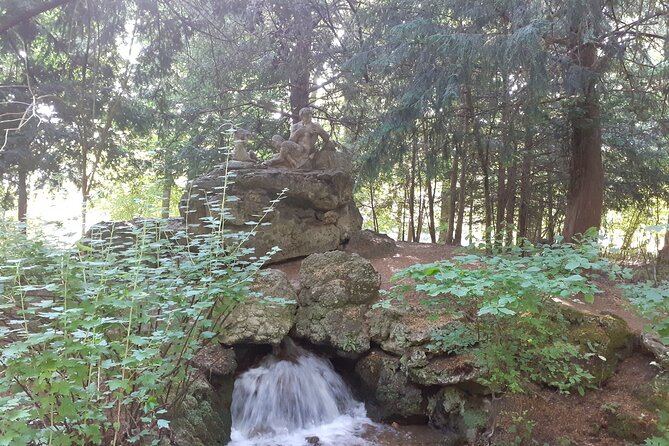
After the palace rooms, you head outside for the garden experience. You’ll walk past fountains and statues, and you’ll move along paths that lead to the park pavilions—those smaller buildings that expand the palace into a whole landscape of “chapters.”
This is the section that many people end up caring about most, and I get why. The gardens aren’t just scenery. They’re organized in a way that keeps the walk interesting. You get repeated chances to look back, refocus, and notice different garden features.
Also, the gardens aren’t one-style only. You’ll experience a mix that feels like French-and-English garden planning, which creates that neat contrast of structured geometry versus more open strolling feel. If your travel style is a mix of architecture and wandering, this is a great match.
Amalienburg: a hunting lodge and Rococo masterpiece (seasonal timing matters)
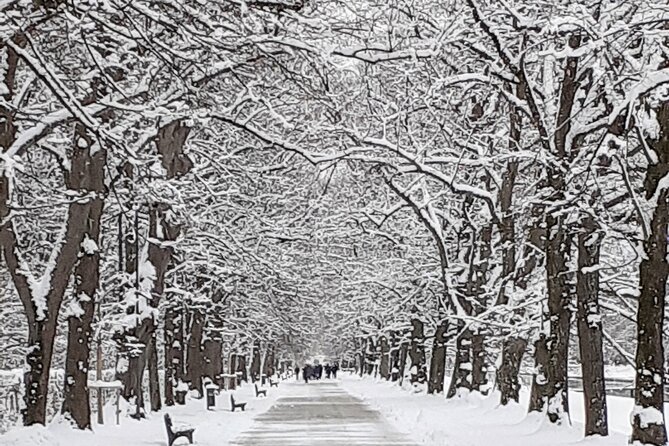
Stop 2 is Amalienburg, described as a hunting lodge and a Rococo masterpiece. In this tour, it’s allotted about 10 minutes, with admission included.
Why this small stop works: Amalienburg is built for a specific kind of royal leisure—hunting—and it shows in the character of the building. Even with only 10 minutes, Tom can point out what makes it different from the main palace and why it belongs in the Nymphenburg “collection.”
Important note for planning: Amalienburg is closed from 16 October to 28 March. If you visit during that winter window, you won’t count on this stop being available.





Badenburg: Elector Max Emmanuel’s baroque swimming pool
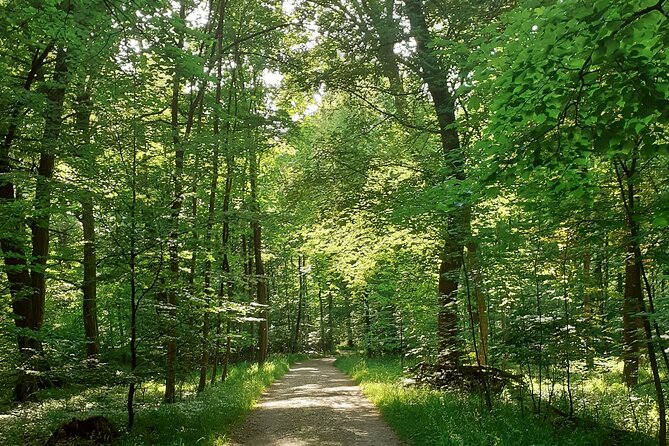
Stop 3 is Badenburg, tied to Elector Max Emmanuel and known for its baroque swimming pool. Like Amalienburg, it’s a short stop (about 10 minutes) with admission included.
This is the kind of place that sparks questions fast: a swimming pool in a palace complex sounds modern until you understand how royal life included leisure as a form of power and prestige. Tom’s explanations help you connect the dots between the building’s purpose and the broader court culture around it.
Seasonal heads-up: Badenburg is closed from 16 October to 28 March.
Pagodenburg: the Chinese-inspired pleasure palace pavilion
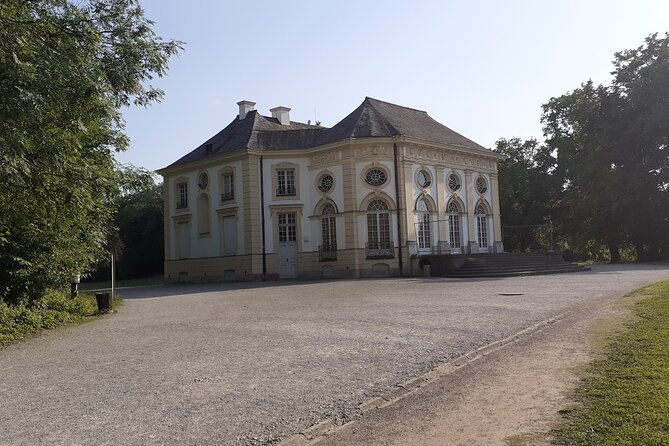
Stop 4 is Pagodenburg, described as a Chinese-inspired mini pleasure palace and the first of the pavilions built by Elector Max Emmanuel. Again, it’s about 10 minutes, and admission is included.
This stop is a fast hit of imagination. It changes the vibe from Bavarian baroque seriousness into something playful and stylistically mixed. If you like architecture that shows how rulers borrowed ideas from elsewhere, you’ll likely enjoy it.
Seasonal heads-up: Pagodenburg is closed from 16 October to 28 March.
Magdalenenklause: a hermitage retreat with shell grotto and a miracle spring
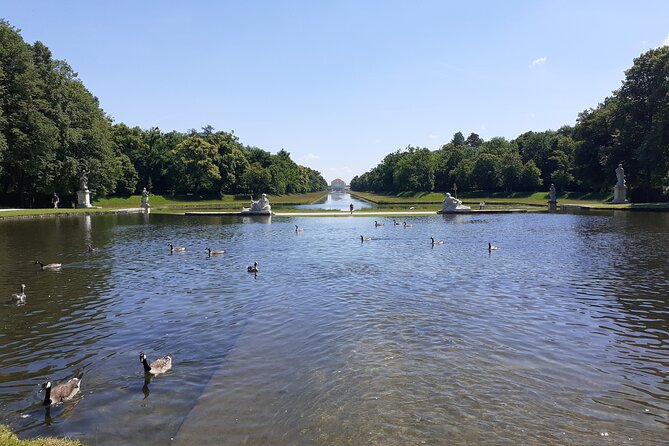
Stop 5 is Magdalenenklause, a hermitage where Electors and kings of Bavaria could step away from court life for contemplation and study. This stop is also about 10 minutes, with admission included.
Here you’re switching from palace grandeur into a more reflective setting. The highlights listed are the shell grotto and the miracle-working spring—details that make it feel distinct even if your time is limited.
Seasonal heads-up: Magdalenenklause is closed from 16 October to 28 March.
Schloss Nymphenburg Marstallmuseum: carriages of the Wittelsbachs (when open)
Stop 6 is the Schloss Nymphenburg Marstallmuseum, a carriage museum showcasing the Wittelsbachs’ carriages. This stop is about 20 minutes, and admission is included, but it depends on the season.
The data here is clear: the Marstallmuseum is only open from 16 October to 28 March. So if you’re visiting in winter, you’re more likely to see this stop. If you’re visiting in summer, you’ll be missing it while the other pavilions are open.
Even at 20 minutes, a carriage museum can add a lot. It’s another angle on how royal power moved—literally—around Bavaria, and it rounds out the palace-and-gardens story with something more practical.
Pacing, questions, and a guide who doesn’t rush your day
One big reason people rate this tour so highly is how the day is paced. Tom is described as friendly and proactive about meeting logistics, and he also adjusts the rhythm based on comfort level (including pace in hot weather).
Another detail that stands out: he takes breaks between stories. That matters more than you’d think. If you’ve been on tours where you get hit with information nonstop, you may end up mentally exhausted before you’ve even seen the view. Here, the flow feels more like a walk with explanations than a lecture.
The freedom aspect is also real. Because it’s private, you’re not forced to match someone else’s speed. If you want to spend 15 minutes staring at one room detail, you can. If you want to move on quickly, you can do that too.
The one “gotcha” is walking. It’s not a sit-everywhere tour. If you’re sensitive to long stretches, plan around it. The biggest walking comment that came up was due to a special meeting request, where the group had to walk a little further to connect with transport. If you start at Hauptbahnhof, the walking is typically minimal.
Price and value: what you’re paying for at $192.77 per person
At $192.77 per person, this isn’t the cheapest way to do Nymphenburg. But it may be good value if you care about time, clarity, and not thinking about logistics.
Here’s what you’re effectively buying:
- A private guide experience with a focus on palace rooms and multiple pavilion stops
- Admission tickets included for the major paid stops
- A smoother start from Munich main station using public transport
- The ability to ask questions and personalize the day to your interests
If you were doing it on your own, you’d still have to line up for transport, buy or manage tickets, and figure out how to structure your time across a complex site. This tour handles the major friction points and gives you a sensible flow—palace first, then gardens and pavilions.
Also, the tour mentions group discounts, which can improve value if you’re traveling with friends or family.
Who should book this Nymphenburg Palace and Gardens tour
This works best if you fit one or more of these:
- You’re seeing Munich for the first time and want one standout palace-and-gardens day that makes sense
- You like history told through people and daily life, not just dates
- You want a mix of structured guidance and free time to explore
- You’re happy paying for convenience and time savings, especially for tickets and transit
It may be less ideal if you want a purely self-directed wander with zero schedule. Even though you get time to roam, this is still a guided route with set stops and short pavilion windows.
Should you book Tom’s private Nymphenburg tour?
If your goal is a high-quality Nymphenburg day—palace rooms you understand, gardens you actually enjoy, and the pavilion stops that make the grounds feel like a world—this is a strong pick. The guide-led format is especially worth it because Nymphenburg is large and easy to under-explore without help.
I’d book it if you want convenience and a clear flow from the start, and if you’re excited by the variety: baroque palace, formal-and-stroll gardens, and mini palaces with very different purposes.
If your travel dates fall in 16 October to 28 March, make sure you’re okay with some pavilions being closed and the Marstallmuseum becoming part of the plan instead.
FAQ
Where do we meet for the Nymphenburg Palace and Gardens tour?
You meet at Hauptbahnhof in Munich (S, U, Bus, Tram). The tour ends back at the same meeting point.
How long is the tour, and what time does it start?
The tour runs about 5 hours. The listed hours show a morning start window of 9:30 AM to 10:00 AM.
Is this a private tour or shared with other people?
It’s a private tour/activity, meaning only your group participates.
Are entrance tickets included for the palace and pavilion stops?
Admission tickets are included for Nymphenburg Palace and the pavilion stops listed, and also for the Marstallmuseum when it’s part of the visit.
Which stops are affected by seasonal closures?
The data says Amalienburg, Badenburg, Pagodenburg, and Magdalenenklause are closed 16 October to March 28, and the Marstallmuseum is open only from 16 October to March 28.
Can I cancel and get a full refund?
Yes. You can cancel up to 24 hours in advance for a full refund.