REVIEW · STIRLING
Stirling Castle: Skip-the-Line Guided Tour in Spanish
Book on GetYourGuide →Operated by Scotland City Tours - Somos Escocia · Bookable on GetYourGuide
Stirling Castle hits hard the moment you arrive. This Spanish guided tour gets you past the ticket wait fast, then turns the fortress into a story you can follow, from medieval sieges to royal life in the Renaissance palace. You’ll spend about 1.5 hours inside the parts that help explain why this stronghold mattered so much in Scotland.
What I like most is the way the guide makes the history feel human. Guides such as Fernando and Alejandro use historical recreation, jokes, and even poems to keep the group focused, not just lectured at. I also like that the tour is built around the castle’s biggest draw points: the royal palace spaces tied to Mary, Queen of Scots and the Great Hall where major celebrations happened.
One thing to keep in mind: the visit is timed and focused. If you’re expecting a long, room-by-room museum experience, you might feel the content is concentrated rather than deep and exhaustive, even though it covers the essentials well.
In This Review
- Key things that make this tour worth your time
- Why Stirling Castle matters, and why 1.5 hours works
- Price and value: what $45 buys you here
- Getting in fast: the small-group Spanish start at the esplanade
- The story you’ll hear before you ever step inside
- Inside the royal palace: where Renaissance style meets royal drama
- Great Hall: feasts, celebrations, and the future king’s baptism
- Mary Queen of Scots and the crown moment
- The Arthurian legend thread: Knights of the Round Table at Stirling
- John Damian: the bird-man story inside a castle with myth
- The guided style: humor, poems, and keeping the group moving
- Practical notes you should factor into your day
- Who this tour suits best (and who might prefer something else)
- My bottom line: should you book it?
- FAQ
- What language is the tour in?
- How long is the Stirling Castle skip-the-line guided tour?
- How big is the group?
- Where do I meet the tour?
- Are luggage or large bags allowed?
- What happens if the weather is bad?
Key things that make this tour worth your time

- Skip-the-line entry saves time at one of Scotland’s most in-demand attractions.
- Small group (max 10) keeps questions possible and the pacing comfortable.
- Spanish live guide brings the castle story to life with humor and creative storytelling.
- Mary, Queen of Scots + Great Hall gives you the royal side, not just battlefield history.
- John Damian and the Arthurian link add legend and local color to the big political plot.
Why Stirling Castle matters, and why 1.5 hours works
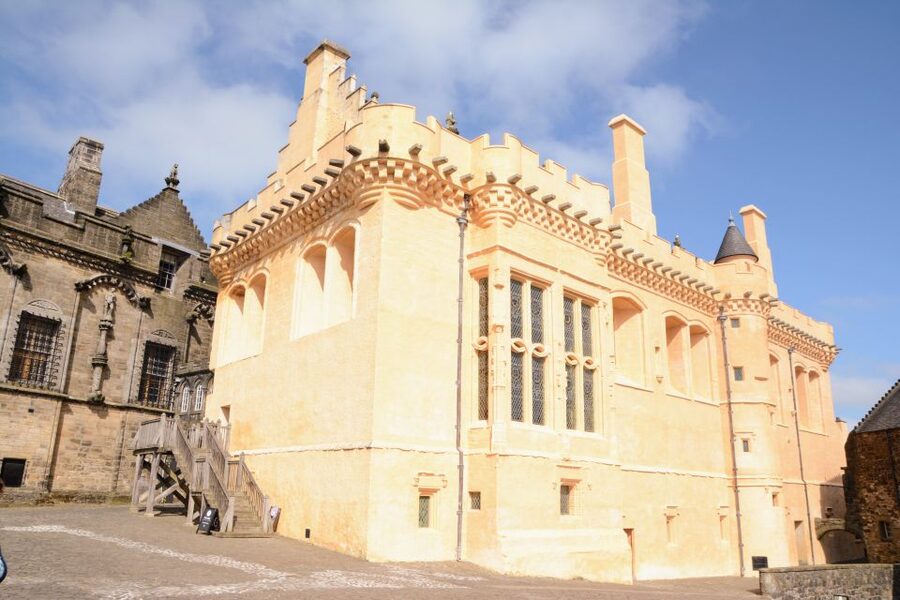
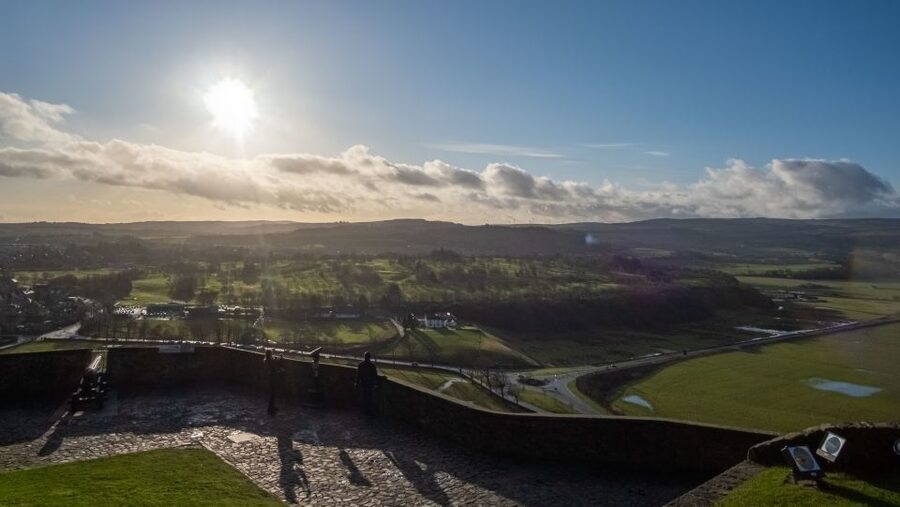
Stirling Castle is one of those places where the stones explain the politics. You’re not looking at a random old fort. You’re looking at a site repeatedly fought over because it sat at the heart of power in Scotland, and because whoever controlled it controlled options.
The tour’s length is important. At 1.5 hours, you’re not stuck for half a day, and you’re still seeing the key royal and historical spaces. It’s a smart format if you’re doing a broader Scotland trip and want a high-impact stop that fits your day plan.
Also, Stirling is a fortress-shaped timeline. Medieval conflicts, royal residence, and Renaissance style all show up in the same place, and the guide helps you connect the dots instead of treating each room as a separate stop.
You can also read our reviews of more tours and experiences in Stirling.

Price and value: what $45 buys you here
A $45 per person ticket can feel steep until you factor in what you’re paying for: a live guide, Spanish narration, and—most importantly—skip-the-line entrance. At a major attraction like this, the time you save can be the difference between a smooth day and a frustrating one.
This isn’t a huge-group “herded through” setup. The tour is capped at 10 participants, which usually means you get a clearer explanation of what you’re standing in front of. That matters in castles, where it’s easy to miss why a room or wall matters if nobody links it to the larger story.
If you’re the type who enjoys history when it’s put in context—wars, rulers, and why the place was attacked—this price starts to make sense fast. If you mainly want stunning views and casual wandering, you may decide you’d rather go independently and take more time at your own pace.
Getting in fast: the small-group Spanish start at the esplanade
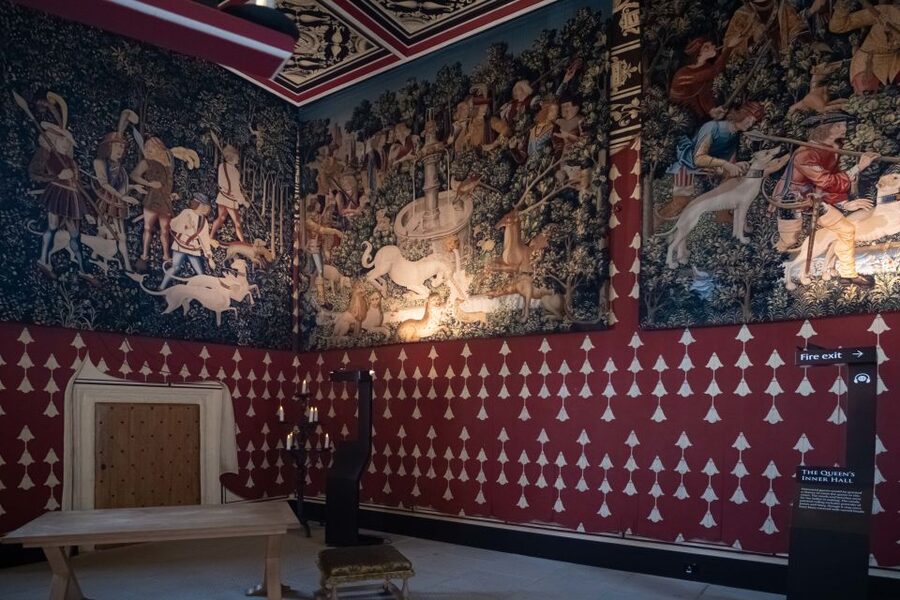
The tour begins on the esplanade of the castle, where the guide sets the stage. You start with the origins of Stirling and its sieges, so you understand why people kept coming back to this hilltop. That opening is the difference between seeing a castle and understanding a fortress.
You’ll meet in front of the Portcullis Hotel, and you should look for the black umbrella. Arriving 15 minutes early helps you avoid the last-minute scramble, especially if the weather is active. The tour runs in most weather, but in extreme conditions the castle may be closed, so it’s good to plan for a weather shift.
With a small group, the guide can keep a steady pace. You’re not waiting behind a crowd every time you move toward a new viewpoint, and you can usually hear the story without constantly straining.
The story you’ll hear before you ever step inside

Once the group is gathered, you’ll hear about Stirling’s role in major turning points, especially the Scottish Wars of Independence in the 14th century. Names like William Wallace and Robert the Bruce come into focus, not as random history facts, but as heroes tied to the kind of power struggle this castle was built for.
The guide also frames Stirling’s “why” through repetition: this stronghold suffered numerous sieges, and those attacks are what made it a stage for crucial moments. That’s a key mindset to carry through the tour. Instead of thinking of the castle as static, you start seeing it as a living target—built to resist, improved, and used by rulers who needed security and symbolism at the same time.
You’ll also hear the ghostly angle: Stirling Castle has legends, and part of the tour leans into the idea that there may be a ghost. If you’re not into spooky tales, treat it like folklore flavor, not a claim. If you are into atmosphere, it’s a fun way to add texture to the brutal parts of the past.
Inside the royal palace: where Renaissance style meets royal drama
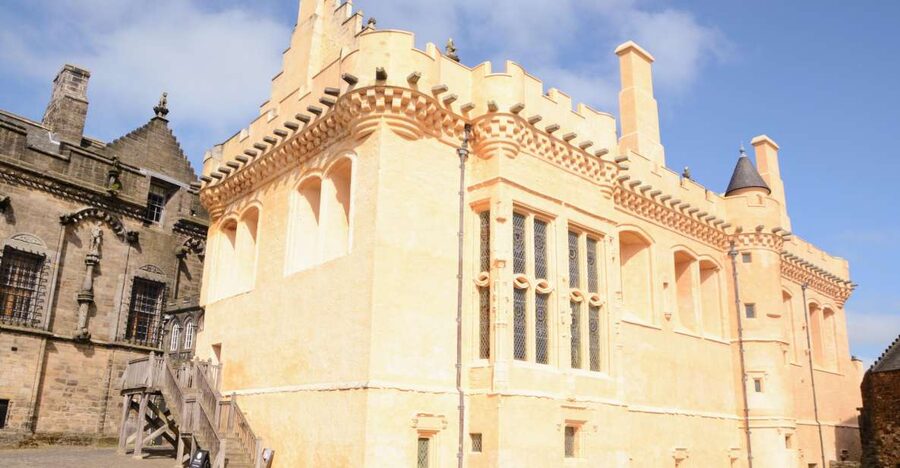
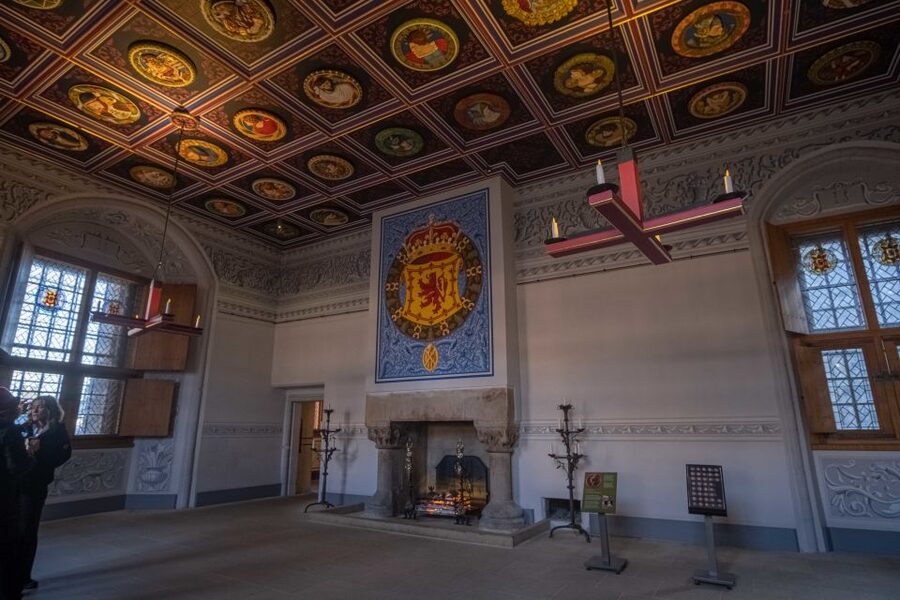
When the tour moves indoors, the emphasis shifts to the castle as a home. You’ll walk inside to visit the royal palace, where kings and queens lived for centuries. This is where Stirling becomes more than a defensive structure. It becomes a stage for daily life, politics, and ceremony.
One standout detail you’ll get is that the palace was the first Renaissance palace in Britain. Even if you aren’t an architecture expert, it helps to know what that means: this wasn’t just medieval stone repairs and battle planning. It was also a political statement—showing that Scotland’s rulers were participating in the cultural shifts of Europe.
This is also where the Mary Queen of Scots thread becomes real. The tour focuses on royal spaces associated with her, including where Mary, Queen of Scots was crowned. Even if you know her story already, having it anchored in actual rooms and court symbolism makes the history stick.
Great Hall: feasts, celebrations, and the future king’s baptism
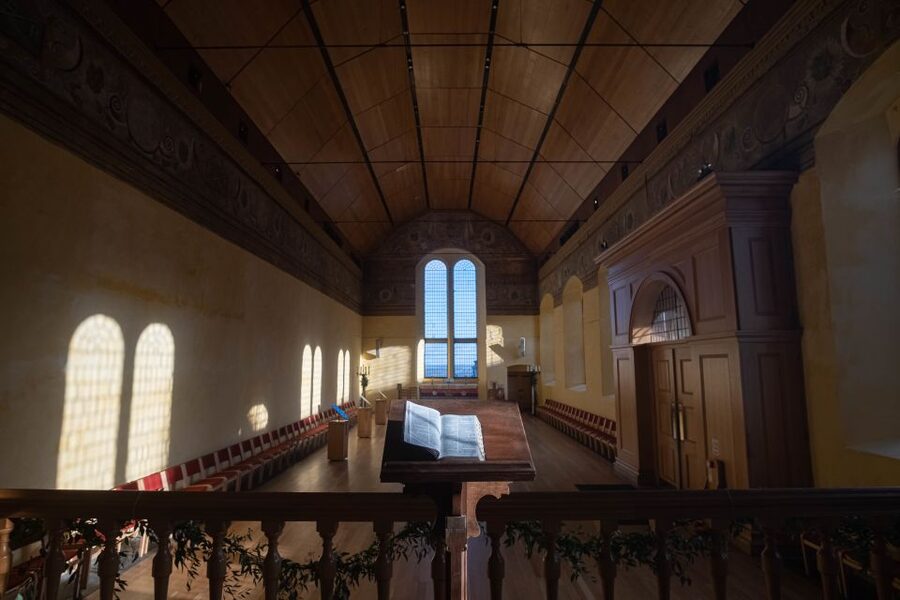
The guide takes you to the Great Hall, a 16th-century centerpiece tied to celebrations and big gatherings. This is the kind of room where you can almost picture the noise: banter, food, and the sense that power was being performed in front of people who mattered.
You’ll learn about the Great Hall’s role in major events, including celebrations linked to the baptism of the future king of Scotland. That detail matters because it shows how royal legitimacy worked. Religion, naming, and public ritual weren’t separate from politics—they were tools of governance.
If you like history that connects people’s lives to the big events, this stop is a strong one. It gives you context for why rulers cared about ceremonies, not just campaigns. And if you’re trying to get value from a shorter tour, the Great Hall is one of those “you can’t skip this” rooms.
Mary Queen of Scots and the crown moment
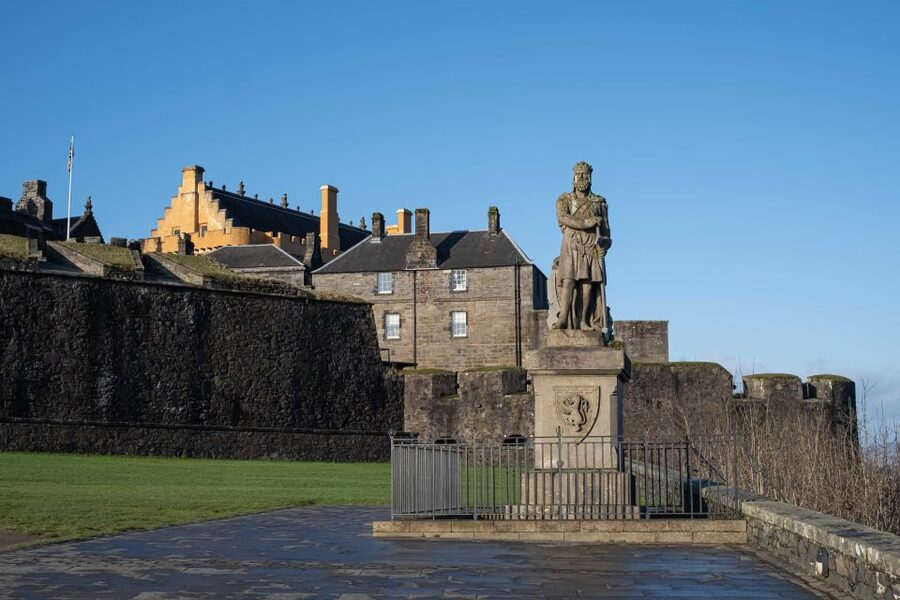
Mary Queen of Scots is one of those historical figures who pulls focus fast. This tour uses her presence as a way to organize the palace story around something concrete: ceremony and authority.
You’ll specifically see the area associated with her coronation. It’s one of the most famous stories connected to Stirling, and it also helps you understand the castle as a seat of power rather than only a military stronghold.
If your brain already has images from films or earlier reading, you’ll likely find your understanding snaps into place. The castle gives her story physical context, and the guide helps connect it to the Scottish political atmosphere of her era.
The Arthurian legend thread: Knights of the Round Table at Stirling
Here’s where this tour gets extra fun. You’ll hear about an unexpected claim: an English chronicler named William of Worcester identified Stirling Castle as the home of the Knights of the Round Table of King Arthur.
That sounds wild, but it’s exactly the kind of legend that explains how medieval storytellers connected places to myth. For you, it means the tour won’t stay locked in “war facts only.” You’ll get folklore that shows how power, romance, and national storytelling mixed together.
If you’re traveling with someone who doesn’t care about every battle date, this portion often keeps them interested. It’s also a reminder that castles weren’t just military hardware. They were also narrative engines—places where people attached bigger-than-life meanings.
John Damian: the bird-man story inside a castle with myth

The guide also brings in John Damian, described as the bird-man of Stirling Castle in the 16th century. The story goes that he wanted to fly to France, but small inconveniences prevented him from going too far.
I like this element because it shifts the tour from court politics to quirky human ambition. It’s the kind of legend that makes the castle feel less like a textbook and more like a setting where strange ideas actually lived.
It also gives the guide an opening to blend tone. After heavy topics like sieges and power struggles, a story like John Damian lets the group breathe without losing the castle’s overall thread.
The guided style: humor, poems, and keeping the group moving
One of the most praised aspects of this tour is the guide’s delivery. The Spanish narration isn’t just a translation of facts. It’s presented as a performance of sorts—historical recreation plus jokes and poems that help the story land.
Guides like Fernando are singled out for making the experience feel like a real lesson, with humor and creative wording that keeps attention. Others, including Alejandro, are praised for explaining everything clearly while still making it engaging.
For you, this matters because Stirling Castle can be crowded, and the history can overwhelm if it’s only dates and names. A strong guide helps you leave with a few big ideas you can actually repeat: why Stirling mattered, how royal life played out in key rooms, and how legends layered onto the serious parts.
Practical notes you should factor into your day
This tour is wheelchair accessible, and that’s a real plus if you need step-free options. The group size also helps with movement through indoor spaces, where crowding can turn a good visit into an exhausting one.
You’ll want to plan light. Luggage or large bags aren’t allowed, so bring only what you need for the castle visit and the weather. If you’re doing other stops the same day, keep that in mind and store extra items ahead of time.
Weather matters here. The tour operates in all weather conditions except extreme weather, and the route is adapted to minimize exposure to rain or snow. That means you’re not just hoping for good conditions—you’re traveling with a plan B built in.
Duration is short enough that your stamina stays manageable, but long enough to feel like you saw the important pieces. If you’re prone to rushing, this may actually slow you down in a helpful way.
Who this tour suits best (and who might prefer something else)
This Spanish skip-the-line guided tour is ideal if you:
- Want a fast, organized introduction to Stirling Castle
- Like history stories that connect wars, rulers, and daily life
- Enjoy guided interpretation, especially with humor and performance-style storytelling
- Prefer a small group setting over large tour crowds
- Need Spanish narration that stays lively and easy to follow
It may feel less ideal if you:
- Want long free time inside the castle to explore at your own pace
- Expect a super deep, exhaustive breakdown of every room and artifact
- Prefer audio-only or independent exploring
Still, even if the tour content isn’t your usual obsession level, Stirling Castle remains a major Scotland stop. It’s the kind of fortress that makes a Scotland trip feel complete.
My bottom line: should you book it?
I’d book this tour if your goal is value through time saved, strong guiding, and the biggest story beats in a compact format. Skip-the-line entry plus a live Spanish guide for a small group is a smart combination, especially at Stirling, where waiting can eat your day.
Choose it if you’re looking for a guided way to understand what happened here—from the Scottish Wars of Independence era to the royal palace and Mary Queen of Scots connections—while also getting the fun legends like John Damian and the Arthurian tie-in.
Pass on it only if you want a long, independent roam with no structure. Otherwise, this is a well-paced way to see Stirling Castle with clarity and energy.
FAQ
What language is the tour in?
The live tour guide speaks Spanish.
How long is the Stirling Castle skip-the-line guided tour?
It lasts 1.5 hours.
How big is the group?
The tour is a small group, limited to 10 participants.
Where do I meet the tour?
The meeting point is in front of the Portcullis Hotel. Look for the black umbrella.
Are luggage or large bags allowed?
No. Luggage or large bags are not allowed.
What happens if the weather is bad?
The tour runs in most weather conditions, but it does not operate in extreme weather, since the castle can be closed. The route is adapted to reduce time in rain or snow.