REVIEW · WROCLAW
Wroclaw: Day of WW2: Riese, Gross-Rosen, Ksiaz Castle
Book on GetYourGuide →Operated by Best City Tours sp. z o.o. · Bookable on GetYourGuide
Riese tunnels and hard truths in 10 hours. This day-trip bundles Osówka (part of Nazi Germany’s Project Riese), Książ Castle, and Gross-Rosen into one focused route that feels like stepping through different layers of the same war machine.
What I like is the way this tour connects places, not just plaques: you move from the underground “city” concept to a major headquarters at Książ, then to the camp that processed people through forced labor. I also like the small group size (max 8) and the fact that you get a live English guide plus audio options for the sites. One possible drawback: the English audio during the Project Riese/Osówka portion can feel a bit harder to follow than the other stops, so you’ll want to stay alert and ask questions as you go.
In This Review
- Key stops and why they matter
- H2: The Big Picture: Why This WW2 Route Works So Well
- H2: Osówka and Project Riese: The Underground City That Still Feels Incomplete
- H2: Resistance, Secrecy, and the Human Stories Behind the Walls
- H2: Książ Castle (Książ): A Major Headquarters on a Cliff
- H2: Gross-Rosen Concentration Camp in Rogoźnica: Forced Labor and a Motto With No Mercy
- H2: The 10-Hour Day From Wrocław: What the Timing Means for Your Comfort
- H2: Guide + Audio + Small Group: How You’ll Actually Experience It
- H2: Price and Value: Is $267 a Fair Trade for These Sites?
- H2: Who This Tour Suits Best (and Who Might Find It Tough)
- H2: Practical Tips Before You Go
- H2: Should You Book This Wrocław: Day of WW2 Tour?
- FAQ
- How long is the tour?
- Where does the tour start and end?
- What group size is used?
- Are there audio guides, and what languages are they in?
- Is there a live guide?
- What are the main stops on the tour?
- How much does it cost?
- Is it possible to cancel for a refund?
Key stops and why they matter
- Osówka / Project Riese: the underground complex tied to Nazi secret building efforts, active 1943–1945
- The underground city structure: a still-mysterious system you’ll see firsthand, even if you don’t get every answer
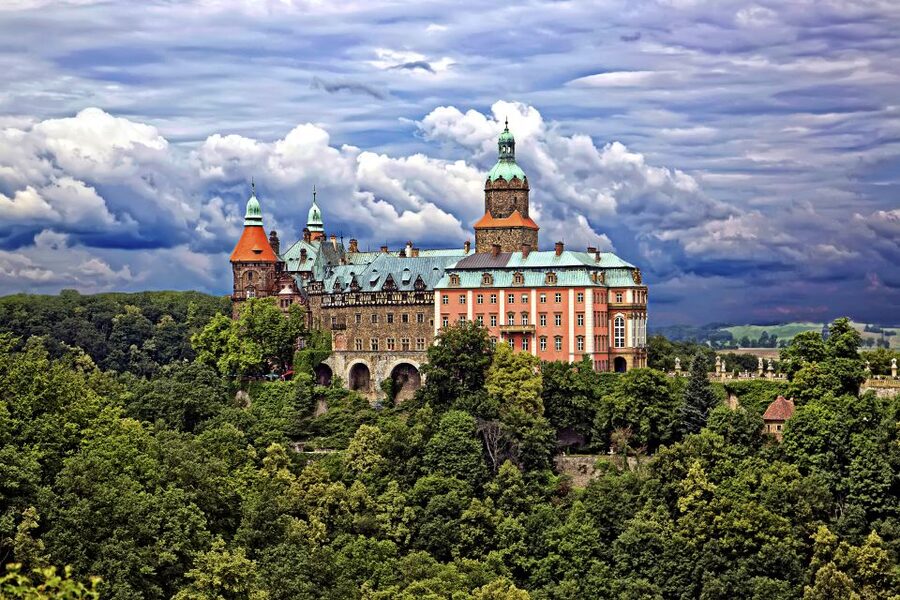
- Książ Castle on the Pelcznica River cliff: an imposing setting where Hitler’s paramilitary organization began building major quarters
- Gross-Rosen concentration camp in Rogoźnica: a key site in Lower Silesia for forced labor in harsh quarry conditions
- Resistance-linked stories at Osówka: a place connected with a secret anti-Nazi movement
H2: The Big Picture: Why This WW2 Route Works So Well
This isn’t a random list of memorials. It’s a chain of locations that help you understand how different parts of the Nazi war effort overlapped—planning, construction, security, and then exploitation of human beings.
Starting around Wrocław and heading out with a small group makes the day feel tight and purposeful. You’re not left wondering what you’re seeing, because the tour is framed around major sites in Lower Silesia that relate to the same broader story. If you care about WW2 beyond the headline moments, the payoff here is seeing how physical spaces were used to control people and power.
Also, you’re not just “walking and reading.” The places themselves do the talking: underground passages at Osówka, a high rock-cliff castle at Książ (395 meters above sea level), and the camp grounds at Gross-Rosen. Each stop has a different atmosphere, but they connect.
You can also read our reviews of more tours and experiences in Wroclaw.
H2: Osówka and Project Riese: The Underground City That Still Feels Incomplete
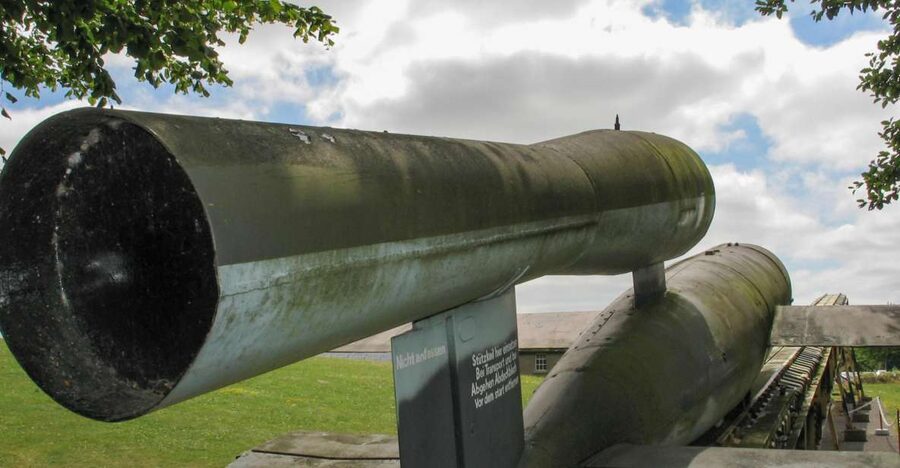
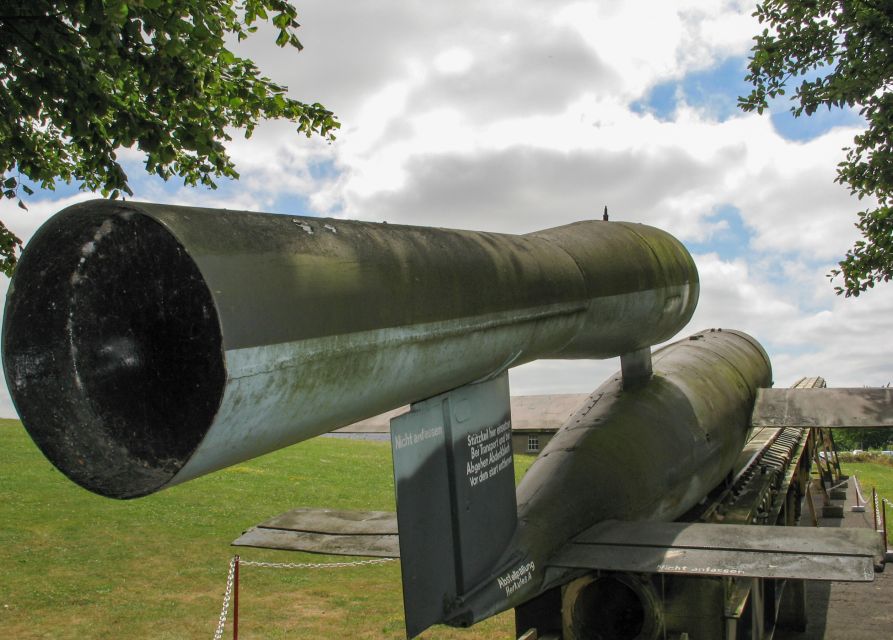
Osówka is part of Project Riese, a Nazi building program that ran from 1943 to 1945. The name Riese is often associated with the idea of enormous, secret constructions—what you see here leans into that mystery. The tour’s focus is the complex itself, including the underground city structure, which still hasn’t revealed all of its secrets.
This stop is interesting for one simple reason: it shows you the war’s obsession with hidden infrastructure. While cities and battlefields get most of the attention, Project Riese was about something different—massive plans built out of sight, tied to leadership needs and strategic secrecy. Even if you only understand parts of the system, you get the sense that this was engineered for function, not for comfort.
Two practical things help here:
- Go in expecting confusion. An underground complex can feel hard to map in your head, especially if you rely on audio.
- Use the live guide. The English audio is included, but if anything is unclear, ask. You’ll get more value that way than trying to decode everything alone.
A key consideration comes from feedback about the Riese/Osówka part: the English audio can be a little difficult to follow, and some people felt they missed information. That doesn’t mean you should skip it—it just means you should treat it like an area where active listening matters.
H2: Resistance, Secrecy, and the Human Stories Behind the Walls
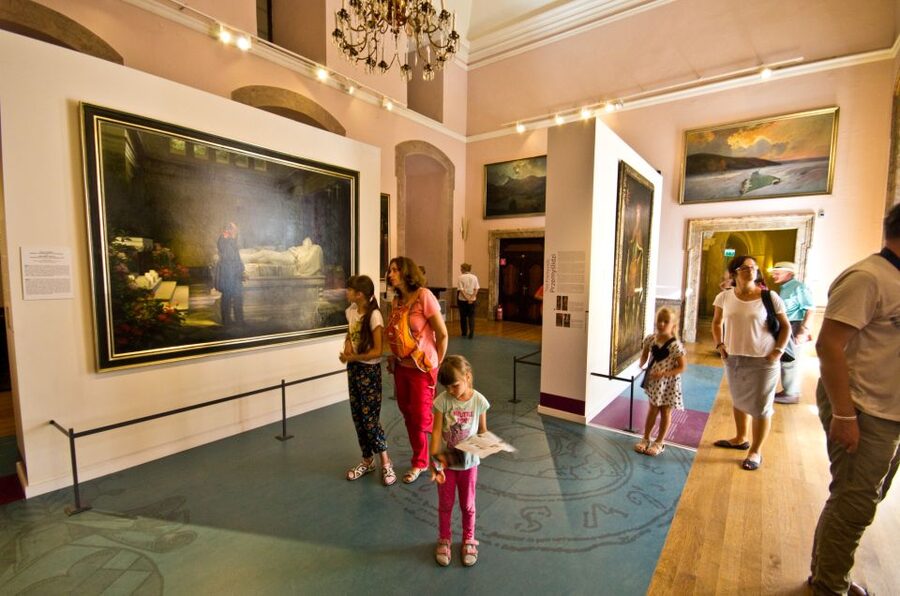
One of the highlights is the idea that you’ll visit the place where a secret movement against the Nazis was born. That’s an important reminder that the Nazi program here wasn’t the whole picture. Even when a site was designed for control and concealment, people fought back—often quietly, often at great personal risk.
This matters because it changes how you read the structures. Instead of seeing only cold stone and engineering, you start thinking about who used these spaces, who feared them, and who tried to disrupt the system. If you’ve ever visited WWII sites and felt like you only learned the “big facts,” this angle helps you feel the stakes more clearly.
H2: Książ Castle (Książ): A Major Headquarters on a Cliff
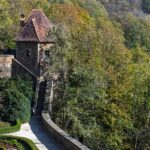
Then you pivot to Książ Castle, one of those places where the setting hits you first. It’s located on a rock cliff beside the Pelcznica River, surrounded by forest, and it sits at 395 meters above sea level. The castle is described as the third-biggest castle in Poland, and you’ll see quickly why the numbers matter: this is not a small out-of-the-way stop.
The reason Książ is central to the story is what happened here during the war. In 1943, Hitler’s paramilitary organization began building one of his main quarters at Książ. This wasn’t isolated. The tour connects it to other Riese complex objects close to Osówka and Włodarz, so the castle starts to look like a hub—an above-ground command point paired with underground planning and construction efforts.
What you should expect at Książ is a mix of grandeur and gravity. The architecture and size can make you feel like you’re on a palace visit—until the historical context lands. That contrast is part of the lesson: power often hides behind impressive stonework.
A big plus here is that the audio experience tends to be smoother. Feedback specifically praised the way Gross-Rosen and Książ were handled, with solid English audio support. If Riese/Osówka tests your attention span a bit, Książ is a chance to reset and absorb the story with clearer guidance.
H2: Gross-Rosen Concentration Camp in Rogoźnica: Forced Labor and a Motto With No Mercy
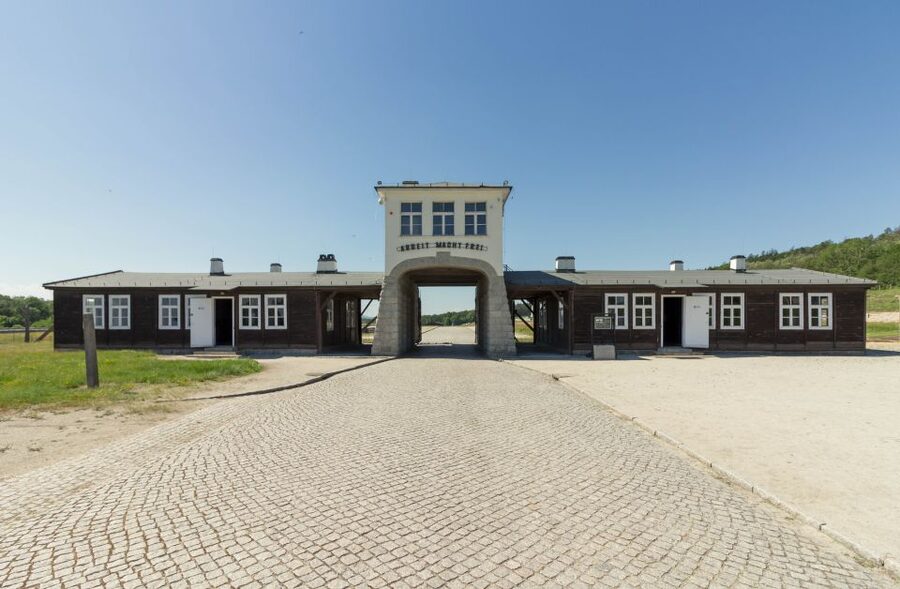
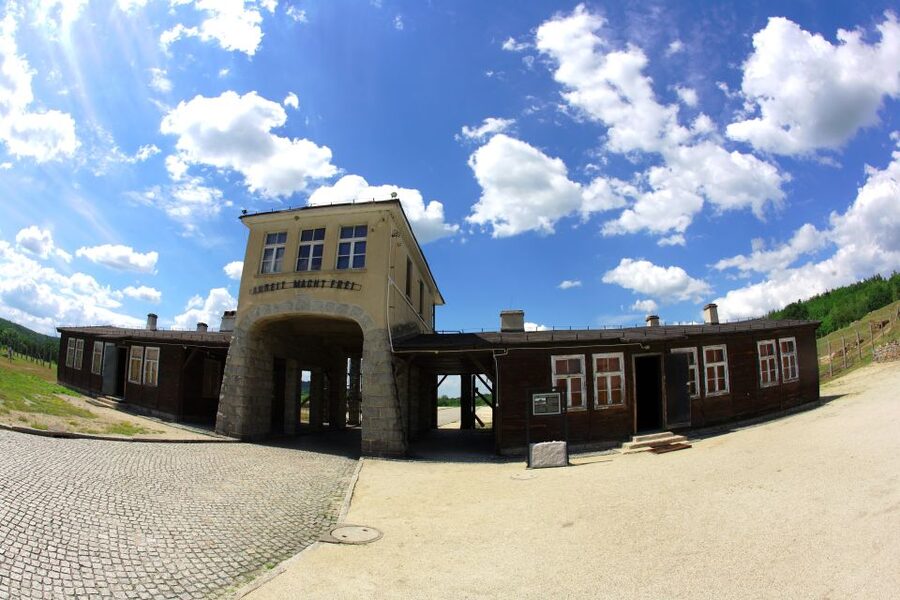
After the castle, you reach Gross-Rosen in Rogoźnica. This stop is the emotional anchor of the day.
Gross-Rosen is described as the largest Nazi-German concentration camp in Lower Silesia, and it’s strongly linked to penal work in the quarries. That quarry connection is crucial. It means the suffering wasn’t only imprisonment—it was extraction and forced production, under brutal conditions.
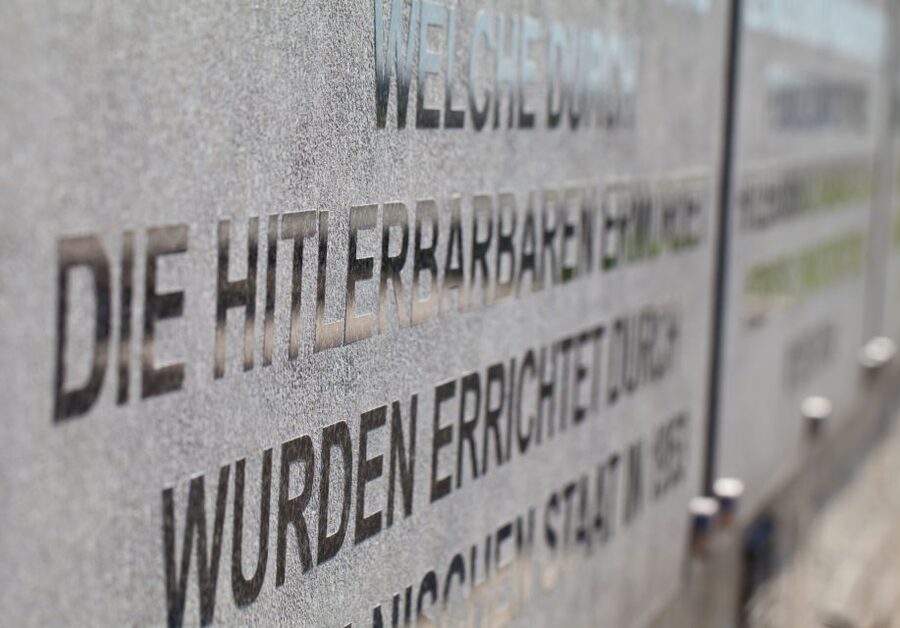
The camp’s motto is given as Vernichtung durch Arbeit, which translates to Annihilation through work. It’s a chilling phrase because it shows the ideology used to justify the system: hard labor framed as a method of destruction. Standing in places tied to that reality is different from reading it in a book, and this stop is built to give you that direct sense of scale and purpose.
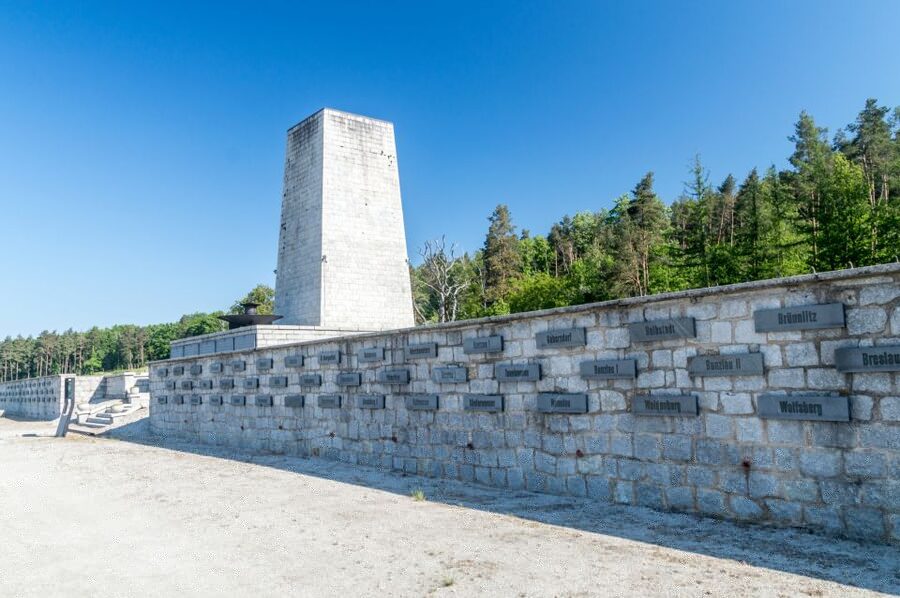
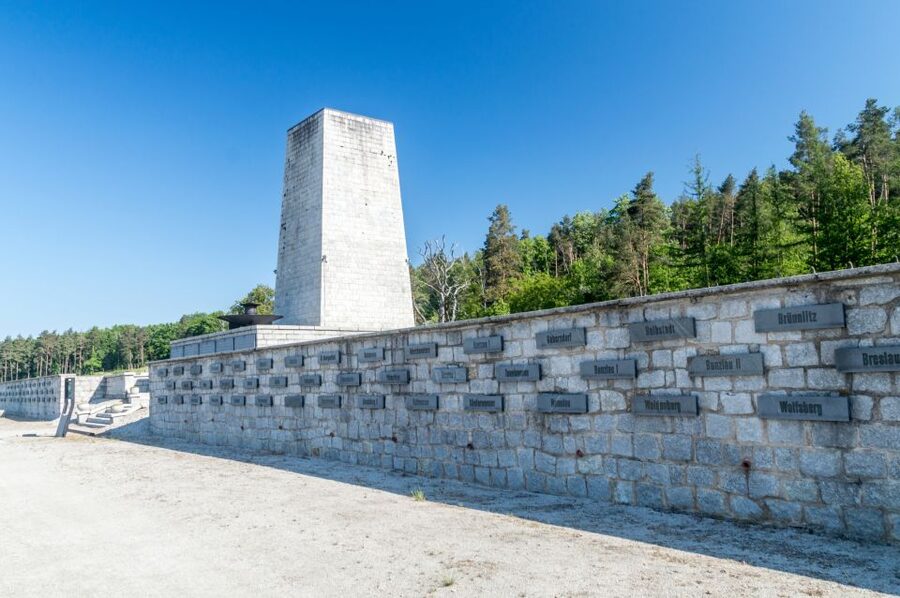
The numbers provided are stark: around 40,000 prisoners died here, including Poles, Jews, Russians, French, and Hungarians. The fact that the list spans many nationalities is also a reminder that the Nazi system wasn’t limited to one group or one region. It was widespread, organized, and bureaucratic.
A practical note: plan for a more serious pace here. You’ll likely find yourself slowing down more than at the castle. If you want to get full value, don’t just “scan” exhibits. Pause, read what’s presented, and keep the guided context in mind—especially the connection between labor, quarries, and the camp’s function.
H2: The 10-Hour Day From Wrocław: What the Timing Means for Your Comfort
This tour runs for 10 hours, with pickup and drop-off from your hotel or apartment in Wrocław. That’s a real quality-of-life advantage. You don’t have to solve transit on your own, and you can start the day with fewer moving parts.
A private vehicle transfer helps too, especially because you’re covering sites that are spread out enough to matter. In a small group (max 8), it also means you’re not stuck in a huge bus crowding your attention.
The only timing caveat: starting times depend on availability. If your schedule is tight, check your options early and pick a departure that gives you time for a relaxed evening back in Wrocław. These sites are emotionally heavy, and you’ll feel better if you don’t plan something intense right after the tour.
H2: Guide + Audio + Small Group: How You’ll Actually Experience It
This tour includes a live tour guide in English and also provides an audio guide in English, German, and Russian. Audio guides are included even though there’s a live guide—so you can switch between spoken live context and the audio tracks depending on what makes sense at each site.
Small group size (up to 8 participants) matters more than people expect. It makes it easier to:
- hear the live guide,
- ask a question without feeling lost in a crowd,
- adjust your pace when something needs extra time.
Based on the kind of feedback that comes up most often, Gross-Rosen and Książ tend to be easier to follow with the included English audio. The Riese/Osówka portion is the one where some people felt the English audio was harder to track and they might have missed parts of the explanation. If that’s your concern, don’t treat it like a problem. Treat it like a signal to stay engaged, take your questions to the guide, and don’t worry if you can’t mentally draw the whole underground map immediately.
A small extra win: when you have a helpful driver in the mix, they can make the day smoother and point you toward food options afterward. In feedback, a driver named Jakub is singled out for being extra service-minded and for giving helpful restaurant recommendations in Wrocław.
H2: Price and Value: Is $267 a Fair Trade for These Sites?
The price listed is $267 per person. For a full 10-hour day hitting three heavyweight WWII sites—Osówka/Project Riese, Książ Castle, and Gross-Rosen—this is the kind of price that’s easy to justify if you value guided interpretation and smooth logistics.
Here’s what you’re paying for, beyond transport:
- a live English guide,
- audio support in multiple languages,
- hotel pickup and drop-off in Wrocław,
- private vehicle transfer,
- and trip insurance.
Also, the small-group limit helps justify the cost. If you were doing this with a large group or on public transit, the day could feel more stressful and less coherent. At $267, you’re buying time and mental bandwidth—the chance to focus on the sites without wrestling with schedules.
H2: Who This Tour Suits Best (and Who Might Find It Tough)
This is a strong fit if you:
- want a WW2 day that links sites into one story,
- like historical sites where the setting is part of the meaning,
- appreciate small group attention and clear guiding.
It may be less ideal if you:
- get easily worn down by emotionally heavy sites and long days,
- rely heavily on audio alone and don’t want to ask questions,
- hate unpredictability in how well audio tracks work in underground/complex spaces.
Because Riese/Osówka is the most complicated part to interpret, your comfort with “learning by listening and asking” will matter. If you’re that type of learner, you’ll likely enjoy it even more.
H2: Practical Tips Before You Go
These are the small things that keep the day enjoyable:
- Bring water and take breaks. The day runs 10 hours, and you’ll be moving between locations.
- Wear shoes you can trust. You’re visiting an underground complex concept at Osówka and walking memorial grounds at Gross-Rosen—slip-proof footwear helps.
- Plan your evening food. After this kind of day, you’ll want something simple and close back in Wrocław. If your driver offers suggestions, take them.
- Go with one goal: understand connections. If you treat each site as a standalone, the day can feel like separate chapters. If you treat it as one system—planning, command, and coercion—it lands harder.
H2: Should You Book This Wrocław: Day of WW2 Tour?
Book it if you want a guided, small-group day that takes you to three major WWII locations tied to the Project Riese story and the Nazi camp system in Lower Silesia. The value is strongest when you’re willing to engage—ask questions when something at Osówka feels confusing, and then let the clearer interpretive flow at Książ and Gross-Rosen carry you.
I’d skip or rethink it if you’re only interested in one type of site (like castles only, or camps only), or if you know you get frustrated when audio explanations feel hard to follow in complex spaces. The itinerary’s power is in the transitions, and those transitions require attention.
FAQ
How long is the tour?
The tour lasts 10 hours.
Where does the tour start and end?
It starts with hotel/apartment pickup in Wrocław and ends back at the same meeting point.
What group size is used?
The group is small, limited to 8 participants.
Are there audio guides, and what languages are they in?
Yes. Audio guides are included in English, German, and Russian.
Is there a live guide?
Yes. There is a live tour guide in English.
What are the main stops on the tour?
You’ll visit Osówka (part of Project Riese), Książ Castle, and Gross-Rosen concentration camp.
How much does it cost?
The price is $267 per person.
Is it possible to cancel for a refund?
Yes. Free cancellation is available up to 24 hours in advance for a full refund.