REVIEW · BARI
Bari: Norman-Swabian Castle Guided Tour
Book on GetYourGuide →Operated by Baritours · Bookable on GetYourGuide
A fortress with a moat and a museum brain. The Norman-Swabian Castle of Bari is one of those places where architecture, art, and archaeology talk to each other, and a good guide helps you hear the conversation. You’ll walk in with context, not just curiosity, and that’s what makes this tour feel focused instead of rushed.
Two things I really like: first, the art-forward stop in the Gipsoteca and the way it explains why plaster copies can be just as meaningful as originals. Second, the castle’s displays move from big-picture structure (courtyard and towers) to everyday objects (like ceramic tableware and jewelry), so you get both the drama and the human scale.
One possible drawback: because it’s an 80-minute guided circuit, you’ll leave wanting a bit more time in the rooms and walkways that grab you most. If you’re the type who reads every label, plan to come back on your own afterward.
In This Review
- Key highlights to notice on your Bari castle tour
- Bari’s Norman-Swabian Castle: why this one works
- Meeting point and timing: get there steady, not sweaty
- Courtyard, moats, and the three stone towers: start with the fortress logic
- Gipsoteca in the west wing: why plaster copies still matter
- Museum rooms: ceramics, jewelry, and the Norman Room details
- Archaeology displays: where the excavations feel legible
- How the tour pace feels in real life (and where you might want more time)
- Is $42 good value for a Bari castle guided tour?
- Who this tour is best for (and who might prefer something else)
- Practical tips before you go
- Should you book the Norman-Swabian Castle guided tour?
- FAQ
- How long is the Norman-Swabian Castle guided tour?
- How much does the tour cost?
- What’s included in the price?
- Do I need to buy tickets separately?
- Where do I meet the guide?
- What languages are available for the live tour guide?
- Is the tour wheelchair accessible?
- Is there an option for a private group?
- What should I bring with me?
- Are children’s tickets included or discounted?
Key highlights to notice on your Bari castle tour
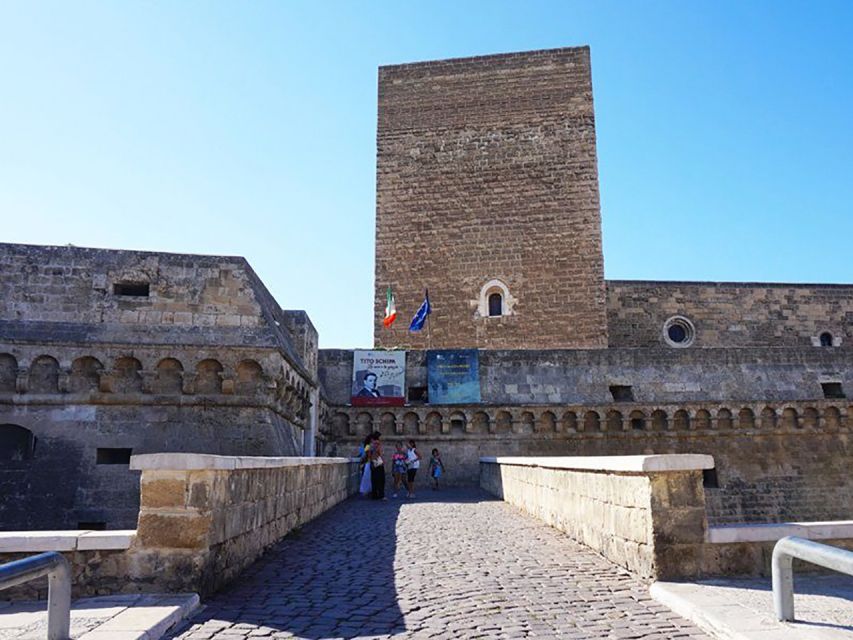
- The courtyard + three stone towers: you’ll learn what you’re looking at before you look up
- Extensive moat views: it’s not a decorative feature; it’s part of the castle’s logic
- The Gipsoteca in the west wing: plaster sculptures with an art-history explanation
- 1911 unity-era sculptures: you’ll hear the story behind works created by Mario Sabatelli and Pasquale Duretti
- Excavation platforms and walkways: archaeological finds are shown in a way you can actually follow
- Stone-winged cats and Norman Room items: small details that make the place feel alive
Bari’s Norman-Swabian Castle: why this one works
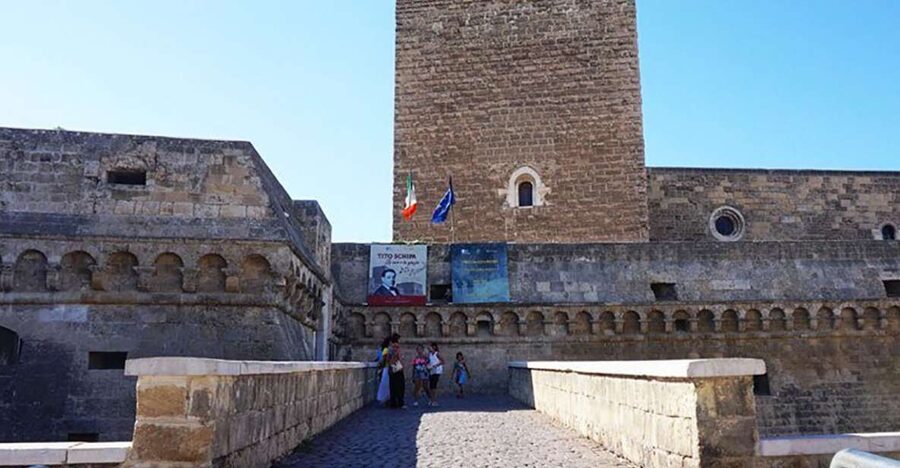
The Norman-Swabian Castle sits in Bari in a way that’s hard to miss once you’re oriented. It’s not just a big building; it’s a layered site. Over time, different rulers, repairs, and museum conversions turned it into a place where you can’t separate the fortress from the art and archaeology inside.
This matters for your experience because castle tours can go two ways: either you spend most of the time staring at walls, or you get a list of facts with no sense of what those facts mean. Here, you get a guide who focuses on art and interpretation—so even when the setting is military, you’re still reading it like a cultural site.
I also like that the tour is built around a sequence: structure first, then art objects and museum rooms, then archaeology. If you do it in that order, the later stops land better.
Meeting point and timing: get there steady, not sweaty
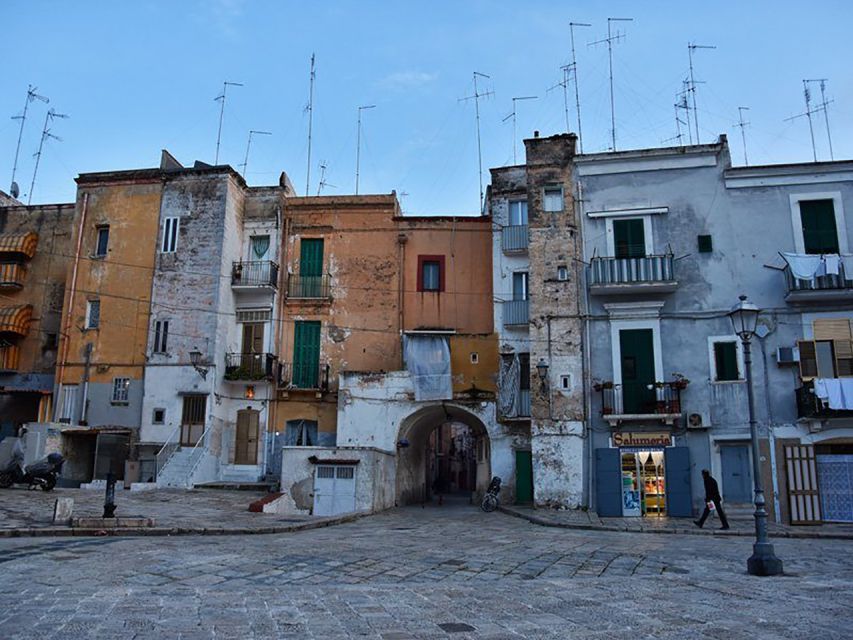
You’ll meet the guide next to the so-called high arch, clearly visible from the square. That’s useful because you’re not playing guess-and-check once you’re on the ground in Bari.
The tour lasts 80 minutes, so you should treat it as a serious museum visit, not a quick stroll. You’ll want comfortable shoes because you’ll move through courtyard and indoor rooms, and the castle’s surfaces and pathways can vary. If you’re visiting in rainy weather, bring an umbrella and rain gear—the outdoor parts make weather a real factor.
Also note the practical bonus: the ticket line is skipped, so you’re not spending your limited time waiting at the entrance.
Courtyard, moats, and the three stone towers: start with the fortress logic
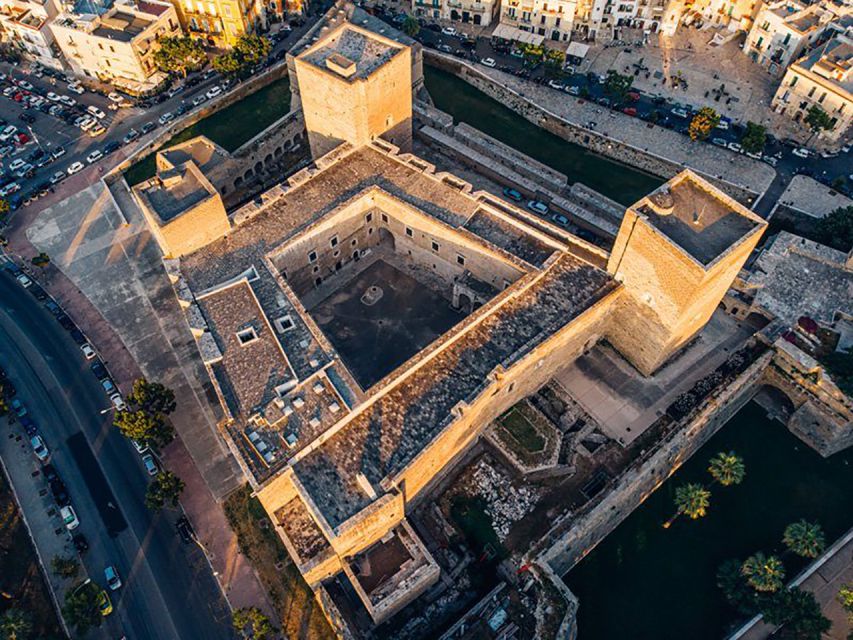
The tour begins where your eyes should go first: the central courtyard and the surrounding exterior features. You’ll look up and really register the scale, especially with the impressive three stone towers. A lot of people just take a photo of towers. With a guide, you understand what those towers mean in terms of defense and design—and why their placement matters.
Then comes the moat angle. This castle is famous for its moat, and it’s not just “there.” It affects how you imagine movement through the site. Even if you don’t see everything from one spot, you’ll learn how the castle’s layout was meant to slow people down and control access.
The courtyard is a strong starting point because it anchors your whole visit. After that, indoor rooms and museum exhibits stop feeling like separate attractions and start feeling like pieces of the same puzzle.
Gipsoteca in the west wing: why plaster copies still matter
The biggest art stop is the Gipsoteca in the west wing. This is where you’ll see plaster sculptures and copies of famous carvings of monuments. At first glance, plaster can sound like a “copy” and therefore less important. But the tour frames it differently: these are not just stand-ins. They’re tools for preservation, education, and understanding sculptural styles.
What makes this part special is the explanation of the works themselves. You’ll hear that these plaster pieces were made in 1911 by Mario Sabatelli and Pasquale Duretti to commemorate 50 years of Italian unity. That detail turns the room into more than an art room—it becomes a window into how Italy celebrated nationhood through culture and craft.
If you like art history, this is the moment where your guide’s focus shows. You’ll look at textures and shapes, then learn what the sculptural language is doing. If you don’t usually slow down for sculpture, I still think this stop is worth your attention because the context keeps you from drifting into vague “nice statue” mode.
Museum rooms: ceramics, jewelry, and the Norman Room details
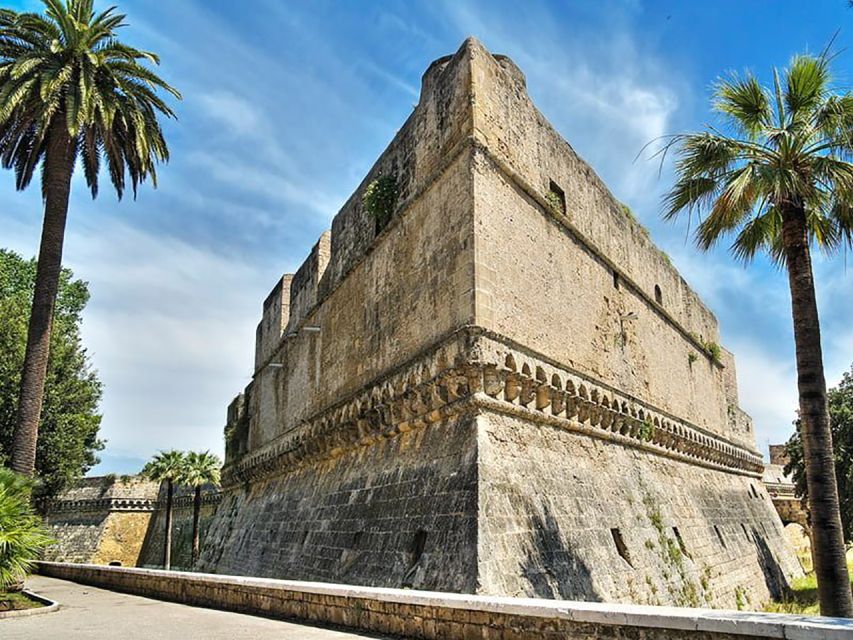
After the Gipsoteca, the tour shifts into museum exhibits that connect the castle to everyday life. One key category is ceramic tableware, excavated from the castle’s east wing. That’s a smart inclusion because it interrupts the usual “royalty lived in dramatic stone” story. Tableware tells you about daily rituals—eating, hosting, storage, and the practical side of living inside a fortress.
Then you’ll see jewelry on display, connected to the Minorenni Tower. Jewelry can be easy to overlook in castle museums, but here it helps you humanize the setting. It’s a reminder that the castle wasn’t only about defense. People dressed for life there.
You’ll also tour the Norman Room, where you can spot distinctive display items such as the stone-winged cats and other objects on view. These touches might seem small, but I love this kind of detail because it changes how you remember the visit. You come away with images that feel specific, not generic.
Archaeology displays: where the excavations feel legible
A standout from the experience is how the tour handles archaeological material. You’ll have a chance to see excavation platforms and walkways, and the route is designed so you can follow what you’re being told instead of just passing by glass cases.
You may also notice audio-visual demos in some rooms. When those are part of your timing, they can help bridge gaps between what you see in artifacts and what the guide is explaining about the site’s past. The effect is practical: you get a clearer mental timeline rather than isolated facts.
This section is also a good reason to take a guided tour instead of doing only a self-guided visit. In archaeology, context is everything. A guide helps you connect small objects to larger patterns.
How the tour pace feels in real life (and where you might want more time)
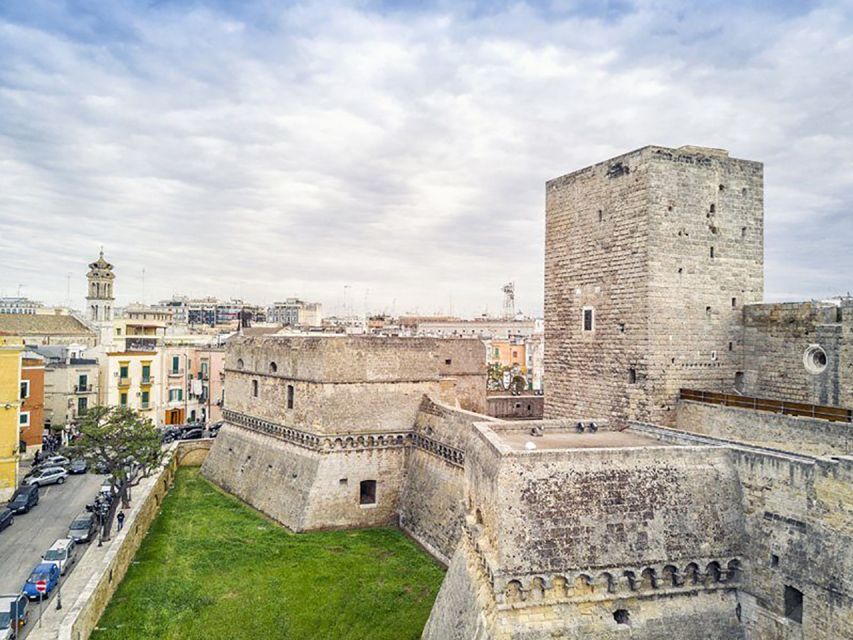
Because this is an 80-minute tour, the pacing is intentionally efficient. You’ll cover the courtyard and exterior towers, spend time on the Gipsoteca, and still fit in the ceramic and jewelry exhibits and the Norman Room.
That’s good for first-time visitors to Bari who want a high-impact experience without losing a whole morning. But there’s also a tradeoff. If a room grabs you—especially anything with visual demos or the excavation viewing areas—you might wish you had extra minutes to look longer.
If you’re the type who always reads every wall label, my advice is simple: do this tour early in your castle day, then come back later on your own for the parts you want to re-see at your speed.
Is $42 good value for a Bari castle guided tour?
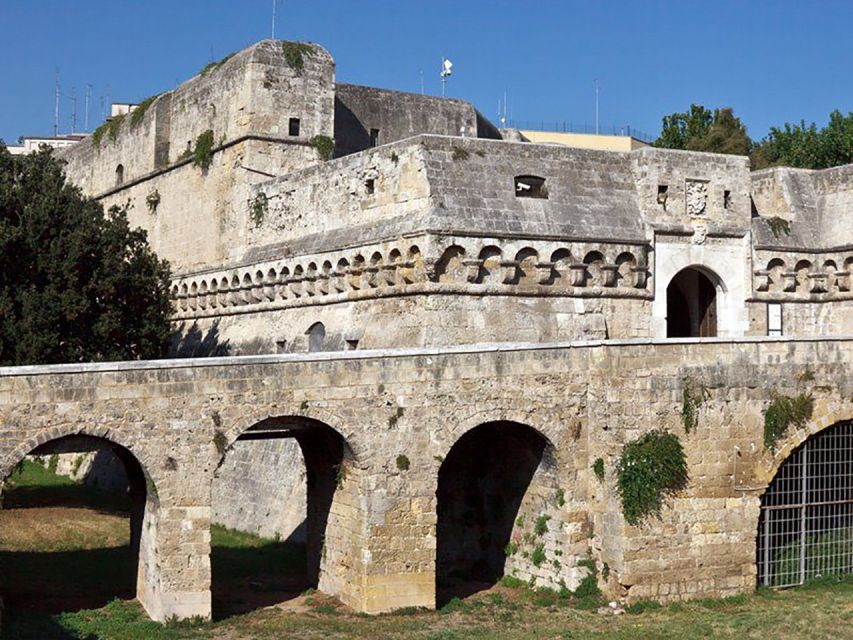
For $42 per person (with entry and a guided tour included), I think the value is solid because you’re paying for three things at once:
- Skip-the-ticket-line entry, so you don’t waste time
- An art-history focused guide, which makes the museum content easier to interpret
- A guided route that connects architecture, art reproductions, jewelry, ceramics, and archaeology
Yes, the duration is fixed at 80 minutes. But the tour isn’t just “stand here, look there.” It’s structured so each stop supports the next—courtyard scale leads into art displays, which leads into finds and everyday objects.
If you’re choosing between a guided option and a self-guided visit, the best way to decide is this: if you want to understand what you’re seeing, book the guide. If you’re only after photos and a quick browse, self-guided might be enough. For most people, the guide is what turns a castle visit into a story you remember.
Who this tour is best for (and who might prefer something else)
I’d put this tour at the top of your list if you:
- Like art, sculpture, and museum interpretation, not just sightseeing
- Want a castle visit with archaeology + design + objects in one circuit
- Prefer an efficient plan when you’re short on time in Bari
You might prefer a different style of visit if you:
- Need long, unstructured browsing time in a museum
- Are traveling with someone who doesn’t enjoy walking inside and outside for a full 80 minutes
The good news: the tour is wheelchair accessible, and there’s private group availability if you want a quieter pace.
Practical tips before you go
A few small things make this visit smoother:
- Wear comfortable shoes. The castle involves walking between outdoor and indoor spaces.
- Bring an umbrella and rain gear, since weather affects parts of your route.
- If you’re visiting with kids, note that entry is free for children under 11.
- Languages include Italian, English, French, and Spanish, so you can match the tour to your comfort level.
Also keep your eyes open for the details your guide will point out. The castle rewards attention—especially in rooms where objects like the stone-winged cats or the jewelry displays connect back to the building’s identity.
Should you book the Norman-Swabian Castle guided tour?
Yes, if you want the castle to make sense. This is a tour that treats the Norman-Swabian Castle as more than scenery. You’ll understand the moat and towers, you’ll see how the Gipsoteca links sculpture to Italian identity, and you’ll meet the castle’s past through everyday items and archaeology.
Skip it only if you’re happy with a quick walk-through and mostly photo-focused stops. Otherwise, this guided format is a smart use of time in Bari—especially if you like art and want your visit to feel structured rather than random.
FAQ
How long is the Norman-Swabian Castle guided tour?
The tour lasts 80 minutes.
How much does the tour cost?
It costs $42 per person.
What’s included in the price?
The price includes the entry ticket and the guided tour of the Norman-Swabian Castle of Bari.
Do I need to buy tickets separately?
The tour includes entry, and it also offers skip the ticket line.
Where do I meet the guide?
Meet the guide next to the so-called high arch, clearly visible from the square.
What languages are available for the live tour guide?
The tour guide is available in Italian, English, French, and Spanish.
Is the tour wheelchair accessible?
Yes, the tour is wheelchair accessible.
Is there an option for a private group?
Yes, private group tours are available.
What should I bring with me?
Bring comfortable shoes, an umbrella, and rain gear, plus comfortable clothes.
Are children’s tickets included or discounted?
Entry is free for children under 11 years of age.