REVIEW · ACCRA
From Accra: Cape Coast and Elmina Castles Day Trip
Book on GetYourGuide →Operated by Adanu Transport and Tour · Bookable on GetYourGuide
Castles with heavy stories, told with care. This day trip from Accra takes you into Ghana’s Central Region to confront the trans-Atlantic slave trade through the places where people were held and processed before ocean crossings. I especially like the way the route links Cape Coast Castle and Elmina Castle with real-world context from a local guide, so the history doesn’t stay abstract.
Two things I like a lot: first, you get air-conditioned transportation plus snacks to keep the long day from feeling punishing. Second, you’re not just checking boxes—stops like Elmina’s Portuguese structures and Fort St Jago are explained with human focus, including what the sites meant and how to visit them with respect. One drawback to plan around: the subject matter is emotionally hard, and the day includes walking and steady site-to-site movement.
In This Review
- Key highlights you’ll feel the most
- Accra to the Gold Coast: how the day actually flows
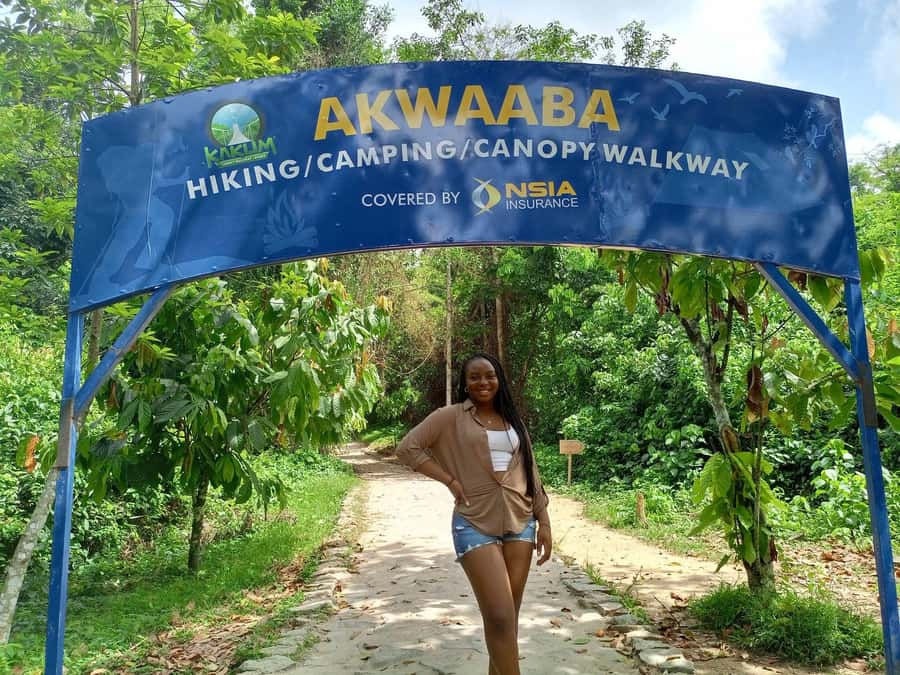
- Kakum National Park: stretching your legs before you hit the castles
- Cape Coast Castle: UNESCO grounds and Portuguese feitoria beginnings
- Elmina Castle: the oldest European building south of the Sahara
- Fort St Jago: the small Portuguese chapel that guarded the story
- Local guiding that keeps the day human
- Price and value: what $200 is really buying you
- Practical tips for a smoother, more respectful day
- Who this tour is best for (and who should think twice)
- Should you book this Cape Coast and Elmina day trip from Accra?
- FAQ
- FAQ
- How far is Cape Coast and Elmina from Accra?
- What’s included in the day trip price?
- Is the transportation air-conditioned?
- Is Kakum National Park part of the tour?
- What sites will I visit besides the castles?
- What language is the tour guide?
- What should I bring with me?
- How does pickup and drop-off work?
- Is this a flexible booking option?
Key highlights you’ll feel the most
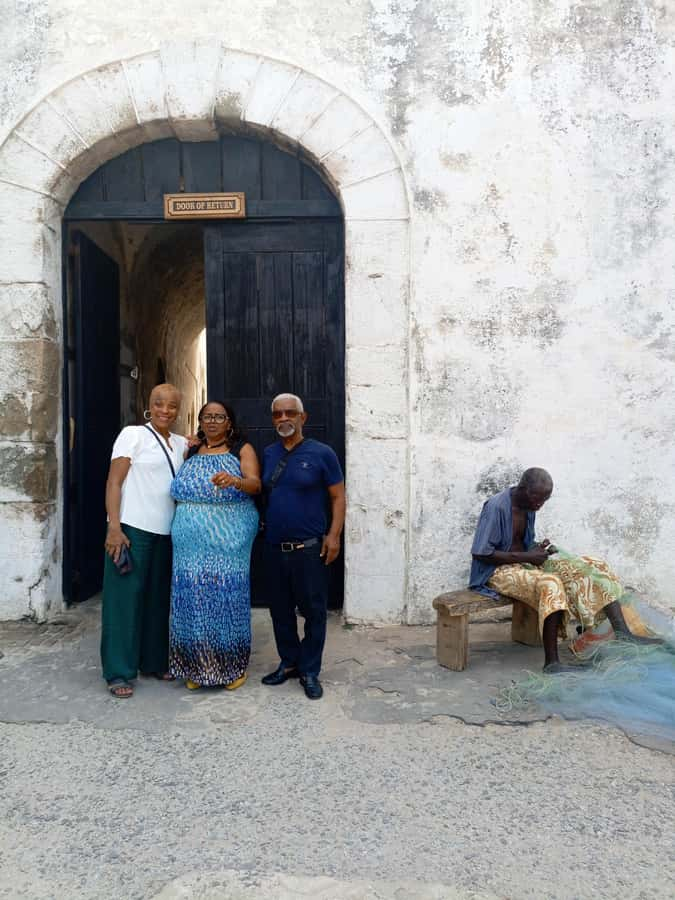
- Portuguese-built sites tied directly to the slave trade: Cape Coast Castle (Portuguese feitoria beginnings) and Elmina Castle (Portuguese 1482).
- Elmina Castle’s scale and age: it’s described as the oldest European building south of the Sahara.
- Fort St Jago across from Elmina: a small Portuguese chapel used for protection and defense.
- Kakum National Park as a breath before the weight: you get nature time before the castles.
- Guides who bring clarity and calm: many lead with careful explanations in English, including guides such as Jorge and Esther (and others).
- Comfort on the road: pickup and drop-off with air-conditioned travel, snacks, and a schedule that keeps you moving.
Accra to the Gold Coast: how the day actually flows
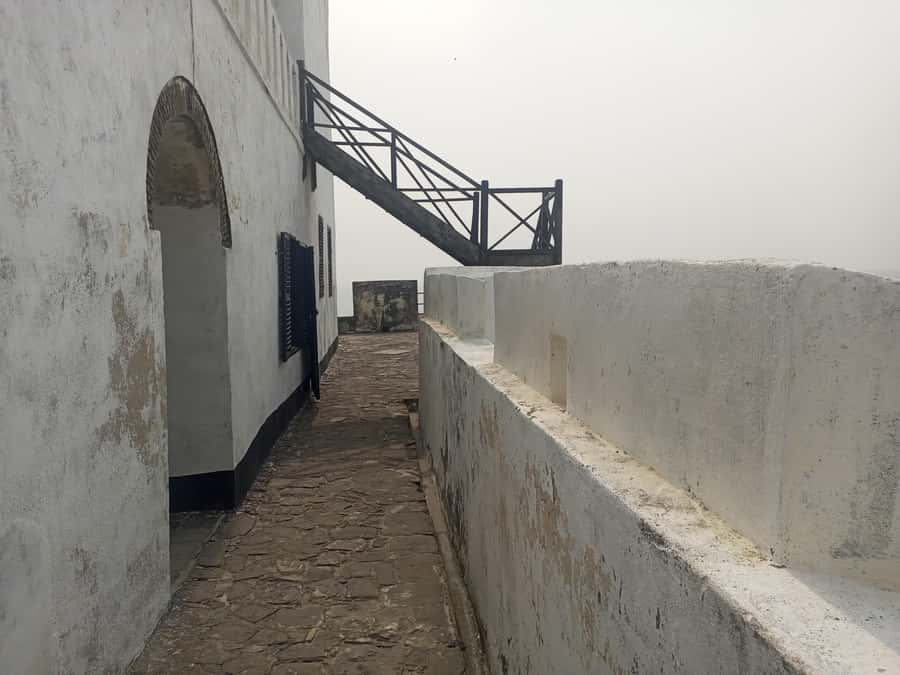
This trip is built for one main thing: getting you from Accra to Ghana’s Central Region forts and castles in a single push. The drive is about 147km, and you start with pickup from your accommodation in Accra.
Once you’re on the road, you’ll be in an air-conditioned vehicle, and the day includes snacks along the way. That sounds small, but it matters because it keeps your energy steady before the first major site—Cape Coast Castle. If you’re sensitive to long rides, this comfort upgrade is a real value.
Timing can feel like a marathon. You’ll move from the car into guided walking at each stop, then back to Accra for drop-off. Since the day is full, I recommend you pack light and plan for a lot of on-foot time.
You can also read our reviews of more tours and experiences in Accra.


Kakum National Park: stretching your legs before you hit the castles
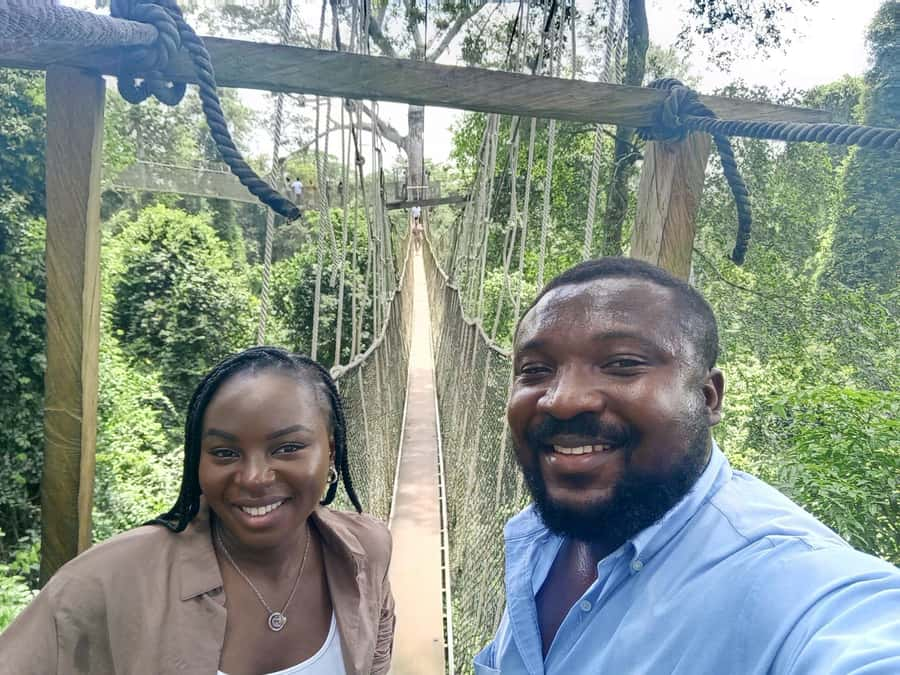
Kakum National Park is included, and it works as a pause zone in the schedule. It also helps that you’re doing this before the castles, when your brain can still “reset” into a different setting.
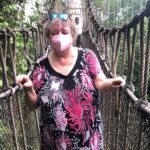
In at least one case, a guide helped set expectations for what to expect at the park, and a guest specifically highlighted the canopy walk as fantastic. You should still come ready for outdoor time: comfortable shoes, sun protection, and water are on your list for a reason.
This part of the day isn’t about history. It’s about giving you a physical break and making the emotional weight of the castles more manageable when you reach them.
Cape Coast Castle: UNESCO grounds and Portuguese feitoria beginnings
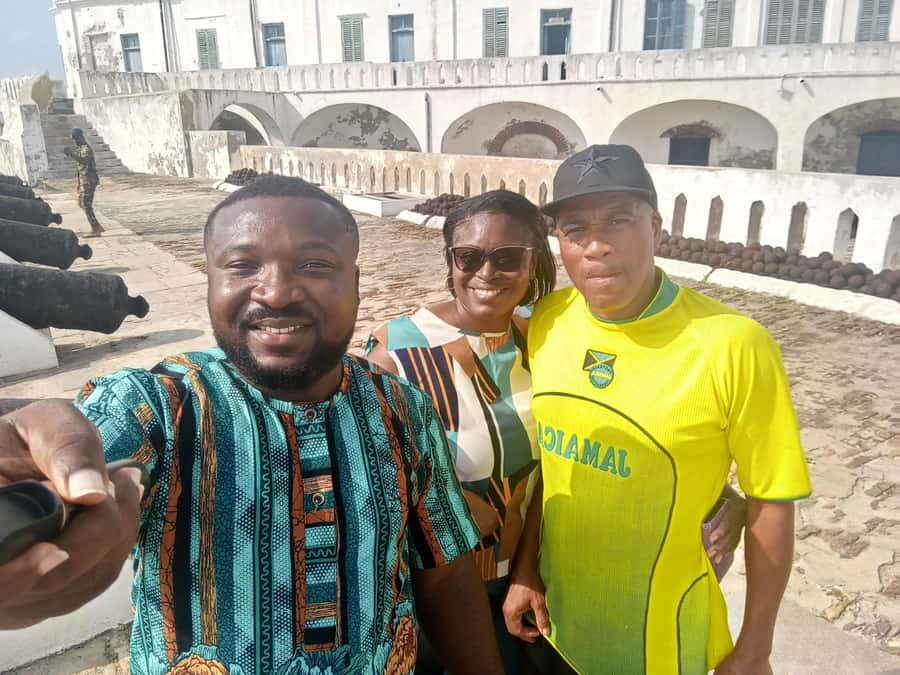
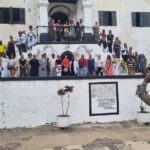
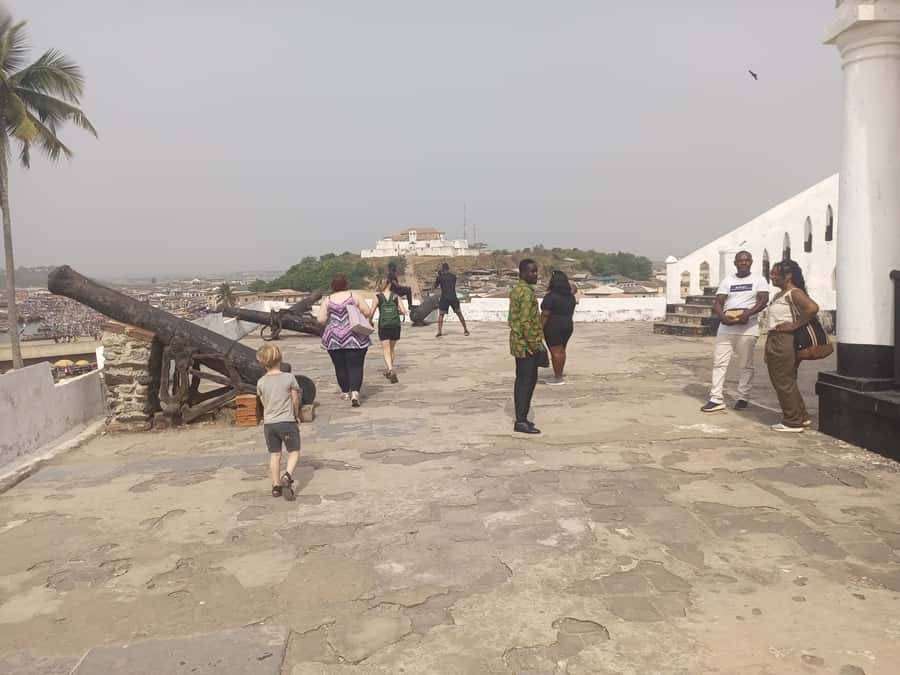
Cape Coast Castle is one of the best-known stops on the coast—and also one of the hardest to process. It’s described as a UNESCO World Heritage Site, and it played a direct role in the trans-Atlantic slave trade.
Here’s the key historical arc you’ll get on this trip: the castle began as a Portuguese feitoria (trading post) in 1555. Later, it became part of the system of the trans-Atlantic slave trade, used as a holding place for enslaved people before they were loaded onto ships headed for the Americas.
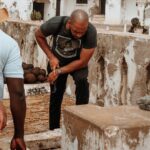
What makes this stop valuable is the way it’s presented. Instead of letting the story become a list of dates, your guide’s job is to connect the architecture and purpose to the lived reality of people who passed through. That’s why I think having a local guide matters so much here: the meaning isn’t only in plaques.
Practical note: expect a respectful atmosphere and sustained attention. Bring your camera if you want it, but also be ready for moments where you’ll want to just look and absorb.
Elmina Castle: the oldest European building south of the Sahara
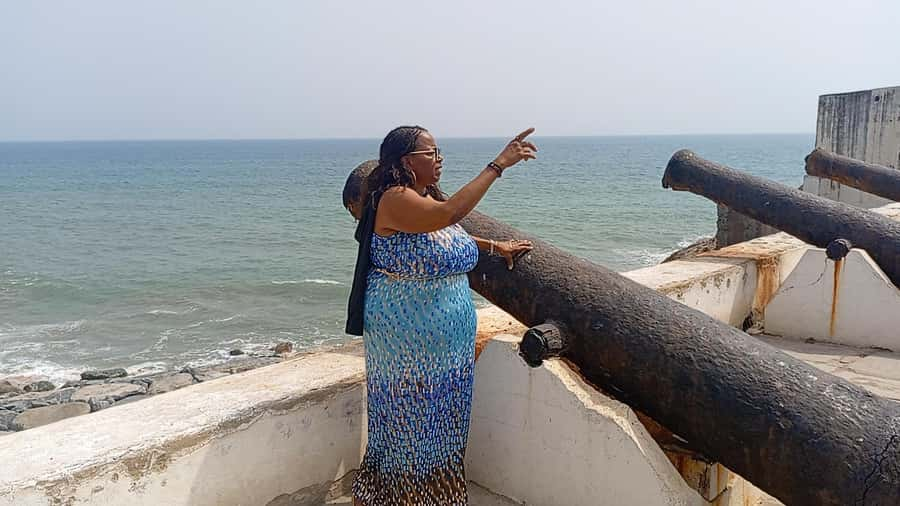
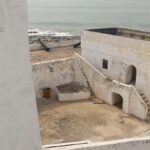
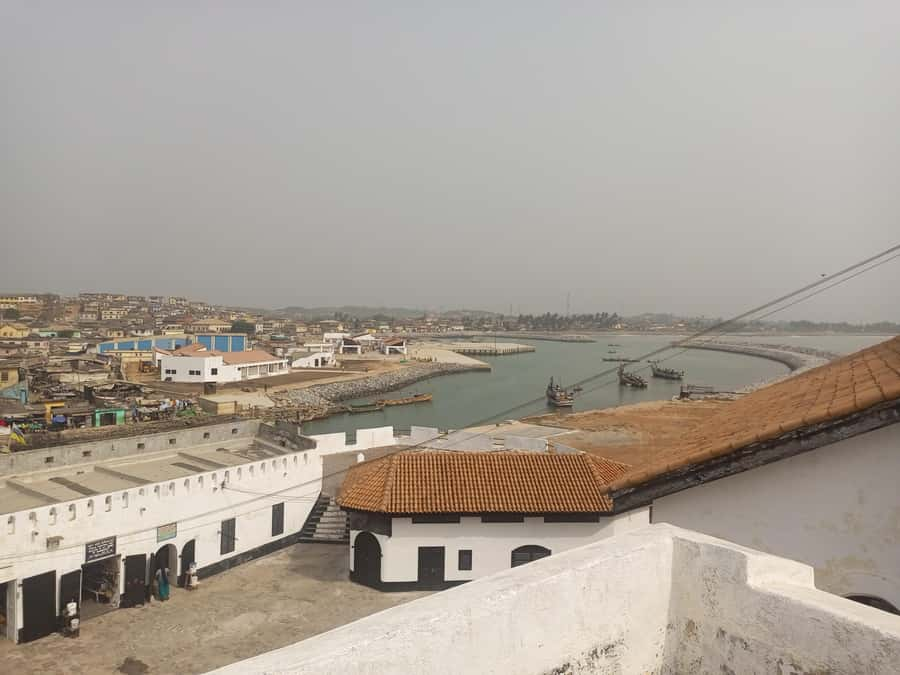
Next you’ll visit Elmina Castle, erected by the Portuguese in 1482. The tour frames it as the first trading post built on the Gulf of Guinea, and it’s also described as the oldest European building in existence south of the Sahara.
This stop often lands differently than Cape Coast because Elmina has a strong sense of place—like you’re standing at the start point of a wider system. You’ll be able to connect Portuguese trade ambitions to the later grim reality of how the same networks were used.
I like that the tour doesn’t treat these sites like museum pieces. They’re presented as working spaces—built, maintained, and operated—so you can understand how the slave trade functioned through ordinary coastal infrastructure.
The guide’s role is still central here. On this route, interpreters such as Jorge and Esther (and others) have been praised for professional, calm explanations that keep the story clear without becoming cold. That balance helps you hold the facts and the emotions at the same time.
Fort St Jago: the small Portuguese chapel that guarded the story
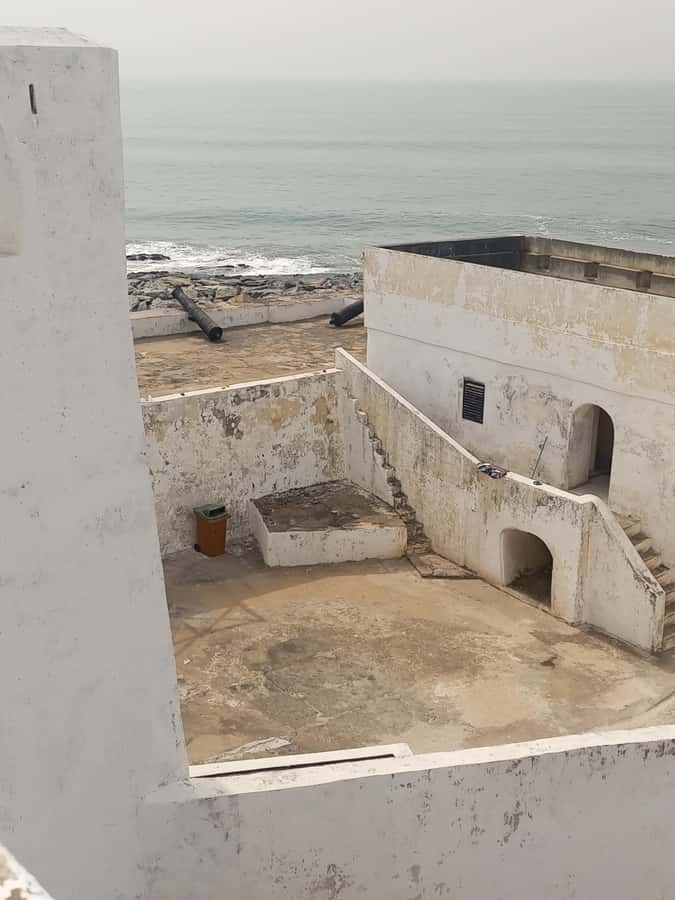
The last stop is Fort St Jago, also known by names like Fort Coenraadsburg and Fort São Tiago da Mina. It’s a small Portuguese chapel built in honor of Saint Jago, and it sits opposite Elmina Castle.
Even if you walk away thinking the castles were the main events, Fort St Jago adds a different layer: protection and control. The tour explains that it was used to protect the castle, and it’s described as one of the oldest military constructions on the Gold Coast.
This is the kind of stop that can be overlooked if you only chase the biggest landmarks. I find it makes the whole day feel more complete because it shows how European powers fortified their presence—physically and strategically—not just commercially.

Local guiding that keeps the day human
A great day trip like this isn’t only about the buildings. It’s about how the story is told while you’re standing in the rooms where history happened.
On this tour, guides are consistently described as approachable, professional, and careful with emotionally difficult material. Names that come up in past experiences include Jorge and Esther, as well as guides such as Diya and Clement. You can expect English-language narration, and the guiding style is designed to help you make sense of what you’re seeing at each stage.
One detail I think you’ll appreciate: the flexibility some guides offer around pickup location and even the return drop-off destination in Accra. That can be a big help in Accra, where you might want to finish near a specific area rather than back at the exact starting point.
Also, if you’re planning around a flight the same day, having a calm guide who stays on schedule can matter more than you’d expect.
Price and value: what $200 is really buying you
The price for this day trip is $200 per person. At first glance, that can sound steep for a single day—until you look at what’s included.
You’re paying for:
- pickup and drop-off from your Accra accommodation
- air-conditioned transportation
- snacks during the trip
- a Kakum National Park stop
- guided visits to Cape Coast Castle and Elmina Castle
- local guide services
That combination is the core value. You’re not just getting a transfer; you’re getting interpretation, structured time at multiple sites, and an all-in-one logistics solution. For many people, especially if it’s their first time on the coast, the guide-led context is the difference between seeing walls and understanding what the spaces meant.
So if your priority is history you can actually follow—with a guide to help connect events to places—this price starts to look fair. If your priority is only scenery, you might find cheaper options elsewhere. But for a day built around two major UNESCO-linked sites tied to the slave trade, the guided structure is part of the product.
Practical tips for a smoother, more respectful day
This day trip is straightforward, but small details make a big difference. The tour’s own packing guidance is simple and useful, so take it seriously.
Bring:
- Passport or ID card
- Comfortable shoes (there’s walking at multiple sites)
- A hat
- A camera
- Water
Also consider packing light. One past traveler specifically advised a small backpack and good walking shoes, which is solid advice for a day that mixes outdoor time with castle touring.
Sun and hydration matter in the Central Region, especially if you’re doing Kakum National Park before the castles. And while you’ll likely have chances to pause, don’t plan on a long sit-down break between stops.
Finally: keep your expectations aligned with the subject. You’re visiting places directly tied to the trans-Atlantic slave trade. Plan to take your time, ask questions when your guide offers space for them, and give yourself permission to feel what you feel.
Who this tour is best for (and who should think twice)
This is a strong match if you want:
- a guided, place-based understanding of the trans-Atlantic slave trade in Ghana
- an organized one-day route from Accra that hits Cape Coast, Elmina, and Fort St Jago
- a history day that still includes a nature stop at Kakum National Park
It’s also a good pick if you appreciate calm, professional guiding and clear storytelling. Past experiences with guides such as Jorge and Esther point to a style that supports visitors who may be nervous, emotional, or short on time.
Who might think twice: if you know you’re not ready for emotionally heavy sites, this day will likely feel overwhelming. Also, if you can’t handle sustained walking or outdoor heat, you may find the pace challenging.
Should you book this Cape Coast and Elmina day trip from Accra?
If your goal is to see Cape Coast Castle and Elmina Castle with the kind of context that helps the history land accurately, I think you’ll be glad you booked. The route makes sense: Portuguese-era origins, the holding and processing role tied to the slave trade, and then the defensive footprint shown by Fort St Jago.
I’d book it if you can commit to a long day and you’re willing to meet the material honestly. I’d consider another option if you’re looking for a light, casual sightseeing day, because this isn’t that.
FAQ
FAQ
How far is Cape Coast and Elmina from Accra?
The trip is estimated at 147km from Accra to Ghana’s Central Region sites.
What’s included in the day trip price?
The included items listed are pickup and drop-off from your Accra accommodation, air-conditioned transportation, snacks, Kakum National Park, visits to Cape Coast Castle and Elmina Castle, and local guide services.
Is the transportation air-conditioned?
Yes, the tour includes air-conditioned transportation.
Is Kakum National Park part of the tour?
Yes. Kakum National Park is included in the day trip.
What sites will I visit besides the castles?
In addition to Cape Coast Castle and Elmina Castle, the tour also includes a stop at Fort St Jago (Fort Coenraadsburg / Fort São Tiago da Mina).
What language is the tour guide?
The tour information lists English.
What should I bring with me?
Bring a passport or ID card, comfortable shoes, a hat, a camera, and water.
How does pickup and drop-off work?
The tour includes pickup from your accommodation in Accra and drop-off back in Accra at the end of the day.
Is this a flexible booking option?
The tour listing notes a reserve & pay later option, and it also states you can cancel up to 24 hours in advance for a full refund.