REVIEW · BELGRADE
Get Big Picture of Belgrade at its 2,000 years old Fortress
Book on Viator →Operated by Walking Belgrade · Bookable on Viator
Belgrade Fortress can feel like time travel. I love how an art historian guide turns stones, walls, and churches into real stories, and I love the panoramic river views from Kalemegdan. The only real drawback: it’s a fast 90 minutes, so you’ll want to add time after the tour if you like to wander slowly.
This private tour is built for small groups (up to eight) and taught in English, with entry tickets handled as part of the experience. The price is $66.01 per person for about 1 hour 30 minutes, and it tends to work best when you’re short on time but still want the full Belgrade context—Roman-to-Ottoman-to-Habsburg-to-Cold War, all on one hill.
Plan your timing for the views. If you can, aim near sunset, when the rivers Sava and Danube look extra dramatic; the tour even gives you a simple rule of thumb (around 5:30 pm in autumn, 4:30 pm in winter, ~6 pm in April/May, and after 7 pm in summer).
In This Review
- Key points to know before you go
- Why Belgrade Fortress hits hard: 2,000 years on one hill
- Your art historian guide: what Igor explains (and why it feels personal)
- Stop-by-stop: Roman walls, Ottoman intrigue, Nazi bombing, and Cold War fear
- Stop 1: Getting your bearings at Kalemegdan
- Stop 2: The fortress stories under the surface
- Stop 3: Kalemegdan Park viewpoints and the sunset payoff
- Panoramas over the Sava and Danube (and when to catch sunset)
- Price and timing: what $66.01 really buys you
- Logistics that make a difference: start point, walking pace, and comfort
- Who should book this private fortress tour
- Should you book it?
- FAQ
- How long is the Belgrade Fortress private tour?
- Is this tour private, and how many people can be included?
- What language is the tour offered in?
- Are admission tickets included?
- Where does the tour start and end?
- Can I cancel for a full refund?
Key points to know before you go
- An art historian guide explains politics, war, and symbols tied to the fortress, not just dates on a timeline.
- Small private group (up to eight) means you can ask questions and keep the pace comfortable.
- Three timed parts give you both the history and the big river panoramas.
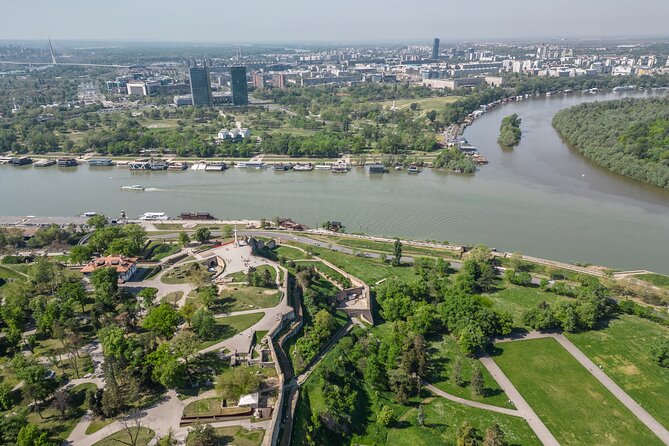
- Iconic Belgrade viewpoints include the Sava–Danube confluence and views toward New Belgrade and Zemun.
- You’ll hear unusual links (like the Noon church bell story and other odd-but-true connections) that make the fortress feel personal.
- Best if you’re short on time, but you’ll likely want extra time afterward to re-walk the views.
Why Belgrade Fortress hits hard: 2,000 years on one hill
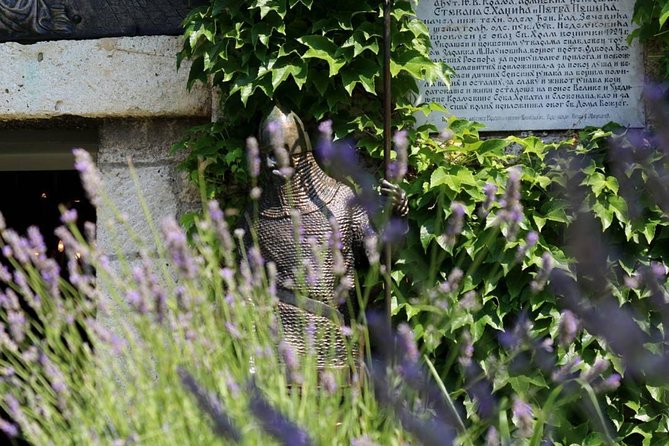
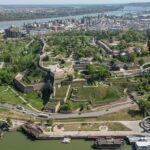
Belgrade Fortress is one of those places where the ground itself seems to have a memory. You’re standing at Kalemegdan, watching the Sava and Danube meet, while the city’s power struggles stack up around you. It’s not “museum quiet.” It feels like a strategic viewpoint that kept getting fought over.
What makes this tour especially satisfying is the way it frames the fortress as a living checkpoint between empires. You’re not just looking at walls—you’re learning why those walls mattered. When you understand control of rivers, roads, and heights, Belgrade’s modern debates start to make more sense.
And yes, it’s gorgeous up there, even when the weather is plain. You get wide views across water and toward New Belgrade and Zemun, plus the greenery of the park. It’s a nice mix: history first, then the “wow, I get why people built here” payoff.
You can also read our reviews of more tours and experiences in Belgrade.
Your art historian guide: what Igor explains (and why it feels personal)
The tour is led by a professional art historian, and that matters. An art historian doesn’t treat buildings like background props; they treat them like evidence. That shows up in how you move from gates and walls to churches, and how the guide connects architecture to control, faith, and propaganda.
In real-world terms, this means you’ll hear explanations that link symbols to events. For example, you’ll learn why the Noon bell in European churches connects back to Belgrade, and you’ll hear about sultans and their way of describing the fortress. Those details sound like “fun facts” at first. Then they start to click into place.
The conversation tone is also part of the value. Guides like Igor are known for passion and storytelling, and there’s a chance for debate and Q&A along the way. Even the presence of Ksenija during some walk-throughs keeps the delivery engaging—more “talk with a specialist” than “lecture you endure.”
If you like history that explains cause-and-effect, this is a strong match. If you only want a quick overview with no political context, you might feel the pace is intense—but you can always slow down afterward on your own.
Stop-by-stop: Roman walls, Ottoman intrigue, Nazi bombing, and Cold War fear
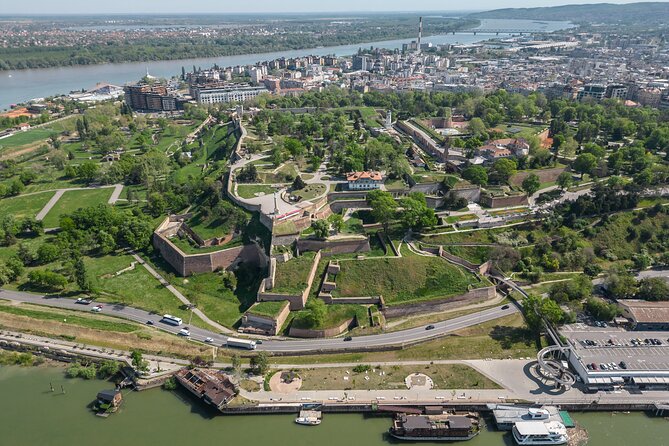
The tour is structured in three main parts, with about half the time focused on the fortress itself and the rest on panoramas. That timing works well because it prevents “history overload” without skipping the big stories.
Stop 1: Getting your bearings at Kalemegdan
You begin at the Art Pavilion Cvijeta Zuzorić in Mali Kalemegdan, which is a smart starting point. From here, you get an orientation first: how the rivers shape movement, how the confluence creates a strategic funnel, and how Belgrade grew around this geography.
This part is also about visual landmarks. You’ll take in key monuments and viewpoints, with an emphasis on how the fortress sits above New Belgrade and Zemun. The park side matters too; the green spaces help you reset your eyes before the history turns darker.
Stop 2: The fortress stories under the surface
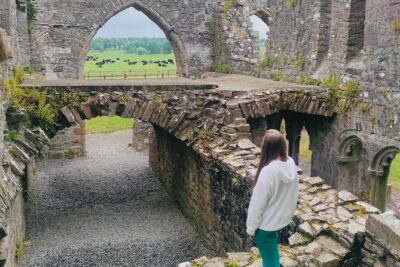
Next comes the deeper part: you trace successive powers that fought over this stretch of earth, water, and sky. You move past gates and walls, and you’re guided through the spaces that were built for security—think towers, dungeons, and areas tied to conflict.
This is where the unusual stories shine:
- The guide explains why the Noon bell in European churches is directly connected to Belgrade.
- You’ll hear about which sultan considered the fortress his Contemplation hill—one of those phrases that feels poetic until you learn its historical meaning.
- You’ll cover major modern shocks, including what happened when Nazis bombed Belgrade in 1941.
- You’ll also hear about a later fear cycle, including a Soviet invasion threat in the 1950s.
One of the best signs that you’re getting more than generic history: you’re not just told “big things happened.” You’re shown how the fortress and its churches and underground spaces fit those stories.
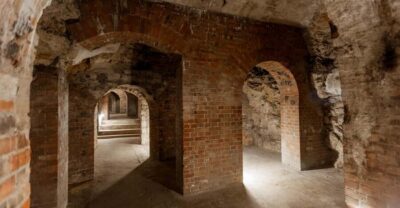
A detail worth noting from the experience: you may get inside a church connected to a former military structure (including the idea that a church was built from a military magazine). That kind of reuse—religious space born from defense—makes the whole hill feel like one long argument about power.
And there’s a final odd connection too: you’ll hear about a movie maker who told the press they felt inspired after getting underground. It’s the sort of fact that makes the site feel current, not frozen in textbooks.

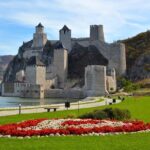
Stop 3: Kalemegdan Park viewpoints and the sunset payoff
The last part is where you let the fortress earn its “best view” reputation. You return to panoramic sightlines, and the goal is simple: look, connect the geography to the stories, and enjoy the rivers meeting.
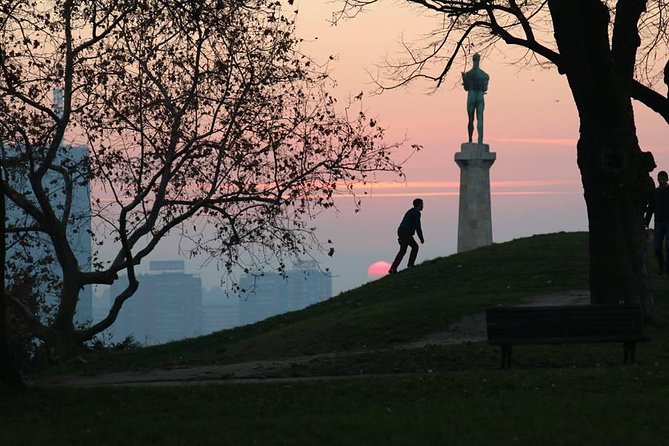
If you schedule this around golden hour, you’ll get a smoother emotional arc. The day’s heavy history lands, then the views let you breathe. The tour guidance even gives practical sunset timing by season, so you don’t have to guess.
If you don’t care about sunset, morning can work too. Clear weather often means sharper views of Zemun and the New Belgrade side. Either way, this final stretch helps prevent the “I learned a lot but I feel nothing” problem. It turns information into place.
Panoramas over the Sava and Danube (and when to catch sunset)
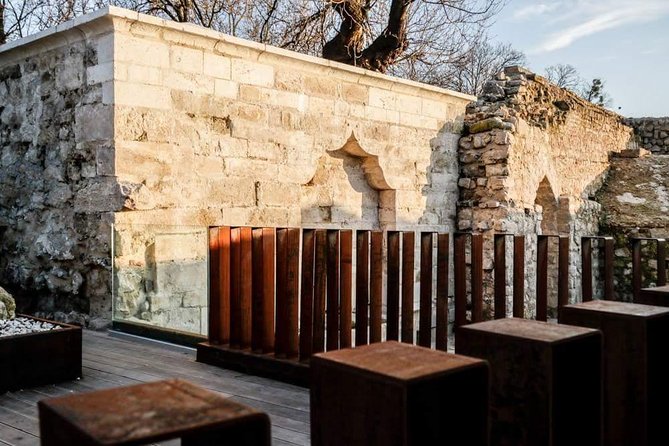
The fortress viewpoints are a big part of the value because you see Belgrade’s layout from above. You’re not just learning where history happened—you’re understanding why those battles made sense.
From the higher ground, you get views across:
- the Sava and Danube and the confluence,
- New Belgrade, tied to socialist Yugoslavia,
- and Zemun, which you can see as a quieter, Central European-feeling neighbor.
Sunset timing matters here because the colors change quickly over water. If you’re visiting in:
- autumn: about 5:30 pm,
- winter: about 4:30 pm,
- April and May: around 6 pm,
- summer: after 7 pm.
So if your day is flexible, build the tour so the last part lands near that time. If you can’t, don’t stress. Even in daylight, the river views plus fortress walls create a strong “Belgrade in one glance” effect.
Price and timing: what $66.01 really buys you
At $66.01 per person for roughly 1 hour 30 minutes, this isn’t a bargain-bin deal. But it’s also not a “pay for nothing” tour. Here’s what you’re actually buying:
- A professional art historian guide (not a generic walking host).
- A private experience for your group (up to eight).
- Admission tickets included for the fortress parts where they apply, and no ticket needed for the park viewpoint segment.
The private format is the key value driver. When you’re with a small group, you can ask follow-up questions without waiting your turn. That changes how history lands—especially with a site tied to politics, religion, and conflict.
Timing is also realistic. Ninety minutes is long enough to feel oriented and connected, but short enough to fit into an arrival day or a tight itinerary. If you’re the kind of visitor who wants to read every plaque and wander every corridor, you’ll likely add extra time afterward. The tour won’t stop you from doing that. It just gives you a strong framework so your extra time feels smarter.
One more practical note: the experience is often booked around 19 days in advance on average. If you’re traveling during peak season or want a specific time near sunset, it’s worth reserving earlier rather than later.
Logistics that make a difference: start point, walking pace, and comfort
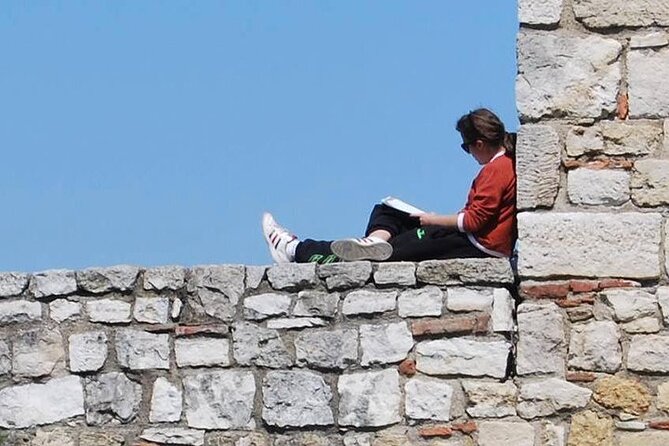
You meet at the Art Pavilion Cvijeta Zuzorić at Mali Kalemegdan 1. The tour ends at the Embassy of France on Pariska 11, so plan your next move around finishing in that area.
The physical side is listed as moderate fitness. That usually means you should be ready for uneven ground and some stairs or uphill sections on the fortress hill. It’s not described as extreme, but bring comfortable shoes and move at your pace. The tour allows service animals, and it’s near public transportation, which helps if you’re coming from elsewhere in the city.
One small practical win: the tour uses a mobile ticket, so you don’t have to track paper confirmations. That’s the kind of detail that saves stress on travel days.
Who should book this private fortress tour
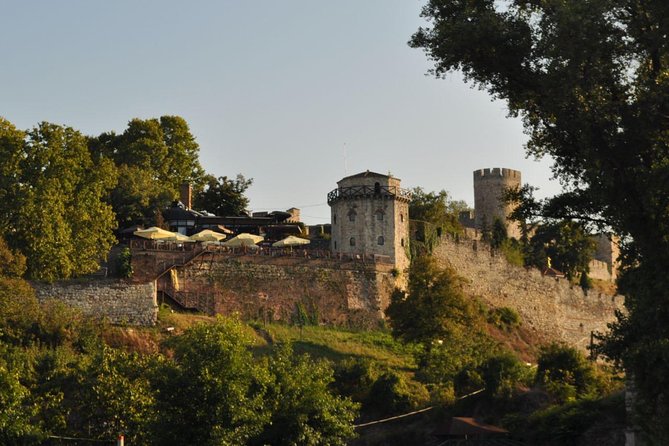
This tour is a strong fit if you:
- want a history-and-politics explanation tied to visible places,
- like guided context more than self-paced guessing,
- are visiting for a short amount of time,
- or want a quieter experience without mixing with strangers in a large group.
It also works well for families and small private groups, since it’s built for up to eight people. If your group includes mixed ages, the pacing and viewpoint breaks help.
If you’re only interested in the best photo spots and want zero background, you might find the explanations a bit heavy. But if you like even a little political storytelling, this kind of place rewards attention.
Should you book it?
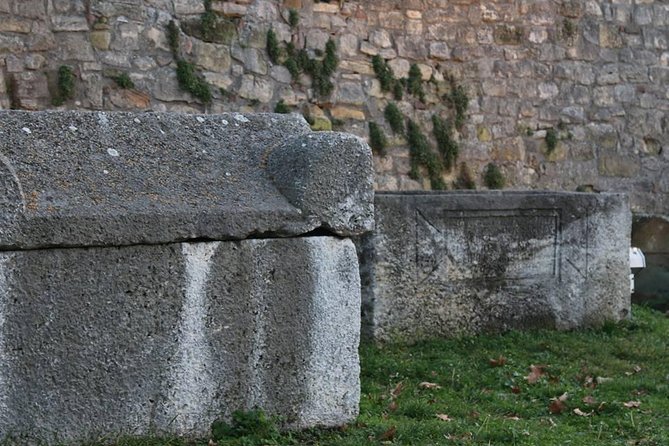
I think you should book this tour if Belgrade Fortress is high on your list and you want the “why” behind what you see. The private, art-historian-led format makes the time feel well spent, especially at this price point with admission handled.
I’d skip it or pair it differently only if you hate guided history or you plan to spend hours wandering anyway. In that case, you could do it on your own. But if you want to leave the fortress knowing more than you can get from looking alone, this tour is a solid choice.
If you do book, try to time it so you end with the best views. That’s when everything you learned starts to click into one clear picture.
FAQ
How long is the Belgrade Fortress private tour?
It’s approximately 1 hour 30 minutes.
Is this tour private, and how many people can be included?
Yes, it’s private. Only your group participates, and it can be booked for up to eight people.
What language is the tour offered in?
The tour is offered in English.
Are admission tickets included?
Admission tickets are included for the first two fortress parts. The park viewpoint part is listed as admission free.
Where does the tour start and end?
It starts at the Art Pavilion Cvijeta Zuzorić, Mali Kalemegdan 1, Belgrade, and ends at the Embassy of France, Pariska 11, Belgrade.
Can I cancel for a full refund?
Yes. You can cancel for free up to 24 hours in advance for a full refund.