REVIEW · BUDAPEST
Budapest: The WWII Siege of Buda Castle & Bomb Shelter Tour
Book on GetYourGuide →Operated by Buda Castle Walks · Bookable on GetYourGuide
A siege story lives under Budapest. This English walking tour mixes surface clues on Castle Hill with a 90-minute walk through Buda Castle caves and an authentic WWII bomb shelter. I especially like how the guide ties the drama of the 52-day siege to real places people hid in—so the history feels concrete, not just memorized. Expect dark corridors, steep steps, and a guide-led pace that keeps the story moving, often with stand-out storytelling from guides such as Rita and Jonas.
The best part for me is the two-level approach: you start above ground in the palace district, then go below into the warren of cells, cellars, and shelters where civilians and soldiers tried to survive. You also get a guided narrative built from personal accounts like diaries and memoirs, which helps explain why this siege gets compared to Stalingrad. One drawback to consider up front: the route is not suitable for wheelchair users, mobility challenges, or people with claustrophobia due to narrow underground passages and steep stairs.
If you want a tour that’s equal parts history lesson and physical experience, this one delivers. You’ll walk away understanding not only the dates, but what it actually meant to endure cold, darkness, overcrowding, and illness under the Royal Palace district.
In This Review
- Key things that make this WWII Buda Castle tour worth your time
- Buda Castle’s WWII story is easier to grasp on your feet
- Starting at De la Motte–B.-Palace: get your bearings fast
- Úri Street and Lovas Way: the palace district as a wartime map
- Entering Vár-barlangi: 35 minutes that change the whole tone
- The bomb shelter and cellar: where survival details get real
- Understanding the 52-day siege without getting lost in dates
- The tour length and pace: 90 minutes of walking, not a museum crawl
- What to wear and bring for 12°C tunnels year-round
- Who will enjoy this most (and who should skip it)
- Value: why $24 feels fair for this kind of access
- Should you book the WWII Siege of Buda Castle and Bomb Shelter tour?
Key things that make this WWII Buda Castle tour worth your time
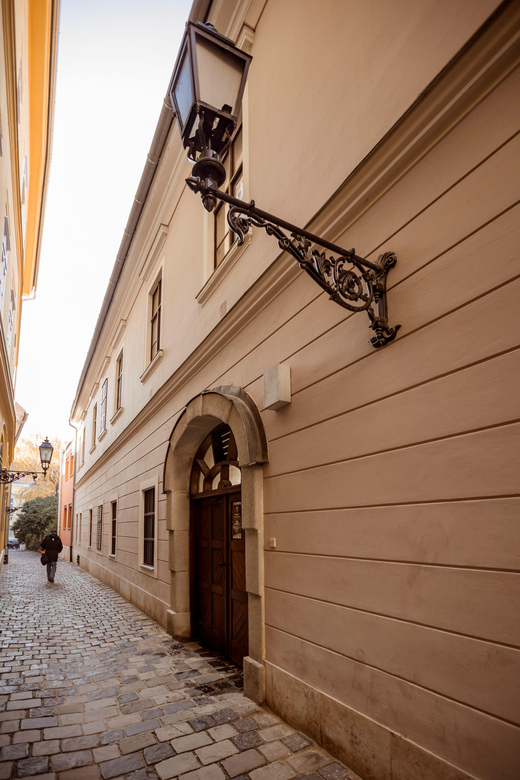
- Above-ground siege traces, not just tunnels: you’ll pass through the Castle district where the setting itself explains the danger.
- Buda Castle Cave visit (about 35 minutes): you get a real walk in the underworld beneath the hill.
- An authentic WWII bomb shelter + old cellar: the tour shows both official refuge and older underground spaces.
- The full 52-day siege story in context: Christmas Eve 1944 to the end of the encirclement, tied to what people faced day after day.
- Clear guide audio with personal headphones: many people find it easy to follow every step of the route.
- Small-ish group feel and strong guide performances: guides including Kopp, Cop, Balacsz, and others are often praised for keeping people engaged.
Buda Castle’s WWII story is easier to grasp on your feet
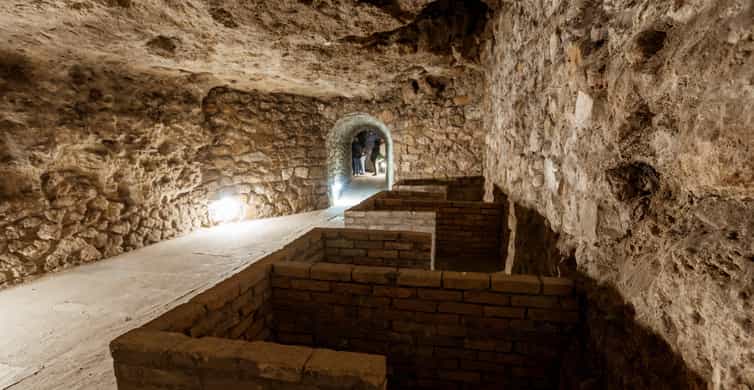
The WWII siege of Budapest is one of those events people mention in passing—until you see how survival depended on location. This tour does that translation for you by combining the Castle Hill streets with the underground systems beneath them. It’s not just where battles happened; it’s where tens of thousands tried to stay alive.
On the surface, you’re walking in a neighborhood that, during the war, became a refuge under German-occupied control. On Christmas Eve 1944, the Soviet Red Army encircled Budapest, and the 52-day siege began. From there, the story focuses on who sought shelter: German and Hungarian soldiers, the wounded, and civilians. You’ll hear how the underground spaces of the Royal Palace quarter became overcrowded and difficult to endure—cold, lack of water and food, darkness, and disease all part of the daily reality.
What I like about this approach is that it turns the siege into something you can picture. When you’re walking cobbled streets and then stepping into narrow passages, the terror stops being abstract. You start understanding why people clung to any patch of shelter they could find, and why the comparison to Stalingrad isn’t just dramatic language.
You can also read our reviews of more tours and experiences in Budapest.


Starting at De la Motte–B.-Palace: get your bearings fast
The meeting point is De la Motte–B.-Palace, Dísz tér 15 (Dísz Square 15), next to the Posta building at the big green gate. Look for the guide with a turquoise umbrella showing the Buda Castle Walks logo.
Two practical notes matter here. First, the program starts promptly and they can’t wait for latecomers, so plan to arrive a bit early and use the time to orient yourself. Second, part of what you’ll do is above ground at first, then it drops into darker areas and underground corridors, so comfortable shoes are non-negotiable.
If you’re going to arrive around the busy palace district streets, it helps to check for closures or traffic conditions ahead of time. There’s an online on-site visit planner for the area, available without registration, that can help you avoid last-minute detours.
Úri Street and Lovas Way: the palace district as a wartime map
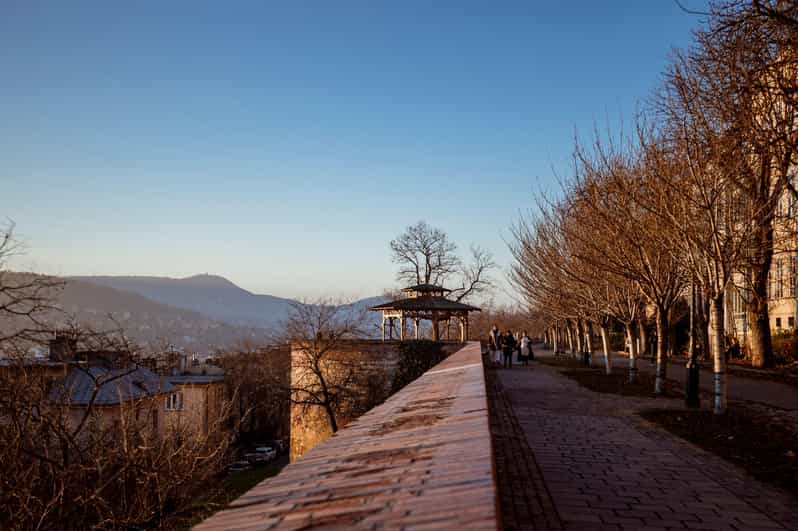
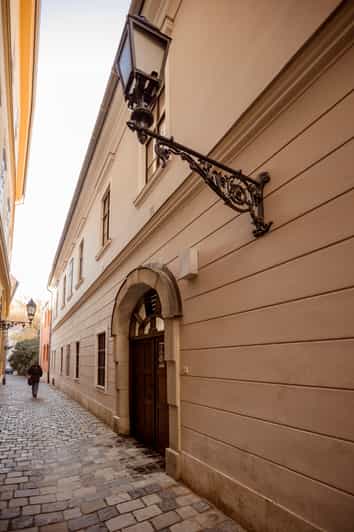
After meeting at the square, your walk begins through the Castle district atmosphere with guide narration designed to connect the streets to the siege story. You’ll move along Úri Street, then continue through the Lovas Way area as the guide points out how people would have experienced this neighborhood in wartime.
This part is valuable because it slows you down enough to notice what makes the Castle district feel like a fortress in real life. Even if you’re not spotting specific battle damage, the urban layout helps you understand why encircled cities become trapped not only by armies, but by geography and control of movement. When you later go underground, you’ll understand why those entrances and nearby buildings mattered so much.
Also, this surface segment isn’t just warm-up. It sets up the logic of the underground route: where you are, why it’s defensible, and what the siege meant for civilians trying to protect themselves and their possessions.
Entering Vár-barlangi: 35 minutes that change the whole tone
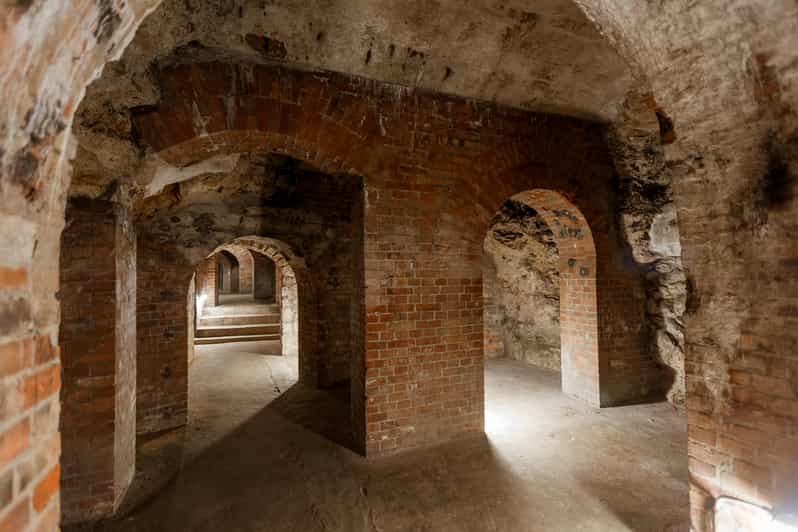
The tour includes a visit to Budai Vár-barlang (Buda Castle caves) for about 35 minutes, and it’s the point where the experience stops being a walking lecture and becomes a real physical encounter. Expect dark but illuminated areas, plus the kind of underground surfaces that can feel slick or wet.
This stop is important for two reasons. One, it puts you in the underground environment that became part of daily survival during the siege. Two, it helps you understand how refuge systems connect: caves, cellars, and bomb shelters were not isolated. They were part of a wider underground network people could reach when above-ground conditions became unlivable.
If you’re sensitive to confined spaces, take the cave segment seriously. The route includes narrow corridors and solid floors in places that can feel colder and tighter than you expect. And while the caves are always about the same temperature, your comfort will depend on your clothing and your mindset once you’re down there.
The bomb shelter and cellar: where survival details get real
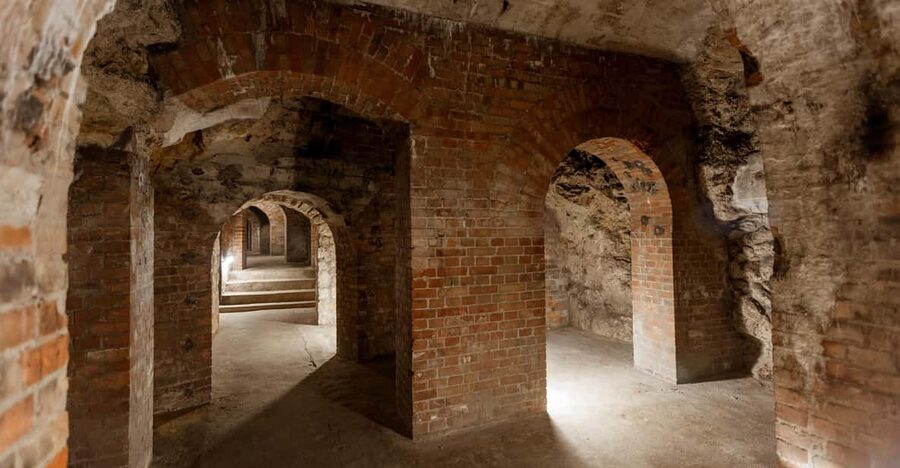
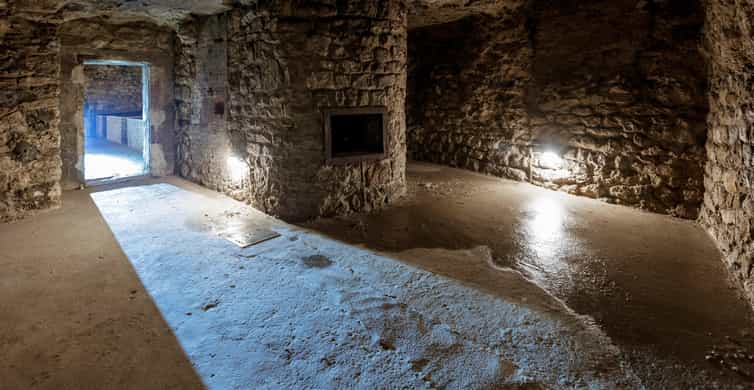
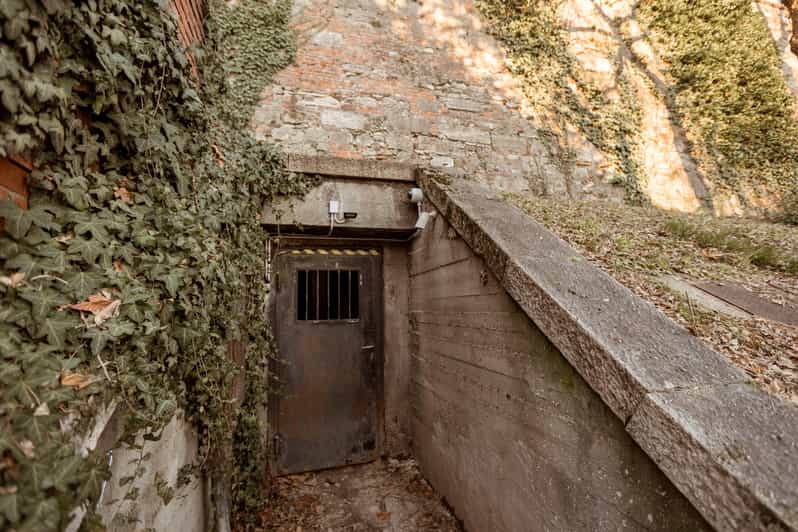
The centerpiece of the tour is walking through an underground labyrinth that includes both a cellar of an older dwelling and an authentic WWII bomb shelter. This is where the guide’s storytelling matters most.
You’ll hear what life became during those weeks when Budapest was encircled. The story isn’t only about artillery and dates. It’s about what people endured while they were trying to survive: cold, lack of water and food, darkness, overcrowding, and disease. The guide also ties these conditions to the emotional push behind sheltering—an instinct to preserve life, and also to hold onto what people could carry or protect from the Royal Palace’s treasures.
One of the most sobering takeaways is how much effort shelter took. People weren’t just walking into safety. They were living through an environment that could be unhealthy, claustrophobic, and exhausting, while still managing daily decisions about what to take, where to move, and how to endure the unknown.
This stop is also where guides can shine in different styles. In past sessions, guides such as Kopp and Balacsz have been singled out for turning the facts into an easy-to-follow timeline—while also keeping you aware of the human cost behind those facts.






Understanding the 52-day siege without getting lost in dates
The narrative arc centers on a key timeline: the Soviet Red Army encirclement beginning Christmas Eve 1944, followed by a 52-day siege. The guide explains not just what happened, but why the siege became one of the most brutal encirclement battles in world history—and why it’s often compared to Stalingrad.
This matters for your understanding because the siege can feel confusing if you only know the broad outline. Here, you learn how the siege affected daily life, including how people sought shelter in places like Buda Castle and how soldiers and civilians moved through the same constrained spaces.
If you like historical context, this is one of those tours that doesn’t stop at dramatic moments. The guide uses diaries and memoir-style recollections to help you understand how terror and survival ran together. That personal angle is what turns the story from a chapter title into something you can actually remember.
The tour length and pace: 90 minutes of walking, not a museum crawl
This tour is about 1.5 hours (90 minutes), with a mix of outdoor walking and indoor time underground. The route winds on cobbled streets and then transitions to darker, illuminated cave and corridor sections, which means the pace feels more demanding than the clock suggests.
You’ll want to think of it as an active walk, not a sit-down experience. That’s part of why it works: the environment forces you to process the siege story in a more embodied way. But it also means you should be ready for stops inside where you’ll need to listen while navigating uneven, sometimes wet surfaces.
Many people also like the audio setup. Some guides have used personal headphones, so you’re less likely to miss key points even when the group shifts or when you’re in tighter spaces.
What to wear and bring for 12°C tunnels year-round
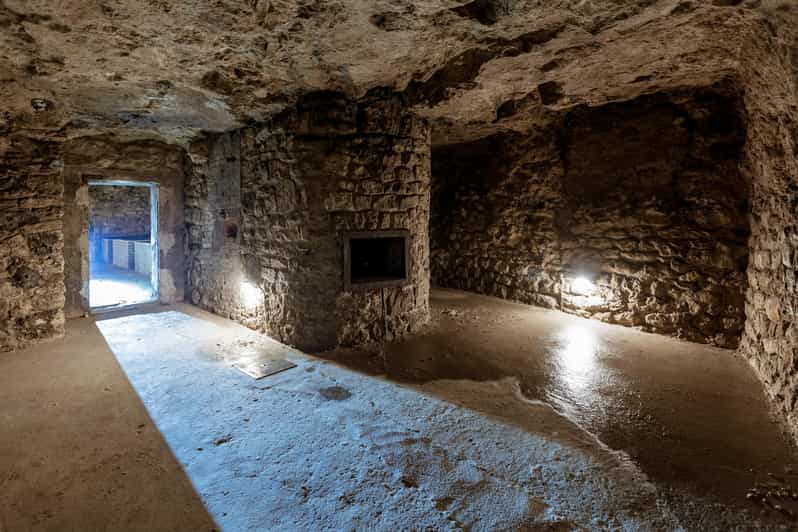
The underground areas stay around 12°C (54°F) all year. That doesn’t mean you’ll be freezing, but it does mean layers help. Wear something you can comfortably move in, and plan on cool air when you step inside.
Bring:
- Comfortable shoes for steep stairs and cobbled streets
- Warm clothing in layers
- Water and a snack so you can keep energy up during the full walk
- Anything you’d like for comfort during darker sections (though the tour provides the structure and guidance)
Also, the tour is held in all weather conditions, including rain. If it’s wet outside, the underground surfaces can feel even more slippery, so traction matters.
Who will enjoy this most (and who should skip it)
This tour is recommended for ages 14 and up. It’s best for people who like history with a physical element—especially if you enjoy understanding how people actually lived through major events rather than just learning headlines.
You’ll likely have a great time if:
- You want a WWII story tied to specific places in Budapest
- You don’t mind walking and listening at the same time
- You like getting context through the guide’s explanation, including comparisons to Stalingrad
You should skip it if:
- You have mobility challenges, because the route has steep stairs, narrow corridors, and uneven surfaces
- You have claustrophobia, because some sections can feel tight and enclosed
- You need a wheelchair-accessible route, because it’s not suitable for wheelchairs
And one more practical note: the subject is heavy. Even if you come for the architecture and the underground caves, the guide’s account of cold, hunger, illness, and overcrowding can be emotionally difficult for some people. If you know you handle that kind of material poorly, consider whether you’re in the right headspace.
Value: why $24 feels fair for this kind of access
At $24 per person, this tour is priced like a guided experience rather than a specialized museum ticket. And you get more than one type of access: a walk through the palace district setting, plus time underground in caves and an authentic WWII bomb shelter.
What makes the value feel fair is the mix of time and structure. For 90 minutes, you cover:
- surface walking and guided siege context
- a cave visit segment
- cellar and shelter interiors where the story becomes physical
You’re paying not only for commentary, but for a guided route that takes you into spaces you likely wouldn’t find or navigate on your own. In other words, the price buys direction, pacing, and context—then it adds the memorable underground setting that makes the story stick.
Should you book the WWII Siege of Buda Castle and Bomb Shelter tour?
Book it if you want a Budapest experience that goes past postcards and gives you a clear, place-based understanding of the 52-day siege. The underground stops, the connection between street-level geography and wartime refuge, and the guided narrative built from diary and memoir-style accounts all make this a strong choice for people who like history they can actually walk through.
Skip it if you know you’re uncomfortable with confined spaces, steep stairs, and narrow underground corridors. Also skip it if you’re looking for a quiet, easy stroll—this one is active, with colder underground temperatures and darker sections.
If you match the right mindset—curious, steady on your feet, and ready for a heavy story—this tour is one of the best ways to understand what it meant to hide in Buda Castle when the city became a trap.