REVIEW · BUDAPEST
Budapest: Castle District Walk with Matthias Church Entry
Book on GetYourGuide →Operated by Absolute Tours · Bookable on GetYourGuide
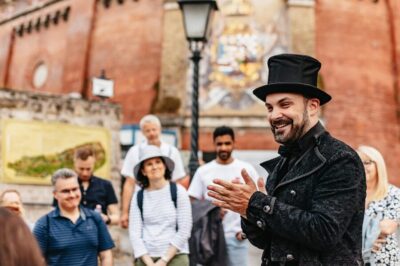
Castle Hill tells stories in every stone. This small-group walk threads you through the Buda Castle District’s medieval roots to the stories that shaped it later, with Matthias Church as the centerpiece and Fisherman’s Bastion handing you major views over the Danube. You’ll also see the Royal Palace area, the Presidential Palace zone, and the Castle Funicular as your guide ties it all together in plain, human terms.
I especially like the small-group size, which keeps the pace comfortable and makes it easier to ask questions when the history gets specific. I also love the Ottoman-era storytelling, where the guide helps you understand how one building’s identity changed over centuries, not just how it looks.
One thing to consider: the route includes stairs and cobblestones, so if your legs hate uneven ground, plan extra time elsewhere in the day.
In This Review
- Key things I’d book this for
- Why This Castle District Walk Makes Sense in 2 Hours
- Starting at Szentháromság-szobor: Get Your Bearings Fast
- Fisherman’s Bastion: The View Stop That Actually Explains the City
- Matthias Church Skip-the-Line: What the Interior Adds
- Vienna Gate and Mary Magdalene Tower: Small Stops, Strong Context
- Sándor Palace and the Presidential Palace Zone: Power in Stone
- Castle Funicular Moment: A Practical Shortcut With Great Views
- Savoyai Terrace, Matthias Fountain, and Lion Courtyard: The Courtyard Payoff
- Tóth Árpád sétány: The Walk That Keeps You From Getting Lost
- How the Ottoman Stories Change Your Perspective
- Walking Comfort, Modest Dress, and Who This Tour Fits Best
- Price and Value: Is $67 Worth It?
- Should You Book This Castle District Walk With Matthias Church?
Key things I’d book this for
- Skip-the-line Matthias Church interior with a guided visit, not just a quick glance at the doors
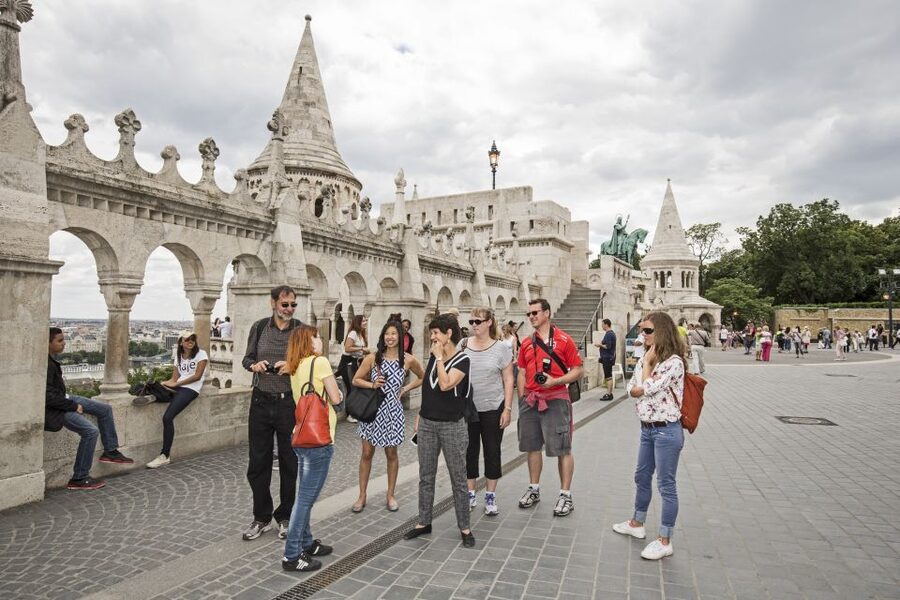
- Fisherman’s Bastion photo stop timed for big skyline views over Parliament, the Danube, and more
- Castle Hill landmarks in one flow: Vienna Gate, Mary Magdalene Tower, Sándor Palace, and the Funicular
- Palace courtyards and statue stops like Matthias Fountain and the Lion Courtyard to connect the dots
- A guide who adapts on the go, including shelter options when weather turns
Why This Castle District Walk Makes Sense in 2 Hours
Buda Castle District can swallow a half day fast. It’s not just “pretty buildings” up on the hill; it’s a layered city in miniature, where walls, gates, courtyards, and churches each point to a different era. This tour is built for focus. In about two hours, you get the key stops that actually help you understand the place, instead of just collecting photos.
The route is also well chosen for first-timers. You start at Szentháromság-szobor (the Holy Trinity column area) and end around the Mátyás-kút area, so you move through the district in a way that feels like a story arc. You’re not bouncing around the map. You’re walking the hill and letting your guide explain what you’re looking at—why it’s here, who used it, and what changed.
The pace is brisk. That’s a good thing if you want momentum. Just keep in mind you’ll be on cobblestones and stairs for parts of the walk, so good shoes matter.
You can also read our reviews of more tours and experiences in Budapest.


Starting at Szentháromság-szobor: Get Your Bearings Fast
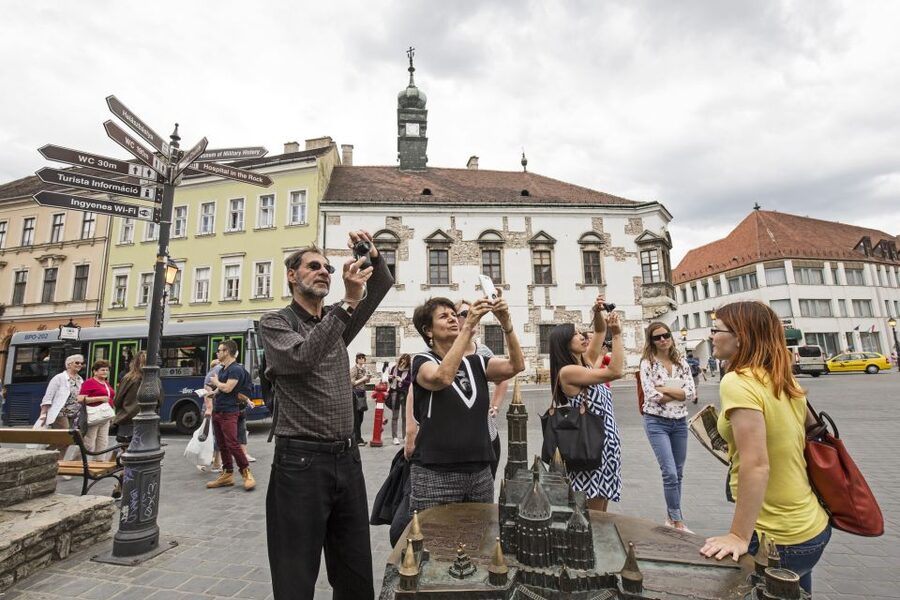
The meeting point is in Holy Trinity Square (Szentháromság tér) near the column in the middle. This is a smart place to start because it puts you right in the civic “front room” of Castle Hill. From here, you can orient yourself before the tour starts climbing into the most famous viewpoints.
If you like understanding a city’s layout, this matters. The Castle District looks dramatic from the outside, but once you’re standing in the right starting area, the rest feels navigable. You’re not guessing where everything is while someone tries to herd you up the hill.
Fisherman’s Bastion: The View Stop That Actually Explains the City
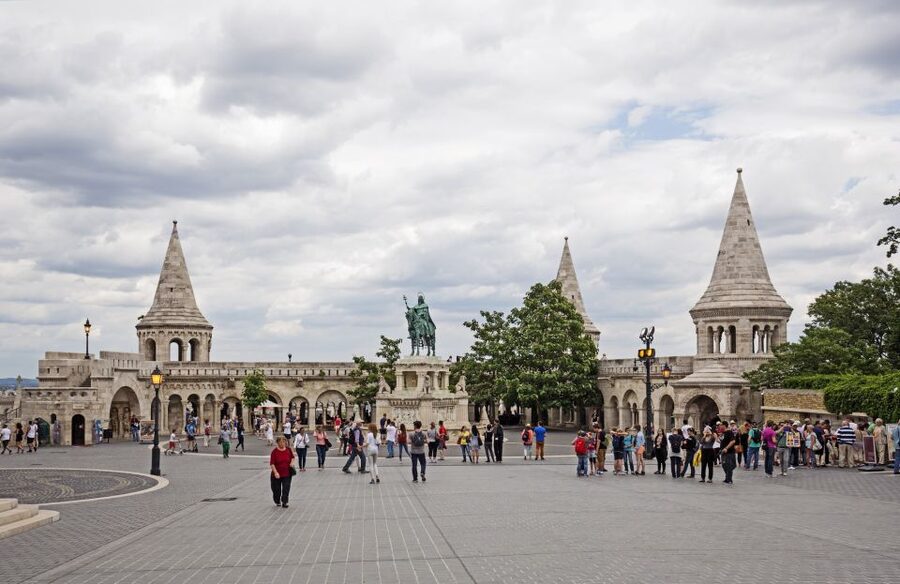
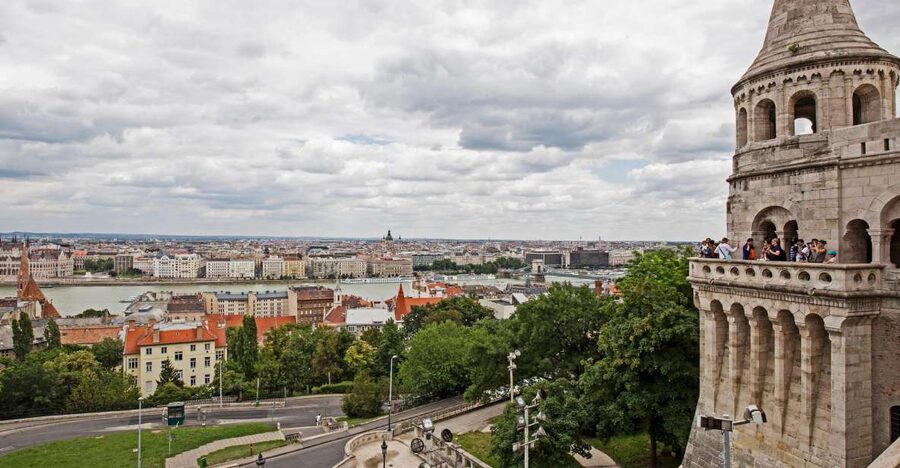
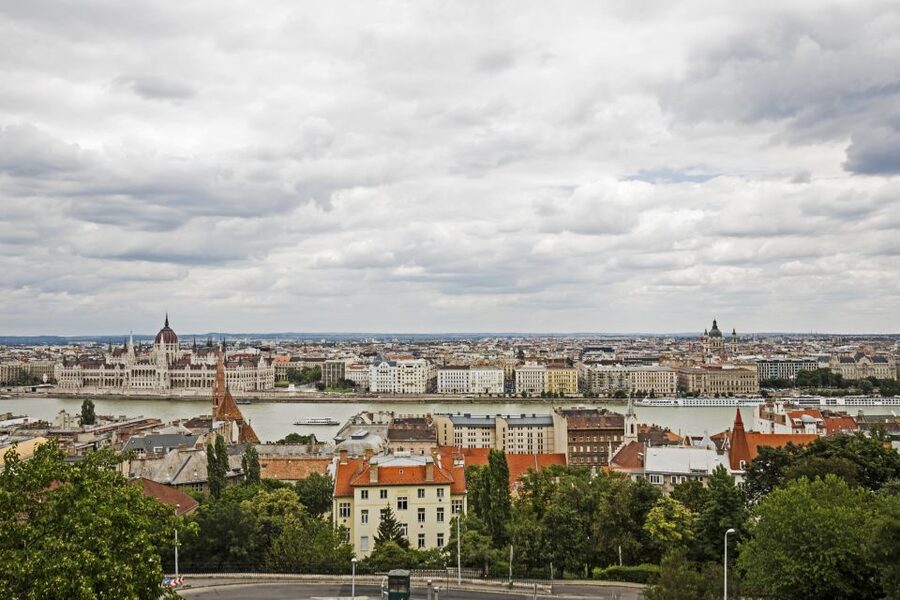
You’ll reach Fisherman’s Bastion for a photo stop. This is where you get the postcard view—yes—but it’s also where the guide’s context pays off. Instead of you just admiring the skyline, you’ll be pointed toward major reference points across the city: the Parliament area, Margaret Island, and the Danube, plus other landmarks depending on the day and visibility.
What I like about this kind of stop is timing. You get a short breather for photos, but you don’t lose the thread of the tour. Your guide is still talking, still pointing, and still helping you connect what you’ll see later in Budapest.
Drawback: it can be busy and exposed. Bring a layer if the weather is cool, and if it’s raining, keep your eyes open for sheltered angles—some guides have been known to find cover so you’re not stuck in the elements the entire time.
Matthias Church Skip-the-Line: What the Interior Adds
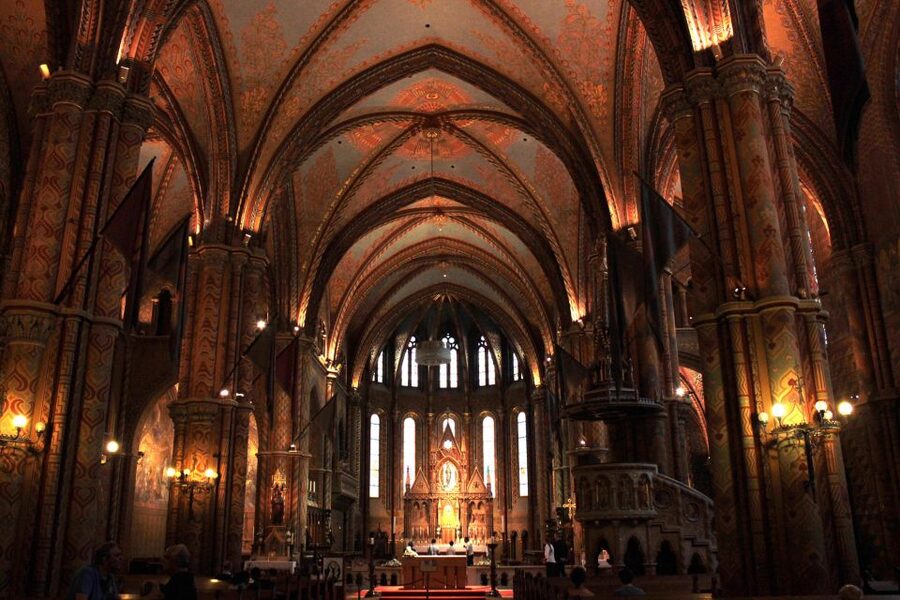
The highlight here is the guided visit inside Matthias Church, with skip-the-line entry. That matters more than you might think. Matthias Church is one of those places where a short visit can feel like “great, now what?” A guided interior tour turns it into something you can actually read.
This is where you get the full story behind the building. You’ll hear about how the church connected to coronations and saints and legends, but you’ll also hear the Ottoman-era twist—when Matthias Church was used as a mosque. That single detail changes how you look at the space. It’s not just a beautiful church; it’s a building that absorbed political and religious shifts over time.
Practical note: dress modestly. Shoulders and knees are best covered for church visits. If you show up dressed for summer heat, you might spend the interior part wishing you had brought an extra layer.
Vienna Gate and Mary Magdalene Tower: Small Stops, Strong Context
After the church, the walk continues toward the Vienna Gate area. Gates are easy to overlook when you’re scanning for the famous views, but that’s exactly why this stop works. Gates are how cities defend themselves and how they control movement. Even when you just see the exterior, your guide’s explanation helps you understand why this location mattered.
Next comes Mary Magdalene Tower, with time for quick sightseeing. Towers can feel like background details unless someone points out why they’re there—defensive purpose, part of the castle system, and a clue to how Castle Hill was organized. You don’t need long here. You need the right explanation in the right spot, and this tour gives you that.





Sándor Palace and the Presidential Palace Zone: Power in Stone
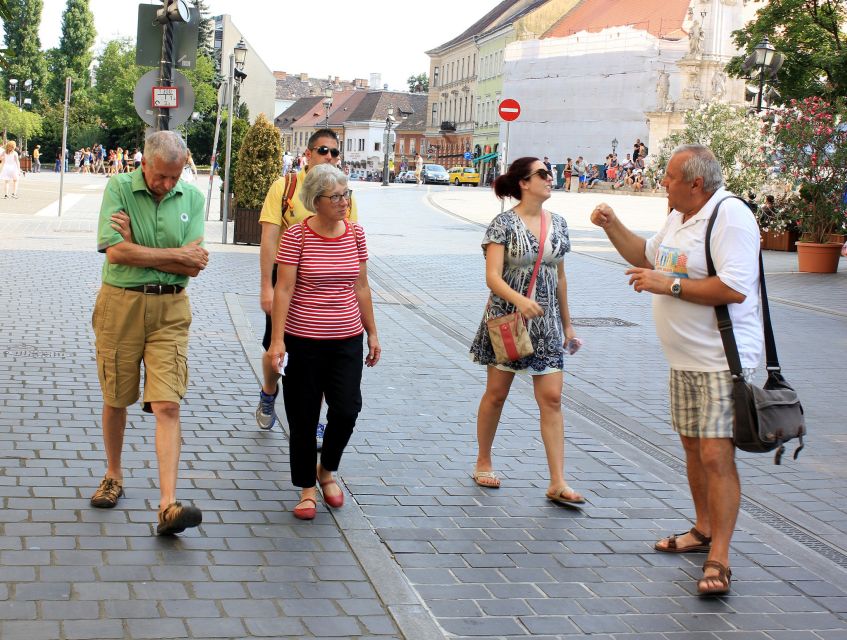
You’ll also see the Sándor Palace area and the Presidential Palace zone as you move through the district. The interesting part isn’t only the building itself; it’s what the guide helps you understand about the use of these spaces over time and how “today’s official buildings” sit right on top of older layers of meaning.
Even if you’re not a politics person, this is valuable because it shows how the district is still functioning. Castle Hill isn’t frozen in time. It still plays a role in modern Hungary, and that makes the whole area feel alive rather than museum-like.
Castle Funicular Moment: A Practical Shortcut With Great Views
One of the more practical moments on this walk is the Castle Hill Funicular photo stop. It’s not just about saving your legs—though it can help. It also gives you a different viewpoint of the hill’s slope and the way the district connects.
The tour includes a funicular moment, which can be a big deal if you’re doing this as part of a packed day. A couple of people with bad knees have been helped by the guide making sure everyone felt comfortable with the funicular choice rather than pushing through every steep stretch on foot.
If you hate crowds but want value, the funicular stop is a nice compromise: you get the experience without committing to an extra long walk.
Savoyai Terrace, Matthias Fountain, and Lion Courtyard: The Courtyard Payoff
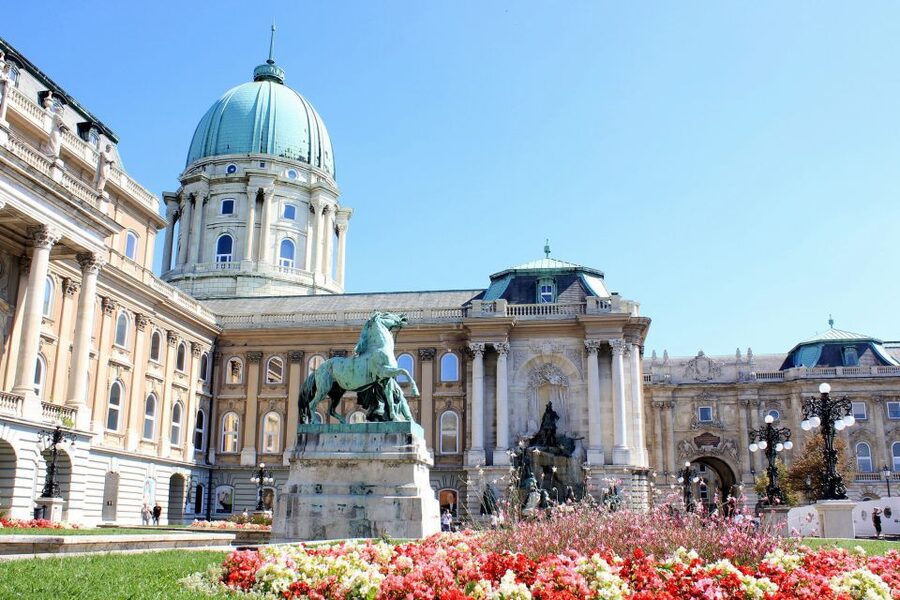
As you continue, you’ll hit Savoyai Terrace for sightseeing and a moment that supports that “castle courtyard” feeling. Then the tour moves to the Fountain of King Matthias with a guided component.
This is one of those stops where the details matter. Fountains and statues aren’t just decoration. They’re part of how the district tells you who mattered, when people wanted to remember certain leaders, and how power gets symbolized in public space.
Next up is the Lion Courtyard, which includes guided time and sightseeing. Courtyards are where architecture, scale, and symbolism come together. If you’ve ever walked through historic areas wondering why something feels ceremonial, courtyards like this are the answer.
Tóth Árpád sétány: The Walk That Keeps You From Getting Lost
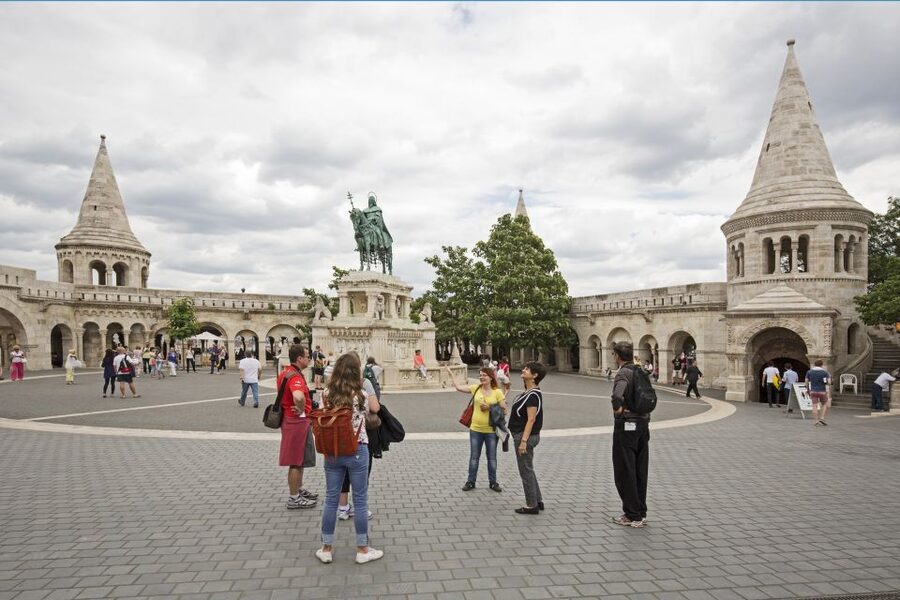
Not every stop is a monument. Tóth Árpád sétány is more of a strolling segment, but that’s a benefit. It breaks the walk into manageable pieces and helps you keep your sense of direction.
This matters because the Castle District is a hill, and hills make you lose time and energy. A smoother strolling segment gives you room to absorb the guide’s explanations, rather than feeling like you’re always rushing up a slope.
How the Ottoman Stories Change Your Perspective
A lot of visitors see Matthias Church and think it’s simply a masterpiece of Christian architecture. This tour adds a missing layer: the Ottoman era. Hearing that the church was used as a mosque helps you understand why Budapest’s history isn’t one straight line. It’s a place where cultures overlapped, buildings were repurposed, and meaning shifted without the stones disappearing.
This is the kind of context that makes you look longer. You start noticing design choices, historical references, and the way religious art and architecture can reflect different eras.
Walking Comfort, Modest Dress, and Who This Tour Fits Best
This is a walking tour. You’ll be on uneven surfaces and stairs for up to two hours. If you have mobility challenges, this is likely not the best match.
For everyone else, I’d plan like a pro:
- Wear comfortable shoes with grip. Cobblestones can be slick, even when the weather looks calm.
- Bring a layer for the church interior and any exposed viewpoint time.
- Dress modestly for Matthias Church. It’s not the time to wear short shorts if you want the smoothest entry.
The good news: solo travelers are welcome, and the small group format (limited to 10 participants) usually means your guide can pace and answer questions without turning it into a cattle shuffle.
Also note: diplomatic receptions in Castle District can alter the route. That’s normal for places used by officials, so think of this as a living program, not a rigid script.
Price and Value: Is $67 Worth It?
At $67 per person for about 2 hours, you’re paying for three things: a licensed English-speaking guide, a skip-the-line advantage for Matthias Church, and the guided interior time that turns a visit into an explanation you can use later.
If you were to DIY this area, you’d still spend time walking between points and you’d likely spend some time figuring out what’s worth noticing inside Matthias Church. Here, you’re buying back that decision fatigue. You also get a guide who can connect the exterior landmarks—Royal Palace area, fountains, courtyards, gate and tower details—to the interior story.
Is it the cheapest option in Budapest? No. But it’s good value if you care about understanding what you’re seeing. If you mainly want casual wandering and don’t care about history context, you could spend less on your own. If you want the hill to make sense, this price feels fair.
Should You Book This Castle District Walk With Matthias Church?
I’d book it if you want the Castle District to feel organized and meaningful, not random. It’s especially worth it for first-time Budapest visitors who want the big viewpoints (hello, Fisherman’s Bastion) plus a guided interior experience at Matthias Church that explains the building’s changing roles over centuries.
You should skip it if stairs and cobblestones are a deal-breaker, or if you’re looking for a no-walking, sit-and-stare tour. And if you’re allergic to church dress codes, you’ll want to plan your outfit before you go.
If your schedule is tight and you want a guide to help you connect the Royal Palace, presidential buildings, courtyards, fountains, and Ottoman-era stories into one walkable narrative, this tour is a strong bet.