REVIEW · GJIROKASTER
Gjirokaster walking Tour Baazar – The Castle – Zekate house
Book on GetYourGuide →Operated by MY TOUR SHPK · Bookable on GetYourGuide
Gjirokaster grabs you fast. One minute you’re in the maze of the bazaar, the next you’re looking out from 330 meters above sea level toward the hills and roofs that make this city famous. I love how the tour strings together iconic spots with real street-level details, especially the Old Bazaar stop where local artisans show you what they make. The only real drawback: you’ll do a good chunk of walking, and museum/castle entrance tickets are extra.
You start at Cerciz Topulli square, then head into the Old Bazaar and up toward Argjiro Castle, ending at the Zekate House (built in 1812). The experience is led in English by MY TOUR SHPK, and the vibe is friendly and practical; guides like Klarens have a knack for sharing history with the right amount of story, while still keeping the group moving at a steady pace.
In This Review
- What Makes This Gjirokaster Walk Worth Your Time
- Starting at Cerciz Topulli Square: Get Your Bearings Fast
- Neck of the Bazaar and Old Bazaar: Souvenirs With a Story Attached
- Heading Up Toward Argjiro Castle: The City Starts to Reveal Itself
- Inside the Castle Area: Legends, History, and a View That Steals the Scene
- Zekate House (1812): Ottoman-Style Living, Up Close
- Price and Value: Does $17 Make Sense?
- Who This Tour Suits (And Who Might Want Something Else)
- Practical Tips So Your Day Flows
- Should You Book the Gjirokaster Baazar–Castle–Zekate House Tour?
- FAQ
- FAQ
- How long is the Gjirokaster walking tour?
- What is the tour price?
- What does the tour include?
- Are entrance tickets included for the castle or museums?
- Where do I meet the guide?
- Is the tour guided in English?
- Is the tour suitable if I can’t walk long distances?
- Can I get a refund if my plans change?
- Can I reserve without paying right away?
What Makes This Gjirokaster Walk Worth Your Time
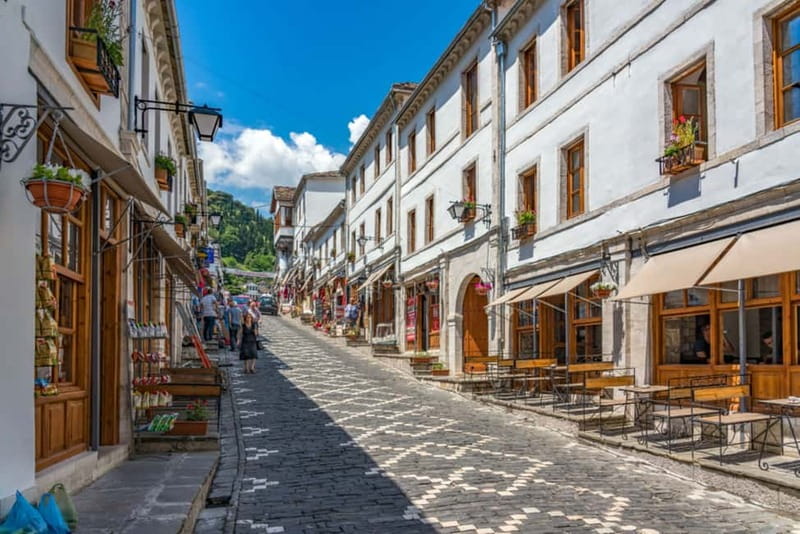
- Old Bazaar browsing with artisan focus: You’ll stop at the Neck of the Bazaar and get time to look at handmade items made from wool, stone, and wood.
- Argjiro Castle viewpoints that actually change the way you see the city: The route brings you from street level to a dramatic vantage point.
- Legends and tragic history without turning it into a lecture: You’ll hear stories tied to what you’re standing in front of.
- Zekate House gives you the Ottoman-era living angle: It’s not just a building. It’s a preserved home with city views.
- A guide who keeps things comfortable: On longer walks, a little weather and crowd management can make or break your day.
Starting at Cerciz Topulli Square: Get Your Bearings Fast
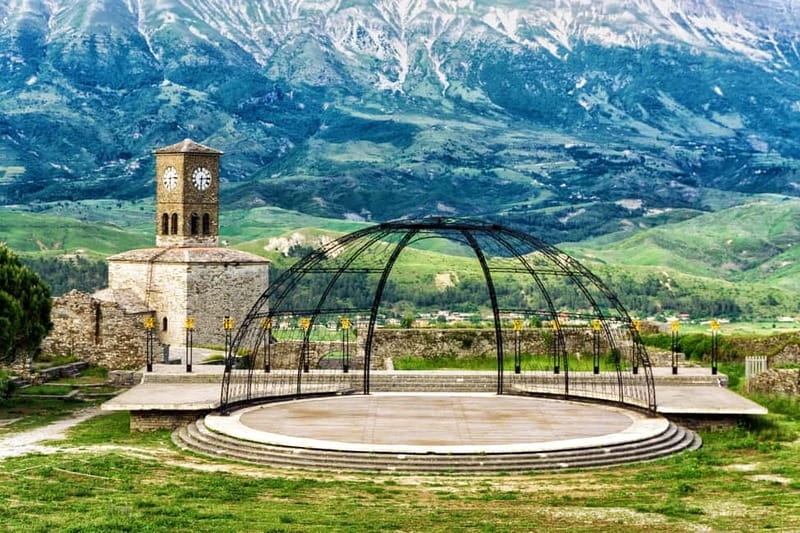
The tour begins at Cerciz Topulli square, right where you can orient yourself before the city starts climbing. You’ll meet by the statue and the Tourist House kiosk, which is exactly what you want on day one in a new place: a clear pin on the map, not a guessing game.
From the start, I like that the guide doesn’t just toss dates at you. You get a framework for how Gjirokaster grew, how its layout works, and why the architecture and streets matter. That matters later, because once you understand the city’s structure, the walking makes sense instead of feeling like random steps from one stop to another.
Also: the tour is English-language and runs about 3 hours, so you’ll cover major landmarks without turning the whole day into a slow shuffle.
You can also read our reviews of more tours and experiences in Gjirokaster.
Neck of the Bazaar and Old Bazaar: Souvenirs With a Story Attached
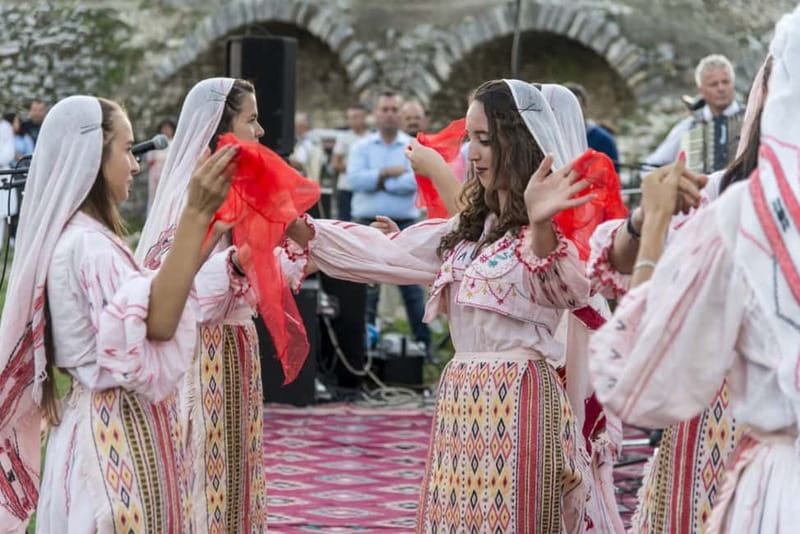
Next comes the Old Bazaar stretch, with a key pause at the Neck of the Bazaar. This is one of those places where the architecture and the rhythm of the market give you instant context. You’re not just shopping—you’re watching how crafts and trade sit inside the city’s older bones.
This is where you’ll find handmade goods shaped from:
- wool
- stone
- wood
That blend is a big deal. It tells you what local makers can use and what kinds of items people actually valued enough to pass down. And when you’re shopping for souvenirs, this matters. A cheap trinket is forgettable. Something tied to the materials and craft traditions feels more grounded.
I also like the way the guide keeps the focus on interaction. You’re given time to browse, not rushed through like a checklist. If you want one standout purchase—a scarf, a crafted object, or something small you’ll actually remember—this is your best window.
Practical note: bazaar areas can be busy, and your path may be tight. Comfortable shoes help more than fancy outfits here.
Heading Up Toward Argjiro Castle: The City Starts to Reveal Itself
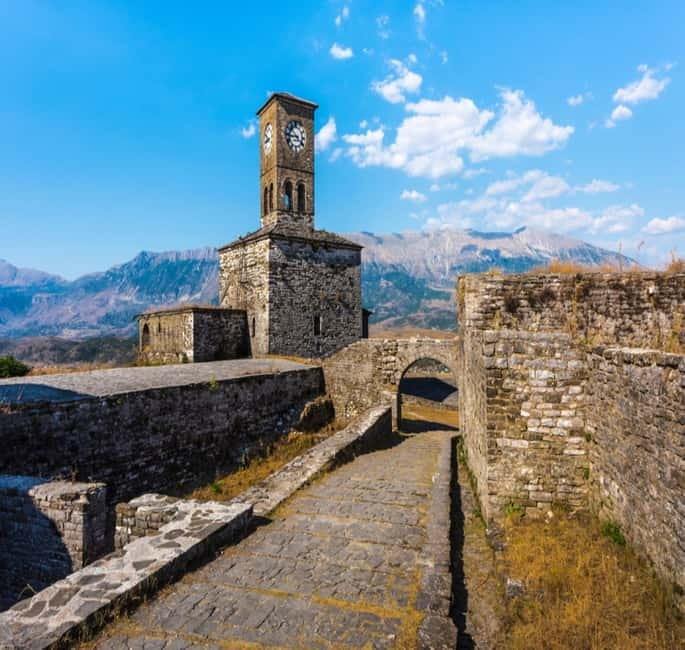
After the bazaar, you’ll move toward Argjiro Castle. This shift is the point of the tour: you go from everyday city life to the defensive and ceremonial center that shaped everything below it.
The castle is up high—about 330 meters above sea level—and that elevation changes how you understand Gjirokaster. From up top, you see the city’s “layers”: rooflines, the way streets fold, and the overall shape of the districts. It’s the kind of view that makes you stop taking photos for a second and actually look.
On a walk like this, the guide’s role is more than history. They help you connect what you see with what you’re hearing. When the stories click into the geography, the castle stops being a backdrop and becomes part of the narrative.
You’ll also get the legend-and-tragedy style of storytelling that Gjirokaster does well. It’s not just facts—it’s what made the castle feel legendary to people living their lives under it.
Inside the Castle Area: Legends, History, and a View That Steals the Scene
Argjiro Castle isn’t presented as a dry monument. You’ll hear stories that explain why the castle is both legendary and memorable in Albanian cultural memory—history, tragedy, and legends woven into what you can see.
Here’s what I think makes this stop work: the viewpoints do half the job. When you’re looking out over Gjirokaster from that altitude, you feel why walls and towers mattered. Then the guide gives you the human side—the events and characters behind the place.
Two things to keep in mind:
- Entrance tickets are not included for museums and the castle. You can still enjoy the walking, viewpoints, and guide context, but if you want to go inside specific areas, plan on paying extra.
- Bring a bit of patience for timing. Castle areas can have crowding, and weather can shift quickly on higher ground. A good guide keeps the group moving so you get the best experience without feeling herded.
Zekate House (1812): Ottoman-Style Living, Up Close
Your last stop is the Zekate House, built in 1812 and considered one of the best-preserved Ottoman-style homes in Albania. This is a different kind of “wow” than the castle. Instead of size and height, you get scale you can understand from the inside of a household.
The payoff is twofold:
- You see how people lived, not just where they stood to defend or rule.
- You get city views from a home setting, which makes the whole city feel more human.
This is the kind of stop that makes the tour feel balanced. The bazaar and the castle are about public life—trade, power, story. The Zekate House brings it back to everyday rooms and the way architecture supported daily living.
Like the castle, entrance-related items may require additional tickets depending on what you choose to visit. But even with that in mind, the Zekate House is a strong closing chapter.
Price and Value: Does $17 Make Sense?
At $17 per person for a 3-hour guided walk, this tour is priced like a solid half-day city orientation with real structure. The key value isn’t that it’s the cheapest option—it’s that you’re paying for guidance through three high-impact zones:
- Old Bazaar craft culture
- Argjiro Castle views and story
- Zekate House Ottoman-era living
What’s not included matters for planning. Entrance tickets for museums and the castle are extra. Food and drinks are also not included.
Still, even with possible add-on tickets, I think the value holds if you:
- want a guided route (especially in a historic place where it’s easy to miss connections)
- care about how things fit together: craft street → castle power → household life
If you’re the type who hates paying for entrances, you can treat this as a guided walk with viewpoint time and learn a lot without overloading tickets. But if you want to go inside everything, budget a bit more.
Who This Tour Suits (And Who Might Want Something Else)
This walk is a great match if you enjoy:
- cities with strong layers of history
- learning from a local guide, not just looking at signs
- shopping for handmade items where the story matters
- viewpoints that change your understanding of the place
It’s also ideal for first-timers in Gjirokaster who want the “big picture” without missing the key stops.
The main caution is physical. You need to be able to walk long distances. Since you’re heading from the Old Bazaar area up toward the castle and back down toward a preserved house, it’s not a sit-and-stroll kind of tour.
If you’re limited on mobility or easily get worn down by hills, you might want to consider a shorter or more accessible option instead.
Practical Tips So Your Day Flows
I’d plan your day around comfort more than outfits. Walking long distances plus higher terrain can feel more intense than you expect.
Here are a few practical things that help:
- Wear sturdy shoes with good grip.
- Bring water (the tour doesn’t include food or drinks).
- Expect some crowding in popular spots.
- Bring a light layer if weather shifts, especially on higher ground.
And one small strategy I love: when your guide starts telling a story, slow down for 30 seconds. It’s easier to remember the place when you’re standing still long enough for your brain to connect the view with the narrative.
Should You Book the Gjirokaster Baazar–Castle–Zekate House Tour?
I’d book it if you want a well-paced, 3-hour introduction to Gjirokaster that hits the highlights without feeling rushed. You’ll get big viewpoints, real craft browsing time, and a strong ending at Zekate House that brings the Ottoman-era home perspective into focus.
Skip it or adjust your expectations if:
- you dislike walking long distances
- you want a full museum-style day with no extra entrances to pay for
- you’re only interested in one place (like only the castle) and don’t care about the bazaar or the household angle
FAQ
FAQ
How long is the Gjirokaster walking tour?
It lasts 3 hours.
What is the tour price?
The price is $17 per person.
What does the tour include?
It includes a tour guide.
Are entrance tickets included for the castle or museums?
No. Entrance tickets for the museum and castle are not included.
Where do I meet the guide?
Meet by the statue and the Tourist House kiosk.
Is the tour guided in English?
Yes, the live tour guide speaks English.
Is the tour suitable if I can’t walk long distances?
You need to be able to walk long distances, as noted for this experience.
Can I get a refund if my plans change?
Yes. Free cancellation is available up to 24 hours in advance for a full refund.
Can I reserve without paying right away?
Yes. You can reserve now & pay later, keeping your travel plans flexible.