REVIEW · HERAKLION
Lasithi, Mythology Park & Knossos Palace Tour From Heraklion
Book on GetYourGuide →Operated by Allcretetours · Bookable on GetYourGuide
Knossos feels bigger when you climb into myth first. This full-day loop pairs a guided Knossos Palace story with the cooler, windmill-dotted Lasithi Plateau, plus the cave-and-myth stops that make the legends feel less like trivia and more like place. My favorite part is the way the day turns ancient names (Minos, Minotaur, labyrinth) into something you can point at. One thing to watch: pickup and drop-off can take time, and some meeting points aren’t always obvious.
The tour also starts with a real, lived-in holy site: Kera Kardiotissa (locally known as Little Lourdes), run by nuns and visited for prayer and relief. I also like the added texture of a short traditional pottery stop and the Greek Mythology Park, which helps you connect what you’re seeing at Knossos with the wider Greek story world. In the best runs, a guide like Maria keeps the day moving and the explanations clear.
In This Review
- Key takeaways before you go
- A full day of Minoan myths: from Heraklion to Knossos
- Kera Kardiotissa, Little Lourdes, and a quiet start
- Lasithi Plateau windmills, villages, and cooling off
- Mythology Park and the pottery stop with 8,000 years of clay
- Dicteon Cave and the Zeus stop: what you see when conditions allow
- Knossos Palace tour: 1,300 rooms, labyrinth logic, and your guide’s job
- Price and value: what $58 covers and what costs extra
- Time on the bus and the pickup details that matter
- What to bring (so the day stays enjoyable)
- Who this tour fits best
- Should you book this Lasithi, Mythology Park & Knossos tour?
- FAQ
- How long is the Lasithi, Mythology Park & Knossos tour from Heraklion?
- What is the price per person?
- Is pick-up and drop-off included?
- Do I need to pay for Knossos entrance separately?
- What other entrance fees should I expect?
- Is there a live tour guide and what language?
- Do I skip the ticket line at Knossos?
- What sites are included in the tour route?
- What should I bring to the tour?
- What if the Zeus Cave is closed?
Key takeaways before you go
- Knossos with a guide (labyrinth and Minotaur explained on-site), plus skip-the-line entry handling
- Lasithi Plateau views and windmills—a cool change of pace from coastal Crete
- Kera Kardiotissa gives the day a spiritual, very Cretan opening moment
- Mythology Park supports the whole theme, and it may cover for a closed Zeus Cave day
- A traditional pottery stop adds context on long-running clay craft traditions
- Shared-bus logistics matter, so aim to arrive early at your exact pickup point
A full day of Minoan myths: from Heraklion to Knossos
This is built as a story day, not just a museum day. You’re heading inland and up into regions tied to Cretan myth, then ending at the big finish: Knossos Palace, where the Minoan era still feels close enough to touch.
Knossos is famous for a reason, but the real value here is the guided flow. A good guide turns the labyrinth talk into something you can follow as you walk the palace grounds. And because you’re seeing it after the mythology context (and often after a cave stop), the place feels less random and more connected.
This tour runs about 10 hours, which is long, but it’s long in a useful way: you’re not just ticking one box. You’re getting a full arc—holy site, plateau life, myth education, cave drama, then the palace payoff.
You can also read our reviews of more tours and experiences in Heraklion.

Kera Kardiotissa, Little Lourdes, and a quiet start
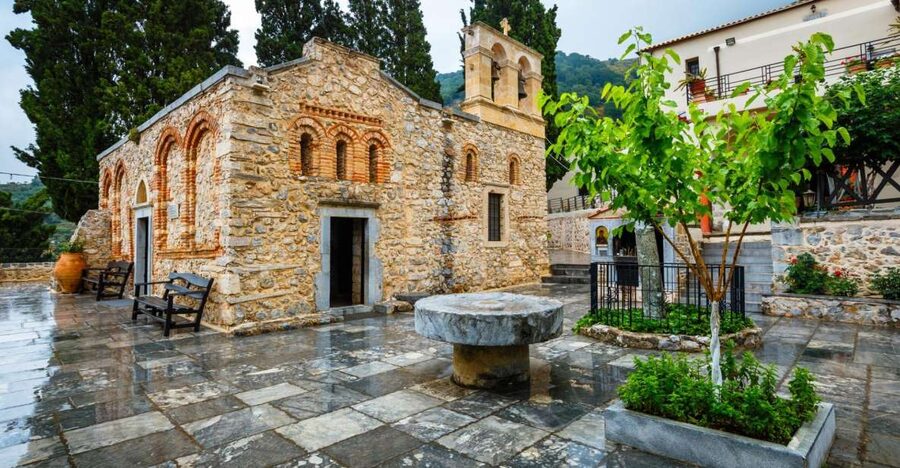
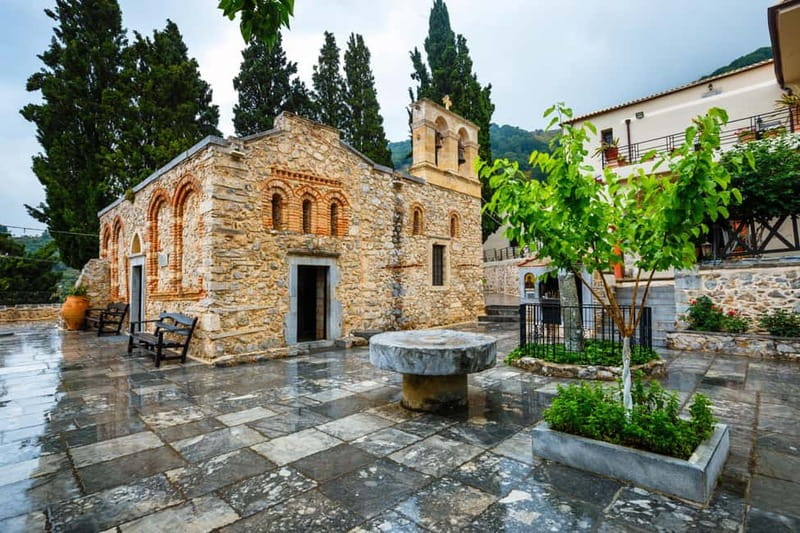
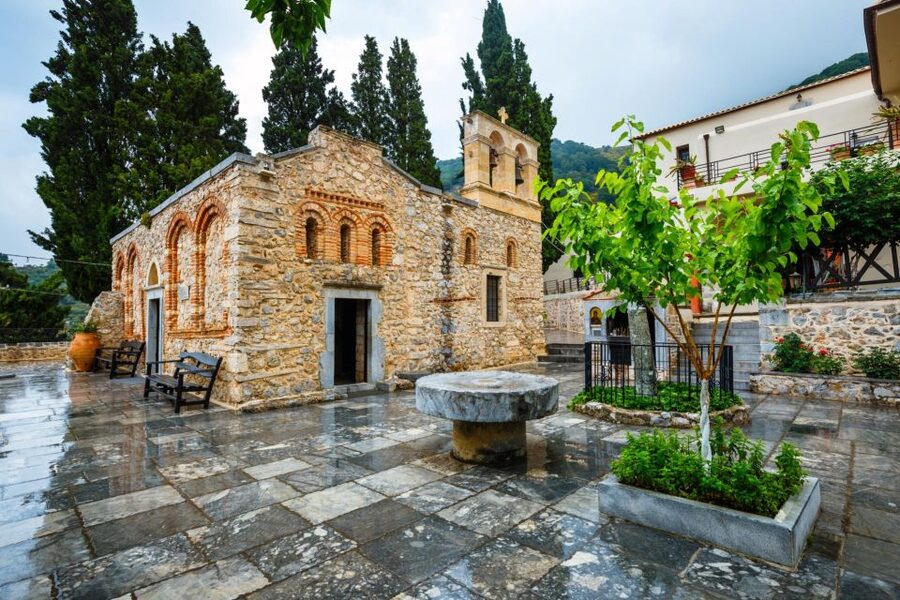
Your day begins with a drive to Kera Kardiotissa, a monastery dedicated to the Virgin Mary. It’s run by nuns and has the local nickname Little Lourdes, because people come to pray and hope for relief from their sins.
Even if you’re not religious, this stop has a practical travel benefit: it slows the day down early. You get a chance to stretch your legs, see rural Crete at the monastery edge, and reset before the bus starts stacking more stops and viewpoints.
Expect it to feel more like a working religious site than a staged tourist attraction. Dress and behavior matter here, so keep it respectful, and bring comfy shoes even for short walks on uneven ground.
Lasithi Plateau windmills, villages, and cooling off
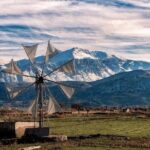
Next comes the Lasithi Plateau, a high, fertile area you reach after heading south. The plateau may be linked to the crater of an ancient volcano, which is part of why the terrain feels so open and airy.
You’ll also get one of Crete’s most distinctive visual cues: the nearly ten thousand windmills that dot the plateau. Whether you view them from a distance in the bus pull-in areas or closer through village roads, they’re a strong reminder that the island’s myth and agriculture share the same geography.
This is where you often feel the day’s rhythm shift. The plateau is described as wonderfully cool and fertile, with small towns and a warm welcome. That matters on a day like this, because it breaks up the heat-and-steam feeling you can get on the coast.
You’ll likely pass through villages, and there can be a short stop for the pottery workshop too (more on that next). Even if you don’t get tons of free time, those little windows are the difference between a rushed tour and a memorable one.
Mythology Park and the pottery stop with 8,000 years of clay
Between the plateau and the final palace visit, the tour adds two kinds of understanding: a myth education stop and a hands-on craft stop (just short, but still worthwhile).
Greek Mythology Park is designed to explain the big myth themes in a more guided, viewer-friendly way. This becomes extra useful if you’re going to Knossos expecting to understand how the Minotaur and labyrinth legends fit into Greek storytelling.
Then there’s the traditional potter’s factory visit. You’ll see ceramic art tied to a long timeline—more than 8,000 years of history is mentioned for the craft tradition. It’s not a classroom lecture, but it gives your brain something concrete to remember later while you’re wandering Knossos halls.
If you like context and you’re traveling with kids or anyone who gets lost in dates, this combo helps a lot. You finish the day with a clearer mental map of what you saw and why it mattered.
One more practical bonus: there’s typically time built into the day for lunch and a bit of shopping. That’s not just a perk—it’s what keeps a 10-hour plan from feeling like constant motion.
Dicteon Cave and the Zeus stop: what you see when conditions allow
The tour is built around the cave experience tied to Zeus, often referenced as the cave of Zeus or the Dicteon Cave stop. The highlight is the dramatic underground look—stalactites and stalagmites that make the cave feel like stone turned into sculpture.
Caves also bring one travel reality: access can change. In at least some runs, Zeus Cave can be closed due to flooding, and the day may swap in Mythology Park as the replacement instead. So if caves are the whole reason you booked, keep that flexibility in mind.
How to plan your expectations: even when it’s open, it’s still a cave visit, not a full spelunking adventure. Wear shoes you trust on uneven paths, and keep your camera ready—but also expect a bit of waiting or route adjustments depending on the day’s situation.
And yes: your cave stop often affects the flow and pacing of the whole day. If the cave timing shifts, the rest of your schedule can feel tighter or looser by comparison. That’s one reason it’s smart to be mentally ready for a bit of on-the-fly travel management.

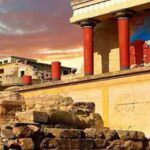


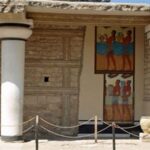
Knossos Palace tour: 1,300 rooms, labyrinth logic, and your guide’s job
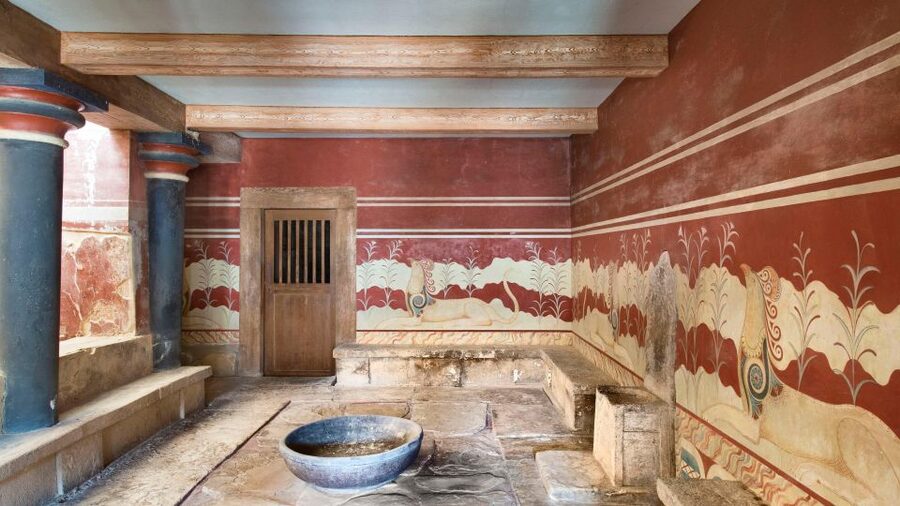
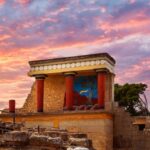
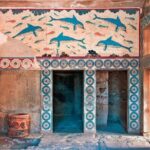
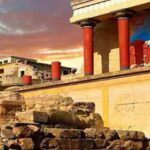
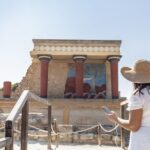
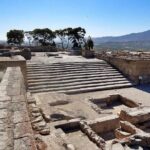
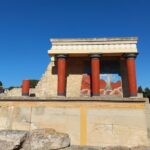
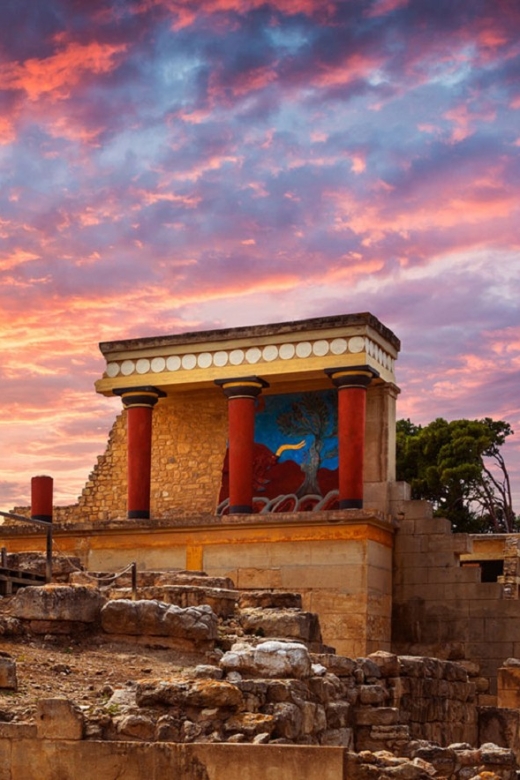
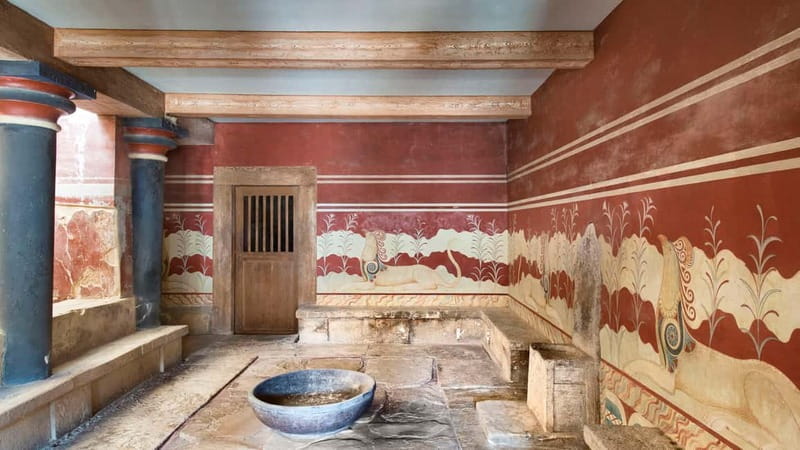
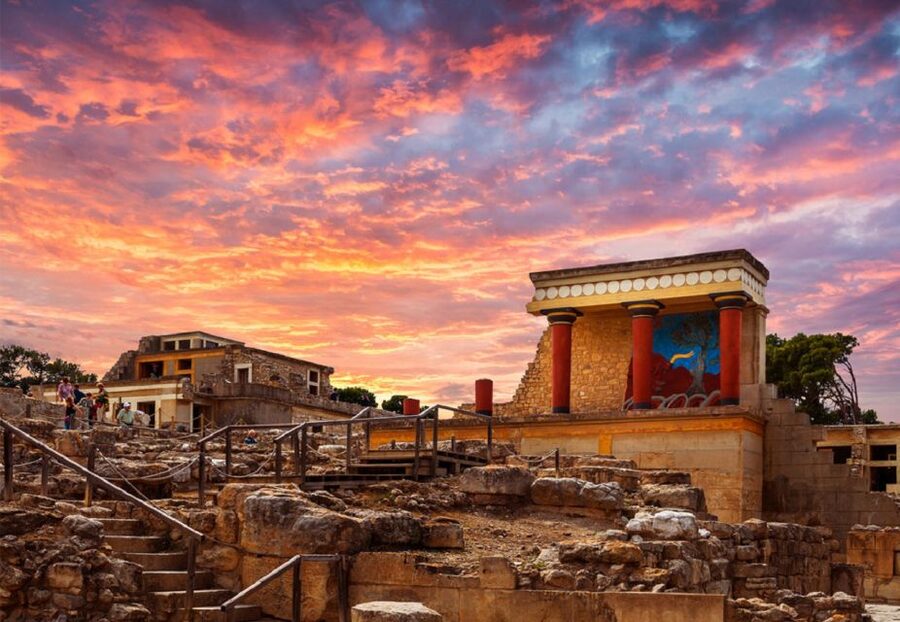
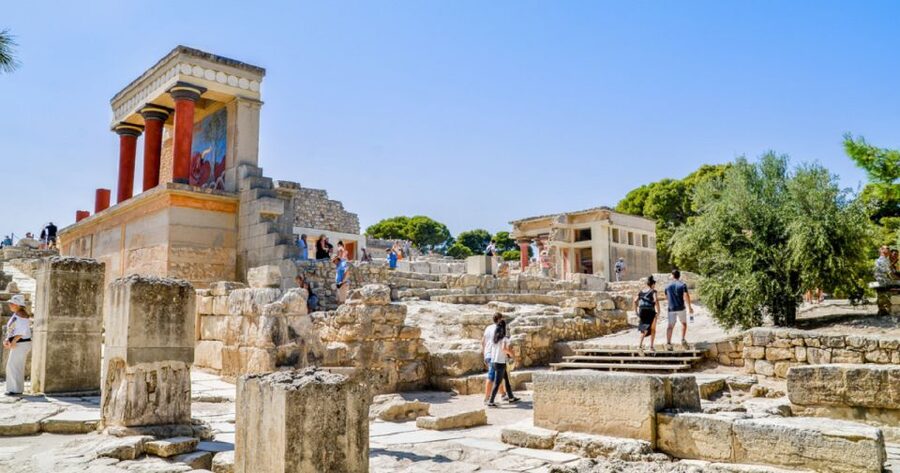
Knossos is the big finale. The palace grounds cover about 22,000 m² across five floors, with 1,300 rooms mentioned in the tour description. That’s a massive scale, and without guidance it’s easy to feel like you’re staring at ruins that all look equally mysterious.
This is why the guided part is the core value. A real guide helps you translate the labyrinth and Minotaur stories into something you can follow as you move around. You also learn about King Minos and how the myth became part of the palace’s cultural afterlife.
Another money-saving angle: the tour includes skip-the-ticket-line handling for Knossos entry. Knossos entrance costs extra (see price section below), but the time saved can still be worth it—especially if you’re going in a busy hour.
When you’re done, you’ll leave with more than photos. You’ll have a narrative in your head: myth, place, and why Knossos remains Crete’s most famous link to the Minoan world.
Price and value: what $58 covers and what costs extra
The headline price is about $58 per person, and it includes:
- Guide
- Pick up/drop off
- Air-conditioned bus
What’s not included are the smaller site entry fees, which you should budget for:
- Knossos entrance: 15€
- Kera: 2€
- Zeus Cave: 6€
- Whispers: 2€
That Whispers fee is listed, but the tour data doesn’t explain what it is in detail. Practically, it means you should plan for a couple of extra charges on arrival or at specific stops.
So is $58 good value? For most people, yes—mainly because the day strings together multiple paid experiences with a guide and transportation. If you’d try to do the same route on your own, you’d spend time figuring out logistics between inland sites, and that time has a real cost when you only have a day.
The best value is for people who want an organized story route and don’t want to spend their limited time on bus routes and ticket timing.
If you’re the type who loves wandering completely on your own at your own pace, then a guided day may feel a bit scheduled. You’ll still get a lot out of it, but it’s a different style of travel.
Time on the bus and the pickup details that matter
This is a 10-hour day, and shared transportation is the main trade-off. Even when the route is great, pickup and drop-off can eat time. One recurring theme in the experience feedback is that pickup can be confusing if the meeting point doesn’t have clear landmarks or tour signage.
Also, pickup is described as from your hotel or close to your hotel, with a voucher sent one day before your tour. You’ll be able to check it using the booking reference at 123voucher.eu/voucher. That’s helpful—use it.
Practical advice:
- Plan to be ready at your pickup point early, not on the minute.
- If your hotel is near more than one pickup option, confirm you’re aiming for the exact place listed on the voucher.
- Bring a light layer if you get cold on the bus—because it’s air-conditioned.
If you’re traveling with mobility limits, remember some pickup setups can involve walking to the vehicle even when pickup is technically included. If you’re sensitive to steep hills, prioritize checking the pickup point details carefully.
And if you’re picky about comfort: you’ll be on the bus a lot, so wear shoes you can keep wearing for hours and pack water for the gaps between stops.
What to bring (so the day stays enjoyable)
This is one of those tours where comfort directly affects your enjoyment. Bring:
- Comfortable shoes
- Hat
- Camera
- Sunscreen
Also, I’d treat this as a full-day sun-and-walking plan even if parts of the plateau are cooler. Crete sun is sneaky, especially when you’re focused on photos.
Who this tour fits best
I’d point you toward this tour if:
- You want Knossos explained with myth and context, not just a self-guided ruin walk
- You like the idea of a themed day: monastery, plateau, mythology park, cave, then palace
- You’d rather pay for a guided route than spend your day solving transport between inland stops
- You’re traveling with people who learn better when a guide connects the dots
You might rethink it if:
- You hate long bus days or you really need lots of free time at each stop
- You’re uncomfortable with tight logistics around meeting points
- You’re booking primarily for one single site and everything else feels secondary
Should you book this Lasithi, Mythology Park & Knossos tour?
Book it if your goal is a structured, myth-rich day ending at Knossos Palace, with real stops across the Lasithi Plateau and myth-focused sites along the way. The day makes sense as a package, and skip-the-line handling for Knossos helps the finale land smoothly.
Hold off if you’re very sensitive to pickup uncertainty or you can’t handle a schedule that may shift when caves have closures. In that case, you’d be better served by a plan that gives you more control over timing.
If you do book, do one thing that makes the day easier: study your voucher pickup details the night before, show up early, and bring comfy shoes. That small prep turns a good day into a great one.
FAQ
How long is the Lasithi, Mythology Park & Knossos tour from Heraklion?
The tour duration is 10 hours.
What is the price per person?
The price is $58 per person.
Is pick-up and drop-off included?
Yes. Pick-up and drop-off are included, and pick-up is from your hotel or close to your hotel.
Do I need to pay for Knossos entrance separately?
Yes. Knossos entrance costs 15€ and is not included.
What other entrance fees should I expect?
Kera costs 2€, Zeus Cave costs 6€, and Whispers costs 2€ (these are listed as not included).
Is there a live tour guide and what language?
Yes. The live tour guide is available in English.
Do I skip the ticket line at Knossos?
Yes, skip-the-ticket line is included for Knossos.
What sites are included in the tour route?
You visit the Monastery of Kera Kardiotissa, the Lassithi Plateau, the Greek Mythology Park, a traditional potter’s factory, and the Knossos Palace. The cave stop is included as the cave of Zeus/Dicteon Cave as described.
What should I bring to the tour?
Bring comfortable shoes, a hat, a camera, and sunscreen.
What if the Zeus Cave is closed?
If Zeus Cave can’t be visited (for example due to flooding), the tour may use Mythology Park as a replacement.