REVIEW · AMMAN
Private Tour of Desert Castles Eastern Jordan with optional Azraq Wetland Visit
Book on Viator →Operated by Zaid Tours and Travel · Bookable on Viator
Desert castles, not the usual tourist beat. This private half-day outing takes you into Eastern Jordan’s Umayyad sites with a relaxed pace, real on-the-road scenery, and three stops that feel very different from each other. Two things I especially like: the UNESCO Qusayr Amra frescoes up close, and the flexibility of having a private driver who can adjust as your interests shift.
One heads-up: the experience depends a lot on your driver’s English and how much guiding you want at each site, so if you want full history talk, consider the optional accompanied guide upgrade. That timing is tight too—this is 4 hours—so plan for quick wandering, not long museum-style hangs.
In This Review
- Quick hits for your desert-castle morning
- Why these desert castles feel different from the big-ticket sites
- Price and what you’re really paying for (about $93.33 per person)
- Getting out of Amman: the private ride that sets the tone
- Stop 1: Qusayr Amra and those 8th-century fresco rooms
- Stop 2: Qasr Kharanah (Qasr Al‑Kharanah) and the fortress plain
- Stop 3: Qasr al-Azraq and the Lawrence of Arabia connection
- Optional Azraq Wetland Reserve: birds, buffalo, and a self-guided marsh trail
- A note on guides, driver English, and how to get the most out of your time
- Food, comfort, and what to do when hunger hits
- Who this tour fits best (and who might want a different plan)
- Should you book this private desert castles tour?
- FAQ
- What is the tour length?
- What time does the tour start?
- Which desert castles are included?
- Are entrance fees included?
- Do I need a Jordan Pass?
- Is pickup and drop-off in Amman included?
- Is lunch included?
- Is there an option to have a licensed guide accompany the visits?
- What is the optional Azraq Wetland Reserve visit?
- What if the weather is bad?
- FAQ
- What should I bring for the day?
- Is the tour available in languages other than English?
Quick hits for your desert-castle morning
- Qusayr Amra’s fresco rooms: 8th-century wall paintings that mix power, pleasure, and daily life
- Two-level Qasr Kharanah: fortress geometry with Roman foundations and Greek/Mesopotamian/Arabic influences
- Qasr al-Azraq and TE Lawrence: a living story of 1917–1918 operations tied to the Arab Revolt
- UNESCO-listed stops in one loop: efficient routing from Amman without rushing through everything
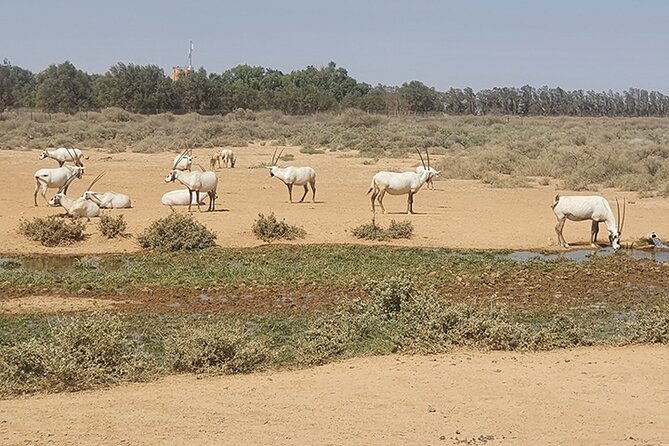
- Optional Azraq Wetland Reserve: a self-guided marsh trail for birds and water buffalo
- Private, air-conditioned transport + Wi‑Fi: comfort matters when the drive is long and the sun is high
Why these desert castles feel different from the big-ticket sites
Petra gets the headlines. These castles don’t. That’s exactly the point. You’re visiting rural Umayyad retreats and hunting lodges, scattered across the eastern plains, where the architecture looks like it was built for heat, distance, and wide skies.
You’ll also get something rare in Jordan: three sites with three different vibes. Qusayr Amra is all about its frescoes. Qasr Kharanah is about scale and stonework in an open plain. Qasr al-Azraq mixes desert calm with a very specific 20th-century story.
And because it’s private, you’re not stuck with the energy of a big group. You can spend an extra few minutes where you care—fresco details, fortress viewpoints, courtyards—then move on.
You can also read our reviews of more tours and experiences in Amman.
Price and what you’re really paying for (about $93.33 per person)
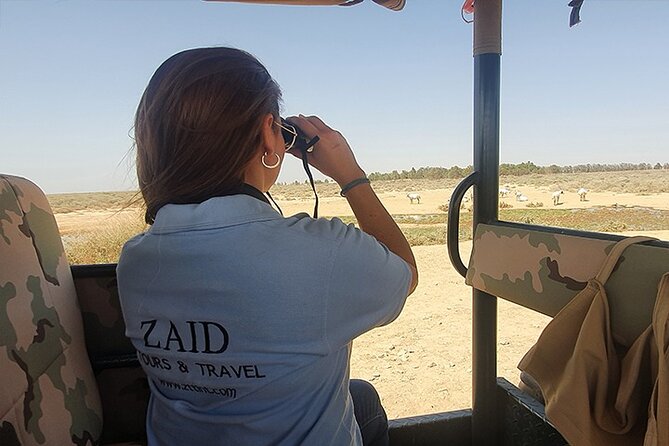
At $93.33 per person for roughly 4 hours, this isn’t a “cheap and cheerful” stop. You’re paying for three things that add up fast in Jordan: door-to-door pickup in Amman, a private air-conditioned vehicle, and admission coverage for the three main castles (unless you handle entrance fees through a Jordan Pass setup).
In practical terms, you’re buying time and stress relief. Eastern Jordan is spread out. Doing this loop on your own means logistics, driving, and figuring out who pays what at the gate. With this tour, the basics are handled, and you can focus on seeing the sites instead of managing transport.
If you want extra context at the ruins, the optional accompanied licensed guide upgrade is worth considering. It’s not required, but it can help when you want more than “here’s what it is” and you actually want the why.
Getting out of Amman: the private ride that sets the tone
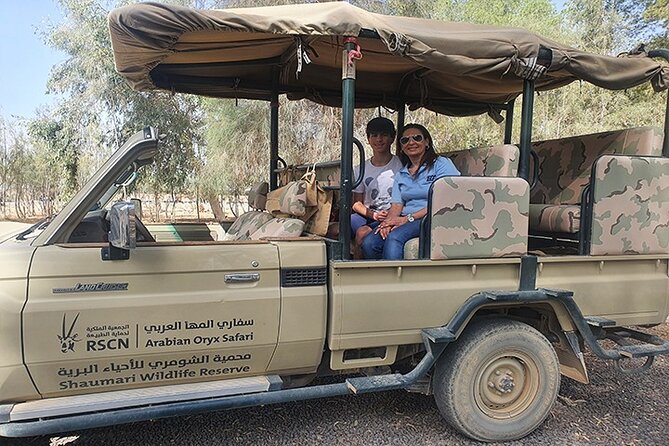
Start is 9:00 am, usually with pickup from central Amman. You’ll board a private, air-conditioned minibus and get an English-speaking driver. There’s on-board Wi‑Fi, which is handy if you want to plan your day or just cool down with a phone break.
The drive is a major part of the experience, not just transit. As you leave the city, the terrain opens up into the desert plains where these castles sit like punctuation marks. A couple of practical notes from real-world experience: you may pass through areas with strong security presence on the way out, and the long straight roads can give you great, wide photo angles when the light is clear.
Tip: bring water and keep your hat low on the back of your head until you step out. The sun hits fast once you’re out in open areas.
Stop 1: Qusayr Amra and those 8th-century fresco rooms
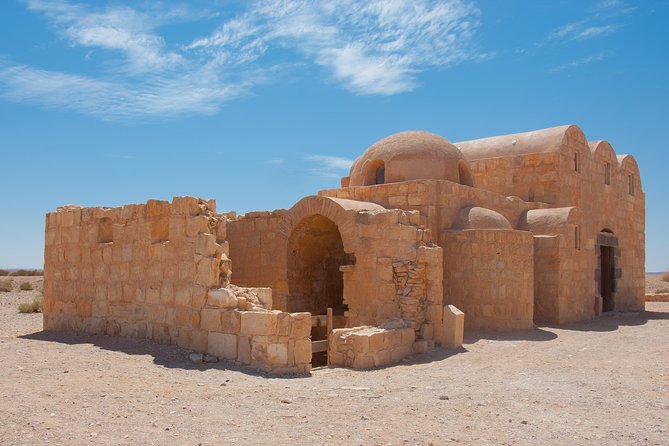
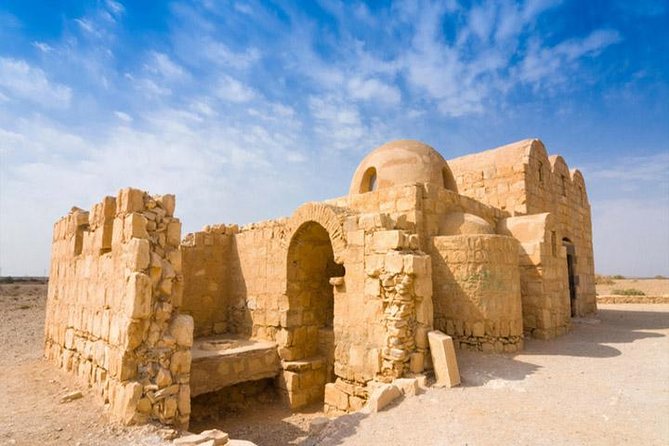
This is the stop most people remember. You’ll arrive after about an hour on the road, and you’ll have about 45 minutes at UNESCO-listed Qusayr Amra.
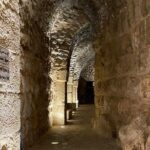
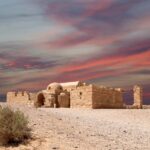
Qusayr Amra was an Umayyad hunting palace. What makes it famous isn’t size—it’s what’s on the walls. The restored site features 8th-century frescoes, including scenes that show more carefree, pleasure-focused life than you might expect from a palace setting. You’ll see imagery involving nude figures, wine, and parties, painted as part of the castle’s atmosphere of power and leisure.
What I like here is the contrast. You’re in a desert region where everything looks sun-baked and practical. Then you step into a painted world that feels oddly human—people laughing, drinking, living.
Possible drawback: 45 minutes moves quicker than you think once you start looking closely at details. If you’re the slow-and-curious type, use the first 5 minutes to set your walking route so you don’t waste time backtracking.
Stop 2: Qasr Kharanah (Qasr Al‑Kharanah) and the fortress plain
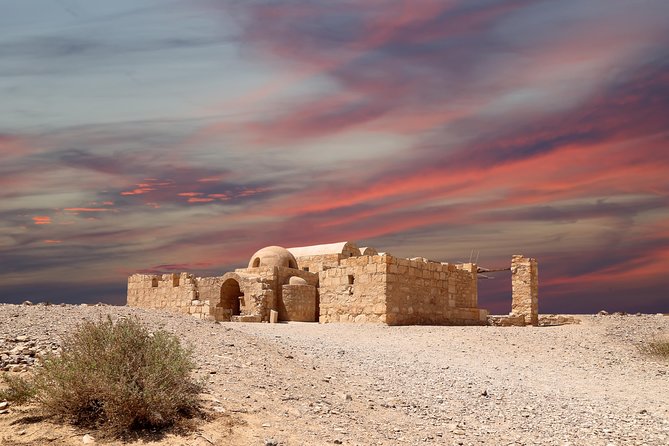
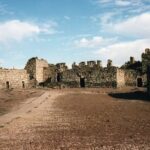
Next is Qasr Al‑Kharanah, a two-level fortress in a huge open plain. Expect around 45 minutes here, and admissions are typically included for this stop.
This is the castle where the stone does the talking. It’s thought to have been built on Roman foundations, but the architecture reflects Mesopotamian, Arabic, and Greek influences. In other words, it doesn’t feel like a single “style museum.” It feels like an upgraded patchwork over time—different worlds meeting in one strong desert structure.
A practical way to enjoy this site: don’t just walk the obvious paths. Take a minute to look for how the fortress shape changes what you see from different angles. The plain around you is big, and that makes the castle’s geometry feel sharper.
Possible drawback: because the site sits in an open area, it can feel very exposed in the afternoon sun. If you’re heat-sensitive, plan to stay hydrated and don’t wait until you’re tired to take shade breaks.
Stop 3: Qasr al-Azraq and the Lawrence of Arabia connection
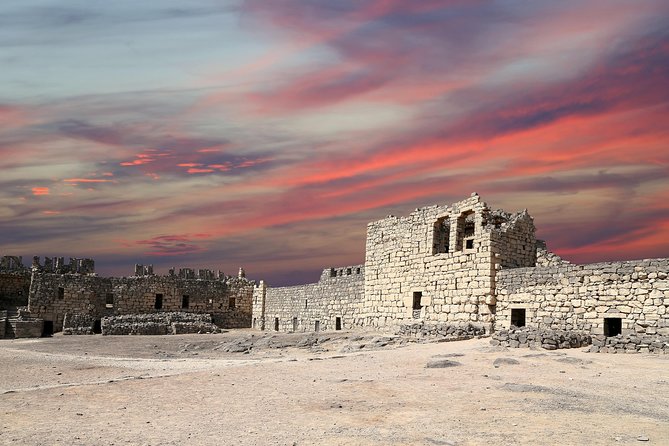
Final main stop: Qasr al-Azraq, originally an Umayyad hunting retreat. This one has an extra layer because it was used as a headquarters by T.E. Lawrence during 1917 to 1918, during the Arab Revolt era—often linked to the name Lawrence of Arabia.
You’ll wander courtyards, towers, and a mosque area, absorbing how the place works as a base: enclosed spaces for organization, higher areas for observation, and a layout that makes sense for operations.
What I like most is how history overlaps here. You’re not only looking at an old palace structure; you’re also walking through a site that played a role in a much later chapter. That shift makes your brain stay awake. It’s not just “ancient ruins.” It’s ancient ruins plus a real-world 20th-century narrative.
Practical tip: when you’re at Qasr al-Azraq, slow down around the courtyards and towers. The sunbaked tone of the stones can make shapes look dramatic, especially in late morning light.
Optional Azraq Wetland Reserve: birds, buffalo, and a self-guided marsh trail
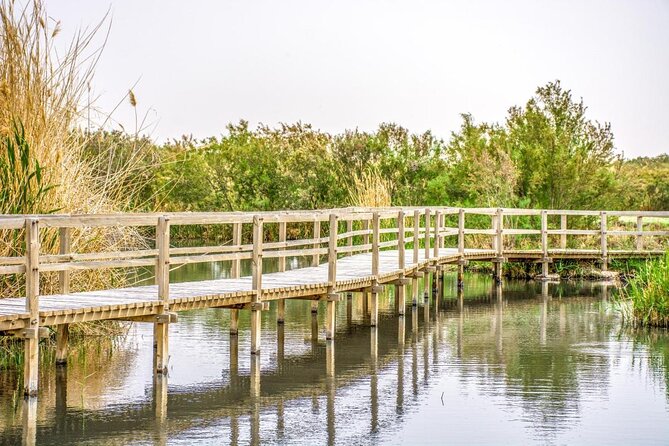
If you choose the upgrade, you’ll add Azraq Wetland Reserve, near the castle area. The reserve was established in 1978 and includes water buffalo. It’s also a water nature reserve and oasis for migratory birds.
This optional visit is self-guided, on a marsh trail that’s described as covering 12 kilometers, with the plan giving you about 1 hour on-site. Since it’s self-guided, this is best if you like walking at your own pace, stopping when something catches your eye, and reading signs without a timed lecture.
Timing note: the info given says late autumn or spring is best for scenery. If you’re going outside those seasons, you’ll still get the water-and-bird contrast, but don’t expect the same bird activity peak.
Also, dress for “wet ground and sudden heat.” Bring comfy shoes even if the trail sounds straightforward.
A note on guides, driver English, and how to get the most out of your time
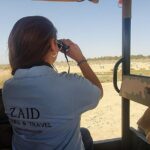
This is a private tour, so you control the rhythm. Your driver may also act as the main explainer during the drive and at the stops, but the level of detail can vary.
Some people get strong historical commentary and see every nook and cranny. Others find the driver’s main job is transport rather than guided explanation. That’s why I recommend this simple decision rule:
- If you want history talk at each site, upgrade to the accompanied licensed guide option.
- If you’re comfortable exploring on your own and you just want the smart routing and admission coverage, the non-upgraded private format can work well.
One more practical heads-up: entrance fees are listed as included for the main castles under the standard setup. But the experience can still hinge on what your voucher says and what happens on the day. If anything seems unclear at the gate, stop and check before paying anything extra. It’s easy to avoid a frustrating “wait, is this included?” moment.
Food, comfort, and what to do when hunger hits
Lunch is not automatically included. You can take a break for lunch at your own expense if you need it, and there’s also a vegetarian meal option by request (if your chosen add-ons include it).
Here’s the real-world comfort advice: this day is more about walking a bit, then driving again, with sun exposure while you’re out at the ruins. Wear comfortable walking shoes, use sunscreen, and bring a hat. The tour guidance specifically calls for these items, and I agree—your biggest enemy isn’t distance, it’s dehydration and sun fatigue.
If you’re thinking about restaurants afterward: there’s a note that most local tourist restaurants in Jordan do not serve alcohol. If that matters for your meal plan, you’ll want to ask or pick a place that fits your preference.
Who this tour fits best (and who might want a different plan)
This is best for you if:
- you want a half-day that packs in three major desert sites
- you like ruins with a story tied to rulers and revolts
- you want an easy Amman-to-desert day without hiring separate drivers and dealing with multiple entry points
- you prefer a private setup where you can move at your own pace
It may be less ideal if:
- you’re expecting a museum-style, slow paced guided tour at each stop
- you want long time at each castle rather than efficient viewing
- you strongly rely on detailed explanations at every ruin and don’t upgrade to the accompanied licensed guide
Should you book this private desert castles tour?
I’d book it if you’re aiming for a real “Jordan feels different out here” morning. Qusayr Amra alone is worth the effort, and adding Qasr Kharanah and Qasr al-Azraq turns the day into a three-part narrative: Umayyad power, fortress design in open plain, and the later Lawrence connection.
Choose the non-upgraded private version if you’re happy to explore and you like learning at your own pace. Choose the accompanied licensed guide upgrade if you want stronger history interpretation without guessing. And if you’re heading into spring or late autumn, the Azraq Wetland Reserve add-on can be a great way to balance desert stone with water and wildlife.
If you do book, pack for the sun, check your voucher about entrances, and give yourself permission to spend a little extra time where your curiosity pulls you—this route rewards that.
FAQ
What is the tour length?
The tour is about 4 hours.
What time does the tour start?
It starts at 9:00 am.
Which desert castles are included?
The tour includes Qusayr Amra, Qasr Al‑Kharanah, and Qasr Al‑Azraq.
Are entrance fees included?
Entrance to Amra Castle, Al Kharanah Castle, and Al‑Azraq Castle is included unless you selected the Jordan Pass setup where entrances are handled differently.
Do I need a Jordan Pass?
You don’t need one for this tour as described. If you are a Jordan Pass holder, you should inform the operator so entrance fees can be reimbursed in destination.
Is pickup and drop-off in Amman included?
Yes. There is hotel pickup and drop-off.
Is lunch included?
Lunch is not included unless you select an option that includes it. Otherwise, meals are at your own expense.
Is there an option to have a licensed guide accompany the visits?
Yes. You can upgrade to include an accompanied licensed guide from Amman for the three castle visits.
What is the optional Azraq Wetland Reserve visit?
It’s an optional self-guided marsh trail at Azraq Wetland Reserve. Entry fees for the reserve apply and are included with the option, while admission is not included for the self-guided visit.
What if the weather is bad?
This activity requires good weather. If it’s canceled due to poor weather, you’ll be offered another date or a full refund.
FAQ
What should I bring for the day?
Bring a hat, sunscreen, and comfortable walking shoes. Also bring water.
Is the tour available in languages other than English?
The tour is provided in English. Other languages can be requested.