REVIEW · SEVILLE
Royal Alcázar of Seville, Fortress, and Palace Complex.
Book on GetYourGuide →Operated by Martaole tours · Bookable on GetYourGuide
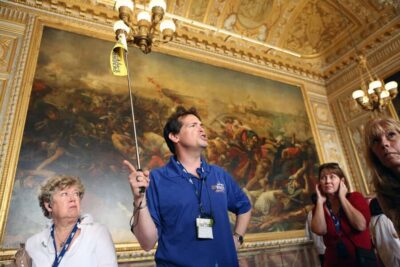
Seville’s palaces start making sense fast. This tour takes you into the Royal Alcázar, often described as the oldest royal residence in Europe, where Muslim-era roots grow into palaces that still feel medieval. What I like most is how quickly you can see the layers—each room and passage reads like a style change you can spot with your own eyes.
I also really love the way the visit mixes “wow” with breathing space: you get the 7-hectare gardens plus legends and curiosities that connect the buildings to Seville’s story. The main drawback to plan around: the guided portion is listed as 1.5 hours, but you should build in extra flexibility in your schedule because timing can feel tight if your day is packed.
In This Review
- Key Things I’d Prioritize on This Alcázar Tour
- Royal Alcázar in Plain English: What You’re Actually Walking Into
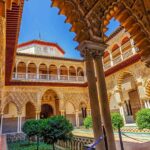
- The Architecture Mix You’ll Start Noticing Immediately
- The Gardens: Where the Alcázar Becomes a Slow Day
- Musical Fountain, Peacocks, and the Pop Culture Hook
- The fountain of fame (musical fountain)
- Peacocks inside the palace
- Game of Thrones connections
- How the Guided Portion Works vs. Your Extra Time
- Skip-the-line through express security
- Headphones if needed
- Meeting Point at Plaza del Triunfo: Get Your Bearings Fast
- Price and Value: When It’s Worth It (and When to Be Careful)
- Practical Tips: Tickets, ID Copies, and What Not to Bring
- Who This Tour Suits Best
- Should You Book This Royal Alcázar Tour?
- FAQ
- How long is the guided part of the tour?
- Can I stay in the gardens and palaces after the tour ends?
- What’s included in the price?
- Where do I meet the guide?
- Is skip-the-line access included?
- What languages is the tour offered in?
- Do I need to send passport details before the visit?
Key Things I’d Prioritize on This Alcázar Tour
- Muslim origins with a visible style mix you’ll notice as you walk: Gothic, Mudejar, Renaissance, and Baroque
- Musical fountain moments (the fountain of fame) that turn history into something you can watch and hear
- Peacocks living freely inside the palace spaces, which adds a totally different rhythm to your photos
- Game of Thrones filming connections that help you place what you’re seeing in pop-culture context
- A guide-led route plus time to linger in gardens and palaces until closing
- “Almost secret” spots that many visitors miss, guided by someone who knows where the attention goes
Royal Alcázar in Plain English: What You’re Actually Walking Into
The Royal Alcázar is a royal palace complex, yes—but it’s also a living lesson in how Seville became Seville. This isn’t one single building. It’s a set of palaces and gardens that evolved over time, so your walk feels like moving through chapters rather than one long museum hallway.
The best part is how the complex is described: medieval-appearing palaces with a serious mix of influences. You’ll go from Muslim-origin foundations into Gothic, then Mudejar, and on through Renaissance and Baroque touches. Even if you’re not a hardcore architecture person, the tour format makes it easier. A good guide helps you translate what you’re seeing into something you can remember.
For me, it’s one of the strongest “first big sights” in Seville because it doesn’t feel staged. You’re surrounded by working details—courtyards, gardens, palace spaces—that keep the whole place feeling human-sized, even when it’s historically huge.
You can also read our reviews of more tours and experiences in Seville.


The Architecture Mix You’ll Start Noticing Immediately
If you’ve ever been overwhelmed by “styles” in guidebooks, this visit is built to reduce that stress. The Royal Alcázar is set up so you can watch transitions happen as you move.
Here’s what you should keep your eye on as you go:
- Muslim origins: think in terms of geometric beauty and courtyard logic, the kind of spatial design that supports both ceremony and everyday flow.
- Mudejar and Gothic elements: you’ll start to notice how shapes and ornamentation shift, not randomly, but like the palace learned new design languages over centuries.
- Renaissance and Baroque touches: these tend to add a different sense of drama and display, especially in how spaces feel finished and theatrical.
What makes this tour work for normal people is the way a guide ties it to the city’s “disturbing and original” history—so the changes in style don’t feel like trivia. They feel like cause-and-effect.
Also, you’ll have official guidance in Spanish and English, which matters in a place where small details can carry a lot of meaning. If you care about understanding what you’re looking at (not just photographing it), a live guide is the difference.
The Gardens: Where the Alcázar Becomes a Slow Day
The gardens are a big deal here, and you’re not just allowed to look at them—you’re encouraged to spend time. The complex stretches across more than 7 hectares, which is plenty of space for your eyes to reset between palace rooms.
During the guided portion, you’ll learn the garden stories and curiosities—legends and odd bits of local lore connected to the place. After the tour, you can stay and roam until closing time, which is smart. Palace tours can rush you, but gardens let you control your pace.
Here’s how I’d use the garden time:
- If you’re sensitive to crowds, spend your extra time on calmer paths after the guide finishes the main route.
- Look for garden viewpoints that frame palace walls and courtyards—these are the angles that make the complex feel larger than it is.
- Plan to slow down, not speed up. Gardens are where the Alcázar stops being “a stop” and becomes an experience.
And yes, the gardens are part of why people talk about this place with real emotion. It’s not just pretty grass. It’s palace-scale landscaping designed to support royal life, ceremony, and long stays.
Musical Fountain, Peacocks, and the Pop Culture Hook
This is one of those rare palace visits where the highlights don’t feel forced. The tour includes clear “you have to see this” moments.
The fountain of fame (musical fountain)
You’ll have the chance to experience a musical fountain, described here as the fountain of fame. Even if you don’t care about fountains as an art form, a musical moment changes the atmosphere. It turns the complex into something you experience with more than your eyes.

Peacocks inside the palace
And then there are the peacocks. The tour description says they live freely inside the palace areas. That matters because it’s not a zoo trick. It’s part of the lived-in feel of the grounds, like the palace still shares space with nature.
Practical tip: if you’re trying to photograph them, keep your expectations realistic. Wildlife never cooperates on command. But you’ll have a better chance of good shots if you stay patient and don’t block others.
Game of Thrones connections
If you’re a Game of Thrones fan, this is where the tour becomes extra fun. The highlights specifically mention that you’ll see where the show was filmed. Even if you’re not watching anymore, it helps your brain connect architecture to memory—suddenly you’re not just seeing old stones, you’re seeing a scene you recognize.
This pop-culture angle is also useful for first-time visitors. It gives you an easy entry point, and then the guide can move you into the deeper, older meanings.
How the Guided Portion Works vs. Your Extra Time
The tour is planned for 1.5 hours of guided walking, with an important twist: you can stay in the gardens and palaces until closing time after the tour ends.
That structure is great if you hate the feeling of being rushed out the door. You get:
- expert guidance during the time you need someone to explain what you’re seeing
- freedom afterward to slow down, revisit, and linger where you personally felt the strongest connection
If you’re someone who learns best by watching first and reading second, this setup is ideal. Let the guide point the way, then use your own pace to confirm what clicked.
Skip-the-line through express security
You also get express security to help you move faster. In a complex this popular, that’s not just a convenience—it protects your overall experience. When you waste time at entry gates, you feel behind immediately.
Headphones if needed
The tour includes headphones if needed. That’s especially useful in outdoor courtyards where wind and noise can swallow the guide’s voice.
Meeting Point at Plaza del Triunfo: Get Your Bearings Fast
Meet at Plaza del Triunfo, a square surrounded by major landmarks: the Alcázar, the Archivo de Indias, and the Cathedral. In the center of the square there’s a statue of the Immaculate Conception, and the guide is supposed to be waiting there.
If you want this day to feel smooth, do two things before you arrive:
- arrive a few minutes early so you can spot the meeting landmark without stress
- make sure everyone in your group has the right ID documents ready
This is also a good area to understand the geography of the city. The square positions you right where the old power and administration of Seville meet.
Price and Value: When It’s Worth It (and When to Be Careful)
The listed price is $112 per person for about 1.5 hours of guided time, plus a real ticket to the Royal Alcázar. The ticket is included, along with the guide and the express security help.
That sounds pricey, but there’s a value logic here:
- You’re paying for official guidance in a complex with multiple architectural layers.
- You’re paying for a smoother entry via express security.
- You’re getting a structured route plus time until closing, which lets you “stretch” the paid experience.
Where value may feel weaker is if your expectation is purely academic lectures or if your time is limited to just the guided slot. One common complaint is that the guided duration can feel shorter than expected, which makes the “per-hour” math sting.
And if you’re traveling with kids, you should check child pricing carefully before you book. There’s at least one strong concern in the provided info about children being priced close to adults. That doesn’t automatically mean it’s always bad value, but it does mean you should do the calculation for your exact group.
My practical takeaway: book this if you want a guided route that helps you actually understand what you’re seeing, and you’re okay staying longer on your own afterward.
Practical Tips: Tickets, ID Copies, and What Not to Bring
This visit is ticketed and nominative, meaning your ticket is tied to the person who is entering. Right after booking, you’ll need to send an email with a copy of your passport or ID card, and you should be prepared to show the real ID at the entrance.
Bring:
- passport or ID card
- a copy accepted (for the email step)
- the actual passport/ID on the day of your visit
Not allowed:
- smoking
- food
What to plan for:
- water isn’t included and lunch isn’t included
- there’s a cafeteria for a bite and restrooms on site
So if you tend to get tired while walking palaces, pack a simple plan: buy water at the cafeteria or nearby shops, and avoid eating wherever staff have set restrictions.
Who This Tour Suits Best
This Royal Alcázar experience is a strong fit if you:
- want a guided explanation in English or Spanish without guessing your way through centuries of changes
- care about both architecture and atmosphere (palaces plus gardens)
- enjoy “history plus a show” moments, like the musical fountain and the Game of Thrones link
- like the idea of guided time now, then free wandering later
It’s also a solid pick for first-time Seville visitors. The palace complex is big and famous, and the guide helps you prioritize so you don’t get lost in the scale.
Should You Book This Royal Alcázar Tour?
Yes, I’d book it if you want the easiest path to understanding what you’re seeing. The combination of official guide, entrance ticket included, and express security makes it a practical way to experience a top Seville attraction without wasting your energy.
I’d think twice only if your main goal is a long, lecture-style deep dive or if your schedule is so tight that any timing hiccup would ruin your day. Also check pricing for kids in advance, since family value can be sensitive here.
If you’re flexible and you like learning while you walk, this is exactly the kind of guided visit that turns a famous site into a memorable afternoon.
FAQ
How long is the guided part of the tour?
The guided visit is listed as about 1.5 hours.
Can I stay in the gardens and palaces after the tour ends?
Yes. After the guided portion, you can stay until closing time in the gardens and palaces.
What’s included in the price?
You get a walking tour with an expert official guide, the Royal Alcázar entrance ticket, and headphones if needed.
Where do I meet the guide?
Meet at Plaza del Triunfo, by the statue of the Immaculate Conception, surrounded by the Alcázar, Archivo de Indias, and the Cathedral.
Is skip-the-line access included?
Yes. The tour includes express security check to help you move faster.
What languages is the tour offered in?
The live guide is available in Spanish and English.
Do I need to send passport details before the visit?
Yes. After booking, you’ll need to send an email with a copy of your passport or ID card because the tickets are nominative.