REVIEW · WROCLAW
Wroclaw: Day of WW2: Riese, Gross-Rosen, Ksiaz Castle
Book on GetYourGuide →Operated by Best City Tours sp. z o.o. · Bookable on GetYourGuide
WWII secrets still under your feet. This Wrocław day trip takes you into the Riese underground works and the places tied to Nazi power, then finishes with Książ Castle’s cliffside presence. I particularly loved the small group feel and the way the guide keeps the story moving without drowning you in dates.
Two stops hit hard in a good way: Gross-Rosen and its quarry-worn reality, and Książ Castle’s role in Hitler’s main quarters in Lower Silesia. One possible drawback: the tour uses English live guiding plus English audio, and if you’re hoping for every detail through the audio, you may sometimes feel like you missed a bit depending on how the day flows.
In This Review
- Key highlights worth planning around
- How this 10-hour WWII circuit actually feels
- Osówka Complex and the Riese underground city: why it’s so hard to wrap your head around
- What to watch for while you’re there
- A practical note
- Gross-Rosen in Rogoźnica: the quarry labor story that stays with you
- The one challenge: emotional pacing
- Książ Castle: Hitler’s quarter meets a cliffside view
- How to get the most from the castle visit
- Your guide and small-group format: why it improves the day
- Price and value: what you’re really paying for at $279
- Who should book this tour (and who might prefer something else)
- Booking decision: should you do this WWII day from Wrocław?
- FAQ
- FAQ
- How long is the tour?
- How big is the group?
- What language is the live tour guide?
- Are there audio guides included, and in which languages?
- Do they pick you up from your hotel in Wrocław?
- What’s included in the price?
- Can I cancel for a full refund?
- Do I have to pay immediately?
Key highlights worth planning around
- Riese underground works (Osówka Complex): the underground city tied to the secret Nazi project code-named Riese.
- Gross-Rosen in Rogoźnica: Lower Silesia’s largest Nazi-German concentration camp and penal labor tied to quarries.
- Motto you’ll hear in context: Vermichtung durch Arbeit (Annihilation through work).
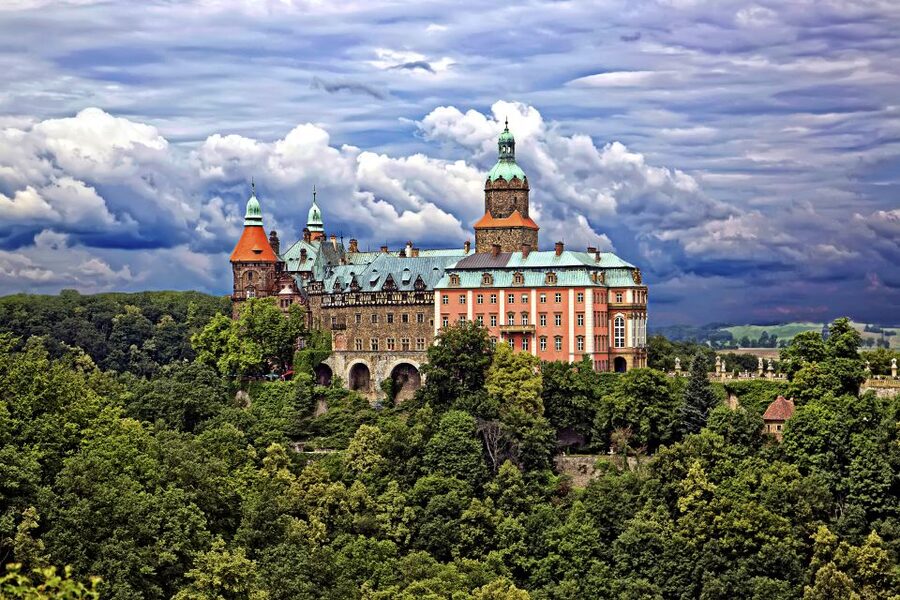
- Książ Castle’s dramatic setting: a huge castle on a rock cliff by the Pelcznica River, about 395 meters above sea level.
- Hitler’s paramilitary quarter begins here: in 1943, his organization started building major quarters linked to the Riese sites nearby.
- Small-group logistics: max 8 participants, plus hotel pickup in Wrocław.
How this 10-hour WWII circuit actually feels
This isn’t a quick drive-by tour. It’s a full day built around three heavy locations, spaced by private transport from Wrocław. You’ll start with hotel pickup and spend most of the time on the road and at sites where silence matters. The small-group size (up to 8) helps, because you can actually ask questions when something is unclear, instead of shouting over a bus of people.
The rhythm matters. Riese and Książ pull you into the architecture of control—tunnels, reinforced plans, command quarters. Gross-Rosen is the direct opposite tone: suffering and forced labor, explained through what remains and how the camp operated. I like tours like this because you get the full shape of how regimes build systems, then force human lives into them.
You can also read our reviews of more tours and experiences in Wroclaw.
Osówka Complex and the Riese underground city: why it’s so hard to wrap your head around
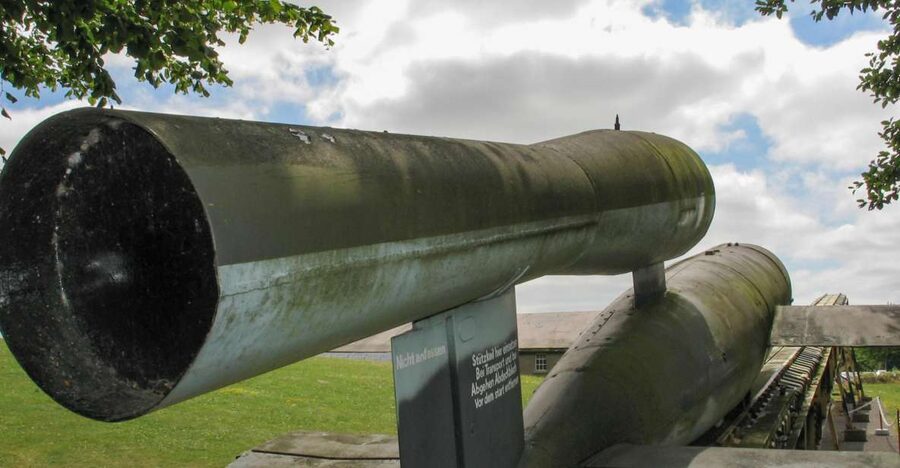
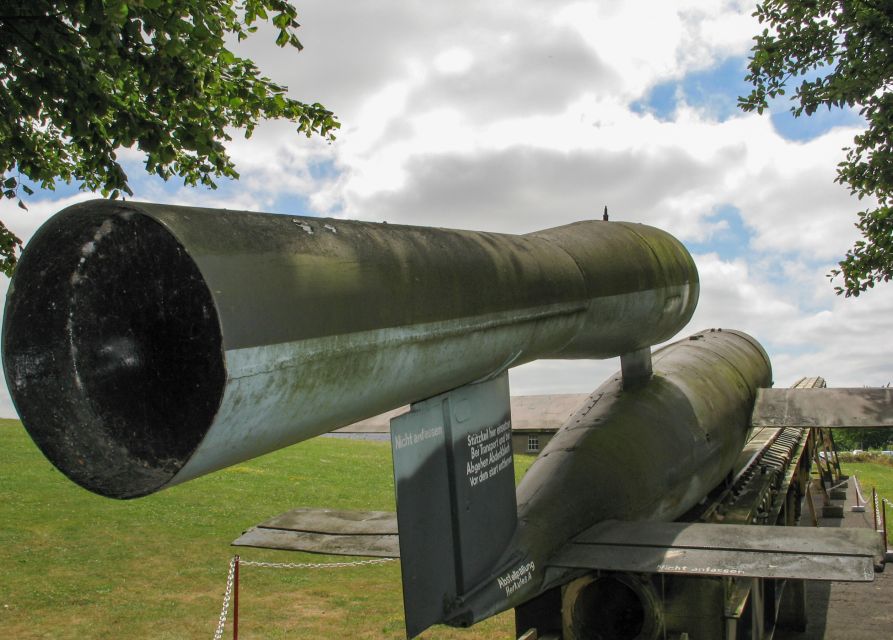
The morning centers on the Osówka Complex, part of the Nazi Germany project conducted between 1943 and 1945 under the code name Riese. You’re not just seeing ruins. You’re being pulled into a design that tried to function like a secret machine—hidden, planned, and meant to outlast the surface world.
You’ll also hear about the mysterious structure often called the underground city. Even with visits and interpretation, it still hasn’t revealed all of its secrets, and that uncertainty is part of the experience. You stand in spaces that feel both engineered and unfinished, which makes it easier to understand why underground locations were so attractive to Nazi planning at the time.
One of the tour highlights is the idea that this is a place where a secret movement against the Nazis was born. Even without naming every group and detail, you can feel the contrast in the same landscape: a Nazi project meant to secure power, and nearby space where resistance could form and operate. That tension is what makes Osówka memorable rather than just “more tunnels.”
What to watch for while you’re there
- Get the big picture first. In underground sites, details can blur fast. Pay attention to the guide’s orientation and how the complex relates to the broader Riese project.
- Don’t rush the emotional tone. This is a place built for secrecy, but it’s also tied to war realities. Give yourself time to absorb the meaning, not just the engineering.
A practical note
Underground and fortress-like spaces tend to be cooler and dimmer than you expect. Wear clothes that handle temperature changes, and plan for short bursts of walking and time spent standing still.
Gross-Rosen in Rogoźnica: the quarry labor story that stays with you
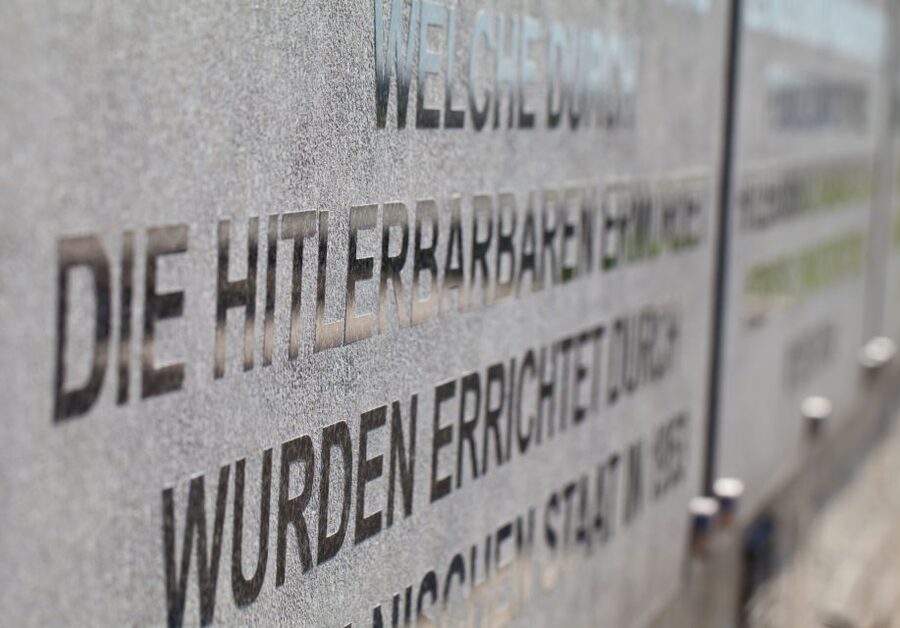
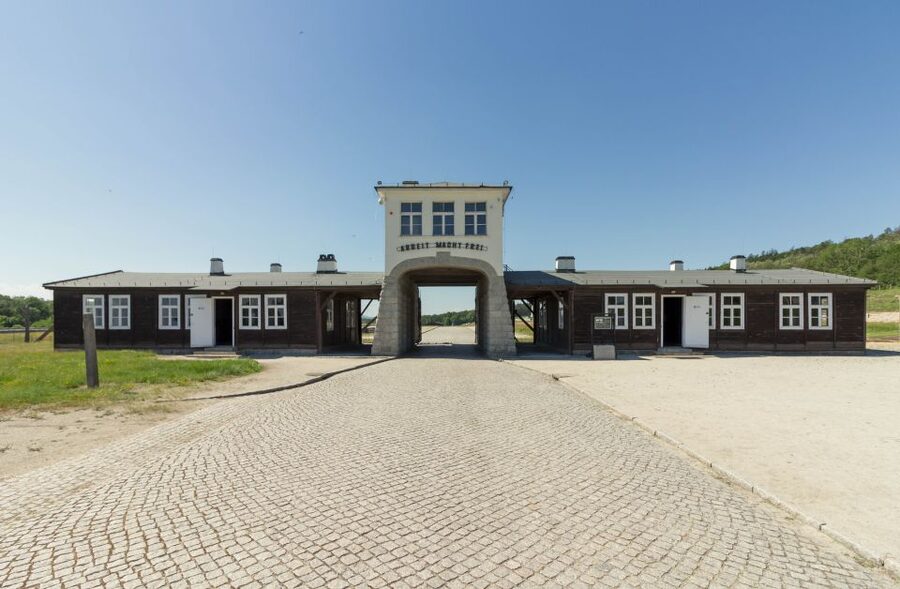
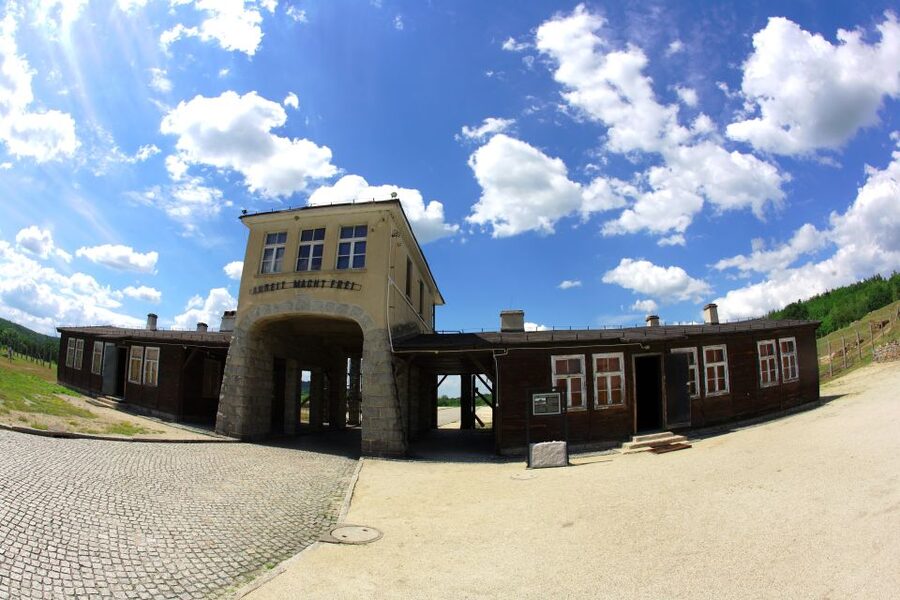
Gross-Rosen is the largest Nazi-German concentration camp in Lower Silesia, located in Rogoźnica. This is where the day stops being “sites” and becomes a straightforward confrontation with punishment, forced labor, and death.
The camp’s interpretation focuses on particularly harsh conditions and penal work in quarries. That detail is not a small sidebar; it’s central. The motto you’ll hear—Vermichtung durch Arbeit (Annihilation through work)—helps explain the logic behind the brutality. In other words, labor wasn’t just work. It was part of the mechanism.
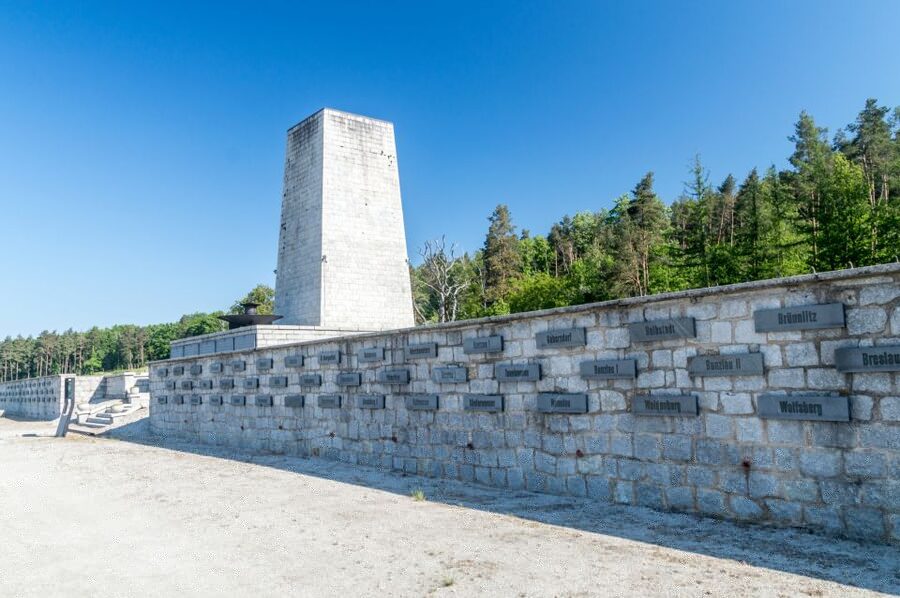
The numbers shared during the tour are heavy: around 40,000 prisoners died here, including Poles, Jews, Russians, French, and Hungarians. When a tour gives this range of nationalities, it’s trying to show that the camp wasn’t targeting one group only. It was a wider system of oppression, driven by Nazi ideology and wartime power.
I also appreciate how the tour frames Gross-Rosen as part of the larger Nazi infrastructure in the region. You’re not only looking at one camp. You’re seeing how systems extended outward through work camps and industrial use of human beings.
The one challenge: emotional pacing
This stop can feel draining. If you tend to get overwhelmed by intense sites, take small breaks when you can—step aside, drink water, and let the guide finish their explanation before you push forward. You’ll absorb more that way, and you won’t leave rushing to “get it over with.”
Książ Castle: Hitler’s quarter meets a cliffside view
After the weight of Gross-Rosen, Książ Castle offers a different kind of shock: how power tries to look permanent.
Ksiaz Castle (often spelled Książ) is described as the third-biggest castle in Poland, set on a majestic rock cliff alongside the Pelcznica River. It sits about 395 meters above sea level and is surrounded by forest. You may hear it called the Pearl of Lower Silesia. I get why. The sheer physical presence changes your perception, even before the wartime details start.
The important connection is the 1943 building phase. During that year, Hitler’s paramilitary organization began constructing one of his main quarters here. The tour also explains how this main quarter, along with other objects of the Riese complex near Osowka and Włodarz, played a role in the larger plan.
This is where the architecture lesson clicks. You can look at a castle and think “tourist views.” Then, with the right context, you realize castles and fortifications can also be frameworks for occupation, command, and control. The setting doesn’t excuse what happened there. It just makes the story more unsettling, because it shows how easily grandeur can be repurposed.
How to get the most from the castle visit
- Keep your eyes on the strategic placement. Cliffside elevation and defensive geography matter. The tour’s focus on the castle’s size and location is there for a reason.
- Let the wartime context color the views. The river, the forest edge, and the scale aren’t just scenery. They connect to why a site would be chosen for major quarters.
Your guide and small-group format: why it improves the day
This tour runs with an English live guide, plus audio guides included in English, German, and Russian. Your driver/pilot is Jakub, and the small group is limited to 8 participants. That combo matters more than it sounds.
When I want a WWII tour to feel respectful and clear, I look for three things: room to ask questions, smooth logistics between locations, and interpretation that doesn’t rely on the loudest person in the group. The limited group size helps with all three.
The reviews also point to a specific strength of this tour setup: the day tends to run like clockwork, and the guide can keep the story organized across multiple sites. Some people also note that audio guidance can be easier to follow at some stops than others. If you’re someone who likes to read along constantly, plan to listen actively rather than multitask. When the audio and the guide move in sync, you’ll get more out of the day.
Price and value: what you’re really paying for at $279
At $279 per person for a 10-hour day, this is not a budget option. But it’s also not just you paying for three ticketed stops. You’re paying for a full execution: hotel pickup and drop-off in Wrocław, private vehicle transport, a driver/pilot, a live English guide, trip insurance, plus fuel surcharge and handling charges.
For many people, the value comes down to convenience and focus. You don’t have to piece together transportation to Osówka, then Gross-Rosen, then Książ in one day. The schedule is built as one continuous experience, and the small group keeps it from turning into a chaotic scavenger hunt.
You’re also paying for interpretation quality—especially important for places like Gross-Rosen, where context helps you understand not just what you’re seeing, but why it matters. If you care about WWII details and the specific Lower Silesia story connecting these sites, the price starts to feel fair.
Who should book this tour (and who might prefer something else)
This is a strong fit if:
- you want a single-day hit of major WWII sites tied to the Riese project and the broader regional story
- you like guided context and don’t want to manage logistics yourself
- you’re comfortable with heavy subject matter and want interpretation that connects the dots
You might think twice if:
- you’re very sensitive to emotionally intense memorial settings and prefer shorter or lighter stops
- you expect the English audio guide to be the main information source; the day includes live guiding and audio support, so attention matters
- you’re pressed for time in Wrocław and want a less demanding plan (this is a full-day program)
Booking decision: should you do this WWII day from Wrocław?
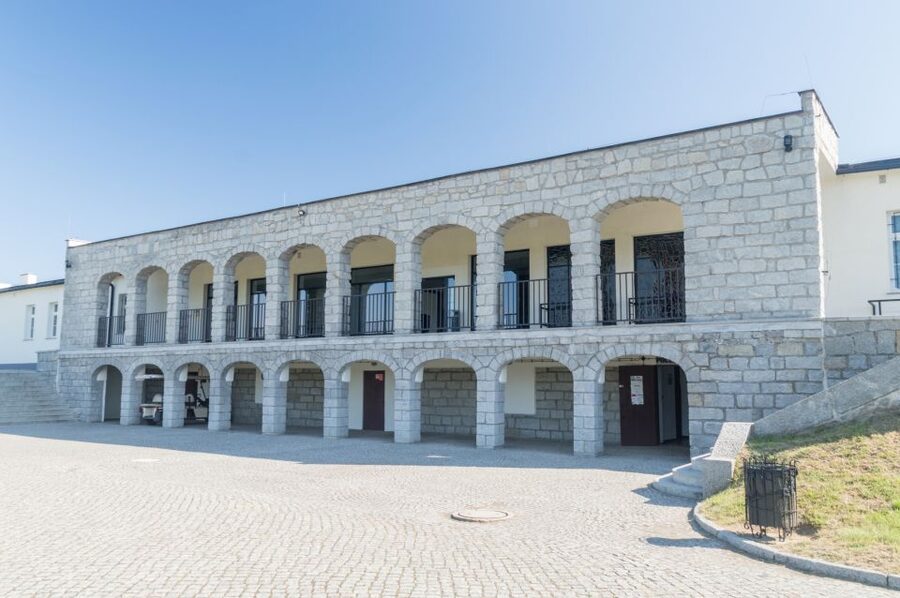
If you’re in Wrocław and you want a memorable, well-structured day that connects Riese, Gross-Rosen, and Książ into one coherent WWII narrative, I think this is an easy “yes.” The combination of a small group, live English guiding, hotel pickup, and private transport makes it practical, and the site selection gives you both the hidden machinery of war and the human cost behind it.
My advice: treat this like a serious day, not a sightseeing day. Wear comfortable shoes, bring water, and be ready to slow down where it matters—especially at Gross-Rosen.
FAQ
FAQ
How long is the tour?
The duration is 10 hours.
How big is the group?
It’s a small group limited to 8 participants.
What language is the live tour guide?
The live tour guide is provided in English.
Are there audio guides included, and in which languages?
Yes. Audio guides are included in English, German, and Russian.
Do they pick you up from your hotel in Wrocław?
Yes. Hotel pick-up and drop-off from Wrocław is included, and the meeting point is your hotel or apartment.
What’s included in the price?
Included items are all taxes, fees and handling charges, a fuel surcharge, the driver/pilot, hotel pick-up and drop-off, transport by private vehicle, and trip insurance.
Can I cancel for a full refund?
Yes. Free cancellation is available up to 24 hours in advance for a full refund.
Do I have to pay immediately?
No. You can reserve now and pay later, meaning you can book your spot without paying today.