REVIEW · VIENNA
Belvedere Palace and Museum Tour
Book on Viator →Operated by Insight Cities · Bookable on Viator
Klimt plus Baroque gardens makes Vienna click. I love the small-group pace and the fact that you’re not just walking through rooms and hoping things connect. The art historian guide approach also makes the palace, the gardens, and the paintings feel linked, not random. One possible drawback: the museum entrance ticket fee is not included, so you’ll want to plan on buying it before you go inside.
This tour works best if you enjoy context. I also like that it’s built around a guided walk through the Belvedere grounds first, so the setting for the art isn’t floating in midair. If you prefer total independence and hate paying for guided time, the extra cost of a separate admission ticket could make it feel less efficient.
You’ll meet at Belvedere Palace (1030 Vienna) and head out from there, near public transportation, with the tour ending back at the same meeting point. It’s in English, uses a mobile ticket, and is capped at a small group size (up to 6 people, with a maximum of 8 travelers).
In This Review
- Key things to know before you go
- Why the Belvedere feels different from a typical museum stop
- Jardines de Belvedere: where the palace story starts
- Belvedere Museum highlights: from medieval art to Klimt’s golden period
- How the guide style changes what you notice
- Time, pacing, and photo breaks in a 2.5-hour visit
- Tickets, timing, and the most common snag to avoid
- Price and value: is $181.02 worth it?
- Who should book this Belvedere tour
- Final call: should you book this Belvedere Palace and Museum tour?
- FAQ
- How long is the Belvedere Palace and Museum tour?
- Is the museum entrance ticket included in the price?
- What is included in the tour price?
- How big is the group?
- What language is the tour offered in, and do I get a mobile ticket?
- Where do I meet, and where does the tour end?
- What is the cancellation policy?
Key things to know before you go
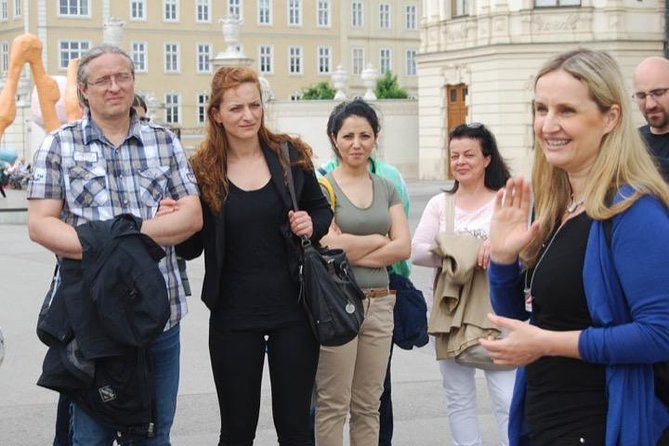
- Small group size (up to 6, max 8): more conversation time and fewer “watch me and follow” moments.
- Pro art historian guide included: you’re paying for expert explanations, not just access.
- Admission not included: you’ll need separate museum/palace entry tickets.
- Roughly half outdoors, half indoors: the grounds get their own time before you move to the collection.
- Guides can help with ticket purchase at the start: handy if you want to avoid standing around deciding what to buy.
- English tour with a mobile ticket: easier for planning and day-of check-in.
Why the Belvedere feels different from a typical museum stop
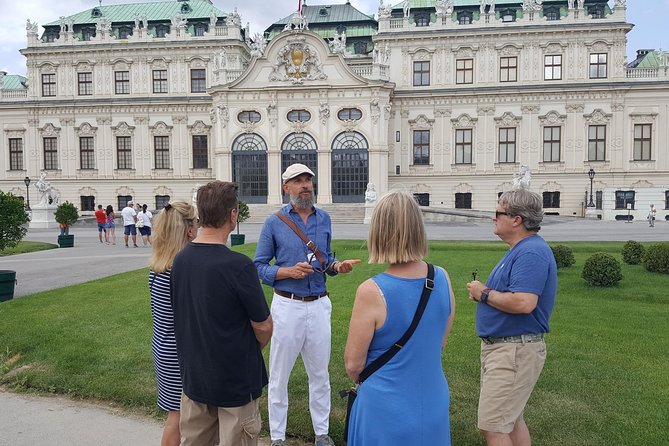
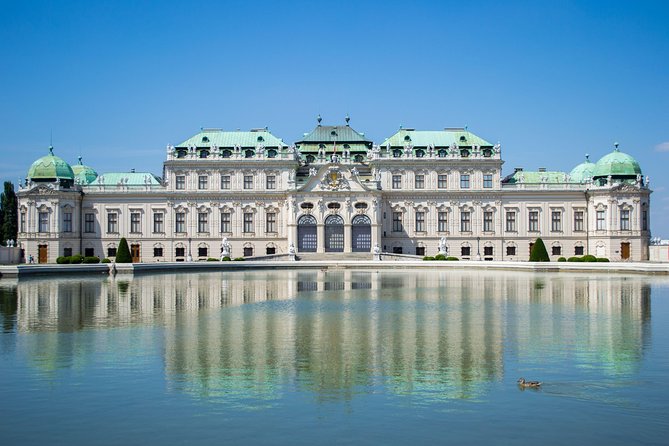
Belvedere isn’t just another big art venue. It was designed as an aristocratic summer residence for Prince Eugene of Savoy, the Austrian commander-in-chief, and you feel that intention the moment you step onto the grounds. The palace and gardens were meant to project order, harmony, and control—perfect ingredients for art that was collected to impress.
What I like about doing Belvedere with a guide is how the pieces snap into place. The setting is Baroque, the gardens take inspiration from classical antiquity, and the museum galleries hold paintings that run from the Middle Ages to the present day. That time span can feel overwhelming solo, but a good guide helps you decide what to focus on.
You can also read our reviews of more tours and experiences in Vienna.


Jardines de Belvedere: where the palace story starts
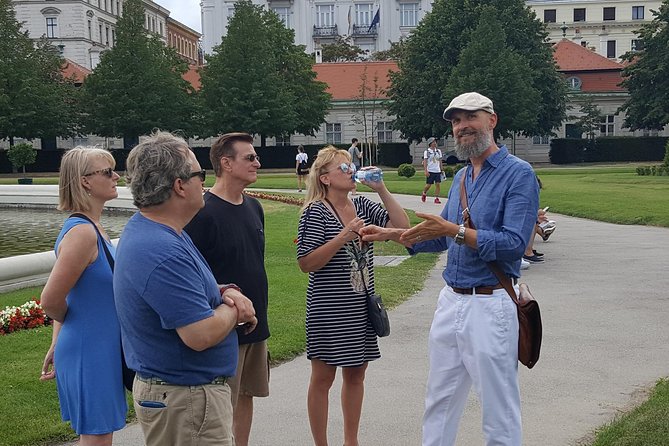
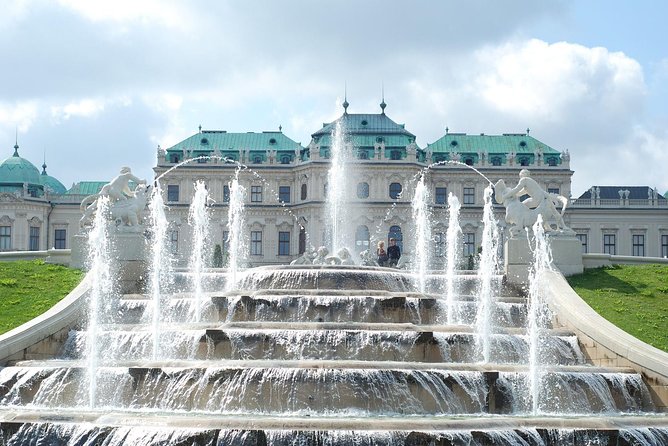
The outdoor part is where you get your bearings fast. The formal design of the grounds isn’t random decoration—it’s tied to how the estate wanted to look and feel. As you walk, the Upper Belvedere and the surrounding gardens come into view in a planned sequence, the way you’d expect from an 18th-century power center.
Prince Eugene of Savoy is the key thread here. He wasn’t just a name on a plaque; the estate was built around his status and his role in Austrian military history. When your guide connects that to the architecture, the palace stops being a postcard and starts being a political statement.
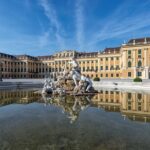
Expect this portion to be a bit weather-dependent. One of the great things about the Belvedere grounds is that they reward even a short visit, but if it’s raining, plan for slower walking and bring layers. On a good day, the reservoir and garden areas are a highlight, and you’ll likely want a bit of photo time.
What to watch for while you’re outside
- Garden symmetry and sightlines: the design guides your eye toward the palace.
- Where the architecture frames views: you’ll often get better photo angles once you know what you’re looking at.
- The “why” behind the Baroque style: it’s not just decoration; it’s a style built for impact.
Belvedere Museum highlights: from medieval art to Klimt’s golden period
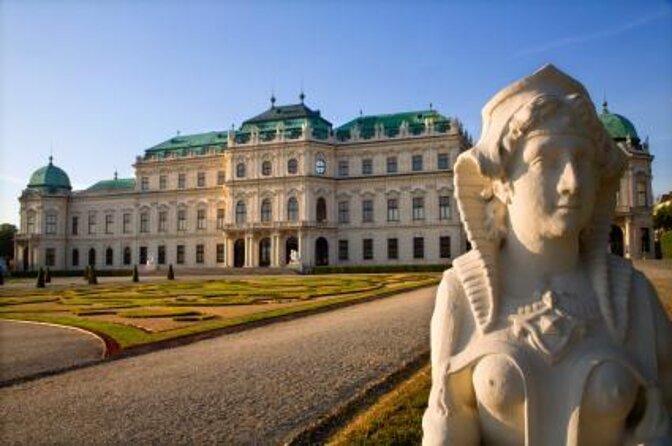
Then you move into the museum, and the tone changes from “garden order” to “art conversation.” Belvedere became one of the early public museums with the goal of making the Habsburgs’ imperial collection available to everyone. That mission matters. It means you’re not only seeing famous paintings; you’re seeing a collection presented as public culture.
The museum’s collection runs broadly—Middle Ages to the present—so you’re not stuck in one era. Still, one set of works tends to pull the whole room toward the same center: Gustav Klimt’s paintings from his golden period. The big names in that spotlight include The Kiss and Judith, plus the Attersee series landscapes and sophisticated high-society portraits.
In my view, the best way to enjoy the museum is to let your guide steer the first impression. A common mistake is treating Klimt like a standalone celebrity. With the right framing, Klimt becomes part of a larger conversation about Austrian art at the time—how style, subject, and society all feed each other.
You’ll also likely get comparisons that help your eye travel across the centuries. In at least one guide-led group experience, famous artists like Van Gogh, Monet, and Munch came up as reference points to explain how different artists handled color, emotion, and subject choices. It’s not about cramming facts; it’s about giving your brain handles so the galleries don’t blur.
How the guide style changes what you notice
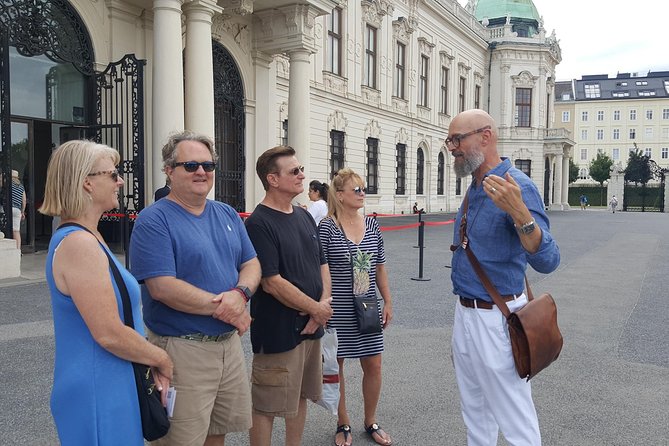
This is the part that shows up again and again in the experience: the guide quality can make Belvedere feel alive. Guides such as Stephen, Barbara, Seline, Regina, Ilsa, Stefan, Margit, Peter, Katarina, Alan, Susanna, Annelie, Suzanne, and Angelika are all described as connecting art to Austrian history, palace details, and the political and cultural climate of the era.
And it’s not just about knowing facts. The difference is in how the guide teaches you to look. You’ll usually get:
- a reason a detail matters in the palace design,
- what to notice in a painting beyond the obvious,
- and how one room’s mood ties into the bigger story.
One practical benefit of the small group format is the permission to ask questions. With fewer people, conversation doesn’t vanish the moment you enter the next gallery. If you’re the type who likes to hear why someone made a specific artistic choice—rather than only what the painting is—you’ll likely have a strong time.
Time, pacing, and photo breaks in a 2.5-hour visit
The tour is listed at about 2 hours 30 minutes, and that time tends to feel fast because the flow moves from outdoor grounds into indoor galleries. In some experiences, the day splits so the grounds get around 45 minutes first, then the museum takes more of the time inside. In others, it feels like a smoother two-part rhythm with plenty of shifting between the palace setting and the galleries.
The key is that you won’t be left to wander alone for the full visit. Even with a museum that’s big, the guide helps you focus on “high-yield” rooms first. One strong tip from the experience: take the photo time when your guide offers it, because you’ll often spend less time later trying to figure out the right spot.
Bring patience for the museum scale. Belvedere is not a small gallery loop, and it would be easy to skim. The guided approach reduces decision fatigue. Instead of guessing what matters most, you’ll get a planned path through the highlights, especially the Klimt works.


Tickets, timing, and the most common snag to avoid
Here’s the big practical point: admission is not included. You’re paying for the guide time and the structured visit, and you’ll still need your own museum/palace entry tickets. The good news is that the guide can help you purchase tickets at the beginning of the walk.
To make this smooth, arrive a few minutes early and keep an eye on the timing when the group begins walking. The museum is large enough that “we’ll figure it out later” can quickly turn into a rushed feeling when the group moves.
Also, don’t forget that Belvedere is a real working place with a real number of visitors. If you’re the type who likes to linger in front of paintings, you may want to plan a short follow-up visit on your own day afterward, once you’ve seen the guided highlights.
Price and value: is $181.02 worth it?
At $181.02 per person, this isn’t the cheapest way to see Belvedere. The value comes from what you’re actually buying: a professional art historian guide plus time that’s structured to explain what you’re looking at, not just where to walk.
If you’re the kind of visitor who enjoys museum facts, context, and art history connections, the price can feel fair because it saves you from spending most of your time figuring things out solo. Multiple guides in the experience are praised for explaining how individual paintings fit the bigger story of the palace and Vienna.
If you’re not planning to spend much time inside galleries anyway, or you prefer to self-tour with your own app and notes, you might find it better to buy admission and go on your own. In that case, the $181.02 is paying for coaching you may not need.
A simple way I’d decide: if you want the story behind Klimt and the palace design linked together, book the tour. If you only want a quick hit of famous artworks and photos, skip the guided part and self-tour.
Who should book this Belvedere tour
This is a great fit if you want:
- A guided introduction to Vienna’s art and power-era history through Belvedere,
- a focused look at Klimt’s golden period highlights like The Kiss and Judith,
- and a small-group setup where questions are welcome.
It also works well for couples and small groups since the experience is designed for more personal pacing. One experience notes that group size can be especially pleasant when it stays very small, which makes it easier to slow down when something grabs your attention.
If you’re highly focused on art theory or a deep academic approach, the museum content can still be satisfying, but the tour is time-limited. You’ll get key highlights and strong interpretation; you won’t be in the building for the kind of long, independent study session where you can read every wall label.
Final call: should you book this Belvedere Palace and Museum tour?
Yes, if you want Belvedere to make sense as you walk through it. The tour’s best strength is the way the guide connects the estate’s purpose under Prince Eugene of Savoy to the building’s Baroque feel and then to the painting highlights inside—especially Klimt.
I’d skip it only if you’re set on self-guided museum time and you’re comfortable building the context yourself. Since the admission fee isn’t included, you’ll be paying extra either way, so make sure the guided explanation is what you’re looking for—not just the location.
FAQ
How long is the Belvedere Palace and Museum tour?
It runs for about 2 hours 30 minutes (approx.).
Is the museum entrance ticket included in the price?
No. Museum entrance ticket fees are not included, so you’ll need to buy them separately.
What is included in the tour price?
The tour includes a professional art historian guide.
How big is the group?
It’s a small-group experience with a maximum of 6 people per tour, and the activity has a maximum of 8 travelers.
What language is the tour offered in, and do I get a mobile ticket?
The tour is offered in English, and you receive a mobile ticket.
Where do I meet, and where does the tour end?
Meet at Belvedere Palace (1030 Vienna, Austria). The tour ends back at the meeting point.
What is the cancellation policy?
Free cancellation is available up to 24 hours in advance for a full refund. If you cancel less than 24 hours before the start time, the amount you paid will not be refunded.