REVIEW · SEOUL
Seoul City Half Day Tour-Gyeongbok Palace Guard Changing Ceremony
Book on Viator →Operated by VIP TRAVEL Co.Ltd · Bookable on Viator
Royal ceremonies and temple calm, in three hours. Changing of the Guard at Gyeongbokgung plus presidential-era stops makes this morning tour a fast way to understand Seoul’s contrasts.
I especially liked two things: the way the guide gives clear context (people like Kelly, Ray, and Emily are often praised for timing and explanations), and the quiet beauty of Jogyesa Temple, where you start with a tree-lined calm before you head into palaces and ceremonies.
One thing to consider: the final stop at a ginseng/amethyst shop can feel sales-heavy for some travelers, so go in with your expectations set.
In This Review
- Key highlights worth the time
- A short morning that actually helps you plan Seoul
- Hotel pickup and coach timing: less stress, more daylight
- Jogyesa Temple: start with calm, pagoda views, and a slower pace
- Cheongwadae Sarangchae and the Blue House area: context without a long detour
- Gyeongbokgung Palace and the Guard ceremony at Gwanghwamun Gate
- If you’re here on a Tuesday
- National Folk Museum of Korea: short visit, strong context
- The ginseng or amethyst stop: decide your attitude before you arrive
- Price and logistics: who gets the most value?
- What to do to make the ceremony part really work for you
- The guides are part of the product
- Should you book this half-day Seoul City Tour?
- FAQ
- How long is the Seoul City Half Day Tour?
- Is hotel pickup included?
- What’s included in the price?
- Are any admission tickets included?
- Does the tour include the Changing of the Guard ceremony?
- Is lunch included?
- What happens on Tuesdays when Gyeongbokgung Palace is closed?
- Will I be able to see the Blue House?
- How big is the group?
- What is the cancellation policy?
Key highlights worth the time
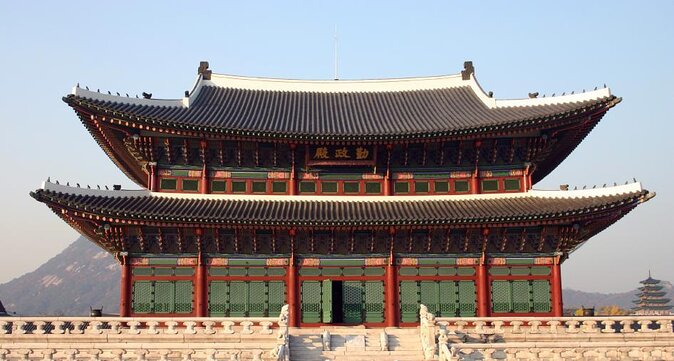
- Gyeongbokgung Guard ceremony at Gwanghwamun Gate with help finding a good viewing spot
- Jogyesa Temple first, so your morning starts serene instead of rushed
- Cheongwadae Sarangchae exhibits give you quick context on presidents and UNESCO sites
- National Folk Museum of Korea adds culture between the palace moments
- A shopping stop comes after the sights, so decide your budget before you arrive
A short morning that actually helps you plan Seoul
This tour is built for people with limited time who still want the important “anchor points” of central Seoul. You’re on a coach most of the morning, which means less time navigating and more time seeing.
The route works because it moves through three different moods of the city. You begin with temple calm, shift into the political-cultural world around Cheongwadae, and end with the big royal spectacle at Gyeongbokgung. It’s a good pattern if you want to get your bearings fast before you start roaming on your own.
At $38 per person, it’s not the cheapest way to see a palace and a temple, but it is strong value for what you get: a guided circuit, included palace timing, and a couple of museum/cultural stops that would otherwise take planning. Add in the pickup option, and you’re paying for convenience plus structure.
You can also read our reviews of more tours and experiences in Seoul.

Hotel pickup and coach timing: less stress, more daylight
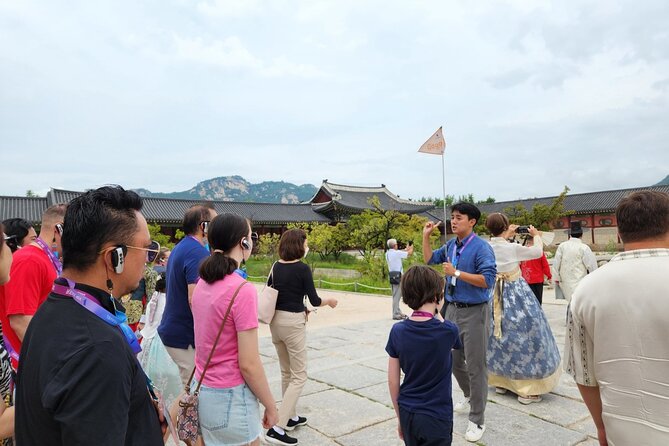
A morning starts with pickup from your Seoul hotel area. That alone can save you from the usual early-day scramble of finding the right train line, buying tickets, and then trying to arrive on time for a ceremony.
Once you’re on the coach, you get a steady flow of stops without long gaps. The total duration is about 3 hours, so you’re not stuck all day away from your own plans. Many people like finishing near City Hall or Itaewon, because it leaves room for lunch and an afternoon wander on your own terms.
Group size stays moderate, with a maximum of 40 travelers. In practice, that usually means the guide can keep things moving, and you can ask questions without the whole group getting lost.
One practical note: even with coach transport, you’ll still do outdoor walking at temples and palace grounds. Wear shoes you can stand in for a while, and plan for Seoul’s weather swings.
Jogyesa Temple: start with calm, pagoda views, and a slower pace
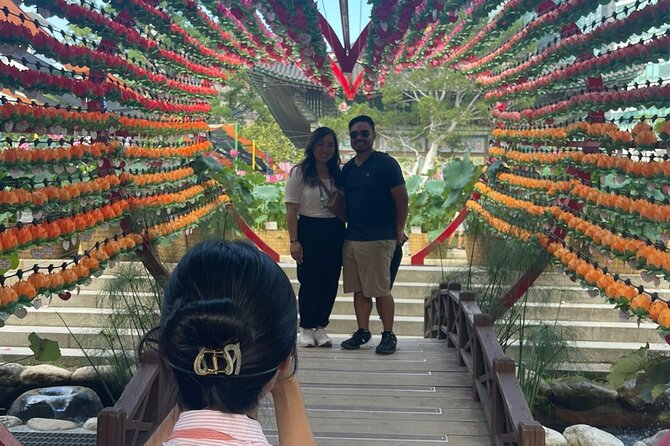
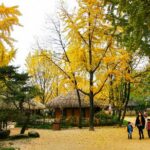
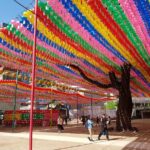
Jogyesa Temple is a smart first stop because it acts like a reset button. You enter through a tree-lined approach that feels calmer than the surrounding downtown streets, and the experience is visually satisfying right away.
Inside, you’ll see the temple’s multi-level presence, including a seven-story pagoda. Then you get to view an important Buddha statue in the main temple structure. Even if you don’t know Korean Buddhist history, the space gives you an easy entry point to understand why Jogyesa is considered one of the key Buddhist landmarks in Korea.
This is also a stop where a good guide can make a difference. When guides like Kelly or Emily are on the route, the storytelling tends to stay practical—what you’re looking at, why it matters, and how it connects to the rest of the day.
Time-wise, you’re there for about 40 minutes and you can use that window to slow down. If you want photos, aim for earlier rather than later, since mid-morning foot traffic can pick up.
Cheongwadae Sarangchae and the Blue House area: context without a long detour
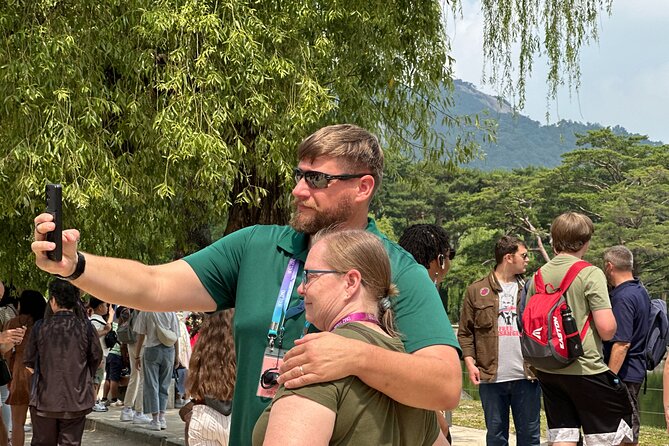
After the temple, the tour turns toward Cheongwadae Sarangchae, an exhibition hall focused on Korean presidents, Korean cultural traditions, and UNESCO World Heritage topics connected to Korea. This stop is valuable because it gives you quick background you can use immediately while you’re sightseeing.
Then you continue by coach to the Blue House (Cheongwadae) area. Even if you’re not spending a long time inside buildings there, the pass-by/drive-by component matters because it places the palace and the political story in the same mental map.
What I like about this segment is that it doesn’t require museum stamina. It’s more like a guided primer, then you move on while the information is still fresh.
Gyeongbokgung Palace and the Guard ceremony at Gwanghwamun Gate
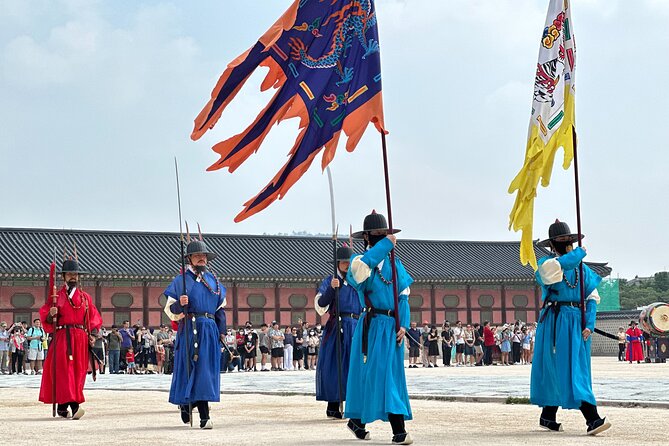
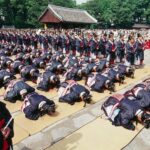
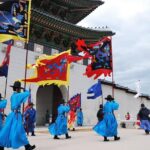
This is the headline event, and the timing is the point. You arrive for the Changing of the Guard ceremony in front of Gwanghwamun Gate, where you can watch the choreographed routine.
The big advantage of going on a tour isn’t just knowing where to stand—it’s having a plan for it. Many guides on this route are praised for placement and photo strategy, with some successfully getting groups to the front rows for a clearer view of the choreography. If you care about photos, ask your guide where the best spot is and listen for their advice on lining up your shots before the ceremony starts.
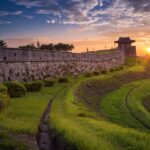
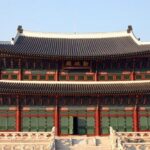
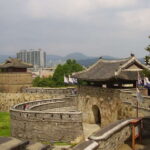
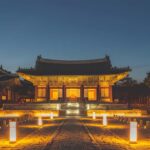
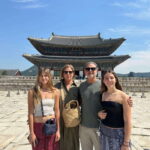
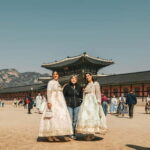
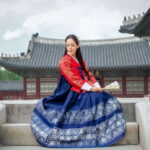
Gyeongbokgung is the Joseon Dynasty’s primary royal residence, and it’s widely regarded as the largest of the Five Grand Palaces. You’ll see the palace compound and walk the areas the guide points out, which helps you avoid the feeling of being in a big complex with no sense of direction.
It’s about 1 hour on-site for this core palace segment, including the ceremony time. That’s enough to see the main features without eating your whole day.
If you’re here on a Tuesday
Gyeongbokgung is closed on Tuesdays, and the same goes for the National Folk Museum. On those days, the tour reroutes: it swaps in Deoksugung Palace (with the surrounding grounds that include the Seoul Museum of Art), and it replaces the museum time with Changdeok Palace and Bukchon Hanok Village instead. If your dates fall on Tuesday, it’s worth checking what alternative route you’ll get so the swap doesn’t surprise you.
National Folk Museum of Korea: short visit, strong context
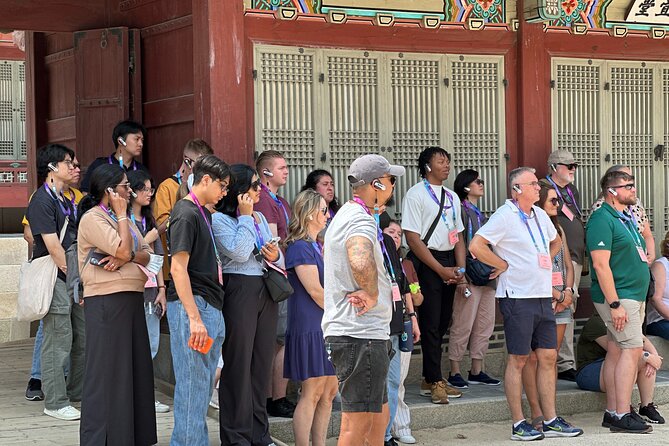
After the palace action, the tour includes a stop at the National Folk Museum of Korea for about 30 minutes. This museum’s story is part of the appeal. It was first established as the Korean Imperial Museum in 1908, and it has been renamed and relocated over time.
What makes it useful on a half-day tour is that it adds cultural grounding without extending your schedule. You’re not expected to become a museum expert; you’re just getting a better sense of everyday life and heritage themes that connect back to what you saw at the palace.
Admission here is included, so you’re not juggling ticket lines or extra costs during the timed flow of the morning. Use this stop for quick highlights and then save your deeper museum time for later, if you’re the type who wants to go back.
The ginseng or amethyst stop: decide your attitude before you arrive
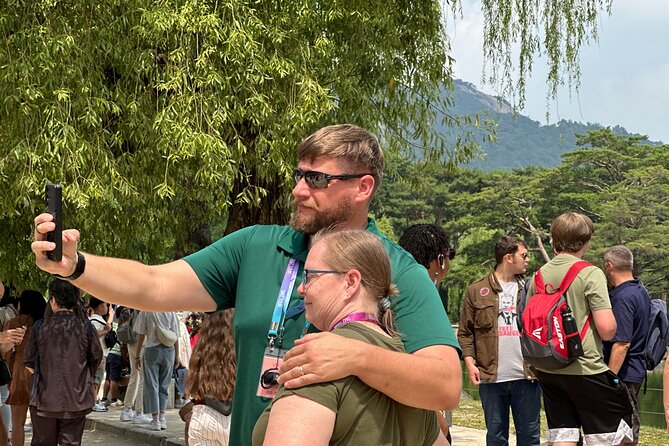
This is the one part where expectations can vary. The tour ends its sight sequence with a visit to a ginseng center (and shopping). You get a short introduction and then time to browse.
Some people love this as a cultural look at Korean products and they end up buying. Others find it closer to a sales push than a museum stop, with extra time spent in a shop-like setting. If you want to avoid frustration, set a simple rule for yourself before you walk in: browse only, or buy only if something fits your taste and budget.
Also, remember that it happens after the main sights. So if you’re only here for the palace and ceremony, you’ll still get your biggest value early. You can treat the shop portion as a break and a chance to pick up small souvenirs, not as a must-buy experience.
Price and logistics: who gets the most value?
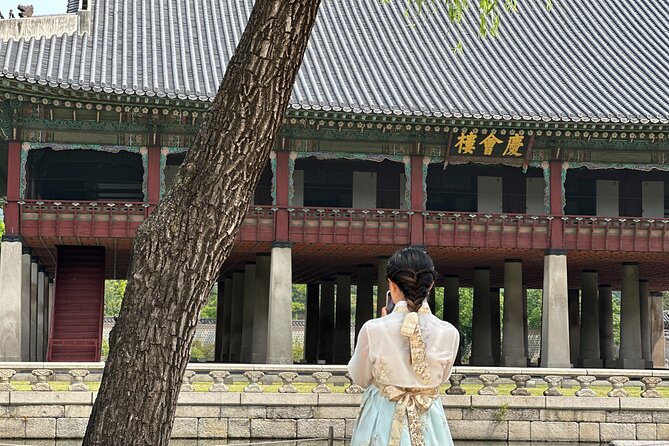
Let’s talk value in plain terms. For $38, you’re paying for three practical things: the guided flow, included admissions for the palace ceremony and the museum, and pickup/transport help.
If you’re trying to replicate this day on your own, you’d still need to:
- figure out transit between scattered sites,
- time the ceremony correctly,
- and pay for palace/museum entries.
This tour bundles those moving parts into a single plan. It’s especially worth it if you’re new to Seoul or you want to avoid early mistakes.
On the other hand, if you hate any shopping stop or you prefer totally free time with no guided timing, you might find the structure limiting. The ginseng/amethyst stop is the main friction point, and it can affect how people feel about the day overall.
What to do to make the ceremony part really work for you
The ceremony can be visually stunning, but it also rewards preparation. Here are a few smart moves based on how guides tend to manage the viewing.
First, arrive with layers and good comfort. In winter or snow days, it can get bitter quickly, and even in milder seasons, the palace grounds mean you’re exposed.
Second, be ready for standing time. Some guides are great at positioning groups for the best sightlines, but you still want to be able to stand comfortably for the routine.
Third, bring a simple photo plan. Ask your guide where to stand and whether there’s a better angle for pictures. Several guides on this route are praised for pointing people toward the best views, which helps you avoid ending up behind taller people or off-angle.
The guides are part of the product
This is one of those tours where the guide makes or breaks the experience. Across the many guide names attached to this route, you’ll see a consistent pattern: people appreciate guides who answer questions clearly and keep the day organized.
Names that come up often include Kelly, Ray, Crystal, Emily, Lynn, Yuna, Hana, Gabby, Sunny, and Jenny. Even when people had different feelings about the shopping stop, the guide service is a recurring strength: they keep you moving, help with viewing, and explain the significance of what you’re seeing.
So when you book, read the guide language with the same seriousness you read a museum label. If you’re someone who likes history and context, pick a day and time when your guide is likely to keep the explanations flowing. If you just want the visuals, you’ll still get value from clear timing and guidance on where to stand for the ceremony.
Should you book this half-day Seoul City Tour?
Book it if you want a high-impact morning with minimal planning: Jogyesa to calm your mind, Cheongwadae exhibits to add context, and Gyeongbokgung for the Guard ceremony at Gwanghwamun Gate. It’s a smart start day, especially if you’re short on time and you’d rather spend energy sightseeing than figuring out routes.
Skip or rethink it if you strongly dislike sales-oriented shopping stops. The ginseng/amethyst stop is built into the flow, and it’s the main part that can feel unnecessary to some people.
My bottom-line take: if your priorities are the palace ceremony and a guided introduction to central Seoul, this is a solid use of a half day. Go in prepared for some outdoor standing, and treat the shopping stop as optional browsing rather than a requirement.
FAQ
How long is the Seoul City Half Day Tour?
The tour duration is about 3 hours.
Is hotel pickup included?
Yes. Pickup is offered from your hotel in Seoul, and the tour ends with drop-off at City Hall or Itaewon.
What’s included in the price?
The price includes a professional guide (English or Chinese), hotel pickup, and all taxes, fees, and handling charges.
Are any admission tickets included?
Yes. Admission for Gyeongbok Palace and the Changing of the Guard ceremony is included, and the National Folk Museum of Korea admission is also included. Jogyesa Temple admission is listed as free.
Does the tour include the Changing of the Guard ceremony?
Yes. You’ll witness the Changing of the Guard ceremony at Gwanghwamun Gate in connection with Gyeongbokgung Palace.
Is lunch included?
No. Lunch is not included.
What happens on Tuesdays when Gyeongbokgung Palace is closed?
On Tuesdays, Gyeongbokgung Palace is closed, so the tour replaces it with Deoksugung Palace. The National Folk Museum of Korea is also closed, so the tour includes Changdeok Palace and Bukchon Hanok Village instead.
Will I be able to see the Blue House?
The tour includes visiting the Cheongwadae Sarangchae exhibition hall and then continuing by coach to the Blue House (Cheongwadae).
How big is the group?
The tour has a maximum of 40 travelers.
What is the cancellation policy?
You can cancel for free up to 24 hours in advance for a full refund. If you cancel less than 24 hours before the start time, the amount paid is not refunded.