REVIEW · BUDAPEST
German guided tour through Budapest’s castle district
Book on GetYourGuide →Operated by Gábor Glasner · Bookable on GetYourGuide
A hillside walk with royal echoes. This German-guided route through Budapest’s Castle District strings together the big sights—Matthias Church and Fisherman’s Bastion—with clear street-level storytelling, and I really like the small/medium group feel that leaves time for questions. One thing to consider: you only see buildings from the outside, so if you want interiors, this is not your ticket.
I also love that the guide pacing keeps you moving without rushing. When you book, you’re guided by Gábor Glasner, and the common theme is confident German plus a lot of patient explanation (including history connections between stops). To top it off, you get a digital restaurant guide and Money Saver guide for after the walk.
Plan for cobblestones and a climb. You meet near the Vienna Gate area, right by the tower entrance, then spend about 2 hours walking between viewpoints, photo stops, and palace-exterior stretches with comfy-shoe needs.
In This Review
- Key highlights if you want the Castle District in one shot
- Why this Castle District tour feels efficient (and worth the $23)
- Meeting at the Vienna Gate: you start with the right orientation
- Mary Magdalene Tower: the quick photo-and-context start
- Ruszwurm stop: a pastry break that fits the history theme
- Matthias Church: the medieval Buda highlight from the best angle
- Fisherman’s Bastion: viewpoint time that actually makes sense
- Buda Castle Caves and the Royal District feel
- Sándor Palace and the castle funicular: practical clues for self-exploring later
- Finishing at Mátyás-kút: a clean end point instead of a wander
- What you should expect: outside viewing only (and why that can be a plus)
- Group size and the guide factor: where the tour shines
- Logistics you’ll feel on your feet: cobblestones, photos, and timing
- Price and value check: what $23 buys you in the real world
- Who this tour suits best (and who might want something else)
- Should you book this Budapest Castle District tour?
- FAQ
- How long is the Budapest Castle District walking tour?
- What language is the tour in?
- Where do I meet the guide?
- What sights will I see?
- Are entrance fees included?
- Is the tour only outside sightseeing?
- What should I bring?
- Is the tour suitable for wheelchair users?
- Can I cancel for free?
Key highlights if you want the Castle District in one shot
- Meeting at the Vienna Gate area so you get oriented fast before you start climbing
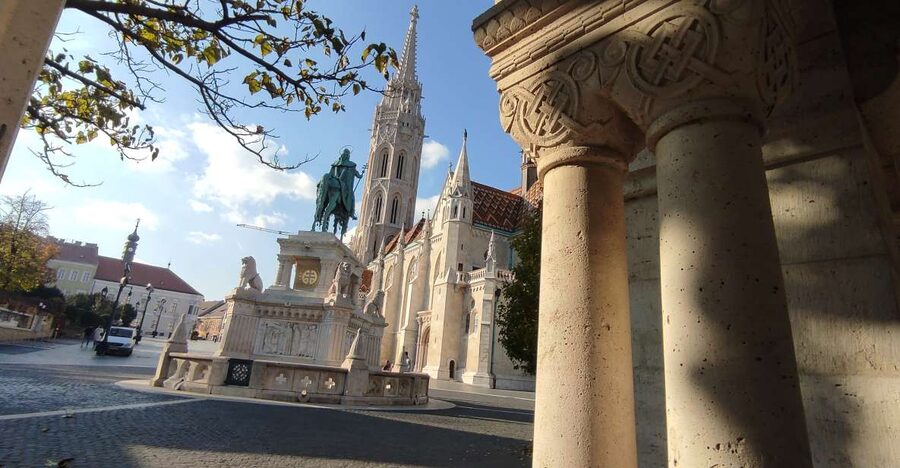
- Matthias Church and Fisherman’s Bastion with photo stops built into the route
- Old Café Ruszwurm (one of Europe’s oldest pastry shops) as a fun detour stop
- Buda Castle exterior viewpoints including the Royal Stables and Royal Castle area
- Sándor Palace and Matthias-kút finish to give your walk a natural end point
- Outside-only sightseeing that keeps the tour efficient and low-stress
Why this Castle District tour feels efficient (and worth the $23)
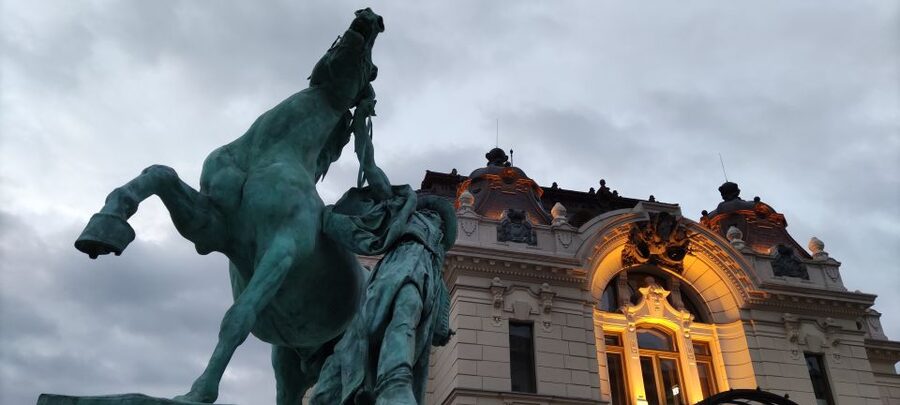
Budapest’s Castle District can be a lot. Streets curve, viewpoints overlap, and it’s easy to wander from one postcard angle to the next with no sense of what you’re actually looking at. This tour solves that with a tight route and a guide who connects the dots as you walk.
At $23 per person for 2 hours, the value is mostly about what’s included: a live German-language guide, small/medium-sized groups, and the fact that you’re not paying extra for building entries (since you don’t go inside). That makes it a practical way to see the “greatest hits” without budgeting for separate tickets.
If you’re trying to maximize limited time—maybe you only have a morning or a single afternoon in Buda—this format works. You get a guided flow to key landmarks, plus street-level context you can remember when you later explore on your own.
You can also read our reviews of more tours and experiences in Budapest.


Meeting at the Vienna Gate: you start with the right orientation
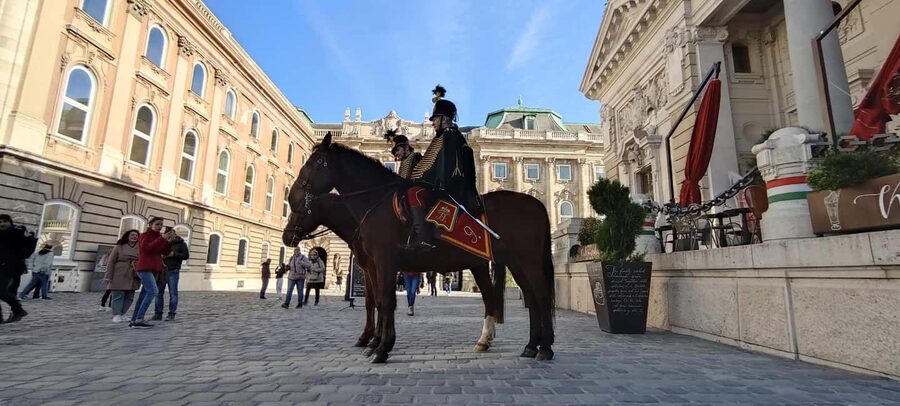
You meet your guide near the Vienna Gate, right by the entrance of Mária Magdolna Torony. That’s smart. Vienna Gate sits near the center of Castle District movement, so you don’t spend the first part of the tour asking where everything is.
The first stretch is short, just enough to get into the rhythm: walk, look, stop for a photo, and learn what each landmark “means” in the bigger story of the district. If you’ve ever tried to self-tour here, you know the advantage: the guide helps you read the area while you’re still near the start.
You’ll also learn what to expect right up front: the stops are mostly outside viewing. So you can keep your schedule simple and your energy steady.
Mary Magdalene Tower: the quick photo-and-context start
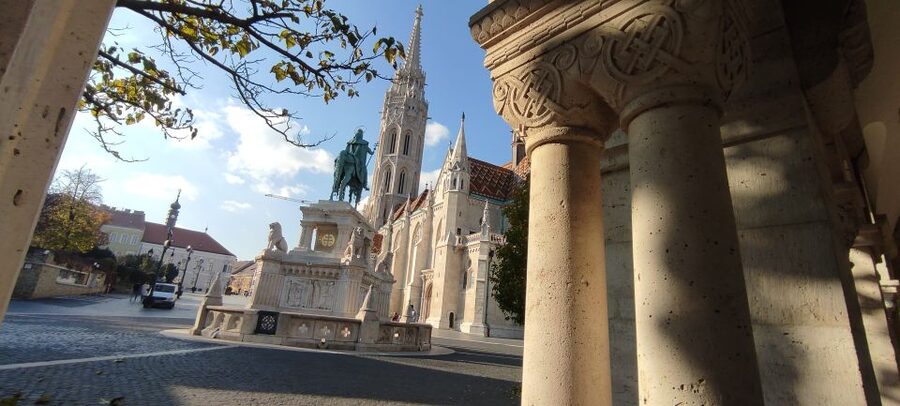
The tour begins with a stop at Mary Magdalene Tower (Mária Magdolna Torony). It’s your first real “anchor” point. You’re not just grabbing a picture; you’re getting the guide’s orientation talk that helps the rest of the walk make sense.
Why this works: in Castle District, lots of buildings look related—stone, towers, old-town angles. A strong first reference makes the later sights feel less random. You’ll know what you’re aiming for when the tour swings toward Matthias Church and Fisherman’s Bastion.
And since the route is compact, you don’t feel like you’re waiting to start enjoying yourself. It’s a quick start, then momentum.
Ruszwurm stop: a pastry break that fits the history theme
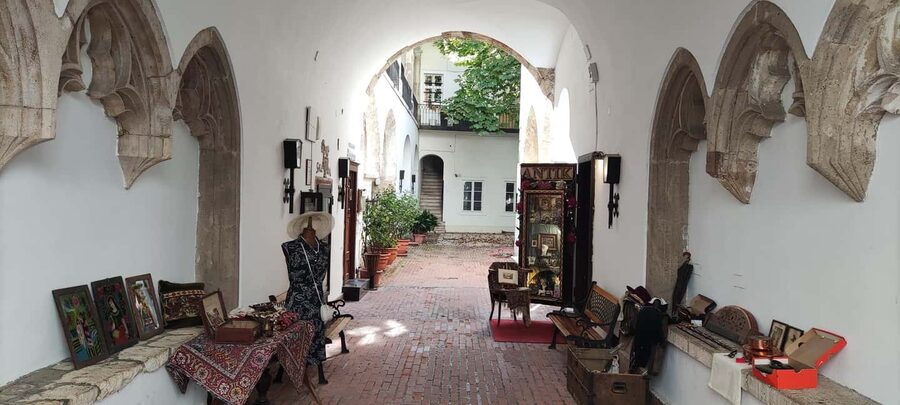
Then you’ll hit Ruszwurm Confectionery—a stop built into the walk, with a bit of guided storytelling and a look around. You don’t need to treat it as a full meal break, but it’s a nice way to slow down for a moment.
This stop adds something practical and human. You’re not only seeing ceremonial buildings and viewpoints; you’re also seeing a piece of everyday culture tied to the district. Even if you just plan to buy something small, the timing helps. It keeps the walk from feeling like a nonstop sprint of architecture.
One good strategy: if you want a snack later after the tour, you can use the Ruszwurm stop as your cue for what you might want next in the area. The tour also includes a digital restaurant guide, so your next step after the walk is already in your pocket.
Matthias Church: the medieval Buda highlight from the best angle

Next comes Matthias Church, with a photo stop and guided explanation. This is one of the major “face” sights of the district, and the key detail for your expectations is that it’s described as the second largest church of medieval Buda.
When you’re standing here, you’ll understand why it’s such a frequent stop: it gives the tour a clear medieval anchor. The guide’s explanations help you connect the church to the surrounding story, so it doesn’t feel like just another big building.
Tip for your photos: since you’re viewing from outside only, you’ll want to pay attention to where the guide positions you during the photo stop. Castle District angles matter. This tour is structured to give you usable sight lines, not random ones.






Fisherman’s Bastion: viewpoint time that actually makes sense
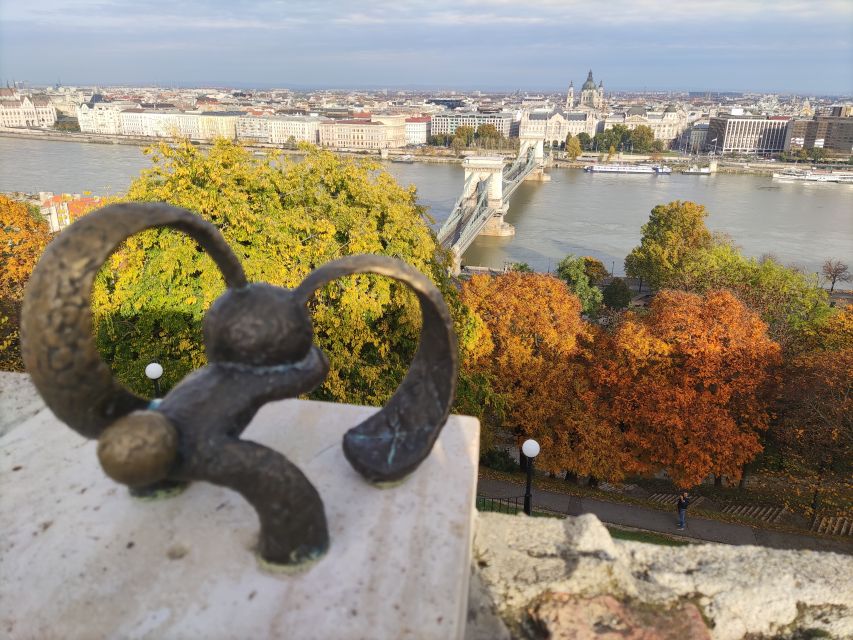
After Matthias Church, you’ll move to the Fisherman’s Bastion for another photo stop and guided walk-by context. It’s the kind of place where people often linger because the view is impressive, and you can easily get stuck in picture mode.
The benefit here is that the stop is guided. You get a quick, coherent explanation while you’re there. That turns the experience from I took a photo to I understand what I’m seeing from this exact spot.
Also, because the tour is outside-only, the structure helps you keep expectations realistic. You’re not waiting around for an entry process. You’re using the time for viewpoints and then continuing.
Buda Castle Caves and the Royal District feel
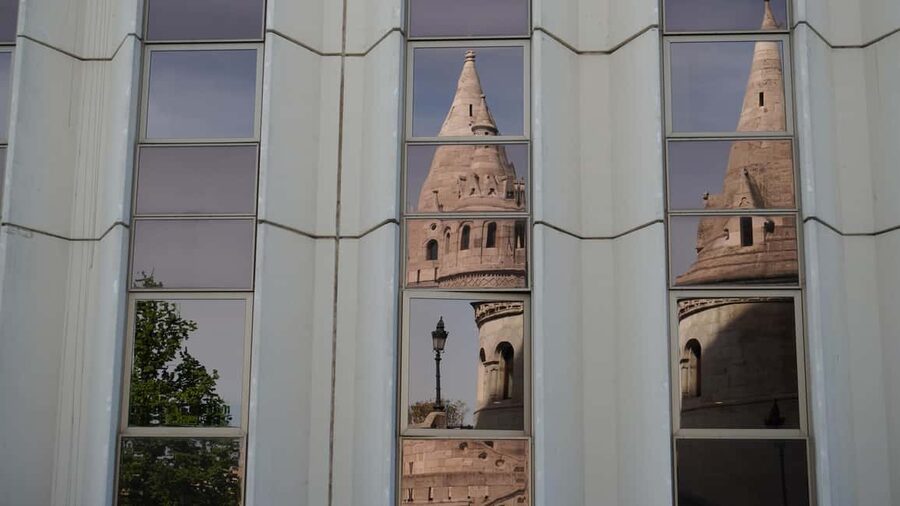
One of the more distinctive stops is Buda Castle Caves. Even though you’re not entering (the tour focuses on outside viewing), the stop is still there for a reason: it gives the route variety beyond just churches and palaces.
Then the walk pushes deeper into the former royal district atmosphere—where buildings start to feel more official and administrative. You’ll hear about how parts of Buda Castle once housed government offices and ministries, and you’ll see the Royal Stables and the Royal Castle area from the outside.
This part of the tour is valuable for two reasons:
- It balances “pretty viewpoints” with “what this district was for.”
- It helps you recognize the difference between tourist-sight buildings and the political-power spaces the district once supported.
If you like history that you can point to while you stand there, this section delivers.
Sándor Palace and the castle funicular: practical clues for self-exploring later

You’ll also stop at Sándor Palace (Sándor-palota). Expect a photo stop and guided explanation as part of the walk between major sights. This helps you keep the district organized in your head: you’re not just chasing towers; you’re moving through a coherent royal-and-power corridor.
Then there’s a stop for the Budapest Castle Hill Funicular, where you’ll get a look (again, outside viewing). Even if you don’t ride it during this tour, the funicular glimpse is useful because it tells you how people move through the hill without walking the whole way.
If your next plan includes flexible sightseeing, knowing where the funicular is helps. You can save time later by planning whether you’ll walk up again, or use the funicular to connect parts of the hill.
Finishing at Mátyás-kút: a clean end point instead of a wander
The tour ends at Mátyás-kút. Having a clear finish matters more than you might think. Castle District routes can get messy if you’re not sure where you’ll land afterward.
Ending at a defined spot means you can plan your next step: another viewpoint, a meal, or a return toward the city. It’s a tour that respects your time, not one that fades into open-ended wandering.
What you should expect: outside viewing only (and why that can be a plus)
A key “know before you go” point: sights are viewed only from the outside. The tour does not go inside buildings, and there are no entrance fees included because of that.
That can be a drawback if your goal is interior rooms, chapels, or museum-style time. But it can also be a plus, especially in a district like this where:
- the views are the main experience,
- the streets are the fun part,
- and you likely don’t want to lose time to ticket lines.
So you should treat this tour like an architecture-and-meaning walk. You’ll learn what you’re seeing from the street, then you decide later if you want to add any inside visits on a separate trip.
Group size and the guide factor: where the tour shines
One of the most praised parts of this experience is the guide’s style. The name that shows up most is Gábor Glasner, and the consistent message is that he speaks excellent German and gives thorough explanations without making the walk feel stiff.
You’ll also benefit from the fact that the tour runs in small/medium-sized groups. That makes it easier to hear the guide and keep your place on cobblestones. In practice, this kind of group size often means you’re not stuck behind the loudest person in the group. You get to focus.
And if you care about clarity, this matters. Castle District has lots of similar-looking stone buildings. A guide who explains the connections makes the whole hillside feel less confusing.
Logistics you’ll feel on your feet: cobblestones, photos, and timing
This is a walking tour. Bring comfortable shoes. The district includes cobble-stone streets, and the route involves multiple short walks between photo stops.
The itinerary pacing is built to keep attention from dropping:
- short walk segments,
- frequent photo opportunities,
- and short guided comments at each anchor sight.
It also helps that the tour is about 2 hours. That’s long enough to cover the major sights you came for, but short enough that fatigue usually stays manageable—assuming your shoes are good and you don’t plan to sprint between stops.
If you’re visiting in cold weather or rain, I’d still go, but I’d dress for grip and wind. Stone streets and stairs near viewpoints can feel slick.
Price and value check: what $23 buys you in the real world
Let’s translate the price into something practical. For $23, you get:
- a live German-language guide,
- outside-only sightseeing of major landmarks,
- a route that connects multiple top sights in one flow,
- and digital extras: a Budapest Restaurant guide and a Budapest Money Saver & Guide.
You’re not paying for building entries, because you’re not entering. So your spending stays predictable. That’s a strong deal if you’re planning a tight budget or you want to spend money on food later rather than tickets.
If you already speak Hungarian/English and you’re fine reading a self-guided app, you could DIY this. But if German is your language and you’d rather walk with someone who organizes the sights for you, $23 for a guided 2-hour loop is a fair exchange.
Who this tour suits best (and who might want something else)
This German guided walking tour through the Castle District fits best if you:
- want a structured route through the major sights,
- prefer outside views and photo stops over museum time,
- and like history explained in a way you can see while you stand there.
It’s also a good choice if you want to add restaurant and money-saving ideas after the tour. The digital guides are meant for that next step.
It’s not suitable for wheelchair users, and the cobblestones and hill movement are a factor to take seriously.
If you’re hoping for an English or multi-language tour, this one is German only, so you’ll need to be comfortable with that.
Should you book this Budapest Castle District tour?
Book it if you want the Castle District’s main sights—Matthias Church, Fisherman’s Bastion, Ruszwurm, Buda Castle exteriors, Sándor Palace—in one coherent walking experience with a guide who explains as you go. It’s also a smart booking if you’d rather spend time standing at viewpoints than sorting out tickets or interior entry plans.
Skip it if your top priority is going inside specific buildings. This tour is designed for street-level viewing and history context from the outside, so you’d need a different plan for interior experiences. And if you need wheelchair access, this won’t work.
If you’re in town for a short visit and want a clean, organized way to understand what you’re seeing on Castle Hill, this is an easy “yes.”
FAQ
How long is the Budapest Castle District walking tour?
The tour lasts 2 hours.
What language is the tour in?
The tour is guided in German.
Where do I meet the guide?
Meet your guide at the entrance of the tower (Mária Magdolna Torony) in the Castle District area.
What sights will I see?
You’ll pass by or stop for photos at major landmarks including Mary Magdalene Tower, Matthias Church, Fisherman’s Bastion, Ruszwurm Confectionery, Sándor Palace, Buda Castle, plus viewpoints connected to the Castle Hill Funicular and Buda Castle Caves.
Are entrance fees included?
No. Entrance fees are not included because the tour does not go inside buildings.
Is the tour only outside sightseeing?
Yes. The tour focuses on seeing the sights from the outside.
What should I bring?
Wear comfortable shoes, since it’s a walking tour with cobblestone streets.
Is the tour suitable for wheelchair users?
No. It is not suitable for wheelchair users.
Can I cancel for free?
Yes. There is free cancellation up to 24 hours in advance for a full refund.