Castle Hill rewards your legs fast. This guided walk stacks Danube views with royal-detail stops around the Buda Castle District, and the best part is the people leading it—guides like Sou, Bayler, Nacho, Ignacio, and Sophie keep the stories sharp and fun. I like the mix of big-name sights (Matthias Church and Fisherman’s Bastion) plus smaller moments you’d skip alone, and you get local recommendations to steer your next meal and museum choices. The only real drawback: it’s a hilly route with lots of stairs, so you’ll want comfortable shoes and a realistic pace.
In about 2 hours, you’ll hit the postcard spots, pause for photos, and still have time to wander your own way at the end near Buda Castle’s museums. The tour is in English, runs with a max group size of 10, and uses a mobile ticket—simple and efficient for a day already crammed with sightseeing.
In This Review
- Key highlights before you go
- Why this Buda Castle walk feels different from a typical “see everything”
- Price and value: $3.63 doesn’t mean “cheap experience”
- Matthias Church: Gothic Revival drama from the outside
- Fisherman’s Bastion: the views that make the climb worth it
- Trinity Square, Holy Trinity Column, and the pause you’ll remember
- Ruszwurm Confectionery: how to do dessert like a local
- András Hadik statue: the “touch the horse” tradition
- From residential streets to Hospital in the Rock (you pass by, not enter)
- “Buda Castle labyrinth” energy: a lesser-studied corner of the hill
- Sandor Palace: you’re watching a presidential story from the sidewalk
- Karmelita Monastery: from religious house to political office
- Buda Hill Funicular: a short ride with big view payoff
- Királyi Lovarda and Matthias Fountain: the royal details you can’t fake
- Buda Castle complex: your last stop, your next choices
- What guides do best here (and why it matters)
- Practical tips so you enjoy the 2 hours (instead of suffering through them)
- Should you book this Buda Castle Tour?
- FAQ
- How long is the Buda Castle Tour?
- What does the tour cost?
- Is the tour offered in English?
- Is admission included for all stops?
- Where do we meet and where does the tour end?
- Do I need a printed ticket?
- What size is the group?
- Do we enter Hospital in the Rock?
- Are tips included in the price?
Key highlights before you go
- Small group energy (max 10): easier questions, more attention, and less time waiting.
- Photo-friendly pacing: Matthias Church and Fisherman’s Bastion are time-boxed so you can actually enjoy them, not rush through.
- Food stop with a local legend: Ruszwurm Confectionery, known for Hungarian classics like Dobos torta and krémes.
- Castle District viewpoints + funicular: you get sweeping city views and a historic ride from the Chain Bridge side up to the hill.
- Quirky history you remember: the András Hadik statue touch for good luck, plus stories tied to the plague monument.
Why this Buda Castle walk feels different from a typical “see everything”
Most Castle Hill tours do two things: they hurry you past details, or they turn into a long museum day. This one balances the best parts—street-level history, scenic stops, and a few “you might not find this on your own” moments—without turning into a slog.
The route starts at Szentháromság tér (1014) and ends at Buda Castle near Szent György tér, by the National Gallery entrance. That matters because it sets you up for whatever you want next: an extra museum visit, a long coffee, or just more time soaking up the views from the palace area.
Also, the guide staffing is a big deal here. People tend to rave about guides who are quick-witted and good at keeping everyone involved, like Sou and Bayler. If you enjoy hearing why something was built, who lived there, and what people believed, you’ll get your money’s worth in the way the information is delivered.
You can also read our reviews of more tours and experiences in Budapest.


Price and value: $3.63 doesn’t mean “cheap experience”
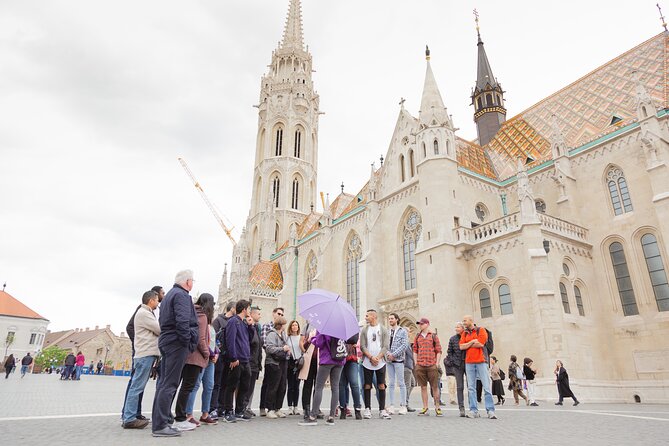
At $3.63 per person, the main value isn’t fancy extras—it’s what’s included versus what you’d pay or plan separately on your own. You get professional guides and an experienced management team, plus tailored recommendations for restaurants, bars, and museums.
That last part is quietly huge. Castle District days can spiral: you show up at the wrong time, eat something overpriced, and then waste energy guessing where to go next. A good guide can help you choose a practical sequence, especially if you’re trying to fit Buda Castle, Danube views, and dessert into one morning or afternoon.
One more value clue: many stops are listed as admission free (including Fisherman’s Bastion, Trinity Square points, Ruszwurm, several monuments, and the castle complex area). The tour doesn’t promise that every landmark is ticket-free for you personally, but it does keep most moments accessible.
Matthias Church: Gothic Revival drama from the outside
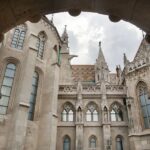
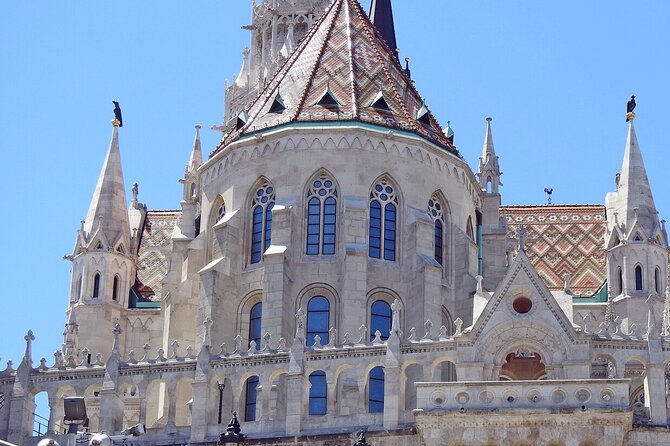
You begin with Matthias Church, a Gothic Revival icon in the Castle District. You’ll spend about 15 minutes here and it’s mainly exterior/photo time, with admission not included for this stop.
Why it’s worth doing even without going inside: the church’s tiled roof is a Budapest signature. Up close, the roof details and spires give you instant orientation. It also helps you understand the neighborhood—this is the kind of building that makes the whole hill feel ceremonial, not just historical.
If you’re the type who likes to read a building like a book, this is a good opener. The guide typically frames the royal and artistic context so your later stops at Fisherman’s Bastion and King Matthias points make more sense.
Fisherman’s Bastion: the views that make the climb worth it
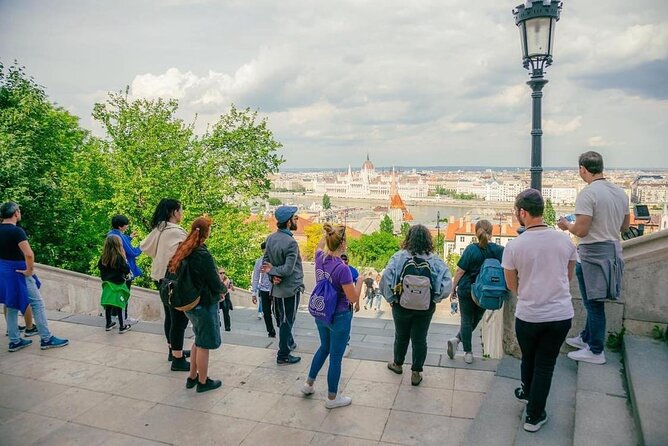
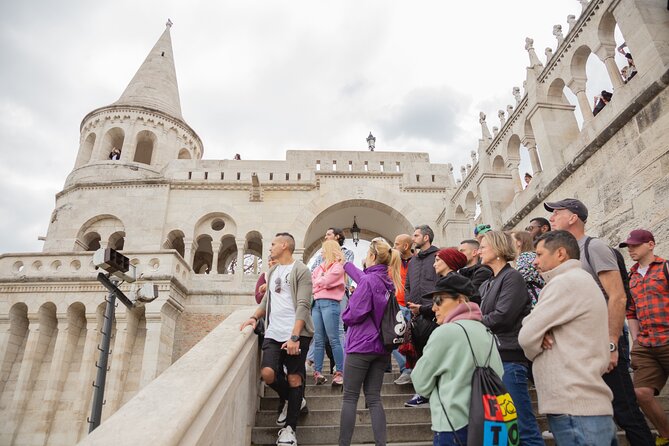
Next is Fisherman’s Bastion—about 15 minutes, admission free, and built for panoramas. This is the fairy-tale terrace where you’ll see the Danube and the city skyline from a “postcard angle” that’s hard to replicate on your own.
What I like about this stop is the design message. The neo-Gothic and neo-Romanesque arches and turrets aren’t just decoration—they create walkable sightlines. Even if the photos feel repetitive, the experience changes as you move a few steps, because the angles shift.
This is also where the pace becomes real. Reviews mention big crowds and summer heat affecting some people, and you’ll feel that here because you’re at an exposed viewpoint. Bring water, take your photos early, and then enjoy the slower look without treating it like a race.
Trinity Square, Holy Trinity Column, and the pause you’ll remember
You’ll then head to Holy Trinity Column in Trinity Square for about 5 minutes, admission free. It’s a tall, carved monument tied to the end of the 18th-century plague—so you’re not just looking at pretty stone. You’re looking at a public moment of relief and remembrance.
In a castle day full of kings and palaces, this sort of civic monument can be a breath of perspective. It reminds you that history here isn’t only royal pageantry. It’s also public health, grief, and gratitude made permanent in stone.
You’ll also pass the iconic building around Holy Trinity Square, keeping the street-scene momentum without turning the tour into a long detour.





Ruszwurm Confectionery: how to do dessert like a local
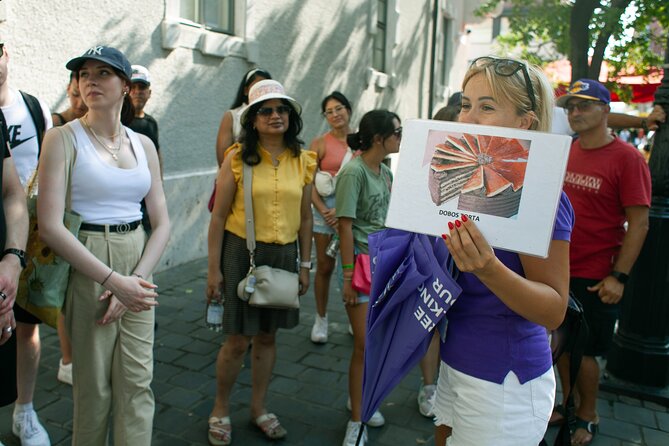
Ruszwurm Confectionery is one of those places that can make a sightseeing day feel human. You get about 10 minutes here, it’s admission free, and it’s been delighting people since 1827.
This isn’t a vague “grab a snack” stop. It’s a chance to try classic Hungarian sweets like Dobos torta and krémes in a setting that feels more traditional than touristy. Even if you don’t order cake, the stop gives you a reset—shade, a chair if you find one, and a sweet break that helps your legs on the uphill route.
Practical tip: since you only have around 10 minutes, plan fast. If you want a specific cake, decide before you sit down. If you’re flexible, ask what’s serving best that day (you’ll get quicker help).
András Hadik statue: the “touch the horse” tradition
A short stop follows at the Statue of Mounted András Hadik, about 5 minutes and admission free. It honors András Hadik, a legendary Hungarian soldier and Maria Theresa’s favorite general, and it comes with a superstition people still repeat.
The tradition is simple: touch the horse’s shiny bronze for good luck. The guide usually points out exactly where to touch and explains the quirky story behind it, which is part of why this moment works well on the walk. It’s not a big time commitment, but it gives you a playful “I was there” memory.
From residential streets to Hospital in the Rock (you pass by, not enter)
As you move along, you’ll reach Árpád Tóth Promenade (Setany), about 10 minutes. This is a more residential slice of the hill, which matters because it breaks up the “monuments only” feel. It also helps you see the castle district as a real place people live around—not just a museum outdoor gallery.
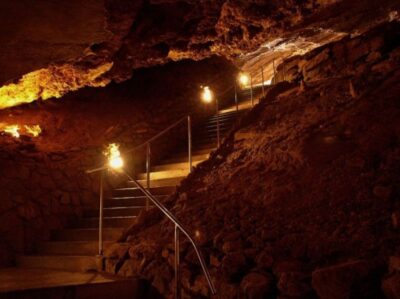
You’ll then be told the story of Hospital in the Rock. Important detail: you do not enter on this tour. You pass by as the guide explains what the site represents, and that’s enough to set context if you’re curious later.
If you’re the kind of traveler who likes to branch out, this is where you can decide: do you want to schedule a separate ticketed visit afterward, or keep it as background from the street-level story?
“Buda Castle labyrinth” energy: a lesser-studied corner of the hill
You’ll also go by a “labyrinth” hidden in the castle area for a quick stop. The point here isn’t a major ticketed attraction; it’s the feeling. These Castle District side spaces can look confusing if you’re walking without a plan, so having the guide point out how the area connects helps you avoid that “where do we go now?” moment.
Even if you don’t know what you’re looking at yet, the narrative helps you orient. When the route later opens into big spaces like Buda Castle itself, you’ll feel more grounded.
Sandor Palace: you’re watching a presidential story from the sidewalk
Next is Sandor Palace (about 5 minutes, admission free). You’ll learn it serves as the official residence of Hungary’s President, and it’s named after Count Sándor Móricz, known as the Devil’s Rider for his daring equestrian stunts.
Even from the outside, this stop is useful. It connects the castle district to modern governance, showing how spaces evolve while keeping a symbolic weight. If you like links between past and present, you’ll probably appreciate this one more than you expect.
Karmelita Monastery: from religious house to political office
At Karmelita Kolostor, about 10 minutes, admission free, you’ll get a quick transformation story. This Carmelite Monastery has shifted roles over time—monastery, later a theater and concert hall—and today it houses the Hungarian Prime Minister’s Office.
That arc is why this stop is more than “another beautiful building.” It shows how Budapest repurposes historic spaces rather than freezing them. The guide’s explanation is the difference between seeing walls and understanding the building’s job through time.
Buda Hill Funicular: a short ride with big view payoff
The Buda Hill Funicular is a highlight for many people because it’s efficient and atmospheric. It operates since 1870 and connects the Chain Bridge area to the Castle District, and you’ll likely use it as a practical way to keep the day moving up and around.
This ride gives you a change of perspective: rather than only looking “forward” at viewpoints, you get the moving panorama over Danube angles and city shapes. It also helps with the reality of Castle Hill: even fit travelers start to feel stairs around the same time the views start to peak.
Királyi Lovarda and Matthias Fountain: the royal details you can’t fake
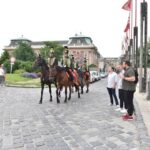
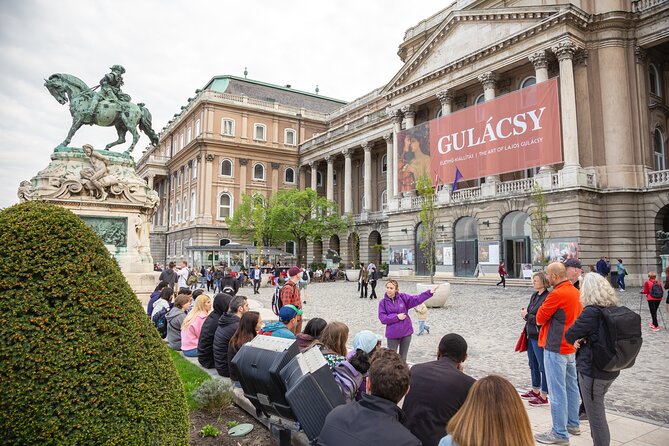
You’ll pause at Királyi Lovarda (Riding Hall) for about 5 minutes. This restored structure originally served as a royal equestrian facility. It’s a good stop when you want craftsmanship details without a long walk.
Then comes the Fountain of King Matthias, about 10 minutes, admission free. The Matthias Fountain is Baroque-style and dedicated to King Matthias Corvinus, with a central sculpture of the king on horseback. If you’ve already heard the stories at earlier stops, the statue and fountain become part of a larger “why this king mattered” theme rather than random decorative sightseeing.
Buda Castle complex: your last stop, your next choices
The final major area is Buda Castle, about 15 minutes, with admission listed as free for this segment. The palace complex houses museums including the Hungarian National Gallery, the Budapest History Museum, and the National Library.
Here’s how I’d use this time: treat it as a launch point. If museums are on your list, decide quickly and pick one direction. If you’re museum’d out, linger outside and take in the palace setting from the spot where your guide drops you near the National Gallery entrance.
This ending placement is practical. You can keep walking along the hill for views, or you can switch to a museum plan without losing time figuring out where you are.
What guides do best here (and why it matters)
The biggest praised aspect is the guides themselves—people consistently highlight how engaging and entertaining the storytelling is, with humor and clear explanations.
Sou and Bayler are noted for being invested in the group experience and delivering history in a way that feels like a conversation, not a lecture. Nacho and Ignacio are also praised for friendly, witty delivery that makes you feel like you’re being shown the city by someone who genuinely knows the place. Sophie is described as funny and engaging, with strong detail about Castle Hill.
That matters because Castle Hill can become overwhelming fast. When someone helps you separate what’s essential from what’s noise, your photos look better too—because you’ll know where to stand and what you’re looking at.
Practical tips so you enjoy the 2 hours (instead of suffering through them)
Castle Hill is hilly. Plan for stairs. Even if you’re in decent shape, the route can feel like a workout, especially with hot weather.
Bring:
- Comfortable shoes you can handle on uneven stone
- Water, because exposed viewpoints like Fisherman’s Bastion add up
- A camera you’re ready to use quickly, since exterior stops are time-boxed
If you tend to get heat-slow, this is the tour where you’ll feel it most. You might finish the whole route comfortably by moving at your own pace and using the pastry stop as a real break.
Lastly, if you’re museum-hopping in Budapest, keep this tour as your “orientation + highlights” day. It gives context, then helps you choose which indoor time is worth it.
Should you book this Buda Castle Tour?
Yes—if you want the Castle District’s top sights, but you also want clear stories and practical guidance without a full-day commitment. The combination of Matthias Church, Fisherman’s Bastion, Trinity Square monuments, Ruszwurm pastry, and a historic funicular ride makes the 2 hours feel efficiently packed.
I’d skip or adjust if you have limited stamina for hills and steps, because the route is not flat. And if you’re only interested in museum interiors, this is more of an outside-and-streets context tour, with Hospital in the Rock specifically explained while you pass by.
Overall, it’s a strong choice for first-time visitors who want views + readable history + local recommendations in a small English group.
FAQ
How long is the Buda Castle Tour?
It lasts about 2 hours.
What does the tour cost?
The price is $3.63 per person.
Is the tour offered in English?
Yes, it is offered in English.
Is admission included for all stops?
Matthias Church admission is not included. Other stops listed during the tour are admission free.
Where do we meet and where does the tour end?
The start is at Szentháromság tér, 1014 Hungary. The tour ends at Buda Castle near Szent György tér, 1014 Hungary, at the entrance of the National Gallery.
Do I need a printed ticket?
No. You’ll have a mobile ticket.
What size is the group?
The tour has a maximum of 10 travelers.
Do we enter Hospital in the Rock?
No. The guide tells the story as you pass by, and you do not enter during this tour.
Are tips included in the price?
No, tips are not included.