REVIEW · MARRAKESH
Marrakech: Bahia Palace, Madrassa & Souks Guided Tour
Book on GetYourGuide →Operated by Local guide to Morocco · Bookable on GetYourGuide
Marrakesh can feel like a maze with meaning. In four hours, this guided walk links Bahia Palace’s Andalusian-Moorish beauty, the souks around Jemaa el-Fna, and a stop at Medrassa Ben Youssef.
I especially like that the tour comes with a live guide who helps you understand what you’re seeing—history and culture, not just photos. I also like the mix: riad beauty at Bahia Palace, then zigzagging through artisan alleys for handmade products, with a practical stop at a Berber pharmacy to learn about herbs, spices, oils.
One possible drawback: entry tickets to Bahia Palace and the Medrassa aren’t included, so you’ll want to budget a bit extra, and the route involves plenty of walking through alleys.
In This Review
- Key Things I’d Focus On
- Bahia Palace: Riads and Moorish Detail You Can Actually Follow
- Medrassa Ben Youssef: When a Quranic School Stop Becomes a Real Lesson
- The Souks Around Jemaa el-Fna: Learning to Walk Without Getting Stuck
- Berber Pharmacy Stop: Herbs, Spices, and Oils With Real Context
- Meeting Point and 4 Hours of Walking: How to Make It Feel Easy
- Price and Ticket Strategy: The Value of a Guide at $18
- Who This Tour Suits Best in Marrakech
- Should You Book This Guided Tour or Skip It?
- FAQ
- How long is the Marrakech Bahia Palace, Medrassa & Souks guided tour?
- Where do I meet the guide?
- What’s included in the price?
- Are entry tickets included?
- Is there ticket-line help?
- Is the tour offered in English?
- What’s the cancellation policy?
Key Things I’d Focus On
- Bahia Palace with Andalusian-Moorish art explained clearly
- Medrassa Ben Youssef, framed as a Quranic school experience
- Souks walking done “with a purpose,” not just wandering
- Berber pharmacy stop for herbs, spices, and oils education
- Private-group pacing with guides reported as patient for slower mobility
Bahia Palace: Riads and Moorish Detail You Can Actually Follow

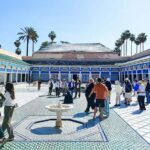
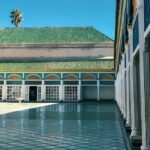
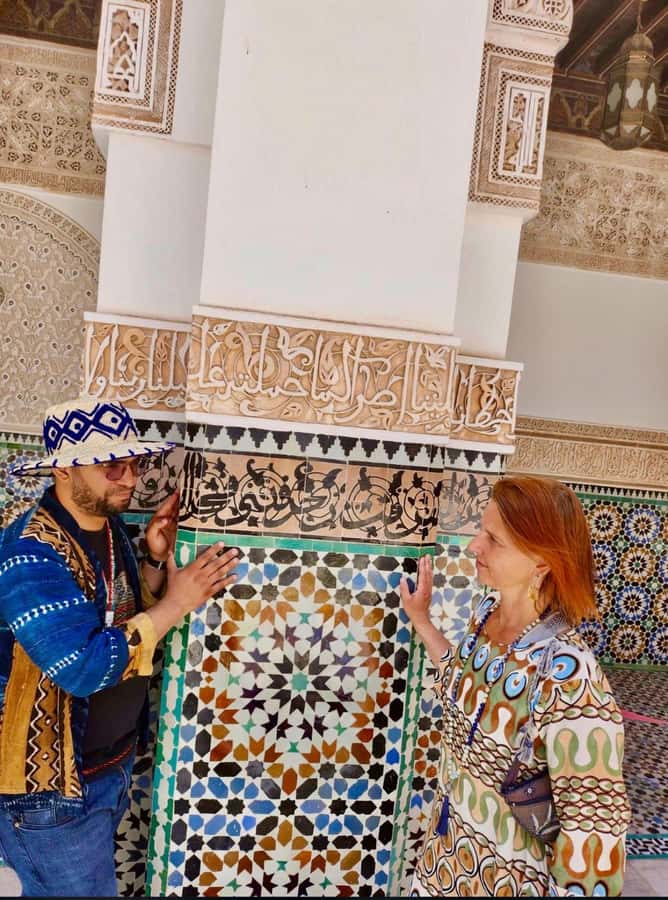
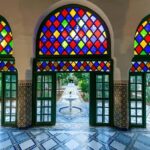
Bahia Palace is the kind of place where your eyes keep finding new patterns. The tour starts here, with the focus on Andalusian and Moorish art and those beautiful riad-style spaces, so it’s not just sightseeing—you get help connecting the design to the story of the place.
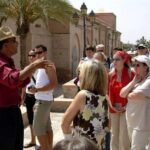
What I like most is how this stop is guided. You’ll spend time inside while your guide puts words to the details, so you’re not left guessing what you’re looking at. That matters in Morocco, where surfaces can be stunning but the meaning gets lost without context.
Also, starting at Bahia Palace early in the tour gives you a calmer mindset before the souks. You get a “wow” moment that feels like a reset. Then the day turns into streets, stalls, and conversation—exactly the contrast that makes Marrakesh feel like Marrakesh.
Tip for your experience: take a slow moment with your guide near key decorative areas, then ask one question you genuinely want answered. When you do that, the palace stop becomes memorable instead of a quick stop-and-go checklist.
You can also read our reviews of more tours and experiences in Marrakesh.
Medrassa Ben Youssef: When a Quranic School Stop Becomes a Real Lesson
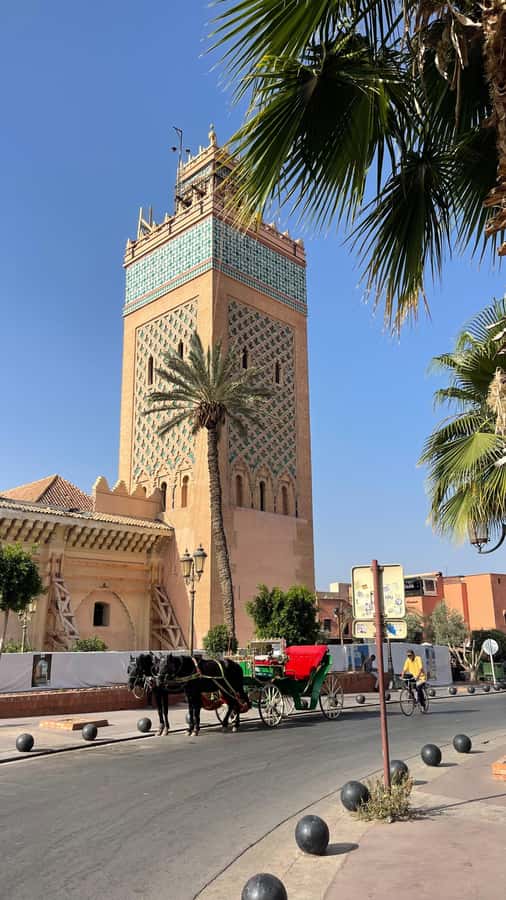
After Bahia Palace, you’ll keep moving on foot through the souks and alley streets. Next up is the Medrassa Ben Youssef, a Quranic school, and this portion is about more than location. It’s about understanding why the school mattered and what its presence meant in the city.
Because the tour is guided, you’re learning while you’re walking—one of the best ways to handle Marrakech’s busy layout. Instead of trying to figure out the city on your own, you’re following a route designed to connect the palace, the educational site, and the market world.
This is also where the tone of the tour shifts. You go from decorative palace art into a place tied to study and religious learning. It’s a strong pairing because both are connected by Moroccan craft, architecture choices, and cultural priorities—even if the purposes are different.
What to watch for: during the Medrassa stop, keep your questions focused. Ask how it functioned as a Quranic school and what you’re meant to notice. That keeps the visit meaningful without stretching the timing.
The Souks Around Jemaa el-Fna: Learning to Walk Without Getting Stuck
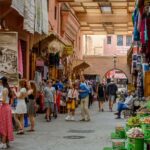
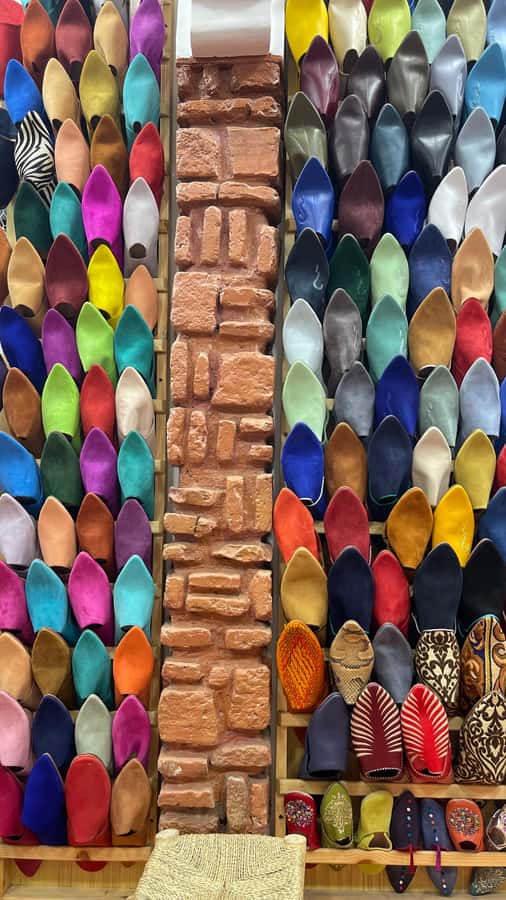
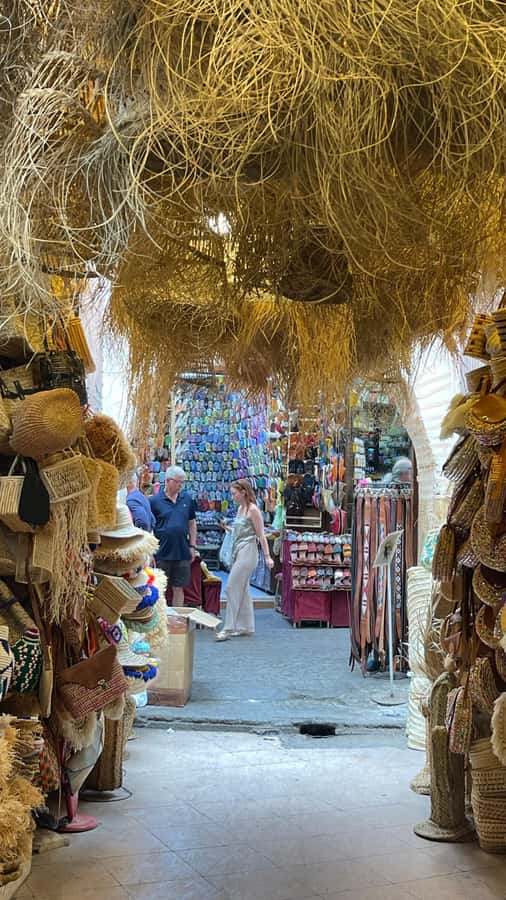
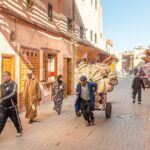
The heart of this tour is the walking through the souks and alleyways. You’ll zigzag through the market area to enjoy artisans and handmade products, and the guide helps you get around without feeling like you’re constantly negotiating your way out of a wrong turn.
I love this approach because it changes the souk from chaos into choreography. You still experience the energy—shopfronts, crafts, and the constant motion—but you’re not forced to figure it out blindly. With a guide, you know what you’re looking for, and you can slow down when something catches your eye.
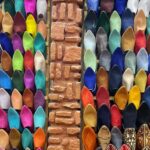
Souks are also where you’ll discover what you actually like. Some people want spices, some want leather goods, some want small art pieces. The route is built so you can browse during the walk rather than feeling like you only have a tiny window at the end.
Practical mindset: treat this part like a guided market stroll. You can enjoy it without buying anything. But if you do want to shop, you’ll be in better shape to ask smart questions because you’ve already learned what kinds of materials and products are made by local artisans.
And yes, the tour description even nudges you toward getting lost and having fun. That’s Marrakech. Your job is to do it with a plan—and a guide is the plan.
Berber Pharmacy Stop: Herbs, Spices, and Oils With Real Context
Before the tour wraps up, you’ll visit a Berber pharmacy. This isn’t just a sales stop on paper; it’s framed as a chance to learn about herbs, spices, and oils—and then potentially buy good quality products if something fits your needs.
This part is valuable because it’s practical knowledge. If you’ve ever wondered why Moroccans talk about specific oils for hair, skin, or cooking flavors, this is the moment where your questions make sense. You can connect what you see in the markets to something more grounded: ingredients, uses, and how they’re sold and prepared.
It’s also a good shopping reality check. In many cities, tourists grab whatever looks interesting. Here, you have at least some guidance on what’s in the bottles and what you’re paying for, which can save you from impulse buys that don’t do much after you get home.
If you’re buying: decide your goal before you walk in—cooking oils, skincare oils, spices for tagines, or herbal blends. Then ask what each item is best for. That keeps the stop efficient and helps you leave with something you’ll actually use.
Meeting Point and 4 Hours of Walking: How to Make It Feel Easy
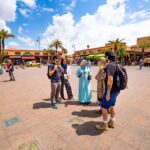
You meet outside Cafe de France in the main square of Jamaa el-Fna. That’s helpful because it anchors the tour in the center of the action, and it’s easier to find than a hidden side street.
The duration is 4 hours, and that’s long enough to feel like you did something real, but short enough that you’re not trapped all day. Still, it’s a walking route through palaces and alleyways—so plan your day around mobility and comfort.
One reason this tour earns high marks is that guides adjust to the group pace. Reviews specifically mention patience for reduced mobility, including guide support that helped someone go at a slower speed. Another review notes the small-group feel made it easier to keep up.
In other words: if you need a gentler pace, this doesn’t have to become stressful. Tell the guide early, and you’ll likely find the tour works better for you.
About movement between stops: at least some groups have used a tuk-tuk for part of the transfer. That can make the route feel less grindy, especially when you’re moving between major areas.

Price and Ticket Strategy: The Value of a Guide at $18
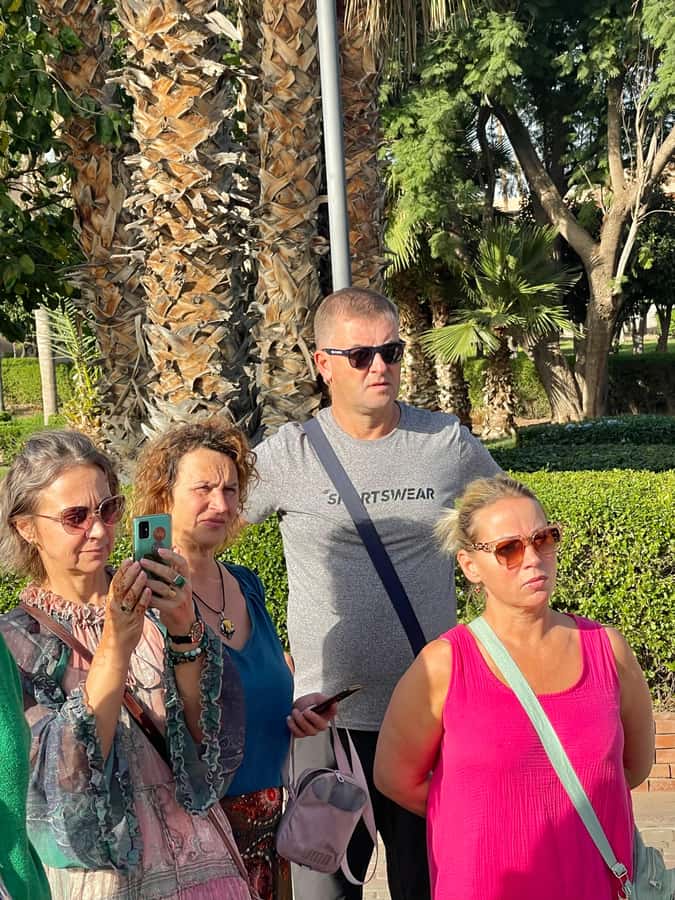
The tour price is $18 per person, with a live English guide included. That’s a fair price for four hours of guided time plus the structure of visiting Bahia Palace, Medrassa Ben Youssef, and the souks area together.
The key tradeoff: entry tickets to Bahia Palace and the Medrassa are not included. So you’re paying for guidance, route planning, and on-the-ground interpretation—not the museum/admission fees themselves.
The good news is that there is mention of skipping the ticket line. In a city like Marrakech, that small advantage can save time and reduce friction. You’ll still pay the entry fees, but you’re less likely to lose your flow to queues.
So how should you think about value? If you enjoy learning and you want the souks experience without getting totally turned around, the guide time is the main value. If you already know Marrakech well and plan to move independently, you might question whether a guide is worth it. But for most first-timers, it’s the difference between taking photos and understanding what you’re seeing.
Budget tip: set aside extra money for the two entry tickets so there are no surprises mid-tour.
Who This Tour Suits Best in Marrakech
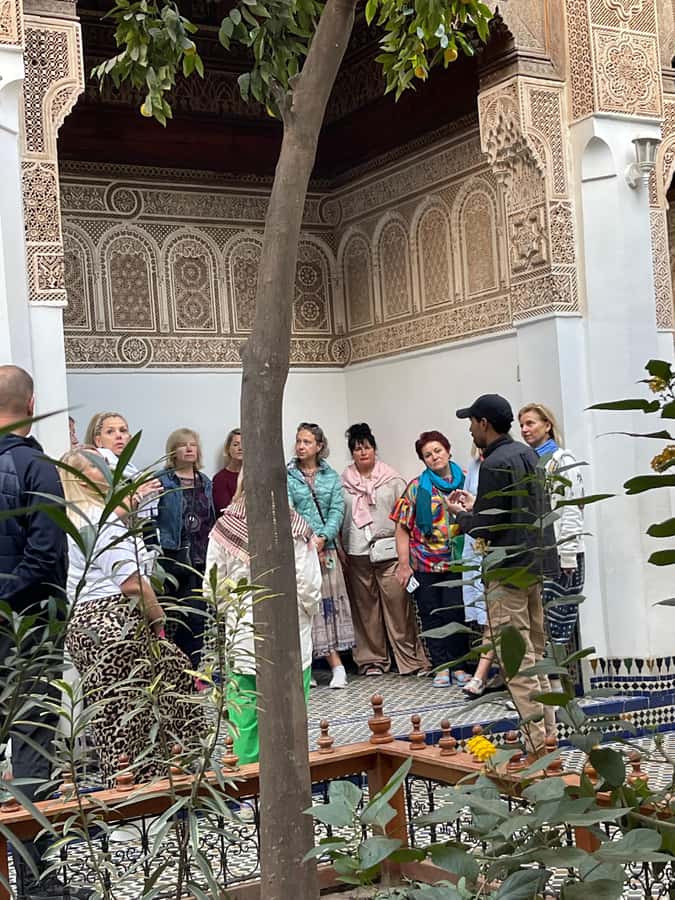
This tour fits best if you want a guided route through three very different parts of the city: palace, school site, and market streets. It’s also a good choice if you prefer a plan that prevents decision fatigue.
It’s especially worth considering if you:
- want a guide to explain Moroccan cultural context while you tour Bahia Palace
- enjoy browsing artisan shops but don’t want to wrestle your way through the souks alone
- want a stop that mixes sightseeing with a practical learning element at a Berber pharmacy
- have mobility concerns and benefit from a guide who can be patient and keep the pace flexible
It’s a private group setup, which tends to make the experience feel more personal. One review mentions a guide named Mohammad being professional and patient with mobility needs. Another mentions Salem as an enthusiastic guide who answered questions and adjusted the route so no time felt wasted. Another review mentions Younis taking an easy-going approach and matching the group pace.
You won’t necessarily get the same guide every time, but the consistent theme is real: the tour works when your guide focuses on your questions and your comfort level.
Should You Book This Guided Tour or Skip It?
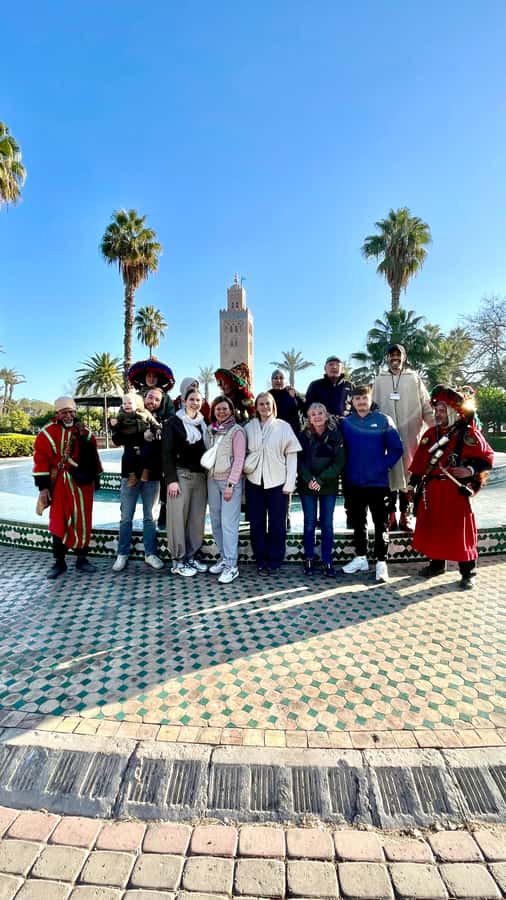
If you’re short on time and you want the “best-of” feeling without turning Marrakech into a grab-bag of random stops, I’d book it. Bahia Palace is your cultural anchor. Medrassa Ben Youssef adds another layer of meaning. Then the souks and Berber pharmacy stop give you a hands-on, everyday Marrakech experience.
Skip it only if you already know Marrakech well, you hate walking, or you strongly prefer to visit these sites entirely on your own schedule. Also, remember that entry tickets are extra. If you want a fully all-in price, this may not be the simplest option.
My bottom line: this tour is a solid value for the structure and interpretation you get. It helps you understand more than you would alone—and it keeps you moving through the city with less stress.
FAQ
How long is the Marrakech Bahia Palace, Medrassa & Souks guided tour?
It lasts 4 hours.
Where do I meet the guide?
You meet outside Cafe de France in the main square of Jamaa el-Fna.
What’s included in the price?
A live English guide is included.
Are entry tickets included?
No. Entry tickets for Bahia Palace and the Medrassa are not included.
Is there ticket-line help?
The tour information says you can skip the ticket line.
Is the tour offered in English?
Yes, the live tour guide is English.
What’s the cancellation policy?
You can cancel up to 24 hours in advance for a full refund.