REVIEW · MARRAKESH
Marrakech: Bahia Palace, Madrasa Bn Yousef, Souk Medina Tour
Book on GetYourGuide →Operated by VOYAGISTE MAROC - TRAVEL COMPANY · Bookable on GetYourGuide
Marrakech changes with the right route. You’ll move from Moorish landmarks to the Medina’s maze, with Bahia Palace and Ben Youssef Madrasa as the architectural anchors.
I especially like two parts. First, the skip-the-line entry saves time at the busy monuments. Second, the licensed local guide turns tiles, courtyards, and souks into a story you can actually follow.
One thing to plan for: entrance fees for Bahia Palace and Ben Youssef Madrasa aren’t included, so bring cash for tickets on the spot. Also, it’s a walking tour, with extra time inside the Medina’s alleys—comfortable shoes matter.
In This Review
- Key highlights worth your time
- Starting in the right place: Cafe Argana and quick orientation
- Koutoubia Mosque photo stop: the landmark that frames the day
- Bahia Palace walkthrough: courtyards, tiles, and royal-era scale
- Medina souks with free time: shopping without the chaos tax
- Ben Youssef Madrasa: a calm pocket made of detail
- Jemaa el-Fna at the end: street life, performance, and photos
- Price and value: what $20 actually buys you
- Pace, comfort, and what to bring (so the day feels easy)
- Who this tour fits best (and who should adjust expectations)
- Should you book this Bahia Palace and Medina tour?
- FAQ
- Where do I meet the guide?
- Are the entrance fees included?
- How long is the tour, and how much walking should I expect?
- What should I bring?
- What languages are available?
- Is skip-the-line entry included?
- Cancellation and changes: can I get a refund?
Key highlights worth your time
- Koutoubia Mosque skyline photo stop for perspective before the old-city walking starts
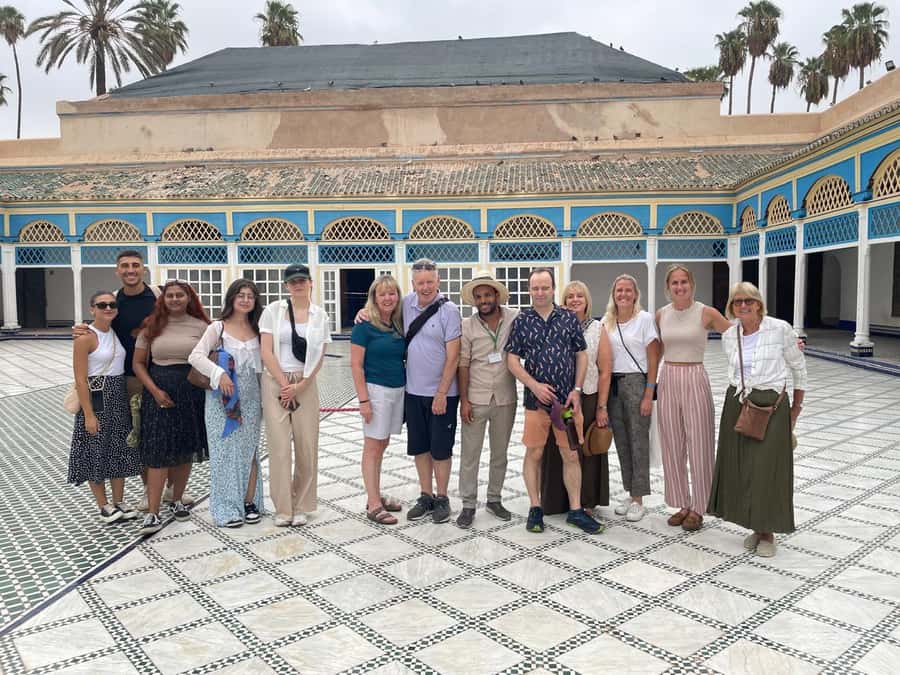
- Bahia Palace for ornate rooms plus gardens that make the architecture feel human, not just impressive
- Ben Youssef Madrasa for intricate tile and stucco details tied to its role as a Quranic school
- Medina souks with a local guide so shopping and navigating don’t turn into stress
- Jemaa el-Fna return for street performers, music, snake charmers, henna, and fortune readings
- Guides who manage pace and answer questions (some guides like Khalof, Ibrahim, Brahim, and Elhoussine keep things calm and organized)
Starting in the right place: Cafe Argana and quick orientation
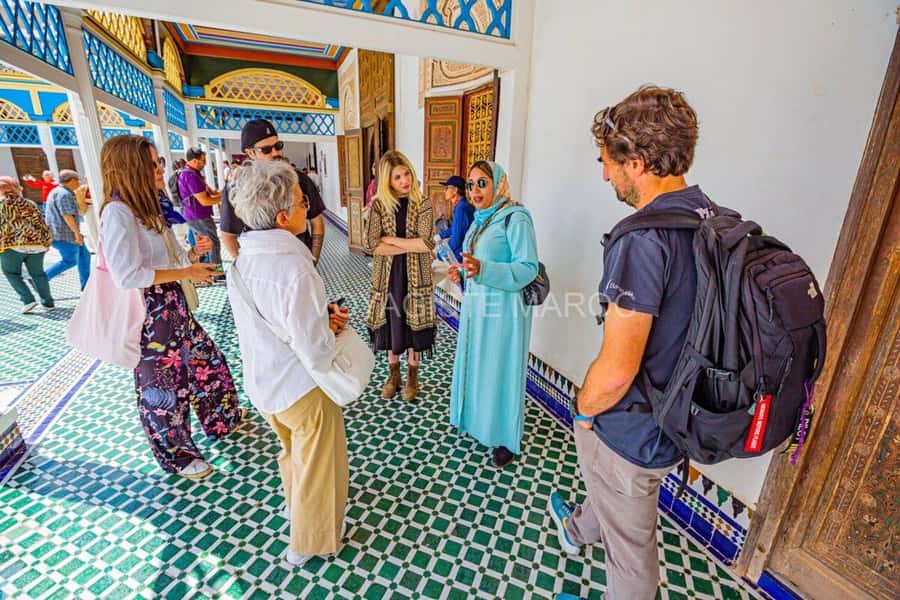
The day kicks off at Café Argana in Djemaa el-Fna. That matters, because Marrakech’s old city can feel like a living puzzle box, and the faster you get oriented, the more you enjoy it.
If you book the option with pickup, the guide may meet you at your riad inside the Medina. If you’re outside the Medina, you’ll still be routed to the Café Argana meeting point. Either way, you’ll get a WhatsApp message with the guide’s name and where to meet the day before.
Also, know this upfront: there can be a short delay—about 5 to 10 minutes—if someone arrives late. It’s usually not a drama, but it’s good to build in some patience.
You can also read our reviews of more tours and experiences in Marrakesh.
Koutoubia Mosque photo stop: the landmark that frames the day
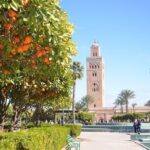
Before you plunge into the Medina, you get a 20-minute stop for photos and a guided look at the Koutoubia Mosque. Even though the main action is later, this is a smart warm-up.
Why? Koutoubia’s minaret has been guarding the city’s skyline for centuries, and it gives you a visual reference point. When you start walking afterward, you’ll recognize where you are in Marrakech’s larger geography, not just in one alley at a time.
It’s a short stop, but it sets a tone: this isn’t only about checking boxes. It’s about learning how the city is laid out and why certain monuments matter.
Bahia Palace walkthrough: courtyards, tiles, and royal-era scale
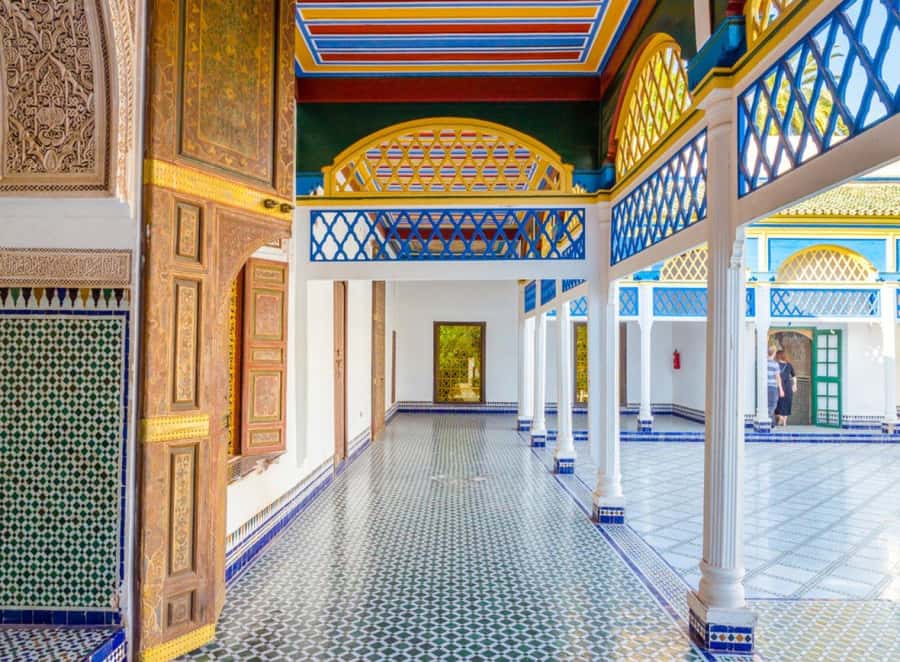
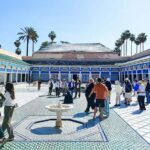
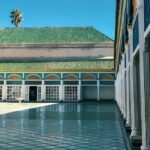
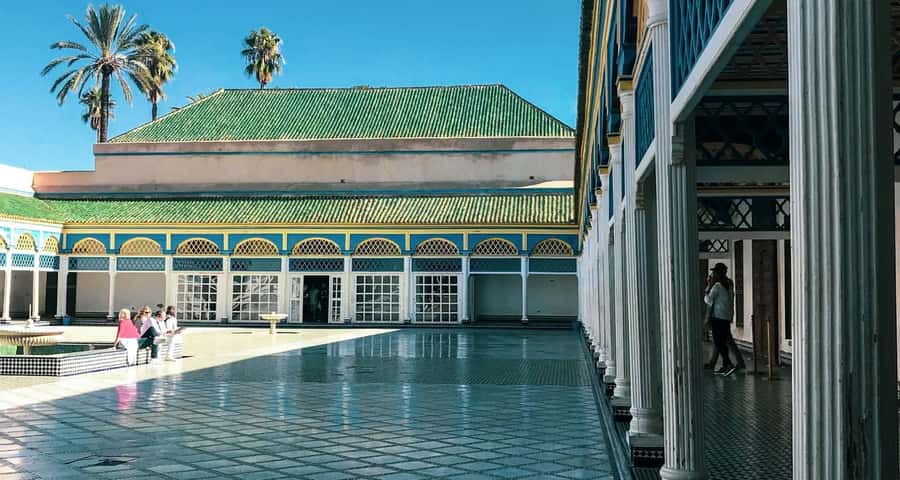
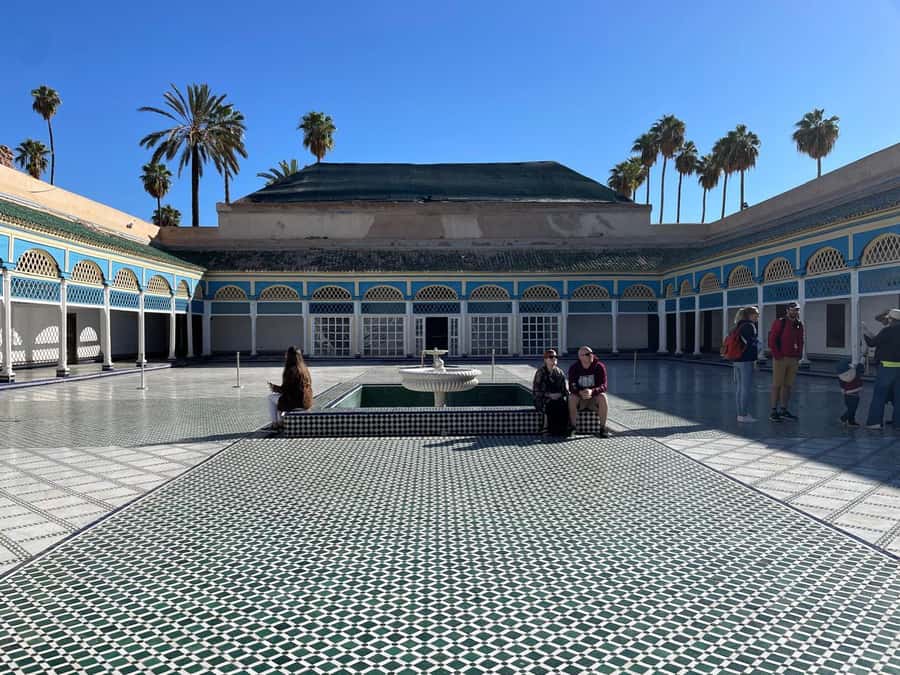
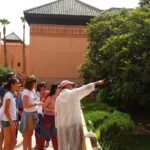
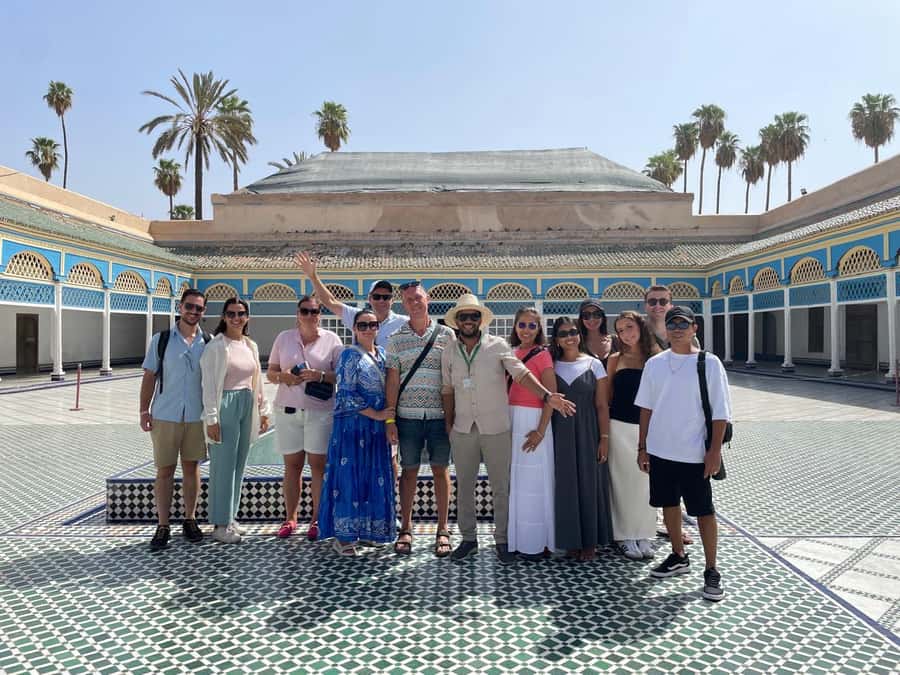
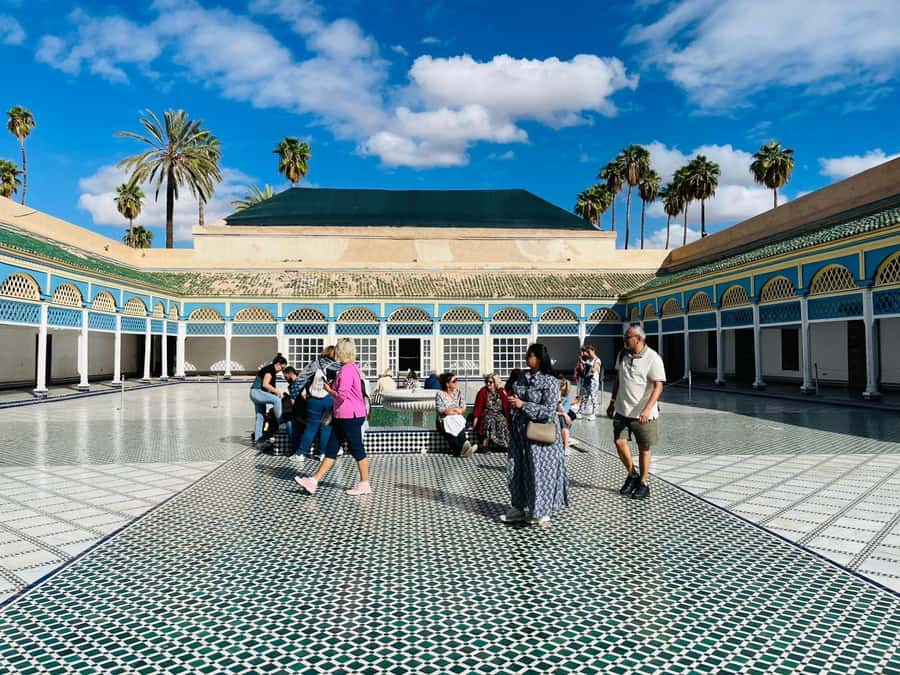
Bahia Palace is the first big “wow,” and it’s scheduled for about 1.5 hours. You’ll be guided through opulent rooms and out into the gardens, so you get both the architecture and the atmosphere.
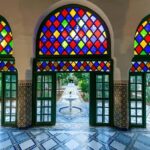
The highlights you’ll notice right away are the Moorish design details: colorful tilework, delicate carvings, and ornate ceilings. The palace doesn’t just look decorative—it feels intentional, like every corridor and courtyard is designed for movement, light, and power.
A practical note: some time inside Bahia Palace can feel long if you’re not into slow-paced rooms. If you prefer a faster visit, ask your guide to prioritize the most photo-friendly corners and the story behind the architecture as you go.
One more thing I really value with a guided visit: the guide helps you connect what you’re seeing to why it was built and how Moroccan royal life shaped the space. You’ll leave with a mental map, not just a camera roll.
Medina souks with free time: shopping without the chaos tax
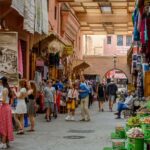
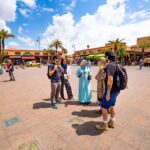
After Bahia Palace, you’ll head into the Medina for about an hour. You’ll get guided time plus some free time for shopping and sightseeing, starting around the main square area and moving through artisan zones.
This is where having a guide pays off. Without one, it’s easy to get pulled in circles—especially if you’re trying to browse textiles, ceramics, and other crafts while also staying oriented.
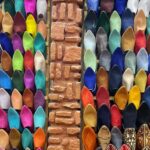
You’ll typically see how trade works in sections: different streets for different crafts, different shop styles, and different bargaining dynamics. Your guide can also help you steer toward places you’ll actually want to revisit, and away from the trap version of shopping where you spend energy negotiating instead of enjoying the city.
My best advice here is simple: set one goal for the Medina segment. Maybe you’re only hunting for a specific souvenir, or maybe you just want to learn what’s worth looking at. Either approach keeps the hour enjoyable instead of exhausting.
Ben Youssef Madrasa: a calm pocket made of detail
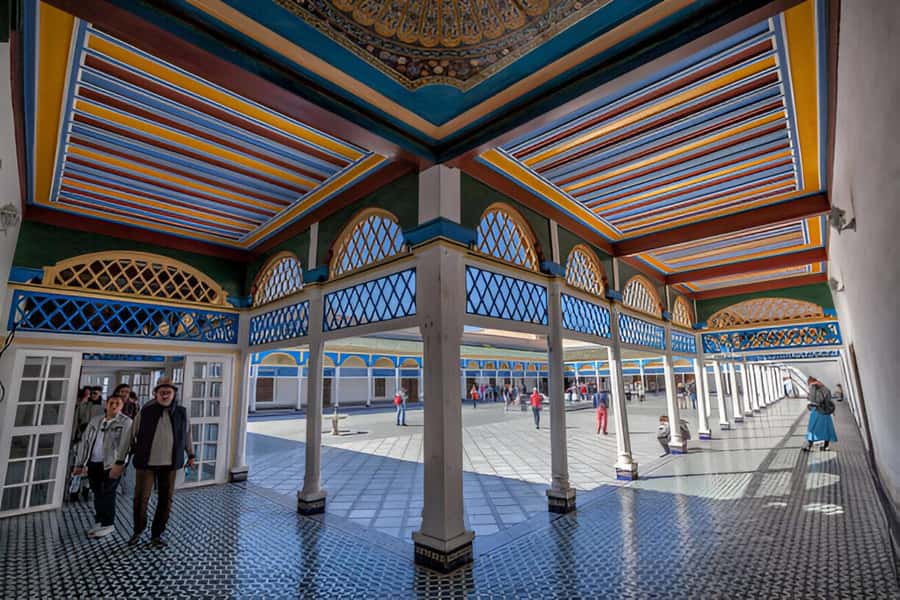
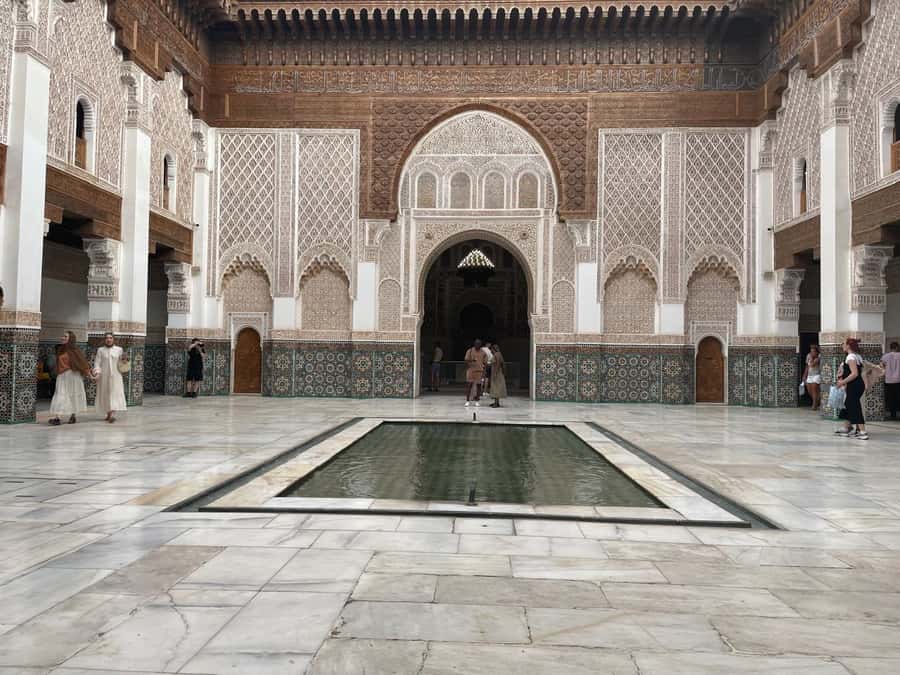
Ben Youssef Madrasa is the architectural highlight that feels quieter even when it’s crowded. You’ll get a break moment, photo opportunities, and a guided visit of about 40 minutes.
What you’re looking for is the Islamic artistry up close: intricate mosaics and careful stucco work that covers walls and surfaces in layered patterns. It’s not just pretty. It connects to the madrasa’s historic purpose as a Quranic school, including student chambers and communal areas.
The beauty here is also practical. You slow down naturally because the details demand attention—tiling, plasterwork, and the way light hits the geometry. A good guide helps you read the space instead of treating it like a room you walk through.
If you’re traveling with older family members or you’re sensitive to heat, this is a solid stop because it’s structured. The guide keeps you moving at a reasonable pace and usually gives you the right timing for photos and quick pauses.

Jemaa el-Fna at the end: street life, performance, and photos
When the tour loops back, you reach Jemaa el-Fna for about 20 minutes of guided sightseeing and walking. This is one of Marrakech’s big stage areas, and it’s built for people-watching.
You can expect performances and street characters such as storytellers, musicians, snake charmers, henna tattoo artists, and fortune readers. Even if you don’t plan to interact, it’s a strong final moment because it shows Marrakech as a living city, not only a museum.
I like that the tour leaves you time to experience it rather than treating the square like another quick stop. The energy can be intense, so if you want calmer photos, do your camera work early in the segment and then watch from a slightly more comfortable edge.
Price and value: what $20 actually buys you
At around $20 per person for a 4-hour guided walk, the value is mostly in three things: a licensed local guide, monument-time efficiency, and learning you can’t pick up by walking alone.
Entrance fees are extra. Bahia Palace is 100 MAD and Ben Youssef Madrasa is 50 MAD. So your total cost depends on how many ticketed sites you visit on the day (these two are built into the experience).
Still, skipping ticket lines can be a big deal in peak hours. Instead of burning your limited time waiting outside, you’re using your guided minutes inside, where you can ask questions and take photos with context.
The guide also helps you navigate the Medina efficiently. That’s hard to price until you’ve watched someone wander for an hour and still not understand where they are.
Pace, comfort, and what to bring (so the day feels easy)
This is a walking tour through the Medina, and based on real experiences, you should plan for roughly 40 to 60 minutes of walking time in the old alleys. That range can swing depending on your group and how long people spend browsing.
Bring sunglasses and cash. You’ll likely want cash both for entrance fees and for small purchases in the souks. Comfortable shoes are the real MVP—Marrakech sidewalks are not always friendly to stiff soles.
Also, if you’re hot-weather sensitive, this city can feel like it’s turned the volume up. Choose breathable clothing and take advantage of any short breaks your guide offers. Some guides keep things especially patient and relaxed, and they tend to check in during the walk.
Who this tour fits best (and who should adjust expectations)
This tour is ideal if you’re:
- Seeing Marrakech for the first time and want the main monuments plus the old-city feel
- Interested in Moroccan architecture and design details
- Planning to shop in the souks but want help navigating and staying oriented
- Traveling with family and want a guide to keep the day manageable
You may want to adjust expectations if:
- You dislike walking through crowded lanes (the Medina can be intense)
- You prefer only outdoor sightseeing, since Bahia Palace and Ben Youssef Madrasa require inside time
If you want a more tailored pace, the private group option can be a good fit. And if you’re booking during high season, the skip-the-line feature is especially worth it.
Should you book this Bahia Palace and Medina tour?
Yes, if your priority is a guided, well-sequenced first taste of Marrakech—Bahia Palace for royal-era architecture, Ben Youssef for Islamic artistry, then the Medina and Jemaa el-Fna for street life. The structure makes the day easier to understand, and the guide support helps you avoid the common Medina frustration of getting lost.
One “book it smart” tip: budget for the tickets in cash (100 MAD + 50 MAD) and wear shoes that can handle a full morning of walking. If you do those two things, this becomes a smooth way to see the city without turning your vacation into an endurance test.
FAQ
Where do I meet the guide?
Meet your guide in front of Café Argana in the Djemaa el-Fna square. If you chose a private pickup option and your riad is in the Medina, the guide may meet you there.
Are the entrance fees included?
No. Entrance fees are not included. Bahia Palace is 100 MAD and Ben Youssef Madrasa is 50 MAD.
How long is the tour, and how much walking should I expect?
The tour duration is 4 hours. There’s a good amount of walking, especially through the Medina, typically about 40 to 60 minutes total.
What should I bring?
Bring sunglasses and cash. Cash is useful for entrance fees and for purchases in the souks.
What languages are available?
The live tour guide can speak Arabic, English, French, and Italian.
Is skip-the-line entry included?
Yes. Skip-the-line entry to the monuments is included to save time at the busiest places.
Cancellation and changes: can I get a refund?
You can cancel up to 24 hours in advance for a full refund.