REVIEW · MARRAKESH
Marrakech: Saadian Tombs, Bahia Palace, Medina and Souk Tour
Book on GetYourGuide →Operated by VOYAGISTE MAROC - TRAVEL COMPANY · Bookable on GetYourGuide
Marrakech is a city you feel in your feet. This Saadian Tombs, Bahia Palace, Medina and Souk tour strings together top sights with street-level context, from the Koutoubia Mosque skyline landmark to the quiet weight of the tombs. I especially like the way the walk turns the souks and Medina into something you can navigate without stress, and how the guide connects sites to Morocco’s wider story. The main drawback: you’ll cover a fair bit on foot and you’ll need extra cash for monument entrances.
I found the meeting setup smart. You start in front of Cafe Restaurant ARGANA in Jemaa el-Fna square, get quick orientation, and then move through the old streets with a licensed local guide keeping the pace sensible. You’ll also want to plan for a 5 to 10 minute delay if someone in the group is running late.
This is a good-value way to see a lot in one go, but it’s not a sit-and-stare photo loop. It works best when you come with comfortable shoes and the right mindset: ask questions, take breaks, and let the history sit alongside the smells, crafts, and everyday hustle.
In This Review
- Key takeaways before you go
- Why this Marrakech tour starts at Cafe ARGANA
- Koutoubia Mosque: the skyline landmark that sets the tone
- Saadian Tombs: where Marrakech shows its power up close
- Mellah and Jewish heritage: a side of Marrakech you’ll actually remember
- Bahia Palace: mosaics, gardens, and court intrigue
- Medina and souks on foot: how to shop without getting lost
- Price and logistics: is $21 really good value?
- How guides shape your day (Fatah, Abdonabi, and more)
- Who should book this tour
- Should you book this Marrakech Saadian Tombs, Bahia Palace, Medina and Souk tour?
- FAQ
- Where is the meeting point for the tour?
- Are entrance fees included for Bahia Palace and the Saadian Tombs?
- What should I bring with me?
- Do I need to pay in dirhams?
- Is there hotel or riad pickup?
- What language options are available?
Key takeaways before you go
- Koutoubia Mosque first gives you an instant “Marrakech skyline” reference point before you enter the tighter streets.
- Saadian Tombs are where the tour shifts from landmark views to art you can study closely: tilework, marble, and calligraphy.
- Mellah stop for Jewish heritage adds a side of Marrakech history many one-stop tours skip.
- Bahia Palace mixes gardens, mosaic rooms, and court stories tied to Grand Vizier Si Moussa and the palace’s builders.
- Souks on foot with a guide means you’re less likely to wander in circles, and more likely to find craft shops worth stopping in.
- Guide styles vary by day, but names like Fatah and Abdonabi show up often in feedback, and they’re the ones who keep the walk organized.
Why this Marrakech tour starts at Cafe ARGANA
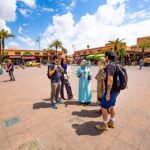
The tour begins in a place you can actually find: Cafe Restaurant ARGANA on Jemaa el-Fna square. That matters in Marrakech, because the Medina can swallow your plans fast if you arrive without a compass.
Right before you set off, you get a short intro and practical tips for walking, navigating, and shopping areas. You’ll also get a WhatsApp message the day before with the guide’s name and the meeting location, which helps if you like clarity.
If you choose the Private Tour & Medina Pickup option, you’ll get hotel or riad pickup. If you choose the shared option, you’ll meet at the cafe and go from there. Either way, the goal is the same: you start organized, then you walk.
You can also read our reviews of more tours and experiences in Marrakesh.
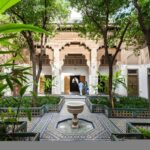
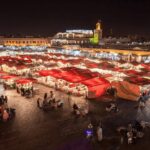

Koutoubia Mosque: the skyline landmark that sets the tone
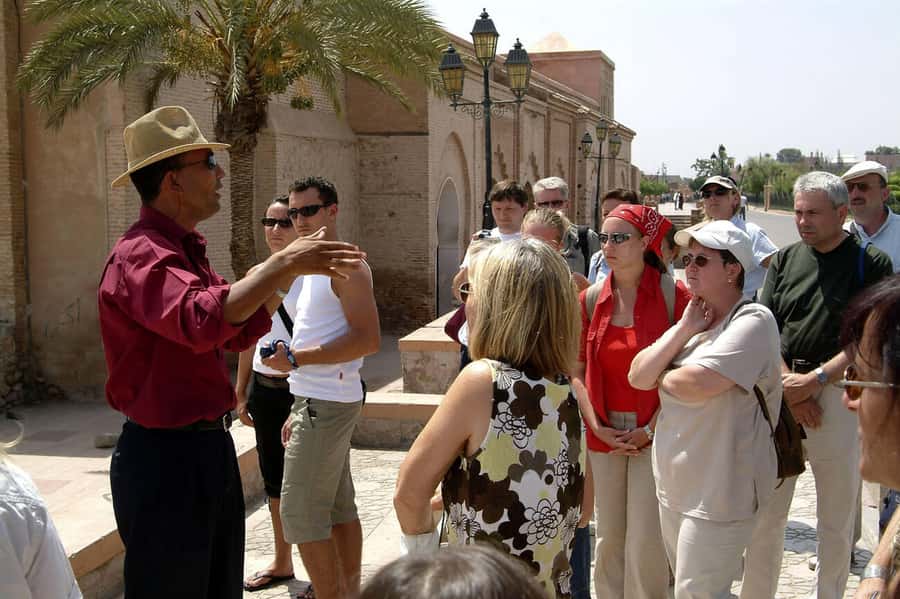
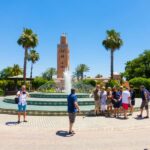
You kick things off at Koutoubia Mosque, Marrakech’s biggest and most prominent landmark. The minaret dates back to the 12th century, and seeing it first gives you a real-world anchor for what comes next.
I like this approach because it turns the Medina from chaos into a map. Once you’ve seen the silhouette of the mosque and understand its symbolic role in Islamic architecture and the Almohad dynasty era, the rest of the walk feels more connected.
Practical note: this part is a great “stretch-your-legs” stop before the tighter lanes and shop streets. It’s also where you can ask your guide how today’s route fits into what you’re seeing next—especially if you’re trying to photograph the skyline and street textures in the same session.
Saadian Tombs: where Marrakech shows its power up close
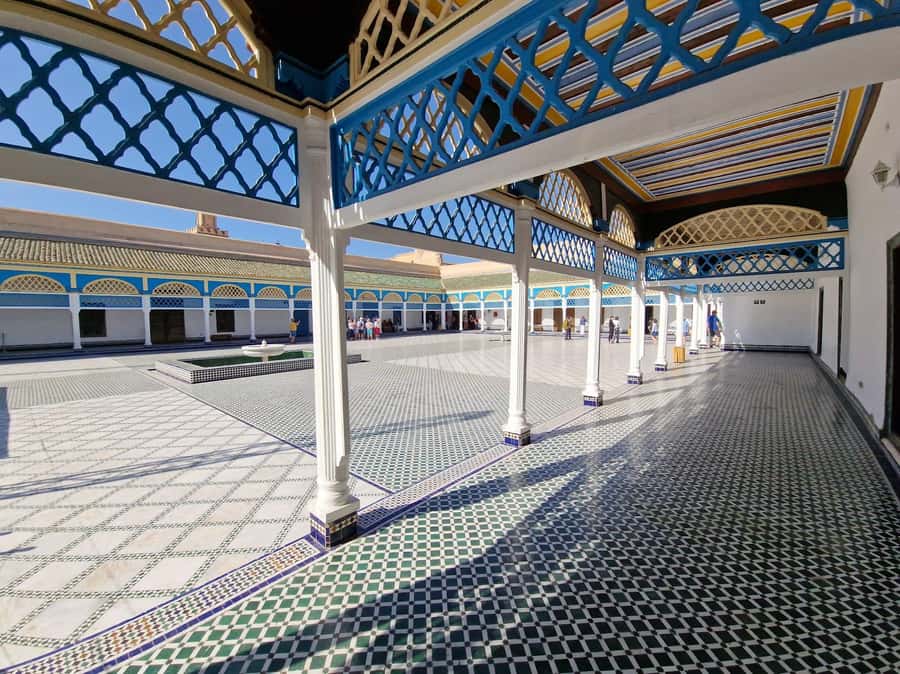
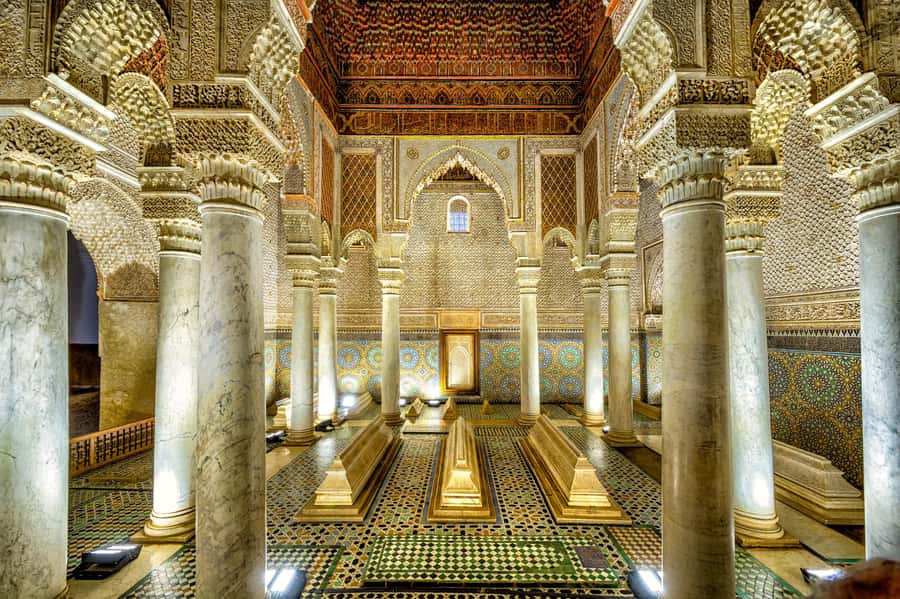
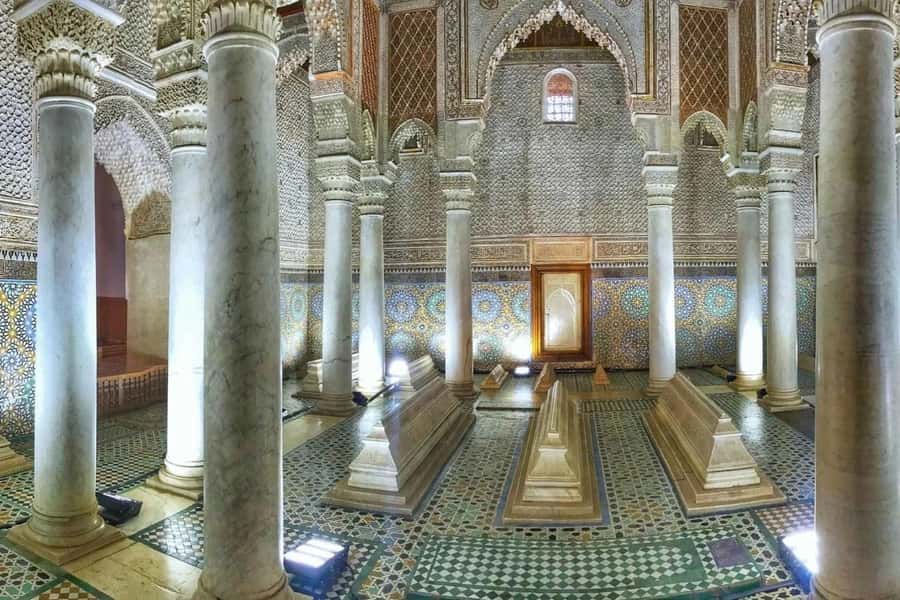
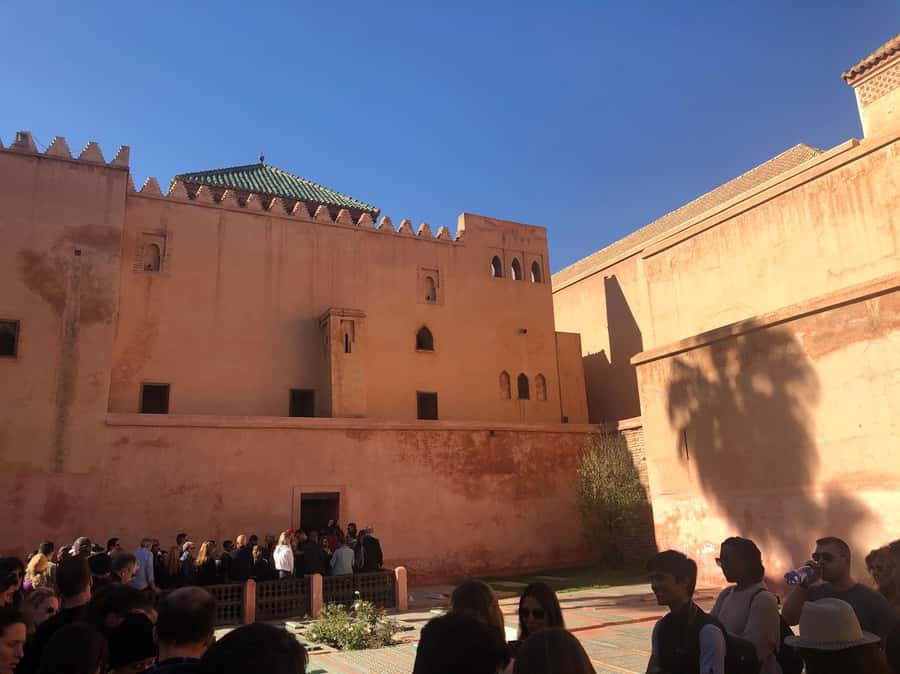
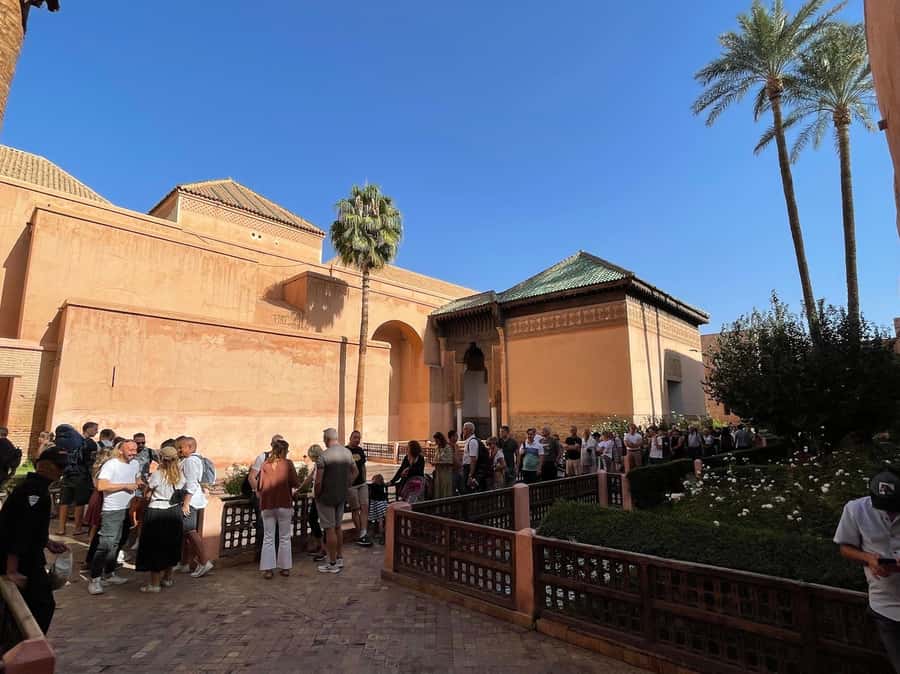
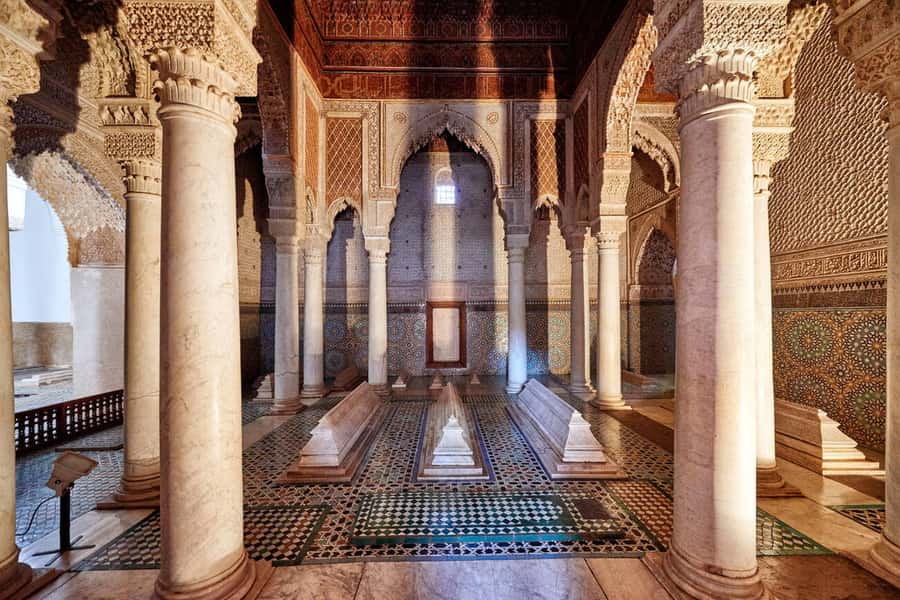
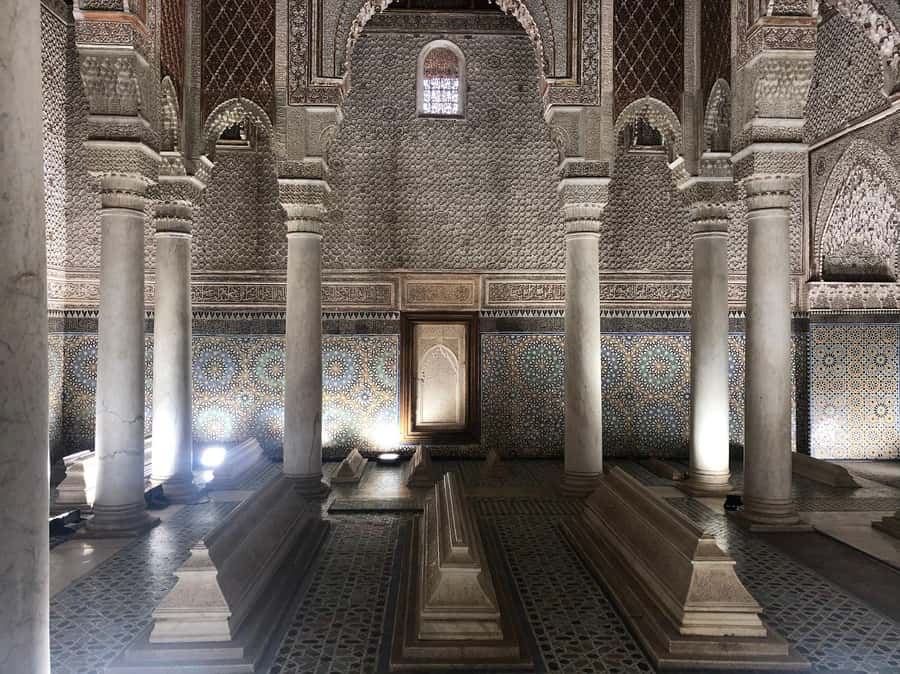
Then you head to the Saadian Tombs, a 16th-century site that’s often quieter than the big headline attractions. These are the final resting place of Morocco’s most revered sultans, and the effect is immediate once you’re inside.
What makes this stop worth your time is the craftsmanship. You’ll see intricate tilework, marble, and calligraphy in a space built to project status and authority. The guide’s explanation helps you understand why a mausoleum like this was about more than remembrance—it was also political messaging for the Saadian Empire.
One real advantage: the tour includes skip-the-line entry for the monuments. Even when you’re not in a hurry, getting through faster keeps your energy for the rest of the day—especially because you’ll be walking afterward.
Entrance fees are not included for this stop. You’ll pay 100 MAD in local currency (dirhams) for the adult ticket.
Mellah and Jewish heritage: a side of Marrakech you’ll actually remember
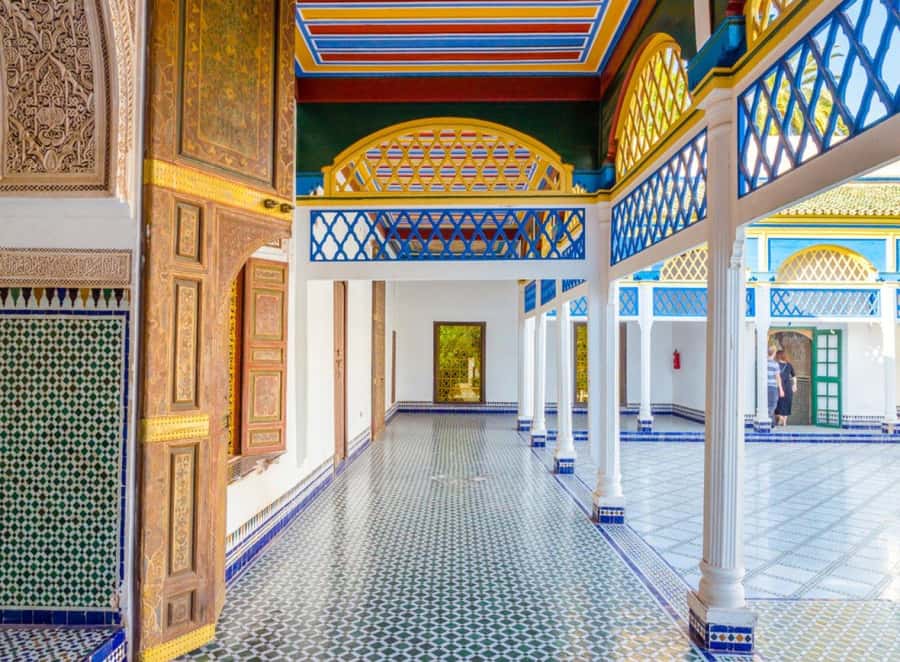
A standout part of the tour is the Mellah, Marrakech’s Jewish quarter. It’s not just a label on a map. Your guide explains Jewish community life and its legacy in the city, with references reaching back to ancient times and the era of King Solomon.
This is one of those moments where a good guide changes your whole perception. Instead of thinking of Marrakech history as only dynasties, mosques, and palaces, you start seeing how different communities lived side-by-side and shaped culture over time.
If you care about architecture and everyday life (not just monuments), this stop is a strong reason to book. It adds context to the Medina streets you’ll walk anyway, and it gives your shopping route a deeper purpose.
Bahia Palace: mosaics, gardens, and court intrigue
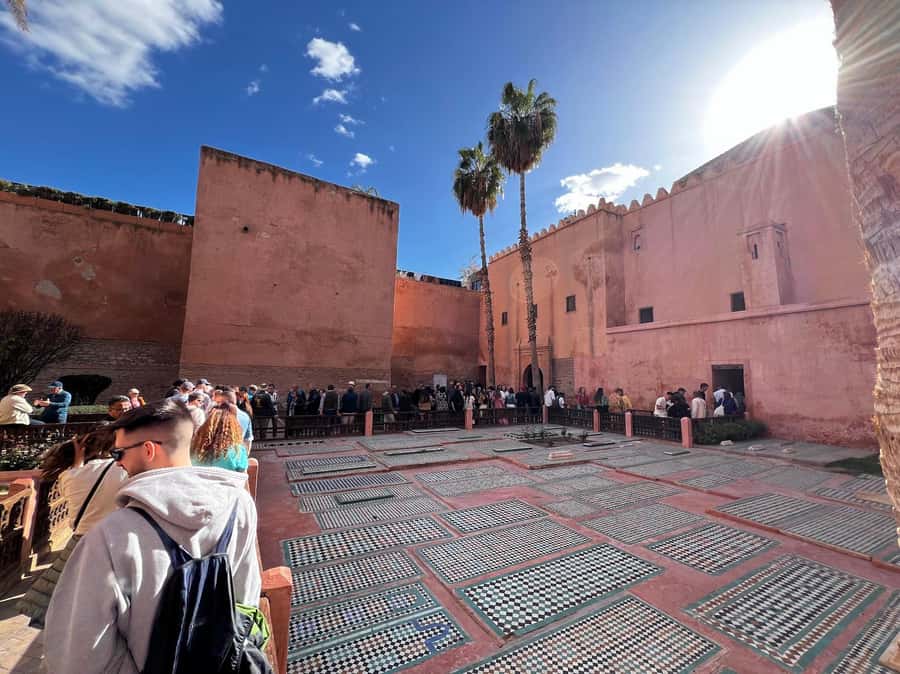
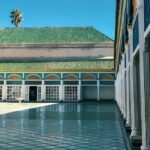
Next comes Bahia Palace, a palace built in the late 19th century by Grand Viziers Si Musa and Ba Ahmed, tied to the era of Grand Vizier Si Moussa. Your guide gives you the court context behind the architecture, including dramatic tales of power, polygamy, and life in the palace.
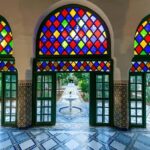
What you’ll see works on two levels. First, there’s the physical beauty: lush gardens and mosaic-tiled rooms that feel designed for slow wandering. Second, there are the stories—because palace spaces in Morocco often served multiple roles, not only public ceremony.
This is the stop where you should slow down and look at details you’d otherwise miss. I like taking a minute before moving on and asking yourself what the space is trying to communicate: control, wealth, access, distance.
Entrance fees are not included for this stop either. Bahia Palace is 100 MAD for an adult ticket.
Medina and souks on foot: how to shop without getting lost
After the big monuments, the tour shifts into the Medina and souk maze. This is where you learn how Marrakech works at street level.
You walk through narrow lanes where craftsmanship has been linked to Islamic-Andalusian history. Your guide points out where people make things, where trade happens, and where quality is worth paying attention to. That’s the practical benefit: you’re less likely to bounce from shop to shop with no plan.
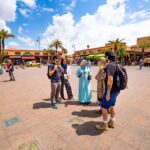
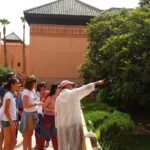
The feedback I see repeatedly from different guides is the same idea: you feel safer and more settled with someone who knows the routes and can keep the group together. Many people also mention that the pace is manageable and that they get time to stop, look, and ask questions.
And yes, there are often sales stops. Some guides take you to places that sell Moroccan herbs or oil-and-spice products, sometimes with sampling. Think of it as education with a purchase option, not a random hard sell.
A quick tip: bring cash for day-to-day purchases, not just monument tickets. Also, wear shoes you trust for uneven stone.
Price and logistics: is $21 really good value?
At $21 per person, the headline price looks almost too low—until you factor in what’s included versus what you pay separately.
Here’s what you’re getting in the base price:
- a licensed local guide
- skip-the-line entry to monuments
- free time during site stops
- hotel/riad pickup only if you choose the Private Tour & Medina Pickup option
What’s extra:
- Bahia Palace: 100 MAD (adult)
- Saadian Tombs: 100 MAD (adult)
So for those two major interiors, you’re looking at 200 MAD total in entrance fees for an adult. That’s not included in the $21.
Still, I think it’s good value if you want three things at once: organization in the Medina, context for what you’re seeing, and access without waiting in long lines. If you’re the type who loves wandering solo, you might be able to do it cheaper. But if you want to actually understand the places and avoid getting turned around, the guide earns the price.
One more practical consideration: you should expect a longer walking day. Reviews also call out that it can be hot, so a morning slot tends to feel easier on your energy.
How guides shape your day (Fatah, Abdonabi, and more)
Names pop up again and again in feedback, and they help you understand what kind of guide the company seems to staff. People mention Fatah, Abdonabi, Youssef, Younes, Larbi, Yasser, Mohamed, and Ibrahim.
What’s consistent across these guides is the same service goal: keep the group moving, answer questions clearly, and make the walk feel safe. Some guides also help with practical extras—like recommending places to eat, waiting while you taste tea or sample products, and pointing out what’s worth buying in the souks.
If you’re traveling with kids or you’re on a slower pace, pay attention to how your guide handles timing and breaks. That patience shows up in the best experiences people describe.
Who should book this tour
Book this Marrakesh tour if:
- you want a first-time-friendly route that hits Koutoubia, the Saadian Tombs, and Bahia Palace in one day
- you care about history with actual place-based context, including Mellah/Jewish heritage
- you want help navigating the Medina and souks without losing your bearings
- you’d rather ask questions than figure out what you’re looking at alone
Skip it or choose a shorter plan if:
- you hate walking and prefer fewer stops
- you don’t want to pay entrance fees on top of the tour price
- you’re looking for mostly “free time to wander” rather than structured guidance
Should you book this Marrakech Saadian Tombs, Bahia Palace, Medina and Souk tour?
I’d recommend booking if you want the smart mix: big monuments plus Medina streets, all with a licensed guide who keeps you organized. The price makes sense once you see the skip-the-line benefit and the value of getting the story behind sites like the Saadian Tombs and Bahia Palace.
If you’re realistic about the walking, bring cash and comfortable shoes, and show up ready to ask questions, you’ll get a full Marrakech day instead of a scattered sightseeing one.
FAQ
Where is the meeting point for the tour?
You meet your guide in front of Cafe Restaurant ARGANA in the Djemaa Al Fna square.
Are entrance fees included for Bahia Palace and the Saadian Tombs?
No. Monument entrance fees are not included. Bahia Palace is 100 MAD (adult), and the Saadian Tombs are 100 MAD (adult).
What should I bring with me?
Bring sunglasses and cash. You’ll also need cash in local currency (dirhams) for monument entrances.
Do I need to pay in dirhams?
Yes. Entrance fees to historical monuments must be paid in local currency (DIRHAMS).
Is there hotel or riad pickup?
Pickup is available only if you select the Private Tour & Medina Pickup option. Otherwise, you start at the meeting point at Cafe Restaurant ARGANA.
What language options are available?
The tour is offered in French, English, Arabic, Italian, and Spanish.