REVIEW · MARRAKESH
Marrakech: Medina, Souks, Artisans Guided Tour with Mint Tea
Book on GetYourGuide →Operated by Moments in Morocco - Tour Agency · Bookable on GetYourGuide
Souks in Morocco can swallow you whole. This tour keeps you oriented while you learn the street-smart skills that make the medina feel friendly instead of confusing. You’ll follow a licensed local guide through the markets, watch craftwork in action, and finish with a classic mint tea pause.
I especially like the artisan workshop access and the way the route mixes crafts you can see with places you can actually use, like the spice square and market streets. I also like that you get shopping guidance—not just where to go, but how to bargain without getting stressed.
The main drawback is simple: this is a walking tour with lots of narrow alleys and medina energy. If you hate haggling or your feet give up easily, you’ll want to plan carefully.
In This Review
- Key highlights I’d plan my day around
- Entering the medina with a guide who knows the rhythms
- Starting at Café de France: your quick orientation in Jemaa el-Fna
- Souk Semmarine: where leather and textiles teach you what to look for
- Souk El Attarine and the spice mindset at Rahba Lakdima
- Watching dyers at Souk des teinturiers (Souk Sebbaghine)
- Souk Haddadine: blacksmith craft you can’t fake
- Mint tea break: when to slow down and learn the hospitality
- Ben Youssef Madrasa: cool air, quiet corners, and a garden moment
- Shopping with confidence: how bargaining fits the tour (and how to do it calmly)
- Timing, walking level, and what 3–4 hours really feels like
- Price and value: is $18 worth it?
- Who should book this medina craft and tea walk?
- Should you book this Marrakech medina tour?
- FAQ
- FAQ
- How long is the Marrakech Medina, Souks, and Mint Tea tour?
- Where do I meet the guide?
- Is hotel pickup available?
- What languages is the live guide available in?
- What’s included in the tour price?
- Do I need transportation to join the tour?
- Is the tour good for shopping and bargaining?
- What should I bring and pay with?
Key highlights I’d plan my day around
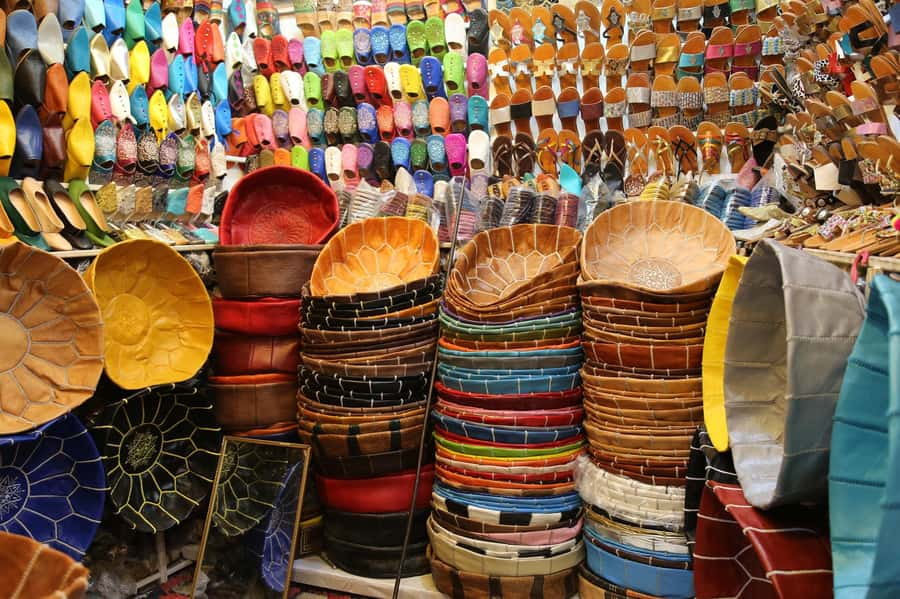
- Licensed local guide who helps you read the medina fast and avoid tourist traps
- Leather, dye, and metalwork quarters where craft happens in real time
- Mint tea break at a calm medina spot when you need a breather
- Bargaining tips so shopping feels like a conversation, not a gamble
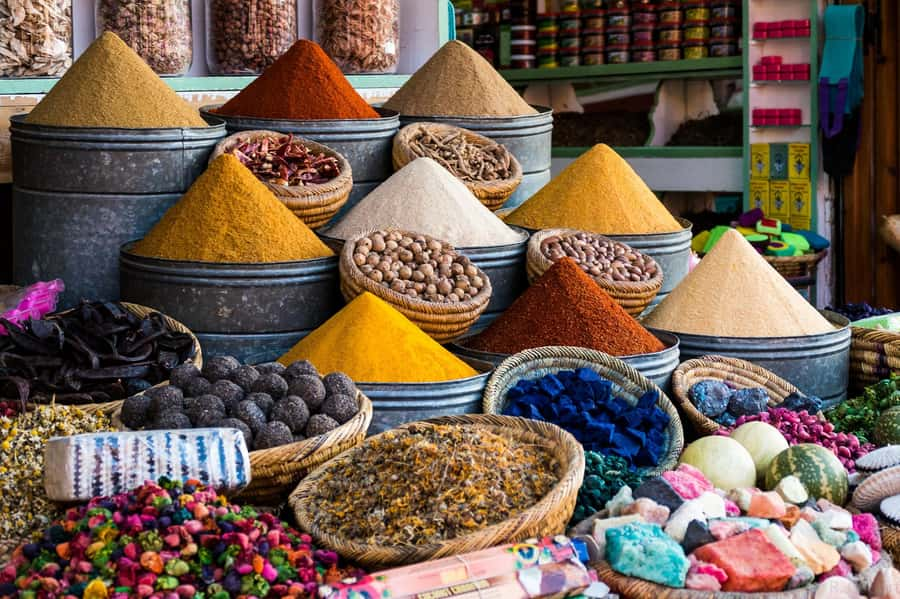
- Rahba Lakdima spice square for natural products and argan oil know-how
- Ben Youssef Madrasa stop with time to look, photo, and cool off
Entering the medina with a guide who knows the rhythms
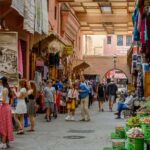
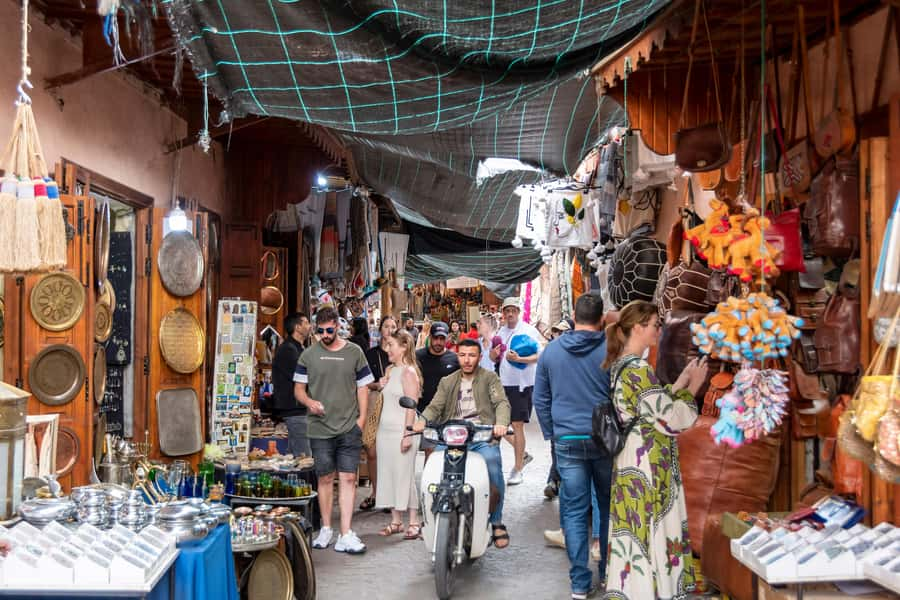
Marrakech’s medina is famous for a reason. It’s lively, full of smells, sounds, and sudden turns. Without help, it’s easy to wander in circles—or end up in shops that feel the same on every corner.
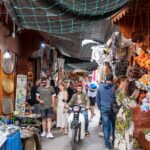
With a guide, you get the medina’s logic. You’re not just walking through “souks.” You’re moving through craft zones with distinct jobs and trades. That changes how you shop and how you photograph. You start noticing what matters: dye houses where wool dries overhead, leather workshops where shoes and bags are shaped by hand, and metal stalls where artisans build tools and decorative pieces.
This tour is also rated high (4.8 out of 5 from 19 bookings), which usually lines up with one thing: the guide makes the difference. In past trips, guides named Ishmael and Saïd have been praised for answering questions clearly and pointing out the details that make the medina make sense.
You can also read our reviews of more tours and experiences in Marrakesh.


Starting at Café de France: your quick orientation in Jemaa el-Fna
You meet your guide in front of Café de France in Jemaa el-Fna. This matters. Jemaa el-Fna is the medina’s big public square—the place where you can feel Marrakech before you step into the maze.
Your early stop includes a photo moment and a short walk-through so you can get your bearings. Expect the typical medina chaos: people calling out, vendors setting up, and a constant flow of families and visitors. But the guide’s role here is to help you avoid the common mistake: treating the first streets like “the whole tour.” You’re warming up, then heading into the actual craft lanes.
If you’re arriving from inside the medina and choose the private option, the guide can meet you at your riad reception. Either way, it’s worth arriving on time. After that, you’re walking.
Souk Semmarine: where leather and textiles teach you what to look for
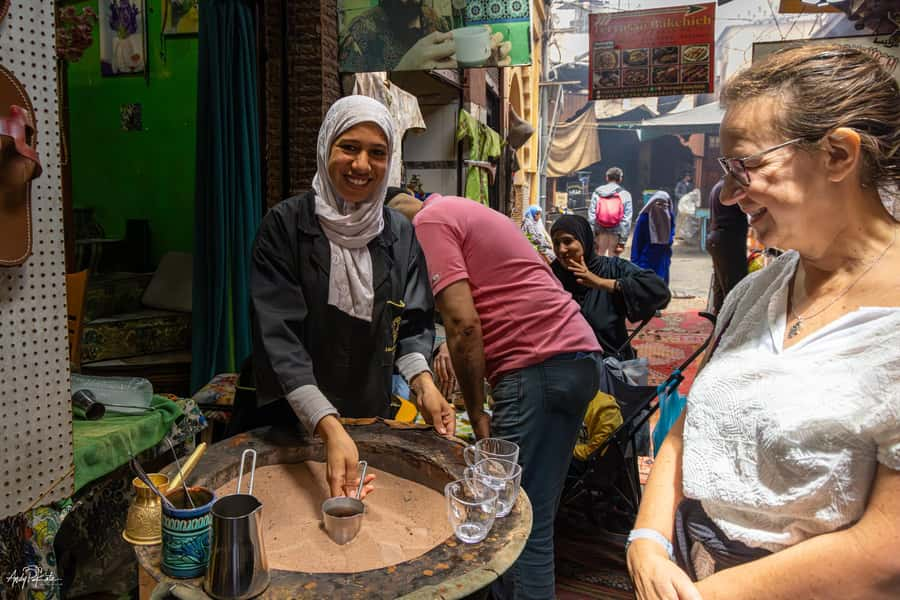
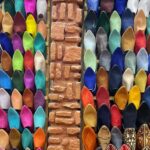
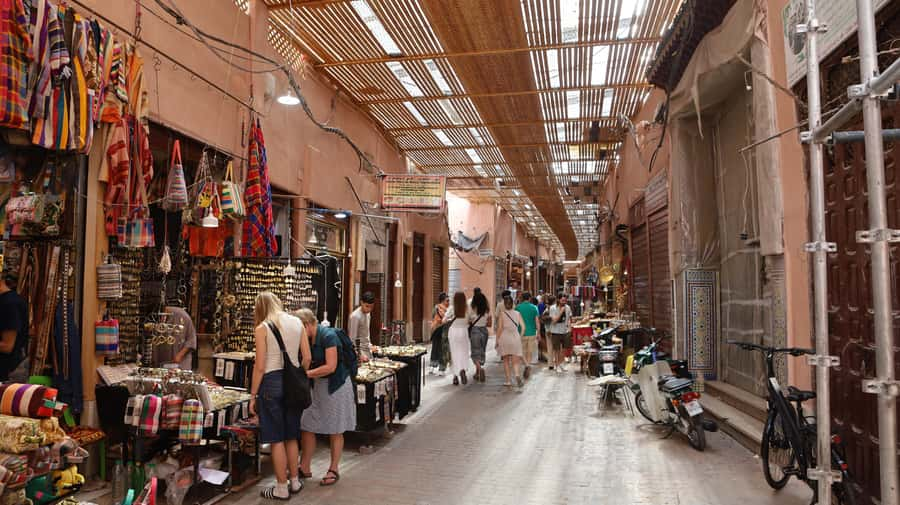
Next, you head into Souk Semmarine, one of the best-known medina streets. It’s not quiet. It’s full of texture—leather goods, textiles, belts, and babouche slippers. But here’s where having a guide helps: you learn how to spot the differences that actually affect price and quality.
Your guide can also explain Morocco’s leather-making heritage in plain terms. That lets you shop with your eyes open. Instead of asking, What is this worth? you’re asking, What should I check before I buy?
Practical tip: bring patience. On medina streets, you’ll see the same item styled in different ways. That’s normal. The guide helps you slow down and compare so you don’t accidentally pay for branding or design changes you don’t care about.
Souk El Attarine and the spice mindset at Rahba Lakdima
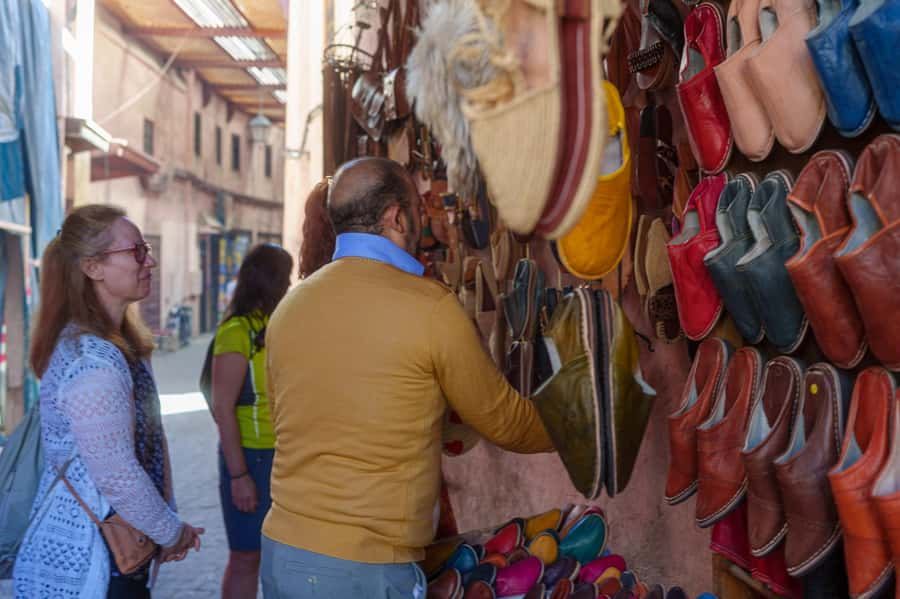
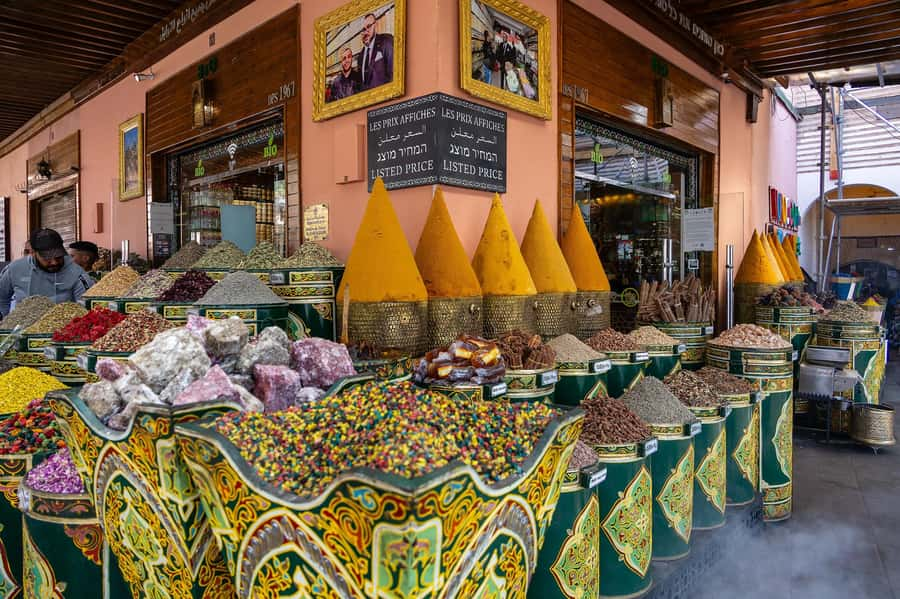
At Souk El Attarine, you’re in the market lane that connects you to fragrance and ingredients. This stop sets up what comes later: spices are not just souvenirs in Marrakech. They’re part of daily cooking and household routines.
The tour then ends at Rahba Lakdima (Spice Square), a lively area where you can smell herbs, spices, and natural products. This is one of those moments where I like to pause and do “slow shopping.” Your guide can show you what to look for with items like argan oil and explain typical uses for local herbs.
Why this part matters: spice shopping can be confusing because quality isn’t always obvious at first glance. A guide won’t magically make every product perfect, but you’ll leave with more practical criteria—so you can buy what you’ll actually use.
Watching dyers at Souk des teinturiers (Souk Sebbaghine)
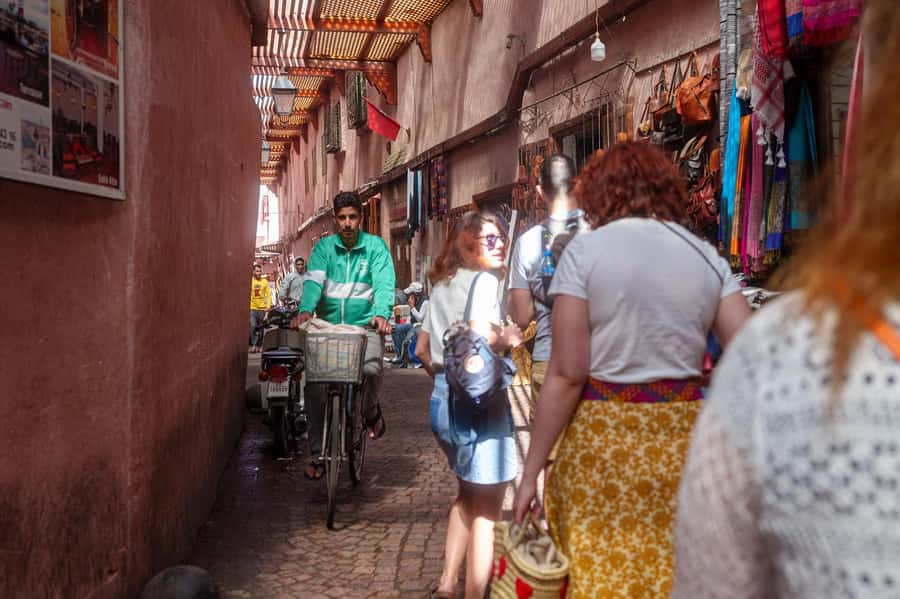
If you only do one craft stop, make it the dye quarter. The experience at Souk des teinturiers (also known as the dyers’ quarter, Souk Sebbaghine) is where the medina’s craftwork becomes visual.
You’ll see colorful wool and traditional dye methods being used—techniques passed down through generations. Even if you don’t care about dyeing, it’s a great way to understand why Moroccan textiles look the way they do.
What to expect: this is more than a photo stop. You’re guided through what you’re seeing and given enough context to ask better questions when shopkeepers bring out samples.


Souk Haddadine: blacksmith craft you can’t fake
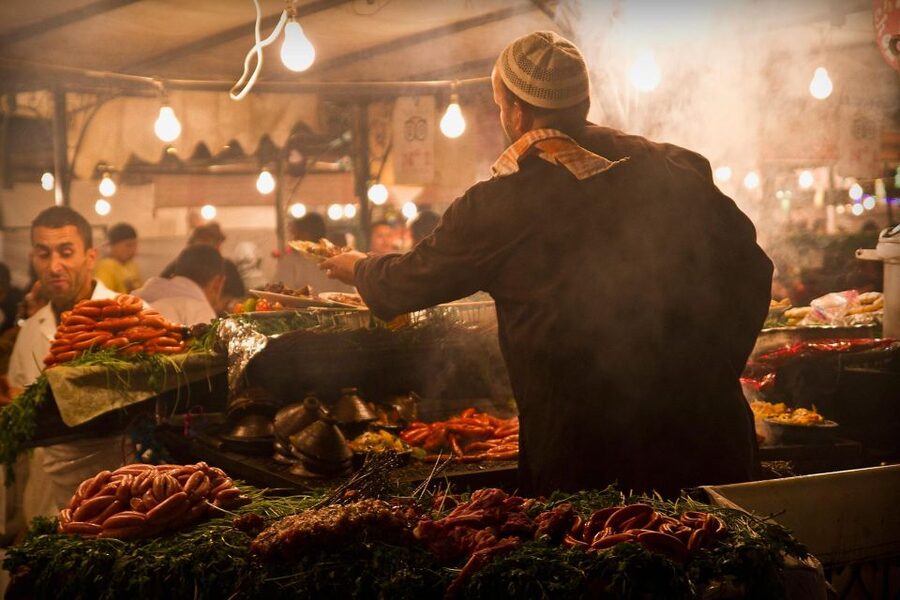
Then you move to Souk Haddadine, the blacksmiths’ quarter. This is one of my favorite kinds of market stops because it’s not only about finished goods. It’s about the process—metalworkers shaping tools and decorative items using traditional methods.
In a place like this, you’ll notice something: craftsmanship here isn’t hidden behind polished store displays. The work has a physical presence. You can watch how pieces are handled and formed, which makes it easier to understand why some items cost what they cost.
If you care about buying handmade pieces, this stop also helps you avoid a common mistake: paying for a product’s exterior while ignoring the time and skill that went into it.
Mint tea break: when to slow down and learn the hospitality
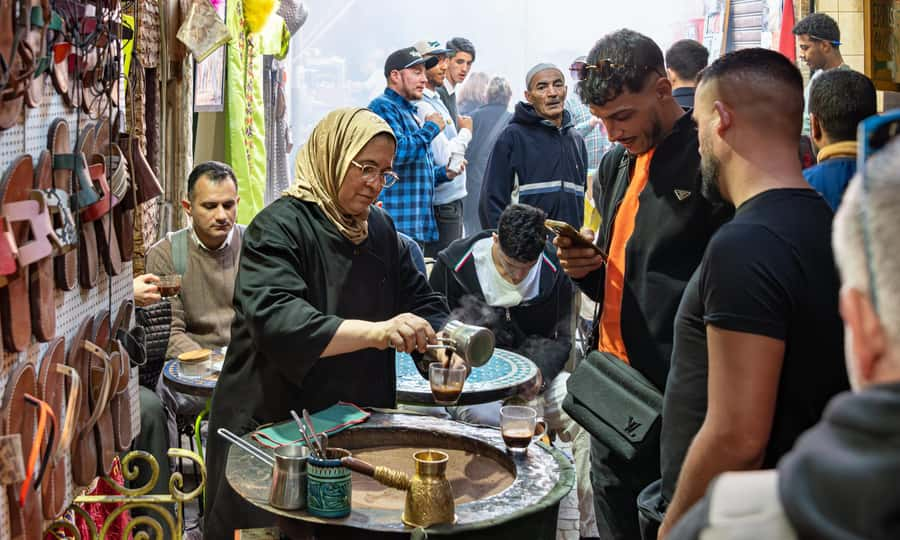
At some point you’ll pause for Moroccan mint tea at an authentic spot in the medina. Tea breaks aren’t a gimmick here. They’re part of Moroccan social life, and the guide uses the moment to explain why the ritual matters.
I like this break because it gives your body a reset. Marrakech walking can add up fast, especially on uneven stone and narrow paths. You’ll also have a chance to ask questions without feeling rushed by the crowd.
Practical tip: drink the tea, then re-check what you want to buy later. If you’re planning to shop for leather, textiles, spices, or argan oil, use the pause to decide your priorities before the medina noise ramps up again.
Ben Youssef Madrasa: cool air, quiet corners, and a garden moment
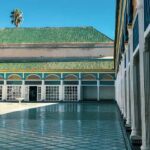
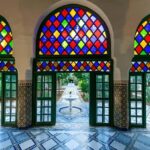
Near the middle or later part of the tour, you’ll visit Ben Youssef Madrasa. This is a perfect contrast to the markets: calmer, more architectural, and great for photos once you find the right angles.
The tour includes time for sightseeing and even free time after the guided portion. That’s important because medina visits can feel like a sprint—while a place like Ben Youssef lets you slow down for a while.
One extra note from real trip experiences: some groups mention a quieter garden moment in this area. Even if you don’t chase it, you’ll likely appreciate the chance to step away from the street for a bit of stillness.
Shopping with confidence: how bargaining fits the tour (and how to do it calmly)
A big part of this experience is learning bargaining skills so shopping feels more comfortable. Your guide is there with more than a map. You get personalized shopping recommendations and insider tips.
Here’s what that means in real life:
- You’ll get help targeting what’s worth your money (and what’s mostly for show).
- You’ll learn how to negotiate without acting like a machine or getting offended.
- You’ll know when to pause and compare options rather than grabbing the first price you’re offered.
Also, bring cash. Medina commerce runs on it. And bring water and sunscreen. Sounds obvious, but it’s the easiest way to keep your head clear while negotiating.
If you’re the type who wants a simple souvenir list and hates conversations, this tour might feel like too much. But if you enjoy learning how the system works, it’s one of the best ways to avoid overpaying out of confusion.
Timing, walking level, and what 3–4 hours really feels like
The tour runs about 3–4 hours, which is a sweet spot: long enough to see multiple craft quarters, short enough that you won’t lose your entire day to walking.
Still, plan it like you’re doing the medina on foot. Shoes matter. Narrow streets mean you may be moving slower at times, and crowds can change the pace. One review even flagged this clearly: wear good shoes because it’s still a long walk.
If you’re visiting in hot weather, add an extra layer of common sense. You’ll take at least one tea break, but you’ll still be outside a lot. Come prepared so the tour feels like a fun day, not a survival test.
Price and value: is $18 worth it?
At $18 per person, this is priced like a smart add-on to a Marrakech trip. The value comes from what you get bundled together:
- a licensed local guide
- market navigation across several different craft zones
- time to watch artisans work in person
- a mint tea break
- shopping recommendations plus bargaining help
You also get exclusive access to local artisan workshops, which is not something you usually get by wandering alone. Even if you only buy one or two items, the guide can help you make better choices.
So yes, the cost is low compared to many guided tours in major cities. The real question isn’t the price—it’s whether you want a guided structure for the medina. If you do, this is good value.
Who should book this medina craft and tea walk?
I’d book this if you want:
- a guided way to understand how the medina is organized by trade
- craft-focused stops (leather, dye, metalwork, spices)
- help with shopping and bargaining
- a practical break with mint tea
It’s also a solid fit for first-time Marrakech visitors who don’t want to get overwhelmed on day one.
If you strongly dislike shopping, hate negotiating, or need lots of rest stops, you might feel pulled in too many directions. And if mobility is an issue, note that the tour information lists wheelchair accessible but also says it’s not suitable for people with mobility impairments. That conflict is worth clarifying with the provider before you book.
Should you book this Marrakech medina tour?
If you’re aiming for a medina day that’s both enjoyable and useful, I think this is a good choice. The combination of craft observation, tea, and shopping guidance is what makes it work. You don’t just see souks—you learn how people work, what they sell, and how to talk like you belong.
Book it if you want direction, you’re willing to walk, and you’ll actually use the bargaining tips. Skip or rethink if you want zero interaction, minimal walking, or a completely relaxed sightseeing day with no market pressure.
FAQ
FAQ
How long is the Marrakech Medina, Souks, and Mint Tea tour?
It lasts about 3 to 4 hours.
Where do I meet the guide?
You meet your guide in front of Café de France in Jemaa El Fna square.
Is hotel pickup available?
Pickup is optional if you are staying in the Medina, and it’s described as riad reception meeting for the private option. Otherwise, you start at Café de France.
What languages is the live guide available in?
The tour is offered with a live guide in French and English.
What’s included in the tour price?
Included are a licensed local guide, a private or small-group walking tour (depending on option), a Moroccan tea break, personalized shopping recommendations and insider tips, and exclusive access to local artisan workshops.
Do I need transportation to join the tour?
Transportation isn’t included. The tour is described as a walking experience starting from the meeting point.
Is the tour good for shopping and bargaining?
Yes. The tour is designed to help you shop with insider tips and learn bargaining skills so you can negotiate more confidently.
What should I bring and pay with?
Bring comfortable shoes, sunglasses, sunscreen, water, and cash.