REVIEW · OSAKA
Osaka: Castle History Walking Tour / Castle Tower Admission
Book on GetYourGuide →Operated by Local Guide Stars · Bookable on GetYourGuide
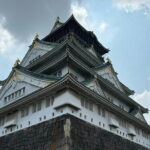
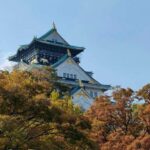
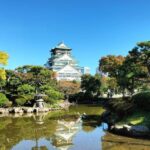
Osaka Castle looks impressive from the outside. This tour helps you read the fort like a map, with the moats, gates, and wall angles explained in plain English as you walk. You also get a fast way into the castle tower, then a payoff view over the city.
I especially like the focus on how the fortress was built to stop attackers—not just dates and names. I also like that the structure of the visit leaves you time to take photos and then enjoy parts on your own after the main guided sections.
One thing to consider: you’ll be doing real walking on historical ground, and the tour doesn’t include a guided walkthrough of every museum floor. Bring comfortable shoes, and plan for a bit of effort.
In This Review
- Key Things You’ll Notice on This Tour
- Why the Castle Works Like a Fortress, Not a Monument
- Meeting at Lawson S Otemae Rest House and Getting Oriented Fast
- Outer Moats and Defensive Layers: The Walk That Makes It Click
- Hokoku Shrine Stop: A Short Reset Before the Big Climb
- Osaka Castle Tower Admission: Skip the Line and Spend Time Where It Counts
- “Largest Stone” and Craft Marks: The Detail Nerd Moment (In a Good Way)
- The Wall Logic: Why Angles and Stonework Made Climbing Hard
- The Fortress Falls: 1614–1615 and the Hideyoshi vs. Tokugawa Twist
- Photo Stops and Self-Guided Time: Keep What You Want to See
- Value Check: Is $33 Worth It?
- Guide Quality: Real Names You Might Get
- Who This Tour Fits Best
- Should You Book This Osaka Castle Tower Walking Tour?
- FAQ
- How long is the tour?
- Where do I meet for the tour?
- What’s included in the price?
- Does the tour help with lines at the castle tower?
- Is Hokoku Shrine included?
- Is there time to explore on my own?
- Do I get a guided tour of every museum floor?
- What should I bring?
Key Things You’ll Notice on This Tour
- Skip-the-line tower entry via a separate entrance, so you waste less time in queues
- Triple moats and masugata entrances explained like defensive “trap logic”
- Zigzag routes under fire that show how attackers were forced into bad positions
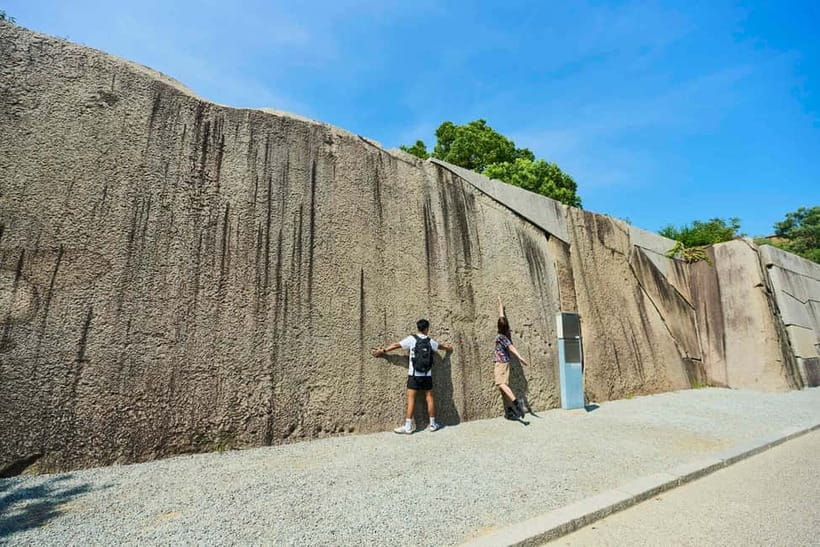
- The castle’s largest stone and what 16th-century transport would have taken
- Arrow slits, gun ports, and gold finishes used for both defense and intimidation
- The story of 1614–1615 collapse tied to Hideyoshi’s legacy and Tokugawa Ieyasu’s ambition
Why the Castle Works Like a Fortress, Not a Monument
Osaka Castle is famous for being big. What makes this experience worth your time is that it trains you to look past the postcard view and see the strategy.
The guide leads you through layers of defenses: outer moats, gate systems, and the tricky entry design meant to slow, divide, and control attackers. You’ll learn why routes weren’t meant to be simple “straight lines.” Instead, they were designed to make people hesitate, bunch up, and move where defenders wanted them to.
If you’re the kind of traveler who likes architecture that has a job, you’ll get a lot out of this. And if you’re not, you will still leave with an intuitive sense of why the castle held its ground for so long.
You can also read our reviews of more tours and experiences in Osaka.
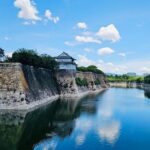
Meeting at Lawson S Otemae Rest House and Getting Oriented Fast
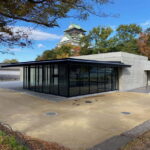
The meeting point is in front of Lawson S Otemae Rest House Store. Since there are multiple Lawson locations nearby, I recommend you pin the exact spot on Google Maps before you go.
The goal here is simple: you start together, you get instructions early, and you don’t waste time hunting down the correct entrance later. It’s a good setup for a 90-minute experience where timing matters.
Once the group starts moving, the guide keeps the rhythm of stops tight: short segments that build into a clear story of how the castle functioned.
Outer Moats and Defensive Layers: The Walk That Makes It Click

This is where the tour earns its value. You’ll move through the castle grounds with a guide who translates military architecture into everyday logic.
You’ll see outer defenses and learn how multiple delay layers worked together. The tour highlights features like triple moats, multi-layered gates, and masugata entrances—design elements meant to trap and break the momentum of an advancing force.
One of the most memorable parts is learning how attackers faced zigzag routes under threat. These paths weren’t designed for movement comfort. They were built to force awkward angles, limit coordinated action, and keep defenders able to aim down lanes effectively.
You’ll also hear how stonework and wall design were intended to make climbing difficult. It’s not just about the walls looking thick. It’s about how angles, building choices, and craftsmanship reduced the chances of success.
Hokoku Shrine Stop: A Short Reset Before the Big Climb
About twenty minutes at Hokoku Shrine adds a breather between “fortress engineering” and “tower perspective.” It’s a quieter moment that keeps the experience from turning into only military details.
You’re still in the castle setting, but the tone shifts slightly. You get a chance to slow down, absorb the environment, and take photos without the same intensity as the defense-focused sections.
This stop is short, so don’t expect a long shrine visit. It’s more like a waypoint that helps you recharge before the final push toward the top.
Osaka Castle Tower Admission: Skip the Line and Spend Time Where It Counts
You get admission to the Osaka Castle Tower, and the tour includes skip-the-line entry through a separate entrance. That’s a big deal here. Osaka Castle can get crowded, and that added time can quietly eat your day.
The most practical benefit is simple: you reach the rewarding views faster. And once you’re up there, you’re not just looking out—you’re looking with context the guide built for you.
Inside the tower area, you’ll understand it not as a generic lookout, but as a command-and-control space and last defense zone. Expect to connect details you saw below—like shooting positions—with what the tower represented during conflict.
The tour also points out defensive elements such as arrow slits and gun ports. You’ll even learn about psychological tactics, including the use of gold elements meant to affect morale and perception.

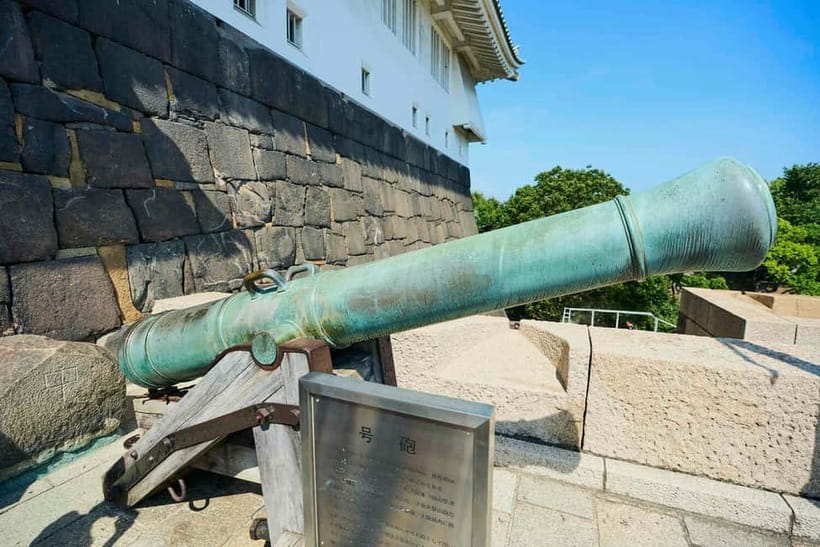
“Largest Stone” and Craft Marks: The Detail Nerd Moment (In a Good Way)
A standout part of the experience is the stop around the castle’s largest stone. The guide explains how it was moved and positioned—information that makes the scale feel real rather than decorative.
You’ll hear about 16th-century transport methods and the kind of planning required to handle enormous materials. Even if you don’t retain every historical detail, you’ll come away with a stronger sense of logistics—how much labor and coordination were involved.
Another detail-focused segment includes spotting stone marks tied to master craftsmen. It’s the kind of thing you could miss on your own because you’d be stuck trying to read everything at once. With a guide, the “what to look for” becomes obvious.
The Wall Logic: Why Angles and Stonework Made Climbing Hard
When you understand wall design, Osaka Castle stops being just stone and starts being a puzzle solved in real time.
The tour emphasizes how walls were built to be difficult to scale. You’ll learn how the structure and stonework were arranged to prevent attackers from gaining a foothold, and how wall angles made the job harder than it would look from a distance.
This is one of the reasons the walking part matters. You’re not learning in a classroom and then visiting later for photos. You’re learning as you face the actual features.
If you like seeing the physical “how,” this section is where the experience feels most authentic.
The Fortress Falls: 1614–1615 and the Hideyoshi vs. Tokugawa Twist
Near the end, the story turns from design to outcome. You’ll learn how this fortress reputation eventually collided with real politics and power.
The tour explains that Osaka Castle fell in 1614–1615, and ties that shift to the rivalry between Toyotomi Hideyoshi’s legacy and Tokugawa Ieyasu’s ambition. That matters because it prevents the visit from becoming pure architecture appreciation.
Instead, you get the human reason the stones mattered. Fortifications don’t exist in a vacuum. They’re built, used, and eventually overtaken when the larger balance of power changes.
If you’ve been trying to connect Japanese history with places you see on a map, this is one of those “now I understand why this matters” moments.
Photo Stops and Self-Guided Time: Keep What You Want to See
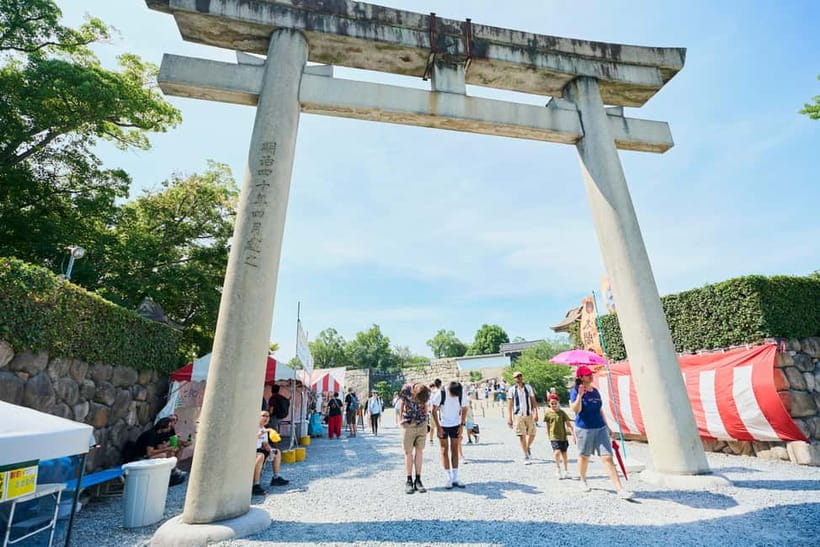
After the main guided segments, you’ll have a photo stop and time to visit and explore on your own.
This is a smart format. The guide gives you the “readable” version of the castle, then you get to slow down and look for yourself. It also helps if you want to spend a bit extra time near viewpoints without rushing.
Many people love the tower view as the payoff. But the second big payoff is realizing you’re not only taking pictures—you’re confirming what you learned.
Value Check: Is $33 Worth It?
At about $33 per person for a 90-minute experience, this tour can be a great value if you care about understanding what you’re looking at—and if you want to avoid wasting time in lines.
Here’s the practical math that matters:
- You’re paying for a professional English guide plus tower admission.
- The tour includes skip-the-line access, which can save meaningful time during peak hours.
- The guide’s job is to point out the features you’d otherwise miss: masugata logic, shooting positions, stone marks, and wall-angle design.
If you just want quick sightseeing and don’t care about military architecture details, you could skip a guide. But if you want the castle to make sense and you’d rather spend time appreciating than figuring out, this is priced like a sensible upgrade.
Also, the experience has a strong overall rating—around 4.9 with 230 reviews—which usually means consistency in guide quality and pacing.
Guide Quality: Real Names You Might Get
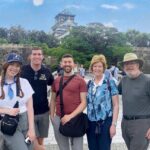
One of the best parts is that the tour is led by English-speaking guides who are praised for engaging delivery and strong explanations.
In past groups, guides like Saya, Mao, Spike, Yuta, Kaz, Ken, Soy, and Ami have been highlighted for making details understandable and keeping the group moving comfortably. Some groups mention guides spending extra time answering questions, and that’s a big reason these tours feel worth it rather than rushed.
Since guide assignments can vary by day, the safest approach is to show up ready to ask questions. If you’re curious about stone transport, defensive design, or the political story behind the castle’s fall, this tour gives you room to do that.
Who This Tour Fits Best
This is a great match if:
- you like architecture with a purpose
- you want a guided history experience that stays practical
- you enjoy how “design choices” reflect real-world conflict
- you’re traveling with mixed ages (some reviews mention even kids staying engaged)
It’s less ideal if you’re hoping for a slow, deep museum-style day where every floor is guided. The tour includes admission and guided coverage of the core experience, but it doesn’t include a guided walkthrough of every museum floor.
Should You Book This Osaka Castle Tower Walking Tour?
Yes—if you want the castle to feel more than scenic. This tour’s main strength is that it connects the physical defenses you see with the logic behind them, then rewards you with fast access to the tower view.
Book it especially if:
- you hate long lines and want the separate entrance advantage
- you enjoy military strategy details like moats, gates, masugata, and shooting positions
- you want the political ending too, not just the building
If you’re okay with a simple walk-and-photo visit with no interpretation, you might skip the guide. But if your goal is to leave understanding the fortress, this is the smoother, smarter way to do it.
FAQ
How long is the tour?
The tour duration is about 90 minutes.
Where do I meet for the tour?
Meet in front of Lawson S Otemae Rest House Store. Since there are multiple Lawson stores nearby, use Google Maps to confirm the correct one. Look for the Local Guide Stars sign.
What’s included in the price?
The price includes Osaka Castle Tower admission and a professional English-speaking guide.
Does the tour help with lines at the castle tower?
Yes. It includes skip-the-line entry through a separate entrance.
Is Hokoku Shrine included?
Yes. There is a guided visit to Hokoku Shrine as part of the experience.
Is there time to explore on my own?
Yes. After the guided sections, you’ll have time for photos and self-guided exploration.
Do I get a guided tour of every museum floor?
No. Guided coverage of each floor in the Osaka castle museum is not included.
What should I bring?
Wear comfortable shoes and bring weather-appropriate clothing since you’ll be walking through historical sites.