REVIEW · OSAKA
Osaka: Guided Walking Tour to Castle, Shinsekai, & Dotonbori
Book on GetYourGuide →Operated by Hungry Osaka Tours · Bookable on GetYourGuide
Osaka clicks into place fast on foot. I like that this route mixes major landmarks with the kind of back-street details that usually get missed, guided by bilingual expats like Tim, Anna, Scott, and Andy. You’re not just looking at sights; you’re learning how Osaka’s merchant past shaped the city’s present-day habits and hangouts.
Two standouts for me: walking the Osaka Castle grounds with context you can actually use, and getting street-food and market moments at places like Kuromon and Dotonbori. The only drawback to watch is the pace and walking distance: it’s a long, mostly on-your-feet experience, and it isn’t suitable if you have mobility limits or need to avoid hills and crowds.
In This Review
- Key takeaways before you go
- Osaka in 5 to 6 Hours: The Smart Way to See the City
- Meeting at JR Osakajokoen and Starting With Castle-Area Context
- Osaka Castle Grounds: History You Can Actually Walk Through
- Shinsaiibashi-suji Shopping Street: Osaka’s Old Retail Power
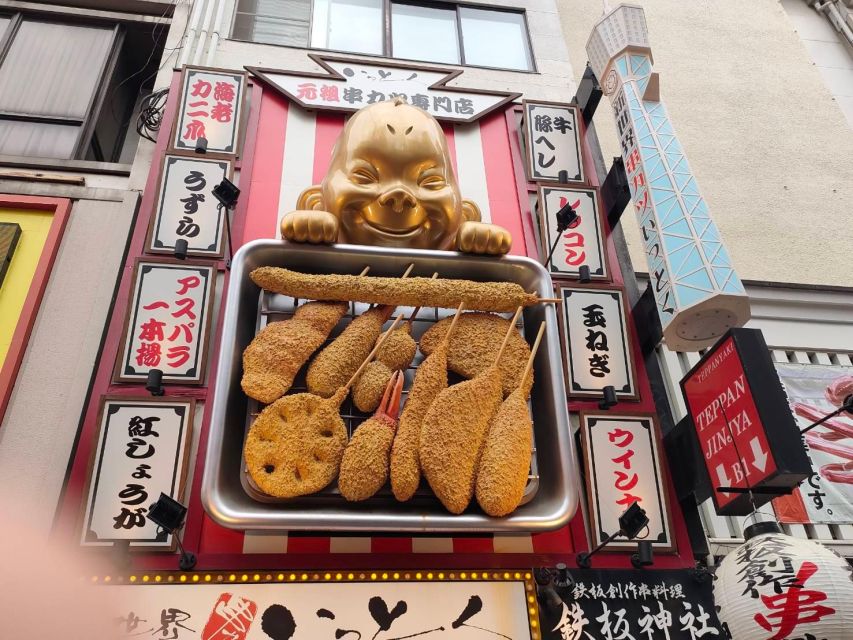
- Ebisu Bridge and the Glico Man Photo Moment
- Dotonbori: Neon Nightlife Energy in Daylight
- Hozenji Yokocho: When Osaka Gets Quiet Just Off the Noise
- Kuromon Market: Osaka’s Kitchen and How to Eat Like a Local
- Doguyasuji and Den Den Town: Cutlery, Electronics, and Pop Culture Osaka
- Shinsekai and Tsutenkaku: Retro Energy in the New World District
- Train Rides, Breaks, and Crowd Control: Why the Logistics Matter
- Food on the Walk: Street Tastings and Market Confidence
- Price and Value at $74: What You’re Paying For
- Who Should Book This Tour (and Who Might Skip It)
- Should You Book Hungry Osaka Tours for This Walk?
- FAQ
- Where is the meeting point for the tour?
- When should I arrive?
- Is WhatsApp required for this tour?
- Will the tour run in rain?
- How long is the tour?
- What’s included in the price?
- Are tickets to attractions included?
- Is there a language option?
- What should I bring, and what can’t I bring?
- Can I cancel for a refund?
- Is this tour suitable for everyone?
Key takeaways before you go
- Bilingual, long-tenured guides (20+ years for some) who explain Osaka with humor, not lectures
- Osaka Castle grounds start for historical context, even when entry to the castle isn’t part of group tours
- Dotonbori + Hozenji Yokocho contrast: neon energy outside, quiet temple calm just off the main canal area
- Kuromon Market has real food focus: seafood, meat, and produce, plus help figuring out what to eat
- Shinsekai delivers retro Osaka with Tsutenkaku-area nostalgia and that pre-war atmosphere
Osaka in 5 to 6 Hours: The Smart Way to See the City
This tour works best when you want Osaka to make sense quickly. You hit the big-name neighborhoods (Dotonbori, Shinsekai, Kuromon) but you also get the connective tissue: merchant culture, old streets, and why today’s Osaka looks the way it does.
The route is designed for flow, not checklist panic. Reviews from recent guests repeatedly call out that the pacing hits a sweet spot between seeing a lot and not burning out. If you like having a plan, plus room to ask questions, this kind of guided walking day tends to land well.
You can also read our reviews of more tours and experiences in Osaka.
Meeting at JR Osakajokoen and Starting With Castle-Area Context
You start at JR Osakajokoen Station on the Osaka Loop Line, meeting in front of the 7-Eleven kiosk inside the station building, just outside the ticket gates. They ask you to arrive about 15 minutes early, which matters in a station setting where you want everyone grouped before you set off.
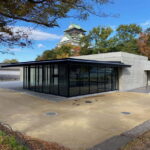
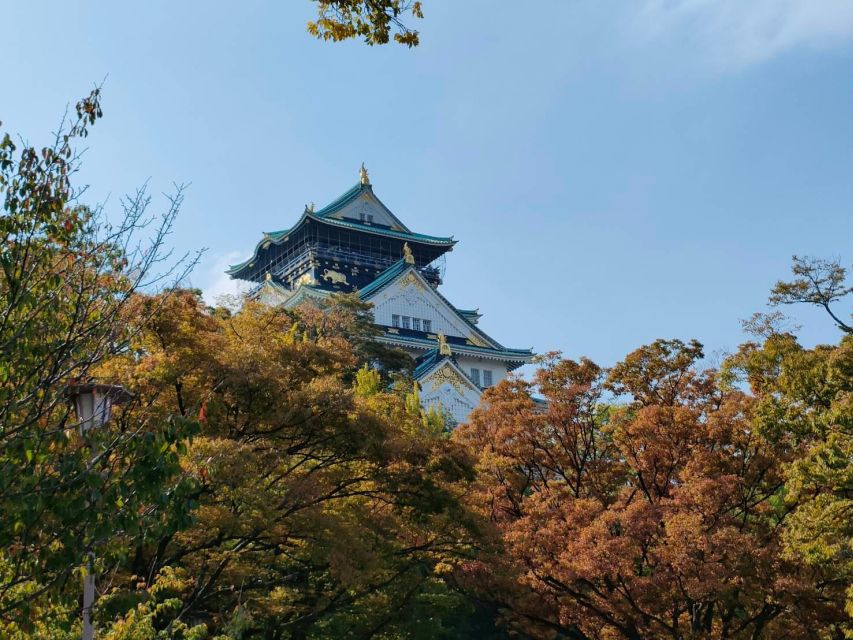
Starting here is clever because it frames the whole day. Osaka Castle is more than a postcard. It played a big role in the unification of Japan during the samurai era in the 1500s, so your guide can explain what you’re seeing and why it mattered to power in the region.
One practical note: the tour can run rain or shine, so plan for wet sidewalks and slower footing in crowded lanes.
Osaka Castle Grounds: History You Can Actually Walk Through
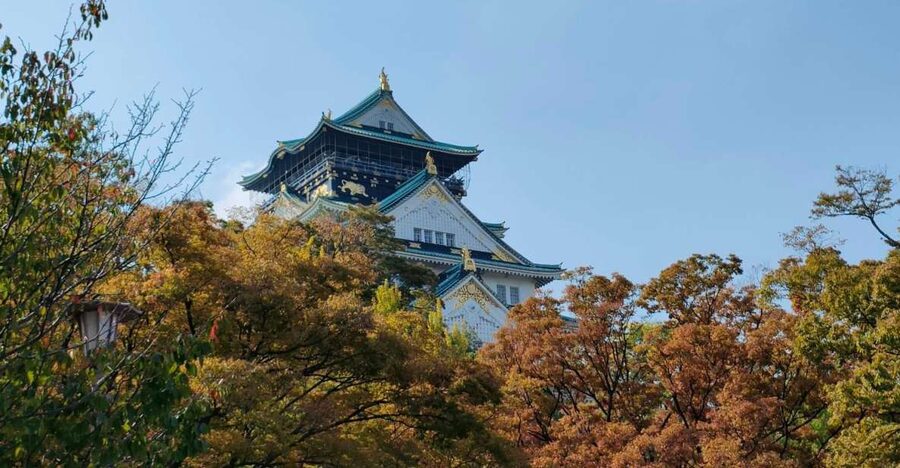
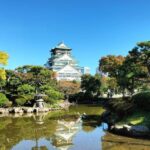
Instead of rushing you into an attraction ticket line, the experience begins with time at Osaka Castle grounds. Even though group tours do not go into the castle, walking the grounds gives you a way to absorb the scale and symbolism without the wait or extra expense.
What I like about this setup is that it treats the castle as context. Your guide can connect 16th-century history to Osaka’s later reputation as a commercial powerhouse. That connection helps when you move on to markets and merchant streets later in the day.
Since entry isn’t included for the main castle attraction, you’re not paying for time you might not even want. This route keeps costs more predictable while still delivering the emotional “this is Osaka” anchor at the start.
Shinsaiibashi-suji Shopping Street: Osaka’s Old Retail Power
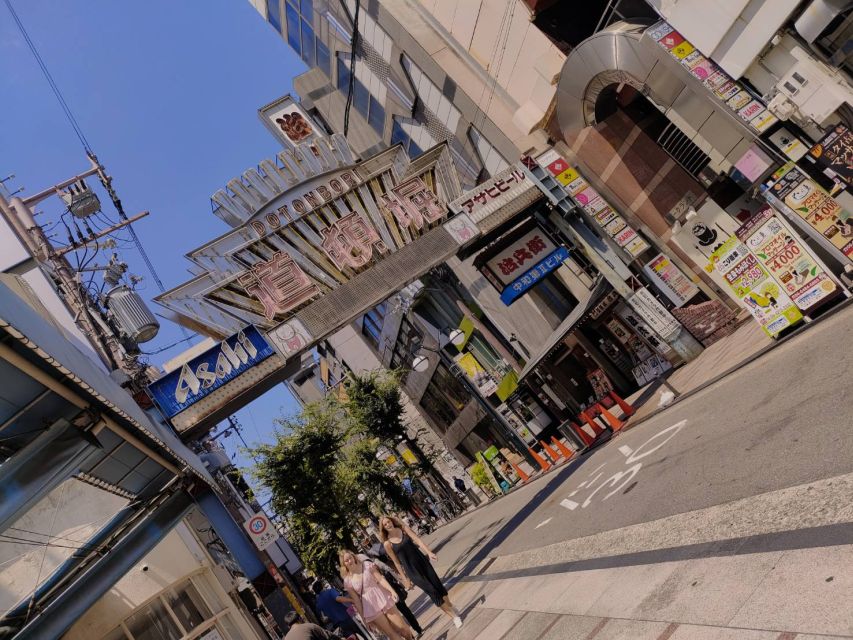
After the castle-area start, you take the train to Shinsaiibashi-suji, a covered shopping street that’s been important for about 400 years. It’s roughly 600 meters long, which is the right length for a walk-through that feels like a neighborhood, not a shopping sprint.
Covered streets change how you experience a city. You notice signage, foot traffic rhythms, and the way locals move from store to store. Your guide’s job here is to point out what you’d likely miss on your own, and that includes explaining why Osaka built such a strong consumer culture in the first place.
If you’re traveling on a first visit, I’d treat this stop like orientation for what Osaka shopping feels like on the ground.
Ebisu Bridge and the Glico Man Photo Moment
From the shopping lanes, you move toward Ebisu bridge, described as being made out of wood in the 1600s. It’s also known as a local meeting spot near the famous Glico man sign.
What makes this part fun is that it’s not only a photo stop. Your guide can connect the bridge and nearby symbolism to how Osaka people gather, snack, and socialize in public spaces. It’s a reminder that city landmarks often function as social infrastructure, not just monuments.
If you want an easy win here, take your photos, then immediately pay attention to how people flow around the area. That habit alone will make the rest of the day feel easier.
Dotonbori: Neon Nightlife Energy in Daylight

Then comes Dotonbori, one of Osaka’s top destinations along the Dotonbori canal. This is where the city’s “on” mode turns up: neon lights, street food smells, busy streets, bars, and constant motion.
I like Dotonbori because it’s understandable even if you’re new. Your guide helps you read what you’re looking at, and that turns a loud, chaotic area into something structured. You get just enough background so you can enjoy the chaos instead of getting lost inside it.
The route includes food along the way, with street-food tastings plus a non-alcoholic beverage. That matters because you don’t have to keep stopping to figure out what to eat right at peak crowds.
Hozenji Yokocho: When Osaka Gets Quiet Just Off the Noise
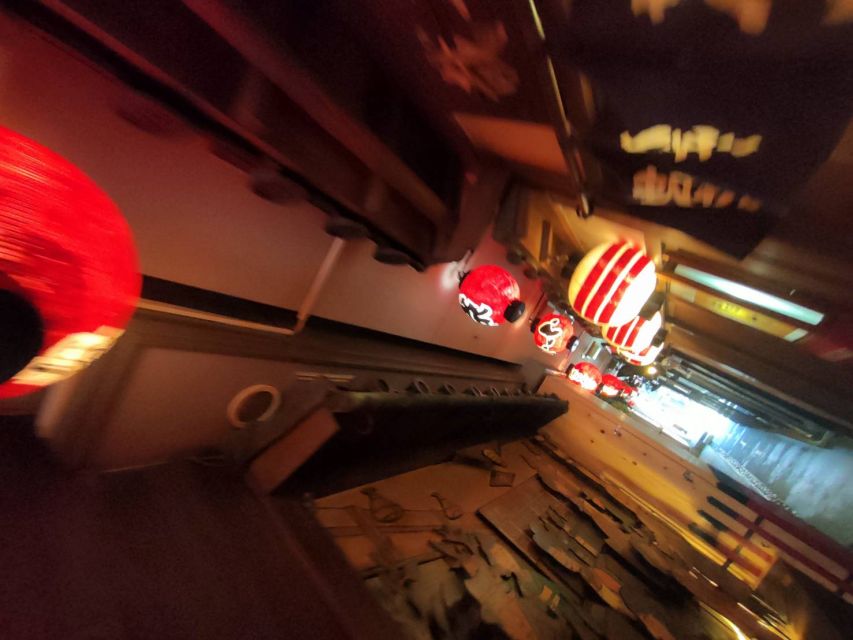
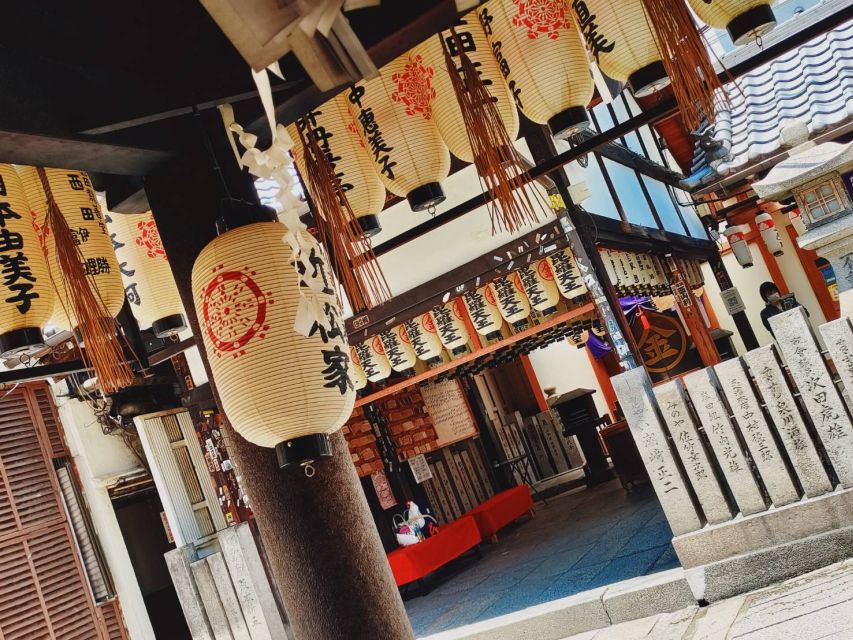
Right near the neon corridor, you get a noticeable shift at Hozenji Yokocho. The alleyway is narrow, with traditional lanterns and cobblestone paths, and it leads to the small Hozenji Buddhist temple built in the 17th century.
This contrast is one of the most memorable parts of the day. Dotonbori can feel like sensory overload; Hozenji is the reset button. You’ll still be in the same city block universe, but suddenly your ears and eyes change.
If you like moments that feel like a time-out from tourism, this stop is built for you.
Kuromon Market: Osaka’s Kitchen and How to Eat Like a Local
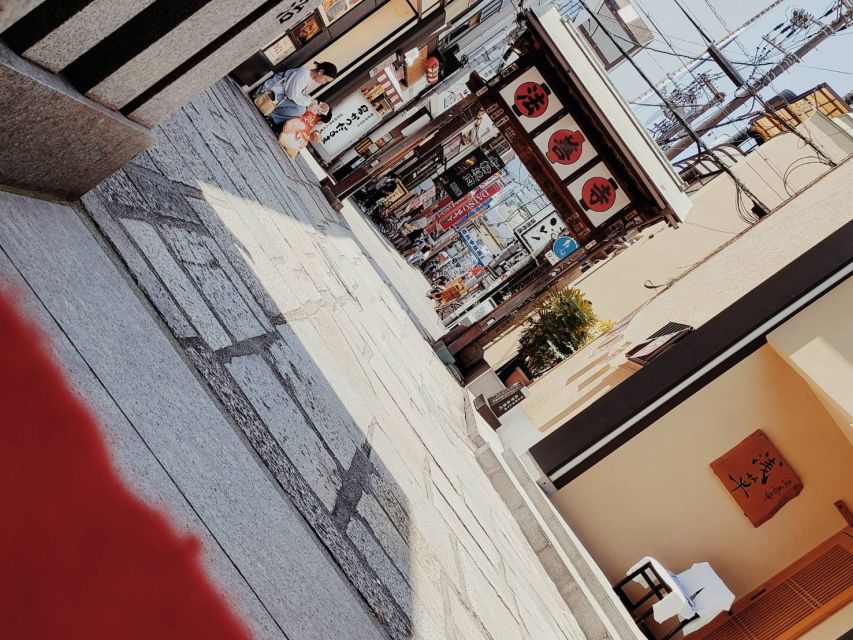
Next is Kuromon Market, also called the heart of Osaka’s kitchen and active for over 200 years. Expect fresh seafood, meat, and produce, with a heavy focus on food you can actually see being prepared or served.
This is where having a guide pays off in a very practical way. Markets are fun, but they can also overwhelm you with choices, prices, and what’s worth trying. With help from your guide, you can get a sense of quality and typical favorites without guessing.
Some guests highlight seeing dramatic seafood displays like large crab legs and tuna. Even if you don’t plan to buy everything, walking through with context makes the market feel like a living system, not a tourist exhibit.
Doguyasuji and Den Den Town: Cutlery, Electronics, and Pop Culture Osaka
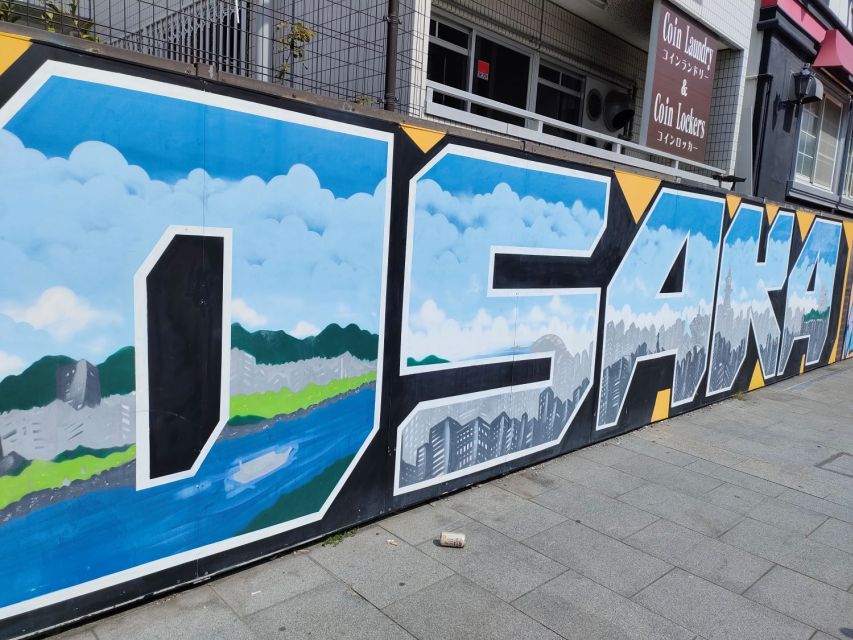
After Kuromon, the route leans into Osaka’s “what we sell and how we specialize” side. You’ll pass through Doguyasuji, a street that’s been serving the city and its eateries for centuries. It’s packed with wholesalers and specialist shops, including stores for cutlery and crockery.
Then you go to the area often described as Osaka’s answer to Akihabara. Here you’re looking at electronics, cameras, computers, and pop culture shopping—plus games and anime-related browsing.
For me, this part is the payoff if you like variety. Osaka isn’t only food and history; it’s also seriously into tech and entertainment culture. Even if you’re not shopping, it’s a useful window into what people in this city choose to spend money on.
Shinsekai and Tsutenkaku: Retro Energy in the New World District
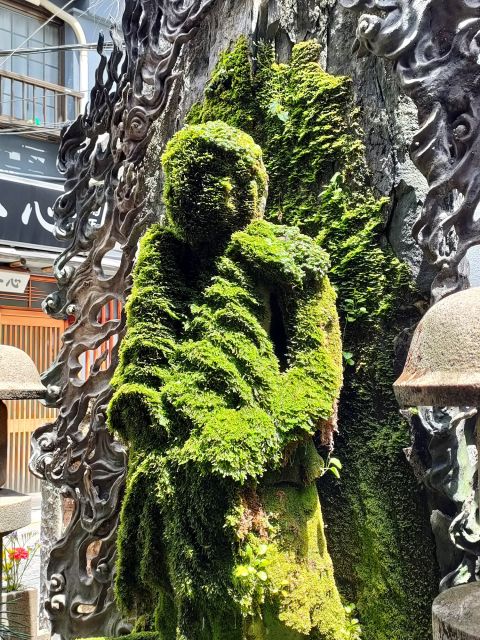
Finally, the day ends in Shinsekai, a district developed before World War II. It’s tied to the nostalgia-evoking symbol of the area: Tsutenkaku Tower. The district is often described as the retro zone where old and new collide through neon and attitude.
This stop gives you a feeling of Osaka that’s different from Dotonbori. Dotonbori is loud, polished, and tourist-visible. Shinsekai is more about retro atmosphere and the lived-in energy of a neighborhood.
If you’ve been enjoying the day’s contrasts—castle to shopping street, neon to quiet temple, market to electronics—Shinsekai completes the pattern. It shows you a side of Osaka that doesn’t feel like it was built purely for visitors.
Train Rides, Breaks, and Crowd Control: Why the Logistics Matter
One big value point here is that train tickets are included during the experience. That reduces the cognitive load when you’re hopping between neighborhoods, especially if you’re a first-timer who doesn’t yet know which lines connect where.
Pacing also matters. Multiple guides (Tim, Scott, Andy, and Anna) show up in the feedback as attentive about keeping people comfortable, including practical help like finding key rest areas to beat heat and generally keeping the group moving efficiently through crowds.
You also shouldn’t ignore the “small details” mentioned repeatedly: guides get people water, help with directions, and use good crowd-handling habits to keep everyone on the right side of busy streets.
Food on the Walk: Street Tastings and Market Confidence
The tour includes delicious Osakan street food and a non-alcoholic beverage, which is the right kind of inclusion for a walking day. It’s enough to keep energy up without forcing you into a full, heavy meal at every stop.
Kuromon Market is especially helpful because it makes you less intimidated about what to eat there. And because your guide can recommend options, you’re more likely to try foods you’d actually like instead of randomly picking something just because it looks impressive in a display case.
If you’re a foodie, this is where your money turns into experience quickly: you’re not only seeing Osaka food culture; you’re getting taste-time and guidance.
Price and Value at $74: What You’re Paying For
At $74 per person, the value comes from three places.
First, you’re paying for a local, bilingual guide with years of experience and a style that emphasizes humor and explanation, including named guides like Tim, Anna, Scott, and Andy. That matters because Osaka can be hard to interpret without context, especially around history and food.
Second, you’re paying for the day’s practical travel: train tickets during the experience are included, which adds real savings and reduces friction.
Third, food and drink are included through street-food tastings plus one non-alcoholic beverage. For a guided day that covers multiple neighborhoods, that’s a sensible chunk of “day cost” handled already.
The main thing you’re not paying for is attraction entry. Tickets for attractions are not included, and group tours do not go into Osaka Castle. If you specifically want inside-the-castle time, you’d need additional planning on your own.
Who Should Book This Tour (and Who Might Skip It)
This tour is ideal if you want the Osaka greatest hits with a guide who connects the dots. It’s especially good for first-time visitors, food lovers, and anyone who enjoys mixing history with modern city life.
I’d also recommend it if you like walking days that feel structured but not rushed. People who enjoyed the “quality over quantity” approach and a pace that feels manageable tend to have a good time.
On the other hand, if you have mobility impairments or are pregnant, this isn’t suitable. You should also skip it if you’re traveling with large luggage, since luggage or large bags aren’t allowed.
Should You Book Hungry Osaka Tours for This Walk?
I’d book this tour if your goal is to understand Osaka fast and taste your way through neighborhoods that actually define the city. The strongest reasons are the guide quality (fun, informed, and good at keeping people together), the sequence (castle context into markets and retro districts), and the practical help with food and navigation.
You might not want it if you’re the type who prefers fully self-directed wandering or if you’re hoping for paid attraction entry as part of the ticket. Since Osaka Castle interior isn’t included on group tours, you’ll want to be clear about what you do and don’t need.
FAQ
Where is the meeting point for the tour?
You meet at JR Osakajokoen Station (JR Osaka Loop Line), in front of the 7-Eleven kiosk inside the station building, just outside the ticket gates.
When should I arrive?
Please arrive 15 minutes before the tour begins.
Is WhatsApp required for this tour?
Yes. WhatsApp is mandatory for receiving tour info and updates, and you’re asked to install the app.
Will the tour run in rain?
Yes, the tour will take place rain or shine.
How long is the tour?
The walk is described in reviews as around 5 to 6 hours, with guides pacing the day to avoid burnout.
What’s included in the price?
Included items are the local guide, train tickets during the experience, a non-alcoholic beverage, and delicious Osakan street food, plus tips on local eateries and shops.
Are tickets to attractions included?
No. Tickets to attractions are not included, and on group tours they do not go into Osaka Castle.
Is there a language option?
The tour is offered in English.
What should I bring, and what can’t I bring?
Bring comfortable shoes. Luggage or large bags are not allowed.
Can I cancel for a refund?
You can cancel up to 24 hours in advance for a full refund.
Is this tour suitable for everyone?
It’s not suitable for people with mobility impairments and also not suitable for pregnant women.